String of Pearls Gastrointestinal Irritation and Possible Pyrrolizidine-Alkaloid Liver Injury
Is String of Pearls Poisonous to Dogs, Cats, Horses, and Livestock?
Yes—String of Pearls, Curio rowleyanus, should be treated as poisonous to dogs, cats, horses, livestock, rabbits, birds, reptiles, and other animals. The most likely findings after a limited household exposure are drooling, lip licking, nausea, vomiting, abdominal discomfort, diarrhea, appetite loss, and temporary lethargy. Contact with broken plant tissue may also irritate the skin, lips, or eyes.
String of Pearls is historically classified with succulent Senecio species and is widely regarded as a pyrrolizidine-alkaloid-containing ornamental. Hepatotoxic pyrrolizidine alkaloids can cause delayed, cumulative, and sometimes irreversible liver injury after metabolic activation. However, the exact alkaloids, concentrations, tissue distribution, and veterinary toxic dose in Curio rowleyanus have not been defined adequately in modern compound-specific research.
This evidence gap matters. One fallen spherical leaf is not expected automatically to cause liver failure, and direct veterinary case reports involving a botanically confirmed String of Pearls plant are sparse. Repeated nibbling over days or weeks, ingestion of long strands, destruction of the crown and roots, access to concentrated extracts, or exposure by a small or medically vulnerable animal deserves greater concern than one brief taste.
Exact-species studies have identified numerous volatile compounds, phytosterols, and terpenoids in concentrated essential oil and solvent extracts. Those preparations showed antimicrobial or cytotoxic activity in laboratory systems, but hydrodistilled oil and n-hexane extract are not equivalent to an animal chewing an intact leaf. In-vitro cytotoxicity does not establish that ordinary plant ingestion causes the same cellular effects throughout a living animal.
Every part should remain inaccessible, including the spherical leaves, threadlike stems, crown, roots, flowers, dry flower heads, fruits, seeds, propagation cuttings, and discarded strands. Hanging baskets create additional hazards from falling leaves, macramé cord, wire hangers, hooks, plastic pots, broken ceramic, decorative gravel, potting mix, fertilizer, systemic insecticide, and mold.
String of Pearls should not be confused with String of Tears, String of Watermelons, String of Bananas, String of Dolphins, String of Hearts, String of Turtles, String of Nickels, Burro’s Tail, or other trailing succulents. Common retail names overlap, and these plants do not necessarily contain the same compounds or produce the same clinical syndrome.
About this guide: This page provides general pet-poisoning information and cannot diagnose or treat an individual animal. For any suspected exposure, contact a veterinarian or animal poison-control service immediately. Do not induce vomiting, give medication, or attempt home decontamination unless directed by a veterinary professional.
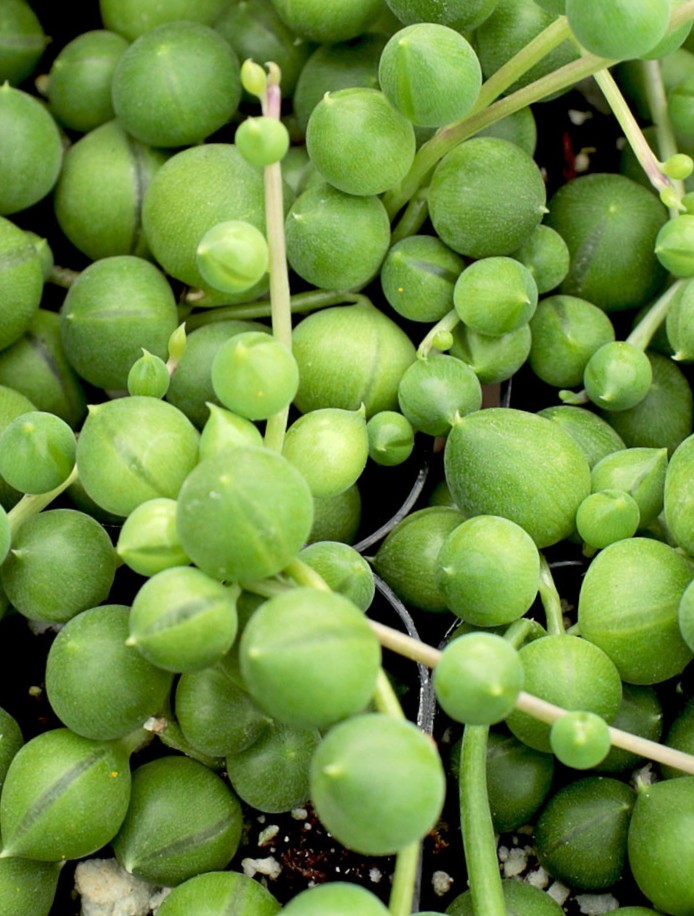
String of Pearls
Curio rowleyanus (H.Jacobsen) P.V.Heath
Hermann Jacobsen originally described the species as Senecio rowleyanus H.Jacobsen in 1968. Paul V. Heath transferred it to the genus Curio in 1999, producing the currently accepted combination Curio rowleyanus.
Accepted taxonomic synonymy includes:
- Senecio rowleyanus H.Jacobsen — the basionym and the name still used widely in horticulture, older toxicology references, nursery catalogs, and scientific studies
- Kleinia rowleyana (H.Jacobsen) G.Kunkel — a former combination reflecting an alternative classification of the African succulent senecioids
- Curio rowleyanus f. marmoratus P.V.Heath — currently treated within the synonymy of Curio rowleyanus rather than as an accepted separate form
The genus Curio contains African succulent species formerly included within the extremely broad historical genus Senecio. Their separation is supported by combinations of stem, leaf, flower, fruit, pollen, and anatomical characteristics. Older scientific and veterinary literature must still be searched under Senecio rowleyanus because most exact-species chemistry and morphology studies predate widespread use of the accepted Curio name.
Closely related or visually similar accepted species include:
- Curio herreanus (Dinter) P.V.Heath — String of Tears, String of Watermelons, or String of Beads, with elongated teardrop-shaped leaves
- Curio radicans (L.f.) P.V.Heath — String of Bananas or Fishhooks Senecio, with curved banana-shaped leaves
- Curio citriformis (G.D.Rowley) P.V.Heath — String of Tears or Lemon String, with pointed lemon-shaped leaves
- Curio ficoides (L.) P.V.Heath — a larger upright blue-gray succulent rather than a fine trailing pearl plant
- Curio hallianus (G.D.Rowley) P.V.Heath — another South African succulent member of the genus
String of Dolphins is currently named ×Bacurio delphinatifolius Gideon F.Sm. & Figueiredo. It is a horticultural hybrid between Baculellum articulatum and Curio rowleyanus. Older labels may call it Curio × peregrinus, Senecio × peregrinus, Senecio peregrinus, or ‘Hippogriff’, but those names should not be entered as synonyms of pure Curio rowleyanus.
Variegated String of Pearls is usually sold under informal names such as ‘Variegata’, Variegated String of Pearls, White String of Pearls, or Variegated Pearl Plant. Variegation does not represent a currently accepted separate species and does not establish a different toxicological status. Retail names and sports may be propagated vegetatively without formal botanical description.
The specific epithet honors British botanist Gordon Douglas Rowley, noted for his work with succulent plants. The accepted spelling is rowleyanus. Misspellings such as “rowleyana,” “rowleyanusii,” “rowleynanus,” and “rowleyanaus” appear online but should not be used as scientific names.
Asteraceae — Aster, Daisy, Sunflower, or Composite Family; tribe Senecioneae
Compositae is the legitimate historical alternative family name and remains common in older botanical publications. Placement in Asteraceae explains why the apparent “flower” is a composite flower head composed of multiple small florets rather than one simple flower.
String of Pearls; String-of-Pearls; String of Beads; String-of-Beads; Bead Plant; Beaded Senecio; Pearl Plant; Pearl Necklace Plant; Necklace Plant; Rosary Plant; Rosary Vine; Rosary Beads; String of Peas; Pea Plant; Green Peas Plant; Beaded Vine; String of Green Pearls; String of Pearl Succulent; Trailing Pearl Plant
Historical and scientific search names include Senecio rowleyanus; Kleinia rowleyana; Curio rowleyanus f. marmoratus; Rowley’s Senecio; Rowley’s Curio; and String-of-Beads Senecio.
Variegated forms may be marketed as Variegated String of Pearls; Variegated Pearl Plant; White String of Pearls; White Pearl Plant; Marble String of Pearls; ‘Variegata’; or Variegated Senecio rowleyanus. These names do not establish a formally accepted toxin-free botanical form.
String of Tears, String of Watermelons, String of Raindrops, and Gooseberry Plant often refer to Curio herreanus. String of Bananas, Fishhooks, and Necklace Vine commonly refer to Curio radicans. String of Dolphins refers to ×Bacurio delphinatifolius. These plants are relatives or hybrids but are not synonyms of Curio rowleyanus.
Rosary Vine and String of Hearts commonly refer to Ceropegia woodii. String of Turtles is generally Peperomia prostrata; String of Nickels is commonly Dischidia nummularia; Burro’s Tail is Sedum morganianum; and String of Buttons usually refers to Crassula perforata. Retail use of overlapping “string” names makes a complete specimen more reliable than a verbal common name.
The Evidence Does Not Support One Uniform “String of Pearls Toxin”
String of Pearls contains a chemically complex mixture rather than one clinically validated compound that explains every exposure. Exact-species research has identified volatile terpenes, sesquiterpenes, phytosterols, triterpenes, and other constituents from concentrated preparations. Veterinary reviews also place the plant among pyrrolizidine-alkaloid-containing ornamental senecioids, but an accessible modern compound-resolved profile of its pyrrolizidine alkaloids remains lacking.
This distinction is essential. The presence of biologically active compounds in a hydrodistilled oil or solvent extract does not establish the dose released by one chewed spherical leaf. Likewise, the historical relationship to toxic ragworts does not justify assigning every named ragwort alkaloid to Curio rowleyanus.
The most defensible toxicological model has two levels: a more immediate and more likely oral or gastrointestinal irritant syndrome after ordinary household ingestion, and a less common but potentially serious concern for cumulative liver injury after repeated or substantial exposure if hepatotoxic pyrrolizidine alkaloids are present at a sufficient dose.
Pyrrolizidine-Alkaloid Concern and the Exact-Species Evidence Gap
Pyrrolizidine alkaloids are a large group of plant nitrogen compounds found in several unrelated plant families and in many members of tribe Senecioneae. Only certain structural types are strongly hepatotoxic. The greatest concern generally involves 1,2-unsaturated pyrrolizidine alkaloids and their N-oxides rather than every molecule containing a pyrrolizidine framework.
A peer-reviewed veterinary houseplant review identifies String of Pearls under its historical name Senecio rowleyanus as a pyrrolizidine-alkaloid-containing ornamental. Earlier exact-species literature also refers to alkaloid investigation, but accessible modern sources do not provide a dependable list of the specific hepatotoxic alkaloids, their N-oxides, their concentrations, or their distribution among the leaves, stems, roots, flowers, and seeds.
Specific compounds such as senecionine, seneciphylline, retrorsine, riddelliine, jacobine, integerrimine, or monocrotaline are well studied in other plants. They should not be presented as confirmed Curio rowleyanus constituents without exact-species analytical evidence. Genus membership is not a substitute for chromatography and structural confirmation.
Metabolic Activation of Hepatotoxic Pyrrolizidine Alkaloids
When a toxic 1,2-unsaturated pyrrolizidine alkaloid is absorbed, the parent compound may be metabolized through several pathways. Some routes produce more water-soluble metabolites that can be excreted, while hepatic cytochrome P450 enzymes can convert the alkaloid into highly reactive dehydropyrrolizidine or pyrrolic intermediates.
These short-lived metabolites bind covalently to proteins, nucleic acids, and other cellular targets. Hepatic sinusoidal endothelial cells and hepatocytes are especially vulnerable. Protein adduct formation can disrupt membranes, cellular metabolism, blood flow through the hepatic sinusoids, and normal regeneration.
Pyrrolizidine-alkaloid N-oxides should not be dismissed automatically as harmless storage forms. Research with other PA-producing plants demonstrates that N-oxides can be converted back to parent alkaloids in the gastrointestinal tract or liver and subsequently undergo toxic metabolic activation. Whether this pathway is clinically important in String of Pearls depends on the unidentified exact compounds and dose.
Cumulative and Delayed Liver Injury
Hepatotoxic pyrrolizidine alkaloids are notable for cumulative injury. An animal may consume small amounts repeatedly while appearing normal, yet reactive metabolites and progressive cellular damage can continue accumulating. Clinical disease may become visible only after functional liver reserve has been substantially reduced.
Stopping exposure does not always stop progression immediately because covalent adducts, injured sinusoidal endothelium, impaired hepatic regeneration, fibrosis, and vascular remodeling can persist. The delay between plant access and visible illness can make the causal connection difficult to recognize.
This mechanism is well documented for toxic ragworts, Crotalaria, and other PA-producing plants. It remains a conditional concern for String of Pearls rather than a proven expected outcome after one household nibble.
Hepatic Sinusoidal and Hepatocellular Injury
Reactive PA metabolites can injure the small endothelial cells lining hepatic sinusoids, causing swelling, detachment, obstruction, hemorrhage, and impaired blood movement through the liver. Severe vascular injury may produce hepatic sinusoidal obstruction syndrome, portal hypertension, ascites, and reduced oxygen delivery to surrounding hepatocytes.
Hepatocytes may develop degeneration, necrosis, abnormal nuclear enlargement, impaired cell division, and megalocytosis. Chronic injury can be accompanied by bile-duct proliferation, nodular regeneration, bridging fibrosis, and cirrhosis-like remodeling.
Classic lesions are not present at the same stage or intensity in every affected animal. A recent confirmed equine Senecio case demonstrated that direct analytical evidence of PA exposure can be present even when every textbook histologic feature is not fully developed.
Exact-Species Essential-Oil Chemistry
A 2008 investigation hydrodistilled fresh whole flowering Senecio rowleyanus material and characterized the resulting essential oil by gas chromatography and mass spectrometry. Twenty-five constituents represented approximately 99.95 percent of the oil.
The principal reported constituents were spathulenol at 22.9 percent, myrcene at 12.8 percent, germacrene B at 12.4 percent, and viridiflorol at 11 percent. The remaining fraction contained numerous additional mono- and sesquiterpenes in smaller proportions.
The oil demonstrated antimicrobial activity and in-vitro cytotoxicity against cultured human cell lines under the study conditions. These results establish biochemical activity in a concentrated hydrodistilled product. They do not establish that an animal chewing a fresh pearl receives an essential-oil dose comparable to direct laboratory exposure.
Exact-Species Nonpolar Extract Chemistry
A 2025 study examined a dried whole-plant n-hexane extract prepared from cultivated String of Pearls material, including roots and flowers. Gas chromatography and mass spectrometry identified a nonpolar mixture dominated by beta- and gamma-sitosterol at approximately 17.52 percent, spathulenol at approximately 13.30 percent, and alpha-amyrin at approximately 9.11 percent.
Additional detected constituents included lupeol, alpha-copaene, alpha-muurolene, squalene, stigmasterol, and other lipophilic compounds. Lupeol was further isolated and verified through chromatographic and spectroscopic techniques.
The extract reduced viability of a cultured human breast-cancer cell line in a concentration- and time-dependent laboratory assay. This does not demonstrate therapeutic safety, systemic pet poisoning, or a clinical anticancer effect after plant ingestion. N-hexane extraction deliberately concentrates fat-soluble compounds that may be released extraction deliberately concentrates fat-soluble compounds that may be released only incompletely during normal digestion.
Why the GC-MS Studies Do Not Resolve the Pyrrolizidine-Alkaloid Question
The absence of a named pyrrolizidine alkaloid from an essential-oil or n-hexane GC-MS table does not prove that the intact plant lacks those alkaloids. Hydrodistillation selects volatile constituents, while nonpolar extraction favors lipophilic compounds. Pyrrolizidine alkaloids and their N-oxides may require different extraction, chromatographic separation, ionization, and mass-spectrometric methods.
Conversely, general statements that all historical Senecio species contain the same toxic PAs are also unjustified. Exact confirmation requires validated analysis of authenticated Curio rowleyanus tissues collected from multiple plants, cultivars, developmental stages, and growing conditions.
Immediate Gastrointestinal Irritation
Chewing releases cellular fluid and numerous plant metabolites onto the lips, tongue, esophagus, stomach, and intestine. The immediate veterinary syndrome reported for String of Pearls and similar ornamental senecioids is dominated by drooling, nausea, vomiting, abdominal discomfort, diarrhea, appetite reduction, and lethargy.
The exact constituent responsible for these local signs has not been isolated conclusively. Multiple terpenoids, alkaloids, bitter compounds, and physical plant material may contribute. Rough stems, potting grit, fertilizer, and pesticides can intensify the irritation.
Repeated vomiting and diarrhea can become clinically important even when the absorbed plant toxin remains limited. Dehydration, electrolyte disturbance, esophagitis, aspiration, weakness, and reduced organ perfusion are secondary complications rather than proof of primary liver failure.
Sap and Contact Irritation
Broken leaves and stems release a clear to watery plant fluid rather than the abundant white latex characteristic of many spurges. Contact is reported to irritate skin and mucous membranes in some individuals, but exact-species controlled dermatologic research is sparse.
Redness, itching, swelling, rash, or localized discomfort may follow direct contact, especially after prolonged exposure beneath a collar, harness, bandage, dense coat, or glove. Pesticides, fertilizers, leaf-cleaning products, and secondary infection may be responsible for a stronger reaction than the plant fluid alone.
Sap or crushed tissue in the eye can cause tearing, squinting, redness, eyelid swelling, and self-trauma. Corneal injury may result from rubbing or retained potting grit even when the original chemical irritation is mild.
Spherical Leaves
The pea-like structures are highly modified succulent leaves rather than berries or seeds. Each stores water and contains a narrow translucent epidermal window that allows light to enter deeper internal tissue.
The spherical form can resemble peas, grapes, beads, or pellets and may encourage exploratory ingestion. One detached leaf represents a relatively small plant mass, while a long mature strand may contain dozens or hundreds of leaves.
No research establishes a safe number of leaves for any animal species. Risk depends on total mass, repeated access, animal size, exact plant chemistry, accompanying materials, and clinical signs.
Stems, Crown, and Roots
The thin trailing stems can root where nodes contact suitable soil. An animal pulling one strand may remove a much longer section from the pot than is visible initially.
Dogs and pigs may excavate the crown and roots, while cats may pull a basket down by the stems. Underground material has not been compared systematically with leaves for pyrrolizidine-alkaloid or terpene concentration.
A crown-and-root exposure frequently includes potting mix, slow-release fertilizer, systemic pesticide, perlite, bark, coir, decorative gravel, plastic mesh, hanger parts, and pieces of the container. These may dominate the clinical problem.
Flowers, Fruits, and Seeds
String of Pearls produces small composite flower heads with white tubular florets, protruding colored anthers or styles, and a brush-like appearance. The flowers are often described as having a sweet, spicy, or cinnamon-like fragrance.
After pollination, individual florets can form small dry one-seeded fruits equipped with a pappus of fine hairs. The seed-bearing head may disperse lightweight fruits through air movement.
No controlled veterinary study establishes flowers, fruits, or seeds as safer or more toxic than the leaves. Reproductive material should remain inaccessible, particularly because concentrated tissue and pappus hairs may irritate the mouth, eyes, or respiratory tract.
Fresh, Wilted, Dried, and Preserved Material
Wilting does not establish detoxification. Water loss may reduce the volume of plant material while leaving nonvolatile alkaloids and many terpenoids present. Dried strands, propagation failures, frost-damaged baskets, and old succulent arrangements should remain inaccessible.
Pyrrolizidine alkaloids in other poisonous plants can persist in dried forage, and animals may lose the ability to reject a bitter plant once it is fragmented or mixed with palatable material. Exact persistence in dried String of Pearls has not been quantified, so dried material should not be treated as safe.
Preserved wreaths, framed succulent art, botanical crafts, and dried arrangements may add glue, paint, floral preservative, wire, foam, glitter, or pesticide to the exposure.
Variegated Plants
Variegated String of Pearls contains green and cream or white tissue because portions of the leaf contain less chlorophyll. This affects appearance and growth but does not prove absence of alkaloids, terpenoids, or other defensive constituents.
No comparative toxicological analysis establishes that variegated plants are safer than fully green specimens. Slower growth or smaller leaves may reduce the amount available at one time but does not change the basic ingestion precautions.
No Validated Veterinary Toxic Dose
No controlled study defines a toxic dose of String of Pearls leaves, stems, roots, flowers, fruits, seeds, essential oil, or extract for dogs, cats, horses, cattle, sheep, goats, rabbits, guinea pigs, birds, reptiles, or other animals.
The unknown dose should not be replaced with a fabricated pearl count. One detached leaf in a healthy medium-sized dog is a different event from repeated feline nibbling, ingestion of an entire hanging basket by a puppy, or deliberate feeding to a small herbivore.
Risk assessment should consider maximum possible plant mass, repeated access, animal size, existing liver disease, clinical signs, pot destruction, chemical treatments, and whether a different trailing plant was involved.
Clinical Pattern Depends on the Exposure
String of Pearls presents two different toxicological questions. The more common immediate concern is oral or gastrointestinal irritation after one household ingestion. The less certain but more serious concern is delayed cumulative liver injury after repeated or substantial ingestion of a plant presumed to contain hepatotoxic pyrrolizidine alkaloids.
These patterns should not be collapsed into one prediction. An animal vomiting soon after chewing a strand has not thereby been diagnosed with pyrrolizidine-alkaloid liver failure, while an animal that has nibbled the plant repeatedly for months should not be cleared solely because it never vomited.
Expected Acute Gastrointestinal Signs
Early signs may include lip licking, repeated swallowing, drooling, gulping, nausea, vomiting, abdominal discomfort, diarrhea, reduced appetite, hiding, restlessness, or temporary depression. Plant fragments may be visible in vomit or stool.
Onset may occur within several hours, but no controlled exact-species onset range has been established. An owner may discover the damaged basket only after an animal has vomited, making the actual access time uncertain.
Most limited exposures are expected to remain mild to moderate. Continued vomiting, inability to retain water, profuse diarrhea, blood, severe pain, or progressive weakness requires veterinary examination.
Oral Irritation
An animal may paw at the mouth, rub the face, drool, or stop chewing because of an unpleasant taste or local irritation. Mild redness of the lips or gums may occur after crushed plant material remains in contact with the mucosa.
Severe immediate oral burning, major tongue enlargement, blistering, extensive ulceration, or inability to swallow is not the defining String of Pearls syndrome. These findings raise concern for an insoluble-calcium-oxalate plant, caustic chemical, electrical injury, penetrating material, severe allergy, or incorrect plant identification.
Vomiting and Diarrhea
Vomiting may contain spherical leaves, threadlike stems, potting mix, food, foam, or bile. Diarrhea may be soft, watery, mucus-covered, urgent, or occasionally blood-streaked after substantial irritation.
Repeated gastrointestinal losses can cause dehydration, sodium and potassium disturbance, weakness, low blood pressure, reduced kidney perfusion, and aspiration. These secondary effects may become more urgent than the original plant exposure.
Persistent unproductive retching, severe abdominal enlargement, absent fecal passage, or focal pain requires assessment for swallowed gravel, plastic, wire, macramé cord, plant hanger parts, ceramic fragments, compacted substrate, or another foreign body.
Skin and Coat Findings
Crushed plant material may produce localized redness, itching, swelling, or rash, particularly when trapped beneath a collar, harness, bandage, dense fur, or bedding. Licking and scratching can convert a minor irritation into moist dermatitis or an infected wound.
Widespread hives, facial swelling, collapse, repeated vomiting accompanied by respiratory difficulty, or rapidly progressive redness suggests a systemic hypersensitivity reaction or a different contact product and requires emergency care.
Eye Findings
Plant fluid, fine flower material, potting grit, fertilizer, or pesticide can cause tearing, squinting, redness, eyelid swelling, discharge, and face rubbing. A cat pulling down a hanging basket may receive simultaneous eye and coat exposure.
Persistent squinting, cloudiness, inability to open the eye, severe pain, or apparent vision loss requires veterinary ophthalmic examination. Corneal abrasion or ulceration may result from self-trauma or retained foreign material.
Delayed Liver Injury
If an animal consumes a clinically important dose of hepatotoxic pyrrolizidine alkaloids, liver injury may be delayed and cumulative. Early disease can be vague, including appetite reduction, weight loss, poor body condition, reduced activity, intermittent gastrointestinal upset, or altered behavior.
Progressive disease may cause jaundice, dark urine, pale or clay-colored feces, increased or reduced thirst, abdominal enlargement, ascites, swelling beneath the abdomen or limbs, easy bruising, prolonged bleeding, weakness, and exercise intolerance.
Because direct String of Pearls veterinary cases are lacking, these findings should be described as a reason to investigate possible PA-related liver injury rather than as the expected result of every exposure.
Hepatic Encephalopathy
A severely damaged liver may fail to clear ammonia and other neuroactive compounds from portal blood. Affected animals can become dull, disoriented, unusually quiet, restless, head pressing, compulsively walking, circling, stumbling, blind-appearing, tremulous, recumbent, or seizure-prone.
Horses may yawn repeatedly, wander aimlessly, press their heads against objects, become difficult to handle, or develop apparent cortical blindness. Dogs and cats may stare, pace, become unresponsive, drool, or show episodic behavioral changes.
Neurologic signs are not specific to plant-related liver disease. Hypoglycemia, medications, pesticides, cannabis, mushrooms, brain disease, electrolyte disturbance, and other toxicants must be investigated immediately.
Portal Hypertension and Ascites
Sinusoidal obstruction and hepatic fibrosis can increase resistance to portal blood flow. Fluid may then accumulate within the abdomen, producing progressive distention, discomfort, reduced appetite, breathing restriction, or a fluid wave.
Low albumin, sodium retention, lymphatic disturbance, and vascular pressure can also cause edema beneath the jaw, chest, abdomen, or limbs. Sudden abdominal enlargement after a recent small leaf nibble is unlikely to be explained by String of Pearls alone and requires broader investigation.
Coagulation Abnormalities
Advanced liver dysfunction can impair production of clotting proteins and alter platelet function. Findings may include unexplained bruising, pinpoint hemorrhages, bleeding from the gums or nose, blood in vomit or stool, prolonged bleeding after venipuncture, or internal hemorrhage.
Plant-related hepatic coagulopathy must be differentiated from anticoagulant rodenticide, immune-mediated disease, severe infection, trauma, platelet disorders, and primary clotting-factor abnormalities.
Hepatogenous Photosensitization
In grazing animals, severe liver dysfunction can prevent normal biliary excretion of phylloerythrin produced during chlorophyll digestion. The circulating pigment may then react with sunlight and injure exposed nonpigmented skin.
Painful redness, swelling, crusting, or sloughing on white or lightly pigmented skin is well recognized in livestock with certain chronic liver diseases and PA toxicoses. It has not been documented specifically as a routine String of Pearls syndrome, but it should be considered if livestock consumed succulent nursery waste and developed both liver abnormalities and sunlight-associated skin disease.
Dogs
Dogs may swallow fallen pearls, pull entire strands from a low table, destroy a hanging basket, or dig through discarded cuttings. Expected acute findings include drooling, vomiting, diarrhea, abdominal discomfort, appetite loss, and lethargy.
A puppy can consume a long length of stem quickly, particularly when the strand resembles a moving toy. Macramé cord, plastic hangers, wire hooks, decorative pebbles, and broken pots can produce choking or obstruction.
Repeated access should be reported even when the dog appears normal. Baseline and follow-up liver evaluation may be appropriate after substantial chronic ingestion, especially when weight loss, reduced appetite, jaundice, abdominal enlargement, or behavioral changes develop.
Cats
Cats may be attracted to dangling stems, moving pearls, high shelves, and hanging baskets. They can bite small amounts repeatedly without creating obvious damage from a distance. Fallen leaves may be batted across the floor and swallowed later.
Acute signs include lip licking, drooling, quiet vomiting, diarrhea, hiding, reduced grooming, and food refusal. Continued anorexia deserves attention because prolonged inadequate intake can cause secondary hepatic lipidosis independent of any plant alkaloid.
A cat with repeated historical access and jaundice, weight loss, ascites, neurologic behavior, or abnormal liver values requires investigation for PA-associated disease as well as hepatic lipidosis, cholangitis, infection, medication exposure, cancer, and other liver disorders.
Horses
String of Pearls is not a pasture plant in most regions. Equine exposure is more likely through greenhouse waste, nursery disposal, mixed ornamental clippings, botanical-garden landscaping, or potted plants discarded near a paddock.
Horses cannot vomit, so salivation, feed refusal, colic, diarrhea, depression, or reduced gut sounds may be the immediate findings. Repeated ingestion of PA-containing material can produce chronic weight loss, jaundice, photosensitization, ascites, hepatic encephalopathy, and progressive liver failure.
The well-developed equine literature on ragwort and Crotalaria demonstrates high susceptibility to hepatotoxic PAs, but it does not establish a String of Pearls dose. Every plant in a mixed ornamental load should be identified.
Cattle, Sheep, Goats, and Other Livestock
Livestock exposure is most plausible when succulent displays, nursery waste, greenhouse trimmings, or frost-killed hanging baskets are discarded into a feed area or pasture. Fragmentation and drying may prevent animals from rejecting the unfamiliar material.
Immediate gastrointestinal illness may include salivation, feed refusal, reduced rumination, diarrhea, depression, and weakness. Repeated PA exposure can potentially cause chronic liver disease, poor production, weight loss, jaundice, ascites, photosensitization, and neurologic changes.
Susceptibility to individual PAs differs among animal species, dose patterns, and ruminal microbial populations. Sheep and goats may tolerate some PA-containing plants better than horses or cattle under certain conditions, but they are not immune and should never be used to dispose of String of Pearls.
Rabbits and Guinea Pigs
Rabbits and guinea pigs may receive the plant accidentally in mixed garden browse or gain access to fallen strands. Neither species can vomit, so nausea may appear as food refusal, tooth grinding, hiding, abdominal discomfort, diarrhea, or reduced fecal production.
Even limited gastrointestinal irritation can trigger gastrointestinal stasis. Repeated exposure also raises an unresolved chronic liver concern because no safe dose or species-specific PA susceptibility has been established.
Birds and Poultry
Parrots and other birds may shred spherical leaves and thin stems efficiently. Poultry may investigate discarded baskets, roots, potting mix, insects, fertilizer granules, and seeds from dry flower heads.
Regurgitation, diarrhea, food refusal, fluffed posture, weakness, altered droppings, tremors, loss of balance, abdominal enlargement, or breathing change requires avian veterinary guidance. Small body size makes an uncertain amount important.
Reptiles and Other Exotic Animals
Tortoises and other herbivorous reptiles may sample String of Pearls planted in a naturalistic enclosure or offered accidentally with succulent trimmings. Rodents, pigs, and other animals may excavate roots or chew the container.
Food refusal, regurgitation, abnormal feces, weakness, altered activity, abdominal enlargement, jaundice, or neurologic changes requires a species-experienced veterinarian. The absence of case reports does not establish dietary safety.
Severe or Atypical Findings
Rapid severe tremors, hyperthermia, rigid paralysis, marked cardiac arrhythmia, profound immediate oral swelling, acute kidney failure, or sudden collapse shortly after one small leaf exposure is not the best-supported String of Pearls pattern.
These signs should prompt investigation of pesticides, rodent bait, slug bait, nicotine, cannabis, medications, toxic mushrooms, essential oils, fertilizer, another plant, hypoglycemia, foreign-body obstruction, and primary medical disease.
Duration and Prognosis
Mild gastrointestinal signs after a limited one-time exposure may improve within several hours to one or two days with appropriate symptom control and hydration. Skin irritation may last longer if plant material remains on the coat or secondary infection develops.
Delayed liver disease follows a different course. Laboratory abnormalities and clinical signs may emerge after repeated exposure or after access has ended. Established fibrosis, sinusoidal obstruction, megalocytosis, or hepatic encephalopathy carries a guarded to poor prognosis because no antidote reverses existing structural liver injury.
The overall prognosis is favorable for a small uncomplicated ingestion and progressively more guarded when exposure was repeated, liver function is impaired, coagulation abnormalities develop, ascites is severe, or neurologic signs are present.
Botanical Identity and Native Range
String of Pearls is a trailing or creeping succulent native to the Cape Provinces of South Africa. It belongs to the African succulent lineage now classified in Curio rather than the very broad historical genus Senecio.
Wild plants occur in karroid vegetation and Albany Thicket environments, including Lower Karoo and Upper Karoo habitat. They may grow beneath fine shrublets, among rocks, or in partial shade where the thin stems spread across the surface and root at nodes.
Popular accounts sometimes extend the native range into Namibia, but current accepted distribution data place Curio rowleyanus in the Cape Provinces. Namibian trailing species such as Curio herreanus contribute to the confusion.
Growth Habit
The plant produces long, slender, flexible stems that creep along the ground in habitat and trail dramatically from containers in cultivation. Nodes can produce roots when they contact suitable substrate, allowing one strand to establish several attached growing points.
Stems are relatively fragile and may break during handling, watering, transport, grooming, or play. A cat or dog can pull a long section free after biting only one visible end.
Mature indoor strands may extend several feet below a shelf or hanging basket. Fallen pieces can remain alive long enough to root in another pot or moist debris, extending the exposure beyond the original container.
Spherical Leaves and Epidermal Windows
The familiar green pearls are spherical to slightly oval succulent leaves. Their reduced surface-area-to-volume ratio limits water loss while internal tissue stores moisture.
Each leaf usually carries a narrow, darker or translucent longitudinal stripe known as an epidermal window. Light passing through this window reaches internal photosynthetic tissue that would otherwise be shaded within the rounded leaf.
Experimental work demonstrated that these windows influence the internal light environment, although blocking them did not produce a major measurable change in the overall degree of crassulacean acid metabolism under the tested conditions. The window is a useful identification feature but not a toxin-bearing gland.
Crassulacean Acid Metabolism
String of Pearls uses crassulacean acid metabolism, or CAM, as part of its adaptation to water-limited environments. Stomata can open predominantly at night, allowing carbon dioxide uptake with less water loss than ordinary daytime gas exchange.
Acid accumulates overnight and is processed during daylight. This daily metabolic cycle affects plant acidity and physiology but does not establish that nighttime leaves are safe or that ordinary plant acids are the principal veterinary toxin.
Flowers and Seed Production
Small composite flower heads arise on upright stalks, often during cooler or brighter seasonal conditions. Numerous white tubular florets create a tufted or brush-like appearance, with colored reproductive structures extending above them.
The fragrance is frequently compared with cinnamon, cloves, or another sweet spice. Scent intensity varies with plant condition, environment, and observer.
Pollinated florets develop dry one-seeded fruits bearing fine pappus hairs. Indoor plants may flower without producing abundant viable seed, but dry heads should still be collected from animal areas.
Seasonal Growth and Dormancy
Growth patterns vary with climate, temperature, light, and water. In its native seasonal environment, the plant is adapted to periods of reduced water availability. Indoor specimens may grow continuously under stable conditions or slow substantially during heat, cold, low light, or drought.
Heat stress, root disease, underwatering, overwatering, or abrupt relocation can cause spherical leaves to shrivel and detach. Fallen pearls remain a pet exposure even when the plant appears dormant or unhealthy.
Cold injury and frost can collapse an entire basket. Damaged material should be contained immediately rather than placed in open compost or a livestock-accessible brush pile.
Why String of Pearls Is No Longer Classified as Senecio
The historical genus Senecio included an enormous range of herbaceous, shrubby, woody, and succulent plants. Detailed study of African succulent groups identified coherent combinations of leaf form, stem anatomy, flower-head structure, style branches, pollen, fruit, and other characteristics that supported reclassification.
The accepted Curio name improves botanical precision but does not erase older toxicology and chemistry literature published as Senecio rowleyanus. Both names must be searched during research and retained in clinical records.
Reclassification also does not prove that the plant lost all chemical similarity to PA-containing relatives. Taxonomy informs the research question but cannot replace exact phytochemical analysis.
String of Tears and String of Watermelons
Curio herreanus has elongated teardrop, gooseberry, or miniature-watermelon-shaped leaves, often with visible longitudinal striping. It is native to Namibia and adjacent southern African regions and is frequently mislabeled as String of Pearls.
The leaves of Curio herreanus are less perfectly spherical and often taper toward the stem. Retailers may use String of Beads for either species.
Because exact comparative toxin profiles are unavailable, a Curio herreanus exposure should not be assigned automatically the same compounds or dose as Curio rowleyanus. Preserve the complete strand and label.
String of Bananas
Curio radicans produces narrow curved leaves resembling miniature bananas or fishhooks. It is a separate accepted species and may be sold as String of Bananas, Fishhooks Senecio, Necklace Vine, or Creeping Berry.
Hybrid or poorly grown specimens may have shorter, rounder leaves, but the curved pointed shape generally distinguishes them from true spherical pearls. Genus-level caution is appropriate, while exact-species toxicology should remain explicit.
String of Dolphins
String of Dolphins has leaves shaped like small leaping dolphins. Its accepted hybrid name is ×Bacurio delphinatifolius, reflecting parentage from Baculellum articulatum and Curio rowleyanus.
Older names include Curio × peregrinus, Senecio × peregrinus, and ‘Hippogriff’. The hybrid contains String of Pearls ancestry but is not pure Curio rowleyanus, and no veterinary study establishes an identical toxin concentration.
String of Hearts and Rosary Vine
String of Hearts, Ceropegia woodii, is an unrelated member of Apocynaceae. It has thin heart-shaped leaves, often with silver marbling and purple undersides, and may produce aerial tubers along wiry stems.
Rosary Vine is used for both Ceropegia woodii and String of Pearls in retail trade. A verbal report of “Rosary Vine” therefore requires photographs or a specimen before toxicological conclusions are drawn.
Other Unrelated String Plants
String of Turtles, Peperomia prostrata, has small flat round leaves patterned like turtle shells. String of Nickels, Dischidia nummularia, has flattened coin-like leaves on fine stems. Burro’s Tail, Sedum morganianum, carries densely packed plump pointed leaves around thicker trailing stems.
String of Buttons, usually Crassula perforata, has paired triangular leaves stacked around an upright or trailing stem. Hoya, Rhipsalis, trailing jade, and numerous other plants are also sold under improvised string names.
These plants span several families and should not receive one shared poison profile. Mixed succulent arrangements may contain several species in the same container.
Dogs and Fallen-Pearl Exposure
Dogs may eat leaves that fall beneath a shelf, pull stems from a low planter, investigate pruning debris, or destroy an entire basket. The spherical leaves can resemble peas, kibble, toy pellets, or fallen berries.
A dog may swallow long flexible stems with little chewing. String, macramé cord, hanger wire, and plant ties can become linear foreign bodies or cause intestinal bunching, perforation, or obstruction.
Pot destruction commonly adds bark, coir, perlite, fertilizer granules, decorative stones, plastic liners, tags, and ceramic fragments. Count the missing physical materials instead of assuming that all vomiting is caused by plant chemistry.
Cats and Repeated Nibbling
Dangling stems move with air currents and resemble toys, making cats a particularly likely exposure group. A basket suspended near furniture, shelves, curtains, or a window ledge may remain easily reachable.
Cats may bite only the newest growth repeatedly, leaving subtle clipped ends rather than obvious destruction. Historical access over days or weeks is important when assessing possible cumulative liver risk.
Fallen pearls can roll under furniture and be swallowed later. Cats may also drink drainage water or groom potting mix, pesticide, or fertilizer from the paws after pulling down the container.
Horses and Livestock
String of Pearls is rarely encountered as ordinary forage. Relevant exposure pathways include greenhouse cleanout, nursery waste, frost-killed baskets, hotel or resort landscaping, mixed succulent arrangements, and ornamental clippings discarded into a paddock.
Hay and silage contamination is improbable during normal field production but possible when greenhouse waste or landscape debris is added deliberately to feed or compost accessible to animals. Dried fragmentation can make plant rejection less reliable.
Do not use sheep, goats, cattle, horses, pigs, or camelids to dispose of String of Pearls. The unknown PA profile and cumulative nature of established PA toxicology make deliberate feeding indefensible.
Rabbits, Guinea Pigs, and Chinchillas
Small herbivores may receive a fallen strand as apparent succulent forage or encounter it in a garden exercise pen. The high water content and rounded leaves do not make the plant a safe vegetable.
These animals consume large plant amounts relative to body size and may continue eating unfamiliar material. Rabbits and guinea pigs cannot vomit, so appetite loss and reduced fecal production may become the first emergency.
String of Pearls should not be used as browse, enrichment, bedding, nest material, or chew material. Mixed succulent trimmings should never be added to hay.
Birds and Poultry
Parrots and other birds can sever stems and crush individual leaves efficiently. Hanging strands near a cage may be reached through the bars even when the basket appears outside the enclosure.
Poultry may investigate discarded pots, roots, insects, fertilizer granules, flower heads, and seeds. A dry basket placed in a compost or chicken area can create repeated access.
Plant material, substrate, and pesticide information should accompany an exposed bird because avian-specific dose-response data do not exist.
Reptiles and Other Exotic Animals
Tortoises and herbivorous lizards may sample String of Pearls in naturalistic enclosures or mixed succulent plantings. Small mammals and pigs may excavate the crown and roots.
The plant should not be selected for an edible enclosure merely because it is succulent or drought tolerant. Species-specific evidence is insufficient to establish a safe proportion of the diet.
Hanging Baskets and Linear Foreign Bodies
A String of Pearls exposure often involves the display system as much as the plant. Macramé cords, nylon line, chain, wire, hooks, clips, plastic hangers, and irrigation wicks may be swallowed when an animal pulls down the basket.
Linear material can anchor beneath the tongue or in the stomach while the intestine attempts to move the remaining length, causing plication, cutting injury, perforation, and peritonitis. Never pull a cord or stem protruding from the mouth or anus without veterinary instruction.
Broken ceramic, glass cachepots, and sharp metal hooks create additional trauma. A complete inventory of the hanging system should be made after an incident.
Potting Mix, Fertilizer, and Pesticides
Succulent substrate may contain bark, coir, peat, pumice, perlite, sand, gravel, charcoal, slow-release fertilizer, moisture-control crystals, fungicide, and systemic insecticide. Decorative top dressing may include polished stone, glass, shell, or dyed aggregate.
Fertilizers and pesticides can cause gastrointestinal, neurologic, cardiovascular, or respiratory signs beyond the expected plant syndrome. Product concentration and treatment date may be recorded by a nursery or commercial plant-maintenance company rather than on the decorative tag.
Saucer water and cachepot drainage can contain dissolved fertilizer, pesticide, mold, bacteria, and decaying plant tissue. Animals should not drink it.
Propagation and Pruning
String of Pearls is propagated readily from stem cuttings laid across or inserted into moist substrate. Cutting trays, rooting containers, water vessels, work surfaces, and discarded fragments may create temporary access throughout the home or greenhouse.
A small clipping can remain viable and continue producing new growth after it falls into another pot. All trimmed material should be counted and contained rather than brushed onto the floor or open compost.
Propagation labels matter because several Curio species and hybrids may be present together before they develop their mature leaf shape.
Succulent Arrangements, Wreaths, and Gift Plants
String of Pearls is used as a trailing accent in mixed succulent bowls, wedding arrangements, living wreaths, wall art, terrariums, holiday displays, and gift baskets. The surrounding plants may include Euphorbia, Kalanchoe, Crassula, Aloe, Agave, Jade Plant, Pencil Cactus, or unfamiliar hybrids.
Floral foam, wire, glue, paint, preservative, glitter, ribbon, candles, batteries, and decorative picks may be present. Preserve the entire arrangement rather than identifying one visible strand and discarding the rest.
Nurseries, Greenhouses, Offices, and Public Buildings
Commercial plants may be treated repeatedly for mealybugs, aphids, scale, fungus gnats, mites, root disease, or fungal leaf problems. Systemic insecticides, foliar sprays, horticultural oils, alcohol preparations, fungicides, growth regulators, and fertilizer may remain relevant after purchase.
Offices, hotels, hospitals, restaurants, and retail spaces often use outside plant-care contractors. Treatment history should be requested if an animal is exposed in a public building or workplace.
Nursery and greenhouse waste should be placed in closed containers rather than compost, livestock pens, wildlife feeding areas, or open dumpsters accessible to animals.
Outdoor Landscaping and Seasonal Movement
In frost-free climates, String of Pearls may be grown outdoors in hanging baskets, raised planters, rock gardens, walls, and sheltered groundcover positions. Stems touching soil can root and spread beyond the original pot.
In colder regions, baskets are often moved indoors before frost, introducing insects, pesticide residue, loose substrate, and newly accessible trailing stems. Frost-damaged outdoor material may be discarded in large quantities.
Diagnosis
No routine clinic test confirms ingestion of Curio rowleyanus or measures a validated String of Pearls toxin. Diagnosis begins with botanical identification, amount and duration of access, clinical signs, accompanying materials, and exclusion of alternative causes.
Useful evidence includes the full plant, rooted crown, leaves, flowers, dry flower heads, fruits, seeds, pot label, photographs, propagation records, vomit, stool fragments, potting mix, fertilizer, pesticide products, hanger components, and every other plant in a mixed display.
A one-time gastrointestinal case may require only physical examination and supportive assessment. Repeated or substantial ingestion can justify a complete blood count, electrolytes, glucose, kidney values, liver enzymes, bilirubin, albumin, cholesterol, urinalysis, and coagulation testing.
Evaluation for Possible Pyrrolizidine-Alkaloid Liver Injury
Serial testing is more informative than one early chemistry panel. Liver leakage enzymes may rise during active injury, while chronic end-stage fibrosis can exist with only modest enzyme elevation because fewer functional hepatocytes remain to release enzymes.
Bile acids, bilirubin, ammonia, glucose, albumin, cholesterol, urea, coagulation times, platelet count, and urinalysis help evaluate liver function and complications. Species-specific interpretation is essential.
Ultrasound may reveal altered liver size, irregular margins, heterogeneous tissue, portal changes, ascites, gallbladder abnormalities, or other disease. Normal imaging does not exclude microscopic or early injury.
Liver biopsy may identify megalocytosis, karyomegaly, hepatocellular degeneration, bile-duct proliferation, sinusoidal injury, fibrosis, nodular regeneration, or another diagnosis. Biopsy carries bleeding risk in coagulopathic patients and must be planned from clotting results, platelet status, imaging, and clinical stability.
Specialized laboratories may detect particular pyrrolizidine alkaloids, metabolites, or pyrrole-protein adducts in selected clinical or research settings. These tests are not routine, and the absence of a validated Curio rowleyanus alkaloid profile limits exact source attribution.
Differential Diagnosis for Acute Gastrointestinal Illness
Vomiting and diarrhea overlap with dietary indiscretion, spoiled food, infection, parasites, pancreatitis, foreign-body obstruction, medications, fertilizer, pesticides, mushrooms, essential oils, and numerous houseplants.
String-like material beneath the tongue, absent stool, persistent retching, or focal pain raises concern for a linear foreign body. Tremors, hyperthermia, profound salivation, or seizures raises concern for pesticide, slug bait, medication, nicotine, cannabis, or mushroom exposure.
Differential Diagnosis for Liver Disease
Possible PA-related disease must be distinguished from Sago Palm, aflatoxin, blue-green algae, toxic mushrooms, xylitol in dogs, acetaminophen and other medications, leptospirosis, copper-associated disease, infectious hepatitis, cholangitis, gallbladder disease, cancer, congenital vascular anomalies, and immune-mediated disorders.
Cats require consideration of hepatic lipidosis, cholangitis, pancreatitis, lymphoma, infectious disease, and prolonged anorexia. Horses and livestock require assessment for ragworts, Crotalaria, Heliotropium, Amsinckia, Echium, mycotoxins, infectious disease, and nutritional causes.
Prognosis
The prognosis is generally good to excellent after a small one-time exposure causing mild gastrointestinal irritation. Most animals recover with removal from the source, adequate hydration, symptom control, and absence of foreign material.
The prognosis becomes more uncertain after repeated ingestion because clinical disease may be delayed and the exact alkaloid dose cannot be reconstructed. Normal early liver results are reassuring but cannot guarantee that no later abnormality will develop after substantial chronic access.
Established hepatic fibrosis, sinusoidal obstruction, portal hypertension, persistent ascites, impaired coagulation, low albumin, hypoglycemia, or hepatic encephalopathy carries a guarded to poor prognosis. Structural PA injury may be irreversible even after the plant is removed.
Prevention
Keep String of Pearls in a room or enclosed display inaccessible to animals rather than relying only on basket height. Account for jumping cats, furniture access, falling leaves, long mature strands, and pets that pull hanging cords.
Use secure solid hangers and avoid loose macramé, exposed wire, accessible hooks, and breakable containers. Collect every fallen pearl and pruning fragment immediately.
Retain the scientific label and treatment records. Do not place the plant in mixed animal-accessible succulent displays, cages, terrariums, grazing enclosures, rabbit runs, poultry areas, or livestock feed zones.
Dispose of old plants and trimmings in sealed or otherwise inaccessible waste. Do not add them to hay, browse, open compost, brush piles, or garden forage intended for animals.
Repeated nibbling is more important than cosmetic leaf damage suggests. Replace the plant with a well-established animal-safe alternative when exclusion repeatedly fails.
Immediate Steps After Exposure
- Stop further access: Remove the animal from the plant, fallen pearls, propagation cuttings, discarded strands, potting mix, and display materials.
- Preserve the complete plant: Save the rooted crown, spherical leaves, stems, flowers, dry flower heads, fruits, seeds, nursery label, and photographs.
- Determine whether exposure was repeated: Inspect older stem damage and ask whether the animal could have nibbled the plant over days, weeks, or months.
- Estimate the maximum amount: Include missing strands, leaves found elsewhere, vomited fragments, and plant material still attached to broken stems.
- Inventory the hanging system: Account for macramé cord, wire, hooks, chain, plastic hangers, irrigation wicks, and container fragments.
- Preserve chemical products: Retain fertilizer, pesticide, systemic insecticide, fungicide, leaf-cleaning product, and potting-mix information.
- Contact veterinary help when indicated: Substantial ingestion, repeated historical access, persistent gastrointestinal signs, or any possible liver abnormality deserves professional guidance.
A single fallen pearl and destruction of a mature hanging basket are not equivalent exposures. Report the greatest plausible amount and the longest plausible access period rather than only the fragments recovered.
Confirm the Plant Identity
- Look for spherical leaves: True String of Pearls has pea-like succulent leaves rather than hearts, bananas, dolphins, turtles, or flat coins.
- Look for the leaf window: Many leaves have a narrow darker or translucent longitudinal stripe.
- Preserve flowers and labels: Small white brush-like composite heads and the nursery tag can support identification.
- Photograph every plant in a mixed arrangement: Another succulent may carry a different and more urgent hazard.
- Retain historical names: Labels reading Senecio rowleyanus or Kleinia rowleyana may still identify String of Pearls.
- Do not delay stabilization for perfect taxonomy: Persistent vomiting, collapse, neurologic signs, or breathing difficulty requires treatment while identification continues.
Remove Loose Material From the Mouth
- Wear gloves: Plant fluid, fertilizer, pesticide, and contaminated substrate may be present.
- Remove only visible loose pieces: Carefully lift accessible leaves, stems, gravel, plastic, or cord from the lips and front of the mouth.
- Check beneath the tongue: Look without pulling for string, stem, macramé fiber, or another linear object that may be anchored.
- Never pull embedded string: Material extending from the mouth may continue through the gastrointestinal tract and can cut the intestine when tension is applied.
- Avoid blind finger sweeps: Do not push stems, stones, or foreign material deeper toward the throat.
- Stop if coughing or struggling begins: Airway safety takes priority over complete home removal.
Gentle Mouth Rinsing
- Rinse only a fully alert animal: Breathing, awareness, and swallowing must be normal.
- Use clean lukewarm water: Allow a gentle flow across the front of the mouth and outward.
- Do not aim toward the throat: Forceful syringing can cause aspiration.
- Stop if gagging or coughing begins: Difficulty managing water makes further rinsing unsafe.
- Do not force the jaws open: Nausea, fear, and restraint increase bite risk.
Rinsing may remove loose plant fluid and substrate but does not neutralize absorbed compounds or prevent delayed liver injury after repeated ingestion.
Do Not Induce Vomiting at Home
- Do not give hydrogen peroxide automatically: It can cause gastritis, esophagitis, repeated vomiting, and aspiration.
- Never give hydrogen peroxide to a cat: It can cause serious feline gastric and esophageal injury.
- Never use salt, mustard, dish soap, oil, ipecac, or manual gagging: These methods can create an additional poisoning or injury.
- Do not induce vomiting after signs begin: Vomiting, weakness, depression, abnormal breathing, neurologic signs, or poor swallowing makes emesis unsafe.
- Do not induce vomiting after hanger or cord ingestion: Linear and sharp foreign materials can injure the esophagus during return.
- Allow veterinarian-selected emesis only: A veterinarian may consider controlled emesis in a recently exposed, fully alert, asymptomatic dog after evaluating the amount, airway, plant identity, and foreign-body risk.
Activated Charcoal
- Do not force charcoal at home: Vomiting, weakness, coughing, or abnormal swallowing creates an aspiration risk.
- Do not use barbecue charcoal or ash: These products are not medical activated charcoal.
- Do not assume charcoal prevents all PA injury: Benefit depends on timing, compound, dose, gastrointestinal transit, and safe administration.
- Do not add an owner-selected cathartic: Diarrhea and dehydration may worsen.
- Allow professional case selection: A veterinarian may consider activated charcoal after a substantial recent ingestion, especially when another adsorbable toxin or pesticide is involved.
- Do not repeat doses automatically: Continued charcoal requires assessment of hydration, bowel movement, aspiration risk, sodium status, and the suspected toxicant.
Do Not Give Household Remedies or Unsupervised Liver Products
- Do not give milk, bread, eggs, yogurt, or cheese: Food does not neutralize pyrrolizidine alkaloids or plant terpenoids.
- Do not give cooking oil or mineral oil: Oil can worsen nausea and cause severe aspiration pneumonia.
- Do not force food or water: A nauseated, weak, neurologically abnormal, or poorly swallowing animal may aspirate.
- Do not give human pain medication: Acetaminophen, ibuprofen, naproxen, and aspirin can add liver, kidney, gastrointestinal, or blood injury.
- Do not give milk thistle, herbal detoxes, or liver tonics as an antidote: Product quality and ingredients vary, and none reverses established PA-protein adducts or fibrosis.
- Do not give leftover veterinary medication: Antiemetics, antibiotics, steroids, sedatives, diuretics, lactulose, and liver supplements require patient-specific selection.
Food and Water
- Do not force oral intake: Vomiting, abdominal pain, depression, or impaired swallowing makes feeding unsafe.
- Do not syringe water: Forced fluid cannot safely correct meaningful dehydration.
- Offer cautious access only when appropriate: The animal should be fully alert, swallowing normally, and not vomiting repeatedly.
- Prevent rapid drinking: Gulping may provoke further vomiting.
- Remove drainage and propagation water: It may contain fertilizer, pesticide, mold, bacteria, and decaying plant material.
- Follow veterinary nutritional guidance: Animals with liver dysfunction may need carefully managed calories, protein sources, electrolytes, and feeding frequency.
Skin and Coat Decontamination
- Prevent grooming: Stop the animal from licking plant fluid, pesticide, or substrate from the coat and paws.
- Wear gloves: Avoid transferring plant and chemical residue to your skin or eyes.
- Remove solid debris first: Lift leaves, stems, fertilizer pellets, gravel, and soil without grinding them into the coat.
- Wash stable animals gently: Use lukewarm water and mild pet-safe shampoo for ordinary plant and soil contamination.
- Rinse thoroughly: Residual shampoo and plant material can prolong irritation.
- Seek product-specific advice: Systemic insecticide, horticultural oil, alcohol, fungicide, or fertilizer may require a different approach.
- Do not use household solvents: Bleach, petroleum products, essential oils, concentrated detergent, and alcohol can worsen skin injury.
Eye Exposure
- Begin irrigation promptly: Flush the affected eye continuously with sterile saline or clean lukewarm water for at least 15 minutes.
- Use gentle pressure: Allow fluid to pass across the eye without driving potting grit or flower material into the cornea.
- Prevent rubbing: Pawing can convert mild irritation into a corneal abrasion or ulcer.
- Do not use human redness drops: Decongestants, topical anesthetics, and leftover steroid medication may worsen or conceal injury.
- Seek examination for persistent signs: Squinting, cloudiness, discharge, swelling, pain, or visual change requires veterinary care.
Recognize an Immediate Emergency
- Repeated vomiting: Inability to retain water can cause dehydration and aspiration.
- Profuse or bloody diarrhea: Severe gastrointestinal injury, another toxin, or infection may be present.
- Severe abdominal pain or absent stool: Linear cord, gravel, plastic, ceramic, or compacted substrate may be obstructing the gastrointestinal tract.
- String beneath the tongue or protruding from the mouth or anus: Do not pull it; obtain immediate veterinary care.
- Weakness or collapse: Severe dehydration, low blood pressure, hypoglycemia, hemorrhage, or another toxicant may be involved.
- Abnormal breathing: Coughing after vomiting, labored breathing, blue-gray gums, or open-mouth breathing requires emergency treatment.
- Tremors, seizures, head pressing, circling, or altered awareness: Hepatic encephalopathy, pesticide exposure, hypoglycemia, or another neurologic emergency must be investigated.
- Jaundice or abdominal enlargement: Yellow tissues, dark urine, ascites, or edema requires prompt liver evaluation.
- Unusual bruising or bleeding: Coagulopathy, rodenticide, platelet disease, or advanced hepatic dysfunction may be present.
Safe Transportation
- Keep the animal quiet: Limit exertion, excitement, and unnecessary handling.
- Do not muzzle a vomiting animal: A muzzle can trap vomit and interfere with breathing.
- Use secure padded confinement: Weak, disoriented, or neurologic animals require protection from falls and head trauma.
- Do not pull attached cord or stems: Stabilize the exposed end without applying tension during transport.
- Allow the easiest breathing position: Do not force a respiratory patient flat.
- Bring all evidence: Transport the plant, label, photographs, vomit, stool fragments, substrate, chemical products, hanger components, and foreign material safely.
- Call ahead: Report repeated ingestion, liver signs, neurologic behavior, linear foreign material, or breathing difficulty before arrival.
Veterinary Decontamination
A veterinarian may consider controlled emesis after a recent substantial ingestion in a fully alert dog without clinical signs, swallowing abnormalities, respiratory compromise, or foreign-body concerns. Cats and non-vomiting species should not receive routine household emetics.
Activated charcoal may be considered when the exposure was recent and substantial or when another adsorbable toxin was involved. Its exact benefit for naturally ingested String of Pearls has not been validated, and airway protection, hydration, bowel function, and sodium status must be considered.
Gastric lavage is reserved for selected serious exposures under anesthesia with a protected airway. It is not a routine response to one missing pearl and may be inappropriate when wire, ceramic, or linear material is involved.
Treatment of Acute Gastrointestinal Illness
Veterinarian-selected anti-nausea medication may reduce vomiting, fluid loss, esophageal injury, and aspiration risk. Fluids are chosen according to hydration, blood pressure, electrolytes, glucose, body size, species, and underlying disease.
Gastrointestinal protectants or acid suppression may be considered when gastritis, esophagitis, hematemesis, or substantial irritation is suspected. Analgesia must be selected with liver, kidney, gastrointestinal, and neurologic status in mind.
Persistent vomiting, focal abdominal pain, absent stool, or missing hanger materials may require radiographs, ultrasound, contrast imaging, endoscopy, or exploratory surgery. Symptom control does not resolve a linear foreign body.
Baseline and Serial Liver Evaluation
Repeated or substantial ingestion may justify baseline and follow-up testing even when the animal initially appears normal. A complete blood count, electrolytes, glucose, liver enzymes, bilirubin, albumin, cholesterol, urea, kidney values, urinalysis, and coagulation profile can establish a reference point.
Bile acids and ammonia may help assess hepatic function. Results must be interpreted with species, feeding status, medication, hemolysis, and concurrent disease in mind.
One normal early panel cannot guarantee that no delayed injury will develop after chronic exposure. Recheck timing should be selected by the veterinarian from the estimated duration and magnitude of ingestion.
No Specific Antidote
No antidote neutralizes pyrrolizidine alkaloids after reactive metabolites have formed covalent cellular adducts. Removing the source prevents additional exposure but cannot reverse established megalocytosis, sinusoidal obstruction, fibrosis, or loss of functional liver tissue.
Early supportive care aims to maintain perfusion, nutrition, glucose, electrolyte balance, gastrointestinal function, and hepatic reserve while the extent of injury is determined.
Veterinary-Directed Hepatic Support
A veterinarian may consider N-acetylcysteine, S-adenosylmethionine, silybin, vitamin E, or other antioxidant and hepatoprotective support based on species, timing, laboratory findings, formulation quality, and concurrent disease. Evidence for these agents varies, and none should be represented as a PA antidote.
Nutrition is central. Prolonged fasting is harmful, particularly in cats, but feeding route and composition must account for nausea, aspiration risk, hepatic encephalopathy, glucose status, and gastrointestinal function.
Potentially hepatotoxic medications and unnecessary supplements should be avoided or reviewed. Drug metabolism may be altered substantially when hepatic function is impaired.
Hepatic Encephalopathy
Animals with altered behavior, head pressing, circling, apparent blindness, tremors, or seizures may require hospitalization, glucose and electrolyte correction, oxygen and airway support, seizure control, and measures to reduce intestinal ammonia production.
Lactulose and veterinarian-selected antimicrobial therapy may be used when clinically appropriate. These treatments reduce contributing intestinal toxins but do not repair the underlying hepatic fibrosis or sinusoidal injury.
Sedatives and anticonvulsants must be selected carefully because impaired hepatic metabolism can prolong or intensify their effects.
Coagulopathy, Ascites, and Portal Hypertension
Coagulation abnormalities may require plasma, blood products, vitamin K when a responsive deficiency or concurrent anticoagulant exposure is present, and careful avoidance of unnecessary invasive procedures. Vitamin K does not correct every form of liver-related coagulopathy.
Ascites management may include sodium control, carefully selected diuretics, therapeutic drainage when respiratory function or comfort is compromised, and treatment of the underlying portal and protein abnormalities. Rapid or excessive fluid removal can destabilize circulation.
Albumin, blood pressure, kidney function, electrolytes, body weight, abdominal girth, and respiratory effort may require repeated monitoring.
Photosensitization in Livestock
An animal with suspected hepatogenous photosensitization should be moved immediately into deep shade or indoor shelter. Preventing further light activation reduces additional skin injury but does not treat the liver disease.
Veterinary care may include gentle wound cleansing, pain management, nonadherent dressings, fly control, nutritional support, treatment of secondary infection, and serial liver evaluation.
Horses and Livestock
- Remove the entire group from the source: Do not leave apparently normal animals with the same nursery waste, clippings, or contaminated feed.
- Provide verified safe forage: Prevent hungry animals from returning to discarded succulents or mixed ornamentals.
- Do not attempt vomiting: Horses and ruminants must never receive household emetics.
- Do not drench a neurologic or weak animal: Abnormal swallowing creates severe aspiration risk.
- Preserve the complete debris load: Another PA plant, Yew, Oleander, Rhododendron, Jatropha, or pesticide may be present.
- Assess every exposed animal: Chronic liver disease can remain clinically silent until reserve is reduced.
- Move photosensitive animals out of sunlight: Protect pale skin while hepatic disease is evaluated.
Rabbits, Guinea Pigs, Birds, Reptiles, and Other Exotics
- Do not attempt vomiting: Household emesis is unsafe or physiologically impossible in these species.
- Monitor food intake closely: Small herbivores can develop a secondary gastrointestinal emergency when eating stops.
- Monitor feces and droppings: Reduced output, diarrhea, abnormal urates, or color change should be reported.
- Preserve all mixed plant material: Succulent arrangements may contain several toxic species.
- Report repeated historical access: Chronic nibbling is more relevant to possible cumulative liver injury than one brief taste.
- Bring enclosure and substrate information: Fertilizer, pesticide, wire, gravel, and decorative materials may alter the diagnosis.
Monitoring and Recovery
- Monitor vomiting and diarrhea: Episodes should decrease rather than become more frequent, painful, or bloody.
- Monitor hydration: Drinking, urination, gum moisture, strength, and activity should normalize.
- Monitor appetite and weight: Persistent food refusal or progressive weight loss requires reassessment.
- Monitor fecal passage: Absent stool, repeated retching, or abdominal pain can indicate a foreign body.
- Monitor liver-related signs: Jaundice, dark urine, pale feces, abdominal enlargement, bruising, or altered behavior requires immediate reevaluation.
- Monitor laboratory trends: Serial liver function, coagulation, glucose, protein, and imaging results are more informative than one isolated value after chronic access.
- Monitor skin and eyes: Increasing redness, discharge, swelling, pain, or self-trauma requires veterinary treatment.
Recovery from a limited exposure means gastrointestinal signs have stopped, hydration and appetite are normal, foreign material has been excluded, and no delayed abnormality develops. Recovery from suspected PA liver injury requires stable liver function, normal mentation, adequate nutrition, controlled coagulation, resolving ascites, and sustained removal from every source.
Prevention and Prognosis
- Use a genuinely inaccessible location: Hanging height alone does not stop climbing cats, falling leaves, or dogs pulling cords.
- Collect fallen pearls immediately: Check beneath furniture and around the entire basket.
- Avoid accessible macramé and wire: Choose secure displays without linear foreign-body hazards.
- Contain propagation and pruning waste: Do not leave cuttings on counters, floors, compost, or animal-accessible soil.
- Keep labels and chemical records: Preserve the accepted or historical scientific name and every treatment used.
- Typical prognosis: Small one-time ingestions causing limited gastrointestinal signs usually have a favorable outcome.
- Guarded prognosis: Established fibrosis, portal hypertension, ascites, coagulopathy, hepatic encephalopathy, or a linear foreign body requires intensive care.
Frequently Asked Questions About String of Pearls and Animal Poisoning
Why is the accepted name Curio rowleyanus when most labels say Senecio rowleyanus?
Senecio rowleyanus is the original 1968 name and remains deeply established in horticulture, toxicology references, and exact-species scientific studies. Botanical revision separated a group of African succulent senecioids into Curio, and the accepted combination Curio rowleyanus was published in 1999. Both names identify the same species and should be retained in medical and research searches. The name change improves classification but does not prove that the plant’s chemistry changed or that toxicology associated with its older placement can be accepted without exact-species verification.
What is the actual toxin in String of Pearls?
No single clinically validated toxin has been established. Peer-reviewed veterinary literature classifies the plant among pyrrolizidine-alkaloid-containing ornamental senecioids, creating a concern for cumulative liver injury, but accessible modern research does not provide a complete compound-specific PA profile for Curio rowleyanus. Exact-species studies have identified numerous volatile terpenes, phytosterols, and triterpenes in concentrated oil and solvent extracts. The immediate gastrointestinal syndrome may result from several irritating plant constituents rather than one molecule.
Which pyrrolizidine alkaloids have been proven in Curio rowleyanus?
A dependable modern list should not be claimed from the currently accessible evidence. Specific hepatotoxic alkaloids such as senecionine, seneciphylline, retrorsine, riddelliine, jacobine, and monocrotaline are documented in other PA-producing plants, but genus or tribal relationship does not prove their presence in String of Pearls. Exact confirmation would require authenticated plant material analyzed with validated methods capable of distinguishing parent alkaloids and their N-oxides. Until that work is available, the correct description is a PA-related chronic liver concern with an incompletely characterized exact-species profile.
Can one swallowed pearl cause liver failure?
One spherical leaf is not expected automatically to cause liver failure in a healthy dog or cat. The leaf represents a small plant mass, direct veterinary cases are sparse, and no toxic pearl count has been established. A one-time exposure is more likely to cause no signs or temporary gastrointestinal irritation. Concern rises with a very small animal, numerous missing leaves, ingestion of long strands or roots, existing liver disease, concentrated products, or repeated nibbling over time. Symptoms and the maximum plausible exposure should guide the response rather than an invented one-pearl threshold.
Why is repeated nibbling more concerning than one brief taste?
Hepatotoxic pyrrolizidine alkaloids can produce cumulative and delayed injury after metabolic activation. An animal may appear normal while reactive metabolites damage hepatic sinusoidal cells and hepatocytes, and clinical disease may emerge only after liver reserve is reduced. This mechanism is well established for toxic ragworts and related PA-producing plants but has not been quantified specifically for String of Pearls. Repeated access therefore deserves a lower threshold for botanical confirmation and baseline or serial liver evaluation even when no dramatic immediate illness occurred.
Which parts of String of Pearls are poisonous?
The spherical leaves are the most common exposure, but stems, crown, roots, flowers, dry flower heads, fruits, seeds, and propagation cuttings should also remain inaccessible. No tissue-by-tissue veterinary comparison establishes that one part is free of relevant alkaloids or other active compounds. A root-and-crown exposure may deliver far more plant mass than one leaf and commonly includes fertilizer, systemic insecticide, gravel, plastic, and substrate. Dry flowers and seeds also add fine pappus hairs that may irritate the eyes or airways.
Is Variegated String of Pearls safer than the green plant?
No comparative toxicological study establishes that variegated plants are safer. White or cream sectors contain less chlorophyll, but that visual difference does not demonstrate absence of pyrrolizidine alkaloids, terpenoids, phytosterols, or gastrointestinal irritants. The formally published name Curio rowleyanus f. marmoratus is currently treated within the species’ synonymy, and commercial ‘Variegata’ plants are generally vegetatively propagated selections rather than a separately tested toxin-free species. Apply the same precautions to every color form.
Do the essential-oil and cancer-cell studies prove severe pet toxicity?
No. One study hydrodistilled fresh flowering plant material to produce a concentrated essential oil, while another extracted dried whole-plant material with n-hexane and exposed cultured cancer cells directly to the resulting extract. These methods select and concentrate compounds in ways that do not occur when an animal chews one intact leaf. Antimicrobial or cytotoxic laboratory activity demonstrates biochemical potential, not a natural toxic dose, clinical anticancer effect, or prediction of whole-animal organ failure. The studies are valuable for defining chemistry but must not be misrepresented as veterinary case evidence.
Can String of Pearls sap irritate the skin or eyes?
Broken tissue may cause localized irritation, and contact with crushed plant material is best avoided. Skin signs can include redness, itching, swelling, or rash, especially when residue remains beneath fur or when pesticides and fertilizer are also present. Eye exposure may cause tearing, squinting, redness, and self-trauma. Exact-species dermatologic evidence is limited, so severe swelling or widespread hives should prompt investigation of allergy, another plant, or a chemical product rather than being assumed to be an ordinary response.
Are dried strands or dead pearls still dangerous?
They should remain inaccessible. Drying removes water but does not reliably eliminate nonvolatile alkaloids and many other plant constituents. PA-containing forage from other species can remain hazardous after drying, although exact persistence in String of Pearls has not been measured. Dried arrangements may also contain pesticide, mold, glue, wire, paint, floral foam, preservative, or glitter. Frost-killed baskets and propagation failures should be sealed or otherwise disposed of where animals cannot reach them.
How is String of Pearls distinguished from String of Tears, Bananas, and Dolphins?
True String of Pearls has nearly spherical leaves with a narrow longitudinal window. Curio herreanus, called String of Tears or Watermelons, has elongated teardrop-shaped and often striped leaves. Curio radicans, String of Bananas, has curved pointed leaves. String of Dolphins has dolphin-shaped leaves and is the hybrid ×Bacurio delphinatifolius. These plants are related, but their exact compound concentrations have not been proven identical. A full strand, flowers, rooted crown, and label are more reliable than a retail common name.
What if the animal also swallowed potting mix, gravel, or the hanger?
The exposure becomes both toxicological and mechanical. Potting mix may contain fertilizer, systemic insecticide, fungicide, moisture polymers, bark, perlite, and mold. Gravel, ceramic, plastic, hooks, and wire can cause trauma or obstruction, while macramé cord and irrigation wicks can act as dangerous linear foreign bodies. Persistent vomiting, focal pain, absent stool, repeated retching, or string beneath the tongue requires imaging and immediate veterinary care. Never pull cord or stems protruding from the mouth or anus.
How can a veterinarian investigate delayed PA-related liver injury?
There is no routine test that proves String of Pearls caused the disease. Evaluation may include serial liver enzymes, bilirubin, bile acids, ammonia, glucose, albumin, cholesterol, blood count, coagulation tests, urinalysis, and abdominal ultrasound. Liver biopsy can identify sinusoidal injury, hepatocellular degeneration, megalocytosis, bile-duct proliferation, fibrosis, or another disease, but bleeding risk must be assessed first. Specialized PA, metabolite, or pyrrole-adduct testing is available mainly in selected research or diagnostic settings and is limited by the incomplete exact-species alkaloid profile.
Can liver enzymes be normal even when chronic PA injury exists?
Yes. Liver leakage enzymes may rise during active cellular injury, but advanced fibrosis can exist with only modest enzyme elevation because fewer functional hepatocytes remain to release enzymes. Functional measurements such as bile acids, ammonia, glucose, albumin, bilirubin, coagulation, and clinical findings can provide different information. One normal panel shortly after discovering plant access is reassuring but may not exclude delayed disease after substantial repeated ingestion. Follow-up should be based on the actual exposure history rather than one laboratory number.
Should vomiting or activated charcoal be used at home?
No. Hydrogen peroxide, salt, mustard, dish soap, oil, ipecac, and manual gagging can cause additional gastrointestinal injury or aspiration. Charcoal can also be aspirated and has no validated home protocol for String of Pearls. A veterinarian may consider controlled emesis in a recently exposed, fully alert dog without symptoms or foreign-body risk and may select activated charcoal after a substantial recent or mixed toxic exposure. Neither treatment reverses reactive PA metabolites, liver fibrosis, or a swallowed cord.
Is there an antidote for String of Pearls poisoning?
No specific antidote exists. Acute treatment controls nausea, dehydration, gastrointestinal injury, aspiration, and foreign-body complications. Suspected liver injury requires nutritional and metabolic support, serial testing, management of coagulation abnormalities, ascites, hypoglycemia, and hepatic encephalopathy, and removal of all further exposure. Veterinarians may use selected antioxidants or hepatoprotective agents, but these do not undo covalent PA adducts, megalocytosis, sinusoidal obstruction, or established fibrosis.
Is String of Pearls a significant horse or livestock poison?
It is not a normal pasture plant, and direct livestock outbreaks involving botanically confirmed Curio rowleyanus have not been established. The practical risk arises from nursery waste, greenhouse cleanout, frost-killed baskets, mixed ornamental clippings, or deliberate disposal into paddocks. Horses and cattle are highly vulnerable to several well-characterized hepatotoxic PA plants, while sheep and goats may be more resistant to some exposures but are not immune. String of Pearls should never be tested as feed or used as livestock disposal material.
Is String of Pearls safe for rabbits, birds, tortoises, or other exotic animals?
No safe dietary amount has been established. Rabbits and guinea pigs cannot vomit and may develop gastrointestinal stasis after appetite loss. Birds can crush leaves efficiently and consume substantial material relative to body weight. Tortoises may graze a planted succulent repeatedly, creating a chronic exposure rather than one accidental taste. The absence of published case reports is an evidence limitation, not proof of safety. Use plants with stronger species-specific safety evidence in cages and edible naturalistic enclosures.
What is the prognosis after String of Pearls ingestion?
The prognosis is generally good to excellent after a small one-time ingestion that causes no signs or brief gastrointestinal upset. It becomes dependent on hydration, aspiration, foreign-body involvement, animal size, and repeated access when illness is more substantial. Established PA-type liver disease has a guarded prognosis because fibrosis and vascular injury may continue after exposure stops. Ascites, low albumin, impaired coagulation, hypoglycemia, jaundice, or hepatic encephalopathy indicates advanced dysfunction and a substantially worse outlook.
How can the plant be kept without creating repeated exposure?
Use a closed plant room, cabinet, or genuinely inaccessible display rather than relying only on height. Keep strands trimmed above reach, use a stable unbreakable container, avoid accessible macramé and loose wire, and collect every fallen pearl immediately. Do not place the basket near climbable furniture or a bird cage. Keep propagation cuttings, potting products, and pesticide records secured. When a cat or other animal repeatedly reaches the plant despite these controls, replacement with a well-established animal-safe species is the only dependable prevention.