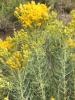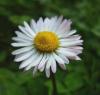
Showy Fleabane Low-Severity Irritation, Mild Gastrointestinal Upset, Asteraceae Dermatitis, and Fleabane Name Confusion
Is Showy Fleabane Poisonous to Dogs, Cats, Horses, and Livestock?
Yes—Showy Fleabane, Erigeron speciosus (Lindl.) DC., is considered a low-severity toxic or irritating plant for dogs, cats, and horses, and it should not be offered deliberately to livestock, rabbits, guinea pigs, birds, reptiles, or other animals. The exact toxic principle responsible for ordinary pet illness has not been identified, but eating fresh leaves, stems, flowers, buds, seed heads, roots, clippings, or crushed plant material may cause mild nausea, lip licking, drooling, vomiting, soft stool, diarrhea, reduced appetite, abdominal discomfort, or temporary lethargy. Contact with sap, pollen, crushed foliage, flower debris, or coarse plant material may also cause mild skin or eye irritation in sensitive animals.
Correctly identified Showy Fleabane is not expected to cause severe systemic poisoning, sudden death, liver failure, kidney failure, seizures, paralysis, dangerous heart rhythm disturbance, or major livestock toxicosis by itself. Those signs should prompt immediate reassessment for another plant, pesticide, herbicide, fertilizer, slug bait, moldy vegetation, contaminated hay, mushrooms, foreign material, or an unrelated medical condition. “Fleabane,” “daisy,” “Horseweed,” and “Seaside Daisy” are commonly confused names, so identification should use the whole plant, growth habit, leaves, flower heads, and habitat rather than the common name alone.
About this guide: This page provides general pet-poisoning information and cannot diagnose or treat an individual animal. For any suspected exposure, contact a veterinarian or animal poison-control service immediately. Do not induce vomiting, give medication, or attempt home decontamination unless directed by a veterinary professional.
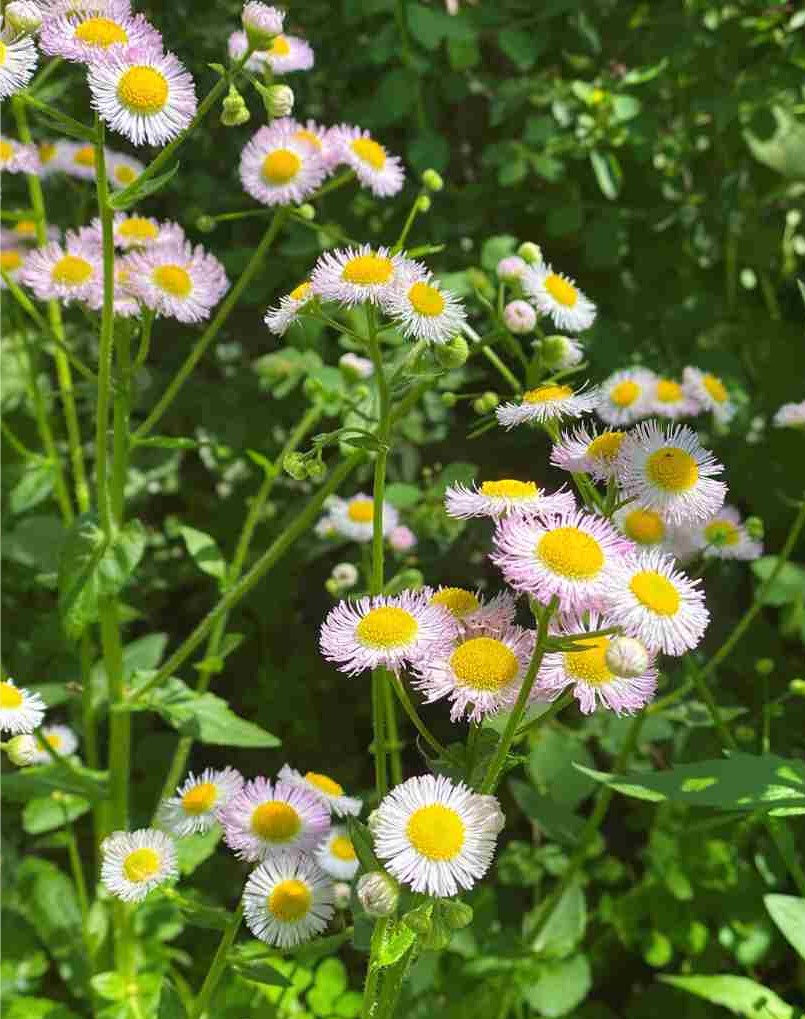
Showy Fleabane
Erigeron speciosus (Lindl.) DC.
Historical synonyms include:
- Stenactis speciosa Lindl.
- Erigeron conspicuus Rydb.
- Erigeron eucephaloides Greene
- Erigeron leiophyllus Greene
- Erigeron leucotrichus Rydb.
- Erigeron macranthus Nutt.
- Erigeron salicinus Rydb.
Historical variety and former combination names include:
- Erigeron speciosus var. conspicuus (Rydb.) B.Boivin
- Erigeron speciosus var. macranthus (Nutt.) Cronquist
- Erigeron subtrinervis var. conspicuus (Rydb.) Cronquist
- Erigeron subtrinervis subsp. conspicuus
Important non-synonym confusion names:
- Erigeron glaucus Ker Gawl. — true Seaside Daisy; separate coastal species, not Erigeron speciosus
- Erigeron karvinskianus DC. — Mexican Fleabane; separate species sometimes confused through daisy-like common names
- Erigeron canadensis L., historically Conyza canadensis (L.) Cronquist — Horseweed; separate species, not Erigeron speciosus
Asteraceae
Erigeron speciosus (Lindl.) DC.
Historical synonyms include:
- Stenactis speciosa Lindl.
- Erigeron conspicuus Rydb.
- Erigeron eucephaloides Greene
- Erigeron leiophyllus Greene
- Erigeron leucotrichus Rydb.
- Erigeron macranthus Nutt.
- Erigeron salicinus Rydb.
Historical variety and former combination names include:
- Erigeron speciosus var. conspicuus (Rydb.) B.Boivin
- Erigeron speciosus var. macranthus (Nutt.) Cronquist
- Erigeron subtrinervis var. conspicuus (Rydb.) Cronquist
- Erigeron subtrinervis subsp. conspicuus
Important non-synonym confusion names:
- Erigeron glaucus Ker Gawl. — true Seaside Daisy; separate coastal species, not Erigeron speciosus
- Erigeron karvinskianus DC. — Mexican Fleabane; separate species sometimes confused through daisy-like common names
- Erigeron canadensis L., historically Conyza canadensis (L.) Cronquist — Horseweed; separate species, not Erigeron speciosus
”
Unknown or Incompletely Defined Irritant Principle
The toxic principle responsible for ordinary Showy Fleabane illness in pets has not been clearly identified. Current veterinary poison-control descriptions classify the plant as a low-severity irritant associated with mild gastrointestinal signs and mild dermatitis rather than a defined organ toxin. That distinction matters. “Unknown” does not mean the plant contains a mysterious lethal poison; it means that no single compound has been proven to explain the mild syndrome associated with correctly identified Erigeron speciosus.
The likely irritation may involve a combination of plant sap, coarse fibrous vegetation, pollen, surface texture, flower debris, indigestible bulk, and low-level defensive chemistry common in the daisy family. A dog, cat, or horse eating a large amount of fibrous plant material can develop nausea, vomiting, soft stool, diarrhea, or temporary appetite loss even when the plant does not contain a potent systemic toxin. Showy Fleabane should therefore be treated as unsafe to chew, but not exaggerated into a plant expected to cause life-threatening poisoning after an ordinary nibble.
Asteraceae Chemistry and Evidence Boundaries
The Asteraceae contain a wide range of biologically active compounds, including terpenes, polyacetylenes, phenolic compounds, flavonoids, sesquiterpene lactones, volatile oils, and other defensive substances. Some members of the family are strongly irritating, allergenic, or medically important, while others are ordinary forage, food, or garden ornamentals. A family-level chemical pattern should not be copied directly into a species-level pet-poison page unless the compound has actually been identified in the plant or the clinical syndrome strongly supports it.
For Showy Fleabane, the best public wording is evidence-limited. It is reasonable to say that unidentified irritants and the physical effects of plant material may cause mild gastrointestinal upset and dermatitis. It is not accurate to claim that Erigeron speciosus has a proven fatal toxin, a known liver poison, a known kidney poison, a predictable neurologic toxin, or a specific compound that explains every exposure. Severe disease should prompt investigation for misidentification, chemical contamination, another plant, or unrelated illness.
Essential Oils, Polyacetylenes, and Biological Activity
Scientific studies have shown that Erigeron species can contain essential-oil constituents and biologically active compounds. Exact-species work on Erigeron speciosus steam distillate has reported molluscicidal and antifungal activity, and broader Erigeron essential-oil work has discussed compounds such as monoterpenes, sesquiterpenes, and polyacetylenic esters in the genus. This supports a cautious statement that Showy Fleabane is not chemically inert.
That evidence should not be converted into pet-treatment claims. A steam distillate, essential oil, laboratory extract, or concentrated fraction is not the same exposure as a dog nibbling a leaf or a cat brushing against a flower. Laboratory antifungal, insecticidal, molluscicidal, antioxidant, or antimicrobial findings do not prove that fresh leaves safely repel fleas, treat skin disease, disinfect wounds, or protect bedding. Concentrated essential oils and homemade plant extracts can be more hazardous than the intact plant, especially to cats, birds, rabbits, reptiles, and small pets.
Sesquiterpene Lactones and Dermatitis Boundaries
The daisy family is well known for plant-contact dermatitis, and sesquiterpene lactones are important contact allergens in many Asteraceae. These compounds can be present in leaves, stems, flowers, and pollen of various family members and may contribute to seasonal, occupational, airborne, or direct-contact dermatitis in sensitive individuals. This family-level evidence supports including dermatitis as a possible Showy Fleabane contact effect.
It does not prove that every dog, cat, horse, or person touching Erigeron speciosus will develop allergic contact dermatitis. Susceptibility varies by species, individual sensitivity, exposure duration, plant condition, skin barrier, pollen load, repeated contact, and whether the plant was crushed. Mild redness or itching after contact may be simple irritation, allergic dermatitis, pollen irritation, a reaction to lawn chemicals, fleas, mites, or another plant in the same area.
Plant Parts That May Cause Irritation
Fresh leaves, stems, flower heads, buds, pollen, sap, seed heads, roots, cuttings, pulled weeds, and clippings should all be treated as potential irritants. The most common pet exposure is chewing or swallowing foliage and flower material. The most common contact exposure is skin or eye contact with crushed foliage, sap, pollen, plant hairs, seed bristles, or small fragments.
No plant part should be deliberately offered as pet food, forage, cage greenery, bedding, reptile browse, bird enrichment, rabbit hay, flea-control material, or a natural skin treatment. Dried flower heads and stems may be less juicy than fresh crushed growth, but dried plant material can still contain pollen, bristles, dust, mold, pesticide residue, or fragments of another plant. Cuttings and pulled weeds should be collected rather than left where animals feed, graze, sleep, or play.
Contact With Skin, Coat, Eyes, and Mucous Membranes
Skin exposure may cause mild redness, itching, rash, localized irritation, or contact dermatitis, especially in sensitive animals or after prolonged contact with crushed plants. Sparse-haired areas, the muzzle, paws, lower abdomen, groin, ears, and skin already irritated by fleas, allergies, moisture, or scratching may react more noticeably. A pet that rolls in freshly cut plants or sleeps on pulled garden debris may receive a much larger contact exposure than a pet that briefly brushes one intact stem.
Eye exposure can cause tearing, blinking, squinting, redness, conjunctival irritation, or a foreign-body sensation. The problem may be sap, pollen, a seed bristle, a tiny leaf fragment, dust, or another piece of garden debris. A painful eye should be rinsed promptly, and persistent squinting, cloudiness, discharge, swelling, or inability to open the eye requires veterinary examination because corneal abrasion or retained plant material may be present.
No Evidence of a Severe Systemic Toxin in Correctly Identified Showy Fleabane
Correctly identified Showy Fleabane is not established as a plant that predictably causes liver failure, kidney failure, seizures, coma, paralysis, dangerous arrhythmias, photosensitization, severe colic, or sudden death. Severe signs should not be dismissed as an unusual fleabane reaction. They are a warning that something else may be happening.
Important alternatives include a different Asteraceae plant, ragwort, fiddleneck, nightshade, oleander, yew, sago palm, lily, toxic mushrooms, pesticide, herbicide, fertilizer, slug bait, moldy feed, foreign-body ingestion, gastrointestinal obstruction, pancreatitis, infection, metabolic disease, or another unrelated condition. Showy Fleabane may be present in the environment without being the cause of every illness observed there.
Onset and Early Progression
Signs after eating Showy Fleabane are expected to be mild and usually develop within the first few hours. A dog or cat may lick the lips, drool mildly, swallow repeatedly, refuse a meal, vomit once or twice, develop soft stool, or seem temporarily quiet. A horse may show reduced appetite, mild salivation, loose manure, or mild digestive discomfort after sufficient exposure. Many animals remain normal after a small taste.
The expected course is short. Minor gastrointestinal signs should begin improving after access to the plant is removed and the animal is kept away from additional clippings, pulled weeds, treated lawn material, or other plants. A pet that remains bright, drinks normally, has no repeated vomiting or diarrhea, and shows no severe signs usually has a favorable outlook. Persistent, worsening, or severe illness is not the expected pattern and should trigger veterinary reassessment.
Mild Gastrointestinal Signs
The most likely signs are mild nausea, lip licking, drooling, vomiting, soft stool, diarrhea, reduced appetite, abdominal discomfort, and temporary lethargy. These signs may result from unidentified plant irritants, fibrous bulk, sap, pollen, surface hairs, or simple digestive intolerance of coarse vegetation. A single brief vomiting episode may occur when the stomach rejects plant material.
Repeated vomiting, frequent watery diarrhea, blood, black stool, severe abdominal pain, abdominal swelling, inability to keep water down, weakness, dehydration, or signs lasting beyond the expected short period require veterinary care. Those findings can occur from a larger nonspecific plant ingestion, but they also raise concern for another plant, chemical residue, contaminated forage, foreign material, or unrelated gastrointestinal disease.
Skin and Coat Signs
Contact with foliage, sap, crushed stems, flower debris, pollen, or freshly cut plant material may cause mild redness, itching, rash, irritation, or contact dermatitis in sensitive animals. The reaction may appear on the muzzle, lips, paws, belly, groin, ears, chest, or any area repeatedly brushing or lying in the plant. Horses may show irritation around the muzzle, face, legs, or areas contacting dense vegetation or fresh clippings.
A pet may worsen mild irritation by licking, chewing, rubbing, or scratching. Cats may groom residue from the coat and convert a skin exposure into an oral exposure. Birds may preen plant dust or pollen from feathers. Skin signs that are widespread, worsening, blistering, swollen, hive-like, open, infected, or associated with marked discomfort should not be blamed casually on Showy Fleabane without veterinary assessment.
Eye Exposure
Eye contact may cause tearing, blinking, redness, squinting, rubbing, mild conjunctival inflammation, or reluctance to keep the eye open. The irritant may be sap, pollen, plant hairs, a small leaf fragment, a seed bristle, dust, or another piece of garden debris. A small foreign body trapped beneath an eyelid can continue scratching the cornea after the animal is no longer near the plant.
Continued squinting, cloudiness, discharge, swelling, obvious pain, light sensitivity, or inability to open the eye after rinsing requires prompt veterinary examination. A painful eye should not be treated with leftover steroid drops, human redness drops, essential oils, herbal rinses, or old veterinary medication unless a veterinarian directs it.
Dogs
Dogs may nibble flower heads, chew stems, eat pulled weeds, investigate clippings, or consume plant material mixed with grass. Expected signs are mild vomiting, soft stool, reduced appetite, grass eating, lip licking, temporary lethargy, or mild skin irritation after rolling in fresh vegetation. A dog that eats a small amount and remains bright usually has a good prognosis.
Repeated vomiting, bloody diarrhea, marked weakness, tremors, seizures, collapse, breathing difficulty, severe abdominal pain, or prolonged illness does not fit ordinary Showy Fleabane exposure. Dogs often encounter multiple hazards at the same time, including mushrooms, mulch, fertilizer, herbicide, insecticide, slug bait, compost, moldy clippings, sharp stems, or more dangerous plants. The whole area should be inspected before assuming the fleabane is the sole cause.
Cats
Cats may chew leaves or flowers, bat at cut stems, or groom pollen and sap from the coat. Expected signs are mild vomiting, reduced appetite, drooling, soft stool, quiet behavior, or mild skin irritation. Cats can hide after even mild nausea, so the owner may notice only reduced food intake or a small vomit pile containing plant material.
Persistent refusal to eat is more important in cats than in many dogs because prolonged anorexia can create secondary complications. A cat that repeatedly vomits, refuses food, appears dehydrated, becomes weak, develops jaundice, has breathing difficulty, or acts neurologically abnormal should be evaluated for another cause or a mixed exposure rather than monitored as a routine fleabane case.
Horses, Ponies, and Donkeys
Showy Fleabane is listed as a low-severity irritant for horses, and serious poisoning from correctly identified Erigeron speciosus is poorly documented. A horse may develop mild digestive upset, reduced appetite, salivation, loose manure, or skin irritation after sufficient exposure. Incidental grazing of scattered plants is less concerning than forced access to large amounts of fresh clippings, contaminated feed, or unfamiliar ornamental waste.
Severe colic, persistent diarrhea, jaundice, photosensitization, neurologic signs, collapse, breathing difficulty, or major herd illness should prompt immediate investigation for another cause. Important alternatives include ragwort, fiddleneck, nightshade, oleander, yew, toxic mushrooms, moldy feed, ionophores, pesticides, contaminated hay, or primary gastrointestinal disease.
Cattle, Sheep, Goats, Camelids, and Pigs
Serious livestock poisoning specifically attributed to correctly identified Showy Fleabane is sparse. In portions of its native range, the plant may be present in meadows, open woods, grasslands, and revegetation areas where grazing animals and wildlife occur. That pattern is not consistent with a highly lethal grazing plant, but it also does not make the plant preferred forage or safe feed.
Livestock should not be forced to consume dense stands, fresh landscaping waste, pulled weeds, ornamental clippings, or contaminated feed. Mild digestive upset or skin irritation is plausible after sufficient exposure. Severe colic, bloat, jaundice, photosensitization, neurologic signs, sudden death, respiratory distress, herd-level illness, or prolonged disease should be treated as a broader diagnostic problem and not as routine Showy Fleabane poisoning.
Rabbits, Guinea Pigs, Birds, Reptiles, and Other Small Pets
Species-specific data are limited for rabbits, guinea pigs, birds, reptiles, and other small animals. Because small animals have little body mass and some cannot vomit, any food refusal after plant exposure deserves closer attention. Rabbits and guinea pigs may show reduced appetite, smaller or fewer fecal pellets, soft stool, drooling, tooth grinding, quiet behavior, or abdominal discomfort rather than vomiting.
Birds may shred flowers and stems, contact pollen with the beak or eyes, or preen plant dust from feathers. Reptiles and tortoises should not be offered Showy Fleabane as browse or enclosure greenery because safety data are insufficient and safer species-specific forage options exist. A small animal that stops eating, becomes weak, has abnormal droppings, keeps an eye closed, or develops respiratory signs should receive veterinary guidance.
Unexpected Severe Signs
Tremors, seizures, collapse, severe weakness, jaundice, abnormal bleeding, marked dehydration, persistent bloody diarrhea, severe colic, breathing difficulty, altered consciousness, or prolonged illness are not expected effects of ordinary Showy Fleabane exposure. Those signs require investigation for another plant, chemical, feed contaminant, foreign body, infectious disease, metabolic problem, or unrelated medical emergency.
This evidence boundary is important for safety. Labeling every severe sign as “fleabane poisoning” can delay recognition of a more dangerous exposure. Conversely, calling the plant completely harmless can lead owners to ignore repeated vomiting, eye injury, dermatitis, or chemical contamination. The accurate position is that correctly identified Showy Fleabane is usually a mild irritant, but persistent or severe illness still deserves real veterinary attention.
Plant Identity
Showy Fleabane, Erigeron speciosus, is a clump-forming herbaceous perennial in Asteraceae, the daisy, aster, or sunflower family. It is one of the larger and more ornamental western North American fleabanes, valued for its long display of narrow blue-violet, lavender, pinkish, or occasionally white ray florets surrounding yellow to orange disk florets. The species name speciosus means showy, beautiful, or handsome, an appropriate description of a plant grown primarily for its mass of bright daisy-like flower heads.
The public page should use Showy Fleabane rather than plain Fleabane as the plant name because Fleabane applies to many species in Erigeron and to plants in other daisy-family genera. During a poisoning call, “fleabane” by itself does not identify one plant, one toxin profile, or one expected outcome.
Native Range and Habitat
Showy Fleabane is native to western North America, extending from parts of western Canada south through much of the western United States and into northwestern Mexico. It grows in mountain meadows, aspen parkland, shrub-steppe, grasslands, open coniferous woods, woodland edges, rocky slopes, stream corridors, and sunny or partly shaded disturbed sites. It is also cultivated outside its natural range in native gardens, pollinator plantings, meadow gardens, erosion-control work, and water-conscious landscapes.
Dogs may encounter it along trails, in meadow gardens, on rural properties, or in cut wildflower plantings. Cats may encounter cultivated clumps near patios, porches, windows, or garden beds. Horses and livestock may encounter it in western meadows, restoration plantings, pasture margins, road edges, or in pulled weeds and landscaping debris. Exposure is usually low-risk when animals merely pass through a natural stand, but chewing fresh plant material, eating clippings, or contact with treated roadside vegetation creates a more realistic concern.
Growth Form
The plant generally grows from a branching woody crown and short underground rhizomes that allow an established clump to widen gradually. Numerous upright leafy stems rise from the base, commonly reaching roughly six inches to three feet depending on variety, elevation, moisture, soil, light, and growing season. Plants in open sun may remain compact, while plants receiving some shade may become taller and more open.
Basal leaves are usually spoon-shaped, oblanceolate, elliptic, or oval and may reach several inches long. The leaves become smaller and narrower farther up the stem. Some lower foliage may dry or disappear as flowering advances. Stems and leaf margins may be smooth, sparsely hairy, or somewhat rough depending on the population, but Showy Fleabane does not have the tall, narrow, heavily branched weed form normally associated with Horseweed.
Composite Flower Heads
Each structure that looks like one flower is actually a composite flower head containing many separate florets. The yellow or orange center is formed by numerous small disk florets, while the narrow blue-purple, lavender, pink, or white structures around the outside are individual ray florets rather than petals belonging to one flower. This distinction matters for identification and for search wording because “one flower” on a daisy-family plant is really a head containing many flowers.
A single head may contain dozens to more than one hundred narrow ray florets, giving Showy Fleabane its fine, feathery appearance. Each stem may carry one to many flower heads rather than always ending in one solitary bloom. Heads may approach two inches across on vigorous plants, and multiple branching stems can make an established clump appear covered in color from early or midsummer into fall. Removing spent heads may encourage additional flowering and reduce unwanted self-seeding, but cut heads and stems should be collected before animals chew them.
Fruits, Seed Bristles, and the Meaning of Erigeron
After pollination, the disk and ray florets develop small dry fruits called cypselae. Each cypsela carries fine bristles that assist with wind dispersal. The pale bristles can give the seed heads a gray or prematurely aged appearance. The genus name Erigeron is commonly interpreted from Greek words meaning early and old man, a reference to this early gray seed-head effect.
Seed heads are not a major established poison source, but they can still irritate the eyes, nose, mouth, coat, or skin mechanically, especially if a pet rolls in dried plants or a bird shreds them. Dried seed material can also carry dust, mold, pollen, pesticide residue, or fragments of another plant. Seed heads should not be used as bird toys, rabbit bedding, tortoise browse, or pet enrichment.
Pollinator Value Does Not Mean Pet Food
Showy Fleabane is valuable to bees, butterflies, flies, beetles, and other pollinating insects because each apparent flower head offers many individual florets. Its usefulness in native plantings and pollinator gardens does not make it food for dogs, cats, rabbits, horses, birds, or reptiles. Pollinator value and pet safety are separate questions.
A plant can be excellent for insects and still cause mild vomiting or dermatitis in a pet that chews it. The plant can remain in many landscapes when animals are not plant-chewers, but it should be fenced, placed outside reach, or replaced when a dog, cat, rabbit, bird, or other animal repeatedly eats it.
The Fleabane Name and the Flea-Control Myth
The broad name Fleabane is applied to many species within Erigeron and even to plants outside the genus. The name reflects an old belief that dried fleabane plants or smoke from burning them repelled fleas and other insects. That history does not prove that Showy Fleabane produces a clinically useful flea-control compound, and it does not justify rubbing crushed leaves, flowers, extracts, or essential oil onto animals.
Crushed foliage may irritate skin, eyes, or mucous membranes. A dog, cat, rabbit, bird, or horse licking the treated area can turn a skin exposure into an oral exposure. Homemade plant repellents may also delay use of veterinary flea control that has actually been tested for species-specific safety and effectiveness. Concentrated essential oils and extracts can be substantially more irritating than the intact plant, especially in cats and small animals.
Horseweed, Seaside Daisy, and Other Name Confusion
The old common-name list confused three separate species. Horseweed normally refers to Erigeron canadensis, formerly classified by many authorities as Conyza canadensis. Horseweed is a tall annual agricultural and roadside weed with numerous small, inconspicuous flower heads arranged in a large branching panicle. It does not resemble a neat perennial clump of large blue-purple daisies.
Seaside Daisy is Erigeron glaucus, a low coastal perennial or subshrub native primarily from Oregon through California, with thicker leaves adapted to salt air, wind, and maritime conditions. Santa Barbara Daisy or Mexican Daisy usually refers to Erigeron karvinskianus, another separate species. These plants belong to Erigeron, but their names should not be presented as exact botanical synonyms of Erigeron speciosus.
Showy Fleabane Versus Asters, Chrysanthemums, Ragworts, and Other Daisies
“Daisy” is a loose visual word, not a safe botanical identification. Asters, chrysanthemums, oxeye daisy, chamomile, ragweed, goldenrod, ragwort, fleabane, and many ornamental hybrids can all produce daisy-like flower heads. Some are low-risk irritants, some are important allergens, some contain pyrethrin-like insecticidal compounds, and some livestock-toxic ragworts contain pyrrolizidine alkaloids that can damage the liver.
This is why plant identification matters when severe signs occur. A photograph of one blue or purple flower head is not enough. Useful identification photographs should show the whole plant, basal leaves, upper stem leaves, stem branching, flower-head arrangement, ray color, disk color, seed heads, root or crown form, nearby plants, and the growing site. A correct Showy Fleabane identification supports low-severity expectations; an incorrect “daisy” identification may miss a more dangerous plant.
What the Toxic-Principle Limitation Means
Current veterinary descriptions list the toxic principle as unknown or irritant and associate the plant with mild gastrointestinal signs and mild dermatitis. That is an important limitation. It means no individual constituent has been proven responsible for ordinary pet signs. It does not mean the plant is secretly lethal, and it does not mean every chemical reported from the daisy family should be assigned to Showy Fleabane.
The mild gastrointestinal effects may result from one or more chemical irritants, physical bulk of indigestible vegetation, surface hairs, pollen, plant sap, or a combination of those factors. Dogs and cats are not adapted to digest large quantities of coarse fibrous garden material, and even a plant without a potent systemic toxin can cause nausea, vomiting, or diarrhea when eaten.
Essential Oils and Extracts Are Different From the Whole Plant
Exact-species and genus-level studies show that Erigeron plants can contain volatile and biologically active constituents. Showy Fleabane steam distillate has been evaluated experimentally for antifungal and molluscicidal activity, and broader Erigeron essential-oil work discusses diverse monoterpenes, sesquiterpenes, and polyacetylenic compounds. This scientific context should be preserved because it explains why the plant is not chemically empty.
However, laboratory bioactivity does not make the fresh plant a safe pesticide, fungicide, flea treatment, wound wash, or skin medicine. A steam distillate, extract, or essential oil may concentrate compounds far beyond the amount an animal would contact from one intact leaf. Cats, birds, rabbits, reptiles, young animals, and animals with irritated skin may be especially vulnerable to harm from homemade botanical preparations.
Dogs and Cats
Dogs may chew flower heads, stems, leaves, fresh clippings, pulled weeds, or mixed garden debris. Expected signs are mild nausea, vomiting, soft stool, reduced appetite, temporary lethargy, or mild skin irritation after rolling or lying in fresh plants. A single small nibble is usually not a crisis, but repeated vomiting, dehydration, blood, severe abdominal pain, or exposure to treated landscaping material changes the risk.
Cats may chew leaves or flowers, groom pollen or sap from the coat, or hide after nausea. Persistent refusal to eat is important because cats can develop secondary complications after prolonged anorexia. A cat that vomits repeatedly, refuses food, becomes weak, develops jaundice, has breathing difficulty, or acts neurologically abnormal should be evaluated for another plant, chemical residue, or medical condition.
Horses and Livestock
Reports of serious livestock poisoning specifically attributed to correctly identified Erigeron speciosus are sparse. The plant is browsed or encountered by grazing animals and wildlife in parts of its native range, which is not consistent with a highly lethal grazing plant. That does not make it suitable feed, and animals should not be forced to consume dense stands, fresh landscaping waste, pulled ornamental clumps, or contaminated hay.
Horses may develop mild digestive upset, reduced appetite, loose manure, salivation, or skin irritation after sufficient exposure. Cattle, sheep, goats, camelids, and pigs should be kept away from large piles of pulled plants or mixed landscape debris because the pile may include more dangerous weeds, mold, pesticides, or foreign material. Severe colic, jaundice, photosensitization, neurologic signs, collapse, or herd-level illness should not be attributed automatically to Showy Fleabane.
Rabbits, Guinea Pigs, Birds, Reptiles, and Other Exotics
Species-specific safety data are limited for rabbits, guinea pigs, birds, reptiles, and other small pets. Because safer forage and enrichment plants are available, Showy Fleabane should not be offered intentionally as rabbit hay, guinea-pig greens, bird cage greenery, tortoise browse, reptile enclosure planting, nesting material, or chew material. Small body size and species-specific digestive physiology make casual “natural” feeding a poor risk.
Rabbits and guinea pigs cannot vomit, so reduced appetite, smaller fecal pellets, diarrhea, tooth grinding, hunched posture, drooling, or quiet behavior after exposure deserves veterinary guidance. Birds may develop beak wiping, eye irritation, regurgitation, food refusal, or quiet behavior after shredding flowers or contact with pollen. Reptile signs may be subtle and delayed, so prevention is better than testing tolerance.
Chemical Contamination and Mixed Plant Exposure
Contamination is one of the most important explanations when illness appears more severe than expected. A roadside, meadow-edge, or landscaped plant may have been treated with herbicide, insecticide, fertilizer, slug bait, de-icing salt, or another chemical. Pulled weeds may be mixed with moldy vegetation, mushrooms, foreign objects, or genuinely poisonous species.
Fleabane growing beside mushrooms does not make the mushrooms safe. Finding Showy Fleabane in a pasture does not prove it caused every illness in the herd. Plant identification, exposure timing, chemical-treatment history, pasture inspection, hay inspection, feed history, and examination of the entire area are necessary before attributing significant disease to Showy Fleabane.
Diagnosis, Prognosis, and Prevention
Diagnosis is usually based on known access to correctly identified Showy Fleabane, mild compatible signs, and exclusion of more serious hazards when signs are severe. Useful evidence includes the whole plant, roots or crown, basal leaves, upper leaves, stems, flower heads, seed heads, photographs of the site, chemical labels, and samples of hay, clippings, or mixed debris. A single detached flower head is less useful than a whole-plant photograph.
The prognosis is excellent after most correctly identified exposures. Brief nausea, vomiting, soft stool, lethargy, or mild dermatitis commonly improves within several hours to approximately one day after exposure stops. Signs lasting several days, worsening illness, severe weakness, blood, jaundice, neurologic signs, collapse, or breathing difficulty requires reassessment because another plant, contaminant, or disease is more likely.
Prevention is straightforward. Keep persistent plant-chewers away from Showy Fleabane beds, collect cut stems and spent flower heads, remove fresh clippings from kennels, paddocks, poultry areas, rabbit runs, aviaries, and feeding areas, and do not use the plant as flea control. Retain plant labels and use the scientific name because Fleabane, Daisy, Horseweed, and Seaside Daisy are used for multiple species.
Immediate Response to Showy Fleabane Ingestion
Remove the source and confirm the plant. Most Showy Fleabane exposures are mild, but the first-aid response should still prevent more chewing, remove residue, and check whether the exposure really involved Erigeron speciosus rather than another daisy-family plant, a chemical-treated weed, or mixed garden debris.
- Remove access: Move the animal away from Showy Fleabane plants, fresh clippings, pulled weeds, flower arrangements, pasture waste, or garden debris.
- Confirm the plant: Verify that the plant is Erigeron speciosus rather than Horseweed, Seaside Daisy, Chrysanthemum, Aster, Ragwort, Fiddleneck, Nightshade, or another plant.
- Remove visible material: When it is safe, remove loose leaves, flowers, stems, or seed heads from the front of the mouth.
- Rinse or wipe gently: Use cool water or a damp cloth to remove sap, pollen, and plant fragments from the lips and front of the mouth. Do not force water into the throat.
- Offer fresh water only when safe: Allow a small amount of fresh water if the animal is alert, breathing normally, swallowing comfortably, and not vomiting repeatedly.
- Save evidence: Save the whole plant or clear photographs showing leaves, stems, flowers, seed heads, growth habit, roots or crown, and the area where the plant was growing.
- Check for chemical exposure: Determine whether the area was recently treated with herbicide, insecticide, fertilizer, slug bait, de-icer, or another chemical.
Do Not Routinely Induce Vomiting
Do not induce vomiting after an ordinary Showy Fleabane nibble. The plant is expected to cause low-severity irritation, and home-induced vomiting may create more harm than benefit. Hydrogen peroxide can irritate the stomach and esophagus, cause prolonged vomiting, and increase aspiration risk. Cats should not receive hydrogen peroxide as a home emetic.
- Do not give peroxide casually: Mild plant ingestion does not justify routine hydrogen peroxide use.
- Do not induce vomiting in cats: Cats are at higher risk from inappropriate home emesis methods.
- Do not induce vomiting in symptomatic animals: Never attempt vomiting in an animal that is repeatedly vomiting, weak, collapsed, trembling, seizuring, unable to swallow, or having difficulty breathing.
- Do not use salt, mustard, oil, or manual gagging: These methods can cause additional injury and do not fit a low-severity fleabane exposure.
- Do not assume another plant is harmless: If the identification is uncertain or another toxin may be involved, call a veterinarian or poison-control professional before taking action.
Activated Charcoal and Gastric Lavage Are Usually Unnecessary
Activated charcoal is not routinely useful for a mild, unidentified plant irritant and may increase aspiration risk in an animal that is vomiting, drooling, gagging, weak, or depressed. Stomach lavage would not normally be indicated for correctly identified Showy Fleabane and should be reserved for unusual circumstances determined by a veterinarian.
Charcoal or other decontamination decisions may change if the animal also had access to pesticides, medication, toxic mushrooms, ragwort, oleander, yew, lilies, sago palm, or another more dangerous plant. That is a different problem from an ordinary Showy Fleabane nibble. The correct first step is plant and exposure identification, not automatic home decontamination.
Gastrointestinal Care
Monitor vomiting, diarrhea, appetite, thirst, attitude, hydration, and urine output. One brief vomiting episode or a short period of soft stool may resolve after exposure stops. Repeated vomiting, blood, continued retching, frequent watery diarrhea, severe abdominal pain, or inability to retain water requires veterinary care.
- Do not force food: Do not force-feed an animal that is nauseated, actively vomiting, or showing abdominal pain.
- Offer small amounts of water: Water may be offered when the animal is alert and vomiting has stopped. Rapid drinking that triggers more vomiting should be interrupted while veterinary guidance is obtained.
- Watch for dehydration: Dry or tacky gums, sunken eyes, reduced urination, weakness, and persistent lethargy indicate a need for professional care.
- Do not give human stomach medication: Antidiarrheals, antacids, nausea medication, aspirin, ibuprofen, naproxen, acetaminophen, and leftover prescriptions may be unsafe or may mask a more serious problem.
- Expect supportive veterinary treatment when needed: A veterinarian may use fluids, anti-nausea medication, diet adjustment, or other supportive care when vomiting or diarrhea is more than mild.
Skin and Fur Exposure
Prevent grooming until plant residue is removed. Cats, dogs, rabbits, birds, and other animals may lick or preen sap, pollen, or crushed plant material from the coat and convert a contact exposure into oral exposure. Wash exposed fur, paws, muzzle, belly, or skin with lukewarm water and a mild pet-safe shampoo when residue is present.
- Rinse thoroughly: Remove soap, pollen, sap, plant hairs, and small fragments without aggressively scrubbing irritated skin.
- Do not apply more plant material: Never rub Fleabane leaves, crushed stems, homemade extract, or essential oil onto the skin as an insect repellent or flea remedy.
- Avoid human skin products: Do not apply alcohol, peroxide, essential oils, topical anesthetics, steroid creams, antibiotic ointments, or human anti-itch products without veterinary direction.
- Monitor for dermatitis: Redness, itching, rash, swelling, hives, hair loss, persistent licking, or open sores may require veterinary treatment.
- Check other causes: Fleas, mites, lawn chemicals, allergic disease, and other plants may produce similar skin signs.
Eye Exposure
Flush the affected eye promptly with sterile saline or clean lukewarm water. Continue long enough to remove pollen, sap, hairs, seed bristles, and small fragments from the eye and surrounding fur. Prevent the animal from rubbing or pawing at the eye during and after irrigation.
Continued squinting, redness, cloudiness, discharge, swelling, light sensitivity, rubbing, or inability to open the eye requires prompt veterinary examination. A small plant fragment lodged under an eyelid can keep damaging the cornea. Do not use human redness-relief drops, leftover veterinary drops, steroid drops, antibiotic ointments, herbal rinses, or essential oils unless a veterinarian directs it.
Horse and Livestock Exposure
Move horses and livestock away from large amounts of fresh Showy Fleabane, landscape clippings, pulled weeds, contaminated feed, or treated roadside vegetation. Provide clean hay or appropriate forage so animals are not forced to consume unfamiliar ornamental plants. Save representative plants, hay, feed, clippings, and chemical labels when illness occurs after pasture or waste exposure.
Monitor horses for reduced appetite, salivation, colic, loose manure, diarrhea, depression, or skin irritation. Serious colic, jaundice, neurologic signs, photosensitization, respiratory distress, collapse, or herd-level illness is not the expected Showy Fleabane syndrome and requires investigation for another cause. Inspect the pasture or waste pile for ragwort, fiddleneck, oleander, yew, nightshade, mushrooms, pesticides, mold, and other hazards mixed with the supposed fleabane.
Rabbits, Guinea Pigs, Birds, Reptiles, and Small Pets
Small pets should be managed more cautiously because safe dose information is limited and some species cannot vomit. Rabbits and guinea pigs that stop eating or produce fewer fecal pellets after plant exposure need prompt veterinary guidance. Food refusal in these species can become more important than the original mild irritant exposure.
Birds with eye irritation, food refusal, regurgitation, weakness, abnormal quietness, poor perching, or breathing changes should receive avian veterinary advice. Reptiles and tortoises should not be offered Showy Fleabane as browse, and any anorexia, abnormal posture, diarrhea, weakness, or persistent eye closure after exposure should be evaluated with species-specific care.
When Veterinary Care Is Needed
- Repeated vomiting: Seek care when vomiting continues, contains blood, or prevents the animal from retaining water.
- Severe diarrhea: Frequent watery or bloody diarrhea, especially with weakness or dehydration, requires veterinary attention.
- Prolonged refusal to eat: Contact a veterinarian when a dog will not eat for an extended period, when a cat persistently refuses food, or when a rabbit or guinea pig reduces food or fecal output.
- Substantial dermatitis: Widespread redness, swelling, hives, open sores, severe itching, or persistent self-trauma requires assessment.
- Eye pain: Continued squinting, cloudiness, discharge, swelling, or inability to open the eye after irrigation requires prompt examination.
- Unexpected severe signs: Tremors, seizures, marked weakness, jaundice, collapse, breathing difficulty, or altered consciousness suggests another toxin, chemical exposure, or illness.
- Uncertain identification: Seek professional guidance when the plant cannot be distinguished confidently from another daisy-family species or a mixed plant exposure.
Prevention
Keep persistent plant-chewing pets away from Showy Fleabane beds, fresh cuttings, and pulled weeds. Collect cut flower heads, stems, and foliage from lawns, kennels, paddocks, poultry yards, rabbit areas, aviaries, and animal enclosures. Do not leave freshly mowed or pulled material in feeding areas.
Never use the plant as flea control. Do not rub leaves, crushed stems, homemade extracts, dried plant powder, smoke, or essential oil onto pets, bedding, collars, tack, stalls, rabbit cages, bird cages, or skin. Store garden chemicals safely and prevent combined exposure to plants, herbicides, pesticides, fertilizers, slug bait, compost, and moldy vegetation. Retain plant labels and scientific names because Fleabane, Horseweed, Daisy, and Seaside Daisy are used for multiple species.
Prognosis and Recovery
The prognosis is excellent after most correctly identified Showy Fleabane exposures. Brief nausea, vomiting, soft stool, mild diarrhea, reduced appetite, or lethargy commonly improves within several hours to approximately one day after exposure stops. Mild skin irritation should improve after washing and prevention of further contact.
Persistent illness requires reassessment because another plant, contaminant, or medical condition may be responsible. Life-threatening poisoning is not expected from Showy Fleabane alone, so severe illness should never be dismissed as a normal fleabane reaction. Prevent repeated ingestion, remove clippings, avoid homemade botanical treatments, and replace the plant when an animal continues to eat it despite barriers.
Frequently Asked Questions About Showy Fleabane and Animal Poisoning
Is Showy Fleabane poisonous to dogs?
Showy Fleabane is considered a low-severity toxic or irritating plant for dogs. Eating it may cause mild vomiting, diarrhea, reduced appetite, abdominal discomfort, drooling, or temporary lethargy. Serious systemic poisoning is not expected from a small exposure to correctly identified Erigeron speciosus, but repeated vomiting, blood, weakness, collapse, or severe illness should prompt investigation for another plant, chemical exposure, or unrelated disease.
Is Showy Fleabane toxic to cats?
Yes, but the expected effects are generally mild. Cats may develop nausea, vomiting, soft stool, reduced appetite, drooling, or skin irritation after contact or ingestion. Persistent refusal to eat deserves veterinary guidance even when the original exposure appears minor because cats can develop secondary complications after prolonged anorexia.
Is Showy Fleabane poisonous to horses?
It is treated as a low-severity irritant for horses and may cause mild gastrointestinal signs or dermatitis after sufficient exposure. Serious horse poisoning specifically attributed to correctly identified Erigeron speciosus is poorly documented. Severe colic, jaundice, neurologic signs, photosensitization, collapse, breathing difficulty, or herd-level illness should trigger investigation for another plant, chemical, feed contaminant, or disease.
What is the accepted scientific name for Showy Fleabane?
The accepted name is Erigeron speciosus (Lindl.) DC. The basionym is Stenactis speciosa Lindl., and older literature may contain names such as Erigeron conspicuus, Erigeron macranthus, or historical Erigeron speciosus variety names. Using the scientific name is important because “fleabane” and “daisy” are broad common names applied to many different plants.
Is Fleabane the same as Horseweed?
Not necessarily. Horseweed normally refers to Erigeron canadensis, formerly often called Conyza canadensis. It is a tall annual weed with many small flower heads in a branching panicle and is a different species from the perennial blue-purple Showy Fleabane. Older poison-control lists sometimes mix these names, so the plant should be identified from the whole plant rather than the common name alone.
Is Showy Fleabane the same as Seaside Daisy?
No. Seaside Daisy normally refers to Erigeron glaucus, a coastal species native primarily from Oregon through California. It has a different habitat and growth presentation from Erigeron speciosus. Both belong to the same genus, but Seaside Daisy should not be treated as an exact synonym for Showy Fleabane.
How can I identify Showy Fleabane?
Look for a clump-forming perennial with upright leafy stems and multiple daisy-like flower heads. The ray florets are usually blue, violet, lavender, pinkish, or occasionally white, surrounding yellow to orange disk florets. Useful identification photos should include the entire plant, basal leaves, upper leaves, stems, flower-head arrangement, seed heads, and the habitat where it was growing.
Does each stem produce only one flower?
No. A stem may carry one to many flower heads. Each apparent flower is itself a composite head containing numerous narrow ray florets around many central disk florets. This composite structure is typical of the daisy family and helps explain why a plant can produce a large show of color without each “flower” being a single botanical flower.
What toxin is in Showy Fleabane?
The precise toxic principle responsible for ordinary pet signs has not been identified. Veterinary descriptions usually call it an unknown or nonspecific irritant associated with mild gastrointestinal illness and mild dermatitis. The plant may contain or contact sap, pollen, surface hairs, coarse vegetation, and family-typical defensive chemistry, but no single compound has been proven to cause a severe pet-poisoning syndrome in Erigeron speciosus.
Does Showy Fleabane contain a natural pesticide or fungicide?
Research has found biological activity in Erigeron extracts and steam distillates, including exact-species work on Erigeron speciosus. That does not make the fresh plant a safe pesticide, fungicide, flea treatment, or pet skin treatment. Laboratory extracts and essential oils are different exposures from an intact plant, and concentrated botanical products may be more irritating or dangerous than the fresh foliage.
Can I rub Fleabane leaves on my dog to repel fleas?
No. The historical name Fleabane reflects an old belief about repelling fleas, not a tested veterinary treatment. Crushed foliage may irritate the skin, and a dog may lick the residue while grooming. Homemade fleabane rubs, teas, powders, smoke, extracts, or essential oils should not be applied to pets, bedding, collars, tack, rabbit cages, bird cages, or skin.
Can Showy Fleabane cause dermatitis?
Yes. Contact with foliage, sap, pollen, flower debris, or crushed plant material may cause mild redness, itching, rash, or contact dermatitis in sensitive animals. Asteraceae plants are a recognized source of contact allergy in some individuals, but sensitivity varies. Wash residue from the skin or coat and seek veterinary care if irritation is widespread, substantial, persistent, swollen, hive-like, open, or associated with severe itching.
Can Showy Fleabane irritate the eyes?
Yes. Sap, pollen, plant hairs, seed bristles, dust, or small fragments can cause tearing, redness, blinking, squinting, or conjunctival irritation. Rinse the eye with sterile saline or clean lukewarm water and prevent rubbing. Continued squinting, cloudiness, discharge, swelling, or inability to open the eye requires veterinary examination because a retained fragment or corneal abrasion may be present.
What symptoms should I watch for?
Watch for nausea, lip licking, mild drooling, vomiting, diarrhea, reduced appetite, abdominal discomfort, temporary lethargy, skin redness, itching, tearing, blinking, or squinting. These signs should be mild and short-lived after an ordinary exposure. Repeated vomiting, blood, marked weakness, jaundice, tremors, seizures, collapse, breathing difficulty, or prolonged illness suggests another cause and needs veterinary attention.
Can Showy Fleabane cause seizures, liver failure, or death?
Those are not expected effects of ordinary Showy Fleabane exposure. Severe neurologic signs, jaundice, collapse, breathing difficulty, marked weakness, or prolonged illness should prompt investigation for another plant, chemical contamination, toxic mushroom, feed problem, foreign body, infection, or unrelated disease. Correctly identified Erigeron speciosus should be treated as a low-severity irritant, not a predictable fatal poison.
Should I induce vomiting after my pet eats Showy Fleabane?
No, not after an ordinary nibble. Home-induced vomiting may cause additional irritation and is unnecessary for most low-severity exposures. Hydrogen peroxide can injure the stomach or esophagus and should never be used casually, especially in cats. Contact a veterinarian if a large amount was eaten, signs are repeated, the plant is uncertain, or chemical contamination is possible.
Is activated charcoal needed?
Activated charcoal is not routinely indicated for mild Showy Fleabane ingestion. Much of the concern is nonspecific irritation rather than a known absorbable lethal toxin. Charcoal may create an unnecessary aspiration risk in an animal that is vomiting, lethargic, drooling, or poorly coordinated. A veterinarian may make a different decision if another toxin was involved.
How long does Fleabane poisoning last?
Mild gastrointestinal signs generally improve within several hours to approximately one day after exposure stops. Mild skin irritation should improve after washing and prevention of further contact. Signs lasting several days, getting worse, or involving blood, jaundice, neurologic signs, collapse, or breathing difficulty should be reassessed because another plant, contaminant, or illness may be responsible.
Can Showy Fleabane be part of a safe pollinator garden with pets?
Often, yes, when pets do not chew plants and clippings are collected. Showy Fleabane can be valuable for pollinators and still be mildly irritating if eaten by pets. Households with persistent plant-chewing dogs, cats, rabbits, birds, or tortoises should restrict access, place the plant outside reach, use barriers, or choose a replacement planting.
Can rabbits or guinea pigs eat Showy Fleabane?
It should not be offered as forage, hay, bedding, or enrichment. Species-specific safety data are limited, and rabbits and guinea pigs cannot vomit. Food refusal, reduced fecal output, soft stool, drooling, tooth grinding, hunched posture, or quiet behavior after exposure deserves veterinary guidance because digestive slowdown can become serious in small herbivores.
Can birds eat Showy Fleabane flowers or seed heads?
Showy Fleabane should not be used as bird cage greenery, toy material, or forage. Birds may shred flower heads and seed heads, contacting pollen, dust, hairs, bristles, sap, or plant fragments with the beak and eyes. Beak wiping, eye closure, regurgitation, food refusal, weakness, poor perching, or breathing changes after exposure should prompt avian veterinary guidance.
Can tortoises or reptiles eat Showy Fleabane?
It should not be deliberately offered as browse or enclosure planting because species-specific safety data are limited and better-established reptile forage choices are available. A reptile that develops anorexia, diarrhea, weakness, abnormal posture, persistent eye closure, or other unusual signs after exposure should be evaluated by a veterinarian familiar with reptiles.
Could pesticides make a Showy Fleabane exposure worse?
Yes. Chemical contamination is one of the most important explanations when signs are more severe than expected. Roadside, landscaped, or garden plants may have been treated with herbicides, insecticides, fertilizers, slug bait, de-icers, or other products. Save chemical labels and representative plant samples, and tell the veterinarian where the plant was growing and when the area was last treated.
What other plants can be confused with Showy Fleabane?
Confusing names and look-alikes include Horseweed, Seaside Daisy, Santa Barbara Daisy, asters, chrysanthemums, oxeye daisy, chamomile, ragwort, goldenrod, and many other daisy-family plants. Some are low-risk irritants, some are stronger allergens, and some have very different livestock or pet toxicity. Identification should use the whole plant, not just a flower head or common name.
What should veterinarians consider when signs are severe?
Severe signs should trigger a broader workup instead of automatic attribution to Showy Fleabane. Important considerations include toxic mushrooms, ragwort, fiddleneck, nightshade, oleander, yew, lilies, sago palm, pesticides, herbicides, fertilizers, slug bait, moldy clippings, contaminated hay, foreign-body ingestion, pancreatitis, infectious disease, metabolic disease, and other unrelated causes. Correct plant identification is central to risk calibration.
What research gaps remain for Showy Fleabane poisoning?
The main gaps are species-specific veterinary case reports, exact toxic-principle identification, controlled dose-response information for dogs, cats, horses, rabbits, birds, reptiles, and livestock, and better distinction between whole-plant exposure, essential-oil exposure, pollen exposure, and chemical-contaminated plant exposure. Current evidence supports a low-severity irritant classification, but not a precise safe dose or a defined lethal toxin.
What should I do after suspected ingestion?
Remove access to the plant, take visible vegetation from the mouth when it is safe, gently wipe or rinse away plant residue, offer a small amount of water only if the animal is alert and swallowing normally, and monitor for mild gastrointestinal or skin signs. Contact a veterinarian if vomiting or diarrhea is repeated, dehydration develops, skin or eye irritation persists, a cat or small herbivore stops eating, chemical exposure is possible, the plant cannot be identified, or severe signs occur.