Brunfelsia Neurotoxicosis and Stimulus-Sensitive Seizures
Is Lady-of-the-Night Poisonous to Dogs, Cats, Horses, and Livestock?
Yes—Lady-of-the-Night plants in the genus Brunfelsia should be treated as highly poisonous to dogs, cats, horses, donkeys, cattle, sheep, goats, and other animals. Poisoning can begin with drooling, coughing, gagging, vomiting, diarrhea, abdominal pain, agitation, or anxious behavior and progress rapidly to loss of coordination, exaggerated reactions to sound or touch, muscular tremors, generalized rigidity, opisthotonus, seizures, loss of airway protection, respiratory failure, severe cardiac dysrhythmia, collapse, and death.
Fruit capsules and their numerous seeds create the greatest practical canine hazard, but controlled research has demonstrated toxic activity in leaves, stems, branches, and fruit. Roots, bark, flowers, sap, cuttings, fallen material, stored plant preparations, and debris hidden in mulch should also remain inaccessible. No safe berry count, seed count, leaf amount, or household dose has been established.
“Lady-of-the-Night” is not a unique botanical name. It is also used for Night-Blooming Jessamine, Cestrum nocturnum, and occasionally for unrelated night-flowering plants. Preserve the complete plant, flowers, fruit, seeds, and nursery label, but do not delay emergency treatment while trying to establish the exact species.
About this guide: This page provides general pet-poisoning information and cannot diagnose or treat an individual animal. For any suspected exposure, contact a veterinarian or animal poison-control service immediately. Do not induce vomiting, give medication, or attempt home decontamination unless directed by a veterinary professional.
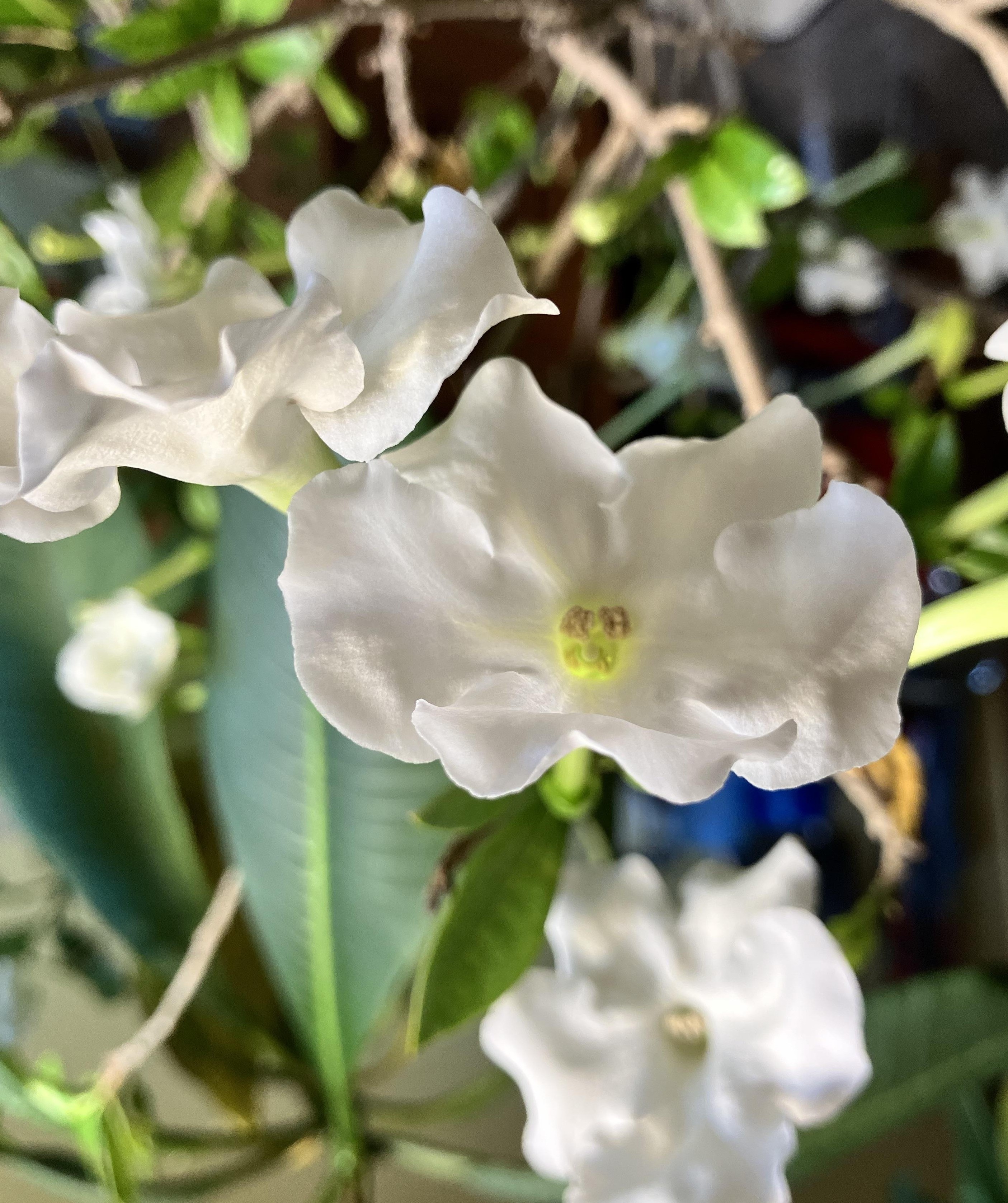
Lady-of-the-night
Brunfelsia spp.
This page intentionally remains at genus level because Lady-of-the-Night, Yesterday-Today-and-Tomorrow, Morning-Noon-and-Night, Kiss-Me-Quick, Raintree, and related nursery names are applied to several Brunfelsia species, cultivated selections, and incompletely identified ornamentals.
Accepted species directly implicated in veterinary poisoning reports or controlled toxicology research include:
- Brunfelsia pauciflora (Cham. & Schltdl.) Benth.
- Brunfelsia australis Benth.
- Brunfelsia bonodora (Vell.) J.F.Macbr.
- Brunfelsia uniflora (Pohl) D.Don
Additional species reported in veterinary exposure records or relevant chemical research include:
- Brunfelsia americana L.
- Brunfelsia latifolia (Pohl) Benth.
- Brunfelsia grandiflora D.Don
The historically important name Brunfelsia calycina var. floribunda L.H.Bailey & Raffill is now treated as a synonym of Brunfelsia pauciflora. Older poison literature may also use Brunfelsia calycina without the varietal name.
Brunfelsia australis and Brunfelsia bonodora are currently recognized as separate species. Historical Australian veterinary reports and later secondary sources have sometimes treated their names as interchangeable, so the scientific name printed in each original case report should be preserved rather than silently modernized.
Brunfelsamidine was isolated from material identified as Brunfelsia grandiflora. Hopeanine research used the historical name Brunfelsia hopeana. Chemistry demonstrated in either source should not be assigned automatically and quantitatively to every ornamental Brunfelsia species.
Solanaceae — Nightshade Family
Lady-of-the-Night; Lady of the Night; Lady-of-the-Night Plant; Yesterday-Today-and-Tomorrow; Yesterday, Today and Tomorrow; Yesterday Today Tomorrow; Yesterday-and-Today; Yesterday-Today-Tomorrow; Morning-Noon-and-Night; Morning, Noon and Night; Morning Noon and Night; Noon-and-Night; Kiss-Me-Quick; Kiss Me Quick; Paraguayan Jasmine; Paraguay Jasmine; Brazil Raintree; Brazil Rain Tree; Raintree; Rain Tree; Franciscan Rain Tree; Franciscan Raintree; Fransiscan Rain Tree; Fransiscan Raintree; Brunfelsia; Manacá; Manaca; Manacá-de-Cheiro; Manaca-de-Cheiro; Manacá Root; Manaca Root; Chiricaspi; Chiric Sanango; Chiricasanango; American Brunfelsia; Brunfelsia species
Yesterday-Today-and-Tomorrow, Morning-Noon-and-Night, and Kiss-Me-Quick most often refer in horticulture to purple-flowering plants such as Brunfelsia pauciflora, Brunfelsia australis, related cultivated selections, or plants sold without dependable species identification. The flowers commonly open violet or purple, fade through lavender, and become nearly white while flowers of several ages remain on the shrub together.
Lady-of-the-Night can refer to Brunfelsia americana and other fragrant Brunfelsias, but it is also widely used for Cestrum nocturnum, Night-Blooming Jessamine or Night-Blooming Jasmine. Cestrum nocturnum is a separate poisonous member of Solanaceae with clusters of narrow greenish-white flowers that become strongly fragrant at night.
Queen-of-the-Night, Orchid Cactus, and Lady-of-the-Night Cactus may refer to the unrelated cactus Epiphyllum oxypetalum or other night-blooming cacti. A common name alone cannot establish which poisoning syndrome should be expected.
Manacá and Manacá-de-Cheiro are used for Brunfelsia uniflora and related Brazilian Brunfelsias. Manacá-da-Serra, however, commonly refers to the unrelated melastome Pleroma mutabile, formerly Tibouchina mutabilis.
Chiricaspi, Chiric Sanango, and Chiricasanango are associated principally with the medicinal Amazonian species Brunfelsia grandiflora. Traditional or herbal use does not establish safety for pets, livestock, or people.
“Fransiscan Rain Tree” is a widespread spelling variant or misspelling of Franciscan Rain Tree. “Brunfelsia calcyina” is the spelling printed in an important 1990 toxicology article, while Brunfelsia calycina is the correctly formed historical botanical name now treated within Brunfelsia pauciflora.
Brunfelsia Poisoning Is Chemically Complex
Brunfelsia poisoning should not be reduced to one uniformly distributed toxin. The genus contains amidines, alkaloids, coumarins, saponins, flavonoids, beta-carboline compounds, lignans, terpenoids, aromatic compounds, fatty acids, and other phytochemicals. Which constituents drive a particular dog, cat, livestock, or experimental-animal syndrome depends on the species, plant part, preparation, season, geography, maturity, and amount consumed.
Brunfelsamidine is the best-documented named convulsant and most closely matches the dramatic excitatory syndrome described in dogs. Hopeanine may contribute weakness, depression, paralysis, altered sensitivity, or seizures. Scopoletin and other compounds may add pharmacologic effects, but their importance during ordinary accidental ingestion remains much less certain.
Detection of a compound in one species, medicinal extract, volatile fraction, root preparation, or laboratory fraction does not prove that it occurs at the same concentration in another ornamental species or that it causes every clinical sign. The page therefore distinguishes direct isolation, controlled plant-part experiments, extract studies, clinical case reports, and proposed toxin-class effects.
Brunfelsamidine
Brunfelsamidine was isolated from root-bark material of Brunfelsia grandiflora and identified as pyrrole-3-carboxamidine. It is an amidine-containing convulsant rather than a typical tropane alkaloid. Experimental exposure produced marked central nervous system excitation and established the compound as a credible contributor to the neurologic syndrome associated with the genus.
Affected animals can become restless, agitated, hyperresponsive, tremorous, rigid, and prone to tonic-clonic convulsions. Noise, touch, handling, movement, bright light, or other external stimulation may precipitate or intensify episodes. This clinical appearance resembles poisoning by strychnine or another spinal convulsant.
“Strychnine-like” describes the phenotype, not a proven identical molecular mechanism. Direct evidence that brunfelsamidine blocks inhibitory glycine receptors in precisely the same way as strychnine is lacking. Treatment must therefore address the observed tremors, seizures, breathing, circulation, temperature, and metabolic complications rather than assuming a receptor-specific antidote exists.
Hopeanine and the Depressive Component
Hopeanine was characterized during historical pharmacologic work involving material identified as Brunfelsia hopeana. Experimental descriptions include central nervous system depression, decreased activity, weakness, altered sensitivity, paralysis, and seizure activity.
These effects provide a plausible explanation for an animal that alternates between agitation and convulsions, profound weakness, stupor, recumbency, or impaired ventilation. The interpretation is not simple because depression may also result from seizure exhaustion, hypoxia, hyperthermia, shock, sedative or anesthetic treatment, aspiration, or loss of normal respiratory-muscle function.
The quantity and distribution of hopeanine have not been mapped across the commonly cultivated species, their leaves, flowers, fruit, seeds, bark, and roots. Hopeanine should therefore be described as a proposed contributing neuroactive principle rather than a universally quantified second toxin in every ornamental plant.
Scopoletin and Other Constituents
Scopoletin is a coumarin directly reported from the genus. It has pharmacologic activity in experimental systems, but its concentration and contribution to naturally occurring veterinary Brunfelsia poisoning remain uncertain. Assertions that it routinely causes the bradycardia, hypotension, or respiratory failure seen in an individual dog exceed the available plant-specific clinical evidence.
Research in different Brunfelsia species and preparations has also identified compounds or classes that include aesculetin, scopolin, manacine, manaceine, mandragorine, harmine-related beta-carbolines, pinoresinol derivatives, flavonoids, saponins, terpenes, ionones, salicylate-related compounds, and numerous volatile constituents. These findings demonstrate chemical complexity but do not make every detected molecule an equivalent pet poison.
The broader chemistry may help explain differences among species, seasons, plant parts, and extracts. It also means that a purified-compound mechanism cannot be assumed to reproduce the entire naturally occurring syndrome.
Exact-Species Brunfelsia uniflora Extract Research
A controlled study divided 20 Swiss mice into groups receiving alkaloid-rich, flavonoid-rich, or saponin-rich leaf extracts of Brunfelsia uniflora, with a saline control group. The experimental plant-equivalent dose was 5 g/kg and is a research exposure, not an animal-treatment or household toxic-dose recommendation.
All three plant fractions produced moderate to severe clinical abnormalities that included piloerection, vocalization, and seizures. Every mouse receiving the saponin-rich fraction died within approximately 10 to 20 minutes in that experiment. The alkaloid- and flavonoid-rich extracts also proved toxic.
This study is important because it shows that the toxicity of Brunfelsia uniflora leaves was not confined to the alkaloid fraction. It supports a multi-compound model and cautions against attributing every case solely to brunfelsamidine or hopeanine.
Plant-Part Evidence from the 1990 Investigation
The foundational 1990 study separated material identified as Brunfelsia calycina var. floribunda into fruit, leaves, and stems with branches. Aqueous supernatants from every plant-part preparation produced intoxication in mice and rats, but severity differed substantially.
Fruit caused the fastest and most intense neurologic response. Mice receiving fruit preparations died at an average of approximately two hours, compared with approximately four hours after leaf preparations and 6.75 hours after stem-and-branch preparations. Every treated mouse died, while rats were less susceptible: fruit caused mortality in one-third of the treated rats, and rats receiving leaf or stem-and-branch preparations developed milder signs and recovered.
These experimental results do not establish a dog or cat dose, but they support three clinically important conclusions: all tested above-ground parts were toxic, fruit was the most potent preparation under those study conditions, and animal species differed markedly in susceptibility.
Fruit Capsules and Seeds
Fruit and seeds present the most important practical canine exposure. A dog can chew one rounded green or maturing capsule and swallow numerous hard seeds before an owner notices that the shrub has fruited. Capsules can fall into mulch, ground cover, grass, drainage channels, or neighboring yards.
Seeds and recognizable capsule material have been recovered from vomit, diarrhea, feces, gastric contents, intestinal contents, and lavage material in published cases. Their presence strongly supports exposure, but absence of visible seeds does not exclude ingestion because material may be fragmented, digested, passed earlier, or missed during cleanup.
Fruit being more hazardous in a controlled experiment does not make leaves, flowers, bark, stems, or roots safe. Dogs have developed exposure evidence after chewing other portions, and exact toxin concentrations have not been compared comprehensively across every species and plant part.
Water Solubility and Unusual Stability
The toxic material extracted in the 1990 investigation was water soluble. Aqueous fruit, leaf, and stem-and-branch preparations stored under refrigeration retained their characteristic clinical and lethal activity when experiments were repeated monthly through 120 days.
This does not prove that every toxin remains unchanged indefinitely in sunlight, heat, soil, or compost. It does demonstrate that simple soaking, wilting, cutting, refrigeration, or the passage of time cannot be relied upon to neutralize Brunfelsia material.
Fallen fruit, cut branches, stored clippings, plant-contaminated water, old pods hidden beneath mulch, roots left after shrub removal, and partially dried waste should all remain inaccessible.
Seasonal and Geographic Variation
Exact-species livestock research demonstrates that toxicity can vary seasonally. Flowering-season Brunfelsia uniflora leaves collected near the beginning of the rainy season produced severe diarrhea, anxiety, ataxia, abnormal neck movement, involuntary chewing, and convulsions in sheep and a donkey at tested experimental amounts. Leaves collected near the end of the rainy season did not reproduce the same syndrome at the amounts administered.
That difference may reflect changes in toxin concentration, toxin mixture, growth stage, rainfall, plant metabolism, or another unmeasured factor. It does not establish a safe month, safe growth stage, safe cultivated species, or safe amount.
Nursery plants may be cultivars, hybrids, or misidentified species. Visual appearance and flower color cannot reveal toxin concentration.
No Dependable Safe or Lethal Dose
No dependable pet-safe berry count, capsule count, seed count, leaf area, flower number, root weight, or whole-plant dose has been established. The experimental doses used in rodents, sheep, donkeys, and an intentionally fed dog cannot be converted directly into a home risk calculator.
Risk depends on the exact species, plant part, number of seeds within a capsule, toxin concentration, animal species, body size, age, stomach contents, amount swallowed, vomiting, pre-existing disease, and speed of treatment.
Any confirmed or plausible ingestion deserves immediate professional consultation because the safest opportunity for decontamination may close once tremors, rigidity, seizures, impaired swallowing, or respiratory depression begins.
Gastrointestinal Signs Often Come First
Clinical signs commonly begin within a few hours, although onset can be earlier or later depending on the species, plant part, amount, stomach contents, and individual animal. Drooling, repeated swallowing, sneezing, coughing, gagging, retching, vomiting, diarrhea, abdominal pain, and appetite loss may appear before obvious neurologic disease.
Vomiting or diarrhea may contain green fruit, leathery capsules, hard dark seeds, leaves, bark, mulch, or other plant fragments. A dog may continue passing recognizable material long after the original exposure because numerous seeds and fibrous pieces can remain throughout the gastrointestinal tract.
Profuse vomiting and diarrhea can cause dehydration, weak pulses, reduced urine production, electrolyte disturbance, acid-base abnormalities, and worsening weakness. Blood may result from severe gastrointestinal irritation, repeated retching, mucosal trauma, or another swallowed object, but heavy or persistent hemorrhage is not a routine finding to monitor casually.
Anxiety, Hyperesthesia, and Early Neurologic Change
An affected animal may become restless, unusually alert, anxious, vocal, unable to settle, intolerant of handling, disoriented, antisocial, or unexpectedly aggressive. The behavior can be mistaken for fear, pain, or a primary behavioral episode before tremors become obvious.
Hyperesthesia means an exaggerated response to ordinary stimulation. Sound, light, touch, a closing door, movement of the cage, placement of a catheter, transportation, or another animal nearby may trigger violent muscle contraction or a seizure-like episode.
Early motor abnormalities can include facial twitching, jaw movements, shivering, fine generalized tremors, limb treading, involuntary chewing, dilated pupils, horizontal nystagmus, a stiff or wide-based gait, ataxia, staggering, proprioceptive deficits, reluctance to stand, or inability to right the body.
Rigidity and Generalized Seizures
Progressive poisoning may produce generalized muscular rigidity, extensor rigidity, a sawhorse-like stance, opisthotonus, paddling, and tonic-clonic convulsions. Episodes may begin intermittently and increase in frequency, intensity, and duration.
Unlike a simple fainting episode, severe convulsions involve sustained or rhythmic muscular activity and may continue despite ordinary stimulation being removed. Awareness may be partly preserved during some stimulus-sensitive rigid episodes, further resembling strychnine toxicosis.
Repeated seizures or continuous tremor rapidly increase oxygen consumption and heat production. They also increase the risk of trauma, aspiration, metabolic acidosis, high lactate, muscle-cell damage, low blood glucose, cerebral hypoxia, kidney complications, and disseminated systemic stress.
Depression Between Excitatory Episodes
A poisoned animal may become lethargic, profoundly depressed, weak, recumbent, stuporous, or poorly responsive between periods of agitation or convulsion. This does not necessarily mean the toxin is wearing off.
Possible contributors include hopeanine or other depressive plant constituents, seizure exhaustion, hyperthermia, hypoglycemia, hypoxia, shock, aspiration, sedative treatment, anesthetic treatment, or declining respiratory-muscle function.
Loss of a normal gag reflex, pooling saliva, inability to swallow, weak coughing, or reduced awareness indicates that the animal may no longer protect its airway.
Hypoventilation and Respiratory Failure
Respiratory rate alone can be misleading. An animal may breathe rapidly but too shallowly to remove carbon dioxide, or may develop progressively slower and weaker ventilation after prolonged neurologic disease.
Abnormal findings include shallow breathing, irregular respiratory rhythm, increasing effort, open-mouth breathing, neck extension, pale or blue-gray mucous membranes, reduced oxygen saturation, rising carbon dioxide, and loss of normal airway reflexes.
A published dog lost its gag reflex, required endotracheal intubation, and developed respiratory failure requiring mechanical ventilation. Vomiting and lavage material create additional aspiration risk when consciousness or swallowing is impaired.
Cardiovascular Abnormalities
Heart rate may become unusually slow or rapid, and mild rhythm abnormalities can occur before a more severe dysrhythmia develops. Weak pulses, low blood pressure, cold extremities, pale mucous membranes, collapse, and reduced awareness indicate inadequate circulation.
A 2019 canine case progressed to severe cardiac dysrhythmia and fatal cardiac arrest four days after presentation. The case does not prove that every Brunfelsia ingestion directly damages the heart, because hypoxia, electrolyte disturbance, acidosis, prolonged seizures, medication, and critical illness can all contribute.
A normal pulse or brief electrocardiogram early in the case does not exclude later deterioration. Continuous or repeated ECG and blood-pressure monitoring is appropriate for severe poisoning.
Temperature and Secondary Metabolic Injury
Agitation, tremors, sustained rigidity, and repeated seizures can produce dangerous hyperthermia. Rising temperature increases oxygen demand, worsens neurologic injury, promotes muscle breakdown, and can contribute to clotting, kidney, liver, and cardiovascular complications.
Hypothermia may develop after exhaustion, shock, prolonged recumbency, environmental exposure, central nervous system depression, anesthesia, or aggressive uncontrolled cooling. Both high and low temperature require measured, controlled correction.
Laboratory abnormalities may include dehydration, electrolyte imbalance, metabolic acidosis, elevated lactate, hypoglycemia, increased muscle enzymes, kidney or liver-value changes, and clotting disturbances. Many are secondary to seizures, hypoxia, shock, aspiration, or treatment rather than proof that Brunfelsia directly poisons every affected organ.
Dogs
Dogs account for most detailed companion-animal reports. Puppies and young dogs may be overrepresented because they explore mulch, mouth unfamiliar objects, and chew fallen capsules, but adults have also developed severe or fatal poisoning.
Several published cases began with vomiting, diarrhea, salivation, coughing, gagging, or abdominal pain before anxiety, tremors, opisthotonus, and generalized seizures appeared. Fruit and seeds are frequent exposure evidence, but dogs should also be protected from flowers, leaves, branches, roots, and pruning debris.
One dog recovered within two days after an Australian fruit exposure, another required several days for convulsions to stop and approximately three weeks for complete recovery, four dogs in a later series recovered after hospitalized treatment, and fatal cases are documented.
Cats
Detailed feline case reports are scarce, so a distinct feline course or dose cannot be defined. This evidence gap does not demonstrate safety. Cats may nibble leaves or flowers, climb through shrubs, contact pruning debris, or drink water containing fallen material.
Early signs may be concealed as hiding, food refusal, unusual stillness, reduced grooming, vomiting, salivation, dilated pupils, twitching, weakness, or reluctance to move. Tremors, ataxia, abnormal breathing, collapse, or seizures requires immediate emergency care.
Hydrogen peroxide must never be used as a feline emetic. A cat with suspected ingestion should receive direct veterinary or poison-control guidance before neurologic signs begin.
Horses, Donkeys, and Ruminants
Horses, donkeys, cattle, sheep, and goats may encounter Brunfelsia through ornamental landscaping, invaded grazing areas, roadside plants, discarded branches, compost, or clippings mixed with forage.
Reported livestock signs include drooling, diarrhea, anxiety, apathy, involuntary chewing, abnormal neck movement, broad-based stance, ataxia, tremors, convulsions, and recumbency. Horses and donkeys cannot vomit, so gastrointestinal exposure may present without the repeated emesis commonly described in dogs.
Several animals may be exposed together even when only one is visibly ill. The group should be removed calmly from the source while representative plant, feed, and water samples are preserved.
Duration, Recurrence, and Recovery
Signs may last from hours to several days. Convulsions stopped on the fifth day in one published dog, and complete recovery was reported at approximately three weeks. Other dogs recovered more rapidly once seizures were controlled and gastrointestinal material was removed.
Tremors or seizures may recur after apparent improvement. Two factors make premature reassurance unsafe: substantial seed material can remain in the gastrointestinal tract, and sedative treatment can temporarily conceal residual neurologic excitability.
Persistent neurologic deficits may reflect hypoxic injury, seizure-associated brain injury, trauma, aspiration, metabolic complications, or another diagnosis. Complete recovery remains possible even after dramatic illness when ventilation and seizures are controlled before irreversible injury occurs.
Emergency Warning Signs
Emergency findings include repeated vomiting or profuse diarrhea, tremors, facial twitching, generalized rigidity, extreme sensitivity to sound or touch, staggering, inability to stand, opisthotonus, any seizure, abnormal breathing, inability to swallow, loss of gag reflex, blue-gray gums, severe temperature change, weak pulses, collapse, or reduced responsiveness.
One seizure after suspected Brunfelsia exposure is not an event to monitor at home. The animal requires immediate transportation to a facility capable of injectable seizure control, airway management, oxygen, ECG monitoring, and mechanical ventilation when necessary.
Genus Identity and Why This Page Remains Genus-Level
Brunfelsia is a tropical American genus in Solanaceae containing approximately 50 species of shrubs, small trees, and occasional scrambling plants. Molecular research supports a South American lineage and a separate Antillean lineage, with roughly half the species diversity in each region.
The page remains genus-level because horticultural common names overlap, plants are sold under old names, cultivars may be labeled without a species, and veterinary cases have involved several species or only “Brunfelsia sp.” The poisoning response should not depend on an owner distinguishing closely related shrubs during an emergency.
Species with direct veterinary or experimental evidence include Brunfelsia pauciflora, Brunfelsia australis, Brunfelsia bonodora, and Brunfelsia uniflora. Brunfelsia grandiflora is important because brunfelsamidine was isolated from it, while Brunfelsia americana and Brunfelsia latifolia have appeared in exposure records.
Native Range and Habitats
The genus is native to tropical America. South American species occur from Panama through Amazonian, Andean, Guianan, Brazilian, Paraguayan, Uruguayan, and northern Argentine regions, while the Antillean radiation includes species in Cuba, Jamaica, Hispaniola, Puerto Rico, and the Lesser Antilles.
Habitats vary substantially by species. They include lowland tropical forest, wet Atlantic forest, river margins, cloud forest, woodland, thickets, seasonally dry forest, cerrado, serpentine soils, limestone, and disturbed sites.
Outside the native range, Brunfelsias are cultivated in warm-climate gardens, courtyards, hotels, apartment landscapes, nurseries, botanical collections, conservatories, patios, and large containers. Plants may be brought indoors for winter in colder regions, placing foliage and fallen material directly within reach of pets.
Growth Form, Leaves, and Flowers
Most ornamental Brunfelsias are upright, rounded, or spreading shrubs, although mature specimens can become small trees. Branches may extend close to the ground, over fences, or beyond a barrier placed around the trunk.
The leaves are simple, alternate, and smooth-edged. Depending on species they may be elliptic, lance-shaped, oblong, or broadly ovate and may feel glossy, thin, leathery, or slightly dull. A detached leaf alone rarely provides dependable species identification.
The flowers usually have a long narrow tube opening into five broad flattened lobes. Yesterday-Today-and-Tomorrow plants commonly open deep violet or purple, fade through lavender, and become pale lavender or white over several days. Flowers of different ages remain together and create the characteristic three-color display.
Other Brunfelsias produce white, cream, pale yellow, violet, or differently shaped flowers. Some release their strongest fragrance at night. Color change and fragrance help identify the genus but cannot determine toxin concentration.
Fruit Capsules and Seeds
Many species produce rounded or oval green fruit that may resemble a berry, leathery capsule, or firm pod. Color and texture can change as the fruit matures. The persistent calyx may partly surround the developing fruit.
A single capsule may contain numerous hard brown or dark reddish-brown seeds. Fallen capsules can disappear beneath mulch, ground cover, grass, decking, or shrubs, where a dog may find them long after flowering has ended.
Dogs may actively search for fruit, crush a capsule, and swallow many seeds. Fruit should be collected before animals enter the area, and old mulch should be searched after a shrub is removed.
Common-Name Confusion with Other Night-Flowering Plants
Lady-of-the-Night is also used for Cestrum nocturnum, Night-Blooming Jessamine. That plant normally bears clusters of narrow pale greenish-white tubular flowers that become powerfully fragrant at night rather than the broad purple-to-white flower lobes typical of many ornamental Brunfelsias.
Queen-of-the-Night and Lady-of-the-Night Cactus may refer to Epiphyllum oxypetalum or related cacti. Manacá-da-Serra commonly refers to Pleroma mutabile, formerly Tibouchina mutabilis, rather than to a Brunfelsia.
These distinctions matter because the likely toxins and clinical syndromes differ. A common name or fragrance description is insufficient. Photographs should include the complete plant, branch arrangement, leaves, flowers from the front and side, fruit, opened capsules, seeds, bark, and nursery label.
Important Nomenclatural Corrections
The highly influential 1990 study used the name Brunfelsia calcyina var. floribunda in its title. “Calcyina” is the publication spelling, while Brunfelsia calycina var. floribunda is the historical botanical name. Current taxonomy places that name within Brunfelsia pauciflora.
Older literature sometimes stated that Brunfelsia australis was formerly known as Brunfelsia bonodora. Current treatments recognize them as separate accepted species, so each original report should retain the identity assigned by its authors unless the underlying voucher material has been re-examined.
Taxonomic modernization does not invalidate the toxicology observations. It changes how confidently those observations can be assigned to a present-day species.
How Dogs, Cats, and Other Animals Are Exposed
Dogs may eat fallen capsules, strip fruit from low branches, chew roots or stems, dig in mulch, or shred pruning debris. Puppies are especially likely to explore capsules and seeds orally, but fatal adult-dog poisoning is also possible.
Cats may bite flowers or leaves, climb through branches, contact sap or cut material, or drink water containing plant debris. Because cats often hide illness, food refusal, unusual stillness, vomiting, twitching, or reluctance to move may be the first sign recognized.
Horses, donkeys, cattle, sheep, and goats may receive cut branches, hedge waste, compost, or contaminated forage. A plant tolerated visually in a pasture for months can become a greater exposure after pruning, storm damage, drought, flowering, fruiting, or the beginning of seasonal growth.
Pet birds and small mammals may chew leaves, flowers, bark, seeds, or decorative branches. Species-specific published evidence is limited, so any neurologic sign after exposure requires immediate veterinary assessment.
Foundational Fatal Schipperke Case
Charles B. Spainhour, Jr., Robert A. Fiske, Wayne Flory, and John C. Reagor published “A Toxicological Investigation of the Garden Shrub Brunfelsia calcyina var. floribunda (Yesterday-Today-and-Tomorrow) in Three Species” in the Journal of Veterinary Diagnostic Investigation, 1990, volume 2, pages 3–8. The paper’s botanical spelling is preserved in its title.
“In January 1989, a case of acute death of an 11-week-old intact female Schipperke was submitted to the Texas Veterinary Medical Diagnostic Laboratory. The local veterinarian reported that the client presented the dog to him with a complaint of an acute onset of anxiety, persistent sneezing, vomiting, moderate to severe whole-body muscle tremors, and pyrexia of 40.7 C.
“The physical status of the animal progressively worsened over a two-hour period, culminating in a state of severe disorientation, staggering, ataxia, proprioceptive deficits, an inability to right itself, and seizures. The vomitus and loose stool contained numerous small dark-brown seeds and intact medium-green, spherical, firm seed pods.
“The vaccination history was current and there was no known, suspected, or possible exposure to any heavy metal, insecticide, pesticide, herbicide, or methylxanthine. The client remarked that the puppy was seen eating mulch around bushes in the owner’s backyard approximately two hours prior to the first noted presentation of clinical signs. Treatment by the local veterinarian included Valium, prednisolone, and activated charcoal.”
The treatment described is a historical case record, not an owner protocol. Diazepam, corticosteroids, charcoal, emesis, cathartics, and other interventions require current patient-specific veterinary judgment. Corticosteroids do not neutralize Brunfelsia toxins, and charcoal becomes dangerous when swallowing or airway protection is impaired.
The carcass, gastrointestinal material, and fruit-bearing branches were examined. Necropsy, histopathology, bacteriology, and virology did not reveal another adequate cause, illustrating that fatal neurotoxicosis can occur without a distinctive gross or microscopic lesion.
Experimental Findings from the 1990 Investigation
Fruit, leaves, and stems with branches were homogenized separately in water and administered experimentally to mice and rats. Signs appeared within approximately 15 minutes in mice and 60 minutes in rats and progressed through anxiety, agitation, tearing, salivation, urination, teeth grinding, retching, shivering, ataxia, wide-based stance, tremors, nystagmus, convulsions, depression, respiratory arrest, and death.
External stimulation could precipitate convulsions. Treated mice became rigid, could spring vertically during violent episodes, land in lateral recumbency, and remain unable to right themselves.
All treated mice died, but the timing differed by plant part. Fruit caused the fastest death, followed by leaves and then stems with branches. Rats were less susceptible: leaf and stem-and-branch groups recovered, while the fruit group had one-third mortality.
No characteristic histologic nervous-system lesion explained the severity, and measured blood counts and serum chemistry results in the tested rodents remained within reported reference ranges. A normal routine panel therefore would not have excluded clinically important poisoning.
The aqueous preparations retained the same clinical and lethal activity when stored refrigerated and retested at monthly intervals through four months. Wilted, stored, cut, soaked, or old plant material should not be assumed harmless.
Preserved Historical Australian Canine Reports
“There are only two reports in the literature of the intoxication of a canine by Brunfelsia spp. All of these reports originate from Australia and involve Brunfelsia australis, formerly known as Brunfelsia bonodora. Although Brunfelsia calcyina is known to grow in New South Wales, it does not set fruit in that climate, and its toxicity has not been definitively established. This paper reports the first intoxication of a canine with Brunfelsia calcyina and is the first documented intoxication of Brunfelsia spp. in the Western Hemisphere.
“In the Australian reports, one dog showed clinical signs of gastric and buccal irritation, nystagmus, salivation, vomiting, nervous irritation, extensor rigidity, and opisthotonus, but recovered with treatment in two days. Another dog died within ten hours after ingestion of berries after exhibiting vomiting, dementia, and severe hematuria.
“An experimental dog fed 5.4 g/kg of body weight of minced Brunfelsia showed depression, antisocial behavior, vomiting, diarrhea, reluctance to stand, decreased motor activity, generalized fine muscle tremors, polyuria, involuntary rhythmic limb extension, convulsions, and opisthotonus. The animal was euthanized at 40 hours after dosing. Gross necropsy revealed only edema and hyperemia of the terminal ileum. Histopathologic findings were not specific.”
This passage accurately preserves the terminology and taxonomic interpretation used in 1990. Current botanical treatments recognize Brunfelsia australis and Brunfelsia bonodora as separate species. The 5.4 g/kg amount was an experimental exposure and must not be used to estimate safety or lethality in another animal.
Later Canine Cases and Recovery Evidence
A six-year-old female Siberian Husky developed salivation, coughing, gagging, dilated pupils, muscular contractions, horizontal nystagmus, and tonic-clonic convulsions after eating seeds identified as Brunfelsia pauciflora. Convulsions stopped on the fifth day, and complete recovery was reported at approximately three weeks.
The dog received individualized hospitalized care that included gastrointestinal decontamination, intravenous fluids, anticonvulsant treatment, corticosteroid treatment, and ophthalmic care. The medications record what clinicians selected for that patient in 1989; they are not a home-treatment schedule or proof that each component is necessary in modern cases.
A 2008 report described four dogs with acute Brunfelsia toxicity. Vomiting, diarrhea, anxiety, tremors, opisthotonus, and seizures were prominent, and plant material found in feces helped support the diagnosis. All four dogs recovered after individualized hospitalization.
The contrast among rapid recovery, prolonged recovery, and fatal cases demonstrates that dramatic neurologic disease can be reversible, but early signs cannot predict outcome reliably at home.
Respiratory Failure and Fatal Cardiac Arrest
A 2019 report described a two-year-old dog that developed acute vomiting, profuse diarrhea, hypersalivation, and abdominal pain after unsupervised access to a Brunfelsia shrub. Plant material was present in watery diarrhea and later throughout the gastrointestinal tract.
Severe neurologic abnormalities developed soon after admission. Generalized seizures persisted despite initial treatment, the dog lost its gag reflex, and endotracheal intubation became necessary. Respiratory failure required mechanical ventilation.
Four days after presentation, severe cardiac dysrhythmia progressed to fatal cardiac arrest. This case established that massive ingestion can require more than seizure control and gastrointestinal care. Ventilation, airway reflexes, oxygenation, carbon-dioxide removal, blood pressure, and cardiac rhythm all require active monitoring.
Exact-Species Livestock and Seasonal Research
Farmers in northeastern Brazil reported neurologic disease in grazing animals after Brunfelsia uniflora exposure near the beginning of the rainy season while the plant was flowering. Researchers administered leaves collected at different seasons in controlled single-dose experiments involving eight sheep and three donkeys.
Two sheep and one donkey receiving 10 g/kg of flowering-season leaves collected in November developed severe convulsions and diarrhea. One sheep was euthanized; the second sheep and donkey recovered. Another donkey receiving 5 g/kg developed diarrhea and recovered.
Four sheep and one donkey receiving 10 or 20 g/kg of leaves collected in April near the end of the rainy season did not develop clinical signs. The experimental amounts document seasonal variation in that plant population, not a safe dose or feeding recommendation.
The animals with severe neurologic signs lacked significant explanatory histologic lesions, paralleling the nonspecific pathology reported in dogs and experimental rodents.
Diagnosis
No routinely available rapid blood test confirms Brunfelsia poisoning. Diagnosis combines credible access, plant identification, missing capsules or seeds, damaged branches, gastrointestinal material, the timing of signs, and the characteristic progression from gastrointestinal illness to hyperesthesia, tremors, rigidity, or seizures.
Useful evidence includes the entire shrub, flowering and fruiting branches, opened capsules, seeds, roots, nursery labels, photographs of the planting, mulch, vomit, diarrhea, feces, and gastrointestinal material collected during professional decontamination.
Hospital assessment may include continuous neurologic observation, temperature, blood glucose, electrolytes, blood gases, lactate, acid-base status, kidney and liver values, muscle enzymes, coagulation testing, urinalysis, oxygenation, ventilation, gag reflexes, blood pressure, and ECG.
Routine results may be initially normal despite severe neurologic disease. Testing is also used to detect complications and alternative diagnoses rather than to search for one Brunfelsia-specific laboratory marker.
Important Differential Diagnoses
Stimulus-sensitive rigidity and seizures require consideration of strychnine, metaldehyde slug or snail bait, tremorgenic mold toxins, stimulant medications, amphetamines, methylxanthines, pyrethroids in cats, organochlorine or organophosphate pesticides, lead, toxic mushrooms, blue-green algae, hypoglycemia, electrolyte disorders, head trauma, epilepsy, and inflammatory or structural brain disease.
Nightshade-family confusion adds further possibilities. Cestrum nocturnum, Solanum species, potato glycoalkaloids, pesticides, fertilizers, mulch products, and Brunfelsia may occur in the same yard.
Plant fragments prove exposure but do not always prove that the plant was the only cause. A mixed ingestion should be investigated whenever the signs or laboratory findings are atypical.
Prognosis
Many dogs recover completely when exposure is identified early, gastrointestinal material is removed safely, seizures are controlled, and ventilation remains adequate. Recovery can occur even after several days of severe neurologic illness.
The prognosis becomes guarded with recurrent or refractory seizures, severe hyperthermia, aspiration, loss of gag reflex, hypoventilation, mechanical-ventilation dependence, serious dysrhythmia, hypotension, shock, prolonged recumbency, or secondary muscle and organ injury.
Massive ingestion, respiratory arrest, cardiac arrest, prolonged hypoxia, or uncontrolled status epilepticus creates a poor outlook. Fatal cases are documented.
Prevention
Complete removal is the most dependable prevention in an area used by dogs, cats, horses, or livestock. A fence around the trunk is insufficient when branches overhang it or fruit falls beyond it.
Collect capsules before animals enter the area and search mulch, ground cover, drains, patios, and adjacent property for hidden fruit and seeds. Continue checking after shrub removal because old capsules may remain in the soil or mulch.
Place flowers, leaves, branches, bark, roots, fruit, seeds, and pruning debris directly into closed animal-proof containers. Do not use Brunfelsia clippings as livestock feed, bedding, accessible compost, decorative branches, or open yard waste.
Immediate Response
- Treat every ingestion as urgent: Contact a veterinarian or animal poison-control service immediately after known or suspected Brunfelsia exposure, even when the animal still appears normal.
- Do not wait for tremors: Vomiting, diarrhea, salivation, coughing, gagging, anxiety, or unusual alertness may precede severe neurologic disease.
- Stop further access: Move the animal away from the shrub, roots, fallen capsules, seeds, mulch, clippings, vomit, diarrhea, and contaminated material.
- Reduce stimulation: Place the animal in a quiet dim area and minimize noise, touch, handling, and unnecessary movement.
- Preserve evidence: Save representative leaves, flowers, fruit, opened capsules, seeds, bark, roots, nursery labels, photographs, and recognizable gastrointestinal material.
- Report the maximum possible exposure: Tell the veterinary team the largest amount that could be missing, the earliest and latest exposure time, and when the animal was last completely normal.
Do Not Attempt Unsupervised Home Decontamination
Do not induce vomiting automatically. Brunfelsia may progress rapidly from gastrointestinal signs to tremors, rigidity, altered consciousness, seizures, and loss of airway protection.
Do not give hydrogen peroxide, salt, mustard, ipecac, detergent, dish soap, oil, syrup, or another improvised emetic. Hydrogen peroxide must never be used as a feline emetic.
Never attempt vomiting in an animal that is drooling heavily, coughing, gagging, already vomiting, weak, lethargic, trembling, rigid, uncoordinated, disoriented, collapsed, seizing, breathing abnormally, or swallowing poorly.
Do not give mineral oil, sorbitol, magnesium salts, sodium salts, laxatives, enemas, or cathartics. Vomiting and diarrhea may already be causing serious fluid and electrolyte loss.
Activated Charcoal Requires Veterinary Direction
Veterinary activated charcoal may be considered after a recent ingestion when expected binding benefit outweighs aspiration, dehydration, sodium, gastrointestinal, and neurologic risks.
Do not force charcoal into an animal that is vomiting, sedated, weak, tremoring, rigid, seizuring, collapsed, or unable to swallow normally. A neurologically impaired patient may require endotracheal intubation before oral or gastric decontamination is attempted.
Repeated charcoal is not automatically indicated. Each administration requires reassessment of gastrointestinal motility, hydration, sodium status, consciousness, swallowing, and aspiration risk.
Barbecue charcoal, fireplace ash, burned food, and homemade carbon are not medical activated charcoal.
Safe Handling and Transportation
- Minimize light and noise: Turn off televisions, music, alarms, bright lights, and unnecessary conversation.
- Limit walking: Carry a small animal in a secure carrier or use a blanket, rigid board, or stretcher for an uncoordinated larger animal.
- Prevent falls: Keep the animal away from stairs, pools, traffic, furniture edges, sharp objects, and other animals.
- Remove neck pressure: Loosen or remove a tight collar and avoid pulling against the throat when gagging, swallowing, or breathing is abnormal.
- Do not muzzle a vomiting or respiratory-compromised animal: A muzzle may interfere with breathing or prevent vomit from draining.
- Give nothing by mouth: Do not force food, milk, water, oil, electrolyte drinks, charcoal, or medication into a nauseated or neurologically abnormal animal.
Tremor and Seizure Emergency
- Clear the area: Move hard, sharp, hot, or heavy objects away without placing yourself near the mouth.
- Do not hold the tongue: Dogs and cats do not swallow their tongues, and hands near the mouth can be bitten severely.
- Do not pin the animal down: Forceful restraint increases stimulation, heat production, muscle injury, and breathing difficulty.
- Use soft barriers: Folded blankets may be placed between the animal and nearby hard surfaces when this can be done safely.
- Reduce stimulation: Dim the lights and eliminate noise, touching, movement, and unnecessary observers.
- Time every episode: Record seizure duration and whether awareness returns between events.
- Record briefly when safe: A short video may help distinguish tremors, rigidity, opisthotonus, paddling, and generalized seizures, but recording must never delay transportation.
- Transport immediately: Any tremor, generalized rigidity, seizure, collapse, or inability to stand after Brunfelsia exposure requires emergency care.
Breathing and Airway Emergency
Watch respiratory depth and effectiveness, not only respiratory rate. Slow, shallow, irregular, labored, or progressively weaker breathing may indicate hypoventilation, central depression, respiratory-muscle failure, aspiration, or exhaustion.
Pale, gray, blue, or purple mucous membranes, pooling saliva, inability to swallow, weak coughing, loss of the gag reflex, open-mouth breathing, gasping, or collapse requires immediate critical care.
Keep the neck straight and avoid pressure on the throat or chest. Position a poorly responsive vomiting animal so material can drain from the mouth without obstructing the airway.
Call the hospital while traveling and report suspected Brunfelsia ingestion with possible seizures or respiratory failure so oxygen, intubation, anesthetic, and ventilation equipment can be prepared.
If the animal becomes unresponsive and is not breathing normally, begin species-appropriate CPR when trained and safe while emergency help is obtained.
Vomiting and Diarrhea
- Track each episode: Record frequency, volume, blood, mucus, seeds, fruit, leaves, mulch, soil, pesticide granules, or foreign material.
- Save representative fragments: Place seeds, capsules, and plant material in a sealed disposable container away from animals and children.
- Prevent reingestion: Keep all animals away from vomit and feces containing plant material.
- Do not give antidiarrheals: Loperamide, bismuth products, kaolin mixtures, and other human gastrointestinal medications may be inappropriate and delay care.
- Do not force fluids: Water or electrolyte solutions can be aspirated by a nauseated, trembling, sedated, or poorly swallowing animal.
- Report continued losses: Profuse diarrhea, repeated vomiting, blood, inability to retain water, abdominal pain, weakness, or reduced urination requires treatment for dehydration and complications.
Temperature Management
Continuous tremors, rigidity, agitation, and seizures can raise temperature rapidly. Hyperthermia increases the risk of neurologic damage, muscle injury, clotting abnormalities, kidney stress, and cardiovascular collapse.
Do not use ice baths, alcohol rubs, or prolonged uncontrolled cooling. Extreme cooling causes vasoconstriction and shivering and may continue lowering temperature after seizures stop.
Do not place a heating pad directly beneath a weak, sedated, or seizuring animal. The animal may be unable to move away and can suffer serious burns.
Veterinary teams should measure temperature repeatedly and use controlled active cooling or warming according to the patient’s actual value and clinical condition.
Veterinary Stabilization
Airway, breathing, circulation, seizure control, temperature, and shock treatment take priority over gastrointestinal decontamination in an unstable patient.
Supplemental oxygen may be used while ventilation and circulation are assessed. Loss of gag reflexes, persistent seizures, profound sedation, or respiratory depression may require endotracheal intubation.
Mechanical ventilation may be necessary when the patient cannot maintain adequate oxygenation or carbon-dioxide removal. The documented fatal respiratory-failure case demonstrates that spontaneous breathing should not be assumed adequate merely because chest movement continues.
Intravenous crystalloids may correct dehydration and restore circulating volume. Vasopressors may be considered when clinically important hypotension persists after appropriate volume assessment and correction; they are not a substitute for necessary fluid resuscitation.
Veterinary Control of Tremors and Seizures
Veterinarians may use injectable benzodiazepines as initial anticonvulsants, but severe Brunfelsia seizures can be resistant to first-line treatment. Repeated ineffective dosing should not delay escalation or airway protection.
Methocarbamol may be considered when severe tremors or muscular rigidity are prominent. Phenobarbital, propofol, other anesthetic agents, or continuous infusions may be required for refractory seizures or status epilepticus.
The choice must account for blood pressure, ventilation, temperature, species, previous medication, and the distinction between tremor, stimulus-sensitive rigidity, and true generalized seizure activity.
There is no Brunfelsia-specific antidote. Seizure-control medication reduces secondary injury but does not neutralize plant material remaining in the gastrointestinal tract.
Professional Gastrointestinal Decontamination
A veterinarian may consider inducing vomiting only after a recent meaningful ingestion in a fully alert, stable, asymptomatic dog that is breathing and swallowing normally and can protect the airway. The rapid potential for neurologic deterioration makes direct monitoring important.
Gastric lavage may be considered after a large seed or capsule ingestion when the benefit outweighs risk. It requires anesthesia, endotracheal airway protection, controlled fluid delivery, and continuous cardiovascular and respiratory monitoring.
Large amounts of fruit, seeds, and plant fragments may remain farther along the gastrointestinal tract. Endoscopy, imaging, carefully controlled intestinal decontamination, or other procedures may be considered by the treating team, but an actively seizuring, hypoventilating, collapsed, or poorly perfused patient must be stabilized first.
Hospital Monitoring
Continuous ECG is appropriate in severe poisoning because mild rhythm abnormalities, severe dysrhythmia, and fatal cardiac arrest have been reported. Blood pressure and pulse quality should be followed during seizures, anesthesia, lavage, ventilation, and recovery.
Respiratory monitoring may include rate, depth, effort, oxygen saturation, blood gases, carbon dioxide, airway reflexes, and lung imaging when aspiration is suspected.
Repeated laboratory evaluation may include blood glucose, electrolytes, hydration, acid-base status, lactate, packed cell volume, kidney and liver values, muscle enzymes, urinalysis, and coagulation testing.
A patient that becomes quiet after prolonged tremors or seizures must be evaluated for respiratory depression, hypoglycemia, exhaustion, hypoxia, hyperthermia, shock, or medication effects rather than presumed recovered.
Aspiration and Secondary Complications
Vomiting, diarrhea, impaired consciousness, loss of the gag reflex, gastric lavage, and seizures create substantial aspiration risk. New coughing, fever, abnormal lung sounds, falling oxygen saturation, or increased respiratory effort may indicate aspiration pneumonitis or pneumonia.
Prolonged muscular activity can produce muscle-cell injury and dark urine. Severe dehydration, hyperthermia, hypotension, and pigment release may contribute to kidney injury.
Trauma, hypoglycemia, electrolyte abnormalities, acidosis, clotting abnormalities, and pressure injury from recumbency require separate treatment. These complications may continue after plant-associated seizures are controlled.
Horse and Livestock Response
- Remove the group: Move all animals calmly away from the plant, branches, clippings, contaminated forage, compost, and water.
- Minimize exertion and stimulation: Do not chase trembling, ataxic, convulsing, or recumbent animals.
- Call a veterinarian immediately: Drooling, diarrhea, involuntary chewing, abnormal neck movement, ataxia, tremors, convulsions, or recumbency requires urgent treatment.
- Preserve representative plants: Collect flowering and fruiting material from browsed and unbrowsed areas and save feed, water, and gastrointestinal samples requested by the veterinarian.
- Do not drench: Never force water, oil, charcoal, feed, laxatives, or medication into an animal with impaired swallowing, tremors, convulsions, or recumbency.
- Inspect apparently normal herd mates: Several animals may have consumed the same source and can deteriorate at different times.
Recovery, Discharge, and Prognosis
Seizures and tremors can recur, and a quiet patient may remain sedated or hypoventilating. Severe cases require continuous hospital observation rather than intermittent home checks.
After discharge, keep the animal indoors, quiet, supervised, and away from stairs, water, heat, strenuous activity, and other animals until the veterinarian approves normal activity.
Return immediately for renewed vomiting, diarrhea, food refusal, tremors, stiffness, unusual sensitivity, staggering, weakness, coughing, abnormal breathing, collapse, or another seizure.
Promptly treated animals that avoid prolonged seizures, respiratory failure, aspiration, severe hyperthermia, dysrhythmia, and shock may recover completely. Massive ingestion, status epilepticus, loss of airway protection, mechanical-ventilation dependence, severe cardiac dysrhythmia, or cardiac arrest creates a guarded-to-poor prognosis.
Prevention
Remove the entire Brunfelsia plant from areas accessible to pets or livestock. Cutting fruit-bearing branches alone does not address roots, regrowth, flowers, leaves, or old capsules hidden beneath the shrub.
Search mulch, drains, ground cover, patios, and adjoining yards for fallen fruit and seeds. Continue inspection after removal because capsules may remain hidden.
Place branches, leaves, flowers, roots, fruit, seeds, and pruning debris directly into closed animal-proof containers. Do not leave them in open compost, yard-waste piles, wheelbarrows, barn aisles, or livestock feeding areas.
Frequently Asked Questions About Lady-of-the-Night and Brunfelsia Poisoning
My plant was sold as Lady-of-the-Night, but its flowers are white and open at night. Is it definitely a Brunfelsia?
No. Lady-of-the-Night is widely used for Brunfelsia americana, other Brunfelsias, and Cestrum nocturnum, Night-Blooming Jessamine. It is also applied occasionally to unrelated night-blooming cacti.
Photograph the complete plant, flower tube and lobes, leaf arrangement, fruit, bark, and label. Do not delay veterinary guidance while deciding between poisonous plants. Report every accessible species because a mixed planting can produce a mixed exposure.
My dog chewed one green capsule but spat out the outer shell. Could the seeds still have been swallowed?
Yes. A capsule can contain numerous hard seeds surrounded by lighter internal tissue. Crushing the fruit may release seeds that are swallowed rapidly while the shell is dropped.
Inspect the damaged capsule and surrounding ground, but do not spend time trying to account for every seed before calling. Preserve the shell, loose seeds, and photographs. There is no established safe seed count.
My dog is still normal 30 minutes after eating fruit. Does that mean the amount was harmless?
No. Published cases commonly developed signs over the following two to several hours, and the exact onset varies with plant material, amount, stomach contents, and individual susceptibility.
The period before tremors or seizures is the safest time for professional risk assessment and possible decontamination. Waiting for neurologic signs may eliminate options that require a fully alert patient with normal airway protection.
The dog vomited seeds and now looks better. Has the dangerous material been removed?
Not necessarily. Vomiting may remove part of the exposure, but seeds and capsules can remain in the stomach and intestines. Published cases have documented plant material later in diarrhea, feces, lavage material, and throughout the gastrointestinal tract.
Improvement after vomiting also does not prove that absorbed toxin is harmless. Continue directly to professional evaluation and save representative material from the vomit.
Why should the room and vehicle be kept quiet?
Brunfelsia neurotoxicosis can produce extreme sensitivity to sound, touch, light, movement, and handling. Ordinary stimulation may trigger or intensify tremors, generalized rigidity, or convulsions.
Turn off music, alarms, and bright lights; limit conversation; secure the animal without forceful restraint; and avoid repeated examinations during transport. Low stimulation reduces triggers but does not replace injectable seizure control.
What should I do if a seizure starts while we are driving?
Stop only when doing so is safe. Keep hands and objects away from the mouth, remove hard objects from immediate contact, dim lights, and reduce noise. Do not attempt oral medication, water, food, or charcoal.
Continue toward the emergency hospital or call emergency personnel for direction. A passenger may time the episode and notify the clinic that active seizures are occurring so the team can meet the vehicle with appropriate equipment.
The animal became very quiet after hours of tremors. Is that a sign of recovery?
It may not be. Quietness can reflect exhaustion, hypoglycemia, hypoxia, hyperthermia, shock, medication effects, central nervous system depression, or failing respiratory muscles.
Breathing depth, carbon-dioxide removal, airway reflexes, blood glucose, temperature, circulation, and responsiveness must be assessed. The documented mechanically ventilated dog became critically respiratory-compromised rather than simply sleepy.
Can I use a previously prescribed seizure medication before reaching the hospital?
Do not improvise with leftover oral or injectable medication. The animal may be unable to swallow safely, the product may be expired or incorrectly concentrated, and respiratory depression can worsen after sedative drugs.
Use a veterinarian-prescribed rescue plan only when that plan was created specifically for the individual animal and the veterinarian or poison specialist confirms that it applies to the current event. Oral administration during active seizure activity is unsafe.
Is there a blood test that proves Brunfelsia poisoning?
No routine rapid veterinary assay identifies brunfelsamidine, hopeanine, or a complete Brunfelsia toxin mixture. Diagnosis relies on exposure evidence, botanical identification, plant material in gastrointestinal contents, timing, clinical progression, and exclusion of other convulsant toxins.
Blood tests remain essential for detecting hypoglycemia, electrolyte changes, acidosis, dehydration, muscle injury, kidney or liver stress, and other complications. A normal early panel does not exclude poisoning.
Can one normal ECG or pulse-oximeter reading rule out a severe case?
No. Rhythm abnormalities can be intermittent or develop later, and severe dysrhythmia was documented several days into a fatal case. A brief ECG may miss an episode that occurs after the tracing ends.
Pulse oximetry measures oxygenation rather than ventilation. An animal may retain an apparently acceptable oxygen reading while shallow breathing allows carbon dioxide to rise, particularly when supplemental oxygen is being given. Severe cases may require ECG, blood pressure, blood gases, and ventilation monitoring.
How long does a dog need hospital observation after eating Brunfelsia?
There is no universal observation period. The decision depends on the plant part, amount, time since exposure, gastrointestinal losses, neurologic examination, ECG, temperature, laboratory findings, decontamination, and whether seeds may remain in the digestive tract.
Some animals improve within hours, while published convulsions persisted for days and complete recovery took weeks in one dog. An asymptomatic dog after a credible fruit or seed ingestion may still require observation through the expected onset period.
Are fruit and seeds always more dangerous than leaves?
Fruit produced the fastest and most severe effects in the foundational controlled study and accounts for many canine cases, making it the greatest practical concern. One capsule can also deliver many seeds.
Leaves, stems, and branches were toxic in the same experiment, and Brunfelsia uniflora leaf studies produced severe neurologic disease. “Less toxic than fruit” must not be interpreted as safe.
Can old clippings, dried branches, compost, or soaked plant material still cause poisoning?
Yes. Aqueous plant preparations remained clinically and lethally active for four months under refrigerated experimental storage. Mineralization or ordinary drying was not required for that persistence.
Environmental weathering differs from refrigerated extract storage, but no dependable household process makes Brunfelsia waste safe. Treat old pods, seeds, roots, branches, composted material, and contaminated water as hazardous.
The shrub was removed, but the dog keeps digging where it grew. Is the area still a risk?
It can be. Roots, broken stem bases, buried capsules, seeds, and old fruit may remain in the soil or mulch. Regrowth may also occur from surviving plant material.
Remove residual roots and debris, replace or screen contaminated mulch when necessary, inspect after rain or soil disturbance, and prevent access until the area has been cleared thoroughly.
There are few published cat cases. Should a cat receive the same urgent response?
Yes. Lack of detailed feline reports is an evidence limitation, not proof of resistance. Cats may consume less plant material, hide after exposure, or be presented without a witnessed ingestion, which can reduce case recognition.
Contact a veterinarian immediately after a plausible ingestion. Vomiting, salivation, dilated pupils, twitching, weakness, altered behavior, ataxia, abnormal breathing, or seizures requires emergency care. Never give hydrogen peroxide to a cat.
Can Brunfelsia poisoning cause permanent brain damage?
The plant often produces dramatic functional neurologic signs without a distinctive microscopic brain lesion, and complete recovery has occurred after severe illness. That is encouraging but does not eliminate the risk of secondary injury.
Prolonged seizures, hyperthermia, hypoglycemia, hypoxia, shock, respiratory failure, or cardiac arrest can damage the brain even when the plant itself leaves no characteristic lesion. Rapid seizure and ventilation control improves the chance of full recovery.
How can veterinarians distinguish Brunfelsia from strychnine or snail bait?
The syndromes overlap. Exposure history, plant fragments, missing capsules, gastrointestinal signs before rigidity, the yard environment, toxicology testing when available, and the pattern of progression help narrow the diagnosis.
Veterinarians may also investigate metaldehyde, tremorgenic mold toxins, pesticides, stimulant drugs, methylxanthines, pyrethroids, lead, toxic mushrooms, hypoglycemia, epilepsy, and structural brain disease. Treatment begins with stabilization before every differential has been eliminated.
One dog is sick, but the other animals look normal. Should they all be removed from the yard?
Yes. Remove every animal from the planting and search for fallen capsules, seeds, vomit, diarrhea, and chewed branches. Different animals may eat different amounts or develop signs at different times.
Call the veterinarian about each animal with credible access. Do not wait for all exposed animals to tremor or seize before isolating the source.
Does the livestock seasonal study mean Brunfelsia is safe later in the rainy season?
No. The study demonstrated that one Brunfelsia uniflora population was more toxic under particular flowering-season conditions and did not reproduce illness with later-collected leaves at the tested amounts.
It did not test every population, plant part, season, soil, weather pattern, or amount. Fruit, roots, ornamental species, and cultivated hybrids may follow different patterns. Livestock should not be allowed to browse Brunfelsia at any season.
What should I bring to the emergency hospital?
Bring secured representative leaves, flowers, fruit, opened capsules, seeds, bark, roots, and the nursery label when available. Take photographs of the entire shrub, the damaged area, fallen fruit, mulch, neighboring plants, and any pesticide or fertilizer products.
Bring recognizable plant material from vomit or stool in a sealed container. Write down the earliest and latest possible exposure time, amount missing, first symptom, every seizure or tremor episode, vomiting and diarrhea frequency, medications already given, and whether other animals had access.