Brunfelsia Neurotoxicity, Muscular Rigidity, and Refractory Seizures
Is Morning-Noon-and-Night Poisonous to Dogs, Cats, Horses, and Livestock?
Yes—Morning-Noon-and-Night or Yesterday-Today-and-Tomorrow, Brunfelsia spp., is poisonous to dogs, cats, horses, livestock, rabbits, birds, reptiles, and other animals. All parts should be considered toxic, but the rounded fruits and numerous seeds present the greatest documented danger. Poisoning can progress from drooling, nausea, vomiting, diarrhea, anxiety, coughing, gagging, and restlessness to facial twitching, whole-body tremors, hypersensitivity, staggering, muscular rigidity, opisthotonus, violent tonic-clonic seizures, abnormal body temperature, respiratory compromise, coma, and death.
Brunfelsamidine is the best-characterized convulsant isolated from the genus. Hopeanine and additional incompletely characterized compounds may contribute to the mixed excitatory, paralytic, gastrointestinal, and neurologic syndrome. The clinical picture can resemble strychnine poisoning, but an identical glycine-receptor mechanism has not been established.
Dogs account for most published companion-animal cases because they may swallow fallen fruit while digging or chewing mulch beneath a shrub. Puppies can consume several fruits before signs become visible. Cats, horses, livestock, birds, and small herbivores should still be treated as susceptible even though species-specific case documentation is more limited.
Signs commonly begin within approximately two to several hours, but onset depends on the exact species, plant part, quantity, whether fruit and seeds were crushed, and the animal’s size and condition. Severe tremors and seizures can recur for several days, and complete recovery may require weeks. A brief improvement does not guarantee that the neurologic crisis has ended.
No safe fruit count or validated genus-wide toxic dose exists. Any witnessed fruit or seed ingestion deserves urgent professional guidance even before signs begin. Once tremors, rigidity, disorientation, or seizures develop, stabilization of breathing, circulation, temperature, and neurologic function takes priority over gastrointestinal decontamination.
About this guide: This page provides general pet-poisoning information and cannot diagnose or treat an individual animal. For any suspected exposure, contact a veterinarian or animal poison-control service immediately. Do not induce vomiting, give medication, or attempt home decontamination unless directed by a veterinary professional.

Morning-Noon-and-Night
Brunfelsia Plum. ex L. spp.
Morning-Noon-and-Night and Yesterday-Today-and-Tomorrow are genus-level common names applied to several poisonous ornamental shrubs in Brunfelsia. Approximately forty-nine species are currently accepted. The genus is native to tropical America and contains both South American species and major radiations in Cuba and other Caribbean islands.
Accepted species especially relevant to ornamental cultivation, toxicology, historical medicinal use, or animal-poisoning reports include:
- Brunfelsia pauciflora (Cham. & Schltdl.) Benth. — one of the principal purple-flowered Yesterday-Today-and-Tomorrow ornamentals and the accepted species associated with much of the older Brunfelsia calycina literature
- Brunfelsia australis Benth. — a southern South American species implicated in canine fruit poisoning and widely cultivated for color-changing flowers
- Brunfelsia bonodora (Vell.) J.F.Macbr. — an accepted species that has sometimes been confused historically with Brunfelsia australis
- Brunfelsia grandiflora D.Don — a medicinal Amazonian species from which the convulsant brunfelsamidine was isolated
- Brunfelsia uniflora (Pohl) D.Don — Manacá, involved in controlled sheep, donkey, and mouse toxicology research
- Brunfelsia americana L. — Lady-of-the-Night, a Caribbean species with pale, strongly fragrant flowers
- Brunfelsia latifolia (Pohl) Benth. — an eastern Brazilian species associated with the broader Yesterday-Today-and-Tomorrow complex
Important historical names now associated with Brunfelsia pauciflora include:
- Brunfelsia calycina Benth.
- Brunfelsia calycina var. floribunda L.H.Bailey
- Brunfelsia pauciflora var. calycina (Benth.) J.A.Schmidt
- Franciscea calycina (Benth.) Miers
The name Brunfelsia calycina var. floribunda remains important because it appears in foundational veterinary case and experimental literature. Its continued presence in a clinical record does not indicate a different modern species or a separate toxin.
Current taxonomy accepts Brunfelsia australis and Brunfelsia bonodora as separate species. Older veterinary publications may describe Brunfelsia australis as formerly known as Brunfelsia bonodora; that wording should be understood as historical nomenclature rather than current synonymy.
Brunfelsia hopeana and its varieties appear in older pharmacologic and medicinal literature concerning hopeanine. Material historically assigned to that name is now generally associated with Brunfelsia uniflora, but the original study identification should be preserved when discussing the historical compound evidence.
Genus-level identification should be recorded as Brunfelsia spp. when the exact species cannot be confirmed. The complete flowering or fruiting shrub, geographic origin, nursery label, and botanical specimen are preferable to forcing a species name from flower color alone.
Solanaceae — Nightshade Family; subfamily Petunioideae
Morning-Noon-and-Night; Morning, Noon and Night; Morning Noon and Night; Yesterday-Today-and-Tomorrow; Yesterday, Today and Tomorrow; Yesterday Today Tomorrow; Yesterday-Today-Tomorrow; Kiss-Me-Quick; Brunfelsia; Purple Brunfelsia; Floribunda Brunfelsia; Color-Changing Brunfelsia; Three-Color Brunfelsia; Three-Colored Brunfelsia; Franciscan Rain Tree; Franciscan Raintree; Brazil Rain Tree; Brazil Raintree; Brazilian Raintree; Paraguayan Jasmine; Paraguay Jasmine; Brazilian Jasmine
Lady-of-the-Night and Lady of the Night are used especially for pale-flowered, night-fragrant Brunfelsia americana, although the names are also applied to unrelated fragrant plants. Manacá, Manacá-de-Cheiro, Manacá-de-Jardim, Manacá-Pequeno, Mercurius Shrub, and regional variations may refer to Brunfelsia uniflora, Brunfelsia pauciflora, or other South American members of the genus.
Large-Flower Brunfelsia, Chiricaspi, Chiric Sanango, Chiric-Sanango, and related Amazonian names may refer to Brunfelsia grandiflora or closely associated medicinal material. Their ethnobotanical use does not make the roots, bark, leaves, or preparations safe for animals.
Historical toxicology and nursery names include Brunfelsia calycina; Brunfelsia calycina var. floribunda; Brunfelsia pauciflora var. calycina; Franciscea calycina; and older records that treated Brunfelsia australis and Brunfelsia bonodora as the same ornamental entity.
Lady-of-the-Night may also refer to Night-Blooming Jasmine, Cestrum nocturnum, or other nocturnally fragrant plants. Manacá-da-Serra commonly refers to an unrelated purple-flowered tree in Pleroma, formerly Tibouchina. Morning Glory generally refers to Ipomoea vines, while Moonflower may refer to either Ipomoea alba or toxic Datura. True Rain Tree commonly refers to Samanea saman. Common names alone are therefore unsafe for poisoning diagnosis.
A Genus-Level Mixture Rather Than One Uniform Toxin
Brunfelsia poisoning results from a mixture of biologically active compounds whose identity and concentration vary among species, plant organs, fruiting stages, seasons, geographic populations, and preparations. The best-characterized convulsant is brunfelsamidine, but it does not explain every gastrointestinal, excitatory, paralytic, or species-specific finding reported from the genus.
Hopeanine, saponins, coumarins, alkaloids, lignans, terpenes, phenolic compounds, and additional constituents have been reported from selected species. A compound found in one medicinal root extract or one leaf population should not be assigned automatically to every ornamental shrub.
Brunfelsamidine
Brunfelsamidine was isolated from Brunfelsia grandiflora and identified chemically as pyrrole-3-carboxamidine. It is a potent convulsant and remains the compound most consistently linked with the severe tremor, rigidity, and seizure syndrome recognized in veterinary poisoning.
Experimental exposure produced excitement, muscular hyperactivity, tonic-clonic seizures, and death. Its small, strongly basic amidine structure differs from the classic tropane alkaloids associated with Datura, Atropa, and certain other nightshades.
Direct isolation from Brunfelsia grandiflora does not establish an identical concentration in Brunfelsia pauciflora, Brunfelsia australis, Brunfelsia uniflora, or every cultivated hybrid. The natural veterinary dose and tissue distribution across the genus remain insufficiently defined.
Hopeanine
Hopeanine is a historically reported neuroactive alkaloid associated with material identified as Brunfelsia hopeana. Experimental descriptions include reduced activity, hypersensitivity, paralysis, seizures, and other neurologic effects.
The accessible evidence for hopeanine is much thinner than the evidence for brunfelsamidine and relies heavily on older isolation and pharmacologic work. Its exact contribution to naturally occurring canine poisoning, concentration in current ornamental species, and relationship to the mixed excitatory-depressive syndrome have not been established adequately.
Hopeanine should therefore remain part of the scientific discussion without being presented as a universally quantified second major toxin in every Brunfelsia plant.
Strychnine-Like Clinical Effects Without a Proven Identical Mechanism
Severe Brunfelsia poisoning can resemble strychnine toxicosis. Affected animals may become hypersensitive to sound, light, touch, restraint, or movement and develop intense extensor rigidity, opisthotonus, whole-body tremors, and violent seizures.
Strychnine blocks inhibitory glycine receptors in the spinal cord and brainstem. The biochemical mechanism of brunfelsamidine has not been defined to the same degree. Describing Brunfelsia as strychnine-like is therefore clinically useful but does not prove that both toxins act at precisely the same receptor.
This distinction matters during differential diagnosis. The animal may require similar environmental control, seizure suppression, airway protection, and temperature management while toxicologic identification continues.
Classic Tropane Alkaloids Are Not the Established Principal Toxins
Brunfelsia belongs to Solanaceae, a family containing plants rich in atropine, scopolamine, and hyoscyamine. Family membership has led some summaries to describe Brunfelsia poisoning as a tropane-alkaloid syndrome.
The documented Brunfelsia pattern usually includes hypersalivation, vomiting, diarrhea, tremors, rigidity, opisthotonus, and seizures rather than a clean anticholinergic syndrome dominated by dry mouth, reduced intestinal sounds, urinary retention, marked mydriasis, tachycardia, delirium, and hot dry skin.
Tropane alkaloids have not been established as the principal explanation for the characteristic Brunfelsia convulsant syndrome. A dry, profoundly anticholinergic patient should be evaluated for Datura, Brugmansia, Atropa, medications, or another exposure.
Saponins and Brunfelsia uniflora
Controlled research on Brunfelsia uniflora found that a saponin-rich leaf extract produced acute neurologic toxicity and lethality in mice. The work supports the existence of important toxic constituents beyond brunfelsamidine and demonstrates that species-specific leaf chemistry can matter.
An extract enriched for one chemical fraction is not equivalent to natural ingestion of a whole leaf. The mouse findings also do not prove that saponins are the principal toxin in fruit-associated canine poisoning or that every Brunfelsia species contains the same saponin profile.
Seasonal Variation in Toxic Leaves
Experimental poisoning of sheep and donkeys with Brunfelsia uniflora demonstrated important seasonal variation. Leaves collected during flowering near the beginning of the rainy season produced diarrhea, neurologic abnormalities, convulsions, and death under the study conditions, while leaves collected later in the rainy season did not produce the same result at the tested research exposures.
This does not establish a safe season. Plant chemistry can vary with rainfall, flowering, leaf age, geography, soil, plant stress, and specimen genetics. Owners and livestock managers cannot determine safety by month, flower color, or leaf appearance.
Scopoletin, Scopolin, and Related Coumarins
Scopoletin and its glycoside scopolin occur in several Brunfelsia species and have attracted interest for anti-inflammatory, antioxidant, and medicinal effects. Aesculetin and related coumarins have also been reported.
These compounds are not established as the principal cause of the acute canine seizure syndrome. In-vitro antioxidant or anti-inflammatory activity does not neutralize the convulsant hazard of whole fruit, seeds, leaves, or roots.
Other Reported Constituents
Compounds reported from one or more Brunfelsia species include manacine, manaceine, mandragorine, brunfelsene, pinoresinol-related lignans, salicylic-acid esters, ionones, fatty acids, terpenes, volatile aromatic compounds, phenolics, and additional incompletely characterized alkaloids.
Detection establishes chemical presence, not veterinary importance. Root extracts used in ethnomedicine may contain compounds absent or far less concentrated in ornamental fruit, and one species’ profile should not be used as a genus-wide formula.
Fruit and Seeds Present the Greatest Documented Danger
All parts should be treated as poisonous, but fruit and seed ingestion dominates the most persuasive canine evidence. Rounded green fruits and numerous dark seeds have been recovered from vomit and loose stool in documented cases.
Dogs can swallow the fruit whole, crush it while chewing, or ingest seeds mixed with bark mulch and fallen leaves. Puppies may consume several fruits before the first vomiting or tremor reveals the exposure.
The fruit is often described loosely as a berry, capsule, seed pod, or spherical pod in veterinary and horticultural accounts. Whatever term is used, intact fruit and recovered seeds should be preserved because they can provide decisive diagnostic evidence.
Leaves
Leaves are not safe even though they are less consistently implicated than fruit and seeds in companion-animal cases. Experimental whole-plant and leaf preparations have produced gastrointestinal and neurologic illness, and Brunfelsia uniflora leaf toxicity can vary seasonally.
A browsing horse, goat, sheep, donkey, rabbit, tortoise, or other herbivore may consume a much larger leaf mass than a dog investigating one fallen fruit. Landscape clippings and uprooted shrubs therefore create a different exposure pattern from ordinary garden access.
Flowers, Stems, Bark, Sap, and Roots
Flowers, stems, bark, sap, roots, and pruning debris should remain inaccessible. Root preparations from several Brunfelsia species have a long ethnomedicinal history and can contain concentrated neuroactive and bioactive compounds.
Fragrance and flower color do not predict toxin concentration. A pale night-fragrant species and a purple-to-white ornamental should both be treated cautiously.
Water Solubility and Stability
A foundational toxicological investigation found that the active material extracted from the plant was water-soluble and retained lethality during prolonged storage. Aqueous preparations remained toxic for months under the study conditions.
Water solubility does not mean rain, rinsing, or soaking detoxifies fruit and seeds. It means active material can enter an aqueous extract. Soaking water, discarded teas, vase water, or runoff from macerated plant material should not be offered to animals.
Stability also means dried, weathered, or old plant debris cannot be presumed safe merely because it no longer appears fresh.
Fresh, Wilted, Dried, and Composted Material
Fresh fruit, leaves, and roots remain the clearest concern, but wilting and drying do not establish detoxification. Seeds may persist in mulch, soil, compost, sweeping debris, or animal bedding after the surrounding fruit has deteriorated.
Open compost can combine Brunfelsia with mold toxins, spoiled food, mushrooms, pesticides, fertilizer, and other poisonous plants. Weathered landscaping waste should be identified and removed rather than relied upon to decay safely around animals.
No Validated Genus-Wide Toxic Dose
No validated toxic dose exists for every Brunfelsia species, plant part, season, or animal. Foundational experimental work reproduced severe poisoning with a measured minced-plant dose in a dog, but that research exposure must not be converted into an owner-facing safe threshold.
Natural cases often involve an unknown number of fallen fruits or seeds. Body size, seed crushing, stomach contents, treatment delay, plant identity, and individual susceptibility can alter severity.
Any known fruit or seed ingestion warrants urgent veterinary consultation because waiting for a calculated threshold can allow the animal to progress into a state in which decontamination is dangerous.
No Specific Antidote
No antidote is established that binds or neutralizes brunfelsamidine, hopeanine, or the complete Brunfelsia toxin mixture after absorption. Treatment is aggressive and supportive.
Priorities include safe early decontamination when the animal remains neurologically normal, rapid control of tremors and seizures, airway protection, oxygenation, temperature management, fluid and electrolyte support, cardiovascular monitoring, aspiration prevention, and protection from traumatic injury.
Typical Onset and Progression
Clinical signs commonly begin within approximately two to several hours after ingestion. Onset depends on the exact species, tissue, amount, whether fruit and seeds were crushed, gastrointestinal contents, body size, and individual susceptibility.
The progression can be deceptively rapid. An animal may move from anxiety, sneezing, vomiting, or fine facial twitching to severe disorientation, loss of coordination, whole-body tremors, muscular rigidity, and seizures during the same clinical period.
Early Gastrointestinal and Behavioral Signs
Early findings may include excessive salivation, lip licking, repeated swallowing, persistent sneezing, coughing, gagging, retching, nausea, vomiting, diarrhea, abdominal discomfort, appetite loss, anxiety, restlessness, unusual vocalization, hiding, or inability to settle.
Vomitus and loose stool may contain green fruit, dark seeds, pulp, leaves, mulch, soil, or other landscaping material. Seeds can remain diagnostically valuable even after the owner did not witness the original ingestion.
An animal may appear frightened, antisocial, confused, or unusually reactive before obvious tremors begin. Behavioral change should not be dismissed as stress when Brunfelsia fruit is accessible.
Facial Twitching and Fine Tremors
Fine muscle tremors may begin around the face, ears, eyelids, lips, neck, or forelimbs before spreading across the body. Fasciculations can be intermittent initially and become continuous as toxicity progresses.
Persistent twitching increases muscular energy demand and may precede rigidity, overheating, exhaustion, and generalized convulsions. Recording a brief video can help the veterinarian distinguish tremor, focal seizure activity, shivering, and other movement disorders when doing so does not delay transport.
Hypersensitivity and Stimulus-Triggered Spasms
Sound, bright light, touch, restraint, sudden movement, transport, or another animal may intensify tremors or trigger violent muscular contraction in a severely affected patient. This resembles the stimulus sensitivity of spinal-convulsant poisoning.
The animal should be kept in a quiet and dim environment with minimal handling. Reduced stimulation does not stop toxin absorption or replace anticonvulsant and tremor-control treatment.
Incoordination and Loss of Postural Control
Affected animals may stumble, stagger, cross their limbs, fall, misjudge steps, show delayed paw replacement, fail to right themselves, or become unable to stand. Horizontal involuntary eye movement and dilated pupils have been described in individual canine cases.
Severe disorientation can cause panic, defensive aggression, uncontrolled attempts to flee, or apparent unawareness of the surroundings. Safe containment is necessary because a confused animal may bite or sustain major trauma.
Muscular Rigidity and Opisthotonus
Extensor rigidity may produce a stiff, sawhorse-like posture, straightened limbs, clenched jaws, and severe arching of the neck and spine. Opisthotonus describes pronounced backward extension caused by intense muscular contraction.
Rigid patients can remain conscious between episodes or progress into generalized seizures and reduced responsiveness. Continuous contraction can impair breathing, raise body temperature, damage muscle, and compromise circulation.
Tonic-Clonic Seizures and Status Epilepticus
Severe poisoning can cause loss of consciousness, tonic stiffening, rhythmic paddling, jaw movements, salivation, urination, defecation, and a prolonged confused or depressed period afterward. Seizures may recur in clusters or continue without adequate recovery between episodes.
Repeated or prolonged seizures constitute status epilepticus and can cause oxygen deprivation, cerebral injury, hyperthermia, aspiration, pulmonary complications, muscle breakdown, electrolyte disturbance, kidney stress, and death.
Published dogs have required several days of seizure control. Temporary cessation after one treatment does not establish that recurrence is impossible.
Body-Temperature Abnormalities
Continuous tremors, rigidity, struggling, panic, and seizures can raise body temperature dangerously. Hyperthermia increases oxygen demand, dehydration, neurologic injury, muscle damage, and cardiovascular stress.
Hypothermia may develop later after profound depression, heavy sedation, anesthesia, exhaustion, shock, prolonged recumbency, or environmental exposure. Temperature must be measured rather than judged from touch alone.
Respiratory Complications
Rapid breathing, panting, coughing, gagging, expiratory effort, irregular respiration, weak breathing, or respiratory arrest can occur. Causes include seizure activity, muscular exhaustion, sedative or anesthetic effects, aspiration of vomit or charcoal, airway contamination, pulmonary edema, and severe neurologic depression.
Coughing, fever, nasal discharge, rapid breathing, or renewed lethargy after apparent neurologic improvement may indicate aspiration pneumonia.
Circulatory, Metabolic, and Muscle Complications
Vomiting, diarrhea, overheating, and prolonged muscular activity can cause dehydration, altered sodium and potassium, glucose abnormalities, acid-base disturbance, elevated muscle enzymes, pigment release, weak pulses, and low blood pressure.
Severe muscle breakdown can contribute to kidney stress. These abnormalities are complications of the neurologic crisis and are not a substitute for confirming the plant exposure.
Dogs
Dogs are the most frequently documented victims. They may swallow fallen fruit while digging through mulch, chew green fruits from low branches, or raid pruning debris. Puppies are particularly vulnerable because they investigate unfamiliar objects orally and can consume several fruits before signs develop.
Documented canine findings include anxiety, sneezing, coughing, gagging, salivation, vomiting, diarrhea, dilated pupils, nystagmus, muscular contractions, tremors, ataxia, proprioceptive deficits, inability to right, opisthotonus, tonic-clonic seizures, fever, depression, and death.
Cats
Detailed feline case reports are sparse, but cats should be treated as susceptible. They may bite foliage or flowers, play with fallen fruit, climb into a shrub, or encounter pruning material brought indoors.
Possible findings include salivation, vomiting, hiding, dilated pupils, facial twitching, tremors, abnormal gait, hypersensitivity, agitation, seizures, collapse, or reduced responsiveness. A cat with neurologic signs also requires investigation for permethrin, medications, cannabis, essential oils, hypoglycemia, liver disease, and other common causes.
Horses
Horses may be exposed when ornamental clippings, uprooted shrubs, or fallen fruit are discarded into a paddock. They cannot vomit, so ingested material may remain available for absorption without the diagnostic clue of expelled seeds.
Salivation, feed refusal, diarrhea, colic, depression, tremors, hypersensitivity, incoordination, muscular rigidity, seizures, or recumbency requires immediate large-animal veterinary care. A neurologically abnormal horse should not be chased, exercised, or drenched.
Sheep, Donkeys, Cattle, Goats, and Other Livestock
Controlled poisoning has been reproduced in sheep and donkeys with Brunfelsia uniflora leaves. Findings included diarrhea, tremors, incoordination, recumbency, convulsions, and death under particular seasonal and research conditions.
Cattle, goats, camelids, and other livestock may gain access through hedge trimmings, nursery waste, drought browsing, storm debris, or contaminated feed. When one animal becomes ill, every animal sharing the source should be removed and examined.
Rabbits, Guinea Pigs, and Other Small Herbivores
Rabbits and guinea pigs cannot vomit. Gastrointestinal or neurologic illness may appear as salivation, food refusal, tooth grinding, diarrhea, reduced fecal production, tremors, rigidity, abnormal posture, or collapse.
Fruit, seeds, leaves, flowers, roots, and branches should never be used as browse, enrichment, bedding, or chew material. Small body size can make an uncertain amount clinically important.
Birds and Poultry
Parrots may crush fruit and seeds efficiently, while poultry may forage beneath shrubs or investigate discarded landscape waste. Regurgitation, diarrhea, food refusal, tremors, abnormal balance, rigid posture, seizures, or reduced responsiveness requires avian veterinary care.
Seeds in the crop or gastrointestinal tract may continue releasing toxin after the original access has ended. Household vomiting methods must not be attempted in birds.
Reptiles and Other Exotic Animals
Herbivorous reptiles may sample low foliage or fallen flowers and fruit in naturalistic outdoor enclosures. Species-specific evidence is extremely limited, so the absence of published cases cannot establish safety.
Food refusal, regurgitation, abnormal feces, tremors, altered posture, weakness, reduced activity, or seizures requires a veterinarian familiar with the affected species.
Nonspecific Laboratory and Postmortem Findings
Bloodwork may show dehydration, electrolyte and glucose abnormalities, acid-base disturbance, elevated muscle enzymes, or secondary kidney stress. No routine rapid blood or urine assay confirms brunfelsamidine exposure.
Gross necropsy and histopathology may be limited or nonspecific despite fatal neurologic dysfunction. Severe poisoning can result from disruption of neurotransmission without one unmistakable structural organ lesion.
Duration and Prognosis
Some animals recover within one or two days after prompt decontamination and control of mild signs. Others experience seizures, profound lethargy, weakness, altered gait, respiratory complications, or recurrent neurologic episodes for several days.
Published canine recovery has required approximately three weeks in a severely affected survivor. Complete apparent neurologic recovery may therefore lag well behind seizure cessation.
The prognosis becomes guarded with large fruit or seed ingestion, repeated or prolonged seizures, uncontrolled hyperthermia, aspiration, severe respiratory depression, coma, major trauma, delayed treatment, or failure to respond to escalating anticonvulsant therapy.
Plant Identity
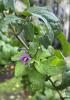
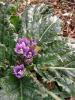
Morning-Noon-and-Night and Yesterday-Today-and-Tomorrow are common names for evergreen or semi-evergreen shrubs and small trees in Brunfelsia. Cultivated plants are prized for fragrant tubular flowers that may change visibly from deep purple or violet to lavender and then nearly white.
Flowers open on different days, allowing several color stages to appear on the same shrub simultaneously. This progressive fading explains the Yesterday-Today-and-Tomorrow name but does not occur identically in every species; some Brunfelsia flowers remain pale, cream, yellowish, or white.
Evolutionary and Geographic Distribution
The genus is native to tropical America. Modern molecular research supports an origin in South America followed by major diversification there and separate radiations in Cuba and other Antillean islands.
Individual species occupy more restricted ranges. Brunfelsia pauciflora is native to southeastern Brazil, Brunfelsia australis extends through southern Brazil into northeastern Argentina, Brunfelsia americana is Caribbean and northern South American, and Brunfelsia grandiflora occurs in parts of the western and central Amazonian region.
Cultivation has introduced Brunfelsia throughout warm parts of North America, Australia, Africa, Asia, Pacific islands, and other subtropical or tropical regions. In colder climates the shrubs may be maintained in greenhouses, conservatories, sunrooms, or seasonal containers.
Growth Form
Most ornamental species are densely branching shrubs or small trees. Mature size varies with species, climate, pruning, and cultivation, but landscape plants may reach several feet in height and width and produce large quantities of flowers and fruit.
Plants are used as specimens, foundation shrubs, hedges, privacy screens, patio containers, greenhouse subjects, and standards trained into small tree form. Dense lower branching can place fruit directly within reach of dogs and livestock.
Leaves
Leaves are simple, alternate, and generally elliptic, oblong, or ovate with smooth margins. They may be glossy or slightly dull, thin or leathery, and remain green for much of the year in frost-free climates.
Leaves should remain inaccessible even though fruit and seeds carry the strongest documented canine risk. Experimental leaf poisoning in Brunfelsia uniflora demonstrates that foliage can become severely toxic under particular seasonal conditions.
Flowers and the Purple-to-White Color Change
Flowers typically have a long narrow tube opening into five spreading lobes. In purple-flowered ornamentals, active anthocyanin degradation contributes to the change from violet or purple to pale lavender and white as each flower ages.
The color transition is accompanied by broader metabolic and fragrance changes rather than simple pigment dilution. Individual flowers at different developmental stages create the familiar three-color display.
Flower color cannot identify a safe species or predict toxin concentration. Pale, white, yellowish, and night-fragrant Brunfelsia species remain members of the same poisonous genus.
Fruit and Seeds
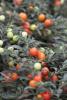
Brunfelsia produces rounded or ovoid fruits with a firm or leathery outer wall. Developing fruit is often green and may remain partly hidden beneath the foliage or fall into mulch beneath the shrub.
Each fruit may contain numerous dark seeds. Dogs may swallow the fruit whole or crush the seeds while chewing. Fruit and seeds recovered from vomit or stool can be central to diagnosis and should be saved.
Fallen fruit should be collected before mowing, mulching, composting, or allowing puppies into the area. A lawn mower can scatter seeds and fragments well beyond the original shrub.
Why Fruit Beneath Mulch Is Especially Dangerous
Rounded green fruit can blend into bark mulch, leaf litter, soil, decorative gravel, or hedge debris. Dogs may find it while digging, searching for insects, or chewing pieces of bark.
The owner may never see the animal eat the plant and may first discover the exposure when green fruit or dark seeds appear in vomit or diarrhea. Mulch beneath a fruiting shrub should be inspected routinely and replaced when seeds have accumulated.
Foundational Canine Case Documentation
A foundational veterinary investigation recorded the following naturally occurring and experimental canine evidence:
“In January 1989, a case of acute death of an 11-wk-old intact female Schipperkee was submitted to the Texas Veterinary Medical Diagnostic Laboratory. The local veterinarian reported that the client presented the dog to him with a complaint of an acute onset of anxiety, persistent sneezing, vomiting, moderate to severe whole body muscle tremors, and pyrexia (40.7 C). The physical status of the animal progressively worsened over a 2-hr period, culminating in a state of severe disorientation, staggering, ataxia, proprioceptive deficits, an inability to right itself, and seizures. The vomitus and loose stool contained numerous small dark brown seeds and intact medium green spherical, firm seed pods. The vaccination history was current and there was no known, suspected, or possible exposure to any heavy metal, insecticide, pesticide, herbicide, or methylxanthine. The owner reported that the puppy was seen eating mulch around bushes in the owner’s back yard approximately 2 hr prior to the first noted presentation of clinical signs. Treatment by the local veterinarian included Valium, prednisolone, and activated charcoal. Tissues were processed and stained with hematoxylin and eosin by standard methods.
“There are only 2 reports in the literature of the intoxication of a canine by Brunfelsia spp. All of these reports originate from Australia and involve Brunfelsia australis, formerly known as Brunfelsia bonodora. Although Brunfelsia calycina is known to grow in New South Wales, it does not set fruit in that climate, and its toxicity has not been definitively established. This paper reports the first intoxication of a canine with Brunfelsia calycina and is the first documented intoxication of Brunfelsia spp. in the Western Hemisphere. In the Australian reports, 1 dog showed clinical signs of gastric and buccal irritation, nystagmus, salivation, vomition, nervous irritation, extensor rigidity, and opisthotonous, but recovered with treatment in 2 days. Another dog died within 10 hours after ingestion of berries after exhibiting vomition, dementia, and severe hematuria. An experimental dog fed 5.4 g/kg of body weight of minced Brunfelsia showed depression, antisocial behavior, vomition, diarrhea, reluctance to stand, decreased motor activity, generalized fine muscle tremors, polyuria, involuntary rhythmic limb extension, convulsions, and opisthotonous. The animal was euthanized at 40 hours post dosing. Gross necropsy revealed only edema and hyperemia of the terminal ileum. Histopathologic findings were not specific.”
The quoted nomenclature reflects the botanical treatment used when the investigation was published. Brunfelsia calycina var. floribunda is now treated within Brunfelsia pauciflora, while current taxonomy accepts Brunfelsia australis and Brunfelsia bonodora separately.
The treatment details in the quotation document what occurred in that case; they are not owner instructions or a universal contemporary protocol. Modern management prioritizes rapid stabilization, airway protection, veterinarian-selected anticonvulsant and tremor control, careful decontamination, temperature management, and monitoring for aspiration and metabolic complications.
Documented Siberian Husky Case
A six-year-old female Siberian Husky developed salivation, coughing, gagging, dilated pupils, muscular contractions, horizontal involuntary eye movement, and tonic-clonic convulsions after eating seeds from a plant identified as Brunfelsia pauciflora.
The dog required intensive symptomatic and supportive care. Convulsions stopped on the fifth day, and complete recovery was reported after approximately three weeks.
This case demonstrates that severe Brunfelsia poisoning can remain active far beyond a routine overnight observation period. It also shows that prolonged seizures do not make recovery impossible when intensive care succeeds.
Four-Dog Australian Case Series
A later series described four dogs with vomiting, diarrhea, anxiety, muscle tremors, opisthotonus, and seizures after Brunfelsia ingestion. All four survived following intensive veterinary treatment using different combinations of airway-protected gastric decontamination, anticonvulsant therapy, anesthesia, sedation, and supportive care.
The report supports aggressive management of the neurologic syndrome and careful examination of fecal material for plant evidence. It does not support attempting lavage, enemas, charcoal, anesthesia, or anticonvulsant treatment at home.
Livestock Evidence and Seasonal Leaf Toxicity
Controlled research reproduced poisoning in sheep and donkeys given Brunfelsia uniflora leaves collected during flowering near the beginning of the rainy season. Clinical disease included diarrhea, tremors, incoordination, recumbency, convulsions, and death under the research conditions.
Leaves collected later in the rainy season did not reproduce the same toxicity at the tested doses. The result establishes seasonal chemical variation, not a safe harvest season. A different population, climate, leaf age, or intake could produce another result.
Dogs and Puppies
Dogs are exposed most often through fallen fruits, seeds in mulch, low branches, pruning debris, and uprooted plants. Puppies may swallow several fruiting structures rapidly because the objects are small, round, and unfamiliar.
Any dog showing vomiting, unusual anxiety, sneezing, facial twitching, or tremors after yard access should be checked for seeds or fruit fragments. Other animals must be kept away from vomit and stool because intact seeds may remain present.
Cats
Cats may bite leaves or flowers, climb into container plants, or play with fallen fruit. Detailed feline case documentation is limited, so risk cannot be quantified reliably.
Indoor Brunfelsia should not be placed on an accessible windowsill, plant shelf, sunroom floor, or greenhouse bench. A cat can also contact pesticide and fertilizer applied to the shrub.
Horses and Livestock
Landscape trimmings are the most preventable large-animal exposure. Branches, roots, fruit, or entire shrubs should never be thrown into paddocks, livestock pens, hay-storage areas, or open feed piles.
Horses cannot vomit, and ruminants may consume wilted material mixed with desirable forage. Hungry animals and animals unfamiliar with the plant may be more likely to eat it.
Rabbits, Birds, Reptiles, and Other Animals
Fruit and seed should never be offered as bird food, rabbit forage, rodent enrichment, or tortoise browse. Birds can crack seeds, while small herbivores may receive a substantial dose relative to body weight.
Brunfelsia should not be planted inside aviaries, poultry areas, rabbit runs, tortoise enclosures, zoo exhibits, or other naturalistic animal habitats.
Pruning, Transplanting, and Landscape Waste
Pruning can place leaves, flowers, roots, immature fruit, mature fruit, and seeds on the ground simultaneously. Contractors may be unaware of the animal-poisoning risk and discard branches into a dog yard or paddock.
Waste should move directly into a closed, animal-inaccessible container. Shredding, mowing, or chipping can distribute seeds and make identification more difficult.
Compost, Hay, and Feed Contamination
Fresh Brunfelsia waste should not enter animal-accessible compost. Compost may also contain tremorgenic mold, mushrooms, spoiled food, pesticides, and additional toxic plants capable of causing a similar syndrome.
Leaves and stems should not be incorporated into hay, silage, green chop, or browse. Drying cannot be relied upon to eliminate stable toxic compounds.
Pesticides, Fertilizers, and Mixed Garden Exposures
Ornamental shrubs may be treated for scale insects, whiteflies, mites, fungal disease, snails, slugs, or weeds. Neurologic signs after garden access may therefore involve Brunfelsia, metaldehyde bait, pyrethroids, organophosphates, carbamates, tremorgenic compost, mushrooms, or a combination.
Every product label, treatment date, bait container, and landscaping invoice should be preserved. Severe salivation, muscle twitching, diarrhea, and seizures are not specific to one poison.
Morning-Noon-and-Night Versus Morning Glory
Morning Glory generally refers to climbing or trailing Ipomoea vines with funnel-shaped flowers. Certain seeds contain ergoline alkaloids and can cause a different neurologic syndrome.
Brunfelsia is a woody shrub with alternate oval leaves, salver-shaped flowers, and rounded fruit. The shared word morning does not indicate botanical or chemical relationship.
Morning-Noon-and-Night Versus Datura or Moonflower
Datura species have large trumpet-shaped flowers, coarse leaves, and often spiny seed capsules. They contain atropine, scopolamine, and hyoscyamine and typically produce an anticholinergic syndrome.
Brunfelsia more often causes hypersalivation, vomiting, diarrhea, tremors, hypersensitivity, muscular rigidity, opisthotonus, and seizures. Mixed or uncertain plant material must be identified because treatment priorities can differ.
Lady-of-the-Night Versus Night-Blooming Jasmine
Night-Blooming Jasmine is usually Cestrum nocturnum, another Solanaceae shrub with clusters of narrow greenish-white tubular flowers. Brunfelsia americana may also be called Lady-of-the-Night because its pale flowers become strongly fragrant after dark.
The plants belong to different genera and should not be assigned identical compounds or clinical expectations.
Franciscan Rain Tree Versus True Rain Tree
True Rain Tree generally refers to Samanea saman, a large legume tree with a broad umbrella-like canopy. It is unrelated to Brunfelsia.
Names such as Franciscan Rain Tree, Brazil Rain Tree, and Raintree are therefore unsafe identifiers without the complete plant.
Manacá Versus Manacá-da-Serra
Manacá is applied to Brunfelsia uniflora and related shrubs in parts of South America. Manacá-da-Serra commonly refers to an unrelated purple-flowered tree in Pleroma, formerly classified in Tibouchina.
Both may display changing purple and pale flowers, making fruit, leaf arrangement, flower structure, bark, and a botanical label important.
Diagnosis
Diagnosis is based on known access, plant identification, rapid development of gastrointestinal and neurologic signs, and recovery of fruit or seeds from the mouth, vomit, feces, stomach contents, mulch, or enclosure.
Useful evidence includes a complete flowering or fruiting branch, intact fruit, loose seeds, roots, nursery labels, photographs of the entire shrub, mulch samples, pruning waste, product labels, vomit, and stool fragments.
No routine rapid blood or urine test confirms brunfelsamidine. Specialized analytical detection is not generally available during the emergency treatment window.
Veterinary Evaluation
Evaluation may include neurologic status, pupil and eye movement, muscle tone, righting ability, temperature, respiratory effort, oxygenation, heart rate and rhythm, blood pressure, hydration, glucose, electrolytes, acid-base status, kidney function, muscle enzymes, urinalysis, and chest assessment after vomiting.
Continuous or repeated monitoring is important because seizures, overheating, electrolyte disturbance, respiratory depression, and aspiration can recur after the patient initially appears calmer.
Differential Diagnosis
Important convulsant differentials include strychnine, metaldehyde slug bait, tremorgenic mycotoxins, methylxanthines, amphetamines, cocaine, nicotine, pyrethroids, organochlorines, organophosphates, carbamates, lead, serotonin syndrome, cannabis products, toxic mushrooms, and medication overdose.
Medical differentials include epilepsy, hypoglycemia, hepatic encephalopathy, electrolyte disease, encephalitis, canine distemper, head trauma, heatstroke, and other intracranial disorders.
Finding Brunfelsia fruit supports exposure but does not prove that a second poison is absent. The complete yard, compost, bait, medication, and food history remains important.
Prognosis
The prognosis is generally more favorable when fruit or seed ingestion is recognized before neurologic signs, safe decontamination occurs promptly, and tremors and seizures are controlled early.
The outlook becomes guarded with large or uncertain seed ingestion, repeated or prolonged seizures, uncontrolled temperature, aspiration, respiratory depression, coma, major muscle injury, delayed care, or inadequate response to escalating treatment.
Published cases demonstrate both death and complete recovery after several days of convulsions. Prognosis must therefore be based on the individual response rather than one fixed recovery period.
Prevention
Do not plant Brunfelsia inside dog yards, kennels, paddocks, livestock pens, poultry runs, aviaries, rabbit enclosures, or tortoise habitats. Consider removal when a fruiting shrub already grows in an area used by animals.
Collect fallen fruit before it accumulates, inspect mulch for seeds, secure every pruning fragment, and instruct landscapers never to discard the plant in animal areas.
Preserve the scientific label and record pesticide and fertilizer treatments. Common names such as Lady-of-the-Night, Jasmine, Manacá, Morning Glory, and Rain Tree are too ambiguous for reliable emergency identification.
Immediate Response
- Stop further exposure: Move the animal away from the shrub, fruit, seeds, leaves, flowers, roots, mulch, compost, pruning debris, and contaminated feed immediately.
- Contact a veterinarian urgently: Brunfelsia poisoning can progress from gastrointestinal signs and anxiety to severe tremors, rigidity, and repeated seizures within hours.
- Preserve the complete evidence: Save branches, leaves, flowers, intact fruit, loose seeds, roots, nursery labels, photographs, mulch samples, vomit, stool fragments, and every garden product involved.
- Estimate the maximum exposure: Count missing fruit when possible and report the greatest plausible quantity rather than only what was recovered.
- Protect other animals: Block access to the shrub, fallen fruit, vomit, feces, and contaminated landscaping material.
- Record the timeline: Note yard access, vomiting, behavior change, twitching, tremors, seizures, temperature concerns, and every treatment already given.
Stabilization Comes Before Decontamination
- Control neurologic signs first: An animal already trembling, rigid, disoriented, poorly responsive, or seizing must be stabilized before vomiting, charcoal, lavage, or other gastrointestinal procedures are considered.
- Protect the airway: Seizures, sedation, repeated vomiting, and reduced consciousness greatly increase aspiration risk.
- Support breathing: Weak, irregular, obstructed, or labored respiration may require oxygen, suctioning, intubation, or mechanical ventilation.
- Restore circulation appropriately: Intravenous crystalloids may be used when vomiting, diarrhea, overheating, or poor perfusion has caused clinically important volume depletion.
- Use vasopressors only when indicated: They may be required if dangerous hypotension persists after appropriate circulating volume has been restored.
- Reduce stimulation: Noise, bright light, touch, struggling, and transport stress can intensify muscular activity.
Remove Loose Plant Material
- Wear gloves: Handle fruit, seeds, vomit, feces, mulch, and plant material carefully and wash exposed skin afterward.
- Remove visible loose pieces: Carefully lift accessible fruit, seeds, leaves, and stems from the lips and front of the mouth when the animal is calm and safe to handle.
- Avoid blind sweeps: Do not reach deeply into the throat or push material toward the airway.
- Do not struggle with a neurologic animal: Confusion, hypersensitivity, rigidity, and seizures can produce an unexpected bite.
- Save representative material: Preserve enough fruit, seeds, leaves, and vomit for identification.
Gentle Mouth Rinsing
- Rinse only a fully alert animal: Breathing, awareness, coordination, and swallowing must be normal.
- Use clean lukewarm water: Allow a gentle flow across the front of the mouth and outward.
- Do not direct water toward the throat: Forceful syringing can cause aspiration.
- Stop if coughing or gagging begins: Difficulty handling water makes further rinsing unsafe.
- Do not delay transport: Mouth rinsing does not neutralize absorbed neurotoxins.
Do Not Induce Vomiting at Home
- Do not give hydrogen peroxide automatically: Neurologic deterioration may occur rapidly, leaving the animal unable to protect its airway.
- Never give hydrogen peroxide to a cat: It can cause serious feline gastric and esophageal injury.
- Never induce vomiting after signs begin: Vomiting, tremors, staggering, rigidity, agitation, sedation, seizures, abnormal breathing, or poor swallowing makes emesis unsafe.
- Do not use salt, mustard, dish soap, oil, ipecac, or manual gagging: These methods can create another poisoning, aspiration, or physical injury.
- Allow veterinarian-selected emesis only: A veterinarian may consider controlled vomiting after a recent ingestion only when a dog remains completely neurologically normal and can protect its airway.
Activated Charcoal and Cathartics
- Do not force charcoal at home: Vomiting, tremors, seizures, poor coordination, and sedation create a substantial aspiration risk.
- Do not use barbecue charcoal or ash: These materials are not medical activated charcoal.
- Allow airway-protected veterinary administration: Charcoal may be selected after the neurologic and respiratory condition has been assessed.
- Do not add a cathartic: Sorbitol, magnesium salts, sodium salts, and other cathartics can worsen diarrhea, dehydration, sodium abnormalities, and circulatory instability.
- Do not repeat charcoal without direction: Repeat administration depends on bowel function, hydration, sodium status, vomiting, neurologic condition, and aspiration risk.
Do Not Give Household Medication
- Do not give seizure medication: Human or leftover veterinary anticonvulsants can produce dangerous dosing errors, sedation, and respiratory depression.
- Do not give muscle relaxants: Methocarbamol and similar medications require veterinary selection and monitoring.
- Do not give antihistamines: They do not neutralize brunfelsamidine or stop a spinal-convulsant syndrome.
- Do not give corticosteroids as an antidote: They do not neutralize the toxin and may be inappropriate depending on aspiration, infection, gastrointestinal injury, and the patient’s condition.
- Do not give antidiarrheal medication: Loperamide, bismuth products, and similar drugs should not be selected by the owner.
- Do not give human pain medication: Ibuprofen, naproxen, aspirin, and acetaminophen can create an additional poisoning.
Food and Water
- Do not force food: A nauseated, disoriented, trembling, sedated, or poorly swallowing animal may choke or aspirate.
- Do not syringe or drench water: Forced fluid can enter the lungs.
- Offer cautious access only when stable: The animal must be fully alert, swallowing normally, and not vomiting repeatedly.
- Follow veterinary instructions: Food and water may need to be withheld when anesthesia, lavage, charcoal, intubation, or advanced imaging is anticipated.
- Avoid human electrolyte products: They may contain excessive sugar, sodium, caffeine, artificial sweeteners, or xylitol.
Seizures, Tremors, and Muscular Rigidity
- Treat early twitching as significant: Facial fasciculations and fine tremors can precede generalized rigidity and seizures.
- Clear the area: Move furniture, water bowls, tools, and sharp or hard objects away from the animal.
- Do not put anything in the mouth: Keep hands, food, water, spoons, and medication away during a seizure.
- Do not restrain the limbs: Protect the animal from impact without pinning it down.
- Record episode duration: Note whether awareness returns and whether another seizure begins.
- Seek immediate veterinary treatment: Repeated seizures can become life-threatening status epilepticus.
Quiet and Dim Recovery Area
- Reduce sensory stimulation: Limit bright light, noise, touch, sudden movement, and unnecessary handling.
- Keep other animals and children away: Confusion and hypersensitivity can produce defensive behavior.
- Use padded confinement: A carrier, kennel, hospital cage, or protected floor space can reduce traumatic injury.
- Maintain observation: Breathing, temperature, seizure activity, and responsiveness can change rapidly.
- Do not mistake quietness for recovery: Severe exhaustion, sedation, hypoxia, or central depression may follow the excitatory phase.
Body Temperature
- Watch for dangerous overheating: Continuous tremors, seizures, panting, hot skin, and dark-red gums can indicate hyperthermia.
- Watch for hypothermia: Sedation, shock, exhaustion, anesthesia, and prolonged recumbency can lower body temperature.
- Do not use ice baths: Extreme cooling can cause vasoconstriction, shivering, and additional muscular activity.
- Do not apply unmonitored heat: Heating pads and hot-water containers can cause burns or worsen an unrecognized fever.
- Allow controlled treatment: Veterinary teams may use measured cooling or warming while monitoring neurologic and cardiovascular status.
Vomiting and Diarrhea
- Track every episode: Record frequency, blood, green fruit, dark seeds, mulch, and other material.
- Save representative evidence: Place fruit and seeds in a secure container while preventing human or animal exposure.
- Prevent re-ingestion: Keep every other animal away from contaminated vomit and stool.
- Watch for dehydration: Tacky gums, weakness, sunken eyes, low urine output, or inability to retain water requires treatment.
- Watch for aspiration: Coughing, fever, nasal discharge, rapid breathing, or renewed depression after vomiting can indicate pneumonia.
Breathing Problems
- Watch respiratory effort: Rapid, shallow, irregular, gasping, obstructed, or weak breathing requires immediate intervention.
- Do not muzzle a vomiting or seizing animal: A muzzle can trap vomit and interfere with breathing.
- Position safely: Keep the airway accessible and allow saliva or vomit to drain without forcing a conscious struggling animal into a dangerous posture.
- Expect possible advanced support: Severe cases may require oxygen, suction, intubation, or assisted ventilation.
Safe Transportation
- Call ahead: Tell the clinic that Brunfelsia, Morning-Noon-and-Night, or Yesterday-Today-and-Tomorrow poisoning is suspected.
- Report the neurologic state: Staff should know whether the animal is trembling, rigid, disoriented, defensive, poorly responsive, or actively seizing.
- Reduce noise and light: Keep the vehicle quiet and dim without compromising safe driving.
- Prevent falls: Use a padded carrier, stretcher, rigid board, sling, or blanket appropriate for the species.
- Bring the evidence: Transport the plant, fruit, seeds, labels, photographs, product containers, vomit sample, and treatment history securely.
Veterinary Decontamination
A veterinarian may induce vomiting after a recent ingestion only when the animal remains completely neurologically normal, stable, and able to protect its airway. Once twitching, tremors, altered awareness, dysphagia, or respiratory signs develop, the risk generally outweighs the benefit.
Gastric lavage may be considered after a large recent fruit or seed ingestion when the patient is anesthetized, intubated, monitored, and protected from aspiration. Activated charcoal may be administered through an appropriately protected airway.
Enemas appeared in historical case management and may assist removal of visible seeds in selected hospitalized patients, but they are not a routine owner procedure and can worsen stress, fluid loss, trauma, or electrolyte disturbance.
Veterinary Seizure and Tremor Control
Rapid veterinarian-selected anticonvulsant therapy is essential. Benzodiazepines, barbiturates, propofol, or other agents may be used according to seizure pattern, response, cardiovascular stability, and respiratory status.
Methocarbamol or another veterinarian-selected muscle relaxant may be used when continuous tremors and rigidity dominate. Refractory convulsions may require general anesthesia with an injectable or inhaled anesthetic.
Escalating sedation and anesthesia can suppress breathing and blood pressure. Oxygen, intubation, ventilation, ECG, blood-pressure monitoring, temperature measurement, and intensive nursing care may be required.
Veterinary Supportive Care
Intravenous crystalloids may correct clinically important dehydration and support circulation, electrolyte balance, and kidney perfusion. Fluid therapy must be individualized when urine output is reduced, pulmonary edema is present, or cardiac function is unstable.
Electrolytes, glucose, acid-base status, packed-cell volume, kidney values, muscle enzymes, urine production, oxygenation, blood pressure, and temperature may require serial assessment.
Antiemetic treatment can reduce ongoing vomiting and aspiration risk. Nutritional support is considered after swallowing and neurologic function are safe. Eye lubrication and pressure-point care may be necessary during prolonged recumbency or anesthesia.
Aspiration and Respiratory Treatment
Animals that inhale vomit or charcoal may require oxygen, chest imaging, airway suctioning, nebulization, intubation, ventilation, and treatment directed at aspiration pneumonia. Antibiotics are selected when bacterial infection is suspected rather than given automatically for every exposure.
Weak breathing caused by severe neurologic depression or medication requires immediate respiratory support while toxin metabolism and elimination continue.
Diagnostic Monitoring
No routine assay confirms brunfelsamidine rapidly. Treatment should not be delayed while waiting for a specialized toxicology result.
Veterinary monitoring may include complete blood count, electrolytes, glucose, acid-base status, kidney and liver values, creatine kinase, urinalysis, ECG, blood pressure, temperature, oxygenation, and chest evaluation after vomiting.
Seed and fruit identification can be more diagnostically useful than nonspecific bloodwork. A lack of distinctive necropsy lesions does not exclude fatal Brunfelsia poisoning.
Horses and Livestock
- Remove the entire group: Move all animals away from shrubs, fallen fruit, clippings, contaminated feed, and mulch.
- Examine shared exposure: Other animals may develop signs later because intake differs.
- Minimize stress: Do not chase, drive, or force neurologically abnormal animals to walk.
- Do not attempt vomiting: Horses and ruminants must never receive household emetics.
- Do not drench: Tremors, weakness, recumbency, or poor swallowing creates severe aspiration risk.
- Preserve feed and plants: Save representative samples from several parts of the debris or feed load.
- Request large-animal care: Seizure control, fluids, temperature management, recumbency care, oxygen, and ventilation may be required.
Rabbits, Guinea Pigs, Birds, Reptiles, and Other Exotics
- Do not attempt vomiting: Household emesis is unsafe or physiologically impossible in these animals.
- Monitor food and fecal output: Neurologic illness and gastrointestinal irritation can produce rapid secondary deterioration.
- Reduce stimulation: Quiet, dim confinement can limit trauma while transport is arranged.
- Preserve complete plant material: Fruit and seeds may be especially important for identification.
- Use a species-experienced veterinarian: Restraint, anticonvulsant selection, fluid therapy, airway support, and nutrition differ among taxa.
Monitoring and Recovery
- Monitor seizure recurrence: Convulsions may return for several days after apparent improvement.
- Monitor tremors and muscle tone: Fasciculations, rigidity, and opisthotonus should resolve rather than intensify.
- Monitor coordination: Righting ability, standing, walking, and awareness should improve progressively.
- Monitor temperature: Both hyperthermia and hypothermia can develop during illness and treatment.
- Monitor breathing: Aspiration and medication-related respiratory depression may appear after the initial crisis.
- Monitor hydration and urine: Vomiting, diarrhea, hyperthermia, and muscle injury can affect circulation and kidney function.
- Attend rechecks: Persistent lethargy, recurrent seizures, abnormal gait, coughing, poor appetite, or behavior change may require continued treatment.
Recovery means that seizures and tremors have stopped without recurrence, normal awareness and coordination are returning, temperature and circulation remain stable, breathing is adequate without aspiration, hydration and electrolytes are corrected, and the animal can eat and drink safely.
Prevention and Prognosis
- Remove animal access: Keep Brunfelsia outside dog yards, kennels, paddocks, livestock pens, poultry areas, aviaries, rabbit runs, and reptile enclosures.
- Collect fallen fruit: Remove rounded fruit and seeds before they accumulate or become mixed into mulch.
- Secure pruning waste: Place every branch, flower, fruit, seed, and root directly into a closed animal-inaccessible container.
- Typical prognosis: Animals treated before prolonged seizures, hyperthermia, aspiration, and respiratory failure may recover completely.
- Guarded circumstances: Large fruit or seed ingestion, repeated seizures, coma, uncontrolled temperature, aspiration, severe respiratory depression, or delayed care creates a guarded-to-poor outlook.
Frequently Asked Questions About Morning-Noon-and-Night and Animal Poisoning
Why does this page use Brunfelsia spp. instead of one species?
Morning-Noon-and-Night, Yesterday-Today-and-Tomorrow, Lady-of-the-Night, Manacá, and related names are applied to several accepted Brunfelsia species. Poisoning has been reported or investigated in material identified as Brunfelsia pauciflora, Brunfelsia australis, Brunfelsia grandiflora, Brunfelsia uniflora, and plants bearing historical names such as Brunfelsia calycina var. floribunda. Species chemistry and plant-part potency may differ, so genus-level identification is more honest than forcing one species from a common name or flower color.
Which parts present the greatest documented danger?
The rounded fruit and numerous seeds present the strongest documented canine risk. Fruit and seeds have been recovered from vomit and loose stool in naturally poisoned dogs, and experimental work found unequal toxicity among plant parts. Leaves, flowers, stems, bark, sap, roots, dried debris, and pruning material remain poisonous and should not be treated as safe merely because they are implicated less often. Large herbivores may consume enough foliage for leaves to become the dominant exposure.
Is one fruit or a few seeds enough to cause severe poisoning?
No validated fruit or seed count predicts the outcome. Fruits vary in size, seed number, maturity, species, and chemical concentration, and an owner rarely knows how many were crushed or swallowed. A puppy consuming one large seed-filled fruit may receive a more important dose relative to body weight than a large adult dog. Because neurologic deterioration can begin within hours and later make decontamination unsafe, any witnessed fruit or seed ingestion warrants urgent veterinary or animal poison-control consultation.
What is brunfelsamidine, and how strong is the evidence for it?
Brunfelsamidine is pyrrole-3-carboxamidine, a convulsant isolated directly from Brunfelsia grandiflora. Experimental work demonstrated its ability to produce severe neurologic excitation and seizures, making it the best-characterized toxic candidate in the genus. Its discovery does not prove that every ornamental species or plant organ contains an identical concentration. Natural canine poisoning probably reflects a whole-plant mixture whose absorption and effects differ with the tissue, species, season, and amount consumed.
How certain is hopeanine’s role in pet poisoning?
Hopeanine is a historically reported neuroactive compound isolated from material identified under the older name Brunfelsia hopeana. Experimental descriptions include altered activity, hypersensitivity, paralysis, and seizures, but the accessible evidence is considerably less developed than for brunfelsamidine. Its concentration in modern ornamental species and contribution to naturally occurring dog or cat cases have not been quantified adequately. It remains a relevant candidate rather than a proven universal co-toxin.
Does the Brunfelsia uniflora saponin study explain every Brunfelsia poisoning?
No. A saponin-rich Brunfelsia uniflora leaf extract caused acute neurologic toxicity in mice, demonstrating that toxic activity can occur in a chemical fraction other than brunfelsamidine. The research used a selected extract from one species rather than intact fruit or leaves from every Brunfelsia. It therefore supports chemical complexity and species-specific variation but does not establish saponins as the sole or principal cause of fruit-associated canine seizures.
Is Brunfelsia poisoning the same as strychnine poisoning?
No, although the clinical syndromes can look remarkably similar. Both may produce hypersensitivity, severe muscular rigidity, extensor spasms, opisthotonus, and stimulus-triggered seizures. Strychnine has a well-defined mechanism involving blockade of inhibitory glycine receptors in the spinal cord and brainstem. Brunfelsamidine’s complete receptor-level mechanism has not been established to the same degree. A quiet environment and aggressive seizure control are relevant to both while exact toxicologic identification continues.
Does Brunfelsia contain the same tropane alkaloids as Datura?
Classic tropane alkaloids are not established as the principal cause of the characteristic Brunfelsia syndrome. Datura and Brugmansia typically produce a strong anticholinergic pattern involving dry mouth, dilated pupils, rapid heart rate, reduced intestinal activity, urinary retention, delirium, fever, and seizures. Brunfelsia more often causes hypersalivation, vomiting, diarrhea, fine tremors, hypersensitivity, rigidity, opisthotonus, and convulsions. Family membership in Solanaceae does not establish chemical identity.
How quickly do signs begin, and how long can seizures continue?
Signs commonly begin within approximately two to several hours, often with anxiety, sneezing, coughing, gagging, vomiting, diarrhea, or fine tremors. Progression to incoordination, inability to right, rigidity, and seizures can occur during the same period. Published dogs have continued convulsing for several days despite treatment, and one severely affected survivor required approximately three weeks for complete recovery. A short seizure-free interval does not guarantee that recurrence has ended.
Why are fruit and seeds in vomit or stool so diagnostically important?
Owners frequently do not witness the original ingestion because fruit is hidden in mulch beneath the shrub. Rounded green fruit and dark seeds recovered from vomit or loose stool may provide the first direct evidence linking a rapidly developing neurologic syndrome to Brunfelsia. Representative material should be preserved safely for identification, while other animals are kept away. Absence of visible seeds does not exclude poisoning because seeds may have been crushed, retained, or already passed.
Does rain, soaking, drying, or composting make the plant safe?
No reliable household or landscape process has been shown to detoxify Brunfelsia. Foundational research described water-soluble toxic material that remained lethal during prolonged storage, so water exposure does not establish safety. Dry fruit, seeds, wilted leaves, old pruning debris, and incompletely composted material should remain inaccessible. Open compost also introduces mold toxins, mushrooms, spoiled food, pesticides, and other poisonous plants that may produce overlapping gastrointestinal or neurologic signs.
Why did one Brunfelsia uniflora leaf study find seasonal toxicity?
Leaves collected during flowering near the beginning of the rainy season caused severe experimental poisoning in sheep and donkeys, while material collected later did not reproduce the same outcome at the tested research exposures. Plant chemistry can change with rainfall, growth stage, leaf age, temperature, soil, geography, and genetics. The finding demonstrates real variability but does not identify a safe season for browsing. Owners cannot determine toxicity by month or visual appearance.
Are cats, horses, and livestock at the same risk as dogs?
Dogs have the strongest companion-animal case documentation because they readily swallow fallen fruit and seeds. Cats are classified as susceptible, but detailed feline cases are limited. Sheep and donkeys have developed severe experimental leaf poisoning, and horses or other livestock can consume large quantities of landscape waste. Risk differs with species, body size, eating behavior, plant part, and amount, but the lack of an equally large case series in another animal does not establish safety.
Should vomiting be induced before signs begin?
Do not induce vomiting at home. Brunfelsia can produce rapid tremors, altered awareness, muscular rigidity, and seizures, leaving the animal unable to protect its airway. Hydrogen peroxide can cause additional gastrointestinal and esophageal injury, particularly in cats, while salt, mustard, dish soap, oil, ipecac, and manual gagging are unsafe. A veterinarian may consider controlled emesis only after a recent ingestion in a fully alert, neurologically normal, stable dog without swallowing or respiratory impairment.
Does activated charcoal help, and why should it not be given at home?
A veterinarian may use activated charcoal to reduce gastrointestinal absorption when the timing, airway, neurologic condition, and bowel function make administration appropriate. The major danger at home is aspiration: a vomiting, trembling, rigid, sedated, or poorly coordinated animal can inhale charcoal into the lungs. Owner-added cathartics can worsen diarrhea, dehydration, sodium disturbance, and cardiovascular instability. Barbecue charcoal, fireplace ash, and homemade substitutes are not medical activated charcoal.
Is there a specific antidote?
No antidote is established that neutralizes brunfelsamidine, hopeanine, or the complete toxin mixture. Treatment controls the consequences while the compounds are absorbed, metabolized, and eliminated. Veterinary care may include airway-protected decontamination, benzodiazepines, barbiturates, propofol, inhalational anesthesia, methocarbamol or other tremor control, oxygen, intubation, ventilation, fluids, blood-pressure support, temperature management, electrolyte correction, anti-nausea treatment, aspiration care, and intensive nursing.
Is there a blood test, and why can necropsy findings be nonspecific?
No routine rapid veterinary blood or urine test confirms brunfelsamidine exposure. Bloodwork is used to identify dehydration, glucose and electrolyte abnormalities, acid-base changes, muscle injury, kidney stress, and treatment complications. Fatal poisoning may result from severe functional disruption of neurotransmission without one distinctive gross or microscopic lesion. A normal-looking organ examination therefore does not exclude Brunfelsia when the exposure history and neurologic progression are convincing.
Which other poisonings can closely resemble Brunfelsia?
Important differentials include strychnine, metaldehyde slug bait, tremorgenic mold toxins, methylxanthines, stimulants, nicotine, pyrethroids, organophosphates, carbamates, lead, serotonin syndrome, toxic mushrooms, and medication overdose. Epilepsy, hypoglycemia, encephalitis, hepatic encephalopathy, electrolyte disorders, heatstroke, head trauma, and other neurologic diseases may also produce tremors or seizures. Recovering Brunfelsia fruit supports the diagnosis but does not exclude a simultaneous bait, pesticide, compost, or medication exposure.
Can a dog recover after several days of seizures?
Yes. Published dogs have recovered after severe and prolonged neurologic disease, including a case in which convulsions stopped on the fifth day and complete recovery occurred after approximately three weeks. Other animals have died or were euthanized. Outcome depends on the dose, plant part, speed of treatment, seizure control, temperature, breathing, aspiration, cardiovascular stability, traumatic injury, and access to intensive care. Prolonged seizures create a guarded prognosis but do not make recovery impossible.
What findings make the prognosis substantially worse?
Repeated or continuous seizures, uncontrolled hyperthermia, severe aspiration, weak or irregular breathing, coma, persistent hypotension, major muscle injury, delayed treatment, and failure to respond to escalating anticonvulsant therapy worsen the outlook. A large fruit-and-seed ingestion or an unknown exposure quantity also increases uncertainty. Early vomiting without neurologic progression generally carries a better prognosis than an animal arriving rigid, overheated, hypoxic, or unable to regain consciousness between seizures.
What is the most dependable way to prevent another poisoning?
Do not grow Brunfelsia inside an animal yard, paddock, livestock pen, aviary, rabbit run, or reptile enclosure. Collect fruit before it falls, inspect and replace contaminated mulch, remove self-seeded plants, and transfer every pruning fragment directly into closed waste. Tell landscapers never to throw branches or roots into animal areas. Where puppies, plant-eating animals, or livestock cannot be excluded reliably, removing the shrub is safer than attempting to monitor every fruit and seed.