Solanum Nightshade Glycoalkaloids and Species-Specific Poisoning Syndromes
Is Nightshade Poisonous to Dogs, Cats, Horses, and Livestock?
Yes—many plants called Nightshade in the genus Solanum are poisonous to dogs, cats, horses, livestock, rabbits, guinea pigs, birds, and other animals. Poisoning risk cannot be determined from the common name alone because Solanum contains approximately 1,200 accepted species, including poisonous weeds, thorny range plants, ornamental shrubs, vines, and familiar food crops. Leaves, shoots, sprouts, stems, flowers, immature fruit, berries, seeds, roots, tubers, hay, silage, grain contaminants, garden waste, and concentrated products may differ greatly in toxin content among species and developmental stages.
Many acute Nightshade poisonings involve steroidal alkaloids or steroidal glycoalkaloids such as α-solanine, α-chaconine, α-tomatine, α-solasonine, α-solamargine, solanocapsine, and related compounds. These substances may injure gastrointestinal membranes and, after sufficient absorption, contribute to drowsiness, weakness, confusion, poor coordination, tremors, abnormal heart rate, low blood pressure, respiratory depression, progressive paralysis, seizures, or collapse. Gastrointestinal irritation remains the most consistent acute presentation, with drooling, nausea, vomiting, abdominal pain, diarrhea, appetite loss, dehydration, and occasionally gastrointestinal bleeding.
The genus also contains important exceptions that do not fit the ordinary acute glycoalkaloid pattern. *Solanum glaucophyllum* and certain other calcinogenic species contain vitamin-D-active compounds capable of causing chronic hypercalcemia, hyperphosphatemia, painful stiffness, weight loss, cardiovascular damage, and mineralization of soft tissues. Other species, including *Solanum kwebense* and related neurotoxic nightshades, have caused chronic cerebellar degeneration and progressive incoordination in livestock.
Nightshade is not automatically the same plant as Deadly Nightshade or Belladonna. Deadly Nightshade is Atropa bella-donna, a different genus whose atropine, hyoscyamine, and scopolamine produce a predominantly antimuscarinic syndrome. Ripe cultivated tomato flesh, properly stored non-green potato, and ordinary culinary eggplant are also not equivalent to wild Nightshade foliage, potato sprouts, green tubers, ornamental Jerusalem Cherry fruit, or unidentified berries.
About this guide: This page provides general pet-poisoning information and cannot diagnose or treat an individual animal. For any suspected exposure, contact a veterinarian or animal poison-control service immediately. Do not induce vomiting, give medication, or attempt home decontamination unless directed by a veterinary professional.
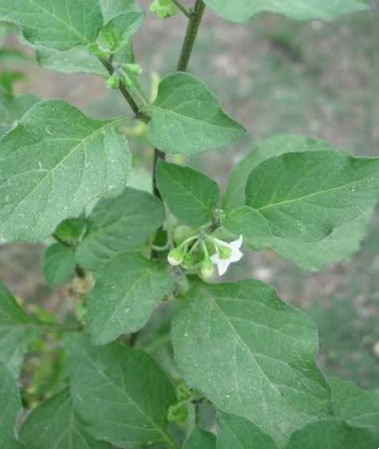
Nightshade
Solanum spp.
- Solanum dulcamara L. — Climbing Nightshade, Bittersweet Nightshade, or Woody Nightshade
- Solanum nigrum L. — Black Nightshade; one member of the taxonomically difficult black-nightshade or Morelloid complex
- Solanum americanum Mill. — American Black Nightshade or Small-Flowered Nightshade; a separate accepted species frequently confused with Solanum nigrum
- Solanum emulans Raf. — Eastern Black Nightshade; a separate accepted member of the black-nightshade complex
- Solanum carolinense L. — Carolina Horsenettle or Horse Nettle
- Solanum elaeagnifolium Cav. — Silverleaf Nightshade or White Horsenettle
- Solanum triflorum Nutt. — Cutleaf Nightshade or Three-Flowered Nightshade
- Solanum rostratum Dunal — Buffalo Bur, Buffalobur, or Kansas Thistle
- Solanum viarum Dunal — Tropical Soda Apple
- Solanum pseudocapsicum L. — Jerusalem Cherry, Madeira Winter Cherry, or False Jerusalem Cherry
- Solanum tuberosum L. — Potato; included because its foliage, sprouts, berries, green peel, and stressed tubers contain important glycoalkaloids
- Solanum lycopersicum L. — Tomato
- Lycopersicon esculentum Mill. — historical tomato name and former placement outside the genus Solanum
- Solanum melongena L. — Eggplant or Aubergine
- Solanum glaucophyllum Desf. — accepted name for a calcinogenic South American Nightshade associated with enzootic calcinosis
- Solanum malacoxylon Sendtn. — historical synonym of Solanum glaucophyllum widely used in older calcinogenic-plant literature
- Solanum tettense Klotzsch — accepted name for the African species associated with chronic cerebellar degeneration in livestock
- Solanum kwebense N.E.Br. ex C.H.Wright — synonym of Solanum tettense and the name commonly used in older veterinary toxicology reports
- Atropa bella-donna L. — Deadly Nightshade or Belladonna; a separate species outside Solanum that produces tropane-alkaloid poisoning
Solanaceae — Nightshade or Potato Family
Solanaceae contains many chemically distinct genera. Membership in the family does not establish that a plant contains solanine, atropine, nicotine, capsaicin, or any other single universal toxin. Safe assessment requires identification to the genus and preferably the species, plant part, developmental stage, and exposure form.
Nightshade; Nightshades; Solanum; Black Nightshade; Common Black Nightshade; European Black Nightshade; American Black Nightshade; Eastern Black Nightshade; Small-Flowered Nightshade; Garden Nightshade; Blackberry Nightshade; Climbing Nightshade; Bittersweet Nightshade; Bitter Nightshade; Woody Nightshade; European Bittersweet; Horsenettle; Horse Nettle; Carolina Horsenettle; Silverleaf Nightshade; White Horsenettle; Cutleaf Nightshade; Three-Flowered Nightshade; Buffalo Bur; Buffalobur; Kansas Thistle; Tropical Soda Apple; Soda Apple; Jerusalem Cherry; Winter Cherry; Madeira Winter Cherry; False Jerusalem Cherry; Potato Weed; Poison Berry; Poisonberry
These names refer to different Solanum species, species groups, regional usages, or horticultural plants and are not exact botanical synonyms. Black Nightshade may refer to several members of the taxonomically difficult Morelloid clade. Horsenettle may refer to more than one prickly Solanum, while Winter Cherry can refer to Solanum pseudocapsicum or to unrelated plants in other genera.
Deadly Nightshade properly refers to Atropa bella-donna, although the name is often applied inaccurately to poisonous Solanum plants. Bittersweet can mean Solanum dulcamara, American Bittersweet in the genus Celastrus, or other unrelated vines. Jerusalem Cherry is Solanum pseudocapsicum and should not be confused with edible cherry, groundcherry in Physalis, ornamental pepper in Capsicum, or ripe culinary tomato.
Nightshade Family and Potato Family refer to Solanaceae rather than one plant. The exact scientific name, complete growth form, presence or absence of prickles, leaf hairs, flower color, anther shape, calyx, berry color at several stages, seed structure, underground parts, habitat, and nursery or feed information should be preserved whenever poisoning is investigated.
Genus-Level Evidence and the Limits of “Solanine”
Solanum is too large and chemically diverse to be represented by one toxin called solanine. Steroidal alkaloids and steroidal glycoalkaloids are prominent defensive metabolites in many species, but the exact compounds differ among potatoes, tomatoes, eggplants, black nightshades, climbing nightshade, thorny range species, ornamental Jerusalem Cherry, and other groups. The relative abundance of each compound may also change with plant part, maturity, genotype, environmental stress, storage, and processing.
α-Solanine is a specific potato-associated glycoalkaloid rather than a scientifically precise synonym for every Nightshade toxin. Using solanine as a genus-wide label obscures clinically meaningful differences between solanidane compounds such as α-solanine and α-chaconine, spirosolane compounds such as α-solasonine and α-solamargine, tomato compounds based on tomatidine, and nonglycosylated alkaloids such as solanocapsine.
The toxicological boundary is broader still because some poisonous Solanum species cause syndromes that are not explained principally by steroidal glycoalkaloids. Calcinogenic species contain vitamin-D-active compounds, while several chronic neurotoxic species cause cerebellar degeneration or neuronal storage abnormalities through incompletely defined toxins. Identification to species can therefore change the anticipated disease from acute gastroenteritis to a chronic metabolic or neurologic disorder.
Steroidal Alkaloids, Aglycones, and Sugar Chains
Steroidal glycoalkaloids contain a nitrogen-bearing steroidal aglycone joined to one or more sugars. Solanidine, solasodine, and tomatidine are representative aglycones. Their glycosides differ according to the number, identity, sequence, and linkage of sugars attached to the steroidal core.
α-Solanine and α-chaconine share the solanidine aglycone but carry different oligosaccharide chains. α-Solasonine and α-solamargine are solasodine glycosides with different sugar arrangements. α-Tomatine carries a lycotetraose sugar chain attached to tomatidine. These structural differences affect membrane binding, sterol complex formation, cholinesterase inhibition, gastrointestinal absorption, metabolism, and laboratory toxicity.
Removing the sugar chain produces the aglycone, but the aglycone is not automatically more or less toxic in every biological system. Some membrane effects require an intact carbohydrate moiety, and mixtures of related glycoalkaloids can behave synergistically. A list of chemical names without structural and dose context cannot predict the clinical outcome of one natural plant exposure.
Potato Glycoalkaloids
Potato, Solanum tuberosum, contains predominantly α-solanine and α-chaconine. These compounds occur throughout the plant but are especially important in sprouts, leaves, stems, flowers, berries, peel, damaged tissue, and tubers exposed to light, disease, prolonged storage, or other stress. Ordinary sound non-green tuber flesh generally contains much less total glycoalkaloid than sprouts or foliage.
Green color is produced by chlorophyll and is not itself the poison. However, the same light exposure that causes greening can stimulate glycoalkaloid accumulation, so extensive greening is a practical warning sign. Bitterness, sprouting, decay, physical damage, and a burning sensation also increase concern. Removing one visibly green patch does not prove that surrounding tissue contains an acceptably low concentration.
Heat processing does not guarantee complete detoxification. The effect of boiling, baking, frying, drying, and industrial processing depends on temperature, duration, tissue preparation, and starting concentration. Sprouted, bitter, extensively green, spoiled, or stressed tubers should not be repurposed as animal feed merely because they have been cooked.
Tomato, Eggplant, and Other Food-Crop Glycoalkaloids
Tomato, Solanum lycopersicum, produces α-tomatine and related steroidal alkaloids. Leaves, stems, roots, flowers, and immature fruit contain more α-tomatine than ordinary fully ripe red cultivated fruit. During normal ripening, α-tomatine is converted into less active or differently active derivatives, which explains why ripe tomato flesh is not toxicologically equivalent to tomato foliage.
The decline is not an absolute genus-wide rule. Tomato cultivars, wild relatives, immature fruit, and stressed plants can differ, and ripe tomato sauces may introduce unrelated hazards such as onion, garlic, excessive salt, xylitol, alcohol, or mold. A ripe culinary tomato does not establish that a red ornamental Nightshade berry is safe.
Eggplant, Solanum melongena, and numerous wild or cultivated relatives may contain α-solasonine, α-solamargine, and additional solasodine glycosides. Concentrations vary by cultivar, tissue, maturity, and analytical method. Ordinary ripe culinary eggplant fruit is a different exposure from foliage, flowers, immature fruit, wild spiny species, concentrated extracts, or large quantities of raw plant material.
Black Nightshades and Solasodine-Type Compounds
Black Nightshade is a collective common name applied to several related Morelloid species rather than one chemically uniform plant. Members of the complex may contain solasonine, solamargine, other solasodine glycosides, and additional metabolites whose identities and concentrations differ among taxa and populations. Some correctly identified and traditionally managed forms are used as food, while other material may remain toxic, especially when unripe or misidentified.
Fruit color alone cannot resolve this problem. Fully ripe black, purple, orange, red, or yellow fruit can have a different chemical profile from green fruit, but ripening does not make every species harmless. The black-nightshade complex includes difficult polyploid taxa with extensive synonymy, overlapping appearance, and historical misidentification.
Solanum dulcamara, Climbing or Bittersweet Nightshade, also contains steroidal alkaloids and glycoalkaloids, but describing its toxic principle simply as solanine is an oversimplification. Solasodine-related compounds and additional constituents vary with tissue and stage. Its dried stems and immature berries were implicated in a confirmed canine poisoning, demonstrating that a wilted or dead-looking vine cannot be assumed detoxified.
Jerusalem Cherry and Solanocapsine
Jerusalem Cherry, Solanum pseudocapsicum, contains solanocapsine and related steroidal alkaloids in addition to a broader mixture of plant constituents. Solanocapsine is structurally distinct from α-solanine and has been investigated for acetylcholinesterase-inhibitory activity. The plant’s red or orange mature fruit therefore should not be compared directly with ripe culinary tomato.
Published human poisonings have included pronounced autonomic and central anticholinergic-like findings, while veterinary descriptions emphasize gastrointestinal irritation, depression, weakness, neurologic abnormalities, respiratory depression, and shock in severe cases. These apparently mixed effects reinforce that one mechanism does not explain every Jerusalem Cherry presentation.
Ripe color does not establish safety. Both green and mature ornamental fruit should remain inaccessible to animals and children. An exposure should be evaluated from the exact plant, number of berries missing, animal size, clinical condition, and any pesticide, fertilizer, decorative material, or mixed plant involved.
Membrane Disruption and Gastrointestinal Injury
A principal steroidal-glycoalkaloid mechanism is interaction with cholesterol and other 3β-hydroxysterols in cell membranes. Glycoalkaloid-sterol complexes can disrupt membrane organization, increase permeability, impair epithelial barrier integrity, and injure gastrointestinal cells. The stomach and intestine receive the greatest local exposure after ingestion, making gastrointestinal disease the most consistent acute syndrome.
Clinical injury can range from nausea and transient diarrhea to marked mucosal edema, erosion, hemorrhage, and necrotizing gastroenteritis. Repeated vomiting and diarrhea then produce secondary dehydration, electrolyte disturbance, reduced tissue perfusion, weakness, and shock. Aspiration of vomit and bacterial movement across severely damaged mucosa can create additional complications.
Membrane activity is strongly structure-dependent. Different glycoalkaloids do not disrupt cells equally, and combinations may have greater effects than either constituent alone. Cell-culture, liposome, or isolated-membrane studies establish plausible mechanisms but do not define the dose of an unidentified plant required to poison a dog, horse, cow, rabbit, or bird.
Cholinesterase Effects and Neurologic Dysfunction
Some steroidal glycoalkaloids and steroidal alkaloids inhibit acetylcholinesterase or related cholinesterases in experimental systems. Reduced acetylcholine breakdown can contribute to salivation, intestinal hyperactivity, altered heart rate, weakness, tremors, respiratory abnormalities, and other autonomic findings. The degree of inhibition varies greatly among compounds and does not reliably reproduce a classic organophosphate or carbamate syndrome.
Systemically absorbed compounds may also affect neuronal membranes, ion movement, mitochondrial function, neuromuscular transmission, and central nervous system activity. Significant poisoning may progress from lethargy or behavioral change to ataxia, tremors, recumbency, respiratory depression, paralysis, seizures, or coma.
The clinical pattern may contain both apparently cholinergic and apparently anticholinergic features. Pupil dilation, slow heart rate, dry mouth, salivation, diarrhea, urinary changes, and altered mental status must be interpreted together rather than assigned automatically to one receptor effect. Pesticides, atropine-containing plants, medications, nicotine, hypoxia, shock, and mixed exposures remain important alternatives.
Plant Parts, Ripening, and Growth Stage
Actively growing shoots, sprouts, leaves, flowers, immature fruit, and green berries frequently contain more defensive glycoalkaloid than fully mature edible fruit. This is a useful pattern, not a universal law. Jerusalem Cherry remains poisonous when its fruit turns red, and some thorny range species retain important fruit toxicity at maturity.
Roots, rhizomes, tubers, seeds, bark, and stems cannot be ranked safely across the genus without species-specific analysis. A compact underground structure or dense fruit cluster may create a high practical dose because an animal can consume substantial plant mass quickly, even when comparative chemical testing has not shown it to contain the highest concentration.
Plant damage can release compounds from disrupted cells and make tissues easier to consume. Mowing, frost, drought, herbicide injury, trampling, disease, cutting, and storm damage may alter palatability, toxin concentration, or access. Pruning and crop disposal can concentrate many leaves, stems, sprouts, berries, and tubers into one pile.
Fresh, Dried, Baled, Ensiled, and Stored Material
Drying is not a dependable detoxification method for Nightshade glycoalkaloids. Leaves, stems, berries, seeds, and prickly fragments may remain in hay after color, odor, and texture have changed. Animals consuming baled forage cannot select around fragmented weeds as effectively as animals browsing standing pasture.
Nightshade fruit and seeds may contaminate harvested grain, while chopped plants can enter silage or mixed feed. Concentration within feed may create a larger and more uniform exposure than occasional pasture browsing. Affected feed should be isolated and sampled rather than diluted casually into a larger batch.
Potato culls, sprouted storage potatoes, green peel, tomato vines, immature fruit, eggplant waste, compost, and frost-damaged garden material remain important exposures. Cooking, ensiling, fermentation, storage, or decomposition may change individual compounds but cannot be assumed to make unidentified material animal-safe.
Calcinogenic Solanum Species
Solanum glaucophyllum and certain related plants contain glycosides of biologically active vitamin-D-like compounds. After hydrolysis, these compounds act similarly to calcitriol, increasing intestinal calcium and phosphorus absorption and disturbing normal mineral regulation. This syndrome is fundamentally different from acute steroidal-glycoalkaloid gastroenteritis.
Repeated ingestion may produce persistent hypercalcemia and hyperphosphatemia with mineralization of arteries, heart, lungs, kidneys, tendons, ligaments, and other soft tissues. Affected animals may lose weight, move stiffly, stand with an arched back, resist exercise, develop painful joints or tendons, show respiratory difficulty, or die from cardiovascular and pulmonary damage.
Drying does not necessarily remove the calcinogenic hazard. Hay contaminated with S. glaucophyllum has caused disease, and outbreaks may continue after animals leave the original pasture because tissue mineralization and endocrine disturbance do not resolve immediately.
Chronic Cerebellar and Storage-Disease Syndromes
Several Solanum species have caused chronic neurologic disease in cattle and other livestock that cannot be explained by an acute glycoalkaloid dose. Solanum kwebense poisoning is associated with cerebellar Purkinje-cell degeneration, while related species have produced neuronal vacuolation and suspected glycolipid-storage abnormalities.
Affected animals may develop progressive incoordination, exaggerated limb movements, tremors, head or body instability, difficulty turning, falling, and permanent neurologic deficits. Signs may appear after prolonged access rather than within hours of one meal. Removal from the source may stop additional intake but cannot restore neurons that have already been lost.
These syndromes are geographically and species specific. They should not be described as the expected result of a dog eating one black Nightshade berry, but they must remain part of a scientifically accurate genus-level page for livestock owners and veterinarians.
Toxic-Dose and Evidence Limitations
No validated universal leaf count, berry number, plant percentage, or total glycoalkaloid dose applies across Solanum. Species, plant part, maturity, genotype, environmental conditions, processing, animal body size, digestive physiology, repeated exposure, and concurrent disease can change risk substantially.
Human potato-dose studies, laboratory membrane experiments, livestock outbreaks, and one-species veterinary cases cannot be converted directly into household pet thresholds. A reported equine berry percentage or experimental rodent plant dose is evidence about that particular study, not a safe limit for every Nightshade or animal.
A brief taste by a healthy large dog may produce no sign, while a cluster of Jerusalem Cherry fruit, potato sprouts, berry-contaminated grain, a concentrated extract, or repeated livestock exposure can be much more serious. Clinical urgency should be based on the identified species, maximum possible dose, exposure form, timing, and the animal’s current condition rather than on unsupported statements that one berry is always fatal or that ripe fruit is always safe.
Expected Onset and the Need for Species Identification
Acute steroidal-glycoalkaloid poisoning may begin within a few hours, but no single onset interval applies across Solanum. Crushed plant material, an empty stomach, concentrated product, large dose, or highly toxic plant part may produce signs sooner, while repeated pasture, hay, or feed exposure can make the true starting point impossible to identify.
Gastrointestinal irritation is the most consistent early syndrome. Neurologic, respiratory, autonomic, and cardiovascular findings become more concerning as poisoning progresses, but their frequency differs among species and exposures. Calcinogenic and chronic cerebellar Nightshades produce a much slower disease course developing over days, weeks, or months.
Early Oral and Gastrointestinal Signs
Early findings may include lip licking, repeated swallowing, excessive drooling, nausea, retching, vomiting, appetite loss, abdominal discomfort, diarrhea, restlessness, or reluctance to move. Animals may chew briefly and stop because of bitterness or irritation, but cessation of chewing does not prove that no meaningful amount was swallowed.
Vomited material may contain leaves, berries, sprouts, peel, stems, flowers, seeds, feed, mucus, bile, or blood. Recognizable plant fragments support the exposure history but do not show that the stomach has emptied completely. Continued toxin absorption or gastrointestinal injury can occur after spontaneous vomiting.
Horses, rabbits, guinea pigs, and other species that cannot vomit may instead show salivation, repeated swallowing, feed refusal, colic, diarrhea, reduced fecal output, abdominal enlargement, depression, or abnormal posture. Waiting for vomiting in those species delays recognition.
Hemorrhagic Gastroenteritis and Fluid Loss
Substantial glycoalkaloid exposure may cause severe mucosal inflammation, edema, erosion, hemorrhage, or necrosis. Vomit may contain bright-red streaks, clots, or dark coffee-ground material, while stool may become mucus-covered, red, or black and tar-like. Jerusalem Cherry and Cutleaf Nightshade are among the exposures associated with clinically important gastrointestinal injury.
Repeated vomiting and diarrhea can produce tacky gums, sunken eyes, reduced urination, poor skin elasticity, weakness, rapid heart rate, weak pulses, low blood pressure, and cold extremities. Electrolyte and acid-base disturbances can worsen muscle weakness, abnormal heart rhythm, confusion, and respiratory function.
Severe abdominal pain, progressive distention, repeated unproductive retching, reduced stool, or persistent vomiting also raises concern for a swallowed stem mass, potato material, floral wire, plant container debris, or another gastrointestinal obstruction rather than chemical irritation alone.
Behavioral Change, Depression, and Ataxia
Neurologic involvement may begin as unusual quietness, hiding, delayed responses, apparent confusion, staring, disorientation, drowsiness, or reluctance to stand. These signs may represent direct central nervous system effects, but dehydration, hypotension, hypoglycemia, hypoxia, pain, and electrolyte disturbance can produce a similar appearance.
Weakness may progress to knuckling, swaying, stumbling, crossing of the limbs, falling, inability to rise, tremors, or recumbency. The transition from gastrointestinal illness to marked weakness or ataxia indicates a more serious exposure and increases the risk of aspiration, traumatic injury, and respiratory failure.
Tremors, Seizures, Paralysis, and Coma
Generalized muscle tremors are documented in serious *Solanum dulcamara* poisoning and may accompany central nervous system or neuromuscular dysfunction. Severe cases can progress to convulsions, profound depression, progressive paralysis, stupor, coma, or death.
Tremors and seizures are not specific to Nightshade. Metaldehyde, tremorgenic mycotoxins, pesticides, medications, cannabis products, nicotine, toxic mushrooms, hypoglycemia, electrolyte disorders, and other poisonous plants may produce overlapping findings. A plant identified only from one berry should not prevent investigation of these alternatives.
Respiratory Depression and Aspiration
Respiratory abnormalities may include rapid breathing, shallow respirations, reduced chest movement, labored breathing, weak airway reflexes, or progressive respiratory depression. Central nervous system depression and neuromuscular weakness can reduce ventilation, while shock can impair oxygen delivery even when the lungs initially appear normal.
Vomiting creates an additional aspiration risk. Persistent coughing, nasal discharge, fever, rapid breathing, increased effort, low blood oxygen, or renewed lethargy after gastrointestinal improvement may indicate aspiration pneumonia. A weak, trembling, sedated, or poorly swallowing animal should not receive forced water, food, charcoal, or oral medication.
Pale, gray, or blue-gray gums, gasping, open-mouth breathing, collapse, or inability to maintain the airway is an immediate emergency. Assisted ventilation was required in the published Labrador puppy with *S. dulcamara* intoxication.
Cardiovascular and Autonomic Findings
Significant poisoning may produce bradycardia, tachycardia, weak pulses, hypotension, poor tissue perfusion, or an irregular rhythm. A slow heart rate may reflect autonomic or conduction effects, while pain, dehydration, fever, agitation, and early stimulation may produce a faster rate. A pulse checked at home cannot determine the underlying rhythm or exclude deterioration.
Dilated pupils have been reported, but mydriasis does not prove atropine exposure. Pupil size can change with glycoalkaloids, stress, hypoxia, medications, brain dysfunction, or true tropane-antimuscarinic poisoning. Salivation, diarrhea, urinary changes, dry mouth, altered gastrointestinal motility, and pupil findings should be interpreted as a complete clinical pattern.
Profound hypotension, persistent arrhythmia, severe tachycardia with dry hot skin, or marked bronchial secretions with pinpoint pupils may suggest another toxin or mixed exposure. Continuous ECG and blood-pressure monitoring may be required when cardiovascular signs are present.
Confirmed Solanum dulcamara Poisoning in a Dog
A 10-week-old Labrador Retriever developed acute weakness, ataxia, and generalized muscle tremors after exposure to *Solanum dulcamara*. The puppy also had respiratory and central nervous system depression, mild pyrexia, and vomited plant material that was identified botanically as the Nightshade.
The recovered material reportedly included dried stems and immature berries, which is important because it demonstrates that dead-looking or dried vegetation can remain clinically relevant. The puppy required intensive supportive care and respiratory monitoring but recovered and was discharged.
This case establishes that serious small-animal poisoning is possible. It does not define a universal berry count, prove that every *S. dulcamara* exposure follows the same course, or justify inducing vomiting after neurologic or respiratory signs have begun.
Dogs and Cats
Dogs may eat berries during walks, chew weeds, dig potato plants, raid compost, swallow green peel or sprouts, or investigate ornamental Jerusalem Cherry. Puppies may consume a disproportionately large amount because of exploratory chewing. One episode of vomiting does not guarantee that all plant material or absorbed toxin has been removed.
Cats may chew potted ornamentals, tomato seedlings, potato foliage, cut stems, berries, or plant material brought indoors. Signs may be subtle and include quiet drooling, vomiting, hiding, decreased grooming, reduced appetite, weakness, or unusual sleepiness. Prolonged food refusal creates an additional metabolic risk in cats even after the original gastrointestinal signs improve.
Horses
Horses may encounter Nightshade in pasture, fence rows, hay, grain, crop residue, potato waste, and contaminated feed. Because horses cannot vomit, salivation, feed refusal, colic, diarrhea, frequent urination, sweating, depression, trembling, ataxia, respiratory change, or recumbency may predominate.
Cutleaf Nightshade-associated cases have included severe salivation, frequent urination, diarrhea, and colic. Experimental hamsters developed hemorrhagic and necrotizing gastroenteritis but did not reproduce the entire suspected equine autonomic syndrome, demonstrating that species susceptibility and plant phenotype matter.
A reported herd syndrome involving concurrent ivermectin administration and *Solanum* consumption illustrates that Nightshade may alter or compound another toxic exposure. Medication timing, breed susceptibility, dose accuracy, neurologic status, and pasture access must all be evaluated rather than attributing every sign to the plant alone.
Cattle, Sheep, Goats, and Pigs
Ruminants may consume Nightshade when forage is scarce, after overgrazing, following frost or mowing, or when weeds contaminate hay, silage, grain, or crop residues. Acute findings may include salivation, anorexia, ruminal disturbance, bloat, abdominal pain, diarrhea, weakness, trembling, ataxia, difficult breathing, recumbency, paralysis, or death.
Pigs may root up underground material, consume potato culls, eat berries and garden waste, or gain access to contaminated feed. Vomiting, diarrhea, abdominal pain, weakness, incoordination, tremors, depression, or recumbency warrants prompt examination.
Several animals can become ill at different times because intake varies within the group. One affected animal should trigger immediate isolation and inspection of the shared pasture, hay, grain, silage, water, potato material, recent trimmings, pesticides, and medications.
Rabbits, Guinea Pigs, and Birds
Rabbits and guinea pigs cannot vomit. Exposure may produce salivation, appetite loss, abdominal pain, diarrhea, reduced fecal production, weakness, tremors, incoordination, or gastrointestinal stasis. Reduced eating or droppings requires prompt species-experienced care even when dramatic neurologic signs are absent.
Pet birds and poultry may shred leaves, berries, stems, sprouts, or contaminated feed. Possible findings include regurgitation, altered droppings, poor balance, weakness, inability to perch, tremors, respiratory change, seizures, or collapse. Wild-bird consumption of ripe fruit does not establish safety for a companion bird or poultry flock.
Calcinogenic Solanum Poisoning
Repeated ingestion of calcinogenic *Solanum* does not usually begin as an acute vomiting-and-tremor episode. Early findings may include reduced appetite, weight loss, exercise intolerance, stiffness, an arched back, painful movement, reluctance to rise, altered gait, and declining production.
Progressive hypercalcemia and hyperphosphatemia promote mineralization of arteries, heart valves, myocardium, lungs, kidneys, tendons, ligaments, and other tissues. Animals may develop bounding pulses, cardiac murmurs, respiratory difficulty, chronic pain, joint stiffness, and eventual heart or respiratory failure.
Signs may persist or progress after removal from the source because established soft-tissue mineralization is not immediately reversible. Herd or flock evaluation is required when contaminated pasture or hay is suspected.
Chronic Cerebellar Degeneration
Chronic ingestion of certain neurotoxic *Solanum* species can cause progressive cerebellar dysfunction rather than acute gastroenteritis. Signs may include head tremor, exaggerated limb movement, truncal sway, hypermetria, difficulty turning, falling, inability to navigate obstacles, and worsening incoordination when the animal is excited or forced to move.
Appetite and awareness may remain relatively preserved while motor control deteriorates. Neurologic deficits can become permanent when Purkinje cells or other neurons have degenerated. This presentation should be distinguished from acute glycoalkaloid weakness, infectious neurologic disease, inherited degeneration, trauma, lead, rabies, and metabolic disorders.
Findings Suggesting Belladonna or Another Poison
Marked dry mouth, hot dry skin, urinary retention, intense agitation, hallucination-like behavior, severe tachycardia, and pronounced delirium are more characteristic of tropane-antimuscarinic poisoning from *Atropa*, *Datura*, *Brugmansia*, or *Hyoscyamus* than ordinary glycoalkaloid gastroenteritis.
Profuse salivation, tearing, urination, diarrhea, bronchial secretions, pinpoint pupils, and widespread muscle fasciculations raise concern for organophosphate or carbamate poisoning. Rapid flaccid paralysis may suggest nicotine, botulism, tick paralysis, snake envenomation, or another neuromuscular toxin.
Direct acute liver or kidney failure is not the defining feature of ordinary steroidal-glycoalkaloid poisoning. Severe dehydration, shock, hypoxia, aspiration, calcinogenic disease, another toxin, or preexisting illness may produce secondary organ abnormalities that require separate investigation.
Duration and Prognosis
Limited acute gastrointestinal cases may improve over one or two days once exposure ends, vomiting and diarrhea are controlled, and hydration and appetite return. Neurologic weakness, aspiration, gastrointestinal bleeding, or severe dehydration can extend hospitalization and recovery.
The prognosis is generally favorable when the exposure is recognized early and the animal remains alert, hydrated, cardiovascularly stable, and able to breathe and swallow normally. Hemorrhagic gastroenteritis, persistent hypotension, progressive paralysis, respiratory depression, repeated seizures, aspiration, coma, or delayed treatment creates a guarded to grave outlook.
Calcinogenic disease and chronic cerebellar degeneration carry a different prognosis. Early removal may prevent additional injury, but advanced tissue mineralization or neuronal loss may be irreversible.
Scope of This Nightshade Page
This page covers the genus Solanum, not every plant in Solanaceae. The genus contains approximately 1,200 accepted species and includes annual and perennial herbs, climbing vines, subshrubs, woody shrubs, thorny weeds, small trees, ornamentals, and major crops such as potato, tomato, and eggplant.
A genus-level page is necessary because Nightshade is used as a broad common name, but it cannot replace species identification. Different *Solanum* species may cause acute gastrointestinal and neurologic poisoning, chronic calcinosis, progressive cerebellar disease, mechanical injury from prickles, or little risk from an ordinary ripe edible portion.
Nightshade Family Is Not One Toxicological Group
Solanaceae also contains *Atropa*, *Datura*, *Brugmansia*, *Hyoscyamus*, *Mandragora*, *Nicotiana*, *Capsicum*, *Physalis*, *Brunfelsia*, *Petunia*, and many other genera. These plants do not share one uniform toxin profile.
Atropine, hyoscyamine, and scopolamine are characteristic of several tropane-containing genera; nicotine and anabasine are associated principally with tobacco; capsaicinoids occur in peppers; and Brunfelsia poisoning involves a different combination of neuroactive compounds. Treatment chosen solely because a plant belongs to the Nightshade family may therefore be unsafe.
How to Recognize Solanum
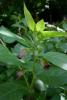
Many *Solanum* species have alternate leaves and radially arranged five-part flowers. The petals may be white, purple, blue, yellow, or greenish, and they often form a star around a conspicuous cone or cluster of elongated yellow anthers. Fruit is botanically a berry and may mature to black, purple, red, orange, yellow, mottled, or green.
Growth form varies from low annual weeds and scrambling vines to erect prickly herbs, shrubs, and small trees. Some species have simple hairs, others branched or star-shaped hairs, and many spiny species bear prickles on stems, leaf veins, calyces, or fruiting structures.
These features help identify the genus but not necessarily the species. Useful photographs should show the entire plant, stem, leaf arrangement, upper and lower leaf surfaces, flowers, calyx, prickles, green fruit, ripe fruit, seeds, underground structures, surrounding habitat, and any nursery or feed label.
Deadly Nightshade, Black Nightshade, and Bittersweet
Deadly Nightshade or Belladonna is Atropa bella-donna, not Solanum. It has a different tropane-alkaloid syndrome and may require different emergency treatment. A phone application or informal poison list may nevertheless label an unrelated black-berried *Solanum* as Deadly Nightshade.
Black Nightshade usually refers to members of the Morelloid clade, including the *Solanum nigrum* complex and related species. Bittersweet or Climbing Nightshade generally refers to Solanum dulcamara, while American Bittersweet is an unrelated Celastrus vine.
Common-name uncertainty should be reported directly to the veterinarian. It is safer to say “unidentified black-berried plant” than to provide an incorrect species name that narrows treatment prematurely.
The Black-Nightshade Complex
Black nightshades are taxonomically difficult because several species are morphologically similar, polyploid, geographically variable, and historically confused. Depending on location, the name may be applied to Solanum nigrum, Solanum americanum, Solanum emulans, Solanum chenopodioides, Solanum nitidibaccatum, Solanum retroflexum, Solanum scabrum, Solanum villosum, or other related taxa.
They commonly occur in gardens, crop fields, pastures, barnyards, compost areas, roadsides, fence lines, disturbed soil, and waste places. Flowers are often small and white with yellow anthers, while berries may mature from green to dark purple or black; some species mature to orange or red.
Correctly identified ripe fruit or cooked leaves from selected cultivated or traditionally used forms have a history of human food use. That fact must not be converted into a claim that every unknown black berry, unripe fruit, raw leaf, or local population is safe for animals. Identification, maturity, preparation, and cultural knowledge all matter.
Climbing or Bittersweet Nightshade
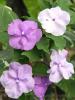
Solanum dulcamara is a scrambling or climbing perennial with purple reflexed petals, prominent yellow anthers, and berries that mature from green through yellow or orange to red. It commonly grows in hedges, wet ground, riparian vegetation, woodland margins, ditches, fences, and disturbed sites.
Birds may eat the fruit and disperse seeds, but mammalian and companion-bird safety cannot be inferred from that ecological relationship. Dogs may pull vines through fencing, chew dried stems, or swallow fruit clusters. A published canine case confirms that clinically important neurologic and respiratory depression can occur.
Horsenettle, Silverleaf Nightshade, Buffalo Bur, and Soda Apple
Carolina Horsenettle, Solanum carolinense, is a prickly perennial of fields, pastures, roadsides, fence lines, and disturbed ground. Its white to pale-purple flowers are followed by berries that become yellow or orange. The name Horsenettle is misleading because the plant is neither a true nettle nor safe horse forage.
Silverleaf Nightshade, Solanum elaeagnifolium, has silvery foliage, purple or blue flowers, yellow-orange fruit, and a persistent deep root system. It can become dense in dry rangeland, roadsides, and disturbed fields. Livestock poisoning has been associated with foliage and fruit, and the plant may complicate other exposures or medication effects.
Buffalo Bur, Solanum rostratum, is a heavily prickled annual with yellow flowers and spiny fruiting burs. Tropical Soda Apple, Solanum viarum, is a prickly invasive shrub producing mottled green fruit that matures yellow. Prickles add mechanical injury, while wildlife-mediated seed dispersal does not prove the fruit is safe for domestic animals.
Cutleaf Nightshade
Cutleaf or Three-Flowered Nightshade, Solanum triflorum, is a low-growing annual with deeply divided leaves and small green fruit. It occurs in disturbed soil, crop fields, corrals, roadsides, and areas harvested for hay.
Poisoned horses have developed severe salivation, frequent urination, diarrhea, and colic. Experimental hamsters developed lip ulceration, gastrointestinal dilation, edema, hemorrhage, and necrotizing gastroenteritis without reproducing the complete equine syndrome. This difference supports careful species-specific interpretation rather than one universal Nightshade symptom list.
Jerusalem Cherry
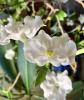
Jerusalem Cherry, Solanum pseudocapsicum, is a compact ornamental shrub with white star-shaped flowers and glossy fruit that changes from green through yellow or orange to red. Its resemblance to a miniature tomato makes it attractive to pets and children.
Mature red fruit remains poisonous and contains solanocapsine-related alkaloids. Indoor holiday display, dropped berries, nursery trimmings, discarded plants, fertilizer, pesticides, decorative foil, and potting material are common exposure contexts.
Potato Plants, Sprouts, and Green Tubers
Potato, Solanum tuberosum, produces underground stem tubers rather than roots. Leaves, stems, flowers, sprouts, berries, green peel, damaged tissue, and stressed or bitter tubers are the principal concerns.
Animals may reach garden plants, sprouting storage bins, potato cull piles, raw kitchen waste, compost, livestock feed, or discarded peel. Extensive greening, sprouting, bitterness, decay, and damage increase concern. Sound properly stored non-green potato tuber is not equivalent to foliage or sprouts.
Tomato Plants and Fruit
Tomato is Solanum lycopersicum. Leaves, stems, roots, flowers, and immature fruit contain α-tomatine and related compounds, while levels decline substantially during normal fruit ripening.
A small amount of ordinary ripe tomato flesh is much less concerning than ingestion of the plant. Spoiled or moldy fruit, large quantities, sauces, seasonings, onion, garlic, salt, alcohol, and xylitol create separate risks that should be reported.
Eggplant and Other Culinary Solanum
Eggplant, Solanum melongena, contains solasonine, solamargine, and related compounds whose concentrations vary by cultivar and maturity. Ordinary ripe culinary fruit differs from the foliage, flowers, immature fruit, wild relatives, or concentrated extracts.
The edible status of one cultivated plant part should never be transferred to the rest of the plant or to another species. Pepper fruit in Capsicum, groundcherries in Physalis, tomato, eggplant, and potato also belong to Solanaceae but require separate part-specific assessments.
Calcinogenic Nightshades
Solanum glaucophyllum, historically called Solanum malacoxylon in older literature, occurs in parts of South America and can cause enzootic calcinosis in cattle, sheep, goats, buffaloes, pigs, and horses. Exposure may occur through standing plants or contaminated hay.
The disease reflects vitamin-D-like activity rather than ordinary glycoalkaloid gastroenteritis. Range, feed source, chronicity, blood calcium and phosphorus, and radiographic or postmortem evidence of tissue mineralization become central to diagnosis.
Chronic Neurotoxic Nightshades
Solanum kwebense causes a chronic cattle disorder associated with cerebellar Purkinje-cell degeneration. Related *Solanum* species in South America and Africa have produced neurologic storage-disease syndromes involving neuronal vacuolation and progressive ataxia.
These plants are principally livestock concerns in their geographic ranges. Their inclusion is necessary because a genus-level Nightshade article should not suggest that all neurologic signs arise within hours from acetylcholinesterase inhibition.
How Dogs and Cats Encounter Nightshade
Dogs may eat berries during walks, pull vines through fencing, chew weeds, dig potato plants, raid compost, consume sprouts or green peel, or investigate ornamental Jerusalem Cherry. Garden removal can increase access by placing many plants and fruits into one pile.
Cats may chew seedlings, potted ornamentals, cut stems, or trailing vines and may groom sap or plant debris from their coat. Indoor access is particularly relevant for Jerusalem Cherry, tomato starts, decorative fruiting plants, and material carried inside on footwear or gardening tools.
How Horses and Livestock Encounter Nightshade
Exposure occurs in overgrazed pasture, drought-stressed range, fence rows, crop fields, hay, silage, grain, crop residue, potato culls, feed spills, and dumped garden waste. Hungry animals and young stock may consume plants normally avoided when forage is abundant.
Cut, wilted, frost-damaged, or baled material may be less recognizable and more difficult to avoid. Berry and seed contamination can distribute a concentrated dose throughout feed. One affected animal should prompt inspection and monitoring of every animal sharing the source.
Rabbits, Guinea Pigs, Birds, and Other Exotics
Unknown Nightshade should never be offered as forage, browse, nesting material, bedding, enrichment, or a chew plant. Rabbits and guinea pigs cannot vomit, and interruption of eating or fecal output can create serious secondary gastrointestinal disease.
Companion birds may shred fruit and foliage even when little appears to be swallowed. Wild birds that disperse particular ripe berries differ in species, body size, digestive physiology, feeding pattern, and natural exposure. Their behavior does not validate a plant for parrots, finches, poultry, or other managed birds.
Plant and Feed Sample Collection
Preserve roots or underground structures, lower and upper stems, leaves, flowers, green fruit, ripe fruit, seeds, prickles, and representative damaged material. Photograph the entire growth habit, surrounding plants, density, evidence of browsing, and the location where the animal had access.
Keep botanical specimens separate from hay, grain, silage, compost, potato material, vomit, stomach contents, or rumen contents. Label each sample with the date, location, exposure window, animal group, and source. Wear gloves around prickles, sap, pesticide residue, and unidentified vomit.
Diagnosis
Diagnosis combines reliable plant identification with the consumed tissue, maturity, maximum possible amount, timing, clinical progression, feed history, and exclusion of competing causes. A chewed plant supports exposure but does not prove that it caused every abnormality.
No routine rapid blood or urine test confirms all *Solanum* poisonings. Specialized laboratories may analyze selected glycoalkaloids, but emergency care generally proceeds from the clinical syndrome before results are available. Calcinogenic disease may be supported by calcium, phosphorus, kidney values, imaging, tissue mineralization, and feed or plant analysis.
Veterinary Evaluation and Differential Diagnosis
The veterinarian may assess hydration, temperature, heart rate and rhythm, blood pressure, respiratory depth, oxygenation, airway reflexes, abdominal pain, gastrointestinal motility, mental status, gait, muscle strength, pupils, and tremors. Persistent vomiting, diarrhea, bleeding, weakness, or respiratory change may justify complete blood count, serum chemistry, electrolytes, glucose, acid-base assessment, urinalysis, blood-gas analysis, ECG, and imaging.
Differential diagnoses include pesticides, nicotine, toxic mushrooms, tremorgenic mycotoxins, medications, cannabis, bacterial enteritis, gastrointestinal obstruction, spoiled food, botulism, tick paralysis, metaldehyde, and other poisonous plants. Dry antimuscarinic delirium raises concern for *Atropa*, *Datura*, *Brugmansia*, or *Hyoscyamus*, while profound secretions and fasciculations may indicate organophosphate or carbamate poisoning.
Prognosis
The prognosis is generally good after a limited acute exposure when gastrointestinal signs respond promptly and neurologic, respiratory, and cardiovascular function remain stable. Recovery should include normal hydration, appetite, urination, fecal output, coordination, breathing, and behavior.
Hemorrhagic gastroenteritis, persistent hypotension, progressive weakness, respiratory depression, paralysis, seizures, aspiration, coma, or prolonged group exposure creates a guarded prognosis. Advanced enzootic calcinosis or cerebellar neuronal loss may be irreversible even after the source is removed.
Prevention
Remove unidentified Nightshade before fruit develops in dog yards, kennels, livestock enclosures, rabbit runs, poultry areas, and play spaces. Control prickly range species before they enter hay, grain, or silage, and prevent desirable forage from becoming so limited that animals browse normally avoided weeds.
Secure potato sprouts, green tubers, tomato vines, immature fruit, eggplant plants, ornamental Jerusalem Cherry, compost, crop residue, and garden trimmings. Do not dump Nightshade or food-crop foliage into animal enclosures. Isolate suspect feed and obtain botanical or agricultural evaluation rather than attempting to dilute contamination.
Immediate Response
- Stop further exposure: Move the animal away from the plant, berries, sprouts, tubers, ornamentals, garden waste, pasture, hay, grain, silage, compost, or contaminated feed.
- Preserve the complete plant: Save roots, underground structures, stems, leaves, flowers, green fruit, ripe fruit, seeds, prickles, nursery labels, and photographs of the entire growth habit.
- Preserve exposure material: Retain vomited fragments, stomach or rumen material when available, potato peel or sprouts, tomato vines, hay, grain, silage, feed tags, and product packaging.
- Estimate the maximum amount: Record the greatest number of berries, leaves, stems, sprouts, tubers, or amount of feed that could be missing rather than only what was witnessed.
- Record maturity and timing: Note whether fruit was green, partly ripe, or mature and record the earliest and latest possible access and onset of every sign.
- Record animal information: Provide species, current weight, age, medications, underlying disease, pregnancy status, and whether additional animals had access.
- Contact a professional: Obtain veterinary or animal poison-control guidance after an unidentified Nightshade ingestion, meaningful exposure, Jerusalem Cherry ingestion, potato-sprout or green-tuber exposure, contaminated feed, or any clinical sign.
A currently normal animal may deteriorate as gastrointestinal irritation or systemic absorption develops. Early consultation allows the veterinarian to determine whether observation is reasonable or whether examination and professional decontamination are indicated. Species identification can continue while medical assessment begins.
Do Not Rely on the Common Name
- Distinguish Solanum from Belladonna: Deadly Nightshade is Atropa bella-donna and may produce a different antimuscarinic emergency.
- Do not rely on berry color: Green, black, purple, red, orange, and yellow fruit may all belong to poisonous species.
- Photograph the whole plant: Include height, growth form, stem, leaf arrangement, hairs, prickles, flowers, calyx, berries, roots, and habitat.
- Do not taste the plant: Human tasting does not establish animal safety and may create an additional poisoning.
- Check every product: Preserve fertilizer, pesticide, herbicide, medication, cough syrup, floral material, and food packaging involved.
- Do not delay care: Begin veterinary consultation while botanical identification is being investigated.
The distinction is clinically important. A dry, delirious, tachycardic animal exposed to Belladonna requires a different assessment from a vomiting, weak animal exposed to potato sprouts or a chronically stiff cow consuming calcinogenic Nightshade in hay.
Remove Loose Material Safely
- Wear gloves: Protect yourself from prickles, sap, pesticides, vomit, and unidentified contaminants.
- Remove only visible loose pieces: Carefully clear berries, leaves, sprouts, or stems from the lips and front of the mouth when the animal permits safe handling.
- Avoid blind finger sweeps: Do not reach deeply into the throat or push material toward the airway or esophagus.
- Do not force a mouth rinse: Weak, vomiting, trembling, sedated, coughing, or poorly swallowing animals can aspirate water.
- Stop when resistance increases: Deeply lodged plant material, painful swallowing, continuous gagging, or airway noise requires veterinary examination.
Removing loose plant fragments reduces continued oral exposure but does not neutralize material already swallowed. Repeated invasive handling can increase stress, provoke vomiting, and injure the handler or animal, especially with thorny species.
Skin and Eye Exposure
- Remove contaminated material: Pick visible plant fragments and prickles from the coat without crushing them further.
- Wash exposed skin and fur: Use lukewarm water and mild pet-safe shampoo, followed by thorough rinsing.
- Prevent grooming: Stop the animal from licking contaminated fur until plant residue and applied chemicals have been removed.
- Flush exposed eyes promptly: Irrigate with sterile saline or clean lukewarm water when sap, pesticide, dust, or plant fragments enter the eye.
- Do not use tools on the eye: Tweezers, cotton swabs, fingernails, and cloth can worsen corneal damage.
- Seek examination for persistent pain: Squinting, cloudiness, discharge, visible injury, swelling, or inability to open the eye requires veterinary care.
Many Nightshade poisonings are ingestion-related, but prickles, pesticides, fertilizer, and sap can create concurrent skin or ocular injury. Human eye drops, topical anesthetics, essential oils, solvents, bleach, and leftover ointments should not be applied.
Do Not Induce Vomiting at Home
- Do not give hydrogen peroxide automatically: Nightshade can cause weakness, tremors, confusion, respiratory depression, and poor airway protection.
- Never give peroxide to a cat: Hydrogen peroxide can cause severe feline gastric and esophageal injury.
- Do not induce vomiting after signs begin: Drowsiness, ataxia, tremors, seizures, repeated vomiting, abnormal breathing, or poor swallowing creates substantial aspiration risk.
- Do not induce vomiting after sharp material: Prickly burs, woody stems, wire, plastic, or other foreign material may cause additional injury while returning through the esophagus.
- Never attempt emesis in horses, rabbits, or guinea pigs: These species cannot vomit.
- Do not use household emetics: Salt, mustard, ipecac, dish soap, detergent, oil, manual gagging, and fingers in the throat are unsafe.
- Reserve emesis for case-specific professional direction: A veterinarian may consider controlled emesis in a dog only when timing, material, neurologic condition, swallowing ability, and airway safety support it.
A known recent ingestion does not make home emesis automatically appropriate. Once neurologic, respiratory, or cardiovascular signs appear, stabilization takes priority over stomach emptying. The decision also changes when the material includes potato chunks, thorny burs, pesticides, medication, or another plant.
Activated Charcoal
- Do not give charcoal at home: Owner-administered charcoal can be aspirated and may delay necessary stabilization.
- Use only under veterinary direction: Medical activated charcoal may be considered after selected recent substantial or concentrated exposures.
- Do not force charcoal: Vomiting, weakness, tremors, sedation, seizures, respiratory depression, or poor swallowing makes administration dangerous.
- Do not use household charcoal: Barbecue briquettes, fireplace ash, burned food, and homemade carbon are not medical activated charcoal.
- Do not repeat doses yourself: Repeated charcoal can worsen dehydration, constipation, electrolyte abnormalities, and aspiration risk.
- Do not give cathartics at home: Diarrhea-producing products may intensify fluid and sodium disturbances.
Charcoal cannot reverse membrane injury already affecting the gastrointestinal tract and does not treat calcinosis or chronic neuronal degeneration. Its expected benefit depends on the compound, timing, gut function, and ability to protect the airway.
Do Not Give Household Remedies or Unsupervised Medication
- Do not give milk, yogurt, bread, or food as an antidote: These do not neutralize steroidal glycoalkaloids.
- Do not give oil: Cooking oil, mineral oil, and other fats do not bind the toxins reliably and may be aspirated.
- Do not force water or electrolyte drinks: Oral fluid cannot correct significant dehydration and can enter the lungs.
- Do not give anti-diarrheal medication: Loperamide, bismuth products, and similar remedies may be unsafe or obscure deterioration.
- Do not give human pain medication: Ibuprofen, naproxen, acetaminophen, aspirin, and similar drugs can create a second poisoning.
- Do not give sedatives: Sedation can worsen central nervous system or respiratory depression and interfere with monitoring.
- Do not give atropine automatically: It can worsen tachycardia, pupil dilation, urinary retention, and gastrointestinal slowing when the syndrome is not cholinergic.
- Do not give physostigmine, neostigmine, or pilocarpine: These drugs can cause bradycardia, salivation, bronchial secretions, bronchospasm, diarrhea, cramping, or seizures when used in the wrong toxidrome.
- Do not give leftover veterinary drugs: Antiemetics, anticonvulsants, antibiotics, gastrointestinal protectants, and cardiac medications require patient-specific selection.
There is no household antidote for unidentified Nightshade. Drugs that appear in an older poisoning table may have been intended for a narrowly defined syndrome, historical species identification, or human case. They should not be selected from the common name alone.
Vomiting, Diarrhea, and Abdominal Pain
- Track every episode: Record frequency, volume, plant fragments, berries, sprouts, mucus, fresh blood, dark material, wire, plastic, or feed.
- Save representative material: Preserve plant and foreign material recovered from vomit or stool in a closed disposable container.
- Watch for dehydration: Tacky gums, reduced urination, sunken eyes, worsening weakness, or inability to retain water requires veterinary care.
- Watch for gastrointestinal bleeding: Repeated fresh blood, coffee-ground vomit, black stool, pale gums, or collapse requires urgent examination.
- Watch for obstruction: Persistent vomiting, abdominal enlargement, pain, straining, or reduced stool may indicate swallowed stems, tuber pieces, burs, or another foreign body.
- Watch for aspiration: Coughing, nasal discharge, fever, rapid breathing, or renewed lethargy after vomiting requires reassessment.
One brief episode in an otherwise normal animal is different from persistent toxic gastroenteritis. Continued fluid loss may require intravenous fluids, electrolyte correction, prescription anti-nausea medication, pain control, and gastrointestinal protection. Severe pain or failure to improve should prompt imaging and investigation for another diagnosis.
Tremors, Seizures, Weakness, and Breathing Changes
- Clear the area: Remove furniture, buckets, fencing, tools, and sharp objects that could injure a trembling or seizing animal.
- Do not put anything in the mouth: Keep hands, food, water, and medication away during a seizure.
- Do not restrain the limbs: Protect the animal from falls without pinning it down.
- Reduce stimulation: Limit noise, light, handling, and unnecessary movement.
- Time the episode: Record the duration and whether normal awareness returns.
- Watch chest movement: Shallow respiration, weak chest expansion, gasping, or long pauses may indicate respiratory depression.
- Check gum color: Pale, gray, or blue-gray gums indicate inadequate oxygen delivery or circulation.
- Transport immediately: Progressive weakness, inability to stand, seizures, paralysis, or abnormal breathing can require oxygen, intubation, and assisted ventilation.
Do not force a weak or ataxic animal to walk. Position it so saliva and vomit can drain freely without compressing the chest or neck. Severe neurologic findings also require investigation for pesticides, medications, mushrooms, nicotine, hypoglycemia, and other toxins.
Recognize an Emergency
- Severe gastrointestinal disease: Repeated or bloody vomiting or diarrhea, black stool, severe abdominal pain, or inability to retain water requires prompt care.
- Neurologic deterioration: Confusion, profound drowsiness, staggering, tremors, seizures, paralysis, stupor, or coma is an emergency.
- Respiratory compromise: Rapid, labored, shallow, gasping, open-mouth, or progressively weak breathing requires immediate transportation.
- Cardiovascular compromise: Pale gums, weak pulses, cold extremities, a very slow or irregular heartbeat, low responsiveness, or collapse requires emergency treatment.
- Abnormal secretions or delirium: A strongly cholinergic or antimuscarinic pattern may indicate pesticide or Belladonna-type poisoning and requires urgent diagnostic distinction.
- Group illness: Sudden disease in several animals suggests shared pasture, hay, grain, silage, garden waste, pesticide, medication, or feed contamination.
Do not delay transportation while attempting a succession of oral remedies. Call the veterinary facility before arrival so oxygen, airway equipment, seizure medication, cardiovascular monitoring, and species-appropriate support can be prepared.
Safe Transportation
- Keep the animal quiet: Reduce exertion, excitement, jumping, and struggling.
- Prevent falls: Use a padded carrier, crate, stretcher, rigid board, blanket, or safe livestock handling system.
- Do not muzzle a vomiting animal: Vomit and saliva must be able to drain from the mouth.
- Avoid neck compression: Use a harness or carrier when practical if swallowing or breathing is abnormal.
- Allow the easiest breathing posture: Do not force a respiratory patient flat on its side when it breathes better upright.
- Maintain ventilation: Avoid overheating the patient during transport.
- Bring evidence: Transport complete plant samples, photographs, feed, labels, packaging, and representative recovered material.
Dogs and Cats
- Inspect the yard and compost: Look for wild berries, Jerusalem Cherry, potato sprouts, green tubers, tomato vines, seedlings, and recently pulled weeds.
- Do not assume vomiting ended the exposure: Absorbed toxin or retained plant material may continue causing weakness and neurologic depression.
- Monitor cats for food refusal: Continued anorexia requires veterinary guidance even after vomiting stops.
- Report behavioral changes: Unusual hiding, staring, confusion, profound sleepiness, or unsteadiness may indicate central nervous system involvement.
- Preserve product ingredients: Sauces, supplements, herbal products, pesticides, and compost may contain hazards unrelated to Nightshade.
Horses and Livestock
- Remove suspect feed: Isolate pasture, hay, grain, silage, crop residue, potato culls, and berry-contaminated feed without discarding representative samples.
- Do not attempt vomiting: Horses and ruminants must never receive household emetics.
- Do not drench a compromised animal: Salivation, weakness, recumbency, respiratory change, or poor swallowing creates an aspiration risk.
- Examine the entire group: Apparently normal animals may have consumed a different amount or may not yet show signs.
- Avoid forced movement: Weak, trembling, ataxic, stiff, or cardiopulmonary-compromised animals may deteriorate when driven.
- Report medications: Ivermectin and other recent treatments may interact with breed susceptibility or plant-associated neurologic disease.
- Consider chronic syndromes: Stiffness and weight loss suggest calcinosis, while progressive hypermetria or falling may indicate chronic cerebellar disease.
Feed and pasture investigation is part of treatment. Retain multiple samples from different bales, feed locations, and plant patches because contamination may be uneven. Unaffected animals should not be used to test whether the source is safe.
Rabbits, Guinea Pigs, and Birds
- Remove plant and feed access: Secure berries, weeds, hay, garden clippings, contaminated seed, and grain.
- Do not attempt vomiting: Rabbits and guinea pigs cannot vomit, and household emesis is unsafe for birds.
- Do not force food or water: Weak birds and poorly swallowing small mammals can aspirate.
- Monitor eating and droppings: Reduced intake, regurgitation, diarrhea, reduced feces, or gastrointestinal stasis requires prompt care.
- Seek emergency care for neurologic signs: Poor balance, inability to perch, tremors, recumbency, seizures, or reduced responsiveness is an emergency.
Veterinary Examination and Diagnostics
- Assess hydration and gastrointestinal injury: Repeated vomiting, diarrhea, bleeding, and abdominal pain may require hospitalization.
- Assess neurologic function: Mental status, gait, muscle strength, tremors, pupils, postural reactions, and reflexes help determine severity.
- Assess ventilation: Respiratory rate, depth, oxygenation, carbon dioxide, and airway reflexes may reveal respiratory depression or aspiration.
- Assess cardiovascular function: Heart rate, rhythm, blood pressure, pulse quality, and tissue perfusion guide fluid and medication choices.
- Check laboratory values: Complete blood count, electrolytes, glucose, acid-base status, kidney perfusion, liver values, and urinalysis identify complications and alternatives.
- Investigate chronic disease: Calcium, phosphorus, imaging, and tissue assessment may be required for suspected enzootic calcinosis.
- Investigate alternative toxins: Pesticides, tropane plants, nicotine, medication, mushrooms, mycotoxins, and infectious gastroenteritis may overlap clinically.
No single routine assay confirms every *Solanum* poisoning. Plant identification, exposure reconstruction, clinical pattern, and exclusion of competing diagnoses remain central. Specialized glycoalkaloid or botanical testing may support the diagnosis later but should not delay stabilization.
Veterinary Decontamination
Professional decontamination depends on the identified material, dose, timing, gastrointestinal condition, neurologic status, and airway protection. A veterinarian may consider controlled emesis after a recent meaningful ingestion in a fully alert, stable, asymptomatic dog, but emesis is inappropriate after weakness, tremors, seizures, respiratory change, repeated vomiting, or ingestion of sharp material.
Medical activated charcoal may be considered when the expected reduction in absorption outweighs aspiration and dehydration risk. Gastric lavage is reserved for selected severe exposures under anesthesia with a protected airway. Endoscopy or surgery may be required for obstructive potato pieces, stems, burs, wire, plastic, or other foreign material.
Veterinary Treatment
Veterinarian-selected anti-nausea medication may reduce continued vomiting, fluid loss, discomfort, and aspiration risk. Intravenous crystalloids are used when vomiting, diarrhea, or reduced intake has caused clinically important volume depletion. Electrolyte and glucose abnormalities are corrected according to measured results, while fluid rate is individualized for cardiac disease, renal impairment, reduced urine production, or pulmonary complications.
Prescription gastrointestinal protection and analgesia may be used for esophagitis, gastritis, ulceration, hemorrhagic diarrhea, or abdominal pain. Blood products or intensive shock treatment may be required when bleeding or circulatory compromise is severe. Vasopressors may be considered when important hypotension persists after appropriate circulating volume has been restored.
Oxygen, suctioning, intubation, and manual or mechanical ventilation may be lifesaving during respiratory depression or aspiration. Veterinarian-administered anticonvulsants or tremor-control medication may be required for seizures and severe muscle activity. ECG and blood-pressure monitoring guide treatment of bradycardia, tachycardia, arrhythmias, and hypotension.
Atropine, physostigmine, neostigmine, or other autonomic drugs are selected only when the observed rhythm, secretions, pupils, gastrointestinal function, and neurologic toxidrome support their use. A medication appropriate for Belladonna delirium or pesticide poisoning may worsen a glycoalkaloid patient with bradycardia, diarrhea, bronchial secretions, or seizures.
Calcinogenic and Chronic Neurologic Cases
Enzootic calcinosis requires immediate removal of the contaminated pasture or feed, assessment of the entire exposed group, and measurement of mineral and organ effects. Treatment cannot simply dissolve established mineral deposits. Management focuses on stopping additional vitamin-D-active exposure, supporting affected organs, controlling pain, and determining whether recovery is possible.
Progressive cerebellar degeneration also requires permanent removal from the source and investigation of the herd or pasture. Supportive care may prevent injury and maintain nutrition, but established neuronal loss can leave permanent deficits. Severely affected animals may require humane welfare decisions.
Monitoring, Recovery, and Prevention
- Monitor gastrointestinal signs: Vomiting, diarrhea, pain, and bleeding should decrease rather than become more frequent.
- Monitor hydration: Normal gum moisture, urine production, drinking, pulse quality, and activity should return.
- Monitor coordination: Weakness, stumbling, tremors, or paralysis should not recur after apparent improvement.
- Monitor breathing: Respiratory depth and effort must remain normal without oxygen or ventilation support.
- Monitor for aspiration: Coughing, fever, nasal discharge, rapid breathing, or renewed lethargy requires reassessment.
- Retain feed restrictions: Do not return animals to suspect hay, pasture, grain, silage, or crop waste until the source is resolved.
- Remove plants before fruiting: Early control reduces berry exposure and feed contamination.
- Secure crop waste: Keep potato sprouts, green tubers, tomato vines, immature fruit, ornamentals, and compost inaccessible.
Recovery means more than cessation of vomiting. The animal should maintain hydration and food, urinate and pass feces normally, breathe comfortably, regain ordinary coordination, and return to normal behavior. Advanced calcinosis, aspiration, hemorrhagic gastroenteritis, respiratory depression, paralysis, seizures, coma, or chronic neuronal degeneration creates a more guarded prognosis.
Frequently Asked Questions About Nightshade and Animal Poisoning
Is Nightshade poisonous to dogs?
Many Solanum Nightshades are poisonous to dogs. Exposure may cause drooling, vomiting, diarrhea, abdominal pain, appetite loss, drowsiness, weakness, confusion, dilated pupils, poor coordination, tremors, abnormal breathing, altered heart rate, paralysis, seizures, or collapse. Risk depends on the exact species, tissue, maturity, preparation, and amount.
Dogs commonly encounter wild berries, Jerusalem Cherry, potato sprouts, green tubers, tomato foliage, garden weeds, compost, and discarded plant material. Preserve the complete plant rather than relying on one berry or a phone-application result.
Is Nightshade poisonous to cats?
Yes, toxic Solanum material can poison cats. Possible exposures include potted Jerusalem Cherry, tomato seedlings, potato foliage, cut stems, wild berries, and plant debris carried indoors. Vomiting, diarrhea, drooling, weakness, unusual quietness, dilated pupils, staggering, or food refusal warrants veterinary guidance.
Continued anorexia is especially important in cats because prolonged inadequate intake can create serious secondary metabolic disease. Open-mouth breathing, tremors, collapse, seizures, or profound weakness requires emergency care.
Is Nightshade poisonous to horses?
Yes. Horses may consume Nightshade in pasture, hay, grain, crop residues, fence rows, potato waste, or berry-contaminated feed. Salivation, feed refusal, colic, diarrhea, frequent urination, weakness, trembling, ataxia, respiratory depression, progressive paralysis, or recumbency may occur.
Horses cannot vomit and should never receive household emetics. Chronic stiffness and weight loss may indicate calcinogenic Nightshade, while progressive exaggerated limb movement and falling may indicate a chronic cerebellar syndrome rather than acute glycoalkaloid poisoning.
Is Nightshade poisonous to cattle, sheep, goats, and pigs?
Potentially. Acute glycoalkaloid exposure may cause salivation, anorexia, ruminal disturbance, bloat, abdominal pain, diarrhea, weakness, trembling, incoordination, respiratory difficulty, recumbency, paralysis, or death. Risk increases when desirable forage is limited or plants contaminate hay, silage, grain, or crop waste.
Some species create entirely different chronic syndromes. Solanum glaucophyllum causes enzootic calcinosis, while several neurotoxic species cause progressive cerebellar or storage-disease abnormalities.
Is Nightshade poisonous to rabbits and guinea pigs?
Unknown Nightshade should never be offered as forage, bedding, nesting material, enrichment, or a chew plant. Rabbits and guinea pigs cannot vomit and may develop appetite loss, abdominal pain, diarrhea, reduced fecal output, weakness, tremors, or gastrointestinal stasis.
Reduced eating or droppings requires prompt veterinary attention even when the original exposure appeared small. Do not force food or water until swallowing, nausea, and obstruction risk have been assessed.
Is Nightshade poisonous to chickens and companion birds?
Some wild birds tolerate fruit that remains unsuitable for mammals, but tolerance varies among both plant and bird species. Companion birds and poultry should not receive unidentified Nightshade, berries, foliage, sprouts, or contaminated feed.
Regurgitation, diarrhea, altered droppings, weakness, poor balance, tremors, inability to perch, abnormal breathing, seizures, or collapse requires avian veterinary care. Wild-bird consumption does not prove safety.
Is Solanum Nightshade the same as Deadly Nightshade?
No. Deadly Nightshade or Belladonna is properly Atropa bella-donna, which contains atropine, hyoscyamine, and scopolamine. Black Nightshade, Climbing Nightshade, Horsenettle, and Jerusalem Cherry are Solanum species with different dominant toxin mixtures.
The distinction matters because Belladonna commonly produces a dry antimuscarinic syndrome with tachycardia, urinary retention, agitation, delirium, and marked pupil dilation. Ordinary glycoalkaloid Nightshade poisoning more consistently begins with gastrointestinal irritation.
Is Nightshade the same as the Nightshade Family?
No. Nightshade Family and Potato Family are common names for Solanaceae. The family contains many genera with different toxins, including Solanum, Atropa, Datura, Brugmansia, Nicotiana, Capsicum, Physalis, and Brunfelsia.
A family name alone is not a sufficient veterinary diagnosis. Identification should proceed to the genus and species whenever possible.
What toxins occur in Solanum Nightshades?
Many species contain steroidal alkaloids or steroidal glycoalkaloids. Examples include α-solanine, α-chaconine, α-tomatine, α-solasonine, α-solamargine, solanocapsine, and additional glycosides based on solanidine, solasodine, or tomatidine.
Other Solanum species contain vitamin-D-active compounds or incompletely identified chronic neurotoxins. There is no one compound shared at the same concentration by every Nightshade.
Is solanine the only Nightshade toxin?
No. α-Solanine is one specific glycoalkaloid strongly associated with potato and some related plants. The word is often used inaccurately as shorthand for an entire group of chemically different compounds.
Potato, tomato, eggplant, Jerusalem Cherry, Climbing Nightshade, black nightshades, and thorny range plants do not have one identical chemical profile. Accurate naming prevents false conclusions about dose and treatment.
Does Solanum Nightshade contain atropine?
Atropine is not the defining toxin of the genus Solanum. It is characteristic of other Solanaceae genera, especially Atropa, Datura, Brugmansia, and Hyoscyamus.
Some Solanum poisonings produce dilated pupils or anticholinergic-like findings, but those signs do not prove that atropine was present. Plant identification and the complete clinical syndrome remain necessary.
Which parts of Nightshade are poisonous?
Potentially poisonous tissues include leaves, shoots, stems, sprouts, flowers, immature fruit, berries, seeds, roots, tubers, dried material, and concentrated preparations. The most hazardous part differs among species.
Potato sprouts and foliage, tomato vines, Jerusalem Cherry fruit, wild Nightshade foliage, immature berries, and contaminated forage are important exposures. No genus-wide ranking proves that one tissue is always the most toxic.
Are green Nightshade berries poisonous?
Green or immature berries are often higher-risk because many species reduce selected defensive glycoalkaloids during fruit maturation. Animals should not be permitted to eat them while an owner waits for a color change.
The amount required to cause poisoning varies too greatly for a universal berry count. Preserve fruit at several stages for botanical identification.
Are ripe black, red, orange, or yellow Nightshade berries safe?
Color is not a safety test. Some identified black-nightshade forms have a history of food use when fully ripe and properly handled, while Jerusalem Cherry and Climbing Nightshade remain poisonous after their fruit becomes red or orange.
Unknown fruit should not be sampled by an animal or person. Species, maturity, preparation, and population chemistry must all be considered.
Are dried or dead Nightshade plants still poisonous?
They can be. Drying does not reliably destroy steroidal glycoalkaloids, calcinogenic compounds, or every species-specific toxin. Dried *Solanum dulcamara* stems and immature fruit were involved in a serious canine case.
Dead-looking vines, frost-damaged plants, dried decorations, old garden waste, and baled forage should remain inaccessible until identified and evaluated.
Can Nightshade in hay or silage poison livestock?
Yes. Animals consuming chopped or baled forage cannot avoid fragmented weeds as effectively as they may avoid standing plants. Cutleaf Nightshade, berries, seeds, calcinogenic species, and other *Solanum* material can remain hazardous after harvest.
Suspect feed should be isolated and sampled from several locations. Diluting contaminated material does not establish safety.
Can Nightshade berries or seeds in grain poison animals?
Yes. Harvested berries and seeds may distribute a concentrated dose through oats, soybeans, poultry feed, or other grain. Animals may consume the contaminant repeatedly because it is mixed throughout the ration.
Feed samples, plant specimens, lot information, and material from affected and unaffected areas should be retained for evaluation.
Can one Nightshade berry poison a dog?
One berry is less likely to cause serious poisoning in a large dog than a cluster eaten by a small puppy, but no unidentified berry can be guaranteed safe. Jerusalem Cherry, immature fruit, and chemically potent species may present greater risk than an ordinary ripe fruit from a correctly identified edible form.
Assessment should use the maximum possible number eaten, berry maturity, plant identity, dog’s weight, and current signs rather than a universal one-berry rule.
How much Nightshade is toxic?
No universal leaf count, berry number, body-weight percentage, or total glycoalkaloid dose applies across the genus. Concentration varies with species, plant part, maturity, genotype, stress, processing, and exposure pattern.
Published experimental doses and livestock outbreak estimates describe those particular conditions. They should not be converted into a safe threshold for another animal or unidentified plant.
What are the first signs of acute Nightshade poisoning?
Early signs commonly include lip licking, repeated swallowing, drooling, nausea, vomiting, appetite loss, abdominal pain, diarrhea, drowsiness, or unusual behavior. Horses and species unable to vomit may show salivation, colic, feed refusal, diarrhea, or reduced fecal output instead.
Weakness, confusion, dilated pupils, staggering, tremors, abnormal breathing, or an altered heart rate indicates more serious involvement.
How quickly do Nightshade symptoms appear?
Acute signs may begin within a few hours, but timing varies with the species, plant part, amount, degree of crushing, stomach contents, and toxin mixture. A concentrated product or large dose may act differently from one brief taste.
Calcinosis and chronic cerebellar poisoning develop over a much longer period and may not become evident until repeated exposure has occurred.
How long does Nightshade poisoning last?
Mild acute gastrointestinal illness may improve within one or two days. Hemorrhagic gastroenteritis, dehydration, neurologic depression, respiratory impairment, aspiration, or paralysis may require several days of hospitalization and monitoring.
Advanced calcinosis and chronic neuronal degeneration may persist permanently because mineralized tissues and lost neurons do not recover quickly or completely.
Can Nightshade cause bloody diarrhea?
Yes. Severe glycoalkaloid injury can inflame, erode, or necrose gastrointestinal mucosa and produce blood in vomit or stool. Repeated fresh blood, coffee-ground vomit, black stool, pale gums, weakness, or collapse requires urgent care.
Bleeding is not specific to Nightshade and may also result from foreign material, medication, infection, clotting disease, or another toxin.
Can Nightshade cause dilated pupils?
Yes, pupil dilation has been reported in some *Solanum* poisonings. It does not prove that the plant contained atropine because glycoalkaloids, stress, hypoxia, neurologic disease, medication, and Belladonna-type poisoning can all alter pupil size.
The veterinarian must interpret pupil size with heart rate, secretions, gastrointestinal activity, temperature, mental status, and plant identification.
Can Nightshade cause a slow or fast heart rate?
Yes. Bradycardia and hypotension may occur during significant poisoning, while pain, dehydration, fever, agitation, or an early stimulatory phase may produce tachycardia. An irregular rhythm is also possible in a severely compromised patient.
Home pulse counting cannot identify the rhythm or determine whether treatment is safe. ECG and blood-pressure monitoring may be necessary.
Can Nightshade cause tremors or seizures?
Yes. Serious poisoning may produce generalized muscle tremors, poor coordination, seizures, stupor, or coma. A confirmed *Solanum dulcamara* case in a Labrador puppy included generalized tremors and central nervous system depression.
Any tremor or seizure after plant exposure requires emergency care and investigation for other toxins that can produce the same signs.
Can Nightshade cause paralysis or breathing failure?
Severe acute exposures can cause progressive weakness, neuromuscular dysfunction, central nervous system depression, shallow breathing, and paralysis. Assisted ventilation may be necessary when the animal cannot maintain adequate ventilation.
Aspiration after vomiting, shock, airway obstruction, and another toxin can also impair breathing. Pale or blue-gray gums, gasping, weak chest movement, or collapse is an immediate emergency.
Can Nightshade cause kidney or liver failure?
Direct acute kidney or liver failure is not the defining feature of ordinary steroidal-glycoalkaloid poisoning. Severe dehydration, shock, hypoxia, aspiration, medication, or another toxin can cause secondary organ abnormalities.
Calcinogenic *Solanum* is an exception because chronic mineral disturbance may damage kidneys, cardiovascular tissues, lungs, and other organs. Abnormal bloodwork therefore still requires full interpretation.
Is Climbing or Bittersweet Nightshade poisonous to dogs and cats?
Yes. Solanum dulcamara can cause gastrointestinal illness, drowsiness, weakness, poor coordination, tremors, low blood pressure, altered heart rate, respiratory depression, and central nervous system depression.
A published Labrador puppy required intensive supportive care after ingesting material identified as this species. Dried stems and immature berries should not be considered harmless.
Is Jerusalem Cherry poisonous to pets?
Yes. Jerusalem Cherry, Solanum pseudocapsicum, contains solanocapsine-related alkaloids and remains poisonous when its fruit turns red or orange. It may cause vomiting, abdominal pain, diarrhea, weakness, neurologic depression, abnormal pupils, respiratory change, seizures, or shock in a severe exposure.
Its fruit resembles a small tomato, making it a significant indoor ornamental hazard. Preserve the plant, pot label, pesticide information, and maximum number of berries missing.
Are Horsenettle, Silverleaf Nightshade, and Cutleaf Nightshade poisonous?
Yes. These range and pasture species have been associated with livestock poisoning and should be excluded from feed. Horsenettle and Silverleaf Nightshade contain species-specific glycoalkaloid mixtures, while Cutleaf Nightshade has caused severe salivation, frequent urination, diarrhea, and colic in horses.
Prickles may also injure the mouth, skin, eyes, and gastrointestinal tract. Hay contamination is especially important because dried fragments are difficult for animals to avoid.
Are potato plants and sprouts poisonous to animals?
Yes. Potato leaves, stems, flowers, sprouts, berries, green peel, and damaged or stressed tubers contain α-solanine, α-chaconine, and related compounds. Sprouts and foliage are more concerning than ordinary sound non-green tuber flesh.
Pets and livestock should not raid storage bins, cull piles, gardens, compost, or raw potato waste. Cooking does not make heavily sprouted, bitter, spoiled, or extensively green potatoes dependable animal feed.
Are green potatoes poisonous to dogs or livestock?
They can be. Chlorophyll causes the green color, but light exposure that produces greening may also increase glycoalkaloid concentration. Sprouting, bitterness, damage, decay, and widespread greening create additional concern.
Cutting away one green patch does not prove that surrounding tissue is safe. Obtain veterinary advice after a meaningful exposure.
Are tomato plants poisonous to pets?
Tomato leaves, stems, roots, flowers, and immature fruit contain α-tomatine and related compounds and should remain inaccessible. A substantial exposure may cause drooling, vomiting, diarrhea, depression, weakness, abnormal pupils, or cardiovascular changes.
Plant trimmings and pulled vines should be disposed of directly rather than left in a dog yard, pasture, rabbit area, or compost pile accessible to animals.
Are ripe tomatoes poisonous to pets?
Ordinary fully ripe cultivated tomato flesh contains far less α-tomatine than the foliage or immature fruit and is not equivalent to poisonous wild Nightshade. A small plain portion is generally much less concerning than ingestion of the plant.
Large amounts may cause nonspecific stomach upset, while spoiled fruit and sauces containing onion, garlic, excessive salt, alcohol, or xylitol create separate hazards.
Are eggplant plants poisonous to pets?
Eggplant foliage, stems, flowers, and immature fruit contain steroidal glycoalkaloids and should remain inaccessible. Ordinary ripe culinary eggplant fruit is a different and generally lower-risk exposure than the plant or an unidentified wild Nightshade.
Risk still depends on amount, preparation, cultivar, seasoning, spoilage, and the individual animal. Large raw exposures should be discussed with a veterinarian.
Is ripe Black Nightshade edible?
Some correctly identified black-nightshade species or cultivated forms have a documented history of human food use after full ripening or appropriate cooking. That does not establish that every black berry, raw leaf, immature fruit, regional population, or similarly appearing plant is safe.
The group is taxonomically difficult and commonly misidentified. Unknown fruit should never be tested by an animal or person.
What is calcinogenic Nightshade poisoning?
Calcinogenic species such as Solanum glaucophyllum contain vitamin-D-active compounds that cause excessive calcium and phosphorus absorption. Repeated exposure can mineralize arteries, heart, lungs, kidneys, tendons, ligaments, and other soft tissues.
Weight loss, stiffness, painful movement, an arched back, reduced production, respiratory difficulty, or cardiovascular abnormalities may develop. This chronic disease is not treated as ordinary acute solanine poisoning.
Can Nightshade cause permanent neurologic disease?
Yes, selected species can. Solanum kwebense and related chronic neurotoxic Nightshades have caused cerebellar Purkinje-cell degeneration or neuronal storage abnormalities in livestock.
Progressive hypermetria, head tremor, swaying, difficulty turning, falling, and worsening ataxia may become permanent after neuronal loss. This differs from transient weakness during an acute gastrointestinal exposure.
How is Nightshade poisoning diagnosed?
Diagnosis uses the complete plant, consumed tissue, maturity, maximum amount, timing, clinical progression, feed history, vomited or stomach material, and exclusion of competing diseases and toxins. One detached berry or application-generated name may be insufficient.
Preserve roots, stems, leaves, flowers, green fruit, ripe fruit, seeds, hay, grain, silage, potato material, nursery labels, and photographs of the entire site.
Is there a blood or urine test for Nightshade poisoning?
No routine rapid assay confirms every *Solanum* toxin. Specialized laboratories may measure selected glycoalkaloids, but results are not usually available quickly enough to guide initial emergency treatment.
Blood tests, urinalysis, blood gases, ECG, blood pressure, and imaging remain useful for evaluating dehydration, bleeding, electrolyte disturbance, organ perfusion, respiratory failure, calcinosis, and alternative diagnoses.
Should I make my dog vomit after eating Nightshade?
Do not induce vomiting unless a veterinarian or animal poison-control professional specifically directs it while the dog remains fully alert, stable, asymptomatic, breathing normally, swallowing normally, and able to protect the airway.
Nightshade can cause weakness, tremors, seizures, and respiratory depression. Home emesis becomes particularly dangerous after signs begin or when thorny, woody, or obstructive material was swallowed.
Does activated charcoal help with Nightshade poisoning?
Veterinary activated charcoal may reduce absorption after selected recent substantial exposures. It is not necessary or safe in every case and cannot reverse gastrointestinal injury, calcinosis, or chronic neuronal degeneration.
Never force charcoal into a vomiting, weak, trembling, sedated, seizing, coughing, or poorly swallowing animal because aspiration can be fatal.
Is atropine an antidote for Nightshade poisoning?
Not universally. Atropine may be medically appropriate for a specific bradyarrhythmia or cholinergic syndrome, but it can worsen tachycardia, gastrointestinal slowing, urinary retention, overheating, and pupil dilation in the wrong patient.
Solanum glycoalkaloid poisoning is not the same as Belladonna poisoning. Atropine should be selected only by a veterinarian using the actual rhythm and toxidrome.
Are physostigmine, neostigmine, or pilocarpine Nightshade antidotes?
They are not universal antidotes. Older reports and unusual human cases describe cholinergic drugs for selected anticholinergic-like presentations, but these medications can cause dangerous bradycardia, secretions, bronchospasm, diarrhea, abdominal cramping, or seizures.
Their use requires exact plant and toxidrome assessment, continuous monitoring, and exclusion of a patient who is already salivating, diarrheic, bradycardic, seizing, or producing bronchial secretions.
How do veterinarians treat acute Nightshade poisoning?
Treatment may include case-specific professional decontamination, anti-nausea medication, intravenous fluids, electrolyte and glucose correction, gastrointestinal protection, analgesia, oxygen, assisted ventilation, seizure control, ECG monitoring, and blood-pressure support.
Aspiration, gastrointestinal bleeding, obstruction, pesticide exposure, Belladonna-type poisoning, or another mixed toxin may require additional treatment. There is no one antidote for every *Solanum* species.
What is the prognosis after Nightshade ingestion?
The prognosis is generally favorable when the exposure is limited and gastrointestinal signs respond promptly while neurologic, respiratory, and cardiovascular function remain stable. Most uncomplicated acute cases recover with timely care.
Hemorrhagic gastroenteritis, severe dehydration, hypotension, respiratory depression, paralysis, seizures, aspiration, coma, or delayed treatment creates a more guarded outlook. Advanced calcinosis and chronic cerebellar degeneration may be irreversible.
How can Nightshade poisoning be prevented?
Remove unidentified Nightshade before fruit develops, keep Jerusalem Cherry inaccessible, secure potato sprouts and green tubers, dispose of tomato and eggplant vines safely, and prevent garden waste from entering animal areas.
Inspect hay, grain, silage, crop residues, and pasture for Nightshade fragments, berries, seeds, and thorny burs. Maintain adequate desirable forage so livestock are less likely to consume normally avoided weeds.
What should I do if an animal eats Nightshade?
Stop access, preserve the complete plant and all feed or products involved, estimate the maximum possible amount, and contact a veterinarian or animal poison-control service. Do not rely on berry color, common name, or spontaneous vomiting to determine that the animal is safe.
Do not induce vomiting or give peroxide, salt, charcoal, milk, oil, food, forced water, atropine, physostigmine, pilocarpine, sedatives, anti-diarrheal medication, human pain medication, or leftover veterinary drugs unless specifically directed. Repeated or bloody gastrointestinal signs, confusion, weakness, staggering, tremors, seizures, abnormal breathing, an abnormal heartbeat, paralysis, collapse, or reduced responsiveness requires immediate care.