Dog Daisy Toxicity, Yarrow Exposure, and Pet Safety
Is Dog Daisy Poisonous to Dogs, Cats, Horses, and Livestock?
Yes—Dog Daisy or Common Yarrow, Achillea millefolium, should not be treated as an unrestricted food or forage plant for dogs, cats, horses, or livestock. Reported animal effects include drooling, vomiting, diarrhea, abdominal discomfort or colic, appetite reduction, depression, and lethargy. Crushed plants and topical preparations may also cause irritant or allergic contact dermatitis, particularly in an animal sensitive to other members of the Asteraceae family.
Direct veterinary case evidence defining a predictable toxic dose or severe species-specific syndrome is limited, and many small fresh-plant exposures cause no signs or only temporary gastrointestinal upset. Risk increases with repeated grazing, large quantities of clippings or dried herb, medicinal dosing, tinctures, combination supplements, and essential oil. Concentrated products cannot be assessed as though the animal merely tasted one fresh leaf.
About this guide: This page provides general pet-poisoning information and cannot diagnose or treat an individual animal. For any suspected exposure, contact a veterinarian or animal poison-control service immediately. Do not induce vomiting, give medication, or attempt home decontamination unless directed by a veterinary professional.
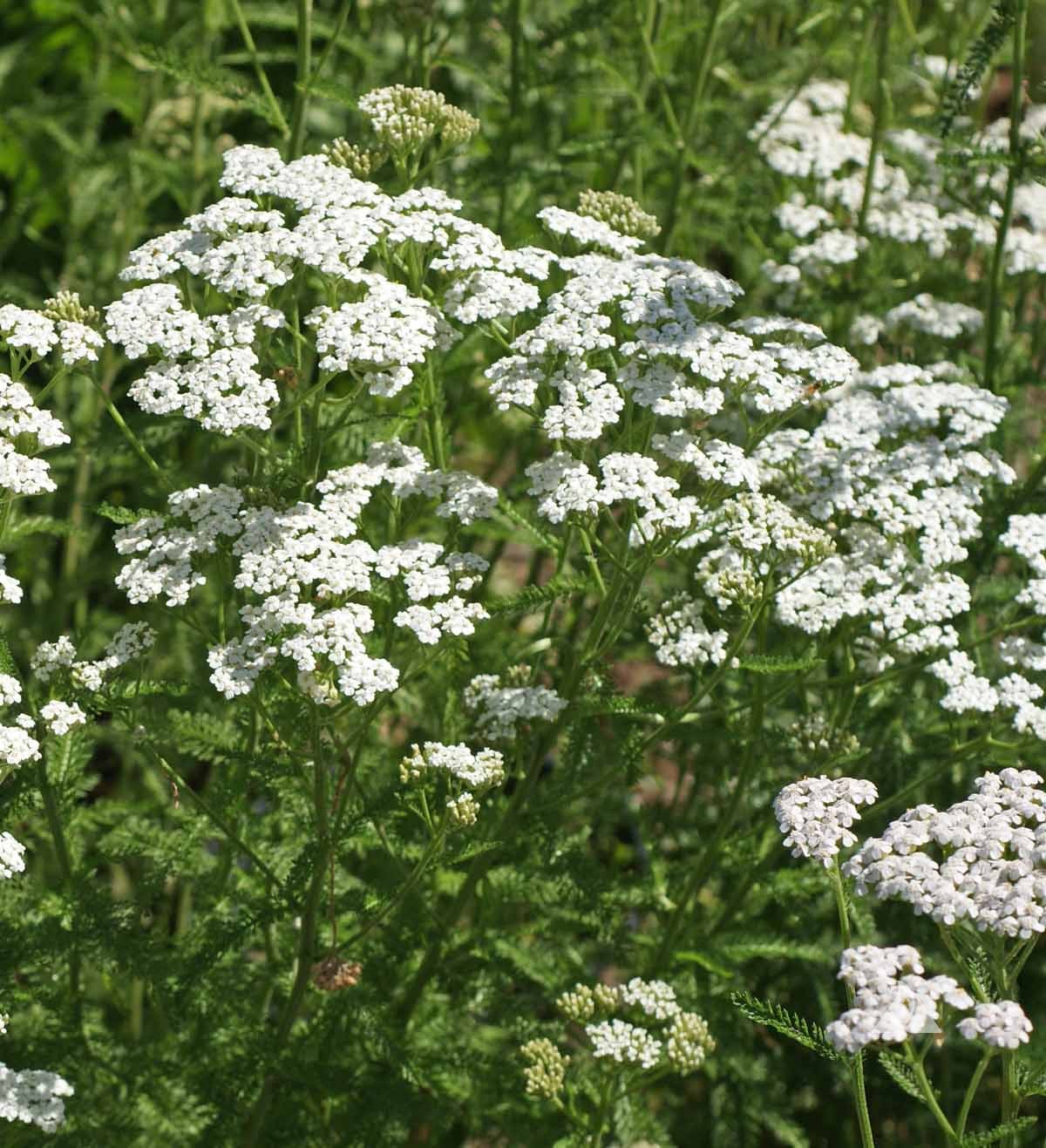
Dog Daisy
Achillea millefolium L.
Accepted infraspecific taxa include:
Achillea millefolium subsp. millefolium
Achillea millefolium subsp. alpestris (Wimm., Günther & Grab.) Gremli
Achillea millefolium subsp. chitralensis Hub.-Mor.
Achillea millefolium subsp. elbursensis Hub.-Mor.
Important botanical synonyms and historical names associated with Achillea millefolium or its typical subspecies include:
Achillea magna L.
Achillea tanacetifolia Mill.
Achillea nigrescens (E.Mey.) Rydb.
Alitubus millefolium (L.) Dulac
Chamaemelum millefolium (L.) E.H.L.Krause
Millefolium officinale Gueldenst. ex Ledeb.
Millefolium vulgare Gueldenst. ex Ledeb.
Santolina millefolium (L.) Baill.
North American records have often used Achillea borealis, Achillea lanulosa, Achillea millefolium var. lanulosa, or A. millefolium subsp. borealis within a broad Common Yarrow complex. Current Kew treatment recognizes Achillea borealis separately and places A. lanulosa within its synonymy, so those names are important identification context but are not treated here as direct synonyms of accepted A. millefolium.
Asteraceae Bercht. & J.Presl — Aster, Daisy, Sunflower, or Composite Family
Historical family name:
Compositae Giseke
Dog Daisy belongs to the order Asterales, subfamily Asteroideae, tribe Anthemideae, and genus Achillea.
The historical name Compositae refers to the composite flower head, in which many small individual florets form what appears to be one flower.
Dog Daisy, Yarrow, Common Yarrow, Milfoil, Common Milfoil, Thousand-Leaf, Thousand Leaf, Thousand-Seal, Thousand Seal, Soldier’s Woundwort, Soldier’s Wound Wort, Woundwort, Bloodwort, Nosebleed, Nosebleed Plant, Staunchweed, Carpenter’s Weed, Carpenter’s Grass, Herbe à la Coupure, Herbe aux Charpentiers, Herbe Militaire, Old Man’s Pepper, Devil’s Nettle, Devil’s Plaything, Bad Man’s Plaything, Green Arrow, Plumajillo, Milenrama, Millefeuille, Millefolium, Millefolii Herba, Millefolii Flos, Achillée, Achillée Millefeuille, Common Achillea, Achillea millefolium
“Dog Daisy” is an alternate common name for Yarrow, not a separate species and not a botanical member of the true daisy genus Bellis.
“Dog Fennel” is not a dependable Yarrow synonym. That name more commonly refers to Eupatorium capillifolium, a different Asteraceae plant with finely divided leaves but a different growth form and toxicologic identity.
“Noble Yarrow” commonly refers to Achillea nobilis, a separate accepted species, and should not be used as an exact synonym for Achillea millefolium.
“Yarrow essential oil,” “Millefolii Herba,” and “Millefolii Flos” identify concentrated or medicinal products rather than ordinary common names for a living landscape plant. Their exposure risk may differ substantially from a small fresh-leaf nibble.
Evidence Scope
Dog Daisy does not contain one uniform toxin at one fixed concentration, and a characteristic dose-dependent veterinary poisoning syndrome has not been defined through controlled studies or a substantial case series involving dogs, cats, horses, or livestock.
The plant contains numerous biologically active constituents, including nitrogen-containing bases, chemically variable volatile oils, monoterpenes, sesquiterpene lactones, polyacetylenes, flavonoids, phenolic acids, coumarins, tannins, sterols, and other secondary metabolites.
These compounds support concerns about gastrointestinal irritation, altered appetite, concentrated-product toxicity, and contact allergy. They do not establish that every animal chewing one fresh leaf will become clinically ill.
Achilleine and the Glycoalkaloid Question
Achilleine, also spelled achillein in some sources, was isolated historically from Achillea millefolium and described as an alkaloid or nitrogen-containing constituent. Historical experimental work investigated its possible hemostatic and vascular effects.
The term “glycoalkaloid” is used in some veterinary poison-plant listings, but the primary chemical literature does not support equating Yarrow’s achilleine with the steroidal glycoalkaloids found in potatoes, tomatoes, and other Solanum plants.
The most accurate public description is therefore that Yarrow contains bitter alkaloid-associated or nitrogen-containing constituents rather than claiming that a well-characterized glycoalkaloid is the proven cause of its entire veterinary syndrome.
Neither the historical isolation of achilleine nor laboratory investigation of its biological activity establishes a safe or toxic quantity of fresh Yarrow, dried herb, tea, capsule, tincture, or essential oil for an animal.
Volatile Oil and Monoterpene Variability
Yarrow’s characteristic aroma comes from a chemically variable volatile oil. Depending on the population, growth conditions, plant part, harvest stage, and distillation method, constituents may include borneol, camphor, 1,8-cineole, sabinene, alpha-pinene, beta-pinene, thujones, and numerous other terpenes.
A comparative investigation of European Yarrow oils identified more than 100 constituents and substantial variation among samples. Some populations or products contain appreciable thujone, camphor, or cineole, while others contain little of a particular compound.
Chamazulene may develop from proazulene precursors during steam distillation and can give some oils a blue coloration. Its concentration in a distilled product cannot be inferred reliably from the appearance or odor of the fresh plant.
This variability prevents one commercial Yarrow essential oil from representing every wild population, cultivar, dried herb, tincture, or distilled product.
Essential Oil Is a Separate Exposure Category
Yarrow essential oil is a concentrated distillate produced from a much larger amount of plant material than an animal ordinarily consumes while grazing.
Depending on composition and dose, oral oil exposure may cause salivation, vomiting, diarrhea, depression, weakness, incoordination, tremors, or other abnormalities. Undiluted topical exposure may irritate the skin, and oil remaining on fur or feathers can be swallowed during grooming.
Commercial blends may contain other essential oils, alcohol, solvents, fragrances, preservatives, or carrier ingredients that materially change the expected syndrome.
The complete bottle, ingredient panel, concentration, amount missing, and route of exposure should be preserved after any product-related incident.
Sesquiterpene Lactones and Contact Allergy
Yarrow contains achillin-type compounds and other sesquiterpene lactones that contribute to bitterness and plant defense. Some possess reactive structures capable of binding to proteins and producing delayed allergic contact dermatitis.
Exact-species research isolated several previously unidentified peroxide-containing guaianolides from Achillea millefolium and demonstrated their contact-sensitizing potential.
Repeated handling, lying in crushed plants, rolling in mowing debris, or contact with extracts and topical preparations may sensitize a susceptible animal. A later exposure may provoke a stronger reaction than the initial contact.
Redness, itching, licking, papules, swelling, hair loss, and inflamed skin may develop hours after exposure and persist after the plant has been removed.
Asteraceae Cross-Sensitivity
An animal with previous dermatitis associated with ragweed, chrysanthemums, feverfew, tansy, chamomile, arnica, marigolds, or other Asteraceae plants may deserve closer observation after Yarrow contact.
Cross-reaction cannot be predicted perfectly. A prior reaction increases concern but does not prove that Yarrow will trigger symptoms, while previous tolerance does not guarantee that sensitization cannot develop later.
Polyacetylenes and Other Plant Constituents
Polyacetylenes, tannins, phenolic acids, flavonoids, coumarins, and additional compounds have been identified in Yarrow. Some may contribute to local irritation, astringency, bitterness, pharmacologic activity, or interactions within concentrated preparations.
These constituents should not be listed individually as proven causes of every episode of vomiting, diarrhea, depression, or dermatitis. Natural exposure involves a variable mixture rather than one purified compound.
What Repeated-Dose Animal Studies Show
In controlled research, rats receiving an aqueous extract of the aerial parts of Achillea millefolium orally at up to 1.2 grams per kilogram per day for 28 or 90 days showed no relevant general toxicity. Minor changes in liver weight, cholesterol, and glucose were not related consistently to dose or treatment duration.
A separate 90-day reproductive study using aqueous leaf extract found no overt clinical toxicity. The highest tested dose increased the percentage of abnormal sperm, but sperm number, daily sperm production, reproductive-organ weights, and the other principal reproductive measurements were not significantly altered.
These results demonstrate that at least some standardized aqueous extracts were well tolerated in rats at substantial experimental doses. They do not prove that unrestricted fresh-plant ingestion is safe for dogs, cats, horses, or livestock.
They also do not apply directly to essential oil, alcohol tinctures, concentrated powders, combination supplements, individual chemotypes, pesticides on the plant, or an animal with underlying gastrointestinal, hepatic, renal, reproductive, or allergic disease.
Pregnancy and Developmental Evidence
A high-dose rat study found reduced fetal weight and increased placental weight after maternal Yarrow exposure. It did not find an increased rate of external or internal malformations.
The experiment did not establish that Yarrow caused miscarriage, nor can its dose be converted directly into the effect of one incidental plant nibble by a pregnant dog, cat, mare, cow, ewe, or doe.
The findings support avoiding repeated medicinal dosing, substantial grazing, tinctures, concentrated extracts, and essential oil during pregnancy unless a veterinarian has evaluated the exact product and purpose.
Fresh Plant Versus Medicinal Products
A few fresh leaves, a mound of mowing debris, a cup of strong tea, several capsules, an alcohol tincture, and a bottle of essential oil represent fundamentally different exposures.
Drying reduces water content and can concentrate the amount of plant represented by a spoonful or capsule. Extraction and distillation selectively concentrate particular chemical groups and may alter their relative proportions.
Combination herbal products must be evaluated ingredient by ingredient. Alcohol, xylitol, salicylates, essential oils, other herbs, sweeteners, and medications may present a greater hazard than Yarrow itself.
Bleeding and Hemostatic Claims
Yarrow’s historical names and medicinal use reflect a longstanding association with wounds and bleeding. Experimental work has described hemostatic effects from achilleine or Yarrow extracts, while other discussions raise possible interactions with coagulation or vascular function.
The direction, magnitude, and clinical importance of these effects after ordinary animal ingestion remain insufficiently defined.
One small fresh-plant nibble does not create an evidence-based requirement to postpone surgery for a fixed period. A veterinarian should nevertheless be told about substantial repeated ingestion or use of capsules, tinctures, teas, extracts, or essential oil, particularly when the animal receives anticoagulant, antiplatelet, or nonsteroidal anti-inflammatory medication.
No Established Veterinary Toxic Dose
No dependable flower count, leaf amount, dried-herb weight, tea concentration, tincture volume, essential-oil dose, or gram-per-kilogram threshold has been established for dogs, cats, horses, livestock, rabbits, birds, or other animals.
Risk depends on the plant population, growth stage, plant part, preparation, concentration, amount consumed, animal species and size, repeated exposure, medical condition, concurrent medication, and other product ingredients.
Most limited fresh-plant exposures are expected to cause no signs or temporary gastrointestinal or skin effects. Substantial grazing, persistent illness, pregnancy, concentrated products, or unexpected neurologic abnormalities requires professional assessment.
Gastrointestinal Signs
Vomiting, diarrhea, drooling, nausea, appetite reduction, abdominal discomfort, and depression are the principal recognized signs in dogs and cats.
The animal may lip lick, swallow repeatedly, eat grass, assume a hunched posture, resist abdominal handling, or become less interested in food and activity.
Persistent vomiting or diarrhea can cause dehydration, electrolyte imbalance, weakness, reduced urination, and poor circulation even when the plant’s direct toxicity is otherwise limited.
Depression, Drowsiness, and Lethargy
Affected animals may become quiet, sleepy, withdrawn, or less responsive to ordinary activity. Mild depression may accompany nausea and abdominal discomfort.
Profound sedation, inability to stand, seizures, respiratory depression, or coma is not the expected result of a small fresh-plant nibble and should prompt investigation of an essential oil, mixed product, pesticide, medication, another plant, or unrelated disease.
Dermatitis and Skin Irritation
Crushed leaves, stems, flower heads, sap, extracts, and essential oils may cause redness, itching, licking, scratching, rash, or inflamed skin.
Areas with thin hair or repeated contact—such as the muzzle, lips, paws, abdomen, armpits, groin, or spaces between the toes—may be affected most noticeably.
Delayed allergic contact dermatitis may become apparent after the animal has left the plants. Repeated exposure can produce stronger reactions in an already sensitized animal.
Asteraceae Sensitivity
Animals that have reacted to ragweed, chrysanthemums, feverfew, tansy, chamomile, arnica, marigolds, or other Asteraceae plants may be more likely to react to Yarrow, although cross-reaction cannot be predicted perfectly.
Facial swelling, widespread hives, rapidly progressive itching, breathing difficulty, collapse, or vomiting associated with an acute allergic reaction requires immediate veterinary care.
Increased Urination Is Not a Defining Syndrome
Increased urination appears in some secondary Yarrow-poisoning descriptions and may reflect traditional diuretic activity, increased drinking, stress, concurrent disease, or another exposure.
It is not among the most consistently documented veterinary signs and should not be used alone to diagnose Dog Daisy poisoning.
Marked thirst, repeated large urinations, urinary accidents, straining, blood in urine, reduced urination, or signs continuing after the gastrointestinal illness resolves requires evaluation for kidney disease, diabetes, urinary disease, medication effects, or another toxin.
Horses and Livestock
Horses may develop salivation, feed refusal, colic, diarrhea, depression, or reduced activity after substantial ingestion. Horses cannot vomit.
Cattle, sheep, goats, pigs, rabbits, and other animals may encounter Yarrow in mixed pasture, hay, roadside forage, herb gardens, dried herbal products, or discarded clippings.
Several animals becoming ill together should prompt examination of the entire pasture, hay, feed, water, pesticides, herbicides, and plant mixture rather than automatic attribution to Yarrow alone.
Pregnant Animals
An incidental small bite is not proven to cause miscarriage. Concern is greater with repeated grazing, medicinal quantities, teas, tinctures, supplements, or essential oils because reproductive safety has not been established and high-dose animal research has identified fetal and placental effects.
Vaginal discharge, abdominal straining, colic, premature labor, weakness, or any change in a pregnant animal after a meaningful exposure requires veterinary evaluation.
Emergency Warning Signs
Veterinary care is especially important for repeated vomiting, persistent diarrhea, inability to retain water, blood in vomit or stool, marked weakness, dehydration, substantial dermatitis, facial swelling, breathing difficulty, severe depression, neurologic abnormalities, or exposure to a concentrated yarrow product.
Dog Daisy Is Another Name for Yarrow
Dog Daisy is not a separate species from Common Yarrow. Both names refer to Achillea millefolium, although “Yarrow” is far more widely used in botanical, veterinary, herbal, and horticultural references.
The Dog Daisy name likely reflects the plant’s small daisy-family flower heads and its occurrence in rough grass, roadsides, lawns, and other places frequented by animals. It should not be confused with a true lawn daisy in the genus Bellis.
This alternate-name page is especially relevant when an owner, pasture manager, nursery label, herb seller, or regional plant list uses “Dog Daisy” without mentioning Yarrow.
Plant Identity
Dog Daisy is an aromatic, rhizomatous perennial with upright flowering stems and deeply divided leaves that appear feathery, fern-like, or almost lace-like.
The plant produces broad, flat-topped clusters composed of many small flower heads. Each head contains several short white or pale pink ray florets surrounding tiny central disk florets.
The apparent “flower cluster” is not a true umbel. It is a dense corymb of composite flower heads, an important distinction when separating Yarrow from toxic members of the carrot family.
Growth, Spread, and Persistence
Yarrow spreads by both seeds and creeping rhizomes. It can form persistent patches in lawns, roadsides, pasture margins, old fields, disturbed soil, open woodland, gravel areas, cemeteries, herb gardens, and low-maintenance landscapes.
It tolerates mowing, drought, compacted soil, and repeated disturbance. Short plants in a mowed lawn may produce mostly fern-like basal leaves, while unmowed plants develop taller flowering stems.
Because fragments remain mixed with grass clippings after mowing, an owner may not realize that the dog is chewing Yarrow rather than ordinary turf.
How Dogs Encounter Dog Daisy
Dogs may graze Yarrow while eating grass, pull flowering stalks during play, mouth dried stems, or chew clumps after mowing exposes aromatic plant tissue.
Fresh clippings may smell stronger and become more accessible than an intact plant. Dogs that habitually eat grass may consume a larger amount from a newly mowed patch before the owner recognizes the species.
Dogs can also contact Yarrow during hiking, field training, hunting, farm work, roadside walks, or time in pollinator gardens and naturalized lawns.
How Cats Encounter Dog Daisy
Outdoor cats may brush through or rest in Yarrow patches and later groom crushed plant material from the coat. Direct grazing is possible but generally less common than in dogs or horses.
Indoor cats may encounter dried Yarrow in herbal blends, tea bags, potpourri, wreaths, dried-flower arrangements, salves, tinctures, supplements, or essential-oil products.
A cat may lick spilled tea, chew a dried bundle, knock over an oil bottle, or groom concentrated product from the paws or coat. These exposures should not be evaluated as though the cat merely tasted one fresh leaf.
Yarrow Lawns and Repeated Grazing
Common Yarrow is increasingly used in low-water lawns, flowering lawns, pollinator mixes, meadow lawns, and erosion-control plantings. The plant’s presence does not mean every dog walking across the lawn will be poisoned.
The practical concern is ingestion. A dog that ignores plants may coexist with a Yarrow-containing lawn without illness, while a habitual grazer may consume the foliage repeatedly and develop gastrointestinal signs.
Owners considering a Yarrow lawn should evaluate the individual dog rather than relying on the plant’s drought tolerance or pollinator value. A pet with a history of plant grazing, dermatitis, or gastrointestinal sensitivity is a poor candidate for unrestricted access.
Mowing, Weed Pulling, and Clipping Exposure
Mowing crushes leaves and flowers, releases aromatic compounds, and brings large amounts of plant material into easily accessible piles.
Pets should be kept away while Yarrow patches are cut, string-trimmed, pulled, dried, transported, or composted. Clippings should not be used as animal bedding or offered as forage.
Skin-sensitive animals may react after lying or rolling in fresh mowing debris even when they do not eat the plant.
Pasture and Hay Exposure
Yarrow occurs in grazed fields, pasture margins, dry meadows, hayfields, and disturbed farm ground. Its bitter and aromatic taste often limits voluntary consumption when adequate forage is available.
Greater ingestion may occur when forage is sparse, animals are confined, cut material is mixed into hay, or hungry animals are placed into a weedy area without gradual access to suitable feed.
Finding Yarrow in hay does not prove it caused an illness. Pasture-associated gastrointestinal or neurologic disease requires inspection for hemlock, ragwort, buttercup, nightshade, horsenettle, milkweed, autumn crocus, mold, mycotoxins, and other hazards.
Dried Herb and Herbal Products
Yarrow is sold as loose dried herb, tea, capsules, powders, tinctures, glycerites, salves, wound washes, infused oil, flower essence, and combination herbal products.
Drying changes water content and aroma but does not create a predictable safe dose. A concentrated capsule or tincture may deliver much more plant material than a pet would ordinarily consume while grazing.
Combination products require review of every ingredient. Alcohol, essential oils, sweeteners, xylitol, salicylates, other herbs, and medications may alter the expected syndrome.
Yarrow Essential Oil
Essential oil is produced by distilling volatile constituents from a much larger quantity of plant material. Its chemistry varies substantially among Yarrow populations and commercial products.
Some oils contain thujones, camphor, cineole, pinene compounds, borneol, or other monoterpenes capable of causing greater gastrointestinal, neurologic, or skin effects at concentrated doses.
Do not apply undiluted Yarrow oil to an animal, add it to drinking water or food, or use it in an enclosure without veterinary direction. Diffuser spills and oil on the coat create oral exposure when a pet grooms.
Contact Dermatitis and Asteraceae Allergy
Yarrow is a documented cause of allergic contact dermatitis. Sesquiterpene lactones can sensitize susceptible individuals, making future exposure more likely to produce inflammation.
Pets may develop redness, itching, licking, scratching, papules, hair loss, or inflamed skin after contact with crushed plants, mowing debris, extracts, or essential oil.
A prior reaction to ragweed, chrysanthemums, chamomile, feverfew, tansy, marigolds, or other composite plants is useful history but does not guarantee that Yarrow will or will not trigger a reaction.
Pregnancy and Reproductive Caution
Yarrow has a long traditional association with menstrual and uterine effects. In a high-dose rat study, exposure was associated with lower fetal weight and increased placental weight, while congenital malformation rates were not increased.
This evidence supports avoiding medicinal or concentrated Yarrow exposure during pregnancy. It does not establish that every incidental nibble causes abortion, nor does it justify separating healthy nursing young automatically after an insignificant exposure.
A veterinarian should evaluate a meaningful plant, supplement, tincture, or essential-oil exposure in a pregnant animal and determine whether reproductive monitoring is appropriate.
Bleeding, Medication, and Surgery Questions
Yarrow’s historical names—Bloodwort, Nosebleed, Staunchweed, Soldier’s Woundwort, and Carpenter’s Weed—reflect its longstanding use around bleeding and wounds.
Laboratory and historical sources describe potentially hemostatic, vascular, or anticoagulant-associated activity, but the direction and clinical importance are not consistent enough to predict bleeding from an ordinary pet exposure.
There is no evidence-based universal requirement to delay elective surgery for two weeks after one small plant nibble. The veterinarian should nevertheless be told about recent Yarrow supplements, tinctures, medicinal teas, extracts, or repeated substantial ingestion, particularly when the animal receives anticoagulants, antiplatelet drugs, nonsteroidal anti-inflammatory drugs, or medication affecting blood pressure.
Dog Daisy Versus Dogfennel
Dogfennel, Eupatorium capillifolium, is a tall southeastern North American weed with very fine thread-like leaves and numerous small flower heads. It can grow substantially taller than ordinary mowed Yarrow.
Dogfennel and Dog Daisy are both members of Asteraceae but are not botanical synonyms. A common-name report of “dog fennel” should not be converted automatically into an Achillea millefolium exposure.
Dog Daisy Versus Poison Hemlock
Poison Hemlock, Conium maculatum, is a potentially fatal Apiaceae plant with hollow stems commonly marked by purple blotches and true compound umbels of white flowers.
Yarrow has aromatic fern-like leaves and flat corymbs made of many tiny composite flower heads. It lacks the characteristic purple-blotched hollow stems of Poison Hemlock.
A photograph of only white flowers is not enough for safe identification. Unknown roadside, pasture, or garden plants with lacy foliage should not be handled or tasted for identification.
Dog Daisy Versus Queen Anne’s Lace
Queen Anne’s Lace or Wild Carrot, Daucus carota, produces true umbrella-like flower umbels and finely divided leaves. Its flower cluster often curves inward into a bird’s-nest shape as seeds mature.
Yarrow’s flower clusters remain composed of numerous individual daisy-family heads on a flatter branching structure. Stem, leaf, flower, and root features should be considered together.
Dog Daisy Versus Chamomile and Other Yarrow Species
Chamomile plants generally produce more recognizable daisy-like heads with prominent yellow centers rather than Yarrow’s dense flat-topped cluster of tiny heads.
Other Achillea species and ornamental hybrids may bear yellow, orange, red, pink, or cream flowers. They should not be assumed pet-safe merely because they are not white Common Yarrow.
“Noble Yarrow” is generally Achillea nobilis, and Sneezewort is Achillea ptarmica. They are related but separate plants.
Historical Medicinal Context
The genus name Achillea is traditionally associated with Achilles, who was said to use the plant for battlefield wounds. That history is reflected in names such as Soldier’s Woundwort, Herbe Militaire, Bloodwort, and Staunchweed.
Traditional wound use and modern pharmacological research do not make unrestricted ingestion safe for pets. A medicinal preparation has a different exposure profile from a dog grazing fresh leaves or a horse encountering the plant in pasture.
Diagnosis
No routine veterinary laboratory test confirms Dog Daisy ingestion or measures the complete Yarrow constituent mixture.
Diagnosis depends on accurate plant or product identification, the amount and form involved, compatible gastrointestinal or dermatologic signs, and exclusion of other plants, chemicals, medications, parasites, infectious disease, and dietary causes.
Preserve photographs of the entire plant, flowers, leaves, stems, growing site, herb packaging, supplement label, tincture bottle, essential-oil bottle, and any fragments found in vomit or manure.
Prevention
Prevent habitual grazers from repeatedly eating Yarrow patches. Remove or fence concentrated growth in kennel runs, exercise yards, small paddocks, rabbit enclosures, and other areas where animals have limited plant choices.
Collect mowing debris, pulled plants, dried bundles, and herbal waste promptly. Do not dump them into pastures, pens, feed bunks, poultry runs, or open compost accessible to animals.
Store dried herb, capsules, tinctures, salves, and essential oils in closed cabinets. In homes with allergy-prone or persistent plant-chewing animals, select a pet-safer lawn, garden, or herbal product rather than relying on supervision alone.
Immediate Steps After Dog Daisy Exposure
- Stop further ingestion. Remove the animal from the living plant, lawn patch, pasture growth, clippings, dried herb, tea, tincture, supplement, salve, or essential oil.
- Identify the exposure form. Determine whether the animal ate a few fresh leaves, grazed repeatedly, consumed dried material, swallowed a medicinal product, or contacted concentrated essential oil. These are not equivalent exposures.
- Remove only loose visible plant material. If the animal is calm, alert, breathing normally, and swallowing normally, take away fragments resting at the lips or front of the mouth. Do not reach blindly toward the throat.
- Gently wipe the lips and muzzle. A soft cloth dampened with water may be used to remove visible plant residue. Do not forcefully flush the mouth or pour liquid toward the throat.
- Wash contaminated skin or coat. Wear gloves and use lukewarm water with a mild species-appropriate cleanser after contact with crushed plants, mowing debris, extracts, or essential oil. Prevent grooming until the area is clean.
- Preserve the evidence. Save photographs, a representative flowering stem, product labels, ingredient lists, supplement packaging, or the essential-oil bottle.
- Monitor hydration and behavior. Watch appetite, vomiting, diarrhea, drinking, urination, activity, skin condition, and the animal’s ability to retain water.
- Report pregnancy or upcoming procedures. Tell the veterinarian if the animal is pregnant, nursing, receiving anticoagulant medication, or scheduled for anesthesia or surgery.
Do Not Attempt Unsupervised Home Treatment
- Do not induce vomiting at home. Hydrogen peroxide, salt, mustard, syrup of ipecac, and manual gagging can cause gastric injury, aspiration, electrolyte abnormalities, and treatment delay.
- Do not give activated charcoal automatically. It is rarely needed after a small fresh-plant nibble and can be aspirated by a vomiting, weak, sedated, or poorly coordinated animal.
- Do not force food or liquid. Milk, oil, bread, yogurt, herbal tea, or another remedy does not neutralize Yarrow constituents and may worsen vomiting or aspiration risk.
- Do not apply additional essential oils. Tea tree, lavender, peppermint, eucalyptus, or another oil can add a second concentrated exposure rather than treating the first.
- Do not give antihistamines automatically. Dermatitis may involve delayed contact sensitization rather than a simple immediate histamine reaction, and medication selection depends on species, weight, other drugs, and clinical signs.
- Do not give anti-diarrheal drugs, stomach medications, supplements, or leftover prescriptions without veterinary direction. Persistent gastrointestinal illness may require diagnosis rather than symptom suppression.
- Do not assume pregnancy loss is inevitable. One incidental nibble is not proven to cause miscarriage. Contact the veterinarian with the actual exposure details rather than attempting home reproductive treatment.
- Do not cancel or delay surgery automatically. Report meaningful recent supplement, tincture, extract, or essential-oil exposure and allow the attending veterinarian to assess the actual bleeding or anesthetic risk.
When Veterinary Examination Is Especially Important
- Persistent gastrointestinal illness: Repeated vomiting, inability to retain water, profuse diarrhea, blood in vomit or stool, severe abdominal pain, or continued appetite refusal requires evaluation.
- Dehydration or weakness: Dry gums, sunken eyes, reduced urination, weak pulses, cool extremities, marked lethargy, or collapse requires fluid and circulatory assessment.
- Concentrated-product exposure: Swallowing essential oil, tincture, multiple capsules, concentrated extract, or an unknown herbal blend warrants prompt poison-control or veterinary guidance.
- Substantial dermatitis: Widespread redness, persistent itching, facial swelling, open lesions, hives, or continued discomfort after washing may require treatment.
- Possible allergic emergency: Rapid facial swelling, breathing difficulty, collapse, pale gums, or simultaneous vomiting and widespread hives requires emergency care.
- Pregnant or medically fragile animal: Meaningful exposure in a pregnant patient or an animal with liver disease, kidney disease, clotting abnormalities, gastrointestinal disease, or multiple medications deserves a lower threshold for examination.
- Unexpected neurologic signs: Tremors, incoordination, seizures, profound depression, or coma is not expected after a routine fresh-plant nibble and may indicate essential oil, another ingredient, pesticide, or different plant.
Veterinary Evaluation
The veterinarian will determine the plant or product involved, estimated amount, time since exposure, presence of vomiting or diarrhea, hydration, abdominal discomfort, skin findings, pregnancy status, medication history, and possible mixed exposure.
Most limited fresh-plant ingestions do not require extensive testing. Persistent illness, concentrated-product exposure, marked weakness, pregnancy concerns, or uncertain identification may justify a complete blood count, chemistry profile, glucose, electrolytes, urinalysis, coagulation testing, or other case-specific studies.
Professional Decontamination
Clinic-induced vomiting may be considered after a recent substantial ingestion when the animal remains alert, stable, asymptomatic, and able to protect its airway.
Emesis is inappropriate after repeated spontaneous vomiting, marked depression, weakness, tremors, seizures, abnormal breathing, or impaired swallowing.
Activated charcoal may be considered after selected concentrated or mixed-product ingestions. Its usefulness for ordinary Yarrow foliage is uncertain and must be balanced against aspiration, dehydration, sodium disturbance, and gastrointestinal motility.
Gastric lavage is not routine and would be reserved for an exceptional serious ingestion when safer methods are unavailable or inappropriate and the airway can be protected.
Vomiting, Diarrhea, and Hydration Support
Persistent nausea or vomiting may be treated with a veterinarian-selected antiemetic such as maropitant or ondansetron after obstruction, another plant, and mixed-product exposure have been considered.
Oral, subcutaneous, or intravenous fluids may be used according to hydration, gastrointestinal losses, circulation, kidney function, electrolytes, and the animal’s ability to drink safely.
Sucralfate or acid suppression may be appropriate when repeated vomiting causes painful swallowing, hematemesis, melena, esophagitis, or documented gastric injury. These treatments are not Yarrow antidotes and are unnecessary after every exposure.
Dermatitis and Allergic Reactions
External decontamination is important after contact with crushed plants or concentrated oil. The coat and affected skin may require repeated gentle rinsing when oily residue remains.
Veterinary treatment may include topical therapy, systemic anti-inflammatory medication, antihistamines when appropriate, pain or itch control, and prevention of licking or scratching.
Secondary bacterial or yeast infection may develop after prolonged self-trauma but does not justify automatic antibiotics after every rash.
Essential-Oil Exposure
Essential-oil cases require review of the complete product because toxicity depends on the Yarrow chemotype, concentration, carrier, additional oils, additives, and amount swallowed or applied.
Monitoring may include neurologic status, body temperature, glucose, electrolytes, liver values, kidney values, respiration, and aspiration risk when the exposure is substantial or signs extend beyond gastrointestinal irritation.
Do not induce vomiting after an oily product unless specifically directed by a veterinarian because aspiration of oil can cause serious lung injury.
Pregnant Animals
The veterinarian should evaluate the dose form, estimated amount, gestational stage, current clinical signs, and species. A small accidental bite and repeated medicinal dosing do not create the same risk.
Monitoring may include maternal hydration, appetite, abdominal comfort, vaginal discharge, uterine activity, fetal viability, or other reproductive assessment as appropriate.
No specific antidote or universal pregnancy-treatment protocol exists for Yarrow exposure.
Medication, Bleeding, and Surgical Considerations
Provide the veterinarian with the exact supplement, tincture, tea, extract, or oil label and the date of the last exposure.
Coagulation testing may be considered when a substantial medicinal-product exposure occurred in an animal with active bleeding, liver disease, a clotting disorder, anticoagulant medication, or an imminent invasive procedure.
A minor fresh-plant nibble without illness does not automatically require cancellation of an elective procedure. The decision belongs to the attending veterinarian based on the complete patient history.
Horses and Livestock
Remove horses and livestock from dense Yarrow growth, clipping piles, contaminated hay, herb waste, or mixed pasture debris. Provide uncontaminated forage and water.
Veterinary assessment may include oral examination, gastrointestinal sounds, hydration, manure production, colic evaluation, rumen function, and inspection of the complete plant mixture.
Horses cannot vomit. Nasogastric assessment, fluids, pain management, and other treatment should be selected according to the animal’s colic and systemic findings rather than a standard Dog Daisy protocol.
Prognosis and Recovery
The prognosis is good to excellent after most limited fresh-plant exposures. Mild gastrointestinal illness generally improves after access ends and hydration is maintained.
Recovery may take longer after repeated grazing, persistent vomiting or diarrhea, substantial dermatitis, allergic reactions, or concentrated-product exposure.
The prognosis becomes more guarded when severe dehydration, aspiration, a major allergic reaction, neurologic abnormalities, pregnancy complications, or another toxic ingredient is involved.
Frequently Asked Questions About Dog Daisy and Animal Poisoning
Are Dog Daisy and Yarrow the same plant?
Yes. Dog Daisy is an alternate common name for Achillea millefolium, better known as Yarrow or Common Yarrow. It should not be confused with a true daisy, Dogfennel, or another white-flowered roadside plant. The same pet-toxicity warning applies whether a nursery, pasture guide, or herb product uses the name Dog Daisy, Yarrow, Milfoil, or Soldier’s Woundwort.
How poisonous is Dog Daisy to dogs and cats?
Most fresh-plant exposures cause no illness or mild-to-moderate gastrointestinal signs rather than life-threatening poisoning. Recognized effects include drooling, vomiting, diarrhea, appetite loss, abdominal discomfort, depression, and dermatitis. Risk increases when an animal eats a large amount repeatedly or reaches dried herb, tincture, supplements, concentrated extract, or essential oil.
Can a dog safely use a lawn that contains Yarrow?
Walking or lying on a Yarrow lawn does not automatically poison a dog; ingestion and individual skin sensitivity are the main concerns. A dog that ignores plants may have little practical risk, while a habitual grass-eater may graze the Yarrow repeatedly. Fresh mowing debris also concentrates crushed, aromatic material and can provoke gastrointestinal upset or dermatitis in a sensitive animal.
Does Yarrow commonly cause increased urination?
Increased urination appears in some secondary descriptions and may relate to traditional diuretic activity, increased drinking, stress, or another condition, but it is not a defining or consistently documented Yarrow-poisoning sign. Marked thirst, large urine volumes, straining, blood in the urine, or continuing urinary changes should be investigated for kidney disease, diabetes, medication effects, urinary disease, or another toxin.
Can Dog Daisy cause an allergic rash?
Yes. Yarrow contains contact-sensitizing sesquiterpene lactones and is a documented Asteraceae allergen. A pet may develop redness, itching, licking, rash, or inflamed skin after rolling in crushed plants, contacting mowing debris, or encountering an extract or essential oil. Animals previously sensitive to ragweed, chrysanthemums, chamomile, feverfew, or related plants may deserve closer monitoring.
Is Yarrow essential oil more dangerous than the fresh plant?
Potentially, yes. Essential oil is a concentrated distillate whose monoterpene composition varies among products and chemotypes. Some oils contain thujone, camphor, cineole, or other compounds capable of causing stronger gastrointestinal, skin, or neurologic effects. Swallowing oil, applying it undiluted, or allowing a pet to groom it from the coat requires prompt product-specific veterinary guidance.
Can Dog Daisy cause miscarriage in a pregnant animal?
An incidental small nibble has not been proven to cause miscarriage. Concern is greater with repeated grazing or medicinal quantities because reproductive safety is not established, traditional use includes uterine effects, and a high-dose rat study found reduced fetal weight and increased placental weight. Meaningful plant, supplement, tincture, or essential-oil exposure during pregnancy should be discussed with the veterinarian.
Does Yarrow increase bleeding or require surgery to be delayed?
Yarrow has a complicated historical association with bleeding and wound treatment, and limited preclinical evidence suggests possible effects on coagulation. The clinical importance in animals is uncertain, and there is no evidence-based rule requiring every elective procedure to be delayed for two weeks after a small nibble. Report concentrated-product use, repeated ingestion, active bleeding, and anticoagulant medication to the attending veterinarian.
Should I make my dog vomit after eating Dog Daisy?
Do not attempt home vomiting. Most small fresh-plant exposures do not require aggressive decontamination, while peroxide and other household emetics can cause stomach injury or aspiration. A veterinarian may consider clinic-induced vomiting after a recent substantial ingestion when the dog remains alert, stable, and able to protect its airway.
How can Dog Daisy be distinguished from Poison Hemlock?
Dog Daisy has aromatic, fern-like leaves and flat clusters made of many tiny daisy-family flower heads. Poison Hemlock has true umbrella-shaped flower clusters, hollow stems commonly marked with purple blotches, and a much more dangerous neurotoxic profile. Do not rely on white flowers alone; uncertain lacy-leaved roadside or pasture plants should be photographed and identified professionally.