Seaside Daisy Name Confusion, Showy Fleabane Mild Irritation, Asteraceae Contact Reactions, and Evidence-Boundary Veterinary Risk
Is Seaside Daisy Poisonous to Dogs, Cats, Horses, and Livestock?
Yes—but the plant covered by this record, Erigeron speciosus (Lindl.) DC., is best treated as a low-severity gastrointestinal and contact irritant rather than a proven severe poison. This page retains the title Seaside Daisy because that name appears in an animal-poison listing for this record, but botanically Erigeron speciosus is much better known as Showy Fleabane, Aspen Fleabane, Oregon Fleabane, Garden Fleabane, or Showy Daisy. True Seaside Daisy more commonly refers to the separate coastal species Erigeron glaucus.
Dogs and cats that chew Showy Fleabane may develop no signs or mild vomiting, soft stool, diarrhea, appetite reduction, lip licking, abdominal discomfort, or temporary lethargy. Contact with crushed foliage may irritate susceptible skin, especially on the muzzle, paws, sparsely haired abdomen, or skin between the toes. Eye contamination can cause tearing, redness, squinting, or pawing and should be rinsed promptly.
No specific mammalian toxin, toxic dose, fatal veterinary case series, or predictable kidney, liver, neurologic, cardiac, or blood-clotting syndrome has been established for Erigeron speciosus. Domestic sheep and several wild herbivores are documented consumers of the plant, so ordinary livestock poisoning remains uncertain and should not be exaggerated. Severe illness after grazing or chewing a daisy-like plant should prompt investigation for wrong-plant identification, pesticides, fertilizers, herbicides, blister beetles, contaminated feed, infectious disease, foreign body, another toxic Asteraceae, or an unrelated emergency.
About this guide: This page provides general pet-poisoning information and cannot diagnose or treat an individual animal. For any suspected exposure, contact a veterinarian or animal poison-control service immediately. Do not induce vomiting, give medication, or attempt home decontamination unless directed by a veterinary professional.
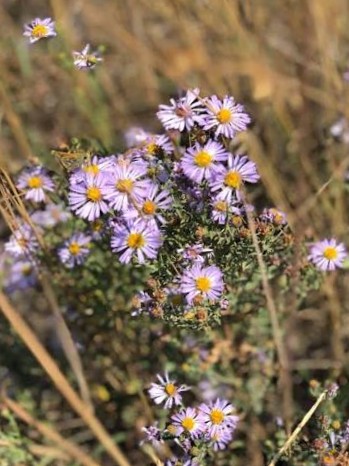
Seaside Daisy
Erigeron speciosus (Lindl.) DC.
- Basionym: Stenactis speciosa Lindl.
- Important botanical synonyms and historical names include Erigeron conspicuus Rydb., Erigeron macranthus Nutt., Erigeron salicinus Rydb., Erigeron speciosus var. conspicuus (Rydb.) B.Boivin, Erigeron speciosus var. macranthus (Nutt.) Cronquist, and Erigeron subtrinervis var. conspicuus (Rydb.) Cronquist.
- This record retains the site title Seaside Daisy, but the species most consistently known as Seaside Daisy is Erigeron glaucus. The scientific name Erigeron speciosus identifies Showy Fleabane, Aspen Fleabane, Oregon Fleabane, or Showy Daisy.
- Horseweed usually refers to Erigeron canadensis, historically Conyza canadensis, and should not be treated as an exact synonym for Erigeron speciosus.
Asteraceae — Aster, Daisy, or Sunflower Family
Compositae is the traditional alternative family name.
Seaside Daisy; Showy Fleabane; Aspen Fleabane; Oregon Fleabane; Oregon Wild-Daisy; Garden Fleabane; Showy Daisy; Showy Erigeron; Large-Flowered Fleabane; Beautiful Fleabane; Specious Fleabane; Garden Erigeron; Fleabane; Blue Fleabane; Purple Fleabane; Erigeron speciosus; Stenactis speciosa; Erigeron conspicuus; Erigeron macranthus; Erigeron salicinus; Erigeron speciosus var. conspicuus; Erigeron speciosus var. macranthus; Erigeron subtrinervis var. conspicuus
“Seaside Daisy” normally refers to Erigeron glaucus, a separate coastal species native to California and Oregon. The Seaside Daisy title is retained for this record because the name appears in an animal-poison listing for Erigeron speciosus, but the public copy must repeatedly clarify that this page is really about Showy Fleabane or Aspen Fleabane.
“Horseweed” normally refers to Erigeron canadensis, historically Conyza canadensis, and should not be relied upon as an exact common name for Erigeron speciosus. “Fleabane” is a broad common name used for many Erigeron species and several other daisy-like plants. “Daisy,” “Aster,” “Wild Daisy,” and “Fleabane” alone are not safe identification terms during an animal exposure.
No Specific Mammalian Toxin Has Been Established
No specific mammalian toxin has been established for Erigeron speciosus. Veterinary poison-list language describes the plant’s toxic principle either as unknown or as an irritant and associates it with mild vomiting, diarrhea, and occasional dermatitis. That wording should not be expanded into an unsupported claim that Showy Fleabane contains pyrethrins, pyrrolizidine alkaloids, cardiac glycosides, cyanogenic glycosides, soluble oxalates, insoluble calcium oxalate raphides, tremetone, sesquiterpene lactones with a proven clinical syndrome, or another recognized poison class.
The most accurate veterinary classification is a suspected low-severity gastrointestinal and contact irritant with incompletely identified active constituents. That does not mean the plant is chemically inert. It means the available evidence does not support a predictable systemic poisoning syndrome, cumulative organ damage, or lethal dose from ordinary ingestion by dogs, cats, horses, or livestock.
For public safety, this distinction matters. A mild listing should not be dismissed as zero risk, but it also should not be inflated into a severe toxicology profile. Persistent vomiting, bloody diarrhea, collapse, seizures, jaundice, kidney abnormalities, abnormal heartbeat, respiratory distress, or severe weakness should prompt investigation for another exposure rather than being forced into a Showy-Fleabane explanation.
Bioactive Polyacetylenes in Steam Distillate
Erigeron speciosus does produce biologically active secondary metabolites. In a 2002 peer-reviewed study, researchers steam-distilled the aerial portions of the plant and tested the resulting fraction against the ram’s-horn snail Planorbella trivolvis and the plant-pathogenic fungi Botrytis cinerea, Colletotrichum acutatum, Colletotrichum fragariae, and Colletotrichum gloeosporioides. The distillate demonstrated both molluscicidal and antifungal activity.
Bioassay-guided fractionation produced two active polyacetylene compounds: 2Z,8Z-matricaria methyl ester and its 2E,8E geometrical isomer. Later scientific discussion reported an approximate median lethal concentration of 50 micromolar for 2Z,8Z-matricaria methyl ester against the ram’s-horn snail, accompanied by marked hemolysis. This is meaningful toxicological evidence and confirms that the plant is biologically active.
The limits of that evidence are just as important as the finding. A steam-distilled fraction concentrates volatile or distillable compounds from a larger mass of plant material. A freshwater snail assay does not establish the dose delivered by one fresh leaf, the absorption of the compound in a dog or horse, or a mammalian mechanism for vomiting or dermatitis. The study should be retained because it strengthens the page, but it must not be stretched into unsupported mammalian danger claims.
Matricaria Esters and Asteraceae Defensive Chemistry
Matricaria esters and related polyacetylenes occur in the volatile chemistry of several members of Asteraceae. Such compounds may participate in plant defense against fungi, invertebrates, herbivory, or competing organisms. Their presence helps explain why fleabanes and other composites can have odor, taste, or biologically active extracts even when ordinary mammalian poisoning is mild.
The concentrations in fresh leaves, stems, roots, and flower heads can differ from those in a prepared distillate. Polyacetylenes may also be chemically unstable, and their abundance may vary with plant part, season, maturity, population, environment, and processing. A prepared fraction is not the same exposure as a dog mouthing one flower head or a sheep grazing a small amount in a meadow.
The defensible conclusion is that Erigeron speciosus contains bioactive plant chemistry with demonstrated laboratory activity, but the mammalian veterinary syndrome remains incompletely defined and appears mild in ordinary exposure reports. This evidence boundary is stronger than either pretending the plant has no chemistry or inventing a severe toxin class.
Mechanical and Nonspecific Gastrointestinal Irritation
Mechanical and nonspecific gastrointestinal irritation remains a reasonable explanation for many reported exposures. Dogs and cats do not digest large amounts of fibrous green plant material efficiently, and swallowing stems, leaves, hairs, roots, soil, mulch, seed heads, or garden debris may provoke nausea, vomiting, soft stool, or diarrhea even when no potent systemic toxin is present.
Quantity and form matter. A single flower head or leaf fragment is not equivalent to a puppy shredding a clump, a cat repeatedly chewing foliage, or a small herbivore eating a meaningful amount of an unfamiliar garden plant. Roots, soil, fertilizer granules, herbicide residue, pesticide residue, mold, slug bait, contaminated mulch, and other plants mixed into the material may drive signs more strongly than the fleabane itself.
Individual sensitivity also matters. Animals with preexisting gastrointestinal disease, dietary indiscretion, pancreatitis risk, medication exposure, parasites, infectious enteritis, or stress may develop more noticeable signs after eating a plant that would not affect another animal. The plant may be part of the history without being the entire diagnosis.
Contact Irritation and Asteraceae Sensitivity
Contact dermatitis is possible, particularly after an animal lies in, rolls through, or is deliberately rubbed with crushed foliage. Asteraceae plants can contain volatile substances, polyacetylenes, lactones, resins, and other small reactive molecules capable of irritating or sensitizing susceptible skin. A Showy-Fleabane-specific allergen has not been established, so the public page should avoid claiming a known allergen or predictable allergy syndrome.
Localized redness, itching, small bumps, licking, rubbing, or mild swelling may occur on the muzzle, paws, sparsely haired abdomen, inner thighs, or skin between the toes. Plant material rubbed onto the coat as a supposed flea repellent may create more prolonged contact and later be swallowed during grooming. That practice increases exposure while providing no reliable veterinary flea control.
Plant contact is only one possible cause of dermatitis. Fleas, mites, pollen allergy, food allergy, bacterial infection, yeast infection, lawn chemicals, herbicides, fertilizers, contact with another Asteraceae, insect bites, and environmental irritation should remain in the differential diagnosis when signs are persistent or recurrent.
Not a Proven Severe Organ-Injury Plant
The available evidence does not support a predictable neurologic, cardiac, hepatic, renal, hematologic, or respiratory toxin syndrome from ordinary Erigeron speciosus exposure. Convulsions, coma, severe weakness, abnormal heartbeat, liver failure, kidney failure, jaundice, bloody vomiting, black stool, severe colic, collapse, or sudden death should not be casually attributed to Showy Fleabane.
Those signs require a broader evaluation. Possible explanations include another daisy-like plant, groundsel, sneezeweed, yew, oleander, water hemlock, poison hemlock, pesticide exposure, fertilizer, slug bait, medication, foreign body, infectious disease, pancreatitis, gastrointestinal obstruction, blister beetles in hay, moldy feed, nitrate or cyanogenic plants, or unrelated medical disease.
This boundary makes the page more credible. A low-severity plant page can still be comprehensive by explaining exactly what is known, what is not known, and when a mild plant should no longer be blamed for a serious clinical course.
Concentrated Extracts and Treated Plants Are Different Exposures
Concentrated extracts, steam distillates, essential-oil-like preparations, infused oils, homemade insect repellents, poultices, teas, dried herb mixtures, and pesticide-treated plants should be evaluated separately from one exploratory bite of the living plant. Processing can concentrate or alter plant chemistry, and topical use can increase skin contact and grooming exposure.
Plants sprayed with herbicide, pesticide, fungicide, fertilizer, deer repellent, slug bait, or other lawn and garden chemicals may cause signs unrelated to the natural chemistry of Erigeron speciosus. Chewing a treated plant or treated garden debris should be reported as a chemical exposure as well as a plant exposure.
No dependable toxic dose has been established for dogs, cats, horses, livestock, rabbits, guinea pigs, birds, or reptiles. The safest practical rule is to prevent deliberate feeding, prevent repeated chewing, avoid topical folk uses, and investigate any signs that are persistent, severe, or inconsistent with a mild irritant.
Onset and Early Progression
Many dogs or cats that take one bite of Showy Fleabane may develop no visible illness. When signs occur, they are expected to be mild and gastrointestinal, including lip licking, repeated swallowing, nausea, temporary appetite reduction, one or more episodes of vomiting, soft stool, diarrhea, or mild abdominal discomfort. Symptoms would ordinarily begin within several hours of ingestion, although no controlled species-specific onset study has established an exact timeline.
The severity of gastrointestinal illness depends on the quantity and form consumed as well as the animal’s size, age, and health. A puppy that shreds a large clump, a cat that repeatedly chews foliage, or an animal that swallows stems, roots, soil, mulch, or treated garden debris may develop more irritation than one that mouths a flower head and walks away. Repeated vomiting or diarrhea can cause dehydration even when the plant itself is not producing systemic organ toxicity.
Early signs should remain mild and self-limiting. Dry gums, worsening weakness, reduced urination, inability to retain water, repeated vomiting, persistent diarrhea, bloating, blood, severe abdominal pain, or illness lasting beyond the expected mild profile requires veterinary assessment and reconsideration of the exposure.
Gastrointestinal Signs in Dogs and Cats
Dogs are most likely to take an exploratory bite while walking through a meadow or garden, chew uprooted clumps, or ingest plant material mixed with grass, soil, fertilizer, herbicide, mulch, or another weed. A limited exposure may produce no signs or brief vomiting and diarrhea. Persistent illness should trigger examination of the entire exposure rather than assuming the daisy alone is responsible.
Cats may chew garden foliage or cut flowers but are unlikely to consume a forage-sized amount. Mild vomiting, soft stool, appetite reduction, or skin irritation is possible. Continued food refusal is important even when the original plant is considered mildly irritating because cats can become dehydrated and may develop secondary metabolic complications from prolonged anorexia.
Vomiting once after chewing fibrous plant material is different from repeated vomiting, retching without production, bloody vomit, black stool, marked abdominal pain, abdominal distention, collapse, fever, or severe lethargy. Those findings should prompt evaluation for foreign body, pancreatitis, infection, toxin exposure, medication ingestion, or another cause.
Contact Dermatitis and Eye Exposure
Contact exposure may produce localized redness, itching, small bumps, or discomfort on the muzzle, sparsely haired abdomen, paws, inner thighs, or skin between the toes. Signs may be more noticeable after an animal lies in, rolls through, or is rubbed with crushed foliage. Grooming after contact can turn skin exposure into oral exposure.
Eye contamination can cause tearing, redness, blinking, squinting, light sensitivity, pawing at the face, or discharge. Plant debris, sap, pollen, soil, or another irritant may be involved. Eyes should be irrigated promptly, and persistent signs after rinsing require veterinary examination because retained debris or corneal injury can be more important than the plant’s mild toxicity listing.
Dermatitis should not be assumed to be from Showy Fleabane merely because the plant is present. Fleas, mites, pollen allergy, food allergy, yeast, bacterial infection, insect bites, lawn chemicals, herbicide, fertilizer, and contact with other Asteraceae can produce similar or stronger skin signs.
Horses and Livestock
ASPCA-style poison-list information includes horses among the species potentially affected and associates the plant with mild gastrointestinal signs or dermatitis. However, detailed range evidence shows that domestic sheep consume Aspen Fleabane readily and that several wild herbivores include it in their diets. A species-confirmed syndrome involving serious horse or livestock poisoning has not been established.
A horse may show temporary appetite reduction, mild loose manure, salivation, or contact irritation after mouthing an unfamiliar plant, but severe colic, profuse diarrhea, weakness, staggering, tremors, photosensitivity, jaundice, abnormal breathing, collapse, or sudden death does not fit the limited Showy-Fleabane evidence. Horses cannot vomit. A horse with significant colic, diarrhea, neurologic signs, or collapse should be examined for other poisonous plants, contaminated feed, blister beetles, pesticides, infectious disease, sand, obstruction, or metabolic disease.
Livestock exposure should be interpreted through the whole pasture or hay context. Showy Fleabane growing in the same field as a sick animal does not prove causation. Nitrate-accumulating weeds, cyanogenic plants, poisonous Apiaceae, locoweeds, groundsel, sneezeweed, lupines, selenium plants, mold, toxic minerals, infectious disease, feed changes, and chemical exposure may be more important depending on the clinical pattern.
Rabbits, Guinea Pigs, and Other Small Herbivores
Rabbits, guinea pigs, chinchillas, and several other small herbivores cannot vomit and may instead show appetite reduction, abdominal discomfort, soft stool, diarrhea, reduced fecal production, tooth grinding, hunched posture, lethargy, or gastrointestinal stasis after eating an unfamiliar plant. Species-specific Showy-Fleabane poisoning data are unavailable.
Continued food refusal or reduced fecal output in these animals is medically important even when the original exposure is considered low severity. The secondary gastrointestinal consequences of not eating may become more dangerous than the plant’s mild irritant potential.
Showy Fleabane should not be introduced intentionally as rabbit forage, guinea-pig browse, tortoise food, bird greens, cage enrichment, bedding, or dried decorative material unless a knowledgeable veterinarian or species-specific nutrition expert has approved the exact plant and context. Wild or ornamental plant identification errors are common enough to make casual feeding unsafe.
Birds and Exotics
Direct bird and reptile toxicity data for Erigeron speciosus are limited. A bird may shred flower heads, stems, or leaves and develop reduced appetite, beak wiping, regurgitation, droppings changes, or lethargy after irritating plant material. Small body size makes dehydration and reduced food intake more important than the plant’s low-severity reputation in dogs and cats.
Pet birds and reptiles should not be offered unidentified daisy-like plants as enrichment, forage, cage decoration, or terrarium planting. Asteraceae contains many harmless, mildly irritating, and genuinely toxic species, and common names are unreliable. Any respiratory signs, marked depression, neurologic abnormalities, or prolonged food refusal after plant access should be evaluated promptly.
Signs That Do Not Fit the Expected Mild Profile
No characteristic neurologic, cardiac, hepatic, renal, hematologic, or severe respiratory syndrome has been demonstrated for Erigeron speciosus. Seizures, collapse, severe weakness, abnormal heartbeat, jaundice, markedly reduced urine production, respiratory distress, bloody vomiting, black stool, profound depression, severe colic, or sudden death should not be attributed casually to a supposedly mild fleabane exposure.
Those findings require investigation for another plant, pesticide, fertilizer, medication, foreign body, infectious disease, gastrointestinal obstruction, pancreatitis, blister beetles, moldy feed, nitrate or cyanogenic plants, poisonous Apiaceae, toxic Asteraceae, or unrelated medical disease. The diagnosis should be reassessed rather than assuming a severe undocumented stage of Showy-Fleabane poisoning.
The expected prognosis is excellent when signs are limited to brief vomiting, diarrhea, appetite reduction, or localized dermatitis. Illness persisting beyond a day or two, repeatedly worsening after initial improvement, or producing systemic abnormalities does not fit the limited documented profile.
This Record Is Really About Showy Fleabane
The site title Seaside Daisy is retained because that name appears in an established animal-poison database for Erigeron speciosus. Botanically, however, the plant covered here is much better known as Showy Fleabane, Aspen Fleabane, Oregon Fleabane, Garden Fleabane, or Showy Daisy. The scientific name should control the identification.
The species most commonly and consistently called Seaside Daisy is Erigeron glaucus, a lower coastal perennial associated with bluffs, dunes, beaches, and salt spray along the Pacific Coast. Erigeron speciosus is a taller inland and montane perennial native from western Canada through the western United States to northwestern Mexico.
An owner or veterinarian should therefore rely on the scientific name and the plant’s appearance rather than the title Seaside Daisy alone. The two species may share lavender-pink daisy-like flower heads, but their habitat, growth form, and accepted common-name usage differ. Wrong-name confusion is the most important practical risk on this page.
Horseweed Is Another Misleading Name
Horseweed normally refers to Erigeron canadensis, an upright annual weed historically classified as Conyza canadensis. It can grow several feet tall and carries many very small whitish flower heads in an elongated, highly branched inflorescence. It is not the same plant as Showy Fleabane.
Showy Fleabane is a long-lived perennial with much larger lavender, blue, pink, or white flower heads. Using Horseweed as an exact synonym can lead an owner to research the chemistry, weed control, allergen status, or toxicology of the wrong plant. Horseweed should remain in the search discussion only as a naming trap, not as a clean AKA.
Fleabane Is a Broad Group Name
The genus Erigeron contains hundreds of species ranging from tiny alpine plants to tall annual weeds and spreading coastal ground covers. Fleabane may refer to Showy Fleabane, Annual Fleabane, Daisy Fleabane, Philadelphia Fleabane, Mexican Fleabane, Horseweed, Seaside Fleabane, or numerous other species.
Toxicological conclusions should not be transferred automatically across the entire genus. Different species contain different volatile oils, polyacetylenes, flavonoids, terpenes, lactones, resins, and other compounds in different concentrations. Some daisy-like plants outside Erigeron have much more serious toxin profiles.
Plant photographs should include more than a detached flower head. A single lavender daisy head is not enough to distinguish Erigeron speciosus from asters, fleabanes, mayweeds, chamomiles, groundsel, sneezeweed, chrysanthemums, or other Asteraceae that may require different management.
Accepted Name and Historical Synonyms
The accepted scientific name is Erigeron speciosus (Lindl.) DC. The species was originally published as Stenactis speciosa, and older botanical literature may use names such as Erigeron conspicuus, Erigeron macranthus, Erigeron salicinus, or varieties based on those names.
These botanical synonyms identify the same general Showy-Fleabane species complex rather than separate plants with proven differences in pet toxicity. The names are still useful because older floras, range papers, herbarium records, restoration guides, seed mixes, and garden catalogs may use them.
Native Range and Habitat
Showy Fleabane is native from British Columbia and Alberta south through much of the western United States to northwestern Mexico. In the United States, it occurs from the northern Rocky Mountains and Pacific Northwest through the Great Basin, Southwest, and portions of the western Great Plains.
It inhabits mountain meadows, open coniferous woods, aspen communities, sagebrush grasslands, forest openings, roadsides, stream terraces, foothills, and subalpine environments. Documented elevations extend from approximately 2,000 to more than 11,000 feet. The plant occupies dry to moist sites and can grow in sandy, gravelly, or clay-loam soils.
It is common enough in western wildflower plantings, restoration projects, native seed mixes, pollinator gardens, and ornamental borders that dogs, horses, livestock, and small animals may encounter it in gardens as well as natural range. Cultivated ornamental use increases the chance that an owner will know the plant by a nursery name rather than by a range-management name.
Growth Form and Root System
Showy Fleabane is a long-lived herbaceous perennial. It grows from a thick, branching, fleshy to woody caudex associated with branched rhizomes, a taproot, and fibrous roots. Clusters of mostly upright leafy stems arise from this persistent base.
Published descriptions place the stems at approximately 6–40 inches tall, depending on population, moisture, elevation, competition, grazing, and growing conditions. Garden plants may form attractive clumps, while range plants may occur as scattered stems or colonies.
The rhizomes allow established plants to expand into colonies. A garden clump may therefore contain numerous stems rather than one individual stalk arising from a simple taproot. An animal chewing an uprooted clump may ingest root base, soil, and mulch along with leaves and flowers.
Leaves and Stems
The stems are usually branched toward the upper portion and may carry sparse long hairs, becoming smoother immediately below the flower cluster. Leaves are simple, entire, and commonly elliptic, oval, spoon-shaped, or inversely lance-shaped.
Basal leaves may reach approximately 1–6 inches long and commonly wither by the time the plant is in full flower. Stem leaves become progressively smaller toward the top. This seasonal loss of the lower leaves is a useful identification characteristic because a flowering stem may appear densely leafy through its middle but nearly bare at the base.
Flower-Head Structure
Each stem does not necessarily carry one solitary flower. Flower heads are commonly arranged in loose, flat-topped, rounded, or branching clusters, with approximately 1–20 or more heads on a stem. Individual heads may approach 2 inches across under favorable conditions.
The heads contain numerous very narrow ray florets surrounding a yellow to orange disk. Ray color ranges from violet-blue and lavender to pink and, less commonly, white. The narrow rays create the full, finely fringed appearance that distinguishes Showy Fleabane from many ordinary daisies and asters.
The entire head is a composite structure rather than one flower with individual petals. This matters for identification because many Asteraceae share the same basic head structure but differ in leaf shape, plant height, habitat, chemistry, and veterinary significance.
Scientific Evidence of Antifungal and Molluscicidal Activity
In 2002, K.M. Meepagala, G. Sturtz, D. Wise, and D.E. Wedge published a peer-reviewed investigation of the steam-distilled fraction obtained from the aerial portions of Erigeron speciosus. The researchers tested the distillate against the strawberry pathogens Botrytis cinerea, Colletotrichum acutatum, Colletotrichum fragariae, and Colletotrichum gloeosporioides.
Bioautography demonstrated antifungal activity within the steam-distilled fraction. The same material was tested against the ram’s-horn snail Planorbella trivolvis, an intermediate host for the trematode Bolbophorus confusus, which can infect pond-raised channel catfish and cause cysts, impaired growth, and vulnerability to secondary disease.
Preliminary bioassays found phytochemicals in the distillate that were lethal to the snail. Through bioassay-guided fractionation and chromatographic separation, the researchers isolated 2Z,8Z-matricaria methyl ester and its 2E,8E geometrical isomer. The compounds were identified using proton nuclear magnetic resonance spectroscopy.
Later scientific discussion reported that 2Z,8Z-matricaria methyl ester had an approximate LC50 of 50 micromolar against Planorbella trivolvis and produced marked hemolysis in the snail. That observation is important because it demonstrates biological activity and a measurable toxic endpoint in a nonmammalian model.
What the Meepagala Study Does—and Does Not—Prove
The study proves that Showy Fleabane contains identifiable chemicals with substantial antifungal and molluscicidal activity after the volatile fraction is concentrated through steam distillation. The plant’s historical reputation for containing insect- or pest-repelling chemistry was therefore not invented from nothing.
The study did not feed ordinary leaves to dogs, cats, horses, rabbits, birds, or livestock. It did not establish a pet toxic dose, measure vomiting in mammals, define a horse syndrome, or demonstrate that matricaria methyl ester is responsible for poison-list gastrointestinal effects.
A steam distillate is chemically and quantitatively different from one bite of the intact plant. Results involving fungal cultures and freshwater snails cannot be translated directly into a prediction of mammalian poisoning severity. This study supports scientific completeness; it does not support exaggeration.
Why the Fleabane Name Does Not Establish Flea Control
The name Fleabane comes from historical beliefs that dried plants or their odor discouraged fleas and other insects. Similar folklore surrounds several unrelated plants carrying the same common name. A plant name is not a veterinary efficacy study.
There is no reliable evidence that pulling fresh Showy-Fleabane leaves and smearing them onto a dog, cat, horse, rabbit, or bedding provides safe, effective flea control. Such use can increase skin contact, cause irritation in a susceptible animal, and create oral exposure when the animal grooms.
Veterinary flea and tick products are formulated at measured concentrations and tested for specific animal species. A plant with laboratory molluscicidal or antifungal activity is not automatically a safe topical pesticide, and many “natural” topical practices are unsafe when transferred across species.
Conflict Between Poison Lists and Grazing Evidence
Poison-list language associates Showy Fleabane with mild gastrointestinal signs or dermatitis. Detailed range evidence complicates any attempt to portray it as a serious livestock poison. Domestic sheep consume Aspen Fleabane, and grazing pressure can substantially reduce its abundance. Several wild herbivores also include it in their diets.
Showy Fleabane has been described as highly palatable and preferred by domestic sheep. Its production was lower or absent in areas exposed to prolonged sheep grazing and greater where grazing animals were excluded. In one Utah study, production was absent on sheep-grazed plots, approximately 5 pounds per acre on plots protected from sheep but accessible to pocket gophers, and approximately 39 pounds per acre where both grazers were excluded.
This evidence does not prove that no animal can ever react to the plant. It does show that the horse and livestock warning should remain limited to possible mild irritation rather than being expanded into a claim of serious pasture poisoning. A sick grazing animal needs a whole-pasture and whole-feed investigation.
Documented Wildlife Consumption
Showy Fleabane has been consumed by mule deer, mountain goats, northern pocket gophers, golden-mantled ground squirrels, domestic sheep, and likely Greater Sage-Grouse. At one wet-meadow site, the plant constituted approximately 18% of tame mule-deer diets. Mountain goats browsed it during July, August, and September in western Montana.
In Colorado grasslands, Showy Fleabane represented approximately 24% by volume and appeared in 56% of examined northern pocket-gopher stomachs. Captive pocket gophers ate an average of approximately 53 grams of whole plant per day during one feeding study.
These figures are relevant scientific evidence against portraying ordinary consumption as routinely lethal. Wildlife tolerance still does not establish a guaranteed safe dose for a dog, cat, horse, rabbit, bird, or guinea pig, but it does place the plant in a much lower-risk category than genuinely dangerous pasture poisons.
Dogs
Dogs are most likely to take an exploratory bite while walking through a meadow or garden, chew uprooted clumps, or ingest plant material mixed with grass, soil, fertilizer, herbicide, mulch, or another weed. Puppies may shred plant material more aggressively than adult dogs and may swallow soil or roots with it.
A limited exposure may produce no signs or brief vomiting and diarrhea. Persistent illness should trigger examination of the entire exposure rather than assuming the daisy alone is responsible. Treated plants, mixed weeds, mushrooms, foreign material, and gastrointestinal disease may all be more important than Showy Fleabane itself.
Cats
Cats may chew garden foliage or cut flowers but are unlikely to consume a forage-sized amount. Mild vomiting, soft stool, appetite reduction, or skin irritation is possible. Cats may also groom plant material from the coat after lying in or brushing against crushed foliage.
Continued food refusal is important even when the original plant is considered mildly irritating. Cats can develop dehydration and secondary metabolic complications from prolonged anorexia. A cat that refuses food after the initial mild stomach upset passes should be evaluated.
Horses and Livestock
A serious species-specific livestock poisoning syndrome has not been documented for Erigeron speciosus. Domestic sheep consume the plant, and grazing pressure can substantially reduce its abundance. That evidence argues against presenting Showy Fleabane as a major pasture poison.
A horse or livestock animal developing colic, profuse diarrhea, weakness, staggering, tremors, photosensitivity, liver disease, abnormal breathing, or sudden death should be evaluated for a more dangerous pasture plant, contaminated feed, pesticide, blister beetles, mold, infectious disease, nitrate, cyanide, mineral imbalance, or metabolic disease.
Showy Fleabane should not be singled out as the cause merely because it grows in the same field. Accurate diagnosis requires evidence that the plant was eaten and that the clinical pattern fits the limited mild-irritant profile.
Rabbits, Guinea Pigs, and Other Small Herbivores
There are no dependable species-specific toxic-dose studies for rabbits, guinea pigs, chinchillas, or most small mammals. These animals may tolerate small amounts differently from dogs and cats, but an unfamiliar ornamental or wild plant should not be introduced intentionally as feed.
Food refusal, abdominal distention, diarrhea, reduced fecal production, weakness, or abnormal behavior requires prompt veterinary advice. Rabbits and guinea pigs cannot vomit, and reduced intake can become a serious secondary problem even after a low-severity plant exposure.
Birds and Reptiles
Species-specific poisoning information for birds and reptiles is very limited. The plant should not be used as routine cage greens, aviary planting, browse, nesting material, enrichment, or terrarium decoration. Identification errors among daisy-like plants are common, and small animals may receive a meaningful exposure from only a few bites.
Reduced appetite, regurgitation, droppings changes, weakness, abnormal breathing, tremors, collapse, or persistent lethargy after access to any unfamiliar Asteraceae should be evaluated by a species-appropriate veterinarian. The absence of a known severe mammalian syndrome does not make the plant a safe exotic-pet food.
Contact Dermatitis
Mild dermatitis is listed as a possible effect. An animal may develop redness, itching, or small raised lesions after prolonged contact with crushed foliage or sap, particularly on the paws, muzzle, abdomen, or skin between the toes. Repeated contact may make the pattern more obvious.
Plant contact is only one possible cause of dermatitis. Fleas, mites, pollen allergy, bacterial or yeast infection, lawn chemicals, insect bites, food allergy, and contact with another Asteraceae should also be considered. A plant-contact diagnosis is stronger when signs occur on surfaces that directly touched the plant and improve after access stops.
Diagnosis
No routine toxin assay confirms Showy-Fleabane ingestion. Diagnosis relies on credible exposure, reliable botanical identification, mild compatible gastrointestinal or skin signs, and exclusion of more serious causes. The diagnosis should be modest because the toxic principle for mammalian signs is not established.
Useful photographs include the entire clump, root base, basal leaves if present, stem leaves, branching stems, flower-head cluster, upper and lower leaf surfaces, and any nursery label. A detached lavender daisy head is not sufficient because asters, daisies, fleabanes, mayweeds, sneezeweeds, groundsels, and several more toxic plants can resemble one another.
Laboratory testing is generally unnecessary after a small exposure with brief signs. Bloodwork, imaging, fecal testing, urinalysis, or other diagnostics may be appropriate when vomiting or diarrhea persists, dehydration develops, blood is present, systemic signs occur, or the clinical course exceeds the expected mild profile.
Important Look-Alikes
True Seaside Daisy, Erigeron glaucus, is a shorter coastal plant with thick, often gray-green leaves and a spreading growth habit. Mexican Fleabane, Erigeron karvinskianus, produces smaller flowers that commonly age from white to pink or lavender. Horseweed, Erigeron canadensis, is a tall annual with numerous tiny flower heads.
Annual Fleabane, Philadelphia Fleabane, Daisy Fleabane, asters, mayweed, chamomile, chrysanthemums, sneezeweed, groundsel, tansy, arnica, yarrow, and other Asteraceae may resemble portions of the plant or share common names. Some are mild irritants; others can have more serious toxin profiles.
Treatment should not be based on the common word daisy alone. Identification should use the whole plant, habitat, leaves, stems, flower clusters, root structure, and expert review when signs are more than mild.
Veterinary Treatment and Prognosis
There is no specific antidote because no specific mammalian toxin has been identified. Treatment is directed at persistent vomiting, diarrhea, dehydration, discomfort, dermatitis, eye irritation, and any unrelated hazard discovered during examination.
A veterinarian may prescribe antiemetic medication, gastrointestinal support, or oral, subcutaneous, or intravenous fluids when clinically indicated. Contact dermatitis may require bathing, itch control, anti-inflammatory treatment, or management of secondary infection. Eye exposure may require irrigation, fluorescein staining, pain control, and treatment for corneal injury.
The prognosis is excellent when illness is limited to mild gastrointestinal upset or localized skin irritation. A severe or progressive course should prompt reconsideration of the plant identification and investigation for another toxin or disease.
Prevention
Prevent habitual chewing and collect uprooted plants, cut flowers, garden debris, and pruning waste before curious pets can reach them. Avoid using fresh leaves as a flea, tick, or insect repellent on animals. Historical flea-repellent folklore does not establish safety or efficacy.
Keep herbicides, pesticides, fertilizers, slug bait, and treated plant material inaccessible. A reaction after chewing a sprayed plant may reflect the chemical treatment rather than the plant’s natural constituents. In gardens with pets, label plants by scientific name when possible.
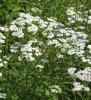
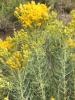
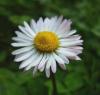
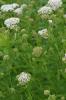
Where this record is displayed under Seaside Daisy, retain photographs and identification text clearly showing Erigeron speciosus so it is not confused with the separate coastal Erigeron glaucus. Name clarity is part of poisoning prevention.
Immediate Steps After Exposure
Remove access to the plant and prevent additional chewing. Collect loose leaves, stems, flowers, roots, seed heads, and treated garden debris. Because the common names Seaside Daisy, Fleabane, Daisy, and Horseweed can refer to different plants, accurate identification is part of first aid.
- Confirm the identification: Photograph the entire plant, root base, leaves, branching stems, flower clusters, and the area where it was growing. Save a representative sample in a sealed bag.
- Remove loose mouth material safely: If the animal is alert and cooperative, clear visible fragments from the front of the mouth and gently wipe away remaining plant material. Do not reach deeply into the throat.
- Wash skin exposure: Use lukewarm water and a mild animal-safe cleanser when crushed foliage, sap, soil, or treated plant material has been rubbed onto the coat, paws, or skin.
- Irrigate exposed eyes: Flush with sterile saline or clean lukewarm water for about 15 minutes when this can be done safely. Continued squinting, redness, cloudiness, or discharge requires examination.
- Observe the complete animal: Monitor appetite, vomiting, stool, energy, abdominal comfort, hydration, skin, eyes, breathing, urination, and behavior rather than focusing only on whether the plant was swallowed.
- Check for chemical exposure: Determine whether the plant was treated with herbicide, pesticide, fertilizer, deer repellent, slug bait, or another lawn or garden product.
Do Not Attempt Unsupervised Home Treatment
Most small Showy-Fleabane exposures are expected to be mild, but home treatment can create injury, aspiration, or delayed care. The appropriate first response is removal, identification, washing or rinsing when needed, monitoring, and veterinary guidance if signs are more than brief and mild.
- Do not induce vomiting: Hydrogen peroxide, salt, mustard, dish soap, syrup of ipecac, and manual gagging can cause gastrointestinal injury, prolonged vomiting, or aspiration and are especially inappropriate for cats.
- Do not administer activated charcoal automatically: No identified Showy-Fleabane mammalian toxin has been shown to require charcoal, and aspiration can cause more harm than the original mild exposure.
- Do not force water, milk, food, oil, or broth: Forced liquids do not neutralize an unknown irritant and may be inhaled by a vomiting or distressed animal.
- Do not give antidiarrheals, sucralfate, antacids, antihistamines, antibiotics, pain medication, sedatives, or leftover prescriptions: Treatment depends on the animal species, current condition, and actual cause of the signs.
- Do not attempt gastric lavage: Gastric lavage is an invasive veterinary procedure requiring anesthesia and airway protection and is not justified routinely for a suspected mild plant irritant.
- Do not rub additional leaves onto the animal: Historical flea-repellent folklore does not establish safety and may increase dermatitis and grooming-related ingestion.
- Do not blame severe signs on this plant without reassessment: Collapse, seizures, jaundice, kidney abnormalities, abnormal heartbeat, or severe respiratory signs require a broader emergency workup.
When Veterinary Examination Is Especially Important
- Repeated vomiting or diarrhea: Continued gastrointestinal losses can cause dehydration and may indicate a larger exposure, treated plant material, or another illness.
- Inability to retain water: Ongoing vomiting, dry gums, weakness, reduced urination, or worsening lethargy requires fluid assessment.
- Blood or severe abdominal pain: Bloody vomit, black stool, marked tenderness, distention, or repeated unproductive retching is not expected from a minor exposure.
- Marked skin or facial reaction: Widespread rash, hives, facial swelling, or intense itching may indicate hypersensitivity or exposure to another substance.
- Eye symptoms after irrigation: Persistent squinting, cloudiness, redness, pain, or discharge can indicate retained plant debris or corneal injury.
- Small herbivore food refusal: Rabbits, guinea pigs, chinchillas, and similar animals with reduced eating or fecal output need prompt care.
- Systemic or neurologic abnormalities: Tremors, staggering, collapse, seizures, abnormal heartbeat, jaundice, breathing difficulty, or reduced urine production does not fit the expected mild profile.
- Uncertain plant identity: A more toxic Asteraceae or an unrelated daisy-like plant may require different monitoring and treatment.
Veterinary Treatment
Most small exposures require no treatment beyond preventing further access and observing the animal. A veterinarian evaluates hydration, abdominal comfort, frequency of vomiting or diarrhea, skin condition, eye involvement, plant identification, and whether the identified plant reasonably explains the clinical course.
Persistent nausea or vomiting may be treated with a veterinarian-selected antiemetic. Oral, subcutaneous, or intravenous fluids may be used when dehydration develops. Additional gastrointestinal medication is selected according to the animal’s species and findings rather than administered automatically from the plant name.
Dermatitis may require thorough bathing, itch control, topical or systemic anti-inflammatory treatment, and treatment of secondary bacterial or yeast infection. Eye exposure may require staining and examination of the cornea after irrigation. Severe eye pain should not be watched at home merely because the plant is considered low severity.
Severe or unusual illness should trigger investigation for pesticide or fertilizer exposure, foreign-body ingestion, another plant, pancreatitis, infection, kidney or liver disease, blister beetles, toxic hay, contaminated water, or an unrelated gastrointestinal disorder. The treatment plan should follow the actual diagnosis, not the common name Seaside Daisy.
Species-Specific Support
Dogs and cats usually need monitoring for vomiting, stool, appetite, hydration, skin irritation, eye irritation, and energy level. A pet that improves quickly after access ends can often recover uneventfully. A pet that worsens or remains ill should be examined because the plant may not be the main problem.
Horses and livestock should be evaluated in the context of the entire pasture, hay, feed, and chemical exposure. Serious colic, profuse diarrhea, weakness, neurologic signs, photosensitivity, jaundice, collapse, or sudden death should not be attributed to Showy Fleabane without investigating more dangerous pasture or feed hazards.
Rabbits, guinea pigs, chinchillas, and other small herbivores need special attention to appetite and fecal output. Birds and reptiles need species-appropriate care if they develop respiratory signs, marked lethargy, regurgitation, tremors, or prolonged food refusal after access to an unfamiliar plant.
Recovery and Prognosis
The prognosis is excellent when signs are limited to temporary vomiting, diarrhea, appetite reduction, or localized dermatitis. Improvement would generally be expected within several hours to one or two days after exposure ends. Hydration and appetite should improve rather than decline.
- Monitor vomiting and stool: Signs should decrease rather than become repeated, bloody, or dehydrating.
- Monitor appetite: Cats, rabbits, guinea pigs, birds, and very small animals should not go long without eating.
- Monitor skin: Redness, itching, hives, swelling, or spreading dermatitis may require treatment and access prevention.
- Monitor eyes: Squinting, cloudiness, tearing, or discharge after rinsing should be examined.
- Monitor for wrong-pattern signs: Seizures, collapse, jaundice, abnormal urination, marked weakness, or severe respiratory signs require a broader diagnosis.
- Monitor the exposure site: Treated plants, mixed weeds, mushrooms, mulch, fertilizers, and pesticides may be the real hazard.
Continued or progressive illness is not typical of the limited evidence available for Erigeron speciosus. The diagnosis should be reassessed rather than assuming that severe signs represent an undocumented normal stage of Showy-Fleabane poisoning.
Frequently Asked Questions About Seaside Daisy and Animal Poisoning
Is the plant on this page really Seaside Daisy?
The scientific name on this record is Erigeron speciosus, which is most commonly known as Showy Fleabane, Aspen Fleabane, Oregon Fleabane, Garden Fleabane, or Showy Daisy. True Seaside Daisy more consistently refers to Erigeron glaucus, a shorter coastal species. The Seaside Daisy title is retained because an animal-poison listing uses it as an alternate name for E. speciosus, but the two species should not be confused.
Is Showy Fleabane the same plant as Horseweed?
No. Horseweed normally refers to the tall annual Erigeron canadensis, historically called Conyza canadensis. Showy Fleabane is a long-lived perennial with larger lavender, blue, pink, or white flower heads. Horseweed is an ambiguous and potentially misleading identification term for this page.
How poisonous is Erigeron speciosus to dogs and cats?
Available veterinary poison-list information characterizes it as a mild gastrointestinal and contact irritant. Expected signs are mild vomiting, soft stool, diarrhea, appetite reduction, and occasional dermatitis. No specific mammalian toxin, toxic dose, severe organ-injury syndrome, or well-documented fatal case has been established. A brief exploratory bite is unlikely to become life-threatening, although repeated or worsening signs still require veterinary assessment.
What toxin does Showy Fleabane contain?
The toxin responsible for the listed mild veterinary signs is unknown. A steam-distilled fraction has yielded biologically active polyacetylenes, including 2Z,8Z-matricaria methyl ester and its 2E,8E isomer. Those compounds demonstrated molluscicidal and antifungal activity in laboratory testing, but they have not been established as the cause of vomiting, diarrhea, or dermatitis in pets eating the intact plant.
What did the 2002 Erigeron speciosus study find?
Researchers steam-distilled the aerial parts and tested the resulting fraction against four plant-pathogenic fungi and the ram’s-horn snail Planorbella trivolvis. The distillate showed antifungal and snail-killing activity. Bioassay-guided separation identified 2Z,8Z-matricaria methyl ester and its 2E,8E geometrical isomer. Later scientific discussion reported an approximate snail LC50 of 50 micromolar for the 2Z,8Z compound, with marked hemolysis.
Does the snail study prove the plant is dangerous to mammals?
No. It proves that a concentrated steam distillate contains bioactive compounds toxic to a particular aquatic snail and active against several plant-pathogenic fungi. It does not establish the dose delivered by one leaf, the absorption of those compounds in a dog or horse, or a mammalian poisoning mechanism. Laboratory activity should be preserved as important scientific evidence without being stretched into an unsupported claim of severe pet toxicity.
Is Showy Fleabane genuinely toxic to horses and sheep?
Poison-list language associates it with mild gastrointestinal signs or dermatitis in horses, but detailed range evidence complicates any claim of serious livestock poisoning. Domestic sheep reportedly find Aspen Fleabane highly palatable, and grazing can substantially reduce its abundance. No characteristic serious livestock-poisoning syndrome or species-confirmed toxic dose has been established. Significant illness in a grazing animal should prompt investigation for another cause.
What scientific evidence shows that animals eat this plant?
Studies and field observations document consumption by domestic sheep, mule deer, mountain goats, northern pocket gophers, golden-mantled ground squirrels, and likely Greater Sage-Grouse. Showy Fleabane represented approximately 18% of tame mule-deer diets at one study site. It made up approximately 24% by volume and occurred in 56% of northern pocket-gopher stomachs in another area, and captive gophers consumed about 53 grams of whole plant per day.
Can Showy Fleabane cause dermatitis?
Mild dermatitis is listed as a possible effect. Prolonged contact with crushed foliage may produce redness, itching, or small raised lesions in a susceptible animal, particularly on the muzzle, paws, or sparsely haired abdomen. The exact Showy-Fleabane allergen has not been identified, and fleas, mites, lawn chemicals, pollen allergy, infection, and contact with another plant should also be considered.
Can the leaves be rubbed on a dog or cat to repel fleas?
No. The Fleabane name reflects historical repellent folklore, not proven safe veterinary flea control. Crushing and rubbing the leaves onto an animal increases skin exposure and allows the plant material to be swallowed during grooming. Use a veterinarian-approved flea or tick product formulated for the animal’s species instead of plant folklore.
Should vomiting be induced after a pet eats the plant?
No. Hydrogen peroxide and other home emetics can cause gastric and esophageal injury, prolonged vomiting, or aspiration and are particularly inappropriate for cats. Most small Showy-Fleabane exposures do not justify decontamination. A veterinarian can determine whether treatment is necessary based on the amount, symptoms, time elapsed, and certainty of plant identification.
Is activated charcoal useful?
Activated charcoal is not routinely indicated. No identified mammalian toxin has been shown to require charcoal, and an animal that is vomiting or poorly coordinated can inhale it into the lungs. Treatment of the expected mild exposure is generally limited to preventing further ingestion, monitoring, and veterinarian-directed control of persistent gastrointestinal signs.
What symptoms suggest that another toxin or disease is involved?
Seizures, collapse, severe weakness, abnormal heartbeat, jaundice, breathing difficulty, bloody vomit, black stool, markedly reduced urine production, profound depression, severe colic, or prolonged illness does not fit the limited mild-irritant profile. Those findings require urgent investigation for pesticide exposure, another poisonous plant, medication, foreign body, infection, pancreatitis, kidney or liver disease, contaminated feed, or another emergency.
Can rabbits, guinea pigs, or birds eat Showy Fleabane?
There are no dependable species-specific toxic-dose studies for rabbits, guinea pigs, birds, reptiles, or most small exotic animals. These animals should not be deliberately offered unfamiliar wild or ornamental fleabanes as food, bedding, or enrichment. Food refusal, reduced fecal output, diarrhea, weakness, abnormal breathing, regurgitation, or persistent lethargy after access requires species-appropriate veterinary advice.
How can Showy Fleabane be distinguished from true Seaside Daisy?
Showy Fleabane, Erigeron speciosus, is a taller inland or montane perennial with upright leafy stems and clusters of relatively large lavender, blue, pink, or white flower heads. True Seaside Daisy, Erigeron glaucus, is generally a lower coastal plant associated with Pacific Coast bluffs, beaches, dunes, and salt spray. The scientific name, habitat, growth habit, leaves, and full plant photographs are more reliable than the common name alone.
How should a veterinarian interpret a severe illness when Showy Fleabane is present in the pasture?
Showy Fleabane should not be singled out as the cause merely because it grows in the same field. Severe colic, neurologic signs, photosensitivity, jaundice, sudden death, tremors, collapse, or profuse diarrhea should trigger a broader pasture and feed investigation. More dangerous plants, blister beetles, pesticides, fertilizers, infectious disease, moldy feed, nitrate, cyanide, selenium, or metabolic disease may better fit the clinical course.
Is the poison-list warning contradicted by sheep and wildlife eating the plant?
Not exactly. The two bodies of evidence are describing different levels of risk. Poison-list language warns that some animals may develop mild gastrointestinal signs or dermatitis after exposure. Grazing and wildlife studies show that ordinary consumption by some herbivores is common enough that a serious predictable livestock-poisoning syndrome is unlikely. Together, the evidence supports a mild-irritant classification with strong caution against overdiagnosing severe poisoning.
What samples or photographs are most useful after a suspected exposure?
Useful photographs show the entire clump, root base, lower leaves, stem leaves, branching habit, flower-head clusters, upper and lower leaf surfaces, and the surrounding habitat or garden bed. A loose flower head is often not enough. If the plant was treated with chemicals, the fertilizer, pesticide, herbicide, or slug-bait label is just as important as the plant sample.
What is the evidence limit for this page?
Direct veterinary case data for Erigeron speciosus are limited. The page relies on poison-list mild-irritant reporting, direct chemical research on steam-distilled plant material, range and wildlife-consumption studies, botanical identity, and comparison with other Asteraceae exposures. That evidence supports a cautious mild-toxicity page, not a claim of a known severe mammalian poison.
What is the usual prognosis?
The prognosis is excellent when signs are limited to brief vomiting, diarrhea, appetite reduction, or localized dermatitis. Most uncomplicated animals should recover after access ends and hydration is maintained. Persistent symptoms beyond one or two days, repeated deterioration, blood, dehydration, eye pain, or systemic abnormalities should lead to reassessment of both the plant identification and the diagnosis.