Stinking Chamomile Sesquiterpene-Lactone Dermatitis, Volatile-Oil Irritation, Mayweed Exposure, Hay Contamination, Dogfennel Confusion, and Asteraceae Allergy Risk
Is Stinking Chamomile Poisonous to Dogs, Cats, Horses, and Livestock?
Yes—Stinking Chamomile, Anthemis cotula L., is poisonous to dogs, cats, horses, livestock, rabbits, guinea pigs, birds, and other animals that eat it, roll in it, repeatedly brush against it, or contact crushed plant material. The plant contains irritating volatile oils and allergenic sesquiterpene lactones, along with polyacetylenes, flavonoids, phenolic acids, tannin-like constituents, and other secondary compounds. The most important clinical concerns are skin irritation, delayed allergic contact dermatitis, oral irritation, vomiting, diarrhea, appetite loss, and allergic swelling.
Most limited accidental exposures are not life-threatening, especially when an animal merely tastes a small amount and stops because of the plant’s acrid odor and flavor. More important cases occur when dogs or cats repeatedly chew weeds, animals roll in freshly cut plants, horses or livestock graze dense stands during forage shortage, contaminated hay or chaff forces ingestion, or a pet receives a concentrated herbal product rather than encountering the intact weed outdoors.
Stinking Chamomile is not the medicinal chamomile normally used for tea, and it should not be treated as interchangeable with German Chamomile, Roman Chamomile, Pineappleweed, Scentless Chamomile, Oxeye Daisy, or the tall southeastern plant commonly called Dogfennel. Severe breathing difficulty, rapidly increasing facial or throat swelling, collapse, repeated vomiting, bloody diarrhea, extensive blistering, active bleeding, tremors, profound weakness, or illness after a concentrated or repeated exposure requires veterinary care and a broader search for co-exposures such as pesticides, another poisonous plant, contaminated hay, anticoagulant rodenticide, medication, spoiled feed, or a gastrointestinal disease.
About this guide: This page provides general pet-poisoning information and cannot diagnose or treat an individual animal. For any suspected exposure, contact a veterinarian or animal poison-control service immediately. Do not induce vomiting, give medication, or attempt home decontamination unless directed by a veterinary professional.
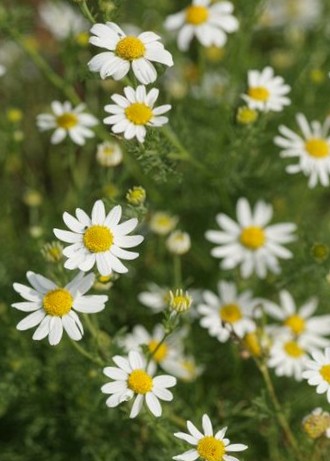
Stinking Chamomile
Anthemis cotula L.
Historical synonyms include:
- Anthemis foetida Lam.
- Chamaemelum cotula (L.) All.
- Maruta cotula (L.) DC.
- Maruta foetida Gray
- Matricaria cotula (L.) Baill.
- Anthemis psorosperma Ten.
- Cotula foetida S.G.Gmel.
- Maruta foetida (S.G.Gmel.) Cass.
- Maruta vulgaris Bluff & Fingerh.
Historical subspecies and varieties include:
- Anthemis cotula var. disciflora Lange
- Anthemis cotula subsp. psorosperma (Ten.) Arcang.
- Anthemis cotula var. vectensis (F.N.Williams) P.D.Sell
- Anthemis foetida var. vectensis F.N.Williams
- Anthemis ramosa Spreng.
Important non-synonym confusion names:
- Matricaria chamomilla L. — German Chamomile; separate medicinal chamomile species, not Anthemis cotula
- Chamaemelum nobile (L.) All. — Roman Chamomile; separate medicinal chamomile species, not Anthemis cotula
- Matricaria discoidea DC. — Pineappleweed; separate rayless chamomile-like plant, not Stinking Chamomile
- Tripleurospermum inodorum (L.) Sch.Bip. — Scentless Chamomile; separate weed species, not Anthemis cotula
- Anthemis arvensis L. — Corn Chamomile or Field Chamomile; separate Anthemis species
- Leucanthemum vulgare Lam. — Oxeye Daisy; separate Asteraceae species with broader leaves and different toxicology
- Eupatorium capillifolium (Lam.) Small — Dogfennel; tall southeastern perennial often called Dogfennel, not Anthemis cotula
- Foeniculum vulgare Mill. — true Fennel; Apiaceae food and herb plant, not Dogfennel or Stinking Chamomile
Asteraceae
Compositae is the traditional alternative family name found in older botanical, agricultural, medical, and toxicological literature.
Mayweed; Mayweed Chamomile; Mayweed Camomile; Stinking Mayweed; Stinking Chamomile; Stinking Camomile; Fetid Chamomile; Foetid Chamomile; Dog Chamomile; Dog’s Chamomile; Dog Camomile; Dog Fennel; Dog-Fennel; Dogfennel; Dog Daisy; Poison Daisy; Dillweed; Pig-Sty Daisy; Pigsty Daisy; Hog’s Fennel; Mather; Johnnyweed; Maroute; Camomille Puante; Camomille des Chiens; Manzanilla Hedionda; Anthemis cotula; Anthemis foetida; Chamaemelum cotula; Maruta cotula; Maruta foetida; Matricaria cotula
“Dogfennel” is highly ambiguous. In many southeastern United States pasture, weed, and extension contexts, Dogfennel more often means Eupatorium capillifolium, a tall native perennial with very finely divided foliage, clusters of small whitish heads, and no obvious white daisy rays. That plant is not Anthemis cotula and should not be assigned the same toxicology page without botanical confirmation.
“Chamomile” is also imprecise. German Chamomile is Matricaria chamomilla, Roman Chamomile is Chamaemelum nobile, Pineappleweed is Matricaria discoidea, and Scentless Chamomile is Tripleurospermum inodorum. A plant, tea, shampoo, extract, supplement, or dried herb labeled only as chamomile should not be assumed to be Stinking Chamomile unless the ingredient list, plant specimen, or photographs support that identification.
Irritating Volatile Oils and Allergenic Sesquiterpene Lactones
Stinking Chamomile contains a mixture of volatile oils, sesquiterpene lactones, polyacetylenes, flavonoids, phenolic acids, tannin-like constituents, and other secondary plant compounds. The clinically important hazard is not that every identified molecule is independently poisonous. The best-supported veterinary effects arise from irritating volatile material and highly reactive sesquiterpene lactones capable of producing direct mucosal irritation and delayed allergic contact dermatitis.
Crushed foliage, flower heads, sap, pollen-bearing plant material, hay fragments, bedding contamination, or concentrated preparations can expose the mouth, skin, eyes, and gastrointestinal tract. The strong odor and acrid taste discourage many animals from eating large amounts of intact fresh plants, but that deterrent can fail when forage is poor, weeds are cut into hay, an animal habitually chews plants, or a person intentionally uses an herbal product.
The chemistry should be framed as a low-to-moderate irritant and allergenic risk rather than a predictable fatal systemic-poisoning syndrome. Severe illness after a small ordinary exposure should trigger investigation for another plant, pesticide, herbicide, contaminated hay, spoiled feed, anticoagulant rodenticide, medication, foreign material, or unrelated disease.
Exact-Species Sesquiterpene Lactones
Exact-species research on the aerial portions of Anthemis cotula isolated six linear sesquiterpene lactones. Four previously known compounds included anthecotuloide, 8-O-dihydroanthecotuloide, 5-oxo-6,13-dehydro-5,6-dihydroanthecotuloide, and 5-hydroperoxy-6,13-dehydro-5,6-dihydroanthecotuloide, while two additional related lactones were newly characterized.
Anthecotuloide is one of the most important species-specific names because it connects Stinking Chamomile to contact-allergen chemistry rather than leaving the page with only a generic “chamomile oil” explanation. Biosynthetic research also treats anthecotuloide as an irregular sesquiterpene lactone from Anthemis cotula, supporting its role as a defining chemical marker for this plant’s allergenic profile.
The presence of these lactones does not create a precise veterinary dose. Plant age, tissue, genetics, soil, climate, mechanical damage, flowering stage, drying, and extraction method can all affect chemical exposure. A page written for animal safety should therefore explain the lactone group and dermatitis mechanism without pretending that every plant contains the same concentration or that one missing flower head predicts a fixed outcome.
How Sesquiterpene Lactones Cause Allergic Contact Dermatitis
Many allergenic sesquiterpene lactones contain reactive structures capable of binding to proteins in skin or mucosal tissue. After an initial sensitizing exposure, the immune system may recognize those altered proteins during later contact and produce delayed hypersensitivity. The reaction may not appear at the exact moment the plant touches the animal.
Redness, itching, swelling, papules, vesicles, crusting, hair loss from rubbing, open sores, or persistent self-trauma can develop hours or days after exposure and may worsen with repeated contact. A dog that rolls in cut plants, a horse whose muzzle rubs dense flowering weeds, a cow whose udder brushes infested bedding, or a cat that repeatedly grooms contaminated fur may develop more noticeable dermatitis than an animal that merely walks past one plant.
This mechanism also explains why previously sensitized animals or people may react more strongly on later exposure. Sensitization does not require the plant to be eaten. Repeated handling, grazing contact, bedding exposure, or contamination of fur and skin can be enough to create a clinically important dermatitis problem.
Volatile-Oil Chemistry Varies by Plant and Region
The volatile-oil composition of Stinking Chamomile varies among populations, plant parts, growth stages, regions, and extraction methods. A modern analysis of Jordanian plants obtained approximately 0.05% essential oil from flowers and 0.08% from leaves by hydrodistillation. Sesquiterpene hydrocarbons dominated both oils.
In that study, γ-muurolene and aromadendrene were prominent in the flower oil, while γ-muurolene and trans-cadinene ether were major leaf constituents. Earlier regional analyses reported different dominant compounds, demonstrating that one oil profile cannot represent every Stinking Chamomile population.
This variation matters because many older plant-poison lists reduce the plant to a short list of named oil constituents. A universal ingredient list can mislead the reader. The better veterinary explanation is that the plant contains a variable mixture of volatile compounds that can irritate mucous membranes and skin, alongside sesquiterpene lactones with allergenic potential.
Bisabolol, Chamazulene, Antheminic Acid, and Older Poison-List Names
Veterinary references also list bisabolol, chamazulene, anthemic or antheminic acid, and tannic acid among the toxic principles. These names remain useful because they occur in longstanding poison-control records, owner searches, and veterinary summaries. They should not be used to imply that every specimen of Anthemis cotula is chemically dominated by the same constituents found in medicinal chamomiles.
Chamazulene and bisabolol are strongly associated in public understanding with German Chamomile and other medicinal chamomile preparations. Stinking Chamomile is a separate species with a foul odor, acrid taste, and strong contact-allergen reputation. The page should therefore avoid flattening all chamomiles into one chemistry profile.
The clinical risk should be based on the whole plant and its irritant, allergenic chemical mixture. A dog, cat, horse, or goat does not encounter a purified constituent; it encounters crushed foliage, flowers, pollen, sap, stems, roots, seeds, hay contamination, or a concentrated human-made product.
Flavonoids and Phenolic Acids Are Not the Main Poisoning Explanation
The plant contains flavonoids and phenolic compounds that are chemically interesting but are not automatically toxins at the concentrations present in intact vegetation. Exact-species studies have isolated apigenin and hispidulin, while later profiling detected apigenin, luteolin, vitexin, chlorogenic acid, cinnamic acid, ellagic acid, quercetin, kaempferol, and related constituents in different leaf and flower extracts.
Laboratory antioxidant, antimicrobial, or enzyme-inhibitory activity from concentrated extracts does not establish that these compounds cause the vomiting, diarrhea, or dermatitis observed after natural animal exposure. Research extracts, hydrodistilled oils, methanolic fractions, teas, supplements, and intact weeds are different exposures.
For veterinary purposes, the more defensible emphasis remains the combination of volatile-oil irritation and sesquiterpene-lactone allergenicity. Flavonoids and phenolic acids belong in the scientific background but should not be turned into the central toxin story unless direct veterinary evidence supports that role.
Roots, Polyacetylenes, and Other Defense Compounds
Roots of Anthemis cotula have yielded polyacetylenes and prenylated hydroxyacetophenones, including compounds proposed to function as plant-defense chemicals. These root compounds are part of the plant’s broader chemical arsenal, but their contribution to ordinary veterinary poisoning has not been separated cleanly from the effects of lactones and volatile oils.
An animal digging up or consuming roots should therefore be evaluated based on the total exposure. Root chewing may involve plant chemistry, soil, mold, fertilizer, herbicide, insecticide, gravel, plastic, mulch, or foreign material. A dog vomiting after digging in a bed of Stinking Chamomile may not have a pure root-chemistry exposure.
Roots should not be described as safe merely because flower heads and foliage are the most likely contact route. The entire plant should be kept away from animals that chew weeds, forage in contaminated hay, or are housed on plant-containing bedding.
Bleeding-Tendency Warning Requires Context
Some poison-control literature warns that long-term use may contribute to bleeding tendencies. Coumarins and chamomile-related products are often discussed in connection with anticoagulant effects, but the presence of a coumarin structure does not automatically make a plant compound equivalent to warfarin.
A validated dose-response relationship for chronic Anthemis cotula ingestion has not been established in dogs, cats, horses, livestock, rabbits, birds, or other animals. The warning is most relevant to repeated medicinal use, concentrated extracts, chronic supplementation, contaminated feed consumed repeatedly, or exposure in an animal already receiving anticoagulant medication, antiplatelet medication, nonsteroidal anti-inflammatory drugs, corticosteroids, chemotherapy, or other drugs affecting bleeding risk.
A single small accidental nibble should not be presented as likely to cause delayed hemorrhage. Unexplained bruising, bleeding from the gums or nose, blood in urine or stool, prolonged bleeding after a minor injury, pale mucous membranes, weakness, or collapse still requires prompt veterinary assessment because anticoagulant rodenticide, liver disease, platelet disorders, immune-mediated disease, medications, trauma, and inherited coagulation defects are often more important differentials.
No Dependable Veterinary Toxic Dose
No dependable veterinary toxic dose has been established. Flowers, leaves, stems, sap, pollen-bearing material, seeds, and roots should all be treated as potentially irritating, with flower heads and foliage presenting the most likely contact exposure. Concentrated oils, extracts, supplements, or herbal preparations may create a different and potentially greater exposure than a small taste of the intact plant.
The plant’s strong odor and acrid taste discourage many grazing animals from consuming it, but poor forage availability, overgrazing, contaminated hay, concentrated weed growth, curiosity, pica, deliberate herbal use, or repeated contact can overcome that natural deterrent. Risk should be judged by animal species, size, amount, route, repeated exposure, clinical signs, product concentration, and co-exposures rather than by assuming the plant is always either harmless or severely poisonous.
Onset and Early Progression
Signs after Stinking Chamomile exposure depend on route. Animals that chew or swallow the plant may develop oral irritation, drooling, lip licking, nausea-like behavior, vomiting, diarrhea, abdominal discomfort, reduced appetite, or lethargy. Animals that contact crushed foliage, flowers, sap, pollen-bearing material, contaminated hay, or bedding may develop skin or eye signs before any digestive signs are noticed.
The strong odor and acrid taste often limit the amount consumed, so signs are usually mild or moderate after a brief taste. More pronounced illness may occur when weeds contaminate hay, chaff, bedding, or chopped feed; when an animal has little alternative forage; when a dog or cat repeatedly returns to the plant; or when a pet receives a concentrated extract, oil, supplement, or homemade remedy.
Most limited exposures resolve after access ends and plant residue is removed. Worsening signs, repeated vomiting, dehydration, extensive dermatitis, breathing changes, bleeding, weakness, or symptoms lasting beyond the expected mild course should prompt reassessment rather than continued home observation.
Skin Disease and Contact Dermatitis
Skin disease is one of the most characteristic consequences of Stinking Chamomile exposure. Direct contact with crushed foliage, flowers, sap, pollen-bearing plant material, contaminated bedding, or freshly cut weeds can produce redness, itching, burning, swelling, and irritation. Some reactions are primarily irritant, while others are delayed allergic responses to sesquiterpene lactones.
A previously sensitized animal may develop more extensive inflammation after an exposure that caused little visible reaction the first time. Dermatitis may appear on the muzzle, lips, eyelids, ears, face, lower limbs, belly, groin, udder, teats, perineum, or other areas that brush repeatedly against the plant or contaminated bedding.
Dogs and cats may lick, scratch, rub, or chew the affected skin, worsening inflammation and creating moist sores or secondary infection. Livestock moving through dense stands may develop irritation where foliage contacts sparsely haired or repeatedly flexed skin. Persistent licking, crusting, blistering, hair loss, open lesions, swelling, drainage, or worsening pain deserves veterinary examination rather than continued exposure and observation.
Oral and Gastrointestinal Signs
Animals that chew or swallow the plant may develop oral irritation, drooling, gagging, lip licking, repeated swallowing, vomiting, diarrhea, abdominal discomfort, reduced appetite, or lethargy. Nausea-like behavior may appear as grass eating, restlessness, drooling, refusal of food, stretching, or repeated attempts to swallow.
The plant is usually unpalatable, which limits many fresh exposures. Dried or chopped material in hay or feed can be more important because the animal loses the ability to avoid individual weeds. Concentrated herbal products can also bypass the normal taste deterrent and expose an animal to a larger chemical load.
Repeated vomiting can lead to dehydration, while persistent diarrhea may produce electrolyte abnormalities in small, young, old, pregnant, or medically fragile animals. Blood in vomit or stool, severe abdominal pain, tremors, incoordination, profound depression, or collapse does not fit a routine mild exposure and should prompt investigation for pesticides, another poisonous plant, intestinal disease, obstruction, rodenticide, medication, or a concentrated product.
Allergic Swelling and Respiratory Concern
Allergic reactions can extend beyond a localized rash. Facial swelling, swollen eyelids, hives, marked itching, inflamed lips, or a swollen muzzle may occur in a sensitized animal. Severe respiratory reactions appear to be uncommon, but airway signs must always be treated seriously.
Coughing, wheezing, noisy breathing, rapidly increasing facial or throat swelling, blue or gray mucous membranes, weakness, collapse, or open-mouth breathing is an emergency regardless of whether the trigger is direct irritation, allergy, another plant, insect sting, medication, or unrelated disease. Do not give oral medication, food, milk, oil, charcoal, or forced water to an animal that is swelling, gagging, choking, weak, or breathing abnormally.
Dogs
Dogs most commonly are expected to show vomiting, diarrhea, appetite loss, oral discomfort, or dermatitis after a limited exposure. A dog may encounter Stinking Chamomile along field edges, trails, vacant lots, roadsides, farmyards, freshly weeded gardens, or infested yards. Dogs may also roll in cut plants and later lick residue from the coat.
Repeated exposure can occur when a dog habitually chews weeds, eats pulled garden debris, rolls in freshly mowed or pulled plants, or licks plant residue from the paws and belly after walks. A dog repeatedly eating weeds may have boredom, pica, gastrointestinal disease, dietary imbalance, anxiety, nausea, or another behavioral or medical issue that deserves separate evaluation.
Emergency concern increases with repeated vomiting, bloody diarrhea, dehydration, marked weakness, facial swelling, breathing difficulty, extensive dermatitis, open sores, tremors, collapse, or a known concentrated product exposure. These signs should not be dismissed as ordinary “ate grass” behavior.
Cats
Cats may chew freshly pulled plants, nibble vase or herb material, contact dried stems brought indoors, or groom residue from contaminated fur. They may show vomiting, appetite loss, drooling, hiding, lethargy, diarrhea, or skin irritation. Indoor cats may be exposed when garden weeds are brought inside on shoes, clothing, bedding, plant pots, or cut vegetation.
Cats should not receive hydrogen peroxide as a home emetic after plant ingestion. They are also more vulnerable to complications from prolonged food refusal. A cat that stops eating, hides with continued vomiting, becomes weak, develops facial swelling, or shows persistent dermatitis should be examined.
Horses, Ponies, and Donkeys
Horses may develop muzzle irritation, salivation, reduced feed intake, diarrhea, dermatitis, or reluctance to graze through infested areas. Stinking Chamomile is generally unpalatable, but consumption becomes more likely when desirable forage is scarce, pastures are overgrazed, weeds contaminate hay, or chopped feed prevents selection around the plant.
Contact dermatitis may affect the muzzle, lips, lower limbs, belly, sheath, udder, or areas rubbed by tack after plant residue contaminates the skin. Severe diarrhea, colic signs, dehydration, weakness, abnormal mucous membranes, or group illness should prompt investigation for contaminated hay, herbicide, other weeds, spoiled feed, infectious disease, or a different toxic plant.
Do not drench a horse that is weak, coughing, salivating excessively, choking, depressed, or swallowing abnormally. Forced oral treatment can create aspiration risk and does not neutralize the plant’s irritant chemistry.
Cattle, Sheep, Goats, Camelids, and Pigs
Grazing livestock may show reduced feed intake, salivation, diarrhea, muzzle irritation, dermatitis, or reduced production after exposure to dense stands or contaminated feed. The plant’s strong odor can taint milk, butter, or meat after substantial grazing exposure, which matters for farm management even when animal illness remains mild.
Sheep and goats may sample a broader range of weeds than cattle or horses, while pigs may root up plants and encounter roots, soil, and mixed debris. Camelids may develop feed refusal, soft feces, drooling, or dermatitis, but species-specific case data are limited.
Several animals affected at once raises concern for contaminated hay, chaff, bedding, herbicide, another toxic plant, spoiled feed, water contamination, or a concentrated exposure. Affected grazing animals should be moved to clean forage rather than forced to continue eating around a dense infestation.
Rabbits, Guinea Pigs, Birds, and Other Small Animals
Rabbits and guinea pigs should not be offered Stinking Chamomile as browse, forage, bedding, enrichment, or dried herb. They cannot vomit, and gastrointestinal irritation may appear as reduced appetite, reduced fecal output, diarrhea, tooth grinding, hunched posture, or weakness. Because continuous intake is critical in small herbivores, food refusal after oral irritation can become medically important.
Poultry and captive birds may encounter seeds, chopped weeds, contaminated forage, bedding, or freshly pulled plants. Species-specific case data are limited, but gastrointestinal irritation, reduced appetite, altered droppings, weakness, beak wiping, feather contamination, or skin irritation are possible. Wild-animal contact, insect visitation, or seed dispersal does not establish safety for captive birds confined with concentrated plant material.
Eye Exposure
Plant sap, pollen-bearing debris, dust from dried material, or contaminated fur can enter the eyes. Possible signs include tearing, blinking, squinting, redness, swelling, pawing at the eye, rubbing the face, discharge, or light sensitivity. Eye irritation may be chemical, allergic, mechanical, or complicated by self-trauma.
Persistent squinting, cloudiness, discharge, obvious pain, swollen eyelids, or inability to open the eye requires veterinary examination. Rinsing with sterile saline or clean lukewarm water may remove loose plant material, but it does not replace examination when signs continue.
Bleeding Signs Require Broader Investigation
The warning about bleeding tendencies applies primarily to repeated or medicinal exposure rather than the usual one-time accidental ingestion. Unexplained bruising, bleeding from the gums or nose, blood in urine or stool, prolonged bleeding after a minor injury, weakness, pale mucous membranes, or collapse requires veterinary assessment.
Other causes must be considered before attributing bleeding to Stinking Chamomile. Anticoagulant rodenticide, liver disease, platelet disorders, immune-mediated disease, clotting-factor problems, trauma, medications, inherited coagulation defects, severe gastrointestinal disease, and unrelated toxins may be more likely or more dangerous.
Expected Duration and Prognosis
Most limited exposures resolve after access ends and irritant material is removed. Gastrointestinal signs often improve within several hours to one or two days. Mild oral irritation may resolve faster once the plant is removed and clean water is available.
Allergic dermatitis may take longer because inflammation can continue after the plant is gone, especially when the animal has been sensitized or has traumatized the skin by licking, scratching, or rubbing. Secondary bacterial or yeast infection can prolong recovery.
Worsening lesions, repeated vomiting, dehydration, breathing changes, facial swelling, active bleeding, group illness, or symptoms persisting beyond the expected mild course requires reassessment. The prognosis is generally good after a limited exposure, but concentrated products, repeated contact, contaminated feed, and co-exposures can make the case more serious.
Stinking Chamomile Is Not the Chamomile Normally Used for Tea
Anthemis cotula resembles medicinal chamomiles but is a separate, foul-smelling and irritating species. German Chamomile is Matricaria chamomilla, while Roman Chamomile is Chamaemelum nobile. Products sold as chamomile tea, extract, shampoo, rinse, supplement, or essential oil may contain one species, several species, or an incompletely identified blend.
That distinction matters during a poisoning investigation. The presence of the word “chamomile” on a package does not prove that the animal contacted Anthemis cotula, and a wild white-and-yellow daisy should not be assumed to be a safe tea plant. Exact identification controls the risk discussion.
A second practical distinction is exposure concentration. A few wild stems brushed on the coat, a handful of weeds in hay, a brewed tea, a concentrated essential oil, and a capsule or tincture are not equivalent exposures. The route, dose, product label, and plant identity all matter.
Accepted Name and Native Range
The accepted botanical name is Anthemis cotula L. Historical literature may place it under Chamaemelum cotula, Maruta cotula, Matricaria cotula, Anthemis foetida, or related historical names and varieties.
The species is native from Madeira and Europe through the Mediterranean region into western Asia and Iran. It has been introduced widely across North America, South America, southern Africa, Australia, New Zealand, and portions of Asia. In many introduced regions it behaves as an agricultural, roadside, pasture, crop, orchard, vineyard, garden, and waste-ground weed.
The broad introduced range matters because animal exposure may occur far from the plant’s native region. A North American dog, a horse in contaminated hay, a goat in an overgrazed paddock, or a cat contacting pulled garden weeds can all encounter the plant without anyone intentionally planting chamomile.
Where Animals Encounter It
Stinking Chamomile thrives in disturbed soil. It commonly colonizes roadsides, farmyards, crop fields, orchards, vineyards, gardens, waste ground, holding paddocks, river flats, overgrazed pasture, irrigated areas, and areas repeatedly cultivated or compacted. Its seed production and tolerance of disturbance make it persistent in farm and roadside settings.
Dogs may encounter it along field edges, trails, vacant lots, farm lanes, roadsides, and recently weeded gardens. Cats may contact freshly pulled plants, dried stems brought indoors, garden waste, or plant material stuck to clothing and shoes. Horses and livestock are more likely to be exposed through infested pasture, contaminated hay, chaff, bedding, or machinery that spreads seed between fields.
Small animals may be exposed when owners use pulled weeds as “natural” bedding, forage, poultry greens, rabbit browse, or compostable enrichment. That practice should be avoided. A wild weed with a chamomile-like flower is not automatically safe forage.
How to Identify Stinking Chamomile
The plant is an upright or spreading, densely branched annual that commonly grows from approximately 6 inches to 3 feet tall. Stems may be nearly hairless or sparsely hairy and often form a loose, bushy plant. Plants in rich or irrigated ground may appear fuller and more branched than stressed plants in dry disturbed sites.
The leaves are alternate, stalkless or nearly stalkless, and divided repeatedly into narrow threadlike segments. This fernlike foliage accounts for the dog-fennel name even though the plant is not true fennel and is not the tall southeastern Dogfennel commonly treated under Eupatorium capillifolium.
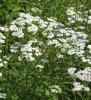
Each flower head resembles a small daisy, usually measuring about one-half to slightly more than one inch across. Approximately 10–15 white ray florets surround a raised yellow center made of numerous disc florets. The white rays may turn downward as the flower matures, and the yellow center becomes more raised or conical.
The Odor Is Useful but Should Be Tested Safely
Crushing or brushing the foliage releases a strong, unpleasant, acrid odor. This smell is one of the most useful field distinctions from several similar chamomiles, especially scentless or sweetly aromatic relatives. The odor has been described as fetid, rank, unpleasant, acrid, or strongly medicinal.
That does not mean the plant should be rubbed bare-handed or crushed directly against the nose for identification. The same chemistry that produces the odor may irritate or sensitize skin. Use gloves, take photographs, and rely on botanical characters rather than repeated skin contact.
Dogfennel Is an Ambiguous Common Name
In some regions, Dog Fennel or Dogfennel is used for Anthemis cotula. In much of the southeastern United States, however, Dogfennel means Eupatorium capillifolium, a tall native perennial that may exceed 3–6 feet and produces clusters of many small whitish flower heads rather than white daisy rays surrounding a yellow center.
Anthemis cotula is normally a shorter annual reproduced by seed. It has distinct white-and-yellow daisy heads. The two plants share finely divided foliage and a strong odor, but they should not share one toxicology page.
This common-name problem matters for pet owners and livestock keepers. A person saying “my animal ate dogfennel” may be describing two different plants with different growth habits, habitats, and toxicological concerns.
Other Chamomile-Like Plants
Pineappleweed, Matricaria discoidea, has a pineapple-like odor when crushed and lacks showy white ray florets. Scentless Chamomile, Tripleurospermum inodorum, lacks the characteristic offensive smell. Corn Chamomile, Anthemis arvensis, is less aromatic and has different fruit and receptacle characters.
Oxeye Daisy, Leucanthemum vulgare, has broader lobed leaves rather than finely divided threadlike foliage. German Chamomile usually has a hollow receptacle beneath the yellow center and a more familiar aromatic scent. Roman Chamomile is a separate perennial used medicinally and horticulturally.
Look-alike discussion should not be treated as botanical trivia. It prevents assigning the wrong risk to a safe tea product, an invasive pasture weed, a noxious agricultural contaminant, or a separate ornamental daisy.
Exact-Species Sesquiterpene Lactones
Research on the aerial portions of Anthemis cotula isolated six linear sesquiterpene lactones. These included anthecotuloide and several oxygenated or hydrogenated derivatives with unusual open-chain structures. Anthecotuloide is especially important because it is considered a potent contact allergen.
Sesquiterpene lactones can bind to proteins in skin and initiate delayed hypersensitivity, making repeated contact more clinically important than the amount visible on the coat or skin might suggest. The rash or swelling may appear after the animal has left the plant, which can obscure the cause unless the exposure history is carefully reconstructed.
The laboratory isolation of a compound does not establish its concentration in every plant or an animal toxic dose. Plant age, tissue, genetics, soil, climate, environmental stress, and handling may influence secondary chemistry.
Essential Oils Differ Between Plants and Regions
A modern analysis of Jordanian Stinking Chamomile found essential-oil yields of approximately 0.05% from flowers and 0.08% from leaves. Sesquiterpene hydrocarbons were the dominant chemical class in both oils. γ-Muurolene and aromadendrene were prominent in flower oil, while γ-muurolene and trans-cadinene ether were major leaf components.
Earlier investigations of plants from other regions reported different dominant constituents. This variation explains why a universal ingredient list built from one chamomile reference can be misleading. Climate, genetics, plant part, collection stage, drying, and extraction method affect the measured oil profile.
The veterinary page should identify the chemical classes and clinically relevant allergens without implying that every plant contains identical percentages. Animals encounter variable plant material, not a standardized laboratory sample.
Flavonoids Are Not the Main Poisoning Explanation
Apigenin and hispidulin were isolated from the aerial plant in exact-species research. Later chemical profiling also detected luteolin, vitexin, chlorogenic acid, cinnamic acid, ellagic acid, quercetin, kaempferol, and other phenolic compounds in selected extracts.
These constituents may have antioxidant or other laboratory activity, but that does not mean they are responsible for contact dermatitis or routine gastrointestinal poisoning. The more defensible clinical emphasis remains the volatile oil and sesquiterpene-lactone mixture.
This distinction protects the article from turning phytochemistry into false toxicology. A compound can be measurable, biologically interesting, or active in a laboratory assay without being the principal cause of a dog’s vomiting or a horse’s dermatitis after natural exposure.
Roots and Plant-Defense Chemistry
Roots have yielded polyacetylenes and prenylated hydroxyacetophenones, including compounds proposed to function as plant-defense chemicals. Their contribution to spontaneous veterinary poisoning has not been separated from the effects of lactones and volatile oils.
An animal digging up or consuming roots should therefore be evaluated based on the total exposure rather than on an assumption that only flowers and foliage are active. Soil, fertilizers, herbicides, mulch, mold, foreign material, and other weeds may also be involved.
Dogs and Cats
Most dogs and cats are expected to develop no signs or limited vomiting, diarrhea, appetite loss, oral discomfort, or skin irritation after a small accidental exposure. The acrid taste and unpleasant smell often discourage continued eating. Repeated chewing, rolling, grooming contaminated fur, or eating concentrated material increases concern.
Repeated exposure can occur when a pet habitually chews weeds, walks through an infested yard, rolls in freshly cut plants, or licks plant residue from the coat. Animals with a history of environmental allergies, atopic skin disease, prior Asteraceae exposure, or chronic licking may develop more pronounced dermatitis.
A pet repeatedly eating weeds may have boredom, pica, gastrointestinal disease, dietary imbalance, anxiety, nausea, dental disease, or another behavioral or medical issue that deserves separate evaluation. Removing the plant is necessary, but the reason for repeated plant eating may also need attention.
Horses and Livestock
Stinking Chamomile is usually avoided when adequate forage is available. Dense infestation, drought, overgrazing, confinement, contaminated hay, contaminated bedding, or chopped feed can reduce the animal’s ability to avoid it. The plant’s strong odor and bitter taste are not reliable safety controls when it has already been cut and mixed into feed.
Repeated plant contact may irritate the muzzle, face, limbs, udder, teats, belly, or other exposed skin. Ingestion may cause appetite loss, salivation, diarrhea, reduced production, or general discomfort. The plant’s strong odor can taint milk, butter, or meat after substantial grazing exposure.
Affected grazing animals should be moved to clean forage rather than being forced to continue eating around a dense infestation. Hay and bedding should be inspected because dried weeds may be harder for the animal to identify and avoid.
Rabbits, Guinea Pigs, Poultry, Birds, and Other Exotics
Rabbits, guinea pigs, chinchillas, tortoises, poultry, parrots, and other captive animals should not be offered Stinking Chamomile as browse, bedding, forage, enrichment, or dried “wild herb” material. Species-specific dose-response data are limited, and small animals may be affected by reduced appetite or diarrhea even when the original plant is only a moderate irritant.
Birds may shred flower heads, seeds, and stems, exposing the beak, tongue, skin, feathers, and gastrointestinal tract. Poultry may encounter seeds or chopped plants in yard waste. Rabbits and guinea pigs cannot vomit, so food refusal, reduced fecal output, diarrhea, tooth grinding, hunched posture, or weakness after exposure requires prompt attention.
The Bleeding Warning Requires Context
Poison-control literature states that long-term use can contribute to bleeding tendencies. This warning is most relevant to repeated herbal dosing, concentrated products, chronic ingestion, contaminated feed consumed over time, or exposure in an animal already taking anticoagulants, antiplatelet drugs, nonsteroidal anti-inflammatory medication, corticosteroids, chemotherapy, or other drugs affecting clotting or the stomach lining.
No validated amount or duration has been established for naturally grazing animals or household pets. A single small ingestion should not be assumed to cause delayed hemorrhage, but unexplained bleeding after repeated exposure must be taken seriously.
Blood in vomit, stool, urine, or saliva; unexplained bruising; prolonged bleeding; pale gums; weakness; or collapse should not be assigned casually to Stinking Chamomile. Rodenticide, liver disease, platelet disorders, medication effects, trauma, parasites, and gastrointestinal disease may be more urgent.
Diagnosis
Diagnosis is based on plant identification, exposure history, lesion pattern, and gastrointestinal signs. Photographs should show the entire plant, divided leaves, flower heads, stems, growing site, contaminated hay, bedding, product labels, and any material found in vomit or stool.
Skin disease may require examination for parasites, bacterial or fungal infection, contact with herbicides, insect bites, food allergy, environmental allergy, grooming-product reactions, moisture-associated dermatitis, or another toxic plant. Patch testing is used in human contact-allergy medicine but is not a routine home or general veterinary test for animals.
Blood testing may be unnecessary after a mild exposure. Persistent vomiting, dehydration, weakness, pallor, bruising, blood loss, prolonged illness, suspected concentrated product exposure, group illness, or anticoagulant medication may justify a complete blood count, serum chemistry, electrolytes, coagulation testing, urinalysis, fecal testing, and investigation for rodenticide or other toxins.
Veterinary Treatment and Prognosis
No specific antidote is available. Treatment centers on ending exposure, cleaning plant residue from the skin or coat, controlling itching and inflammation, treating vomiting or diarrhea, and correcting dehydration when necessary.
Veterinary medications may include antiemetics, fluids, skin treatment, pain control, antipruritic medication, ophthalmic treatment, or medications for a confirmed allergic response. Antibiotics are appropriate only when secondary infection is present or strongly suspected. Corticosteroids and antihistamines should be selected by the veterinarian rather than given automatically at home.
The prognosis is generally good after a limited exposure. Gastrointestinal signs often resolve within several hours to one or two days, while dermatitis may require longer treatment if the animal has become sensitized or has traumatized the skin through scratching and licking. Severe breathing signs, active bleeding, persistent vomiting, or group illness shifts the case into a more serious category.
Noxious-Weed Status and Safe Removal
Stinking Chamomile is a widespread introduced agricultural weed, but legal classification varies by jurisdiction. Some states, provinces, counties, or regions list it as a noxious, regulated, or priority weed; the designation is not uniform everywhere. Local weed-control rules should be checked before making legal or herbicide recommendations.
Wear gloves, long sleeves, and eye protection when removing dense stands, particularly when plants are flowering or when the worker has a history of Asteraceae sensitivity. Pull, hoe, cultivate, mow, or manage before seed matures, collect the vegetation, and keep animals away from the work area.
Do not place pulled plants in horse paddocks, livestock pens, rabbit areas, poultry runs, aviaries, goat yards, bedding piles, or accessible compost. If herbicides are used, follow the product label exactly and prevent animal access until the label permits reentry, grazing, haying, or feeding.
Immediate Steps After Ingestion
Prevent further exposure. Move the animal away from the plant, infested pasture, contaminated hay, pulled weeds, freshly cut vegetation, bedding, yard waste, or concentrated herbal product. Do not let other animals eat the same material while the first animal is being assessed.
- Remove loose plant material safely: If the animal is alert and cooperative, clear visible fragments from the lips and front of the mouth. Do not reach deeply into the throat or risk being bitten.
- Offer nothing by force: An alert animal swallowing normally may have access to clean water, but water, food, oil, milk, charcoal, or medication should not be forced into the mouth.
- Preserve identification evidence: Photograph the entire plant, leaves, flowers, habitat, hay, bedding, supplement container, herbal product label, and any material found in vomit or stool.
- Separate the exposure source: Bag or isolate pulled weeds, contaminated hay, chaff, bedding, or yard waste so the veterinarian can evaluate the full exposure.
- Contact a veterinarian or animal poison-control service: Report the species, weight, amount eaten, time of exposure, symptoms, medications, medical conditions, and whether exposure has occurred repeatedly.
After Skin or Coat Contact
Skin and coat decontamination is often more useful than gastrointestinal treatment when the exposure is mainly contact dermatitis. Plant residue can remain on fur, feathers, bedding, tack, blankets, halters, collars, leads, brushes, and human hands.
- Wear gloves while handling the animal: Plant residue capable of irritating the animal may also irritate or sensitize human skin.
- Rinse exposed fur and skin: Use lukewarm water and a veterinarian-approved mild cleanser when needed. Avoid aggressive scrubbing of inflamed areas.
- Prevent licking and scratching: Continued self-trauma can spread plant residue and convert mild dermatitis into open, infected wounds.
- Clean equipment and bedding: Wash blankets, collars, tack, bedding, grooming tools, carriers, crates, and surfaces that may carry plant residue.
- Watch delayed dermatitis: Redness, itching, swelling, papules, blisters, crusting, hair loss, or open sores may appear after the exposure rather than immediately.
Eye Exposure
- Rinse exposed eyes gently: Use sterile saline or clean lukewarm water and allow it to flow across the eye.
- Do not scrape or wipe the eye surface: Fingers, cloth, cotton swabs, and tweezers can worsen injury.
- Prevent rubbing: Stop the animal from pawing, rubbing the face on the ground, or rubbing against bedding and furniture.
- Seek care for persistent signs: Continued squinting, tearing, redness, swelling, cloudiness, discharge, light sensitivity, or inability to open the eye requires veterinary examination.
Do Not Attempt Unsupervised Home Treatment
- Do not induce vomiting: Hydrogen peroxide, salt, mustard, syrup of ipecac, dish soap, detergent, and manual gagging can cause gastrointestinal injury or aspiration. Cats should never receive hydrogen peroxide as a home emetic.
- Do not administer activated charcoal automatically: Its usefulness for this irritant plant is uncertain, and it may be aspirated by a vomiting, weak, sedated, or poorly coordinated animal.
- Do not force large amounts of water: Forced fluids do not neutralize the plant and may be inhaled into the lungs.
- Do not give antihistamines without professional direction: Medication choice and dose depend on the animal’s species, weight, other drugs, breathing, and severity of the reaction.
- Do not give Kapectolin, Kaopectate, sucralfate, loperamide, bismuth products, corticosteroids, antibiotics, human pain relievers, essential oils, or topical human creams: These products are not universal antidotes and may obscure or worsen another condition.
- Do not drench horses or livestock: Forced oral treatment may cause aspiration, particularly in an animal that is weak, coughing, salivating excessively, bloated, or swallowing abnormally.
When Emergency Examination Is Especially Important
- Facial or throat swelling is progressing: Swollen eyelids, lips, muzzle, tongue, or throat may signal a significant allergic or inflammatory reaction.
- Breathing is abnormal: Wheezing, noisy breathing, rapid respiratory effort, blue or gray gums, weakness, open-mouth breathing, or collapse requires immediate emergency care.
- Vomiting or diarrhea is repeated: Continuing fluid loss can cause dehydration and electrolyte imbalance.
- Blood is present: Blood in vomit, stool, urine, or saliva; unexplained bruising; prolonged bleeding; or pale mucous membranes requires investigation rather than routine home observation.
- Dermatitis is extensive: Blistering, open sores, marked swelling, spreading redness, severe itching, hair loss, or signs of infection need veterinary treatment.
- Several animals are affected: Group illness raises concern for contaminated hay, herbicide, another toxic plant, spoiled feed, bedding contamination, or a more concentrated exposure.
- The animal is very young, old, pregnant, medically fragile, or receiving anticoagulant medication: These factors may increase the consequences of vomiting, diarrhea, allergy, dehydration, or possible coagulation effects.
Veterinary Treatment and Recovery
Veterinary treatment is symptomatic and based on the route and severity of exposure. Skin reactions may require cleansing, veterinarian-selected anti-inflammatory or antipruritic medication, protection from self-trauma, and treatment of secondary infection. Eye exposure may require irrigation, fluorescein staining, pain control, and medication selected for the eye findings.
Vomiting and diarrhea may be treated with antiemetic medication, gastrointestinal support, diet management, and fluid or electrolyte therapy. A substantial allergic reaction may require injectable medication, oxygen, cardiovascular support, and airway monitoring. Medication choices depend on the animal’s species, weight, health status, current drugs, hydration, breathing, and the likelihood of co-exposures.
Coagulation testing may be appropriate when repeated exposure, concentrated herbal use, unusual bruising, active bleeding, anticoagulant medication, rodenticide exposure, or unexplained pallor is part of the history. The presence of Stinking Chamomile should not prevent investigation of more common and dangerous bleeding disorders.
Horse and Livestock Exposure
Move animals to clean forage, clean water, and uncontaminated bedding. Remove hay, chaff, pasture sections, pulled weeds, or feed suspected of containing Stinking Chamomile. Preserve a sample of the feed or hay before discarding everything because identification may matter if several animals become sick.
- Do not drench weak animals: Forced oral products can be aspirated when swallowing is abnormal.
- Inspect hay and bedding: Dried weeds may be harder for the animal to avoid and may expose the muzzle, skin, and gastrointestinal tract.
- Check skin-contact areas: Look at the muzzle, lower limbs, udder, teats, belly, sheath, and areas under tack, blankets, halters, or straps.
- Investigate group illness: Multiple sick animals may indicate herbicide, contaminated feed, another weed, mold, spoiled feed, water contamination, infectious disease, or a concentrated exposure.
Prevention, Prognosis, and Follow-Up
Most mildly affected animals recover completely within several hours to one or two days after ingestion ends. Contact dermatitis may take longer to resolve, particularly after repeated exposure, allergic sensitization, secondary infection, or self-trauma from licking and scratching.
- Remove the plant source: Do not allow repeated contact with the same infested yard, paddock, bedding, hay, or pulled weeds.
- Prevent seed spread: Clean equipment, machinery, footwear, hay areas, and bedding sources that may move seed between sites.
- Use protective clothing during removal: Gloves, long sleeves, and eye protection reduce human dermatitis risk.
- Do not compost where animals can reach it: Pulled plants should not be placed in accessible compost, poultry runs, rabbit areas, goat yards, horse paddocks, or livestock pens.
- Reevaluate persistent illness: Ongoing vomiting, diarrhea, dermatitis, eye pain, bleeding, weakness, or group illness deserves reassessment for co-exposures or another diagnosis.
Frequently Asked Questions About Stinking Chamomile and Animal Poisoning
Is Stinking Chamomile the same plant used to make chamomile tea?
No. Stinking Chamomile is Anthemis cotula, an acrid, foul-smelling weed associated with dermatitis and gastrointestinal irritation. German Chamomile is Matricaria chamomilla, and Roman Chamomile is Chamaemelum nobile. Tea, extracts, shampoos, essential oils, and herbal products may contain one species or a mixture, so the exact ingredient list matters during a suspected exposure.
Why is Anthemis cotula called Dogfennel if it is not fennel?
The name refers to its finely divided leaves, which superficially resemble fennel foliage. It is a member of the daisy family rather than the carrot family and does not produce true fennel seeds. “Dogfennel” also commonly refers to Eupatorium capillifolium, a much taller native perennial with a different appearance and toxicological profile.
What are the most important toxins in Stinking Chamomile?
The most clinically relevant constituents are irritating volatile oils and allergenic sesquiterpene lactones. Exact-species research has isolated six linear lactones, including anthecotuloide and several related compounds. Polyacetylenes, flavonoids, phenolic acids, tannin-like substances, and other compounds are also present, but they have not all been shown to cause the recognized veterinary syndrome.
What is anthecotuloide, and why is it important?
Anthecotuloide is an unusual linear sesquiterpene lactone isolated from Anthemis cotula. It is considered a potent contact allergen. After sensitization, repeated skin contact may trigger delayed immune-mediated dermatitis, with redness, itching, swelling, papules, vesicles, or crusting that develops after the animal has left the plant.
Can touching Stinking Chamomile poison an animal without ingestion?
Yes. Crushed foliage, flowers, sap, pollen-bearing material, and plant residue can irritate the skin and may cause allergic contact dermatitis. Lesions are most likely where the muzzle, face, legs, belly, udder, teats, or other exposed areas repeatedly brush against the plant. An animal may worsen the reaction by licking or scratching and may transfer residue from the coat into the mouth or eyes.
What signs are expected after a dog or cat eats the plant?
The most likely signs are drooling, vomiting, diarrhea, reduced appetite, abdominal discomfort, lethargy, or irritation around the mouth. Many animals stop after tasting the acrid foliage, limiting the dose. Repeated vomiting, severe diarrhea, blood, marked weakness, tremors, breathing difficulty, or illness lasting more than a day or two requires veterinary assessment and investigation for another toxin or disease.
Can Stinking Chamomile cause a dangerous allergic reaction?
Most reactions are localized to the skin, but a sensitized animal may develop swollen eyelids, lips, muzzle, hives, or extensive itching. Rapidly increasing facial or throat swelling, wheezing, noisy breathing, blue or gray gums, profound weakness, or collapse is an emergency. It is not safe to assume that all swelling will remain mild.
What does the warning about bleeding tendencies mean?
Poison-control references warn that long-term use may increase bleeding tendencies, but an exact veterinary dose and mechanism have not been established for Anthemis cotula. The concern is more relevant to repeated herbal administration, concentrated products, chronic contaminated-feed exposure, or animals already receiving anticoagulants, antiplatelet medication, or nonsteroidal anti-inflammatory drugs. One small accidental exposure is not expected routinely to cause hemorrhage.
Is Stinking Chamomile poisonous to horses and livestock?
Yes, although it is usually avoided because of its strong odor and acrid taste. Horses and livestock may develop mouth irritation, reduced feed intake, diarrhea, dermatitis, or allergic reactions after grazing dense stands or eating contaminated hay. Plant contact may irritate the muzzle, udder, teats, legs, or belly, and substantial grazing can taint milk or meat with an unpleasant odor or flavor.
Is dried mayweed in hay still a concern?
Yes. Drying may reduce some volatile material but does not guarantee that allergenic lactones and other irritants are eliminated. Animals also lose the ability to select around individual weeds once plants are cut, dried, and mixed into hay or chaff. Heavily contaminated feed should be removed and evaluated rather than offered because the fresh weed is normally unpalatable.
Should I make my dog or cat vomit after ingestion?
No, not unless a veterinarian or animal poison-control specialist specifically directs it. Hydrogen peroxide can cause severe gastric irritation, prolonged vomiting, and aspiration and is particularly inappropriate for cats. Most cases involve irritant gastrointestinal effects rather than a toxin that requires automatic home emesis.
Is activated charcoal useful for Stinking Chamomile poisoning?
Activated charcoal is not a universal antidote and is not automatically necessary for this plant. It may provide limited benefit for local irritants and can be aspirated by an animal that is vomiting, weak, sedated, or swallowing poorly. A veterinarian should decide whether the amount, preparation, route, and timing justify its use.
Should antihistamines be given for swelling or itching?
Not automatically. Antihistamines do not remove plant residue, do not treat every inflammatory pathway, and may be unsafe or poorly dosed without species-specific guidance. Facial swelling, throat swelling, breathing difficulty, collapse, or extensive dermatitis requires veterinary assessment. Mild localized itching may still need cleaning, prevention of self-trauma, and treatment selected for the individual animal.
Can Stinking Chamomile hurt a pet’s eyes?
Yes. Sap, pollen-bearing debris, dust from dried plants, or contaminated fur can irritate the eye. Flush gently with sterile saline or clean lukewarm water, prevent rubbing, and seek veterinary examination for continued squinting, tearing, redness, cloudiness, discharge, eyelid swelling, light sensitivity, or obvious pain.
Is Stinking Chamomile dangerous to rabbits, guinea pigs, or birds?
It should not be offered to them. Species-specific dose-response data are limited, but rabbits and guinea pigs may develop food refusal, reduced fecal output, diarrhea, or weakness after irritating plant exposure, and birds may shred seeds, flower heads, and stems. Captive animals should not be given Stinking Chamomile as browse, bedding, forage, cage greenery, or enrichment.
How can Stinking Chamomile be distinguished from safer chamomile-like plants?
Stinking Chamomile is an annual with finely divided leaves, small white-and-yellow daisy heads, and a strong offensive odor when the plant is brushed or crushed. Pineappleweed lacks white rays and smells like pineapple, while Scentless Chamomile lacks the characteristic foul odor. Because direct handling can cause dermatitis, photographs and extension or botanical identification are safer than repeated bare-handed crushing of an unknown plant.
Can a pet react worse after repeated exposure?
Yes. Sesquiterpene lactones can cause delayed allergic contact dermatitis after sensitization. An animal may show a mild response the first time and a stronger rash, itching, swelling, or self-trauma after later contact. Repeated rolling, grazing, bedding exposure, or grooming contaminated fur should be stopped rather than treated as harmless because prior signs were mild.
What if several animals get sick after eating hay?
Remove the hay or chaff, preserve samples, and contact a veterinarian. Group illness may involve Stinking Chamomile, another weed, herbicide, mold, spoiled feed, contaminated water, infectious disease, or a nutritional problem. Do not assume one visible weed explains every sign without inspecting the entire feed source.
Can Stinking Chamomile taint milk or meat?
Substantial grazing of strong-smelling mayweed can taint milk, butter, or meat with an unpleasant odor or flavor. This is a farm-management concern as well as an animal-health concern. Animals should be moved to clean forage and feed contamination should be corrected before exposure continues.
What is the usual prognosis?
The prognosis is generally good after a limited exposure. Mild vomiting, diarrhea, appetite loss, or oral irritation often improves within several hours to one or two days. Dermatitis can persist longer, especially after repeated contact or allergic sensitization. Breathing difficulty, extensive skin injury, dehydration, active bleeding, group illness, or persistent illness makes the case more serious and requires veterinary treatment.
How should Stinking Chamomile be removed safely around animals?
Wear gloves, long sleeves, and eye protection, especially when plants are flowering or dense. Pull or control plants before seed matures, collect the vegetation, and keep animals away from the work area. Do not place pulled plants in horse paddocks, livestock pens, rabbit areas, poultry runs, aviaries, goat yards, accessible compost, or bedding piles.