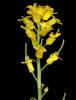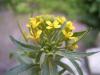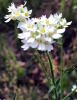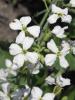
White, Yellow, Black, and Indian Mustard Glucosinolate Poisoning, Seed-Meal Exposure, Nitrate Risk, Sulfur Polioencephalomalacia, and Forage Brassica Syndromes
Are White, Black, Yellow, and Indian Mustards Poisonous to Dogs, Cats, Horses, and Livestock?
Yes—white, yellow, black, and Indian mustards should be considered poisonous to horses and potentially hazardous to dogs, cats, cattle, sheep, goats, pigs, camelids, rabbits, birds, and other animals when eaten in substantial quantities, as concentrated seed or meal, or as contaminated forage. This page covers several related but distinct mustard plants: white or yellow mustard, Sinapis alba; black mustard, currently accepted as Mutarda nigra but still widely known as Brassica nigra; and Indian, brown, Oriental, or Sarepta mustard, currently accepted as × Brassarda juncea but still overwhelmingly known in agriculture as Brassica juncea.
Mustards use a glucosinolate-myrosinase defense system. When leaves, stems, pods, seeds, or seed meal are chewed, ground, crushed, chopped, frozen, or moistened, myrosinase enzymes hydrolyze glucosinolates into pungent isothiocyanates and related products. These compounds can irritate the mouth, throat, stomach, and intestines. Typical signs include drooling, lip licking, mouth irritation, feed refusal, abdominal pain, colic, vomiting in species capable of vomiting, diarrhea, poor appetite, and depression. Horses are a special concern because they cannot vomit and may present with salivation, feed refusal, colic, loose manure, and abdominal distress instead of emesis.
Serious livestock disease usually involves more than one small bite. Bulk grazing, mustard-dominated pasture, drought-stressed or heavily fertilized forage, contaminated hay, seed-cleaning waste, concentrated seed meal, mustard powder, high-sulfur rations, low-iodine diets, SMCO-rich brassica forage, high-nitrate plants, or mustard grown on contaminated soil can cause much more severe syndromes. Depending on the exposure, animals may develop methemoglobinemia, hemolytic anemia, goiter, poor reproduction, bloat, liver disease, photosensitization, sulfur-associated polioencephalomalacia, heavy-metal toxicosis, pesticide exposure, collapse, seizures, or death. These syndromes should be diagnosed by the clinical pattern and feed analysis, not blamed automatically on “mustard oil” alone.
About this guide: This page provides general pet-poisoning information and cannot diagnose or treat an individual animal. For any suspected exposure, contact a veterinarian or animal poison-control service immediately. Do not induce vomiting, give medication, or attempt home decontamination unless directed by a veterinary professional.
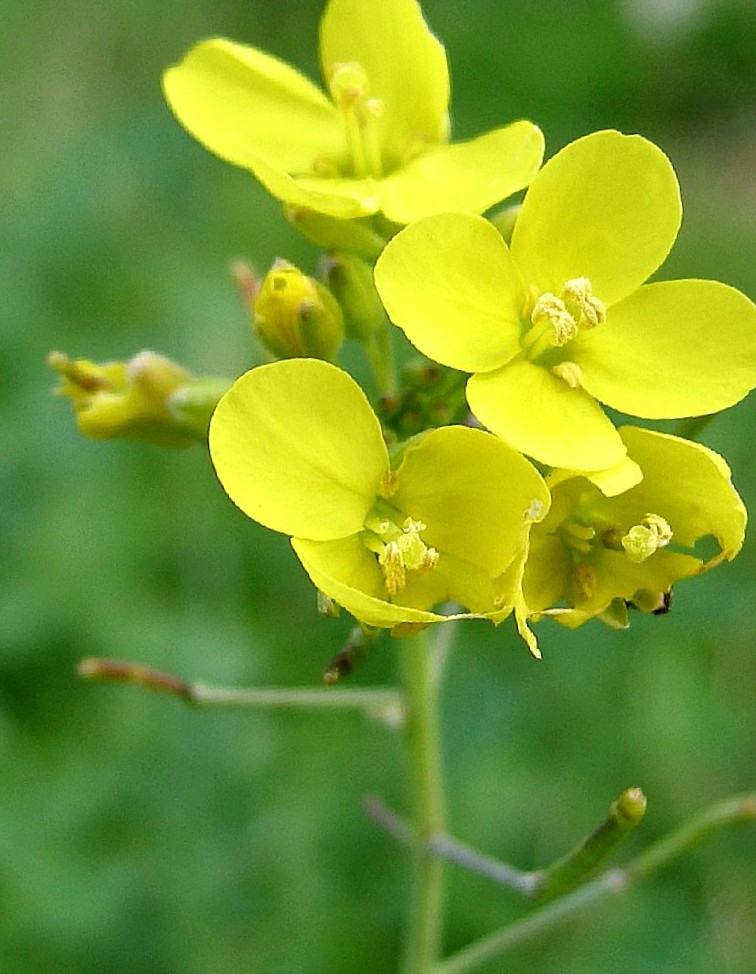
White/Black/Yellow Indian Mustard
This common-name title covers several mustard plants rather than one botanical species.
White or Yellow Mustard:
- Sinapis alba L.
Important synonyms and historical names for white or yellow mustard include:
- Brassica alba (L.) Rabenh.
- Brassica hirta Moench
- Leucosinapis alba (L.) Spach
- Raphanus albus (L.) Crantz
- Sinapis alba subsp. alba
Black Mustard:
- Mutarda nigra (L.) Bernh.
The traditional and still widely used agricultural, culinary, and veterinary name for black mustard is:
- Brassica nigra (L.) W.D.J.Koch
Additional historical names for black mustard include:
- Sinapis nigra L.
- Rhamphospermum nigrum (L.) Al-Shehbaz
Indian, Brown, Oriental, or Sarepta Mustard:
- × Brassarda juncea (L.) Su Liu & Z.H.Feng
The traditional and overwhelmingly familiar agricultural, food, oilseed, and veterinary name for Indian or brown mustard is:
- Brassica × juncea (L.) Czern.
Taxonomic and agricultural note:
- × Brassarda juncea is treated as a cultivated hybrid derived from Brassica rapa and Mutarda nigra.
- Veterinary, agricultural, feed, culinary, and toxicology sources frequently continue to group these plants under Brassica species even though current botanical treatments do not place all three within Brassica.
Important non-synonym confusion names:
- Barbarea vulgaris W.T.Aiton — yellow rocket, wintercress, or St. Barbara’s herb; separate Brassicaceae species and not yellow mustard
- Barbarea verna (Mill.) Asch. — land cress or upland cress; separate species, not true white, black, or Indian mustard
- Cardamine spp. — bittercress species; separate Brassicaceae plants
- Nasturtium officinale W.T.Aiton — watercress; separate aquatic Brassicaceae species
- Brassica napus L. — rapeseed, canola, swede, or rutabaga complex depending on crop type; related brassica but not the same as white, black, or Indian mustard
- Brassica rapa L. — turnip, field mustard, pak choi, bok choy, or related crop types; important forage-brassica comparison but not the same page title
Brassicaceae — Mustard or Crucifer Family
The conserved alternate family name is Cruciferae. Brassicaceae includes mustards, cresses, rockets, cabbages, turnips, rapeseed, canola, kale, radish, horseradish, and many pasture weeds. Family membership is useful because glucosinolate-myrosinase chemistry is widespread in the group, but it should not be used to make every Brassicaceae plant toxicologically identical. White/yellow mustard, black mustard, Indian/brown mustard, yellow rocket, canola, turnip, kale, and watercress differ in species identity, glucosinolate profile, forage use, nitrate/sulfur risk, and animal-poisoning evidence.
White Mustard; Yellow Mustard; English Mustard; White Mustard Seed; Yellow Mustard Seed; Pale Mustard Seed; Mild Mustard; Sinapis alba; Brassica alba; Brassica hirta.
Black Mustard; Black Mustard Seed; True Black Mustard; Brown-Black Mustard; Strong Mustard; Mutarda nigra; Brassica nigra; Sinapis nigra; Rhamphospermum nigrum.
Indian Mustard; Brown Mustard; Oriental Mustard; Sarepta Mustard; Leaf Mustard; Mustard Greens; Chinese Mustard; Brown Mustard Seed; Indian Mustard Seed; Rai; Raya; Sarson; × Brassarda juncea; Brassica × juncea; Brassica juncea.
“Yellow mustard” most often refers to white mustard, Sinapis alba, and to the mild commercial condiment produced mainly from its pale seeds. “Indian mustard,” “brown mustard,” “Oriental mustard,” and “Sarepta mustard” generally refer to × Brassarda juncea, traditionally Brassica juncea. “Black mustard” traditionally appears in older agriculture and veterinary sources as Brassica nigra, even though current POWO treatment accepts Mutarda nigra.
Bittercress, common cress, Indian posey, land cress, St. Barbara’s herb, St. Barbarba herb, scurvy cress, upland cress, yellow rocket, and wintercress belong primarily to Barbarea, Cardamine, or other separate genera and are not accurate universal synonyms for white, black, yellow, or Indian mustard. Watercress is Nasturtium officinale and is also a separate species. These names matter because a hayfield weed, forage crop, seed product, or pet exposure should be identified by the actual plant, not by a loose “mustard/cress” common-name cluster.
The Glucosinolate-Myrosinase Defense System
White, yellow, black, and Indian mustards do not contain one preformed poison called “mustard toxin.” Their principal defense system consists of glucosinolates and the enzyme myrosinase, also called thioglucosidase. In intact plant tissue, those components are largely separated within different cells or cellular compartments. Chewing, grinding, chopping, crushing, freezing, mowing, seed milling, or moistening ruptures the compartments and allows myrosinase to hydrolyze the glucosinolates.
The first hydrolysis product is an unstable aglycone. It rapidly rearranges into different biologically active products depending on the original glucosinolate, plant proteins, pH, iron, temperature, moisture, tissue damage, rumen conditions, gut microbes, and processing. Final products may include isothiocyanates, thiocyanates, nitriles, epithionitriles, oxazolidine-2-thiones, indole derivatives, elemental sulfur, and other related compounds. This activated chemical defense is often called the mustard-oil bomb because the sharp compounds are generated when the plant is damaged.
For animals, this means exposure changes with form. A living leaf, a mature seed pod, whole seed, ground seed, mustard powder, wet seed meal, ensiled forage, hay contamination, seed-cleaning waste, and a commercial feed product are not equivalent. Grinding and moisture can make seed chemistry much more available. Bulk forage can create chronic or systemic livestock syndromes even when one taste would only irritate the mouth or stomach.
Sinigrin, Allyl Isothiocyanate, and Strong Mustards
Black mustard and many Indian or brown mustard varieties are especially associated with sinigrin, an allyl glucosinolate. When myrosinase hydrolyzes sinigrin under suitable moisture and pH conditions, a major product is allyl isothiocyanate. This volatile mustard oil gives black and brown mustard their sharp heat, eye-watering odor, and strong irritant character.
Allyl isothiocyanate is antimicrobial and strongly irritating to mucous membranes. Concentrated exposure can inflame the lips, gums, tongue, throat, esophagus, stomach, and intestine. Animals may drool, refuse feed, vomit if capable of vomiting, develop diarrhea, show abdominal pain, or develop colic. Powder or aerosolized crushed seed can also irritate the eyes, nose, and upper airway.
Volatility does not make old plant material automatically safe. Intact glucosinolates may remain in seed or plant tissues until the material is chewed, crushed, hydrated, fermented, or digested. Mustard seed in a feed mix, seed-cleaning waste, or poorly processed meal can carry a concentrated glucosinolate burden even if it does not smell as strong as freshly mixed mustard powder.
Sinalbin and White or Yellow Mustard
White or yellow mustard, Sinapis alba, is chemically different from black mustard. Its characteristic glucosinolate is sinalbin, also called 4-hydroxybenzyl glucosinolate. Hydrolysis can form 4-hydroxybenzyl isothiocyanate, but this product is less stable than allyl isothiocyanate and can break down into additional phenolic, thiocyanate, and nitrile products.
This chemistry helps explain why prepared yellow mustard is usually milder than brown or black mustard. Milder culinary flavor does not make the raw plant, seed, powder, or concentrated seed meal unrestricted animal feed. Large amounts can still irritate the digestive tract and contribute to goitrogenic or nutritional problems when they become a significant portion of the diet.
Isothiocyanates Are Important but Not the Whole Story
Isothiocyanates are often the most immediately irritating hydrolysis products. They explain much of the acute mouth, stomach, intestinal, nose, and eye irritation associated with mustard plants and seeds. They should not be used as the only explanation for every severe brassica-related livestock case.
Nitriles may form when plant or digestive conditions favor nitrile production over isothiocyanates. Experimental work with glucosinolate-derived nitriles has produced hepatic, biliary, pancreatic, and renal injury in laboratory animals, and nitrile derivatives remain important suspects in some brassica-associated liver disease and photosensitization outbreaks. Their field importance depends on mustard species, cultivar, plant part, rumen pH, microbial metabolism, total dose, and which hydrolysis pathway dominates.
Thiocyanates and goitrin-related compounds interfere with thyroid function through different mechanisms. Thiocyanate competes with iodide uptake by the thyroid, while goitrin can interfere with thyroid-hormone synthesis and secretion. Chronic high intake may contribute to thyroid enlargement, reduced growth, poor reproductive performance, weak offspring, or reduced milk production, especially when dietary iodine is already marginal.
Seeds, Mustard Powder, Mustard Oil, and Seed Meal
Seeds and seed meals deserve particular caution because glucosinolate concentrations can greatly exceed those in ordinary foliage. Milling the seed thoroughly disrupts the tissue. Moisture activates myrosinase. Concentrated mustard powder or wet meal can therefore generate much more irritant chemistry than an animal would receive from briefly chewing one green leaf.
Commercial mustard meal can have legitimate uses as fertilizer, biofumigant, industrial feedstock, or a carefully processed and formulated ingredient in some rations. None of those uses means raw mustard meal, seed-cleaning waste, biofumigant meal, or fertilizer-grade meal can be poured into a horse, cattle, goat, pig, poultry, or pet ration without analysis. Variety, processing, residual oil, glucosinolate content, myrosinase activity, moisture, palatability, and inclusion rate matter.
Low-glucosinolate canola meal is not chemically equivalent to untreated black-mustard or Indian-mustard meal. Feed labels, laboratory analysis, and qualified nutrition formulation should determine whether a product is appropriate for the species, age, pregnancy status, production stage, and total ration.
Nitrate Accumulation and Methemoglobinemia
Mustards and related brassicas can accumulate nitrate when nitrogen uptake exceeds the plant’s ability to convert it into protein. Heavy nitrogen fertilization, manure application, drought, reduced sunlight, cloudy weather, cold injury, frost, herbicide stress, plant disease, and rapid growth after rain can increase risk. Hay curing does not reliably remove nitrate, and ensiling may reduce nitrate only under suitable conditions; testing is still needed.
Ruminants are especially susceptible because rumen microorganisms convert nitrate into nitrite. Nitrite enters the bloodstream and oxidizes hemoglobin into methemoglobin, which cannot carry oxygen effectively. Affected animals can suffocate internally despite breathing air. Weakness, rapid breathing, anxiety, tremors, staggering, collapse, blue-gray or muddy mucous membranes, and chocolate-brown blood are emergency clues.
Nitrate poisoning is not the same as ordinary mustard-oil irritation. It requires forage testing, blood or clinical confirmation when possible, and veterinarian-directed treatment. Methylene blue may be lifesaving for confirmed or strongly suspected nitrate-induced methemoglobinemia, but it can be dangerous when the diagnosis, species, or dose is wrong and should not be owner-administered.
SMCO and Oxidative Hemolytic Anemia
Some brassica plants contain S-methylcysteine sulfoxide, abbreviated SMCO. Rumen microorganisms convert SMCO into sulfur-containing oxidants, including dimethyl disulfide and related compounds. These oxidatively damage red blood cells. Heinz bodies form, erythrocytes rupture prematurely, and the animal develops hemolytic anemia.
This syndrome is particularly associated with heavy consumption of kale and certain forage brassicas. It is a broader brassica hazard, not proof that every white, black, or Indian mustard exposure causes hemolysis. When it occurs, signs usually develop over days rather than minutes and may include weakness, depression, pale mucous membranes, jaundice, rapid breathing, rapid pulse, exercise intolerance, and red-brown urine from hemoglobinuria.
SMCO hemolysis is most relevant when mustard or related brassica forage becomes a major dietary component, when animals are introduced too rapidly, or when several oxidant risks are present. A dog or horse taking one small bite of mustard leaf should not be told to expect Heinz-body anemia, but a ruminant herd on heavy brassica forage deserves monitoring.
Sulfur, Hydrogen Sulfide, and Polioencephalomalacia
Brassica plants concentrate sulfur because sulfur is required to manufacture glucosinolates and other compounds. A mustard or brassica crop that is acceptable by itself can become hazardous when combined with high-sulfate water, sulfur-rich mineral supplements, distillers grains, molasses products, certain byproducts, or another high-sulfur feed.
Rumen microorganisms can convert excessive sulfur to hydrogen sulfide. Inhalation of eructated hydrogen sulfide from the rumen is associated with sulfur-induced polioencephalomalacia. This neurologic syndrome may cause dullness, separation from the herd, aimless wandering, blindness, head pressing, abnormal eye position, incoordination, tremors, recumbency, seizures, and death.
Sulfur-associated polioencephalomalacia is a ration and water problem. It should not be diagnosed from the plant name alone. The complete diet, water sulfate, mineral program, byproducts, forage analysis, and neurologic findings must be evaluated together.
Goitrogens and Thyroid Effects
Glucosinolate hydrolysis products can interfere with thyroid function. Thiocyanate competes with iodide uptake by the thyroid gland. Goitrin and related oxazolidine-2-thiones can impair thyroid-hormone synthesis and secretion. Chronic exposure may create a functional iodine problem even when the ration contains some iodine.
Growing, pregnant, and lactating animals are especially vulnerable to poorly balanced high-brassica diets. Possible outcomes include thyroid enlargement, poor growth, rough hair or wool, reduced performance, reduced milk production, reproductive failure, weak newborns, hairless or poorly developed offspring, and poor thermoregulation. These are chronic ration problems rather than the expected result of one small exposure.
Adding iodine blindly is not safe. Excess iodine can also disrupt thyroid function, and supplementation should be based on ration analysis, water chemistry, glucosinolate intake, species requirements, and veterinary or nutritionist guidance.
Brassica-Associated Liver Disease and Photosensitization
Cattle grazing turnips, forage rape, swedes, kale, and related brassica crops have developed liver injury and severe photosensitization. The damaged liver may fail to excrete phylloerythrin, a normal chlorophyll-breakdown product. Phylloerythrin then circulates to the skin and becomes phototoxic under sunlight, especially on white or lightly pigmented areas.
Mustard plants should be discussed in that broader forage-brassica context, but the evidence should stay precise. Photosensitization is much better documented with certain forage brassicas than with an isolated taste of condiment mustard. The exact toxin responsible for every brassica-associated liver outbreak has not been settled. Glucosinolate-derived nitriles and isothiocyanates are plausible contributors in some settings, but one universal phototoxin should not be named without evidence.
Environmental Contaminants and Phytoremediation
Indian mustard has been studied for phytoremediation because it grows rapidly and can take up certain elements from contaminated soil or water. Under experimental or contaminated-site conditions, Brassica juncea and related mustard material have accumulated selenium and metals such as lead, chromium, cadmium, nickel, zinc, and copper. This ability is useful in environmental cleanup but dangerous if contaminated biomass is treated as animal feed.
Not every mustard plant is contaminated. The growing site determines this hazard. Mustard collected from mine waste, industrial ground, remediation plots, sewage-amended soil, roadsides, drainage ditches, demolition sites, treated rights-of-way, or unknown sprayed ground should never be fed to animals without appropriate analysis.
Pesticides, herbicides, fertilizers, and fungicides are separate contaminants, not natural mustard toxins. If animals become ill after eating mustard from treated ground, the plant sample, feed, water, field-treatment history, and product labels must be preserved because the clinical syndrome may be driven by the chemical residue rather than by glucosinolates.
No Universal Toxic Dose Exists
No validated universal toxic dose exists for white, yellow, black, or Indian mustard in dogs, cats, horses, cattle, sheep, goats, pigs, camelids, rabbits, poultry, birds, reptiles, or people. Risk depends on the exact species, plant part, maturity, seed content, amount eaten, processing, moisture, glucosinolate profile, nitrate level, sulfur level, SMCO content, iodine status, contaminants, animal species, pregnancy status, rumen adaptation, and the rest of the ration.
The practical distinction is exposure scale. One or two bites of fresh foliage usually creates a very different risk from a hay bale full of mustard, a dense drought-stressed stand, a bucket of seed waste, wet ground seed meal, a biofumigant product, or mustard grown on contaminated soil. The response should match the actual exposure.
Most Direct Exposures Cause Gastrointestinal Irritation
The most predictable syndrome after eating true mustard plants is gastrointestinal irritation. Activated mustard compounds can irritate the mouth, throat, esophagus, stomach, and intestines. An affected animal may drool, lick the lips, refuse food, show abdominal discomfort, vomit if the species is capable of vomiting, and develop soft stool or diarrhea.
The pungent vapors and powders from crushed seed can also irritate the nose, eyes, throat, and upper airway. A dog that inhales mustard powder or a horse fed dusty seed waste may cough, sneeze, tear, shake the head, or resist the feed. Eye and nose irritation from powder is different from the chronic photosensitization syndromes seen in some forage-brassica liver cases.
Mild signs after a small foliage exposure may resolve after access ends. Persistent vomiting, repeated diarrhea, dehydration, severe pain, abdominal distention, weakness, abnormal mucous-membrane color, or signs in multiple animals are not a simple “mustard upset stomach” and require veterinary evaluation.
Dogs and Cats
Direct clinical case evidence for living white, black, or Indian mustard plants in dogs and cats is limited. Most small companion-animal ingestions are expected to cause no signs or gastrointestinal irritation rather than the complex chronic ruminant syndromes described after heavy forage exposure. Possible signs include drooling, lip licking, vomiting, diarrhea, abdominal discomfort, reduced appetite, depression, coughing after powder exposure, or eye irritation.
Concentrated products create a different risk. Mustard powder, mustard oil, seed meal, large amounts of raw mustard greens, seed bags, crop products, and contaminated plants can produce much greater exposure. Prepared condiments may contain salt, onion, garlic, alcohol, sweeteners, spices, vinegar, or other ingredients that change the toxicologic assessment. Product labels matter.
Repeated vomiting, marked abdominal pain, bloating, weakness, tremors, breathing difficulty, collapse, dark urine, blue-gray gums, or any exposure involving a concentrated oil, large seed quantity, pesticide-treated plant, or unknown product should be discussed promptly with a veterinarian or poison specialist.
Horses
Horses are a key species for this page because the practical poison-plant listing for White/Black/Yellow Indian Mustard specifically identifies horses and emphasizes isothiocyanates, gastrointestinal irritation, and colic. A horse that eats enough plant or seed material may salivate, refuse feed, become depressed, develop abdominal pain, and pass loose manure.
Horses cannot vomit. Vomiting should not appear as an expected equine sign. Instead, watch for pawing, flank watching, stretching, lying down repeatedly, rolling, reduced appetite, reduced manure, diarrhea, abdominal distention, rapid pulse, sweating, depression, weakness, or collapse. Severe abdominal pain, bloat-like distention, reduced manure, persistent diarrhea, or a newly opened hay batch containing mustard or yellow rocket warrants prompt examination.
Mustard-filled hay, seed-cleaning waste, seed pods, or pulled weeds in a wagon are more dangerous than a horse sampling a few plants in a mixed field. Feed refusal and colic after a new hay lot or pasture change should trigger immediate inspection and retention of the material for identification and analysis.
Cattle, Sheep, Goats, and Other Ruminants
Ruminants may tolerate many properly managed brassica forages, but they are also the group most likely to develop complex syndromes when intake is excessive, abrupt, unbalanced, or contaminated. Cattle, sheep, goats, and camelids consuming large amounts may show reduced rumen contractions, bloat, salivation, poor appetite, abdominal discomfort, constipation or diarrhea, reduced milk production, poor weight gain, and depression.
These animals may receive meaningful exposure when mustard dominates a drought-stressed pasture, weeds are incorporated into hay, green chop contains mustard, seed meal is added without formulation, or hungry animals are turned onto unfamiliar brassica forage. A group exposure is often uneven. Dominant animals may consume more, hungry animals may gorge, and one part of a field may contain higher nitrate or contaminant concentrations than another.
Because several different mechanisms are possible, signs should be sorted by syndrome. Bloat and diarrhea suggest rumen and gastrointestinal disturbance. Blue-gray or chocolate-brown mucous membranes suggest nitrate/methemoglobin. Pale or yellow mucous membranes with dark urine suggest hemolysis. Blindness and head pressing suggest polioencephalomalacia or another neurologic disease. Skin sloughing on white areas suggests photosensitization and possible liver disease.
Pigs, Poultry, Rabbits, Birds, Reptiles, and Other Animals
Pigs may eat garden waste, seed meal, crop residues, or feed products and may show vomiting, diarrhea, abdominal pain, depression, poor appetite, or reduced performance after excessive exposure. Poultry may peck seeds or meal and may be affected by high-glucosinolate or contaminated feed products if inclusion is inappropriate. Rabbits and guinea pigs should not be offered mustard weeds, seed pods, concentrated meal, or unknown cress/mustard forage as casual greens.
Birds, reptiles, and tortoises should not be given wild mustard plants, yellow rocket, wintercress, or unidentified Brassicaceae weeds as enrichment or browse. Safe doses are not established for many species, and concentrated seed chemistry or contaminants can make a plant exposure very different from a small culinary vegetable taste. Food refusal, abnormal droppings, weakness, tremors, respiratory change, or neurologic signs after exposure warrants species-appropriate veterinary advice.
Nitrate Poisoning Signs
If mustard or related brassica material contains excessive nitrate, the clinical picture can change rapidly. Early findings may include anxiety, weakness, rapid heart rate, rapid or labored breathing, excessive salivation, tremors, frequent urination, staggering, collapse, and sudden death. Mucous membranes may appear gray, blue, muddy, or chocolate-brown. Blood may be chocolate brown because methemoglobin cannot carry oxygen normally.
Pregnant animals may abort or lose fetuses after serious but nonfatal nitrate exposure. Survivors may appear weak, oxygen-starved, or exercise-intolerant until methemoglobin resolves. This is an emergency syndrome and should not be treated with household stomach remedies. Feed and water testing are essential when multiple animals are affected.
SMCO-Associated Hemolytic Anemia
SMCO-associated hemolytic anemia develops over days rather than minutes. Affected ruminants may become weak, depressed, pale, jaundiced, short of breath, and intolerant of exercise. The heart rate may rise as the body attempts to compensate for the loss of oxygen-carrying red blood cells. Urine may turn red-brown from hemoglobin.
Severe anemia can produce collapse and death. This syndrome is better documented with kale and certain forage brassicas than with one small mustard-weed exposure, but it remains relevant when mustard or related brassica forage forms a substantial part of the ration. Diagnosis may require packed-cell volume, blood smear, Heinz-body assessment, bilirubin, urine testing, and feed review.
Goitrogenic and Reproductive Signs
Chronic high intake of goitrogenic glucosinolate products may cause thyroid enlargement, poor growth, rough hair or wool, poor weight gain, reduced fertility, weak offspring, stillbirths, hairless or poorly developed newborn animals, and decreased milk production. These signs are most likely when high-glucosinolate feed forms a substantial portion of the ration and iodine intake is inadequate or marginal.
These are not acute signs after one taste. They point to a ration problem. The complete diet, mineral program, water, iodine intake, glucosinolate content, and production stage must be reviewed before treatment or supplementation is chosen.
Brassica-Associated Liver Disease and Photosensitization
Brassica-associated liver disease and photosensitization can cause depression, appetite loss, jaundice, elevated liver enzymes, reduced performance, and painful sunlight-dependent injury to white or lightly pigmented skin. Affected animals may seek shade, rub the face, develop swollen eyelids or ears, and later form crusts, ulcers, and sloughing skin.
Lesions can resemble serious burns and may be worst on the muzzle, eyelids, ears, udder, teats, vulva, coronary bands, pasterns, and white markings. Immediate protection from ultraviolet light is essential while the veterinarian investigates liver values, feed, pasture, plant identity, and possible mycotoxin or toxic-plant causes. This syndrome is much more consistent with heavy forage-brassica exposure than one small bite of condiment mustard foliage.
Sulfur-Associated Polioencephalomalacia
Excessive dietary sulfur can contribute to polioencephalomalacia in ruminants. Early signs may include reduced appetite, separation from the herd, dullness, aimless wandering, and loss of coordination. Cortical blindness, head pressing, abnormal eye position, muscle rigidity, tremors, recumbency, seizures, and death may follow.
Blindness and head pressing should not be dismissed as stomach upset from mustard. They require immediate veterinary assessment and a review of total dietary sulfur, water sulfate, mineral supplements, byproducts, and brassica forage. Other neurologic emergencies such as lead, salt poisoning, listeriosis, cyanobacteria, and primary brain disease must also be considered.
Contaminant-Driven Signs
Plants grown on contaminated soil may produce signs determined by the accumulated element or chemical rather than by glucosinolates. Lead, selenium, cadmium, nitrate, herbicide, insecticide, fungicide, fertilizer, petroleum, and industrial contaminants can produce very different syndromes. Several animals becoming ill after eating mustard from a roadside, mine site, industrial area, remediation plot, sprayed right-of-way, or unknown drainage area should trigger feed and environmental testing.
Preserving the material matters. Do not discard the plant, feed, bale, seed bag, or label after a group illness. The laboratory cannot identify nitrate, sulfur, metals, pesticide residue, or seed-meal glucosinolates from a description alone.
This Page Covers Several True Mustards
White, black, yellow, and Indian mustard are not color forms of one botanical species. They are closely related annual crops and weeds within Brassicaceae, but they differ in accepted scientific name, seed chemistry, growth form, agricultural use, and current taxonomy. The page title is practical and search-friendly because pet owners, horse owners, and livestock managers often search these plants together.
White mustard and yellow mustard usually refer to Sinapis alba. Black mustard traditionally refers to Brassica nigra, currently accepted by POWO as Mutarda nigra. Indian, brown, Oriental, or Sarepta mustard usually refers to the cultivated hybrid traditionally called Brassica juncea and currently accepted as × Brassarda juncea.
Veterinary and agricultural sources often use the broad term Brassica species for practical reasons. That grouping is useful when discussing glucosinolate-related feed risk, but the public page should also explain the modern botanical names so the article does not look outdated or confuse readers using current plant databases.
Why the Scientific Names Look Different from Older References
Agricultural, culinary, feed, veterinary, and toxicology literature overwhelmingly uses Brassica nigra for black mustard and Brassica juncea for Indian or brown mustard. Those names remain essential for searching older references, seed catalogs, feed studies, forage extension material, and veterinary notes.
Current POWO treatment accepts black mustard as Mutarda nigra. It treats Indian mustard as a hybrid between Brassica rapa and Mutarda nigra and accepts the combination × Brassarda juncea. This newer nomenclature has not replaced the familiar names throughout agriculture, and many experts will still recognize the plants first as Brassica nigra and Brassica juncea.
White mustard has long been accepted as Sinapis alba. The names Brassica alba and Brassica hirta occur in older seed, weed, horticultural, and toxicology references but are treated as synonyms.
How to Recognize White or Yellow Mustard
Sinapis alba is an annual commonly reaching roughly 30 to 90 centimeters in height, though field conditions can change size. Stems and leaves are often rough or hairy. Lower leaves are deeply lobed, usually with a large terminal lobe and smaller side lobes. Upper leaves become smaller and less divided.
The flowers have four yellow petals arranged in the cross-shaped pattern characteristic of Brassicaceae. Seed pods are bristly, held away from the stem, and end in a conspicuous flattened or sword-like beak. The seeds are usually pale yellow, cream, or tan and produce the relatively mild commercial yellow-mustard flavor.
How to Recognize Black Mustard
Black mustard is a tall, branching annual that can exceed 1.5 to 2 meters under favorable conditions. Lower leaves are broad and lobed, while upper leaves are narrower, usually less hairy, and attached more closely to the stem. Plants may grow along field margins, roadsides, waste places, crop fields, disturbed soil, and riparian edges.
The yellow flowers develop into slender seed pods held close against the flowering stem. The small seeds mature to dark brown or nearly black. Crushing the seed with water releases pungent allyl isothiocyanate from sinigrin and produces the sharp heat associated with traditional black mustard.
How to Recognize Indian or Brown Mustard
Indian mustard is highly variable because centuries of selection have produced oilseed, leaf, stem, root, forage, condiment, and vegetable types. Plants may be compact or exceed a meter in height. Leaves range from deeply lobed lower blades to broad edible mustard greens, and stems may be green, reddish, waxy, or glaucous depending on type.
The flowers are yellow and four-petaled, followed by slender pods containing brown, reddish-brown, yellowish, or tan seeds. Indian mustard frequently replaces black mustard in commercial production because it can be harvested more easily and mature pods may shatter less readily than black mustard. It is also one of the mustard plants most often studied for phytoremediation and environmental metal uptake.
Where Animal Exposures Occur
Horses and livestock may encounter true mustard as pasture weeds, volunteer crop plants, field-margin growth, contaminated hay, discarded garden plants, cover-crop residue, crop waste, seed-cleaning waste, birdseed contamination, or improperly formulated mustard or canola meal. Dogs may chew garden mustard, raid seed bags, eat condiment products, ingest mustard powder, or investigate crop residues. Cats are less likely to ingest a large amount but may nibble young leaves or contact powder or product residues.
One or two bites are not the same exposure as a ration dominated by mustard. Serious livestock disease usually requires bulk or repeated consumption, concentrated seed or meal, heavy seed-pod contamination, a high-risk crop condition, or an additional problem such as high nitrate, sulfur, SMCO, contaminant uptake, or pesticide residue.
Mustard plants are often pungent and relatively unpalatable once their defense chemistry is activated. Animals may ignore them while good forage is abundant. Drought, overgrazing, hunger, feed contamination, mowing, ensiling, dense weed growth, or seed waste can remove that protection and turn the plant into a meaningful percentage of the diet.
The Glucosinolate-Myrosinase System in Plain Language
Glucosinolates are sulfur- and nitrogen-containing plant metabolites. They consist of a glucose group, a sulfate-containing structure, and a variable amino-acid-derived side chain. That side chain determines what hydrolysis products can form after tissue damage.
Myrosinase enzymes are stored separately from the glucosinolates. When an animal bites through the leaf, stem, pod, or seed, cell walls rupture and the enzyme removes glucose from the glucosinolate. The unstable remainder rearranges rapidly into pungent and biologically active products.
The outcome is not always one isothiocyanate. Plant specifier proteins, acidity, iron, temperature, microbial activity, and moisture can divert the reaction toward nitriles, epithionitriles, thiocyanates, or oxazolidine-2-thiones. This chemical branching explains why different mustard crops and digestive environments do not produce one uniform poisoning syndrome.
Sinigrin and Allyl Isothiocyanate
Sinigrin is the characteristic major glucosinolate of black mustard and many Indian-mustard varieties. When hydrated ground seed activates myrosinase, sinigrin yields allyl isothiocyanate. This volatile oil produces the eye-watering aroma and burning sensation associated with strong mustard, horseradish-like heat, and some biofumigant seed meals.
Allyl isothiocyanate is an effective plant-defense chemical because it irritates tissues and inhibits many microorganisms. In an animal, the same reactivity can inflame the mouth, esophagus, stomach, and intestine. Concentrated powder or oil may also irritate the eyes, nose, and respiratory tract.
The compound is volatile, but volatility does not mean that old plant or feed material is automatically safe. Unhydrolyzed sinigrin may remain available until tissue is chewed and moistened. Intact seed can carry substantial glucosinolate into the digestive tract.
Sinalbin and White Mustard
White mustard seed is dominated by sinalbin, or 4-hydroxybenzyl glucosinolate. Hydrolysis forms a less stable isothiocyanate that breaks down more readily than allyl isothiocyanate. This contributes to white mustard’s milder, less volatile heat and to the familiar mildness of many yellow mustard condiments.
Milder culinary flavor should not be confused with absence of biological activity. Concentrated white-mustard seed, meal, powder, or raw plant material can still irritate the digestive tract and contribute to goitrogenic or nutritional problems when it forms too much of an animal’s diet.
Seeds, Mustard Meal, and Crop Byproducts
Seeds may contain glucosinolate concentrations many times greater than vegetative tissue. Grinding makes that chemistry more available. Adding water activates myrosinase. Mustard powder, crushed seeds, seed-cleaning waste, and meal therefore deserve greater concern than a brief bite of one young leaf.
Commercial seed meal can be valuable as fertilizer, biofumigant, industrial feedstock, or—in specifically processed and formulated products—an animal-feed ingredient. None of those uses establishes that raw mustard meal can be fed without analysis. Variety, processing, residual oil, glucosinolate content, moisture, enzyme activity, and inclusion rate matter.
Low-glucosinolate canola meal is not chemically equivalent to untreated black-mustard or Indian-mustard meal. Feed labels, laboratory analysis, and a qualified nutritionist should determine whether a product is suitable for the species and production stage.
Horses
The practical veterinary listing for White/Black/Yellow Indian Mustard classifies the grouping as toxic to horses, with isothiocyanates, gastrointestinal irritation, and colic as the central concern. A horse that eats enough plant or seed material may salivate, stop eating, become depressed, develop abdominal pain, and pass loose manure.
Horses cannot vomit. Any description of routine mustard poisoning in horses should therefore emphasize salivation, colic, feed refusal, gastrointestinal motility changes, and diarrhea rather than emesis.
Mustard-filled hay, seed waste, or a wagon of pulled weeds presents a very different exposure from a horse sampling a few plants in a mixed field. Feed refusal and colic after a newly opened hay batch should trigger immediate inspection and retention of the material for analysis.
Cattle, Sheep, Goats, and Camelids
Ruminants can use many brassica crops successfully when the crop is appropriate, the ration is balanced, animals are introduced gradually, and mineral and water chemistry are managed. The same plants can become poisonous when intake rises too quickly, when the crop contains excessive nitrate or sulfur, when glucosinolate or SMCO concentrations are high, or when contaminants enter the forage.
Possible outcomes include ruminal stasis, bloat, diarrhea, constipation, poor performance, goiter, hemolytic anemia, jaundice, photosensitization, nitrate poisoning, reproductive loss, and polioencephalomalacia. These are not interchangeable syndromes. Diagnosis requires the clinical pattern, plant or feed analysis, complete ration, water chemistry, and laboratory findings.
A group exposure is often uneven. Dominant animals may consume more crop, hungry animals may gorge, and one part of a field may contain higher nitrate or contaminant concentrations than another. Several normal herd mates do not prove the feed is safe.
Pigs, Poultry, and Small Farm Animals
Pigs may be exposed through garden waste, seed meal, crop residue, or feed products. They may vomit and develop diarrhea or abdominal pain after irritating mustard products. Poultry may peck seed, seed waste, or green material and can be affected by inappropriate feed inclusion or contaminants. Species, product form, and total ration determine the risk.
Rabbits and guinea pigs should not be used to “test” wild mustard or cress weeds. Many Brassicaceae vegetables can be fed safely in controlled amounts when correctly identified and appropriate for the species, but that is not the same as offering seed pods, concentrated seed meal, yellow rocket, wintercress, contaminated hay, or unknown roadside mustard.
Dogs and Cats
Direct veterinary case evidence involving living white, black, or Indian mustard plants in dogs and cats is limited. Most small companion-animal ingestions are expected to produce gastrointestinal irritation rather than the complex chronic syndromes described in heavily exposed ruminants.
That does not make concentrated mustard harmless. Mustard powder, essential or expressed oil products, seed meal, large quantities of raw mustard greens, and contaminated plants can create much greater exposure. A product may also contain salt, onion, garlic, sweeteners, alcohol, vinegar, spices, or other ingredients that change the toxicologic assessment.
Repeated vomiting, marked abdominal pain, weakness, tremors, breathing difficulty, abnormal mucous-membrane color, collapse, or exposure to a concentrated product requires veterinary examination. The veterinarian or poison specialist should evaluate the entire product label, not only the word “mustard.”
Nitrate Accumulation
Mustards and other brassicas can accumulate nitrate when nitrogen uptake exceeds the plant’s ability to convert it into protein. Drought, heavy nitrogen fertilization, manure application, reduced sunlight, cloudy weather, low temperatures, frost injury, herbicide stress, and rapid regrowth after rain can increase risk.
Ensiling may reduce nitrate under controlled conditions, but it does not guarantee safety. Hay curing does not reliably remove nitrate. A forage sample must be analyzed and interpreted on the same basis—nitrate, nitrate-nitrogen, or potassium nitrate—used by the laboratory and nutritionist.
Ruminants are especially susceptible because their microbes convert nitrate into the more toxic nitrite. Nitrite enters the bloodstream and converts hemoglobin to methemoglobin. The animal can suffocate internally even while breathing air because the altered pigment cannot transport enough oxygen.
SMCO and Hemolytic Anemia
S-methylcysteine sulfoxide is a sulfur-containing amino-acid derivative found in some brassicas. Rumen microbes convert it into dimethyl disulfide and related oxidants. These compounds damage red-cell membranes and hemoglobin, producing Heinz bodies and premature destruction of erythrocytes.
Clinical disease develops after substantial or repeated intake and is particularly associated with kale and certain forage brassicas. Pale mucous membranes, jaundice, weakness, rapid breathing, rapid pulse, reduced exercise tolerance, and red-brown urine indicate a potentially severe hemolytic crisis.
This mechanism is relevant to the broader warning about plants grouped as Brassica species, but it should not be listed as the automatic consequence of a horse or dog taking one bite of black mustard.
Goitrogens and Thyroid Effects
Goitrin can form from progoitrin-containing brassicas, while thiocyanate from several glucosinolate pathways can compete with iodine uptake. Chronic exposure may therefore create a functional iodine deficiency even when some iodine is present in the ration.
Young, pregnant, and lactating animals are especially vulnerable to an improperly balanced high-brassica diet. Thyroid enlargement, poor growth, reproductive failure, reduced milk, weak newborns, and abnormal hair or wool development may appear.
Adding iodine blindly is not a safe cure. Excess iodine can also disrupt thyroid function. The ration must be evaluated for glucosinolate intake, total iodine, water chemistry, and species-specific requirements.
Brassica-Associated Liver Disease and Photosensitization
Cattle grazing turnips, forage rape, swedes, kale, and related crops have developed liver injury and severe photosensitization. The damaged liver may fail to excrete phylloerythrin, a normal chlorophyll-breakdown product. Phylloerythrin then circulates to the skin and becomes phototoxic under sunlight.
Some brassicas have also been implicated in primary or incompletely classified photosensitization. The responsible toxin has not been settled in every outbreak. Glucosinolate-derived nitriles and isothiocyanates are plausible contributors to liver and bile-duct injury, but current evidence does not justify naming one universal phototoxin for every mustard or brassica exposure.
Lesions occur mainly on white, lightly pigmented, or sparsely haired skin. Redness, swelling, painful exudation, crusting, ulceration, and skin sloughing may resemble a serious thermal burn. Immediate protection from ultraviolet light is essential while the liver and feed source are investigated.
Sulfur and Polioencephalomalacia
Brassica plants concentrate sulfur because sulfur is required to manufacture glucosinolates. A crop that is acceptable by itself may become hazardous when combined with high-sulfate water, sulfur-rich byproducts, molasses products, mineral supplements, or another high-sulfur feed.
Rumen microorganisms can convert excessive sulfur to hydrogen sulfide. Inhalation of eructated hydrogen sulfide from the rumen is associated with sulfur-induced polioencephalomalacia. Blindness, head pressing, aimless wandering, abnormal eye position, tremors, seizures, and recumbency are neurologic emergencies.
This syndrome requires evaluation of the complete diet and water supply rather than blaming one mustard compound automatically.
Environmental Contaminants and Phytoremediation
Indian mustard has been studied for phytoremediation because it grows rapidly and can accumulate certain contaminants from soil or water. Under experimental or contaminated-site conditions, plants have taken up selenium, lead, chromium, cadmium, nickel, zinc, copper, and other elements.
That ability does not mean every mustard plant is loaded with heavy metals. It means the growing site matters. Mustard collected from mine waste, industrial ground, sewage-amended soil, roadsides, drainage channels, demolition sites, remediation plots, or known sprayed areas should never be fed to an animal without appropriate analysis.
Pesticide exposure requires the same separation of causes. A mustard plant may carry herbicide, insecticide, fungicide, or fertilizer residue because of how and where it was grown. Clinical signs then depend on that chemical, not on isothiocyanates. The plant sample, field-treatment history, and complete feed must be preserved for testing.
Yellow Rocket and the Barbarea Confusion
Yellow rocket, wintercress, St. Barbara’s herb, upland cress, land cress, and related names do not identify white, black, or Indian mustard. They belong primarily to Barbarea or other separate Brassicaceae genera. Barbarea vulgaris is a biennial or perennial native from Europe and the Mediterranean region across temperate Asia to Japan and introduced widely in North America. Barbarea orthoceras is a related species native from temperate Asia through subarctic North America to the western United States and Mexico.
Yellow rocket usually forms a basal rosette followed by a stiff branching flowering stem. Lower leaves are lobed, often with one large terminal lobe and smaller rounded lateral lobes. Clusters of bright yellow four-petaled flowers develop at the branch tips, followed by straight narrow siliques several centimeters long.
Canadian poisonous-plant literature records one unusual horse-poisoning report involving Barbarea vulgaris. The historical summary was:
“in one unusual case in which the animal ate large quantities of the plant from a wagon that was hauling the weed from a field (Hansen 1930). The symptoms suggested gluocosinolate poisoning, as in Brassica spp.”
The spelling “gluocosinolate” is preserved because it appears in the supplied historical quotation. The account supports the practical conclusion that a horse can be poisoned when forced or allowed to eat an unusually large quantity of yellow rocket. It does not prove that ordinary grazing causes frequent poisoning or that Barbarea vulgaris is botanically the same as black, white, or Indian mustard.
The common names also require care. Bittercress more often refers to Cardamine species, watercress is Nasturtium officinale, and land cress or upland cress may refer to Barbarea verna. Edible-name associations should never be used to identify a pasture weed or determine that it is safe animal forage.
Contaminated Hay and Forced Consumption
Poisoning becomes more plausible when a weed is cut, dried, and mixed through hay because the animal loses the ability to select around it. Seed pods and seeds may retain substantial glucosinolate content, and drying does not remove nitrate, metals, sulfur, or most mineral contaminants.
Some isothiocyanates are volatile and plant processing may reduce parts of the mustard-oil system. That does not create a simple rule that dried mustard is harmless. Unhydrolyzed glucosinolates, intact seeds, nitrate, sulfur, contaminants, and the proportion of the final ration still matter.
A weedy bale should not be diluted repeatedly into clean feed until the animals “get used to it.” Save an unopened bale or representative core samples, identify the weed, and test the forage when mustard, yellow rocket, or another Brassicaceae weed makes up a substantial portion.
Diagnosis
Diagnosis begins by determining which plant or product was actually consumed. Useful material includes the whole flowering plant, roots, leaves, seed pods, seed, feed tags, condiment or supplement labels, field-treatment records, photographs of the growing site, hay samples, seed-cleaning waste, and water samples when livestock are affected.
Dogs and cats with uncomplicated irritation may need only a physical examination and hydration assessment. Persistent vomiting or systemic signs justify serum chemistry, electrolytes, blood glucose, urinalysis, and additional testing based on the product involved.
Livestock investigation may require rumen examination, complete blood count, packed-cell volume, Heinz-body evaluation, methemoglobin measurement, blood gases, thyroid testing, liver enzymes, bilirubin, kidney values, creatine kinase, sulfur and nitrate analysis, and examination of the complete ration and water supply.
Chocolate-brown blood strongly supports methemoglobinemia but should be confirmed when possible. Red-brown urine may contain hemoglobin or myoglobin. Photosensitization requires evaluation of liver function and lesion distribution. Neurologic signs demand consideration of sulfur-associated polioencephalomalacia and other brain diseases.
Important Differential Diagnoses
Simple vomiting or colic may result from spoiled feed, infectious gastrointestinal disease, grain overload, mycotoxins, irritating plants, fertilizer, pesticide, foreign material, or another plant mixed with the mustard.
Nitrate toxicosis can resemble cyanide poisoning, severe respiratory disease, anaphylaxis, or cardiovascular collapse. Hemolytic anemia may result from onions, garlic, red maple in horses, copper toxicosis, immune-mediated disease, blood parasites, or oxidant drugs.
Photosensitization can result from St. John’s wort, buckwheat, spring parsley, liver-damaging plants, mycotoxins, cyanobacteria, or biliary obstruction. Blindness and head pressing in ruminants also require exclusion of lead, salt poisoning, listeriosis, thiamine-associated polioencephalomalacia, and other neurologic emergencies.
Veterinary Treatment and Prognosis
There is no single antidote for “mustard poisoning” because the clinical problem may be gastrointestinal irritation, nitrate toxicosis, hemolysis, liver injury, photosensitization, sulfur-associated neurologic disease, or environmental contamination. Treatment must match the syndrome.
For recent gastrointestinal exposure, a veterinarian may consider decontamination in an alert dog or cat that can protect its airway. Activated charcoal is not automatically required for an irritant plant and can be aspirated. Horses and adult ruminants are not treated through ordinary owner-induced vomiting.
Gastrointestinal care may include antiemetics, pain control, carefully selected fluids, electrolyte correction, and mucosal support. Severe colic or bloat requires species-specific treatment rather than household stomach remedies.
Confirmed nitrate or nitrite poisoning may require intravenous methylene blue and oxygen support under veterinary supervision. Severe hemolytic anemia may require oxygen, fluids selected according to cardiovascular status, antioxidant and supportive care, and occasionally blood transfusion. Photosensitive animals require complete protection from ultraviolet light, pain control, wound management, fly prevention, and treatment of the underlying liver or feed problem. Suspected polioencephalomalacia requires immediate veterinary treatment and correction of excessive sulfur or other dietary causes.
The prognosis is excellent for most animals that eat a small amount and develop only brief gastrointestinal irritation. The outlook becomes guarded with persistent vomiting or diarrhea, severe colic, bloat, dehydration, methemoglobinemia, marked hemolytic anemia, liver failure, extensive photosensitization, blindness, polioencephalomalacia, or exposure to heavy metals or pesticides.
Prevention
Identify mustard, yellow rocket, wintercress, and other Brassicaceae weeds before cutting hay or allowing them to dominate pasture. Maintain enough desirable forage that animals are not forced to consume pungent weeds. Do not turn hungry livestock directly onto a dense mustard stand or unfamiliar brassica crop.
Introduce approved brassica forage gradually and limit intake according to a veterinarian or ruminant nutritionist’s plan. Test high-risk crops for nitrate, review total dietary sulfur and iodine, and include drinking water and byproducts in the calculation.
Do not feed raw mustard seed, seed-cleaning waste, biofumigant meal, fertilizer-grade meal, or crop debris merely because it is plant-based. Use only a feed product intended for the species and formulate it according to verified nutrient and glucosinolate data.
Keep dogs and cats away from concentrated mustard powder, oil, seed bags, and products containing additional hazardous ingredients. Remove pulled plants and seed pods from animal-accessible compost piles.
Never harvest animal feed from contaminated ground, remediation plots, sprayed rights-of-way, industrial land, mine waste, sewage-amended soil, or roadside drainage areas. When the growing history is unknown, identification alone cannot establish that the plant is safe.
Immediate Steps After Exposure
Stop further ingestion. Remove the animal from the plant, seed pods, seed, seed meal, hay, green chop, crop residue, garden waste, concentrated powder, condiment, oil, or suspect ration. Secure the material from every other animal until the exposure is understood. A group-feed problem should be treated as ongoing until the feed source is removed.
- Identify exactly what was eaten: Determine whether the exposure involved living foliage, seed pods, dry seed, mustard powder, concentrated oil, processed meal, condiment, hay, green chop, or a commercial product containing other ingredients.
- Contact a veterinarian or animal poison-control service: Report the animal’s species, weight, estimated amount, time of exposure, current signs, and whether several animals share the same feed.
- Preserve evidence: Save complete plant samples, seed pods, feed labels, product containers, field-treatment records, unopened bales when possible, and representative forage or water samples.
- Move photosensitive animals out of sunlight: Red, swollen, painful, crusting, or sloughing white skin requires complete shade while veterinary care is arranged.
- Keep weak livestock quiet: Do not chase, exercise, drench, or force movement in an animal with breathing difficulty, anemia, dark urine, neurologic signs, bloat, or suspected nitrate poisoning.
Do Not Attempt Unsupervised Home Treatment
- Do not induce vomiting: Hydrogen peroxide, salt, mustard powder, and manual gagging can cause severe gastrointestinal irritation or aspiration. Horses and ruminants cannot be managed through ordinary induced vomiting.
- Do not force water, milk, oil, food, electrolytes, or oral drenches: A vomiting, bloated, weak, neurologically abnormal, breathless, or poorly coordinated animal can inhale the material.
- Do not administer activated charcoal automatically: Charcoal may be inappropriate for an irritant exposure and is dangerous when swallowing, neurologic status, or gastrointestinal motility is impaired.
- Do not give Kapectolin, Kaopectate, sucralfate, antacids, bismuth, loperamide, or antidiarrheal drugs without direction: These products do not treat nitrate poisoning, hemolysis, liver injury, obstruction, bloat, or polioencephalomalacia.
- Do not give iodine or thyroid supplements: Chronic goitrogenic disease requires analysis of the complete ration, and excessive iodine can also be harmful.
- Do not administer methylene blue: It is a veterinary treatment for confirmed or strongly suspected nitrate-induced methemoglobinemia and can be toxic when used incorrectly.
- Do not feed suspect hay to another species as a test: Mustard compounds, nitrate, sulfur, and environmental contaminants affect species differently and may still poison the next animal.
- Do not dilute bad feed into good feed: A contaminated bale, seed-meal batch, or high-nitrate forage should be tested or discarded under professional guidance, not stretched out.
When Emergency Examination Is Especially Important
- Vomiting, diarrhea, or colic is severe or persistent: Repeated fluid loss, abdominal distention, rolling, reduced manure, continuing pain, or depression requires veterinary care.
- Breathing is rapid or difficult: Gray, blue, muddy, or chocolate-brown mucous membranes may indicate nitrate-associated methemoglobinemia.
- The animal is pale, jaundiced, or passing dark urine: These signs may indicate oxidative hemolytic anemia, hemoglobinuria, myoglobinuria, or another serious disorder.
- Skin becomes painful after sunlight exposure: Redness, swelling, exudation, crusting, sloughing, or lesions on white skin can indicate photosensitization and possible liver disease.
- Neurologic signs develop: Blindness, head pressing, wandering, incoordination, tremors, recumbency, or seizures may indicate sulfur-associated polioencephalomalacia or another serious toxicosis.
- Several animals share the same feed: Remove the ration immediately and have apparently normal herd mates evaluated or monitored under veterinary direction.
- The plant came from contaminated ground: Material from industrial, mining, remediation, roadside, sewage-amended, or recently sprayed land may contain hazards unrelated to mustard oil.
Veterinary Evaluation and Treatment
A veterinarian may assess hydration, gastrointestinal pain, rumen function, heart rate, respiration, mucous-membrane color, neurologic status, skin lesions, urine color, and feed history. Testing can include complete blood count, packed-cell volume, Heinz bodies, methemoglobin, electrolytes, blood gases, liver and kidney values, thyroid function, urinalysis, nitrate analysis, sulfur analysis, water testing, feed microscopy, plant identification, and contaminant screening.
Mild gastrointestinal cases may require antiemetics, fluids, pain control, and gastrointestinal support. Decontamination is considered only when the exposure is recent and the animal can protect its airway. Horses and adult ruminants need species-specific management rather than home vomiting attempts.
Confirmed nitrate poisoning may be treated with veterinarian-calculated intravenous methylene blue and oxygen support. Hemolytic anemia may require intensive monitoring, oxygen, careful fluids, antioxidant support, or transfusion. Photosensitization requires darkness, wound care, fly control, and treatment of liver disease. Neurologic disease may require thiamine and correction of excessive dietary sulfur when polioencephalomalacia is suspected.
Dogs, Cats, Horses, and Livestock
Dogs and cats with mild gastrointestinal upset after a small plant exposure may recover with veterinary-guided supportive care, but concentrated powder, oil, seed meal, large raw-plant ingestion, repeated vomiting, weakness, abnormal breathing, or a product containing additional hazardous ingredients changes the risk. Preserve the label or container.
Horses require attention to colic, feed refusal, diarrhea, abdominal distention, and manure output. Do not induce vomiting. Do not force oil, water, electrolytes, or stomach remedies. Inspect hay, seed pods, crop waste, and pulled weeds when colic follows a new feed source.
Cattle, sheep, goats, camelids, and other ruminants require a broader investigation if more than mild GI signs occur. The veterinarian may need to rule out nitrate toxicosis, sulfur-associated polioencephalomalacia, hemolytic anemia, bloat, liver disease, photosensitization, contaminant exposure, and ration imbalance. Remove the entire group from the feed source until the cause is understood.
Recovery and Prognosis
Most limited plant exposures causing only mild stomach upset resolve within several hours to a few days. Continued vomiting, colic, diarrhea, or food refusal requires reassessment rather than repeated household treatment.
Recovery from anemia, thyroid dysfunction, liver injury, photosensitization, or neurologic disease can take days to months. Severe nitrate toxicosis, profound hemolysis, liver failure, bloat, or polioencephalomalacia may be fatal despite treatment.
Do not return animals to the pasture, hay, seed meal, or feed product until the exact plant, nitrate concentration, sulfur burden, environmental contamination, and ration problem have been addressed.
Frequently Asked Questions About White, Black, Yellow, and Indian Mustard Poisoning
Are white, yellow, black, and Indian mustard the same plant?
No. White or yellow mustard is usually Sinapis alba. Black mustard is traditionally Brassica nigra and currently accepted by POWO as Mutarda nigra. Indian, brown, or Oriental mustard is traditionally Brassica juncea and currently accepted as the hybrid × Brassarda juncea. They share glucosinolate chemistry but are separate plants.
Why do many veterinary sources simply call them Brassica species?
The familiar agricultural names Brassica nigra and Brassica juncea have been used for generations and remain dominant in farming, food science, feed formulation, and veterinary literature. Modern botanical treatments have moved black and Indian mustard into different or hybrid genera, but the older names remain necessary for research and identification.
What happens chemically when an animal chews mustard?
Chewing breaks plant cells and brings glucosinolates into contact with myrosinase enzymes. The enzymes hydrolyze glucosinolates and create isothiocyanates, nitriles, thiocyanates, goitrogenic compounds, and related products. The pungent “mustard oil” is generated by tissue damage rather than stored as one simple preformed toxin.
What is the difference between sinigrin and sinalbin?
Sinigrin is characteristic of black and many Indian mustards and commonly yields pungent allyl isothiocyanate. Sinalbin is characteristic of white or yellow mustard and forms a less-stable 4-hydroxybenzyl isothiocyanate and related products. This chemical difference helps explain why yellow mustard tastes milder than black or brown mustard.
Which part of a mustard plant is most dangerous?
Seeds and concentrated seed meal can contain far more glucosinolate than ordinary foliage and can create a much larger exposure. Leaves, stems, flowers, and pods can still cause poisoning when animals eat enough. Plants carrying excessive nitrate, sulfur, metals, or pesticide residue may be dangerous regardless of which part is consumed.
Is a small bite of mustard likely to kill an animal?
A small foliage exposure is more likely to cause no signs or temporary gastrointestinal irritation than a fatal poisoning. The risk changes with quantity, seed or meal concentration, animal species, repeated intake, plant chemistry, and environmental contaminants. Bulk livestock consumption and concentrated products deserve much greater concern than one taste.
Why can mustard or other brassica forage cause several different poisoning syndromes?
The plants contain more than one relevant chemical system. Glucosinolate hydrolysis products irritate the digestive tract and may affect the thyroid or liver; SMCO can cause hemolytic anemia; nitrate can cause methemoglobinemia; excessive sulfur can contribute to polioencephalomalacia; and some forage-brassica outbreaks involve liver injury and photosensitization. The complete feed and growing conditions determine which syndrome develops.
Can mustard cause nitrate poisoning?
Yes. Mustards and other brassicas may accumulate excessive nitrate during drought, heavy nitrogen fertilization, reduced sunlight, cold injury, herbicide stress, or rapid growth after rain. Ruminants convert nitrate to nitrite, which forms methemoglobin and prevents normal oxygen transport. Difficult breathing, weakness, blue-gray or muddy mucous membranes, and chocolate-brown blood are emergency signs.
Can mustard cause anemia and dark urine?
Heavy consumption of certain brassicas can expose ruminants to S-methylcysteine sulfoxide, which rumen microbes convert into red-cell oxidants. Heinz-body hemolytic anemia can cause weakness, pallor, jaundice, rapid breathing, and red-brown hemoglobinuria. This syndrome is better documented with kale and forage brassicas than with a small mustard-weed exposure.
Can mustard cause goiter?
Chronic high intake of thiocyanates, goitrin, and other glucosinolate products can interfere with iodine uptake or thyroid-hormone production. Growing, pregnant, and lactating animals may develop thyroid enlargement, poor performance, reproductive problems, or weak offspring. The solution is professional ration correction, not unmeasured iodine supplementation.
Can mustard cause liver disease or photosensitization?
Heavy exposure to certain forage brassicas has been associated with liver disease and photosensitization, especially in cattle grazing turnips, forage rape, swedes, or kale. The exact toxin is not settled in every outbreak, and nitrile derivatives of glucosinolates remain important suspects. This syndrome should not be assigned automatically to one small mustard bite.
Can mustard contribute to polioencephalomalacia?
Brassica plants can contribute substantial sulfur to the diet. When total sulfur from forage, water, mineral supplements, and byproducts is excessive, ruminants may develop sulfur-associated polioencephalomalacia. Blindness, head pressing, wandering, incoordination, tremors, recumbency, or seizures after brassica forage exposure requires emergency veterinary evaluation.
Is yellow rocket the same plant as yellow mustard?
No. Yellow rocket or wintercress is generally Barbarea vulgaris, while yellow mustard is usually Sinapis alba. Both belong to Brassicaceae and contain glucosinolate defenses, but they are botanically separate. A historical account recorded one unusual horse poisoning after the animal ate a large quantity of yellow rocket from a wagon.
Is watercress the same as mustard?
No. Watercress is Nasturtium officinale, a separate aquatic Brassicaceae species. It may share family-level glucosinolate chemistry, but it is not a synonym for white mustard, black mustard, Indian mustard, yellow rocket, or wintercress. Common names such as cress, rocket, mustard, and parsley should not replace botanical identification.
Can mustard plants accumulate toxins from contaminated soil?
Yes, under the right conditions. Indian mustard has been studied for its ability to accumulate selenium and metals such as lead, chromium, cadmium, nickel, zinc, and copper. That does not mean every plant is contaminated, but mustard from industrial land, mine waste, remediation plots, roadsides, sprayed rights-of-way, or treated drainage areas should never be used as feed without analysis.
Does drying mustard in hay make it safe?
No universal rule makes dried mustard safe. Some volatile isothiocyanate may dissipate, but intact glucosinolates, seeds, nitrate, sulfur, metals, and pesticide residues may remain. Hay containing a substantial quantity of mustard, yellow rocket, wintercress, or other Brassicaceae weeds should be identified and tested rather than diluted into clean forage.
Is mustard poisonous to dogs?
Raw mustard plants, seeds, powders, oils, and meals can irritate a dog’s gastrointestinal tract. A small leaf taste may cause no signs or brief stomach upset, but concentrated seed powder, oil, seed meal, large plant ingestion, pesticide-treated plants, or products containing onion, garlic, salt, alcohol, or sweeteners deserve veterinary guidance. Repeated vomiting, significant pain, weakness, or breathing difficulty requires prompt care.
Is mustard poisonous to cats?
Cats are less likely than dogs to eat large quantities, but mustard plants, seeds, powder, oil, meal, and prepared products should still be kept away from them. Vomiting, diarrhea, drooling, food refusal, weakness, tremors, or respiratory signs after exposure should be discussed with a veterinarian, especially if the product contained other ingredients.
Is mustard poisonous to horses?
Yes. The practical White/Black/Yellow Indian Mustard grouping is specifically listed as toxic to horses because isothiocyanates can cause gastrointestinal irritation and colic. Horses cannot vomit, so signs may include salivation, feed refusal, depression, pawing, flank watching, rolling, loose manure, diarrhea, abdominal distention, or reduced manure.
Is mustard poisonous to cattle, sheep, and goats?
It can be, especially when mustard or related brassica forage forms a large part of the ration, when animals are introduced abruptly, or when the crop contains high nitrate, sulfur, SMCO, glucosinolates, or contaminants. Possible syndromes include bloat, diarrhea, methemoglobinemia, hemolytic anemia, goiter, liver disease, photosensitization, poor performance, and neurologic disease.
Can pigs, poultry, rabbits, birds, or reptiles eat mustard weeds?
Mustard weeds, seed pods, seed meal, and unidentified Brassicaceae plants should not be used casually as feed or enrichment. Species-specific safe doses are often not established, and concentrated seed chemistry or contaminants can make the exposure very different from a small amount of a known culinary vegetable. Food refusal, abnormal droppings, weakness, tremors, or respiratory signs after exposure warrants veterinary advice.
Should vomiting be induced after mustard ingestion?
Do not induce vomiting at home. Mustard itself is irritating, and hydrogen peroxide, salt, mustard powder, or manual gagging can worsen gastrointestinal injury or cause aspiration. Horses and ruminants cannot be managed through ordinary induced vomiting. A veterinarian should decide whether any decontamination is appropriate.
Should activated charcoal be used after mustard exposure?
Do not give activated charcoal automatically. Charcoal may be unnecessary for an irritant exposure and dangerous if the animal is vomiting, bloated, weak, neurologic, sedated, or unable to swallow normally. It also does not solve nitrate poisoning, hemolytic anemia, liver disease, bloat, or sulfur-associated polioencephalomalacia.
Should iodine be given if mustard can affect the thyroid?
No owner should give iodine blindly. Chronic goitrogenic problems require analysis of the complete ration, water, glucosinolate intake, and total iodine supply. Excess iodine can also be harmful. A veterinarian or nutritionist should correct the diet rather than relying on unmeasured supplements.
Should methylene blue be given for suspected nitrate poisoning?
Methylene blue is a veterinary treatment for confirmed or strongly suspected nitrate-induced methemoglobinemia. It is not an owner-administered home remedy. The wrong diagnosis, wrong dose, or wrong species can create additional danger. Rapid veterinary care, oxygen support, feed removal, and forage testing are the proper steps.
How can mustard poisoning be prevented?
Prevent mustard weeds from dominating pasture or entering hay, introduce approved brassica forage gradually, test high-risk crops for nitrate, review total dietary sulfur and iodine, and store seeds and meal securely. Never feed crop waste, seed-cleaning waste, biofumigant meal, fertilizer-grade meal, or plants collected from contaminated or sprayed ground.