White Snakeroot Tremetol Complex, Trembles, Milk Sickness, Skeletal- and Cardiac-Muscle Injury, and Contaminated Milk Risk
Is White Snakeroot Poisonous to Dogs, Cats, Horses, and Livestock?
Yes—White Snakeroot, Ageratina altissima, is highly poisonous to cattle, horses, sheep, goats, pigs, and other grazing animals and should be treated as potentially dangerous to dogs, cats, rabbits, guinea pigs, birds, reptiles, and other animals. The plant causes the livestock disease historically called trembles and the human foodborne disease historically called milk sickness. Its toxin is best described as an incompletely resolved tremetol complex containing tremetone, dehydrotremetone, hydroxylated tremetone derivatives, and related benzofuran ketones, rather than one single proven compound. Toxic populations can damage skeletal muscle and cardiac muscle, and poisoning may develop after one substantial exposure or after repeated smaller exposures over days or weeks.
Poisoned animals may become unusually slow, weak, stiff, reluctant to move, exercise-intolerant, trembly after movement, depressed, anorexic, unsteady, recumbent, or unable to rise. Advanced cases may show rapid or labored breathing, difficulty swallowing, dark red-brown urine from muscle breakdown, acetone-like breath from ketosis, dehydration, abnormal heart rhythm, collapse, coma, and death. Toxic constituents can pass into milk, so calves, foals, lambs, kids, piglets, pets, or people may be poisoned by milk from an exposed lactating animal even if they never ate the plant directly. Dried White Snakeroot in hay, old stored forage, bedding, or green chop can remain poisonous and should not be fed experimentally.
About this guide: This page provides general pet-poisoning information and cannot diagnose or treat an individual animal. For any suspected exposure, contact a veterinarian or animal poison-control service immediately. Do not induce vomiting, give medication, or attempt home decontamination unless directed by a veterinary professional.
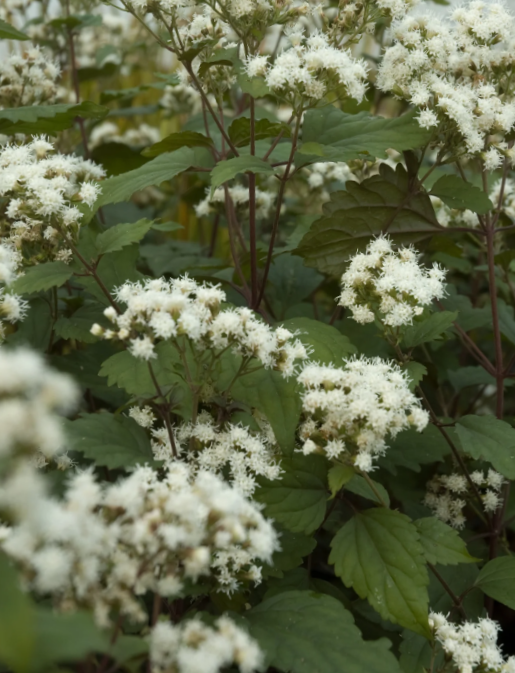
White Snakeroot
Ageratina altissima (L.) R.M.King & H.Rob.
Accepted infraspecific taxa include:
- Ageratina altissima var. altissima
- Ageratina altissima var. angustata (A.Gray) Clewell & Wooten
Important botanical synonyms include:
- Ageratum altissimum L.
- Ageratina ageratoides Spach
- Batschia nivea Moench
- Eupatorium ageratoides L.f.
- Eupatorium altissimum (L.) L.
- Eupatorium rugosum Houtt.
- Eupatorium urticifolium Reichard
- Kyrstenia altissima (L.) Greene
Important spelling and historical-search note:
- Eupatorium urticaefolium is a common historical spelling variant frequently encountered in older veterinary, agricultural, and milk-sickness literature.
Important non-synonym confusion names:
- Eupatorium perfoliatum L. — Common Boneset or Thoroughwort; not White Snakeroot
- Actaea racemosa L. — Black Cohosh or Black Snakeroot; not White Snakeroot
- Sanicula species — Sanicle; unrelated plants sometimes confused through common names
- Aristolochia species — some plants called snakeroot in older herbal trade; unrelated and toxic by different mechanisms
- Isocoma pluriflora (Torr. & A.Gray) Greene — Rayless Goldenrod; separate Asteraceae plant with related tremetol-type livestock disease in the southwestern United States
Asteraceae
Formerly commonly called Compositae.
White Snakeroot; White Snake-Root; Snakeroot; Richweed; Rich Weed; White Sanicle; Indian Sanicle; Tall Boneset; Deerwort; Deerweed; Deerwort-Boneset; Fall Poison; Milk-Sickness Plant; Milk Sickness Plant; Trembles Plant; Tremble Weed; White Top; White Thoroughwort; Ageratina altissima; Eupatorium rugosum; Eupatorium urticifolium; Eupatorium urticaefolium.
Scientific and historical search names include Ageratina altissima, Ageratina altissima var. altissima, Ageratina altissima var. angustata, Ageratum altissimum, Ageratina ageratoides, Batschia nivea, Eupatorium ageratoides, Eupatorium altissimum, Eupatorium rugosum, Eupatorium urticifolium, Eupatorium urticaefolium, and Kyrstenia altissima.
Naming caution: “snakeroot” is an especially broad common name and is used for numerous unrelated plants, including Black Cohosh, some Aristolochia species, Eryngium species, Sanicula species, and other medicinal or folk-name plants. “Boneset” is also ambiguous and may refer to Eupatorium perfoliatum or other Eupatorium-type plants. Rayless Goldenrod, Isocoma pluriflora, causes a related tremetol-type myotoxic disease in livestock but is a separate plant. This page refers specifically to White Snakeroot, Ageratina altissima.
Tremetol Is a Complex, Not One Pure Chemical
The poisonous material in White Snakeroot has historically been called tremetol. Tremetol should not be treated as one pure chemical and should not be used as an exact synonym for tremetone. It is a crude, fat-soluble plant fraction containing several benzofuran ketones and related compounds. Tremetone is the best-known constituent, accompanied by dehydrotremetone, 6-hydroxytremetone, other hydroxylated or oxygenated tremetone derivatives, chromenes, sterols, phenolic compounds, and additional lipophilic constituents.
This distinction matters because the natural disease has not been fully explained by tremetone alone. Older summaries often state that “tremetol” is the toxin, while newer summaries sometimes replace that with “tremetone.” The stronger evidence-bound wording is a tremetol complex containing tremetone and structurally related benzofuran ketones, with the complete toxic principle and the interaction among plant constituents still unresolved.
Chemotypes and Sporadic Toxicity
Modern chemical work demonstrated that White Snakeroot is not chemically uniform. Researchers examining lipophilic extracts from 18 plant collections isolated multiple compounds and identified three chemical profiles, or chemotypes. This variability helps explain why the plant’s toxicity has historically seemed sporadic. Two stands that look botanically identical may not contain the same concentrations or combinations of benzofuran ketones.
Plant chemistry can differ by population, location, season, plant part, maturity, drying method, storage, and preparation. A pasture should not be considered safe merely because animals previously grazed one patch without obvious illness. A low tremetone measurement also does not prove that the whole plant is harmless, because current research shows that measured tremetone alone does not fully predict the disease.
The Whole-Plant Goat Studies Changed the Evidence Boundary
Tremetone remains a leading putative toxin, but it has not been demonstrated conclusively to be the sole in-vivo cause of trembles or milk sickness. Tremetone and related compounds have cytotoxic effects in experimental systems, and tremetone can damage cultured cells under certain conditions. Those findings support toxic potential, but they do not fully reproduce the natural livestock disease by themselves.
In controlled goat work, animals given whole toxic White Snakeroot developed clinical poisoning, exercise intolerance, substantial increases in serum muscle-enzyme activity, and microscopic muscle lesions. In contrast, goats receiving a hexane extract containing tremetone and related benzofuran ketones at concentrations comparable to the original plant did not reproduce the same disease, and neither did goats receiving extracted plant residue under that protocol.
That result does not make tremetone irrelevant. It means that another compound, a combination of compounds, a constituent lost or altered during extraction, a degradation product, or an intact-plant factor affecting absorption or metabolism may be required. A top-level toxicology page should preserve that uncertainty rather than flattening the plant into a single-compound poisoning.
Dominant Target: Skeletal and Cardiac Muscle
The dominant cellular effect is myotoxicity. Toxic White Snakeroot damages skeletal muscle and can injure the myocardium, the specialized muscle of the heart. The precise biochemical pathway remains incompletely defined, but experimental findings support disruption of cellular energy metabolism, especially in muscle fibers under increased demand. Damaged muscle loses membrane integrity, degenerates, undergoes necrosis, and releases intracellular enzymes and myoglobin into the circulation.
This widespread muscle injury explains the classic clinical pattern. Affected animals become reluctant to move because damaged muscles cannot generate normal force and because movement becomes painful, exhausting, or metabolically stressful. Tremors become more visible after exercise because exertion increases energy demand in already injured fibers. Damage involving respiratory muscles can produce labored breathing, while myocardial degeneration can cause abnormal rhythm, weak circulation, congestive failure, collapse, or sudden death.
Exercise Can Unmask or Worsen Poisoning
The poisoning is cumulative, and obvious signs may lag behind the exposure. An animal can become ill after one substantial ingestion or after consuming smaller quantities repeatedly over days or weeks. By the time tremors, stiffness, abnormal breathing, or recumbency appear, significant muscle injury may already be present. Removing the plant stops additional exposure, but it does not immediately repair fibers that have already degenerated.
Continued exercise after exposure can unmask weakness, worsen myonecrosis, increase oxygen demand, intensify tremors, aggravate acidosis, and precipitate collapse in an animal with cardiac involvement. This is why suspect animals should not be chased, lunged, ridden, loaded repeatedly, driven long distances, or deliberately exercised to “see if they tremble.” Rest is part of first aid, diagnosis, and treatment.
Poisonous Plant Parts
Leaves and stems are the plant parts most consistently associated with tremetol compounds and livestock poisoning. Flowers, seeds, and other aboveground tissues occur on the same toxic growth and should also be considered unsafe. Roots have generally been regarded as less toxic than foliage, but less toxic does not mean nontoxic, and no plant part should be deliberately fed.
White Snakeroot spreads by fibrous roots and short rhizomes and can form loose colonies in shaded or wooded pasture margins. Cutting, mowing, clearing, haymaking, browsing, and trampling can move toxic aboveground material into feed or bedding. Once plant fragments are mixed into hay or green chop, animals lose the normal visual and selective cues that might have helped them avoid it while standing.
Drying, Grinding, and Storage Do Not Make It Safe
Drying does not reliably destroy the hazard. Early investigators suggested that White Snakeroot toxicity declined during drying, but later controlled goat studies demonstrated that air-dried plant material remained capable of causing toxicosis. Dried material caused exercise intolerance and major increases in serum creatine kinase, proving that the risk can persist in prepared feed.
White Snakeroot stored for five years retained its myotoxicity even after measured tremetone concentrations had fallen substantially. This is one of the most important practical findings for hay, archived feed, old bales, bedding, and stored forage. Time in storage cannot be used as detoxification. Grinding, aging, drying, baling, mixing, or storing suspect White Snakeroot does not make it acceptable animal feed.
Milk Transfer and Milk Sickness
The toxic material can be excreted in milk. This creates a second exposure pathway in which a calf, foal, lamb, kid, piglet, pet, or person may be poisoned without directly eating the plant. Fat-soluble constituents may be concentrated in milk fat and dairy products. Lactating animals may transfer risk through milk even when their own signs are mild, early, or not yet recognized.
Milk from potentially exposed animals must be withheld immediately from human and animal consumption. It should not be diluted into clean milk, fed to calves, given to pets, frozen, cooked, pasteurized at home, fermented, made into butter or cheese, or discarded where animals can drink it. Milking may still be needed for udder health, but contaminated milk becomes hazardous waste that requires veterinary and, for food animals, regulatory guidance.
No Reliable Safe Dose
No reliable safe dose has been established for White Snakeroot in cattle, horses, sheep, goats, pigs, dogs, cats, rabbits, birds, reptiles, or people. Historical livestock estimates are useful as warnings, but they should not be turned into safe thresholds. Plant chemotype, moisture content, animal species, age, body condition, lactation, duration of exposure, metabolic activation, milk production, and prior ingestion all affect risk.
The cumulative nature of the disease means that repeated smaller feed contaminations may become more important than one obvious grazing event. A dose expressed as green plant weight cannot be converted directly to an equal weight of dried hay. Lack of immediate signs after ingestion does not prove safety, because clinical weakness may not appear until muscle injury has progressed.
Delayed, Cumulative Onset
White-snakeroot poisoning is usually delayed and cumulative. Clinical signs may appear within several days after a substantial exposure or only after one to three weeks of repeated ingestion. The earliest change is often loss of normal energy. An affected animal becomes unusually quiet, slow, reluctant to walk, reluctant to leave shade, or unwilling to follow the herd. These early signs gave rise to historical names such as “the slows” and “trembles.”
Because signs appear after muscle damage has accumulated, the plant exposure may be missed. The animal may be sick from hay cut days or weeks earlier, from shaded pasture browsed repeatedly, from a patch along a creek bank, or from contaminated milk. Owners often notice the problem only when the animal is forced to move, transported, handled, ridden, chased, or otherwise stressed.
Weakness, Stiffness, Tremors, and Exercise Intolerance
Skeletal-muscle injury produces weakness, stiffness, a short or hesitant stride, trembling, and reduced exercise tolerance. Fine tremors may begin around the muzzle, shoulders, flanks, hind limbs, or neck and become much more conspicuous after the animal is moved. The animal may appear to tremble only when disturbed because resting muscle can temporarily hide the extent of injury.
Cattle, horses, and goats have historically been described as standing with the hind feet placed unusually close together, while some affected sheep may adopt a wider stance. These postures are attempts to stabilize painful, weak, or poorly functioning muscles rather than diagnostic signs by themselves. A stiff gait, arched back, tucked abdomen, lowered head, trembling, sweating, or reluctance to step forward should not be mistaken for stubbornness.
Staggering, stumbling, loss of muscular control, falling, and inability to rise can follow. A recumbent patient may remain alert initially but becomes vulnerable to muscle compression, pressure sores, nerve damage, aspiration, bloat, dehydration, urine scald, and additional injury from struggling. Repeated forced attempts to stand can worsen muscle damage and cardiac demand.
Gastrointestinal, Metabolic, and Ketosis-Related Signs
Gastrointestinal and metabolic findings vary by species. Poor appetite, weight loss, abdominal discomfort, constipation, hard feces, teeth grinding, and reduced gastrointestinal motility are common livestock findings. Vomiting may occur in people, dogs, pigs, and other species capable of vomiting, but it should not be listed as an expected sign in horses. Cattle and other ruminants may show abdominal pain, reduced rumen activity, salivation, or regurgitation associated with severe illness.
Advanced poisoning may produce ketosis and metabolic acidosis. A sweet, nail-polish-remover-like, or acetone odor can become apparent on the breath as fat metabolism increases and ketone bodies accumulate. Severe thirst, dehydration, depression, rapid breathing, and worsening weakness may accompany this metabolic disturbance. Acetone odor is an important sign of advanced disease, but it is not proof that recovery is impossible.
Dark Urine, Rhabdomyolysis, and Kidney Injury
Muscle breakdown may release myoglobin into the urine, causing red-brown, dark tea-colored, or coffee-colored urine. Serum creatine kinase and aspartate aminotransferase can become markedly increased. Muscle enzymes may rise before the animal looks as sick as the laboratory values suggest, which is why bloodwork is valuable when exposure is credible.
Myoglobin, dehydration, acidosis, poor circulation, prolonged recumbency, and shock may contribute to kidney injury. Kidney failure is usually a secondary complication of severe myonecrosis rather than the toxin’s primary target. Reduced urination, dark urine, rising kidney values, persistent recumbency, or profound weakness requires ongoing veterinary monitoring even after the plant is removed.
Cardiac-Muscle Injury and Respiratory Difficulty
Cardiac-muscle involvement is a major prognostic concern. The pulse may become rapid, weak, slow, or irregular, and exercise may provoke marked respiratory distress, sweating, weakness, or collapse. Degeneration and fibrosis within the myocardium can lead to arrhythmias, congestive heart failure, exercise collapse, or sudden cardiac arrest.
Respiratory difficulty can result from metabolic acidosis, weakened respiratory muscles, cardiac failure, aspiration, prolonged recumbency, or secondary pneumonia. Body temperature may be normal, high, or low depending on exertion, environmental conditions, shock, and disease stage. Labored breathing, open-mouth breathing in species where that is abnormal, persistent nasal discharge, cyanosis, or collapse is an emergency sign.
Difficulty Swallowing
Horses may become profoundly sluggish and poorly coordinated without displaying dramatic tremors. Partial paralysis or severe weakness of the pharyngeal muscles can cause difficulty swallowing, coughing while eating, dropped feed, repeated attempts to swallow, neck extension, nasal discharge containing food or fluid, or signs resembling choke. These signs create an aspiration-pneumonia risk.
Horses cannot vomit, and forced oral medication, water, oil, feed, or charcoal is dangerous when swallowing is impaired. Ruminants, goats, and other animals with pharyngeal weakness can also aspirate drenches or feed. Any animal showing dropped feed, coughing during eating, nasal feed material, or abnormal swallowing needs veterinary examination before oral treatment is attempted.
Cattle
Cattle may first appear dull, slow, constipated, and reluctant to leave shade or follow the herd. Trembling of the muzzle, shoulders, flanks, and limbs becomes more apparent when the animal is forced to move. A stiff gait, arched posture, reduced appetite, weight loss, salivation, abdominal discomfort, and rapid respiration may follow.
Advanced cattle cases may develop ketosis with acetone odor on the breath, profound weakness, inability to rise, dark urine, myocardial injury, coma, and death. Calves can be exposed directly through grazing or indirectly through milk from an affected dam. A nursing calf may become weak, trembly, poorly nursing, or recumbent while the cow’s signs are mild or initially unnoticed.
Horses
Horses may develop progressive weight loss, depression, marked exercise intolerance, stiffness, incoordination, sweating, trembling, abnormal respiration, dysphagia, and recumbency. Tremors may be less conspicuous than in cattle, making the horse appear merely lazy, dull, unwilling to move, or unable to perform during the early stage.
Cardiac lesions may be prominent in horses. Myocardial degeneration and later fibrosis can produce arrhythmias, exercise collapse, congestive failure, or persistent loss of athletic capacity in survivors. A horse that appears clinically improved may still require prolonged cardiac and muscle evaluation before returning to work, riding, breeding, or transport.
Sheep and Goats
Sheep sometimes show fewer recognizable tremors than cattle and may present with depression, rapid breathing, weakness, stiffness, abnormal stance, recumbency, or sudden death. The absence of dramatic shaking does not rule out White Snakeroot poisoning when the setting, feed, and muscle findings fit.
Goats can develop obvious muscular weakness and exercise intolerance. Controlled studies documented high serum creatine kinase and microscopic degeneration and necrosis of skeletal muscle after whole-plant exposure. Goats and sheep are not protected by browsing habits; White Snakeroot grows naturally in wooded and brushy areas these species may enter readily. Nursing kids and lambs may also receive toxic material through milk.
Pigs, Poultry, and Other Livestock
Pigs and poultry have been included among susceptible animals in agricultural reports, although detailed modern case series are less extensive than those involving cattle, horses, sheep, and goats. Pigs may show poor appetite, vomiting, weakness, incoordination, trembling, recumbency, respiratory distress, or cardiac deterioration.
Poultry, camelids, and other species consuming contaminated feed should be evaluated according to the amount and duration of exposure rather than assumed resistant because they are less represented in published cases. Feed shared among several species can create simultaneous but clinically different outbreaks.
Dogs and Cats
Direct naturally occurring White Snakeroot poisoning reports in dogs and cats are limited. Livestock dose estimates, onset periods, and species-specific signs should therefore not be copied directly into companion-animal descriptions as established facts. The plant contains mammalian myotoxins, and there is no validated safe dose for a dog or cat.
Meaningful ingestion, repeated chewing, contaminated raw milk, or access to concentrated plant preparations should be treated as potentially hazardous. Possible signs include vomiting in species capable of vomiting, poor appetite, depression, weakness, tremors, abnormal gait, rapid or labored breathing, dark urine, collapse, or cardiac abnormalities. A dog or cat exposed through raw milk from a grazing animal deserves the same caution as one that ate the plant directly.
Rabbits, Guinea Pigs, Birds, Reptiles, and Other Small Animals
White Snakeroot should not be offered as browse, forage, bedding, cage greenery, tortoise feed, poultry greens, or enrichment. Rabbits and guinea pigs may show food refusal, weakness, trembling, reduced fecal output, diarrhea or soft stool, abnormal posture, dark urine, collapse, or secondary gut slowing. Any small herbivore that stops eating needs prompt species-specific care.
Birds may show reduced appetite, weakness, abnormal perching, tremors, poor coordination, respiratory difficulty, or sudden deterioration after exposure to contaminated greens or feed. Reptiles and tortoises may show reduced activity, weakness, abnormal posture, anorexia, dark urates or urine changes, respiratory difficulty, or collapse. Species-specific safe doses are not established.
Prognosis Signs
Animals recognized while still standing, eating, swallowing normally, and showing only mild weakness may recover after exposure ends and strict rest begins. Recovery can still take days to weeks because damaged muscle must heal. Muscle enzymes may remain abnormal after outward improvement.
The outlook becomes guarded to grave with persistent recumbency, severe metabolic acidosis, acetone breath accompanied by profound weakness, dysphagia, aspiration, extensive myoglobinuria, kidney injury, serious arrhythmia, heart failure, coma, or inability to nurse. Death may occur within days of clinical onset, while survivors may retain exercise intolerance, cardiac fibrosis, muscle weakness, swallowing dysfunction, or permanent loss of performance.
Accepted Name and Historical Synonyms
The accepted scientific name of White Snakeroot is Ageratina altissima. For much of its veterinary and botanical history, the plant was classified as Eupatorium rugosum or Eupatorium urticifolium. Those older names remain common in toxicology manuals, milk-sickness literature, herbarium records, agricultural publications, veterinary case discussions, and older hay-field guidance.
The spelling Eupatorium urticaefolium also appears frequently in older writing. The accepted historical botanical spelling is Eupatorium urticifolium, but both spellings are useful search terms. White Snakeroot should not be confused with true Boneset, Eupatorium perfoliatum; Black Snakeroot or Black Cohosh, Actaea racemosa; or the many unrelated plants called sanicle, snakeroot, richweed, or boneset.
How to Identify White Snakeroot
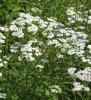
White Snakeroot is an upright herbaceous perennial that commonly grows approximately 60 to 150 centimeters tall. It spreads from a shallow system of branching fibrous roots and short rhizomes, often producing colonies or loose patches rather than one isolated stem. Stems are usually upright, branching toward the top, and may remain visible after frost.
The leaves grow in opposite pairs along the stem. Each leaf has a relatively long stalk and a broad ovate, triangular-ovate, or heart-shaped blade with a sharply pointed tip. The margin is coarsely and irregularly toothed, and three prominent veins commonly arise near the base. Mature leaves are often approximately 7 to 15 centimeters long, although size varies with shade, soil moisture, competition, and plant age.
The upper stems branch into loose, flattened or gently rounded clusters of small white flower heads. Unlike a daisy or sunflower, each head contains only small tubular disc flowers and lacks showy ray petals. Numerous projecting white styles give the flowering clusters a soft, fuzzy appearance. Blooming usually begins in midsummer or late summer and can continue until frost. After flowering, the plant produces small dry fruits with tufts of pale bristles that aid wind dispersal.
Range and Habitat
Ageratina altissima is native across much of eastern and central North America, extending from eastern Canada through the eastern United States and west into portions of the Great Plains and Texas. It has also become introduced in several European and Asian locations. On PAWS, the exposure context is primarily eastern and central North American pasture, woodland, hay, and milk risk.
The plant favors rich, moist, partly shaded ground. Typical sites include deciduous woods, woodland edges, shaded pastures, brushy thickets, creek margins, ravines, rocky slopes, fence lines, recently cleared woodland, waste places beneath trees, old farmsteads, and pasture edges where grasses thin out. It can persist where grasses grow poorly because of shade, allowing dense patches to develop along wooded margins.
When Grazing Animals Encounter It
White Snakeroot is not usually the first plant selected when abundant desirable forage is available. Poisoning becomes more likely during drought, overgrazing, late summer, autumn, woodland browsing, shaded-pasture grazing, or after frost-free surrounding forage becomes sparse while White Snakeroot remains green. Newly introduced animals, hungry animals, animals pushed into woodland lots, and animals without enough safe forage are at greater risk.
Exposure also occurs when shaded field margins are mowed or cleared and White Snakeroot is mixed into hay, green chop, brush piles, or bedding. Cutting removes some visual and textural cues that might otherwise help an animal avoid the plant. Because dried material remains poisonous, contaminated hay can produce disease long after the living stand has disappeared for the season.
All Aboveground Parts Should Be Considered Poisonous
Leaves and stems are the most consistently implicated tissues and historically have been reported to contain the greatest tremetol activity. Flowers and seeds occur on the same toxic aboveground growth and should not be treated as harmless. Roots may contain less of the active toxin complex than foliage, but they have not been established as safe.
Plant toxicity differs among locations and collections. Modern chemical analysis identified several chemotypes, and experimental work shows that measured tremetone concentration alone does not predict the entire toxic effect. A pasture should not be considered safe merely because animals previously grazed one patch without visible illness, and no part of the plant should be intentionally fed to any animal.
Tremetol, Tremetone, and an Unresolved Toxin
In 1927, James F. Couch described the toxic material extracted from White Snakeroot and named the crude fraction tremetol. Later chemical separation showed that tremetol contained multiple substances rather than one compound. Tremetone, dehydrotremetone, hydroxylated tremetone derivatives, and related benzofuran ketones became the principal chemical suspects.
A detailed modern investigation examined 18 White Snakeroot collections and isolated multiple compounds from lipophilic extracts. High-performance liquid chromatography divided the collections into three chemotypes, demonstrating substantial chemical variation among populations. Tremetone is toxic to certain cultured cells and remains a major suspect, but chemical presence and in-vitro cytotoxicity are not enough to prove that tremetone alone causes the natural disease.
Whole-plant feeding experiments provided an important challenge to the older one-compound explanation. Goats fed toxic White Snakeroot developed exercise intolerance, increased muscle enzymes, and microscopic muscle lesions, while goats given a hexane extract containing comparable tremetone and related benzofuran ketones did not develop the same disease. Tremetol complex, tremetone and related benzofurans, and incompletely identified myotoxic constituents more accurately describe the current evidence.
White Snakeroot and Rayless Goldenrod
Rayless Goldenrod, Isocoma pluriflora, causes a related livestock disease in the southwestern United States. Both plants have been associated historically with tremetol-type benzofuran ketones, trembles-like disease, skeletal muscle injury, and cardiac concerns. That relationship is useful scientifically, but it should not erase the plant identities. White Snakeroot is Ageratina altissima, an eastern and central North American woodland-edge plant; Rayless Goldenrod is a separate plant with its own range and exposure pattern.
The comparison helps explain why veterinary literature sometimes discusses the two together, especially when drying, storage, milk transfer, and myotoxicity are being studied. It does not mean every rayless goldenrod finding can be copied directly onto White Snakeroot without evidence, and it does not mean every White Snakeroot pasture should be called goldenrod.
Drying and Long-Term Storage Do Not Make It Safe
Early research suggested that White Snakeroot toxicity diminished as the plant dried. Modern controlled work reached a more safety-relevant conclusion. Dried material remained capable of poisoning goats, and air-dried plants produced disease despite changes in measured benzofuran concentrations.
In a 2018 study, goats receiving dried White Snakeroot developed exercise intolerance and high creatine kinase activity. White Snakeroot stored at room temperature for five years also retained toxic properties even though measured tremetone had declined substantially. This finding is especially important for hay, archived feed, old bales, dried plant contamination, and bedding. Time in storage cannot be used as a detoxification method.
Toxic Dose and Cumulative Exposure
Historical veterinary sources often place potentially toxic green-plant consumption near 0.5 to 1.5% of body weight, while other references give broader ranges. Horses experimentally fed repeated amounts around 1 to 2% of body weight developed poisoning over one to two weeks. These figures document that clinically important exposure can be modest relative to body size, but they are not dependable safe-versus-dangerous boundaries.
Plant chemotype, moisture content, animal species, age, body condition, duration of exposure, metabolic activation, milk production, and prior ingestion all alter risk. A dose expressed as fresh plant weight cannot be converted directly to an equal weight of dry hay. The cumulative nature of the disease also means that a series of smaller feed contaminations may become more important than one obvious grazing event.
Why Exercise Makes the Trembles More Obvious
Damaged muscle can meet resting demands temporarily but fails when energy demand rises. Walking, loading, chasing, restraint, riding, trailering, or struggling recruits additional muscle fibers and increases cardiac and respiratory work. Tremors, stiffness, sweating, weakness, abnormal breathing, and collapse may become dramatically worse after only brief exertion.
This response has diagnostic value, but it should never be provoked deliberately. Exercising a suspect animal to “see whether it trembles” can worsen muscle injury, trigger arrhythmia, cause collapse, or convert a standing patient into a down animal. The patient should be kept quiet and examined where it stands whenever practical.
Cattle and the Classic Trembles Syndrome
Cattle may first appear dull, slow, constipated, and reluctant to leave shade or follow the herd. Trembling of the muzzle, shoulders, flanks, and limbs becomes more apparent when the animal is forced to move. A stiff gait, arched posture, reduced appetite, weight loss, salivation, abdominal discomfort, and rapid respiration may follow.
Advanced cattle cases may develop ketosis with an acetone odor on the breath, profound weakness, inability to rise, myocardial injury, coma, and death. Calves can be exposed directly through grazing or indirectly through milk from an affected dam. A nursing calf may become ill while its mother has mild or initially unnoticed signs.
Horses
Horses may develop progressive weight loss, depression, marked exercise intolerance, stiffness, incoordination, sweating, trembling, abnormal respiration, and recumbency. Tremors may be less conspicuous than in cattle, making the horse appear merely lazy or unwilling to move during the early stage.
Partial pharyngeal paralysis is especially important. A horse may chew but fail to swallow normally, drop feed, cough, extend its neck, or develop nasal discharge containing food or saliva. These findings create a risk of aspiration pneumonia and should not be mistaken for ordinary stubbornness or uncomplicated esophageal choke.
Cardiac lesions may be prominent in horses. Myocardial degeneration and later fibrosis can produce arrhythmias, exercise collapse, congestive failure, or persistent loss of athletic capacity in survivors. A horse that appears clinically improved may still require prolonged cardiac and muscle evaluation before returning to work.
Sheep and Goats
Sheep may show depression, rapid breathing, weakness, stiffness, an abnormal stance, recumbency, or sudden death without the pronounced tremors expected from the name “trembles.” Goats can develop obvious muscular weakness and exercise intolerance, and controlled studies have documented high serum creatine kinase and microscopic degeneration and necrosis of skeletal muscle.
Goats and sheep are not protected by their browsing habits. White Snakeroot grows naturally in wooded and brushy areas that these animals may enter readily. Nursing kids and lambs can also receive toxic material through milk, which means a dam’s pasture access becomes relevant even when the offspring did not graze the plant directly.
Pigs, Poultry, and Other Livestock
Pigs and poultry have been included among susceptible animals in agricultural reports, although detailed modern case series are less extensive than those involving cattle, horses, sheep, and goats. Pigs may show poor appetite, vomiting, weakness, incoordination, trembling, recumbency, respiratory distress, or cardiac deterioration.
Any species consuming contaminated feed should be evaluated according to the amount and duration of exposure rather than assumed resistant because it is rarely represented in published cases. Feed shared among several species can create simultaneous but clinically different outbreaks.
Dogs and Cats
Direct naturally occurring White Snakeroot poisoning reports in dogs and cats are limited. Livestock dose estimates, onset periods, and species-specific signs therefore should not be copied directly into companion-animal descriptions as established facts. The plant contains metabolically active mammalian myotoxins, and there is no validated safe dose for a dog or cat.
Meaningful ingestion, repeated chewing, contaminated raw milk, contaminated meat or organ material from affected animals, or access to concentrated plant preparations should be treated as potentially hazardous. Possible signs include vomiting in species capable of vomiting, depression, weakness, tremors, abnormal gait, rapid breathing, dark urine, collapse, or cardiac abnormalities. A pet exposed through raw milk from a grazing animal deserves special attention because the plant may not be present in the home.
Transfer Through Milk
White Snakeroot is unusually important because the hazard does not stop with the grazing animal. Toxic constituents can enter milk and poison calves, foals, lambs, kids, piglets, pets, and people. The lactating animal may have mild signs while the smaller nursing offspring receives a clinically important dose.
Milk from a potentially exposed animal must be withheld immediately from people, nursing young, pets, and other livestock. It should not be diluted into clean milk, made into butter, cheese, yogurt, or another product, frozen for later, pasteurized at home, or given to another species. Routine pasteurization and household cooking should not be relied upon to neutralize the toxin complex.
Milking may still be required for udder health and animal welfare, but it is not a dependable antidotal treatment. Frequency, duration, withdrawal, testing, and disposal must be directed by the attending veterinarian and, for dairy animals, the appropriate public-health or regulatory authority.
Milk Sickness and Frontier History
During the eighteenth and nineteenth centuries, milk sickness caused repeated illness and death in communities of the Ohio Valley and other parts of the American frontier. Free-ranging family milk cows entered wooded areas where White Snakeroot remained green during late summer and autumn. Families then consumed milk, cream, butter, or other products from one or a few exposed cows, allowing little dilution of the toxin.
The human illness was also called puking fever, sick stomach, the slows, and the trembles. Patients developed profound weakness, vomiting, severe abdominal pain, thirst, an acetone-like breath odor, metabolic acidosis, coma, and sometimes death. The condition became uncommon as pastures were managed more closely, White Snakeroot was recognized, commercial milk from many farms was pooled, and dairy inspection improved.
Nancy Hanks Lincoln, Abraham Lincoln’s mother, died during an 1818 milk-sickness outbreak in Indiana. Her death illustrates the historical human consequences of livestock plant poisoning, but it should not be used to imply that every modern exposure produces fatal human disease.
Diagnosis
Diagnosis combines identification of White Snakeroot in pasture or feed with compatible cumulative myopathy. Useful plant samples should include stems, paired leaves, flower heads or seeds when present, and roots. Hay inspection may require separating broadleaf fragments and comparing venation, opposite leaves, toothed margins, and flower structures with verified specimens.
Veterinary testing commonly includes serum creatine kinase and aspartate aminotransferase to evaluate muscle injury, together with electrolytes, glucose, ketones, acid-base status, kidney values, liver values, urinalysis, and complete blood count. Myoglobinuria, high muscle enzymes, metabolic acidosis, ketosis, and compatible clinical weakness strengthen the diagnosis.
Electrocardiography, cardiac troponin, echocardiography, repeated cardiovascular examination, and blood pressure monitoring may be indicated when myocardial injury is suspected. Horses with dysphagia require evaluation of the pharynx, larynx, esophagus, and lungs. Muscle biopsy or postmortem histopathology may reveal segmental degeneration, necrosis, and fibrosis in skeletal and cardiac muscle.
Specialized laboratories can measure tremetone and related benzofuran ketones in plant material, feed, tissues, or biological samples, but a low tremetone concentration does not exclude toxic White Snakeroot. Current research shows that whole-plant toxicity is not predicted fully by one measured compound.
Important Differential Diagnoses
Other causes of toxic myopathy include Rayless Goldenrod, Cassia or Senna species, ionophore-contaminated feed, gossypol, atypical pasture myopathy in horses, nutritional myodegeneration, exertional rhabdomyolysis, severe electrolyte disturbances, selenium-related problems, and certain mycotoxins.
Botulism, tetanus, organophosphate poisoning, lead, tremorgenic mycotoxins, listeriosis, rabies, hypocalcemia, hypomagnesemia, grain overload, severe ketosis, neurologic disease, primary cardiac disorders, choke, pharyngeal paralysis, and aspiration pneumonia can produce overlapping weakness, tremors, abnormal gait, respiratory distress, or recumbency. Acetone odor supports ketosis but is not unique to White Snakeroot. Dark urine may represent myoglobin, hemoglobin, blood, or pigment and requires laboratory differentiation.
Veterinary Treatment
There is no specific antidote. Treatment begins by ending exposure to the plant, contaminated hay, green chop, bedding, feed, and affected milk. The animal should be placed on strict rest because exercise increases demand on damaged skeletal and cardiac muscle. Handling plans should minimize stress, struggling, forced movement, and repeated attempts to stand.
Veterinary support may include carefully calculated fluids, correction of glucose and electrolyte abnormalities, treatment of metabolic acidosis or ketosis, nutritional support, oxygen, antiemetics in species capable of vomiting, gastrointestinal care, cardiac monitoring, and management of arrhythmias or heart failure. Fluid treatment must account for cardiac function, urine production, hydration, kidney values, and risk of worsening congestive signs rather than following one universal protocol.
Animals unable to swallow safely require protected fluid and nutritional administration. Oral drenches, charcoal, mineral oil, feed, or water can enter the lungs when pharyngeal function is impaired. Aspiration pneumonia, renal injury, pressure damage, bloat, and secondary infections require separate treatment.
A recumbent animal needs deep bedding, frequent assessment, safe repositioning, protection of dependent limbs and nerves, and attention to urination and manure passage. Large animals should not be dragged or repeatedly forced to stand. Mechanical lifting is useful only when the cardiovascular system and remaining muscle strength can tolerate it.
Prognosis
Prognosis depends on cumulative dose, duration, affected muscle groups, cardiac involvement, ability to swallow, metabolic abnormalities, and how early exposure is stopped. Animals recognized while still standing and eating may recover with rest and support, although muscle enzymes can remain abnormal after outward improvement.
The outlook becomes guarded to grave with persistent recumbency, severe acidosis, acetone breath accompanied by profound weakness, dysphagia, aspiration, extensive myoglobinuria, kidney injury, serious arrhythmia, heart failure, or coma. Death may occur within days of clinical onset, while recovery in survivors can require weeks or months. Some severely poisoned animals retain myocardial fibrosis, weakness, exercise intolerance, swallowing dysfunction, or permanent loss of performance.
Prevention
Inspect shaded pasture margins, woods, thickets, creek banks, ravines, old farmsteads, wooded lots, and recently cleared areas from midsummer through autumn. White Snakeroot may remain green and accessible after surrounding forage becomes sparse. Fence dense stands and provide adequate safe forage before allowing animals into wooded pasture.
Examine hayfields before cutting and reject bales containing significant White Snakeroot material. Dried and long-stored plants can remain toxic. Do not dilute contaminated hay into clean feed or assume that a few months or years of storage will remove the risk.
Hand-pull small patches when practical, removing the root system and wearing gloves. Larger infestations may require repeated mowing, targeted herbicide treatment, improved pasture competition, woodland-margin management, or exclusion. Herbicide choice and grazing restrictions should follow the current product label and local agricultural guidance.
Monitor lactating animals and nursing young especially carefully. Any credible exposure requires immediate withholding of milk from all human and animal consumption until a veterinarian and applicable food-safety authority determine that the risk has ended.
Immediate Steps After Exposure
Stop all further exposure. Remove animals from the infested pasture, wooded margin, shaded fence line, creek bank, thicket, hay lot, green chop, bedding, or contaminated feed source. Do not return animals to the area until the plant source has been identified and controlled.
- Contact a veterinarian promptly: Report species, body weight, estimated amount, duration of access, plant condition, current signs, whether hay or milk is involved, and whether lactating animals or nursing young are exposed.
- Keep the animal quiet: Do not test for tremors by walking, chasing, lunging, riding, loading, or otherwise exercising the patient. Exertion can worsen damaged skeletal muscle and precipitate cardiac collapse.
- Preserve identification evidence: Save complete plant specimens and representative hay or feed samples. Photograph the plant in place, including opposite leaves, toothed margins, stems, flower clusters, and the shaded growing habitat.
- Isolate contaminated feed: Separate suspect hay, green chop, bedding, or stored feed so it cannot be eaten by other animals or accidentally mixed into clean forage.
- Withhold potentially contaminated milk: Do not allow people, calves, foals, lambs, kids, pigs, dogs, cats, or other animals to consume milk or dairy products from an exposed lactating animal.
Do Not Attempt Unsupervised Home Treatment
- Do not induce vomiting: Hydrogen peroxide, salt, mustard, dish soap, and manual gagging can cause aspiration or gastrointestinal injury. Horses, cattle, sheep, goats, rabbits, and several other species cannot vomit normally.
- Do not force activated charcoal or a cathartic: White-snakeroot poisoning is often recognized after repeated exposure, when much of the toxin has already been absorbed. Weakness or pharyngeal paralysis greatly increases aspiration risk.
- Do not force feed or water: Coughing, dropped feed, repeated swallowing, choking sounds, or nasal discharge may indicate impaired swallowing.
- Do not give heart, respiratory, seizure, pain, gastrointestinal, or human medication: Cardiac rhythm, hydration, kidney function, acid-base status, and swallowing ability must be assessed before treatment is selected.
- Do not repeatedly milk an animal as a home detoxification procedure: Milking may be required for udder health, but it does not reverse muscle damage and creates toxic material that must be contained and discarded safely.
- Do not feed suspect milk after pasteurizing, cooking, freezing, fermenting, or diluting it: Household processing should not be relied upon to neutralize the toxin complex.
- Do not force a down animal to rise repeatedly: Struggling increases muscle demand, worsens myonecrosis, and can aggravate cardiac injury.
When Emergency Examination Is Especially Important
- Trembling or severe exercise intolerance appears: Tremors of the muzzle, flanks, shoulders, or legs and worsening weakness after minimal movement indicate clinically important muscle injury.
- Breathing becomes difficult: Rapid, shallow, labored, or irregular breathing may reflect acidosis, respiratory-muscle weakness, cardiac injury, aspiration, or circulatory failure.
- Swallowing is abnormal: Dropped feed, coughing, neck extension, repeated attempts to swallow, or food and fluid from the nostrils requires immediate examination.
- Urine becomes dark: Red-brown or coffee-colored urine may contain myoglobin from extensive skeletal-muscle destruction and can precede kidney injury.
- The pulse is abnormal or collapse occurs: A weak, rapid, slow, or irregular heartbeat, sweating, pale mucous membranes, fainting, or sudden collapse may indicate myocardial damage.
- Advanced metabolic signs develop: Acetone-like breath, severe thirst, dehydration, arched posture, profound depression, recumbency, or coma carries a guarded prognosis.
- Nursing young are affected: A weak, trembling, poorly nursing, or recumbent calf, foal, lamb, or kid may be poisoned through the dam’s milk even when the adult appears less severely affected.
Management of Exposed Milk
Separate nursing young from potentially contaminated milk under veterinary direction and provide a verified safe replacement appropriate for the species, age, and health status. Milk the dam only as required for udder health and according to the veterinarian’s plan. Clearly label, isolate, and dispose of all milk so that it cannot enter the human food supply, animal feed, household waste accessible to pets, wildlife access, or a water source.
For dairy animals, the veterinarian and applicable food-safety authority should direct withdrawal, disposal, testing, and recordkeeping. Do not dilute suspect milk into a larger tank, feed it to calves, give it to pigs, make cheese or butter, freeze it for later, or give it to dogs or cats. The historical danger of milk sickness came from this indirect route, not just from animals eating the plant.
Veterinary Evaluation
The veterinarian may measure muscle enzymes, electrolytes, glucose, ketones, blood gases, lactate, kidney and liver values, urine myoglobin, hydration, and cardiac biomarkers. Electrocardiography, echocardiography, oxygen monitoring, blood-pressure evaluation, and assessment of swallowing may be required according to the clinical presentation.
Plant and feed identification should happen alongside medical evaluation, not instead of it. Useful samples include fresh stems with paired leaves, flowers or seed heads when available, hay fragments, green chop, bedding, feed, and photos of the shaded habitat. Specialized benzofuran-ketone testing may be useful, but current research shows that one measured tremetone concentration does not fully predict whole-plant toxicity.
Veterinary Treatment
Treatment is supportive and begins with strict rest and complete removal from the plant, contaminated feed, and exposed milk. Support may include carefully managed fluids, glucose and electrolyte correction, treatment of acidosis or ketosis, oxygen, cardiovascular support, antiemetics in species capable of vomiting, nutritional care, and management of kidney injury or aspiration. Fluid therapy must account for cardiac status and urine production rather than follow a universal recipe.
An animal with pharyngeal dysfunction may require protected methods of fluid and nutritional administration. Oral drenches, mineral oil, charcoal, feed, or water can enter the lungs when swallowing is impaired. Aspiration pneumonia, renal injury, pressure damage, bloat, and secondary infections require separate treatment.
Recumbent livestock require deep bedding, safe repositioning, pressure-point protection, protection of dependent limbs and nerves, and monitoring for bloat, aspiration, urine output, manure passage, and additional muscle damage. Repeated forced attempts to stand can worsen myonecrosis and cardiac demand. Mechanical lifting should be used only when the veterinarian believes the cardiovascular system and remaining muscle strength can tolerate it.
Dogs and Cats
Dogs and cats should be removed from the plant, contaminated hay, raw milk, dairy products, and any concentrated plant material. Because direct companion-animal documentation is limited, do not borrow cattle or horse dose estimates and assume they prove safety. Meaningful ingestion, repeated chewing, raw-milk exposure, vomiting, weakness, tremors, dark urine, rapid breathing, collapse, or abnormal pulse warrants veterinary or poison-control guidance.
Do not induce vomiting or force charcoal at home. A weak, trembling, or poorly swallowing pet can aspirate. Bring plant photos, a sample, milk-source information, and details about any raw dairy, farm feed, hay, or pasture exposure.
Horses and Livestock
Horses, cattle, sheep, goats, pigs, alpacas, llamas, and other livestock should be kept quiet after exposure. Avoid unnecessary driving, riding, loading, chasing, or forced standing. Remove the herd or group from the source and isolate all suspect feed. Animals may differ in severity because exposure is cumulative and one individual may have eaten more plant material than another.
Horses with dropped feed, coughing, nasal discharge containing feed, or repeated swallowing should not receive oral drenches or feed until swallowing has been evaluated. Cattle, sheep, goats, and other recumbent livestock require careful handling because pressure injury, bloat, aspiration, and additional muscle breakdown can develop quickly.
Birds, Rabbits, Guinea Pigs, Reptiles, and Small Pets
White Snakeroot should not be used as cage greenery, browse, bedding, tortoise food, poultry greens, or enrichment. If a small animal eats the plant or contaminated hay, remove the source and contact an appropriate veterinarian. Do not force food, water, oil, charcoal, or home remedies.
Rabbits and guinea pigs that stop eating, become weak, develop abnormal urine, show reduced fecal output, tremble, or become recumbent need prompt care. Birds or reptiles with weakness, tremors, poor perching, abnormal posture, reduced appetite, respiratory difficulty, collapse, or reduced responsiveness need species-specific evaluation.
Recovery and Prognosis
Animals recognized before severe weakness or cardiac injury may recover after exposure ends, but improvement is often slow. Rest must continue until muscle enzymes, gait, swallowing, respiration, urine, appetite, hydration, and cardiac findings have returned toward normal. Premature exercise can reveal lingering muscle or heart injury.
The prognosis is guarded to grave when the animal is persistently recumbent, cannot swallow, has severe metabolic acidosis or ketosis, develops extensive myoglobinuria, suffers kidney injury, or shows myocardial dysfunction. Survivors may retain exercise intolerance, cardiac fibrosis, muscle weakness, swallowing dysfunction, or other permanent disability.
Prevention After the Incident
Close the exposure site until the plant is identified and controlled. Inspect wooded pasture margins, shaded fence lines, creek banks, thickets, ravines, old lots, and hayfields before grazing or cutting. Remove or fence dense patches, provide adequate safe forage, and avoid turning hungry animals into shaded lots where White Snakeroot remains green.
Do not feed hay or bedding contaminated with White Snakeroot, regardless of how dry or old it is. Do not dilute contaminated hay into clean feed. Label suspect bales and remove them from animal access. Monitor lactating animals and nursing young especially carefully, and withhold milk until veterinary and food-safety guidance says the risk has ended.
Frequently Asked Questions About White Snakeroot and Animal Poisoning
What is the accepted scientific name of White Snakeroot?
The accepted name is Ageratina altissima. Older veterinary and botanical references commonly use Eupatorium rugosum or Eupatorium urticifolium. The spelling Eupatorium urticaefolium also appears often in older milk-sickness and toxicology literature. These names are important search terms, but the current species name is Ageratina altissima.
Are tremetol and tremetone the same toxin?
No. Tremetol is the historical name for a crude, multicomponent, fat-soluble extract of White Snakeroot. Tremetone is one benzofuran ketone within that mixture, accompanied by dehydrotremetone, hydroxylated derivatives, chromenes, sterols, and other compounds. Tremetone is strongly suspected of contributing to poisoning, but whole-plant studies indicate that it may not act alone.
Which parts of White Snakeroot are poisonous?
Leaves and stems contain the best-documented toxic activity, but flowers, seeds, and the remaining aboveground growth should also be considered poisonous. Roots have generally shown lower toxicity than foliage but are not established as safe. Animals should not have access to any part of the plant, especially in pasture, hay, bedding, green chop, or browse.
Does White Snakeroot remain poisonous after drying in hay?
Yes. Controlled goat studies demonstrated that dried White Snakeroot retained enough toxicity to cause exercise intolerance, high muscle-enzyme activity, and myotoxicity. Material stored for five years remained poisonous even after much of its measured tremetone had disappeared. Hay contamination should therefore be treated as an ongoing hazard.
How much White Snakeroot can poison a horse or cow?
Historical estimates commonly place dangerous cumulative consumption near 0.5 to 1.5% of body weight, while experimental protocols have used repeated amounts around 1 to 2% of body weight. These are not dependable safe-dose boundaries because plant chemotypes and animal susceptibility vary. Smaller recurring amounts may become dangerous over time, and contaminated hay cannot be judged by one simple weight estimate.
How long after ingestion do signs appear?
Signs may appear within a few days after a substantial exposure or only after one to three weeks of repeated ingestion. The delay occurs because muscle injury accumulates before obvious weakness develops. Contaminated hay, shaded pasture browsing, or milk exposure may therefore be overlooked when clinical disease begins later.
Why is the livestock disease called trembles or the slows?
Damaged skeletal muscles produce weakness, stiffness, exercise intolerance, and tremors that become especially visible when the animal moves. Before severe tremors develop, affected cattle or horses may appear unusually slow, lazy, or unwilling to walk. These behaviors reflect myotoxic disease rather than stubbornness or poor attitude.
Why should a suspected animal not be exercised?
Exercise sharply increases the energy and oxygen demands placed on damaged skeletal and cardiac muscle. Tremors, respiratory distress, arrhythmias, weakness, and collapse can worsen after even brief movement. An exposed animal should be kept quiet and examined without deliberate exercise testing.
Can White Snakeroot poison calves, foals, lambs, or kids through milk?
Yes. Toxic constituents can pass into the milk of exposed cows, mares, ewes, and does. Nursing young may become weak, tremble, stop nursing, or develop cardiac and skeletal-muscle damage even when the dam’s signs are mild. Potentially contaminated milk must be withheld immediately and replaced under veterinary direction.
Can pasteurization or cooking make contaminated milk safe?
Routine pasteurization, cooking, fermentation, freezing, or dilution should not be relied upon to detoxify milk from an exposed animal. Contaminated milk must not be consumed by people, pets, livestock, or nursing young. Disposal, testing, withdrawal, and milk-handling decisions should be made with veterinary and food-safety authorities.
Why might the animal’s breath smell like acetone?
Advanced poisoning can disrupt normal energy metabolism and produce ketosis. Acetone and other ketone bodies create a sweet or nail-polish-remover-like odor on the breath. This finding indicates significant metabolic disease and warrants emergency veterinary assessment, but it does not by itself determine whether recovery is possible.
Why does the urine sometimes turn dark brown?
Extensive skeletal-muscle injury can release myoglobin into the blood and urine. Myoglobin may make urine red-brown or coffee-colored and can contribute to acute kidney injury, particularly when the animal is dehydrated, acidotic, or poorly perfused. Blood, hemoglobin, plant pigment, and other causes of discoloration must be distinguished by urinalysis.
Is White Snakeroot poisonous to dogs?
It should be treated as potentially dangerous. Direct naturally occurring dog cases are poorly documented, so no reliable dog dose has been established. The plant contains mammalian myotoxins, and meaningful ingestion, repeated chewing, contaminated raw milk, or access to concentrated plant material requires prompt veterinary or animal poison-control guidance.
Is White Snakeroot poisonous to cats?
It should be treated as potentially dangerous to cats. Published cat cases are limited, but lack of reports does not prove safety. A cat that eats White Snakeroot, drinks contaminated raw milk, or develops vomiting, weakness, tremors, abnormal gait, dark urine, collapse, or rapid breathing after exposure needs veterinary guidance. Do not induce vomiting at home.
Is White Snakeroot poisonous to horses?
Yes. Horses may develop depression, stiffness, exercise intolerance, sweating, tremors, difficulty swallowing, abnormal breathing, dark urine, arrhythmias, cardiac injury, recumbency, or collapse. Tremors may be less obvious than in cattle, and a horse may look merely unwilling or unable to move early in the disease. Horses with swallowing trouble should not be drenched.
Is White Snakeroot poisonous to cattle?
Yes. Cattle are classic victims of White Snakeroot poisoning. They may become slow, constipated, stiff, trembly after movement, weak, ketotic, recumbent, or comatose. Calves may be exposed through milk from a grazing dam. White Snakeroot in shaded pasture, wooded lots, hay, or green chop should be treated as a serious herd-level hazard.
Is White Snakeroot poisonous to sheep and goats?
Yes. Sheep and goats can develop weakness, abnormal stance, rapid breathing, exercise intolerance, tremors, recumbency, and muscle damage. Goats have been used in controlled White Snakeroot studies and developed high muscle-enzyme activity and myonecrosis after whole-plant exposure. Nursing lambs and kids may also be exposed through milk.
Is White Snakeroot poisonous to pigs and poultry?
Pigs and poultry have been included among susceptible animals, although detailed modern case material is less extensive than for cattle, horses, sheep, and goats. Pigs may show poor appetite, vomiting, weakness, trembling, incoordination, recumbency, or respiratory and cardiac deterioration. Poultry should not receive White Snakeroot greens, hay fragments, or contaminated feed.
Is White Snakeroot safe for rabbits, guinea pigs, birds, or reptiles?
No. White Snakeroot should not be used as browse, hay, bedding, tortoise forage, cage greenery, poultry greens, or enrichment. Species-specific safe doses are not established. Small animals may deteriorate from food refusal, weakness, tremors, abnormal urine, collapse, or secondary gastrointestinal slowing, and they need species-specific veterinary guidance after meaningful exposure.
Should I induce vomiting or give activated charcoal?
Do not attempt either treatment automatically. Poisoning is often recognized only after repeated exposure and the onset of weakness, when aspiration risk may be high and much of the toxin has already been absorbed. A veterinarian may consider decontamination after a very recent exposure in a suitable animal, but horses and ruminants cannot be treated by owner-induced vomiting.
Should milk be repeatedly drawn off as a home detox?
No. Milking may be required for udder health and animal welfare, but it does not reverse muscle damage and creates hazardous milk that must be isolated and discarded safely. Milk handling, withdrawal, testing, and disposal should be directed by a veterinarian and, for dairy animals, the appropriate food-safety authority.
How do veterinarians diagnose White Snakeroot poisoning?
Diagnosis combines plant identification, pasture or hay history, compatible cumulative myopathy, and laboratory evidence of muscle injury. Testing may include creatine kinase, AST, electrolytes, glucose, ketones, acid-base status, kidney values, liver values, urinalysis, cardiac troponin, ECG, echocardiography, and sometimes muscle biopsy or postmortem histopathology. Specialized laboratories may measure tremetone and related benzofuran ketones, but one low value does not exclude toxicity.
What differentials matter most?
Important differentials include Rayless Goldenrod, Cassia or Senna poisoning, ionophore-contaminated feed, gossypol, atypical pasture myopathy, nutritional myodegeneration, exertional rhabdomyolysis, severe electrolyte disturbances, mycotoxins, botulism, tetanus, organophosphates, lead, rabies, hypocalcemia, hypomagnesemia, grain overload, severe ketosis, neurologic disease, choke, aspiration, and primary cardiac disease.
Can an animal recover from White Snakeroot poisoning?
Recovery is possible when exposure ends before extensive skeletal- or cardiac-muscle damage develops. Improvement may require weeks of strict rest and supportive care. Persistent recumbency, inability to swallow, severe acidosis, kidney injury, myoglobinuria, arrhythmias, or heart failure produces a guarded to grave prognosis and may leave permanent disability.
How can White Snakeroot poisoning be prevented?
Inspect wooded pasture, shaded fence lines, stream margins, ravines, and thickets from midsummer through autumn. Remove or fence dense patches, provide adequate safe forage, and inspect hayfields before cutting. Never feed hay contaminated with White Snakeroot, regardless of how thoroughly it has dried or how long it has been stored. Withhold milk immediately after credible exposure until veterinary and food-safety guidance clears it.