Tree Tobacco Anabasine Poisoning, Nicotinic Receptor Blockade, Respiratory Paralysis, and Fetal Contracture Injury
Is Tree Tobacco Poisonous to Dogs, Cats, Horses, and Livestock?
Yes—Tree Tobacco, Nicotiana glauca Graham, is highly poisonous to dogs, cats, horses, cattle, sheep, goats, pigs, rabbits, guinea pigs, birds, and other animals. Its leaves, stems, bark, roots, sap, seedlings, flowers, capsules, seeds, dried material, cut branches, and contaminated forage should remain inaccessible. The principal toxin is normally anabasine, accompanied by much smaller and variable quantities of nicotine and other tobacco alkaloids.
Anabasine activates nicotinic acetylcholine receptors before producing sustained desensitization and neuromuscular blockade. Early poisoning may cause salivation, nausea, vomiting in species capable of vomiting, diarrhea, repeated defecation, agitation, tremors, rapid breathing, rapid heart rate, and elevated blood pressure. The same patient may then deteriorate into depression, profound weakness, staggering, recumbency, slow or irregular heart rate, low blood pressure, shallow breathing, flaccid paralysis, seizures, coma, respiratory arrest, and death.
Respiratory-muscle failure is the principal direct lethal danger. The diaphragm and chest-wall muscles can become too weak to ventilate the lungs even though the airway itself remains open. An animal may therefore become progressively unable to stand, hold up its head, swallow, or breathe before complete loss of consciousness occurs.
Tree Tobacco is also a major reproductive hazard for pregnant livestock. Maternal exposure during susceptible stages of fetal development can suppress fetal movement and produce cleft palate, arthrogryposis, fixed or twisted limbs, torticollis, scoliosis, lordosis, and related contracture deformities. A pregnant cow, ewe, doe, or sow may appear to recover or may never show dramatic acute signs while the developing offspring remains at risk.
About this guide: This page provides general pet-poisoning information and cannot diagnose or treat an individual animal. For any suspected exposure, contact a veterinarian or animal poison-control service immediately. Do not induce vomiting, give medication, or attempt home decontamination unless directed by a veterinary professional.
Nicotiana
Nicotiana glauca Graham
- Nicotidendron glauca (Graham) Griseb. — homotypic synonym and former placement in the genus Nicotidendron
- Siphaulax glabra Raf. — illegitimate superfluous historical name
- Nicotiana arborea F.Dietr. — historical heterotypic synonym
- Nicotiana arborea Larrañaga — illegitimate later homonym
- Nicotiana glauca var. angustifolia Comes — historical narrow-leaved variety
- Nicotiana glauca var. decurrens Comes — historical variety
- Nicotiana glauca var. grandiflora Comes — historical large-flowered variety
- Nicotiana glauca f. lateritia Lillo — historical form
- Nicotiana glauca f. genuina Millán — historical name that was not validly published
- Nicotiana glauca var. typica Millán — historical name that was not validly published
- Nicotiana tabacum L. — cultivated tobacco; a separate species normally dominated by nicotine rather than anabasine
- Nicotiana alata, Nicotiana sylvestris, and Nicotiana × sanderae — ornamental flowering tobaccos that are separate taxa and should not be identified as Tree Tobacco
Solanaceae — Nightshade or Potato Family
Tree Tobacco; Tree-Tobacco; Wild Tobacco; Wild Tree Tobacco; Tobacco Tree; Tobacco-Tree; Shrub Tobacco; Tobacco Shrub; Tobacco Bush; Glaucous Tobacco; Blue Tobacco; Brazilian Tree Tobacco; Tree Nicotiana; Mustard Tree; False Tobacco; Palan-Palan; Palán Palán; Palancho; Tabaco Moro; Tabaco Moruno; Tabaco del Monte; Tabaco Árbol; Tabaco Cimarrón
Tree Tobacco, Wild Tree Tobacco, Tobacco Tree, and Glaucous Tobacco are the most direct English names for Nicotiana glauca. Palan-Palan and Palán Palán are widely used South American names. Regional Spanish names vary and may also be applied loosely to other wild tobaccos, so the scientific name and physical plant should be preserved.
“Mustard Tree” is highly ambiguous. It is also applied to unrelated plants in other families, including several shrubs associated with traditional chewing sticks, biblical interpretation, or mustard-like fruits. The name alone cannot establish anabasine exposure.
“Wild Tobacco” may identify several different Nicotiana species. “Flowering Tobacco” generally identifies ornamental herbaceous species and hybrids with white, pink, red, purple, or green flowers, while cultivated tobacco usually means Nicotiana tabacum. Those plants may still contain toxic nicotinic alkaloids, but they should not be represented as exact synonyms of Nicotiana glauca.
Tree Tobacco must not be confused with Poison Hemlock, Conium maculatum, or toxic lupines in Lupinus. Those plants contain different piperidine or quinolizidine alkaloids but can produce overlapping weakness, tremors, respiratory paralysis, and fetal contracture deformities. Complete botanical identification remains essential even when the broad toxicologic syndrome appears similar.
Anabasine Is the Principal Tree Tobacco Alkaloid
The principal toxin in Nicotiana glauca is anabasine, a pyridine-piperidine alkaloid historically called neonicotine. The name reflects its structural and pharmacologic relationship to nicotine, not a relationship to the modern pesticide class called neonicotinoids. Anabasine and nicotine are separate molecules with different receptor potencies, toxicokinetics, stereochemistry, and relative effects on respiration and circulation.
Tree Tobacco usually contains anabasine as the dominant alkaloid and nicotine as a much smaller component. In the analytically confirmed California cattle case, the submitted fresh plant contained 1,430 parts per million anabasine and only 2 parts per million nicotine. Anabasine was detected in partially digested rumen leaves, total rumen contents, liver, and urine from the definitively affected heifer, while nicotine was not detected in the animal specimens.
Those measurements demonstrate the dominance of anabasine in that plant and provide a strong diagnostic chain from browsed shrub to ingesta, tissue, and urine. They do not establish the concentration in every Tree Tobacco plant. Geography, genetics, soil, moisture, plant age, tissue, season, growth rate, and analytical method can produce markedly different results.
Other Tobacco Alkaloids
Tree Tobacco may contain nicotine, nornicotine, anatabine, and additional minor tobacco alkaloids. Their relative concentrations are generally much lower than anabasine in authenticated N. glauca material, although exceptions and analytical differences occur. The mixed profile can modify the clinical presentation without replacing anabasine as the principal exact-species concern.
Cultivated tobacco, Nicotiana tabacum, usually has nicotine as its dominant alkaloid. Ornamental Nicotiana species and hybrids may emphasize nicotine, anabasine, nornicotine, anatabine, or another combination. A result from cultivated tobacco, a cigarette, or one ornamental species should not be relabeled as a measured Tree Tobacco concentration.
Nicotinic Acetylcholine Receptor Activation
Anabasine acts as an agonist at nicotinic acetylcholine receptors. These ligand-gated ion channels occur in autonomic ganglia, the adrenal medulla, the central nervous system, and skeletal neuromuscular junctions. Initial receptor activation can increase autonomic transmission, catecholamine release, intestinal activity, glandular secretion, skeletal-muscle firing, and central excitation.
The early phase may therefore produce salivation, nausea, vomiting, diarrhea, repeated urination or defecation, agitation, tremors, muscle fasciculations, rapid breathing, rapid heart rate, and increased blood pressure. These signs can appear contradictory to the later paralytic syndrome only when the receptor sequence is ignored. Both phases result from the same toxic interaction at different stages of exposure.
Desensitization, Depolarization Block, and Paralysis
Persistent nicotinic-receptor activation prevents normal recovery and signal transmission. Receptors become desensitized, autonomic ganglia cease transmitting appropriately, and skeletal neuromuscular junctions can no longer sustain contraction. Excitement and tremors then give way to weakness, ataxia, recumbency, flaccid paralysis, depression, and loss of airway-protective reflexes.
The diaphragm, intercostal muscles, and accessory respiratory muscles depend on functional neuromuscular transmission. Severe blockade reduces chest movement until the animal cannot ventilate effectively. Death is most directly associated with respiratory-muscle paralysis, although hypoxia, aspiration, dysrhythmia, hypotension, and cardiac arrest can contribute.
Autonomic and Cardiovascular Effects
Heart rate and blood pressure may change substantially during the course of poisoning. Early sympathetic-ganglion and adrenal-medullary stimulation can produce tachycardia and hypertension. Later ganglionic blockade, hypoxia, electrolyte disturbance, neuromuscular failure, and circulatory collapse can produce bradycardia, hypotension, weak pulses, dysrhythmia, and cardiac arrest.
One isolated heart-rate measurement cannot establish the phase or severity. A patient may move from tachycardia to bradycardia over a short interval, or may develop an intermittent rhythm abnormality that is missed during a brief examination. Continuous or repeated ECG and blood-pressure assessment may be necessary in a substantial exposure.
Anabasine can moderately inhibit acetylcholinesterase in experimental systems, but this is not equivalent to organophosphate poisoning and does not make atropine a complete antidote. The dominant life-threatening mechanism remains nicotinic receptor dysfunction and neuromuscular blockade. Treatment must follow the measured rhythm, secretions, perfusion, and respiratory function.
Anabasine Enantiomers and Receptor Potency
Two anabasine enantiomers occur naturally. Experimental work separated R-enriched and S-enriched fractions and found that the R-enriched fraction was more lethal in the mouse intravenous model and more potent at human fetal muscle-type nicotinic receptors than the S-enriched fraction. The structurally related toxin anabaseine was still more potent than either anabasine fraction in that experimental comparison.
These findings demonstrate that stereochemistry influences biological activity. They do not provide an oral veterinary Tree Tobacco dose because the experiment used purified fractions, intravenous administration, mice, and receptor preparations rather than naturally chewed plant tissue. The proportions of enantiomers and their bioavailability in individual field plants are not available during an emergency.
Plant-Part Distribution and Concentration Variation
Leaves are the most frequently implicated plant part because they are abundant, easily browsed, and commonly contain substantial anabasine. Historical plant-part work reported high concentrations in fruits and leaves and lower quantities in roots, flowers, and stems. The exact ranking is not universal, and lower concentration does not make a tissue safe when an animal can consume a larger mass.
In the cattle investigation, the submitted fresh plant contained 1,430 parts per million anabasine. Other published collections have measured substantially different dry-weight concentrations, including experimental sheep material ranging from 0.45 to 1.14 milligrams per gram. Leaf studies from different countries have likewise reported wide variation.
Flowers contain anabasine, and forensic analysis has confirmed anabasine in flower material associated with fatal human poisoning. The long tubular flowers, their supporting stems, and nectar-associated tissues should remain inaccessible. Hummingbird or insect visitation does not establish mammalian or companion-bird safety.
Capsules, Seeds, Seedlings, Bark, and Roots
Tree Tobacco produces dry capsules containing numerous very small seeds rather than fleshy berries. Reproductive material should not be declared harmless. Clean isolated seeds have not been studied sufficiently to establish a safe animal quantity, and naturally encountered seeds are usually mixed with capsule walls, flower remnants, stems, leaves, dust, and soil.
Seedlings can be especially accessible to dogs, cats, poultry, rabbits, and grazing livestock even when mature plants are woody and elevated. Bark, stems, roots, and uprooted material may contain lower or different alkaloid concentrations than leaves, but animals can consume a substantial total mass from freshly cut or excavated plants. Every plant part should be secured during removal.
Fresh, Wilted, Dried, Cooked, and Forage-Contaminating Material
Wilting, drying, and cooking do not provide dependable detoxification. Fatal human poisonings have followed ingestion of cooked Tree Tobacco leaves mistaken for edible greens. Dried tobacco material can retain enough alkaloid to contaminate feed and produce fatal livestock poisoning.
The published mule outbreak involved cultivated-tobacco residue rather than N. glauca. Tobacco leaves and stalks had been hung above stored hay, allowing alkaloid-containing liquid and debris to contaminate the forage. Six mules died even though the toxic crop material was not being offered intentionally as feed.
Tree Tobacco can similarly contaminate hay, green chop, silage, feeders, water troughs, trailers, barn floors, tools, bedding, and forage stored beneath cut plants. Absence of an intact shrub in the enclosure does not exclude exposure. Feed and environmental samples must be preserved before cleanup.
Fetal-Movement Inhibition and Developmental Toxicity
Anabasine is both an acute neurotoxin and a developmental toxicant. During susceptible gestational periods, nicotinic receptor effects reduce normal fetal movement. The fetus remains in abnormal positions for prolonged periods, allowing joints, limbs, the neck, and the spine to become fixed as growth continues.
Documented outcomes include arthrogryposis, multiple congenital contractures, twisted or fixed limbs, torticollis, scoliosis, lordosis, altered joint alignment, cleft palate, embryonic death under some exposure regimens, weak or nonviable neonates, and inability to stand or nurse. Cleft palate is associated with failure of normal fetal head, jaw, and tongue movement during palatal closure. The mechanism is deformation through impaired movement rather than direct physical injury by the plant.
Exact-species developmental effects have been induced experimentally in calves, lambs, piglets, and goat kids. Isolated anabasine reproduced the swine defects, strengthening the causal attribution to the principal alkaloid. Susceptible gestational windows and outcomes differ among species, and a dosing schedule that affects one livestock species cannot be transferred directly to another.
No Validated Safe or Lethal Plant Dose
No dependable number of leaves, flowers, capsules, seeds, grams, or mouthfuls applies to every dog, cat, horse, cow, sheep, goat, pig, rabbit, or bird. Concentration varies among plants, and the amount actually swallowed, chewing, gastrointestinal retention, species, body size, pregnancy, health, and treatment timing all affect outcome. A fixed “one leaf” rule would create unsupported reassurance for one animal and unsupported certainty of death for another.
Experimental intravenous or purified-anabasine values cannot be converted directly into a raw-plant calculator. Natural ingestion involves variable alkaloids, plant fiber, oral and gastrointestinal absorption, rumen metabolism in ruminants, spontaneous vomiting in some species, and delayed release from retained plant material. Clinical signs and cardiopulmonary function remain more useful than an invented household threshold.
No Specific Antidote
No specific antidote binds and permanently neutralizes absorbed anabasine. Veterinary treatment prevents additional absorption when this can be done safely and supports airway protection, ventilation, oxygen delivery, circulation, temperature, and neurologic function while the alkaloids are metabolized and eliminated. Assisted or mechanical ventilation may be the intervention that determines survival after respiratory-muscle paralysis develops.
Atropine may be selected for clinically important bradycardia or excessive secretions in an appropriately monitored patient. It does not restore neuromuscular transmission and cannot make a paralyzed diaphragm contract. Potassium permanganate, tannic acid, blanket antiarrhythmic treatment, and repeated emesis after charcoal are obsolete or hazardous owner-facing approaches.
Rapid Onset and the Stimulation-to-Paralysis Pattern
Tree Tobacco poisoning can begin rapidly after meaningful ingestion. Weakness, ataxia, tremors, and collapse have been reported within approximately 15 minutes in anabasine-associated plant poisoning, while other cases develop over one or more hours. Gradual browsing, retained stomach or rumen material, plant concentration, species, and amount can alter the timeline.
The characteristic course is biphasic rather than a collection of unrelated signs. Early nicotinic stimulation produces autonomic, gastrointestinal, muscular, and central excitation. Continued exposure then produces receptor desensitization, ganglionic blockade, neuromuscular failure, depression, and respiratory paralysis.
Salivation and Gastrointestinal Signs
Early signs may include repeated swallowing, heavy drooling, nausea, vomiting, abdominal discomfort, diarrhea, increased intestinal sounds, and frequent passage of feces. Some animals may urinate repeatedly because autonomic activity is disturbed. Vomiting can occur before tremors or weakness but does not prove that the absorbed dose has been removed.
Plant fragments may remain in the stomach, rumen, or crop and continue releasing alkaloids. Vomiting during weakness or neurologic depression creates an aspiration risk. Blood, black stool, severe abdominal enlargement, or persistent gastrointestinal signs also require evaluation for another toxin, foreign material, ischemic injury, or unrelated disease.
Early Excitatory and Autonomic Signs
Agitation, restlessness, anxiety, hypersensitivity, vocalization, dilated pupils, muscle fasciculations, tremors, sweating in horses, rapid breathing, rapid heart rate, and hypertension may occur during the stimulatory phase. An animal may appear frightened or unusually reactive to sound and touch. Severe muscle activity can increase heat production and oxygen demand.
Excitatory signs do not establish that the patient will remain stimulated. A suddenly quieter animal may be progressing into blockade rather than improving. Declining activity must be interpreted together with strength, chest movement, heart rate, blood pressure, gum color, and responsiveness.
Weakness, Ataxia, and Recumbency
As receptor blockade develops, muscle strength decreases. The animal may sway, knuckle, stumble, cross its limbs, drag the toes, lower the head, fall, or become unable to rise. Tremors may persist briefly while overall strength is disappearing.
Progressive weakness of the jaw, tongue, pharynx, neck, and trunk increases the risk of choking and aspiration. Large animals may injure themselves or handlers when attempting to stand. Forced walking increases oxygen demand and can accelerate respiratory-muscle fatigue.
Respiratory-Muscle Paralysis
Rapid breathing may occur initially through stimulation, anxiety, metabolic demand, or developing hypoxia. Breaths may then become shallow, chest expansion may decrease, and the animal may extend the head and neck or use abdominal effort in an attempt to ventilate. Cyanosis, gasping, weak respiratory excursions, and slowing respirations indicate critical neuromuscular failure.
The airway may remain physically open while the diaphragm and intercostal muscles fail. Oxygen alone cannot correct absent ventilation when carbon dioxide and depleted air are not moved effectively. Intubation and assisted ventilation may be required until neuromuscular function returns.
Cardiovascular Changes
Tachycardia and hypertension may dominate early poisoning. Bradycardia, hypotension, weak pulses, cold extremities, pale mucous membranes, irregular rhythm, and cardiovascular collapse may develop later. Hypoxia and electrolyte abnormalities can further destabilize the heart.
A pulse that appears normal during one examination does not exclude rapid transition between phases. Collapse, fainting, blue-gray gums, or an obviously slow, rapid, or irregular heartbeat requires ECG and blood-pressure assessment. Owner-administered heart medication can be dangerous when the poisoning phase is changing.
Tremors, Seizures, Depression, and Coma
Tremors and muscle fasciculations may progress to clonic or tonic convulsions. Severe cases can produce rigidity, paddling, stupor, coma, and loss of normal airway reflexes. Vomiting or salivation during this stage creates a high aspiration risk.
Seizures may also arise from hypoxia, electrolyte disturbance, hyperthermia, pesticide exposure, metaldehyde, strychnine, or another neurotoxin. Convulsions should not end the diagnostic investigation merely because Tree Tobacco grows nearby. Stabilization and broader toxicologic assessment must proceed together.
Dogs
Dogs may chew seedlings, fallen leaves, pruned branches, flowers, capsules, roots, or shrubs growing along fences, drainage channels, vacant lots, trails, and disturbed ground. Puppies and habitual plant eaters face particular risk. A dog can progress from salivation and vomiting to tremors, weakness, collapse, and shallow breathing over a short interval.
Vomiting may reduce retained material in an early case but cannot be relied upon as protection. Anabasine may already be absorbed, and neurologic deterioration can make subsequent vomiting dangerous. Any known ingestion deserves immediate professional assessment rather than routine home observation.
Cats
Cats are less likely to consume a large woody shrub but may chew seedlings, young leaves, cut flowers, branches brought indoors, or potted material. Early signs can include salivation, vomiting, agitation, dilated pupils, tremors, rapid breathing, and behavior change. Weakness, hiding, inability to jump, collapse, or shallow respiration indicates progression.
Hydrogen peroxide must never be used as a feline emetic. Cats can deteriorate before an owner recognizes the severity because they withdraw and remain quiet. Reduced activity after initial agitation should not be assumed to mean that the exposure has passed.
Horses and Mules
Equids cannot vomit. Possible signs include salivation, colic, frequent defecation, sweating, agitation, tremors, tachypnea, ataxia, profound weakness, recumbency, shallow breathing, paralysis, convulsions, and sudden death. Contaminated hay may produce poisoning without access to a living plant.
Five of six mules in the published tobacco-contaminated-hay outbreak were found dead, and the sixth showed ataxia and tremors before death. The source was nicotine from cultivated-tobacco residue rather than Tree Tobacco anabasine. The outbreak remains important because it demonstrates the shared nicotinic mechanism and the ability of dried tobacco residue to contaminate feed lethally.
Cattle
The directly documented cattle outbreak involved heifers with ataxia, depression, colic, anorexia, recovery in some animals, and death in others. Tree Tobacco grew along cattle paths, riverbanks, and shaded congregation areas, and broken branches and stripped leaves showed active browsing. Anabasine was confirmed in the affected heifer and the plant.
The necropsied heifer had pulmonary edema and congestion, ruminal abnormalities, and evidence of peracute aspiration pneumonia. Those findings illustrate that aspiration and terminal cardiopulmonary complications can accompany the primary receptor toxicity. Gross lesions may otherwise be limited or nonspecific.
Sheep and Goats
Sheep and goats may browse Tree Tobacco when desirable forage is limited or the plant grows near water, shade, trails, or disturbed areas. Acute signs can include salivation, tremors, ataxia, weakness, recumbency, respiratory depression, and death. Ruminant digestion does not guarantee detoxification.
Pregnant ewes and does also face developmental risk. Experimental exposure has produced cleft palate, limb and spinal contractures, reduced fetal movement, embryonic loss under some conditions, and nonviable or severely impaired offspring. Absence of dramatic maternal signs does not exclude fetal injury.
Pigs
Pigs may ingest roots, stems, leaves, crop waste, contaminated feed, or plants uncovered while rooting. Acute nicotinic poisoning can cause salivation, tremors, third-eyelid prominence, irregular gait, weakness, recumbency, respiratory failure, and death. Breeding animals require particular protection.
Tree Tobacco and isolated anabasine have produced arthrogrypotic congenital defects in piglets. Fixed joints, twisted or shortened limbs, spinal abnormalities, cleft palate, weakness, and nonviable newborns may occur. The sow may not show illness proportionate to the fetal damage.
Ostriches and Other Birds
In the confirmed ostrich outbreak, birds were found dead or affected within two to three hours after entering an infested pasture. Affected birds developed ataxia and torticollis and died within hours. Removing the surviving flock prevented further mortality.
Postmortem examinations found excessive oral and choanal mucus and layers of broadly ovate leaves in the proventriculi. Recovered leaf material weighed 80–770 grams in the examined birds, and anabasine was detected analytically. Companion birds and poultry may show tremors, abnormal posture, inability to perch, open-mouth breathing, stupor, convulsions, or collapse.
Rabbits and Guinea Pigs
Rabbits and guinea pigs cannot vomit. Possible signs include salivation, appetite loss, diarrhea, abdominal discomfort, tremors, weakness, rapid or shallow breathing, abnormal posture, and recumbency. A significant exposure may progress before gastrointestinal evacuation is possible.
Food refusal and reduced fecal production can create additional gastrointestinal complications. Forced feeding is unsafe when neuromuscular weakness, bloat, obstruction, or impaired swallowing is present. Species-experienced emergency care is required.
Pregnancy and Fetal Effects
Developmental injury may occur without a dramatic acute syndrome in the dam. Reduced fetal movement during a susceptible stage can persist long enough for joints and the skeleton to develop in abnormal positions. The resulting defects may not become visible until birth or later growth.
Newborn findings can include arthrogryposis, fixed flexed or extended limbs, joint misalignment, torticollis, scoliosis, lordosis, cleft palate, weakness, inability to stand, inability to nurse, respiratory difficulty, embryonic loss, or stillbirth. Severity depends on species, gestational timing, duration, and amount of maternal exposure. A single universal high-risk gestational window cannot be applied across cattle, sheep, goats, and pigs.
Death and Potential Recovery
Death may result from diaphragmatic and chest-muscle paralysis, hypoxia, aspiration, dysrhythmia, hypotension, seizures, cardiovascular collapse, or cardiac arrest. Animals may be found dead without earlier signs when exposure occurs unnoticed. Minimal gross lesions do not exclude a lethal receptor toxin.
Surviving animals may improve relatively quickly once absorption stops and ventilation and circulation are supported, because the alkaloids are metabolized and eliminated. A rigid four-hour survival rule is unsafe. Continued gastrointestinal absorption, recurrent weakness, aspiration, rhythm abnormalities, and fatigue can produce later deterioration.
Exact Plant Identity
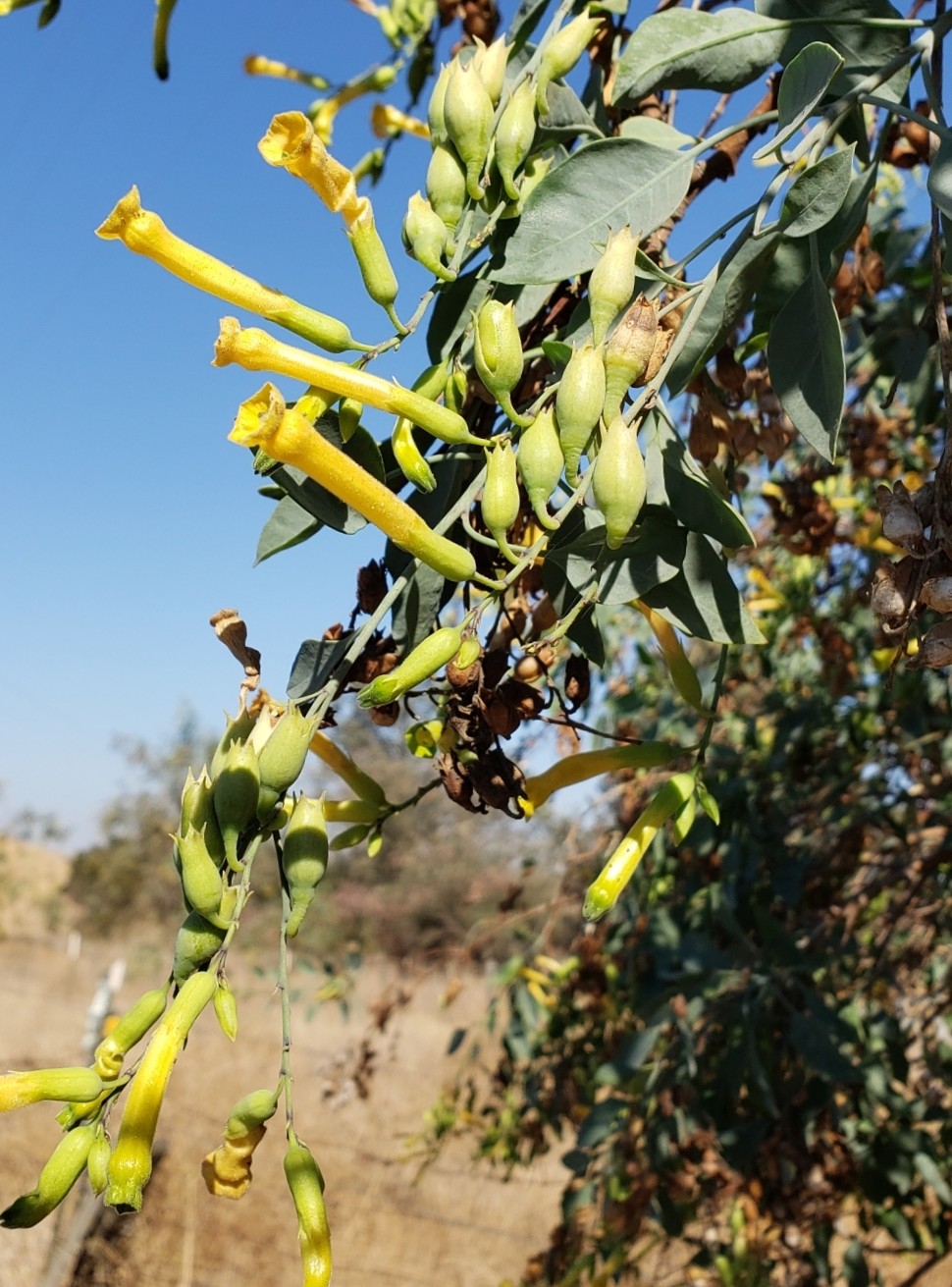
Tree Tobacco is Nicotiana glauca Graham, a smooth glaucous shrub or small tree in Solanaceae. It differs markedly from the annual field-crop appearance many people associate with tobacco. Mature plants may form several trunks and long loosely branching stems and can reach several meters in height.
The accepted name was published in 1828 from South American material. Nicotidendron glauca, Nicotiana arborea, and Siphaulax glabra occur in older botanical literature. Those names identify Tree Tobacco rather than a safer edible shrub.
Native Range and Global Introduction
The native range extends from Bolivia into southern Brazil and southern South America, including parts of Argentina, Paraguay, Uruguay, and northern or central Chile. The species grows primarily in subtropical environments. It has been introduced widely across warm and warm-temperate regions on several continents and many islands.
Introduced populations occur in parts of the southern and western United States, including Alabama, Arizona, California, Florida, Georgia, Hawaii, Mississippi, Nevada, New Mexico, and Texas. Additional populations occur throughout parts of Africa, Australia, Europe, the Middle East, Asia, Mexico, Central America, and oceanic islands. Local legal or invasive-plant status varies by jurisdiction.
Growth Habit and Habitat
Tree Tobacco commonly colonizes roadsides, washes, drainage channels, riverbanks, disturbed slopes, construction sites, abandoned land, pasture margins, livestock paths, fence lines, vacant lots, and shaded congregation areas. Its ability to establish rapidly in disturbed ground places it directly beside animal movement routes. Large root systems help established shrubs persist in dry environments.
Livestock risk increases when drought, overgrazing, transport, confinement, or sparse forage reduces dietary choice. Cut branches placed in a pen may be more accessible than standing shrubs. Animals can also encounter seedlings long before the plant develops its tree-like appearance.
Leaves
The leaves are generally smooth, hairless, waxy, and blue-green or gray-green. They are attached by noticeable petioles and may be oval, elliptic, or narrowly oblong with entire margins. Mature leaves can be several inches long and have a somewhat leathery texture.
This glabrous glaucous foliage helps distinguish Tree Tobacco from cultivated Nicotiana tabacum, whose large leaves are commonly sticky, hairy, and nearly sessile or decurrent. Detached or wilted leaves lose some visual distinctions. Preserve stems, petioles, flowers, and the complete growth habit whenever possible.
Flowers
The flowers are long, narrow, tubular, and usually yellow or greenish yellow. They occur in loose clusters near branch tips and may be visited by hummingbirds and insects. The corolla opens only modestly compared with many star-shaped ornamental tobaccos.
Flowers contain anabasine and should not be used in pet-accessible arrangements. Pollinator use does not establish safety for mammals or companion birds. Fallen flowers and pruned flowering branches must be collected with the leaves.
Capsules and Seeds
The fruit is a dry capsule containing numerous tiny seeds. It is not a fleshy berry. Capsules may remain attached after flowering and can shed seeds widely into disturbed soil.
No dependable evidence supports treating clean seeds as safe animal food. Natural exposure usually includes capsule walls, calyx tissue, stems, dust, and other plant fragments. Seed production also allows a single missed plant to create many accessible seedlings.
Tree Tobacco and Cultivated Tobacco
Cultivated tobacco is usually Nicotiana tabacum, a herbaceous crop plant with large sticky leaves and flowers commonly ranging from pale pink to reddish. Nicotine normally dominates its alkaloid mixture. Tree Tobacco is woody, glabrous, blue-green, petioled, and yellow-flowered, with anabasine normally dominant.
Both species activate and then block nicotinic acetylcholine receptors. Their acute emergency priorities are therefore similar despite the different dominant alkaloids. Exact species still matters for plant analysis, reproductive evidence, exposure reconstruction, and citation accuracy.
Tree Tobacco and Ornamental Flowering Tobacco
Ornamental flowering tobaccos include Nicotiana alata, Nicotiana sylvestris, Nicotiana langsdorffii, and complex hybrids such as Nicotiana × sanderae. They are generally herbaceous and may produce white, pink, red, purple, lime-green, or fragrant evening flowers. Their labels may say only Nicotiana or Flowering Tobacco.
These plants can contain toxic nicotinic alkaloids, but their precise profiles differ. A white-flowered ornamental should not be identified as Tree Tobacco, and an anabasine-dominant Tree Tobacco study should not be transferred automatically to every bedding cultivar. Preserve the nursery label whenever an ornamental exposure occurs.
Mustard Tree Confusion
Mustard Tree is used for several unrelated plants. Some are shrubs or small trees in arid regions, while others are associated with traditional chewing sticks or biblical plant discussions. Their chemistry and animal risks differ substantially.
Tree Tobacco should be identified by its smooth glaucous leaves, petioles, branching woody habit, yellow tubular flowers, and dry capsules. A common-name label without botanical evidence is inadequate for toxicologic interpretation. Photograph the entire plant before removal.
Fresh, Wilted, Dried, and Cooked Material
Freshness does not determine whether the plant is poisonous. Wilted leaves may become easier to chew, dried material can retain alkaloids, and cooked leaves have caused severe and fatal human poisoning. No household preparation reliably detoxifies Tree Tobacco for animals.
Dry branches, old stalks, barn sweepings, landscape waste, and dead-looking seedlings should remain inaccessible. Mowing or shredding can distribute small fragments through forage and destroy identifying features. Burning creates smoke and ash hazards and is not an appropriate feeding-area disposal method.
Analytically Confirmed Cattle Toxicosis
A 1993 investigation documented Tree Tobacco poisoning in a California cattle herd. One heifer was found dead after other animals had shown ataxia and depression, while additional heifers later developed colic and anorexia. A field investigation found abundant Tree Tobacco along cattle paths, riverbanks, and shaded gathering areas, with broken branches and leaves stripped from reachable sides.
Leaves in the first heifer’s rumen matched the browsed shrubs. The submitted plant contained 1,430 ppm anabasine and 2 ppm nicotine. Anabasine was detected at 320 ppm in rumen leaves, 20 ppm in rumen contents, 2 ppm in liver, and 3 ppm in urine.
Nicotine was not detected in the animal samples. The diagnostic chain therefore linked field browsing, plant identity, rumen leaves, ingesta, tissue, and urine through anabasine analysis. A second euthanized heifer did not contain detectable anabasine, so the authors correctly declined to call that animal a definitive Tree Tobacco case.
Analytically Confirmed Ostrich Outbreak
In October 2007, a flock of young ostriches was moved into a pasture where Tree Tobacco was accessible. Two birds were found dead within two to three hours, and seven additional birds were affected or dead. Affected birds developed ataxia and torticollis and succumbed within two to three hours.
Seven necropsied birds contained layers of broadly ovate suspicious leaves in the proventriculus. The recovered leaf remnants weighed 80–770 grams and contained 114–177 micrograms of anabasine per gram of dry material; control Tree Tobacco leaves contained 193 micrograms per gram. Removing the surviving flock from the pasture stopped additional deaths.
The historical 1903 description preserved in the modern report stated:
“Staggering gait, spasmodic contractions of the voluntary muscles followed by stupor, the birds sit down and throw their heads about, finally, the neck is doubled right back and the head laid on the body; death being due to coma.”
The historical wording predates modern receptor physiology and analytical confirmation. The modern outbreak supports ataxia, abnormal neck posture, rapid deterioration, and death after substantial Tree Tobacco leaf ingestion. Respiratory paralysis is the more precise modern terminal mechanism even when the final bird appears comatose.
Lethal Nicotine Intoxication in Mules
Robin Sanecki, Ramesh C. Gupta, and Wade L. Kadel published “Lethal Nicotine Intoxication in a Group of Mules” in 1994. The case involved cultivated-tobacco residue contaminating hay rather than anabasine from living Tree Tobacco. Its detailed description remains relevant to the shared nicotinic stimulation, blockade, and respiratory-paralysis mechanism:
“The pharmacological and toxicological effects of nicotine occur primarily in the central nervous system (CNS), cardiovascular system, skeletal muscles, and gastrointestinal tract. CNS signs depend upon the dose and vary from mild stimulatory effects, such as tremors, hyperexcitability, and auditory and visceral disturbances, to severe excitatory signs, such as marked incoordination and clonic and tonic convulsions. Nicotine transiently stimulates and then severely depresses the CNS. Cardiovascular signs, such as tachycardia and hypertension, are a result of stimulation of sympathetic ganglia and the adrenal medulla along with sympathomimetic activation of chemoreceptors of the aortic and carotid bodies. In skeletal muscles, nicotine initially stimulates nicotinic receptors of the motor end-plate and in large doses it blocks the receptors. Death is from respiratory paralysis of the diaphragm and chest muscles, resulting from descending paralysis and depolarization block of the neuromuscular junction.
“In the gastrointestinal tract, nicotine activates the smooth muscles and secretory glands, resulting in excessive salivation, increased gastric secretion, vomiting, and increased peristalsis and defecation. The respiratory response to nicotine overdose is tachypnea. The findings presented here and elsewhere indicate that diagnosis is possible by residue analysis of nicotine or its major metabolites in body fluids, tissues, or stomach contents.”
Six mules died during a 24-hour period. Five were found dead, and the sixth showed ataxia and tremors before death. Necropsied animals had severe pulmonary edema, distended stomachs containing watery hay material, and a strong tobacco odor in the stomach contents.
Nicotine was detected in stomach contents and hay. Tobacco leaves and stalks had previously been hung above the stored forage, allowing liquid and residue to contaminate it. The case demonstrates that tobacco does not need to remain visibly mixed through the hay at feeding time for a lethal exposure to occur.
Human Cooking and Misidentification Cases
Several human cases confirm that cooking Tree Tobacco does not neutralize anabasine. Leaves have been mistaken for spinach, wild greens, or culinary herbs and then boiled or incorporated into food. Patients developed nausea, vomiting, weakness, gait impairment, bulbar dysfunction, respiratory failure, coma, asystole, and death in severe cases.
Analytical investigations detected anabasine in leaves, prepared food, blood, urine, viscera, stomach contents, and associated flower material. Survivors have required intubation and mechanical ventilation until neuromuscular function returned. These cases reinforce the central importance of respiratory support without creating a veterinary dose estimate.
Experimental Calf Developmental Injury
Maternal Tree Tobacco ingestion during the first trimester produced congenital deformities in calves. Reported findings included forelimb arthrogryposis, spinal curvature, persistent malpositioning, and altered alignment of developing limb bones and joints. Some abnormalities became more pronounced as affected calves grew.
The developmental syndrome results from loss of normal fetal movement during susceptible periods. A calf that survives birth may still face progressive orthopedic disability, inability to stand or nurse, respiratory compromise, and welfare concerns. Pregnant cattle must be removed from exposure immediately even when the cow appears clinically normal.
Sheep, Pig, and Goat Developmental Research
Tree Tobacco collections containing different anabasine concentrations produced moderate to severe maternal toxic signs and developmental abnormalities in experimental sheep. Isolated anabasine produced congenital contracture defects in pigs, confirming that the principal alkaloid can reproduce the plant-associated syndrome. Goat studies documented fetal-movement suppression, contractures, cleft palate, embryonic loss under some regimens, and the importance of exposure continuity.
Intermittent exposure studies examined whether short periods away from the plant could reduce malformation risk. Results support the importance of sustained fetal-movement inhibition but do not make intermittent access an acceptable management strategy. Complete prevention of Tree Tobacco browsing remains the appropriate goal for pregnant livestock.
Dogs and Cats
Published exact-species companion-animal case series are limited. Risk assessment therefore relies on known anabasine pharmacology, human cases, livestock outbreaks, experimental receptor research, and the expected susceptibility of mammalian nicotinic receptors. Lack of a large dog or cat series does not establish safety.
Dogs may access seedlings, pruned branches, vacant-lot shrubs, drainage-channel plants, and roots uncovered during removal. Cats may encounter seedlings, cut stems, flowers, or potted young plants. Any known ingestion warrants urgent assessment because the interval between gastrointestinal signs and respiratory weakness may be short.
Diagnosis and Specimen Collection
Diagnosis combines plant identification, access evidence, the stimulation-to-depression pattern, rapid neuromuscular weakness, respiratory findings, and analytical testing when available. There is no household test that confirms anabasine exposure. Negative blood testing does not always exclude poisoning if collection occurs after redistribution or elimination.
Useful specimens may include the complete plant, fresh comparison leaves, flowers, capsules, forage, hay, water, vomit, stomach or rumen contents, urine, blood, liver, kidney, and other tissues selected by the diagnostic laboratory. Anabasine in ingesta establishes exposure, while detection in urine or tissue strengthens evidence of absorption. Plant and biological specimens should be labeled by animal, location, material, and collection time.
Differential Diagnosis
Organophosphate and carbamate pesticides can cause salivation, gastrointestinal hyperactivity, tremors, weakness, respiratory compromise, and collapse, but their muscarinic and cholinesterase patterns differ. Poison Hemlock, toxic lupines, nicotine products, metaldehyde, strychnine, botulism, ionophore-contaminated feed, cyanogenic plants, water hemlock, toxic mushrooms, and primary neurologic disease can overlap substantially.
Nicotine gum, cigarette butts, cigars, chewing tobacco, snuff, nicotine pouches, transdermal patches, insecticides, and electronic-cigarette liquid can deliver much more concentrated and rapidly available nicotine than living plant tissue. Product exposure should be reported separately from Tree Tobacco. Mixed exposure is possible where discarded nicotine products lie beneath the shrub.
Veterinary Evaluation
Immediate priorities include respiratory depth, chest movement, oxygenation, carbon-dioxide retention, airway reflexes, muscle strength, mentation, heart rate, rhythm, blood pressure, pulse quality, mucous-membrane color, glucose, electrolytes, acid-base status, and temperature. Respiratory rate alone can be misleading because a weak patient may breathe rapidly but move little useful air. Serial examination is essential when signs are evolving.
Laboratory testing may evaluate consequences of vomiting, hypoxia, shock, seizures, aspiration, and muscle injury. Chest imaging may be needed after aspiration. Feed and toxicology testing can identify the source in herd, flock, or unexplained sudden-death events.
Prognosis
The prognosis can be favorable when exposure is recognized before advanced neuromuscular failure and cardiopulmonary support is available. Patients that receive timely airway protection and ventilation may recover completely as receptor function returns and alkaloid concentrations fall. Normal strength, breathing, rhythm, pressure, temperature, and mentation must persist without support before discharge.
The outlook becomes guarded to grave after flaccid paralysis, weak or absent chest movement, prolonged cyanosis, aspiration, uncontrolled seizures, coma, cardiac arrest, or extended hypoxia. Apparent survival through an early number of hours does not guarantee recovery. Continued absorption and delayed respiratory fatigue remain possible.
Prevention
Remove Tree Tobacco from yards, kennels, paddocks, water points, shade routes, fence lines, washes, trails, vacant lots, feed-storage areas, and pasture margins. Control seedlings as well as mature shrubs. Wear gloves and eye protection during removal and prevent animals from accessing cut material.
Place every leaf, branch, root, capsule, seed head, and seedling directly into secure disposal. Never place Nicotiana waste in a pasture, pen, coop, hutch, open compost pile, or feed area. Tobacco plants, curing material, nicotine products, hay, bedding, grain, and animal water must be physically separated.
Immediate Emergency Response
- Stop all exposure: Move the animal away from living plants, seedlings, cut branches, roots, flowers, capsules, seeds, dried tobacco, contaminated hay, crop waste, barn residue, and nicotine products.
- Call immediately: Contact a veterinarian, emergency veterinary hospital, or animal poison-control service without waiting for symptoms.
- Preserve complete evidence: Save the plant, photographs, forage, hay, water, feeder material, vomit, product packaging, and representative clean specimens.
- Estimate the maximum exposure: Record the plant part, greatest amount missing, time of access, animal’s weight, pregnancy status, and number of exposed animals.
- Remove the entire group: Move all livestock, birds, or other animals away from a shared pasture, feeder, hay lot, barn, or water source even when only one animal is showing signs.
- Keep the animal quiet: Exercise and struggling increase oxygen demand and can accelerate respiratory-muscle fatigue.
Assess Breathing and Responsiveness
- Watch chest movement: Rapid but shallow breathing, decreasing chest expansion, gasping, or progressively slower respiration may indicate neuromuscular paralysis.
- Check gum or oral-tissue color: Pale, gray, or blue-gray tissue indicates poor perfusion or oxygen delivery.
- Check strength: Trembling, swaying, knuckling, falling, inability to rise, or a weak head and neck requires immediate emergency treatment.
- Check swallowing: Drooling, gagging, weak tongue movement, or inability to swallow greatly increases aspiration risk.
- Check responsiveness: Confusion, stupor, collapse, coma, or loss of protective reflexes indicates advanced poisoning.
- Leave immediately for respiratory signs: Do not delay transport for additional home cleaning, internet identification, or a poison-service callback when breathing or consciousness is abnormal.
An animal can have an open airway but fail to ventilate because the diaphragm and chest muscles are paralyzed. Oxygen may help only temporarily when useful chest movement is disappearing. Endotracheal intubation and assisted ventilation may be required before oxygen and carbon-dioxide exchange can be restored.
Reduce Exertion and Prevent Injury
- Reduce noise and handling: Keep the environment quiet and avoid unnecessary stimulation.
- Do not force walking: A weak animal may collapse or exhaust its remaining respiratory strength.
- Prevent falls: Keep the patient away from stairs, water, traffic, fencing, trailers, and hard or sharp objects.
- Call before moving large animals: A veterinarian may recommend field stabilization when loading would create dangerous exertion.
- Do not chase exposed livestock: Move clinically normal group members calmly and handle weak animals individually.
Remove Loose Plant Material
- Wear gloves: Avoid contact with wet plant material, sap, vomit, ingesta, tobacco residue, and concentrated nicotine products.
- Remove only visible loose pieces: Carefully take accessible leaves, flowers, capsules, and stems from the lips and front of the mouth when the animal remains alert.
- Avoid blind sweeps: Do not reach deeply into the throat or push plant material toward the airway.
- Do not force a mouth rinse: Drooling, weakness, vomiting, tremors, or impaired swallowing makes aspiration likely.
- Stop if the animal resists or coughs: Airway safety takes priority over removing every visible fragment.
Do Not Induce Vomiting at Home
- Do not give hydrogen peroxide: Rapid weakness, seizures, and loss of airway control can convert induced vomiting into fatal aspiration.
- Never give peroxide to a cat: It can cause serious gastric and esophageal injury.
- Do not use salt, mustard, ipecac, detergent, dish soap, oil, fingers, or manual gagging: These methods do not neutralize anabasine and can produce additional poisoning or injury.
- Never induce vomiting after signs begin: Drooling, agitation, tremors, weakness, ataxia, abnormal breathing, depression, or impaired swallowing makes emesis unsafe.
- Do not induce vomiting in horses, rabbits, guinea pigs, birds, reptiles, or other nonvomiting species: Household emesis is impossible or unsafe in these animals.
- Leave emesis selection to the veterinarian: Controlled vomiting may be considered only in a recently exposed, fully alert, stable, asymptomatic dog that can protect its airway.
Do Not Give Home Antidotes or Owner-Selected Medication
- Do not give atropine: It does not reverse nicotinic neuromuscular blockade and may worsen early tachycardia or another rhythm abnormality.
- Do not give heart medication: Beta-blockers, vasopressors, stimulants, antiarrhythmics, and blood-pressure drugs require ECG and pressure monitoring.
- Do not give sedatives: Human or leftover animal sedatives may worsen respiratory depression and obscure neurologic progression.
- Do not give potassium permanganate or tannic acid: These historical treatments can injure tissue and are not appropriate owner first aid.
- Do not give milk, oil, antacids, alkaline solutions, food, or forced water: They do not reliably neutralize the alkaloids and may complicate decontamination or aspiration risk.
- Do not give human pain or nausea medication: Additional drugs can create a second poisoning or destabilize the cardiovascular system.
Activated Charcoal
- Do not force charcoal at home: Tree Tobacco can produce sudden vomiting, tremors, weakness, seizures, and respiratory paralysis.
- Never give charcoal to a symptomatic animal without airway protection: Aspiration can be rapidly fatal.
- Do not use household charcoal: Briquettes, fireplace ash, burned food, and homemade carbon are not medical activated charcoal.
- Allow veterinary selection: Medical charcoal may be considered after a recent meaningful ingestion when the expected benefit outweighs the aspiration risk.
- Do not reinduce vomiting after charcoal: This historical practice creates an unacceptable aspiration hazard.
Tremors and Seizures
- Clear the area: Move furniture, buckets, tools, fencing, and sharp objects away from the animal.
- Do not put anything in the mouth: Keep hands, food, water, medication, spoons, and cloth away during a seizure.
- Do not hold the tongue: Attempting to do so can cause severe injury.
- Protect without pinning: Use barriers or folded blankets when safe and do not restrain the limbs forcefully.
- Reduce stimulation: Lower noise and light while arranging immediate transportation.
- Time the episode: Record its duration, recurrence, breathing, and whether awareness returns.
Vomiting, Diarrhea, and Aspiration
- Record every episode: Note frequency, plant fragments, blood, black material, and whether weakness or coughing follows.
- Do not muzzle a vomiting animal: Saliva and vomit must drain freely.
- Do not force oral fluids: A weak or poorly swallowing animal may inhale them.
- Watch for aspiration: Coughing, nasal discharge, rapid breathing, fever, abnormal lung sounds, or renewed depression requires reassessment.
- Watch for dehydration: Tacky gums, sunken eyes, reduced urination, weak pulses, or inability to retain water requires fluid therapy.
Respiratory Paralysis
- Recognize weak ventilation: Minimal chest movement, shallow breaths, gasping, cyanosis, or slowing respirations is immediately life-threatening.
- Keep the airway clear: Remove only loose visible material and allow saliva or vomit to drain.
- Avoid neck compression: Loosen tight collars, halters, or restraint that interferes with breathing.
- Begin transport immediately: Do not delay when the animal is gasping, cyanotic, collapsed, or poorly responsive.
- Begin CPR only when indicated: Use species-appropriate CPR only if the animal is unresponsive, not breathing, and has no detectable heartbeat.
Respiratory paralysis may be reversible if the patient is ventilated until the alkaloid concentration falls and receptor function returns. Manual or mechanical ventilation may need to continue for hours in a severe case. Apparent consciousness does not mean that the animal can maintain adequate ventilation without support.
Safe Transportation
- Call ahead: Tell the clinic that Tree Tobacco, anabasine, nicotine, contaminated feed, or another Nicotiana exposure is suspected.
- Prevent exertion: Carry or support weak small animals rather than forcing them to walk.
- Prevent falls: Use a carrier, crate, stretcher, rigid board, sling, or blanket as appropriate.
- Position for drainage: Keep the head so saliva and vomit can leave the mouth without compressing the chest.
- Do not muzzle a vomiting or breathing-impaired animal: A muzzle can trap secretions and interfere with respiration.
- Bring the evidence: Take plants, forage, hay, water samples, photographs, labels, packaging, and securely contained vomited fragments.
Horses and Livestock
- Remove the entire group: Block access to shrubs, seedlings, cut branches, contaminated forage, hay, feeders, barn sweepings, and tobacco-curing areas.
- Do not force affected animals to walk: Exercise can worsen weakness and respiratory-muscle fatigue.
- Do not drench a compromised animal: Salivation, tremors, recumbency, coughing, or poor swallowing creates major aspiration risk.
- Preserve feed and water: Save hay, grain, supplements, bedding, water, rumen material, and tobacco residue before cleanup.
- Inspect storage areas: Look above and around feed for drying tobacco, liquid staining, stalks, dust, and contaminated surfaces.
- Contact a large-animal veterinarian immediately: Field ventilation, seizure control, cardiovascular support, or safer transport planning may be required.
Pregnant Livestock
- Remove exposure immediately: Do not permit continued browsing even when the dam remains clinically normal.
- Identify every exposed pregnancy: Record animal identification, gestational stage, possible amount, and exposure dates.
- Arrange continued reproductive monitoring: Veterinary pregnancy assessment, ultrasonography, or neonatal planning may be appropriate after meaningful exposure.
- Do not assume maternal recovery protects the fetus: Developmental injury may occur without severe acute maternal poisoning.
- Inspect newborns carefully: Limb contractures, spinal curvature, torticollis, cleft palate, weakness, and inability to stand or nurse may reflect prenatal exposure.
Birds, Rabbits, Guinea Pigs, and Other Exotics
- Do not attempt vomiting: Household emesis is unsafe or impossible in these species.
- Minimize handling: Struggling increases respiratory demand in a weak bird or small mammal.
- Do not force food or water: Trembling, recumbency, poor head control, or impaired swallowing creates aspiration risk.
- Monitor posture and breathing: Inability to perch, torticollis, open-mouth breathing, shallow respiration, or collapse requires immediate care.
- Use species-experienced emergency treatment: Airway equipment, ventilation, fluids, restraint, and temperature support differ markedly among species.
Veterinary Evaluation
- Prioritize ventilation: Assess respiratory depth, chest movement, blood oxygenation, carbon-dioxide retention, gag reflexes, and need for intubation.
- Assess cardiovascular changes repeatedly: Heart rate, ECG, blood pressure, pulse quality, gum color, and perfusion can change as stimulation becomes blockade.
- Assess neurologic and muscular function: Tremors, fasciculations, ataxia, neck weakness, recumbency, seizures, paralysis, and mentation help define progression.
- Assess temperature and metabolism: Tremors may produce hyperthermia, while shock and paralysis may produce hypothermia.
- Collect diagnostic samples: Urine, blood, ingesta, rumen contents, liver, forage, and plant material may be tested for anabasine, nicotine, or metabolites.
- Exclude overlapping toxins: Pesticides, hemlock, lupines, metaldehyde, strychnine, botulism, ionophores, cyanogenic plants, and concentrated nicotine products require consideration.
Veterinary Decontamination
Decontamination must never delay stabilization. A veterinarian may consider controlled emesis after a recent meaningful ingestion in a fully alert, stable, asymptomatic dog capable of protecting its airway. Once tremors, weakness, vomiting, abnormal breathing, ataxia, depression, or impaired swallowing develops, airway protection and ventilation become more important than inducing further vomiting.
Activated charcoal may be considered when sufficient material could remain in the gastrointestinal tract and the airway is safe. Gastric lavage is reserved for selected serious exposures under anesthesia with endotracheal protection. Historical potassium-permanganate and tannic-acid lavage formulas are not routine modern owner treatment and may cause chemical injury or delay.
Veterinary Treatment
There is no specific neutralizing antidote. Endotracheal intubation is indicated when protective reflexes weaken, ventilation becomes inadequate, or vomiting threatens aspiration. Oxygen supports blood oxygenation, but manual or mechanical ventilation is required when respiratory muscles cannot move enough air.
Veterinarian-selected anticonvulsants or muscle-relaxant medications may be needed for tremors and seizures. Intravenous fluids support circulation and correct measured dehydration and electrolyte abnormalities. Blood-pressure support and rhythm-specific treatment must be adjusted as the patient changes from early stimulation to later blockade.
Atropine may be considered for clinically important bradycardia or excessive secretions. It does not reverse paralysis at the skeletal neuromuscular junction and must not delay ventilation. A patient with early tachycardia and hypertension may require an entirely different approach from the same patient later in hypotensive bradycardic collapse.
Temperature requires active monitoring because tremors and seizures may produce hyperthermia, while shock and paralysis may produce hypothermia. Aspiration may require oxygen, suctioning, imaging, airway management, and additional treatment. Therapy should respond to measured physiology rather than to a fixed tobacco-poisoning drug list.
Monitoring and Recovery
- Monitor breathing continuously: Respiratory depth and chest movement must remain normal after oxygen or assisted ventilation is reduced.
- Monitor strength and swallowing: Head control, gait, tongue movement, gag reflexes, and ability to stand should improve without recurrence.
- Monitor heart rate and pressure: Tachycardia, bradycardia, dysrhythmia, hypertension, and hypotension may occur at different stages.
- Monitor temperature: The animal should maintain normal temperature without active cooling or warming.
- Monitor for aspiration: Coughing, fever, abnormal breathing, nasal discharge, or renewed depression after apparent recovery requires reassessment.
- Avoid rigid time rules: Discharge should follow sustained cardiopulmonary and neurologic stability rather than survival through an arbitrary number of hours.
Prevention and Prognosis
- Remove mature shrubs and seedlings: Control plants along fences, washes, water points, livestock trails, corrals, yards, kennels, and disturbed ground.
- Secure every cutting: Place leaves, flowers, capsules, seeds, roots, and branches directly into closed animal-inaccessible disposal.
- Separate tobacco from feed: Never dry, cure, store, or process tobacco above or beside hay, grain, bedding, feeders, or animal water.
- Typical prognosis: Early cases may recover completely when airway, ventilation, circulation, seizures, and temperature are supported promptly.
- Guarded-to-grave circumstances: Advanced respiratory paralysis, prolonged hypoxia, aspiration, coma, uncontrolled seizures, or cardiac arrest creates a serious outlook.
Frequently Asked Questions About Tree Tobacco and Animal Poisoning
Why is this Tree Tobacco page not a genus-level page for every Nicotiana species?
Tree Tobacco is the exact species Nicotiana glauca, whose alkaloid profile is normally dominated by anabasine. The genus Nicotiana also includes cultivated tobacco, ornamental flowering tobaccos, and numerous wild species that may contain different proportions of nicotine, anabasine, nornicotine, and anatabine. The shared receptor syndrome permits broad emergency caution, but exact chemical concentrations, developmental evidence, and case reports must remain attached to the species actually studied.
What should I do when one Tree Tobacco leaf may be missing but my dog still looks normal?
Contact a veterinarian or animal poison-control service immediately rather than waiting for salivation, vomiting, tremors, or weakness. No validated one-leaf threshold exists because leaf size and anabasine concentration vary, and a small dog does not receive the same body-weight exposure as a large dog. Preserve the plant, estimate the greatest amount that could be missing, and record when access occurred. Early professional assessment preserves decontamination options that disappear once neurologic or respiratory signs begin.
Does vomiting mean that a dog has removed the dangerous dose?
No. Vomiting may remove part of the plant but cannot reveal how much anabasine has already entered the bloodstream. Retained leaves or stems can continue releasing alkaloid after visible fragments are expelled. A dog can progress from vomiting and agitation to tremors, weakness, shallow breathing, and collapse. Continued observation and professional guidance are required even when recognizable leaves appear in the vomit.
Can dried, wilted, frozen, or cooked Tree Tobacco be treated as harmless?
No household treatment reliably destroys the toxic alkaloids. Cooked leaves have caused severe and fatal human poisoning, while dried tobacco residue has contaminated hay and killed livestock. Wilting and frost may change texture and palatability without eliminating anabasine. Every form of the plant should remain inaccessible and should never be mixed with forage, compost accessible to animals, or garden greens.
Are the tiny seeds safe if they have fallen out of the capsules?
No safe seed quantity has been established. Naturally encountered seeds are usually mixed with capsule walls, calyx tissue, stems, leaves, dust, and other alkaloid-bearing debris. Small seeds may also be consumed in large numbers by poultry, cage birds, rabbits, or grazing animals before the exposure is noticed. Capsules, seeds, and seedlings should all be removed from animal areas.
How can tobacco poison hay when no tobacco leaves are visible in the bale?
Alkaloid-containing liquid, dust, small fragments, and residue can fall or drip from drying plants onto forage below. In the published mule outbreak, cultivated tobacco had previously been hung above stored hay, and nicotine was later detected in both the forage and stomach contents. Large recognizable leaves did not need to remain present at feeding time. Feed storage above, below, or beside tobacco curing and processing areas is therefore unsafe.
How can Tree Tobacco be distinguished from cultivated or ornamental tobacco?
Tree Tobacco is a woody branching shrub or small tree with smooth waxy blue-green leaves on conspicuous petioles and long narrow yellow flowers. Cultivated Nicotiana tabacum is generally herbaceous, with much larger sticky or hairy leaves and pale-pink to reddish flowers. Ornamental flowering tobaccos are usually herbaceous and may have white, pink, red, purple, or green star-opening flowers. Preserve the entire plant and label because damaged leaves alone may not support a confident identification.
Why can the same poisoned animal have a fast heartbeat first and a slow heartbeat later?
Anabasine initially stimulates nicotinic receptors in autonomic ganglia and the adrenal medulla. This can increase sympathetic activity, heart rate, blood pressure, breathing, gastrointestinal activity, and muscle firing. Continued stimulation then produces receptor desensitization and blockade, allowing bradycardia, hypotension, weakness, and respiratory paralysis to replace the earlier excitatory signs. Treatment must follow the animal’s current physiology rather than the first sign observed.
Can an animal remain conscious while becoming unable to breathe?
Yes. Neuromuscular blockade can weaken the diaphragm and chest-wall muscles before complete loss of consciousness. The animal may remain aware but become unable to stand, hold up its head, swallow, or move enough air. Rapid shallow breathing may still provide inadequate ventilation. Weak chest movement, cyanosis, gasping, or progressive paralysis requires immediate intubation and assisted-ventilation capability.
Can a pregnant cow, ewe, doe, or sow look normal while the fetus is injured?
Yes. Anabasine can suppress fetal movement during a susceptible developmental period without producing maternal illness proportionate to the fetal damage. The resulting contractures, spinal curvature, torticollis, or cleft palate may not be discovered until birth. The absence of tremors, weakness, or collapse in the dam therefore does not establish fetal safety. Record the exposure date and gestational stage and arrange veterinary reproductive follow-up.
What evidence is most useful after several livestock have accessed Tree Tobacco?
Preserve complete shrubs, fresh reference leaves, flowers, capsules, forage, hay, feed, water, feeder residue, and photographs of the exact browsing site. Label samples by location and keep clean plant material separate from vomit, feces, stomach contents, or rumen material. Record every animal’s identification, pregnancy status, clinical signs, and likely exposure interval. A diagnostic laboratory may request urine, blood, liver, kidney, ingesta, or additional tissues for anabasine and nicotine analysis.
Is a nicotine pouch, e-cigarette liquid, or cigarette-butt exposure managed as the same event?
The receptor syndrome overlaps, but the source and concentration differ materially. Manufactured nicotine products may deliver a much larger and more rapidly available dose than one plant bite and may contain xylitol, solvents, flavorings, metals, batteries, or additional drugs. Preserve the complete package, concentration, remaining product, and estimated missing amount. Report the product exposure separately rather than calling it Tree Tobacco poisoning.
When should a veterinarian abandon gastrointestinal decontamination and prioritize intubation?
Airway protection takes priority once swallowing becomes weak, ventilation is shallow, consciousness is reduced, or vomiting, tremors, ataxia, seizures, and respiratory fatigue create substantial aspiration risk. Controlled emesis may be reasonable only in a recent, fully alert, stable, asymptomatic patient. Charcoal and lavage cannot compensate for failing ventilation. Intubation and assisted breathing should not be delayed while attempting to recover an uncertain remaining plant dose.
What is the appropriate role of atropine in Tree Tobacco poisoning?
Atropine may help selected patients with clinically important bradycardia or excessive secretions. It blocks muscarinic receptors but does not reverse anabasine at nicotinic skeletal-muscle receptors. It therefore cannot restore diaphragmatic contraction or replace ventilation. The decision requires current heart rate, ECG, blood pressure, perfusion, secretions, and poisoning phase because inappropriate use during early tachycardia may be harmful.
Which laboratory specimens are most useful for confirming Tree Tobacco exposure?
Plant, ingesta, rumen contents, stomach contents, urine, blood, liver, and other tissues may be useful depending on the case and laboratory method. Detection in ingested plant material confirms access, while urine or tissue detection strengthens evidence that the alkaloid was absorbed. Timing, redistribution, metabolism, and sample selection can affect the result, so a negative specimen does not automatically exclude exposure. The laboratory should be contacted before collection whenever possible.
Which findings support safe discharge after a severe anabasine exposure?
The patient should maintain normal respiratory depth, chest movement, oxygenation, carbon-dioxide elimination, blood pressure, heart rhythm, temperature, muscle strength, coordination, swallowing, and mentation without rescue support. Vomiting and seizures should remain controlled, and aspiration should not be developing. Improvement must persist after oxygen, ventilation, cardiovascular drugs, and warming or cooling are reduced. Survival through an arbitrary four-hour period is not an adequate discharge criterion.
How much can anabasine concentration vary among Tree Tobacco plants?
Published samples differ substantially. The fresh plant in the cattle investigation contained 1,430 ppm anabasine, experimental sheep collections ranged from 0.45 to 1.14 milligrams per gram dry weight, and leaf studies from other regions have reported different concentrations again. Plant organ, population, season, age, water, soil, growth rate, genetics, preparation, and analytical technique can all influence the result. One laboratory value should never be presented as the concentration of every shrub.
What did the R- and S-anabasine comparison establish?
The study showed that anabasine stereochemistry affects toxic and receptor potency. The R-enriched fraction was more lethal than the S-enriched fraction in the intravenous mouse model and was more potent at human fetal muscle-type nicotinic receptors. Anabaseine, a related but distinct molecule, was more potent than either anabasine fraction. The work clarifies receptor pharmacology but does not supply an oral Tree Tobacco dose for veterinary patients.
How strong is the evidence that Tree Tobacco itself causes livestock birth defects?
The evidence is direct and extends beyond analogy to smoking or cultivated tobacco. Maternal Nicotiana glauca exposure produced congenital abnormalities in calves, lambs, piglets, and goat kids, and isolated anabasine reproduced the swine contracture syndrome. Goat studies linked the process to reduced fetal movement and investigated cleft palate, contractures, embryonic loss, and intermittent exposure. The exact susceptible period and outcome remain species- and regimen-dependent.
What research is still needed to define a reliable Tree Tobacco toxic dose?
Authenticated plants would need to be sampled across geography, genetics, seasons, growth stages, moisture conditions, and plant organs. Anabasine enantiomers, nicotine, nornicotine, anatabine, and unresolved alkaloids should be quantified separately in leaves, stems, bark, roots, flowers, capsules, seeds, seedlings, fresh material, dried material, and contaminated forage. Prospective veterinary cases would also need measured plant intake, animal species, body weight, pregnancy status, clinical progression, toxicokinetics, treatment, ventilation duration, and outcome. Until those data exist, a universal leaf count or gram-per-kilogram threshold would be false precision.