PAWS Pet Poison Plant Guide
Is Giant Hogweed Poisonous to Dogs, Cats, Horses, and Livestock?
Yes—Giant Hogweed, Heracleum mantegazzianum, can seriously injure dogs, cats, horses, livestock, and people. Its clear sap contains phototoxic furanocoumarins that become damaging after ultraviolet-A exposure. Sap on the skin, muzzle, paws, eyelids, or sparsely haired tissue may cause little immediate discomfort but later produce intense redness, swelling, severe pain, vesicles, large blisters, ulceration, skin sloughing, necrosis, and long-lasting pigment changes.
Exact-species research found the greatest furocoumarin concentration in fruit, followed by leaves and then stems, but roots, petioles, flowers, seeds, stems, and all other sap-bearing tissues still require caution. Chewing may spread sap across the lips, face, mouth, paws, and coat. Generalized photosensitivity after ingestion is possible but has not been characterized adequately in animals exposed to authenticated Giant Hogweed; direct sap contamination followed by daylight remains the best-established hazard.
About this guide: This page provides general pet-poisoning information and cannot diagnose or treat an individual animal. For any suspected exposure, contact a veterinarian or animal poison-control service immediately. Do not induce vomiting, give medication, or attempt home decontamination unless directed by a veterinary professional.
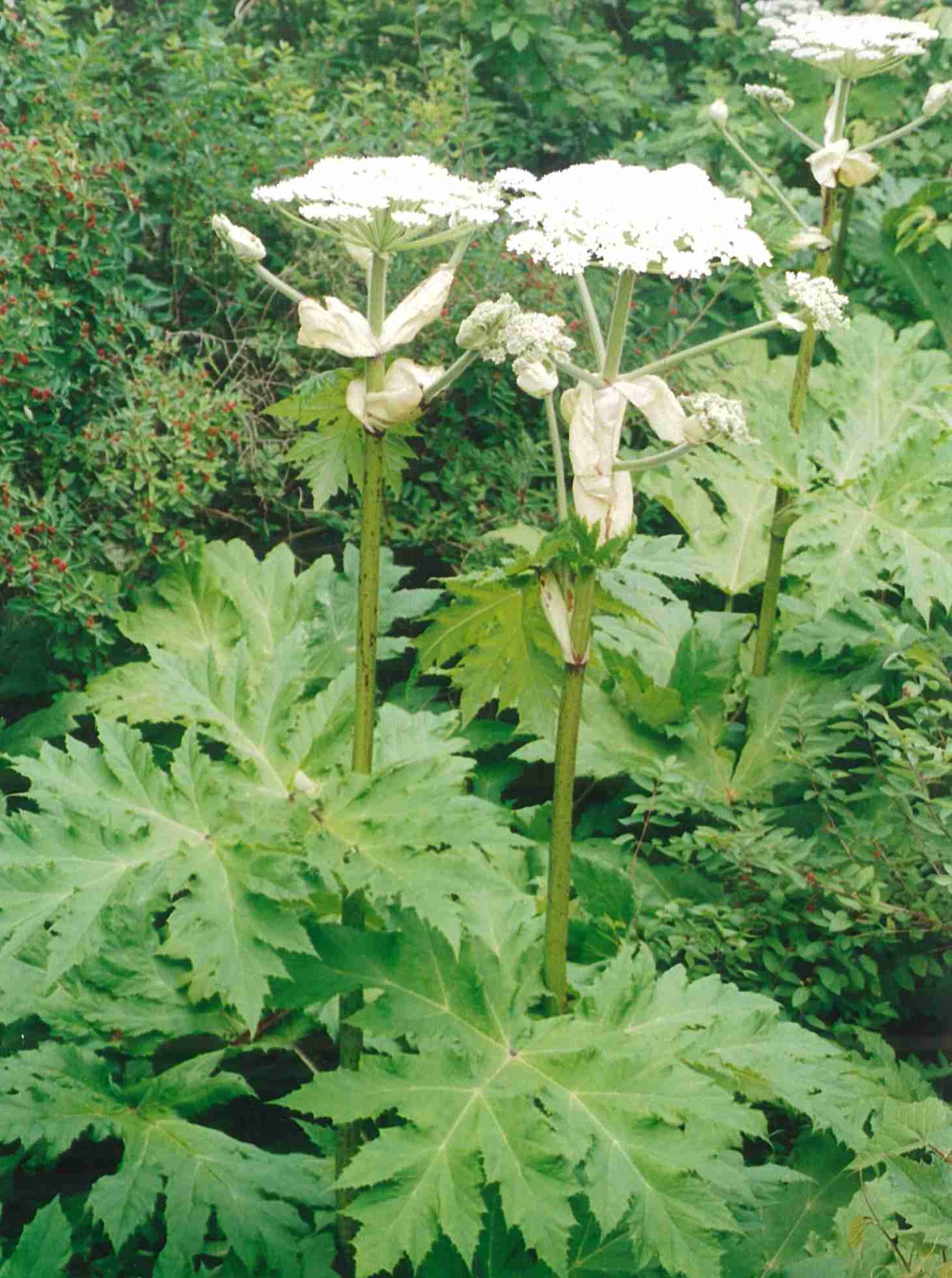
Giant Hogweed
Accepted name: Heracleum mantegazzianum Sommier & Levier
Important botanical synonyms and nomenclatural variants include:
Pastinaca mantegazziana (Sommier & Levier) Koso-Pol.
Heracleum circassicum Manden.
Heracleum grossheimii Manden.
Heracleum montegazzianum Sommier & Levier — orthographic variant
Heracleum mantegazianum, Heracleum mantegazzianium, and Heracleum mantegazzianum are commonly encountered spelling variants or misspellings in public searches; Heracleum mantegazzianum is the accepted spelling.
Do not confuse Giant Hogweed with Heracleum maximum, the North American species known as Cow Parsnip; Heracleum sosnowskyi, Sosnowsky’s Hogweed; or Heracleum persicum, Persian Hogweed. These are separate species rather than synonyms.
Apiaceae Lindl. — Carrot, Celery, or Parsley Family
Umbelliferae is a legitimate historical and alternative family name frequently used in older botanical, chemical, dermatological, and veterinary literature.
Giant Hogweed; Giant Cow Parsnip; Giant Cow-Parsnip; Giant Cow Parsley; Giant Parsley; Cartwheel Flower; Cartwheel-Flower; Hogsbane; Mantegazzi’s Cow Parsnip; Mantegazzi Cow Parsnip; Wild Parsnip; Wild Rhubarb; Heracleum mantegazzianum; Heracleum montegazzianum; Heracleum circassicum; Heracleum grossheimii; Pastinaca mantegazziana
“Giant Hogweed” is sometimes used collectively or imprecisely for Heracleum mantegazzianum, Heracleum sosnowskyi, and Heracleum persicum. These closely related large hogweeds are separate species and may require expert identification.
“Giant Cow Parsnip” can also create confusion with Cow Parsnip, Heracleum maximum, a distinct North American species. “Wild Parsnip” more commonly refers to Pastinaca sativa, another phototoxic member of Apiaceae.
A Complex Furanocoumarin Mixture
Giant Hogweed contains multiple furanocoumarins, also called furocoumarins, rather than one chemically uniform toxin. These plant-defense compounds become clinically damaging when sap-contaminated tissue receives ultraviolet-A radiation.
Exact-species investigations have identified linear and angular furanocoumarins in Heracleum mantegazzianum. Reported compounds include psoralen, bergapten or 5-methoxypsoralen, xanthotoxin or 8-methoxypsoralen, imperatorin, pimpinellin, isopimpinellin, phellopterin, angelicin, sphondin, isobergapten, and related coumarins.
The complete chemical profile varies with plant part, growth stage, season, environmental conditions, damage, genetics, extraction method, and analytical sensitivity. One study or one harvested plant cannot define a universal concentration for every Giant Hogweed specimen.
Fruit Has the Strongest Comparative Evidence
A year-long exact-species investigation compared furocoumarins in Giant Hogweed stems, leaves, and fruits. Concentrations were highest in fruit, intermediate in leaves, and lowest in stems. Psoralen was the predominant measured compound in leaves, while bergapten predominated in fruit.
Separate fruit research isolated pimpinellin, imperatorin, phellopterin, and xanthotoxin from a dichloromethane fruit extract. These findings establish that developing fruits, mature fruits, and seeds associated with the broad flower heads deserve particular caution.
The comparative ranking does not make the stem safe. Even a lower-concentration stem can release enough sap to contaminate a large skin surface when it is snapped, cut, crushed, chewed, mowed, or struck with a string trimmer.
Leaves, Petioles, Stems, Roots, Flowers, and Seeds
Leaves and petioles create frequent exposure because of their immense surface area and because animals or people may brush against, crush, or move them. The hollow flowering stems can discharge clear watery sap when damaged.
Roots and crowns remain capable of releasing biologically active material during digging and removal. Flowers, immature fruits, mature fruits, flattened mericarps commonly called seeds, and dead-looking reproductive stalks should be handled cautiously.
Not every dry winter stem contains the same amount of free sap as actively growing tissue. However, seed heads, attached fruit, incompletely dried material, contaminated tools, and plant fragments should not be declared harmless merely because they no longer look green.
How Ultraviolet-A Activates the Injury
Furanocoumarins may remain on the skin surface or penetrate living epidermal tissue without creating immediate visible injury. Ultraviolet-A radiation excites the compounds and initiates photochemical reactions involving cellular DNA, proteins, lipids, and other molecular targets.
Linear furanocoumarins can intercalate between DNA base pairs and form covalent bonds with pyrimidine bases. Under appropriate ultraviolet exposure, additional reactions may produce DNA cross-links that interfere with replication and cell survival.
Reactive oxygen species and inflammatory signaling contribute further injury. Damaged cells die, capillaries leak fluid, tissue swells, and the epidermis may separate from deeper layers, producing vesicles and large bullae.
The reaction is delayed because tissue injury and inflammation continue after the original plant contact. Washing and darkness may prevent or reduce additional activation, but they cannot instantly reverse photochemical injury that has already occurred.
Phototoxicity Is Not a Conventional Allergy
Giant Hogweed phytophotodermatitis does not require previous exposure or immune sensitization. A dog, cat, horse, livestock animal, or person can develop serious injury during the first substantial sap-and-light exposure.
Antihistamines do not remove furanocoumarins, prevent DNA binding, block ultraviolet activation, or serve as an antidote. They may have a separate role when generalized hives or another histamine-mediated reaction is present, but they do not treat the principal mechanism.
Corticosteroids likewise do not neutralize the plant chemicals. Their potential use depends on timing, edema, lesion depth, infection, ocular injury, wound-healing concerns, and the patient’s overall condition.
Moisture, Heat, and Sap Transfer
Moisture can spread sap across skin, clothing, fur, equipment, and other surfaces. Wet coats, swimming, sweating, rain, dew, and damp vegetation may allow contamination to reach skin beneath the hair.
Warm conditions can increase skin absorption and are often accompanied by stronger ultraviolet exposure. Mowing or trimming on a warm bright day combines sap aerosolization, moist skin, thin clothing, and prolonged sunlight in a particularly hazardous exposure.
Coarse plant hairs are not independent injecting needles. They may scratch or abrade tissue and can carry sap, while the major phototoxic hazard comes from plant juice deposited on contacted surfaces.
Direct Contact Is the Best-Established Animal Hazard
Direct phytophotodermatitis occurs when sap reaches the skin and that area subsequently receives ultraviolet-A light. Dogs may be exposed while running through a stand, retrieving stems, pushing their heads under leaves, digging around crowns, swimming beside contaminated banks, or walking through freshly cut debris.
Horses and livestock may contact sap while grazing, trampling, lying in plants, rubbing against stems, moving through cut vegetation, or encountering contaminated fencing, mowers, trailers, halters, blankets, feeders, and handling equipment.
Lesions may reproduce the pattern of contamination. Streaks, splashes, droplets, sharply edged patches, muzzle-shaped marks, and paw-transfer patterns support direct plant contact.
Ingestion and Systemic Photosensitization
Chewing Giant Hogweed can coat the lips, nose, muzzle, tongue, paws, face, and nearby coat with sap. Subsequent daylight exposure can produce severe direct lesions even when little plant material is swallowed.
Furanocoumarins swallowed in sufficient amounts could theoretically be absorbed and circulate to light-exposed skin. Giant Hogweed and related phototoxic plants are therefore discussed among possible causes of primary photosensitization.
A dependable oral toxic dose and a well-defined authenticated Heracleum mantegazzianum syndrome have not been established in dogs, cats, horses, cattle, sheep, goats, rabbits, birds, or poultry. Generalized lesions should not be assumed automatically to prove systemic absorption.
An animal may have sap distributed across multiple areas by trampling, lying down, grooming, contaminated tack, or repeated contact. Livestock with widespread photosensitivity must also be evaluated for hepatogenous disease, in which impaired elimination of phylloerythrin follows liver or biliary injury.
Exact-Species Chemistry Does Not Transfer Automatically
Sosnowsky’s Hogweed, Persian Hogweed, Common Hogweed, Cow Parsnip, Wild Parsnip, and several other Apiaceae species also contain furanocoumarins. Their chemistry may overlap, but exact concentrations, tissue rankings, seasonal patterns, and toxic doses are not interchangeable.
Research involving Heracleum sosnowskyi, Heracleum persicum, Heracleum maximum, Heracleum sphondylium, or Pastinaca sativa may help explain the broader mechanism but must not be described as direct Giant Hogweed evidence.
Cut, Wilted, and Dried Material
Freshly broken or cut tissue creates the greatest immediate sap hazard. String trimming, mowing, brush cutting, crushing, digging, chopping, and mechanical removal can distribute droplets and plant fragments over people, animals, vehicles, nearby vegetation, and equipment.
Wilting does not prove that furanocoumarins have disappeared. Recently cut foliage and stems may continue releasing sap, while residue on clothing, fur, tools, and porous material may remain available for transfer.
Completely dried stems may contain less free liquid than actively growing plants, but attached fruit, seeds, partially dried material, and contaminated debris still require protective handling. Burning should not be used as an improvised disposal method because smoke, hot sap, and airborne particles create additional exposure concerns.
No Established Safe or Lethal Dose
No dependable sap volume, leaf weight, fruit count, seed count, root mass, plant weight, ultraviolet duration, oral dose, or lethal threshold has been established for animals.
Severity depends on the compound mixture, plant part, amount of sap, area contaminated, time before washing, ultraviolet intensity, duration of light exposure, coat density, pigmentation, lesion location, species, age, and existing health.
A limited contamination washed promptly and kept completely out of ultraviolet light may produce little visible injury. A brief unnoticed contact followed by hours outdoors can produce extensive burns. Lack of immediate pain is not evidence of a safe exposure.
A Delayed Clinical Reaction
An exposed animal may appear normal immediately after contact. Sap may remain unnoticed on the coat, skin, paws, muzzle, or equipment while ultraviolet activation begins.
Burning, redness, warmth, tenderness, or swelling may become apparent several hours later. Blistering often becomes more obvious over the following one to three days, and the final depth of injury may not be clear during the first examination.
This delay allows substantial damage to occur while an animal remains outdoors. Absence of immediate pain, licking, redness, or distress does not exclude meaningful contamination.
Early Redness, Swelling, and Pain
Early lesions resemble an intense sunburn. The skin may become sharply red, warm, edematous, tender, and increasingly painful.
A dog may lick, scratch, rub, shake its head, refuse handling, avoid walking, or seek a dark location. Cats may hide, overgroom, resist touch, or keep an affected eye closed.
Horses and livestock may become agitated in daylight, seek shade, stop grazing, rub the face, shake the head, hold the ears abnormally, stamp, kick at painful areas, or resist movement into open sunlight.
Vesicles and Large Bullae
More severe injury produces small vesicles or large fluid-filled bullae. Blisters may arise in clusters, merge, or cover substantial areas of contaminated skin.
Intact blister roofs protect the damaged surface temporarily. Spontaneous rupture leaves raw, wet, painful erosions vulnerable to dirt, bacteria, insects, licking, rubbing, and bedding contamination.
Fluid loss from extensive blistered or denuded tissue can contribute to dehydration, protein loss, electrolyte disturbance, hypothermia, and circulatory compromise.
Ulceration, Necrosis, and Full-Thickness Injury
Severe Giant Hogweed exposure can progress beyond superficial dermatitis. The epidermis may split and slough, while deeper tissue becomes ulcerated, devitalized, or necrotic.
Human exact-species cases document full-thickness injury requiring surgical treatment. Comparable severity is biologically possible in animals when a large skin area receives concentrated sap followed by substantial ultraviolet exposure.
Dark, cold, leathery, foul-smelling, deeply ulcerated, or progressively separating tissue requires veterinary examination. The final boundary of dead tissue may take several days to declare itself.
Diagnostic Contact Patterns
Direct sap injuries often reproduce the exposure. Long streaks may follow a stem dragged across the body, while droplets and splashes may result from mowing or brush cutting.
Muzzle-shaped lesions may follow sniffing or carrying a stalk. Paw marks may appear on the face or ears after an animal rubs contaminated feet against itself.
Sharp lesion borders, irregular splash patterns, and involvement limited to sun-exposed contaminated surfaces favor direct phytophotodermatitis over generalized allergic dermatitis.
Areas Most Often Affected
Common canine sites include the muzzle, nose, lips, eyelids, ear margins, paws, lower limbs, sparsely haired abdomen, groin, and inner thighs. Sap can penetrate to skin beneath a wet, thin, clipped, tangled, or damaged coat.
Cats may develop lesions on the face, eyelids, ear margins, paws, or sparsely haired abdominal skin. Grooming may spread contamination from the coat or feet to the lips and eyes.
Horses and livestock are especially vulnerable on white facial markings, pink muzzles, unpigmented eyelids, ears, teats, udders, vulvar tissue, perineum, white lower legs, recently clipped skin, and areas with naturally sparse hair.
Eye and Eyelid Injury
Sap on the eyelids or ocular surface may cause tearing, squinting, blepharospasm, conjunctival redness, eyelid swelling, light avoidance, discharge, rubbing, and reluctance to open the eye.
Corneal epithelial injury may cause persistent pain, cloudiness, a blue-white appearance, visible surface irregularity, or apparent visual impairment. Plant fragments can also remain trapped beneath the eyelids.
Severe ocular exposure can threaten vision, but permanent blindness should not be predicted after every facial contact. Immediate irrigation, removal from ultraviolet light, and prompt ophthalmic examination offer the best chance of preventing deeper injury and scarring.
Oral and Facial Exposure
Chewing or carrying a stem can contaminate the lips, tongue, muzzle, oral mucosa, paws, face, and chest. Signs may include drooling, repeated swallowing, lip licking, mouth discomfort, rubbing at the face, reduced appetite, or reluctance to drink.
The interior of the mouth receives less ultraviolet radiation than exposed skin, so external lip and muzzle lesions may become more obvious than deep oral injury. Mechanical plant fragments and direct chemical irritation can still make eating painful.
Marked tongue enlargement, inability to manage saliva, rapidly progressing throat swelling, or noisy breathing is not the characteristic uncomplicated syndrome and requires emergency assessment for another plant, an allergic reaction, a caustic exposure, or retained material.
Gastrointestinal Signs
Swallowed plant material may cause nausea, vomiting in species capable of vomiting, diarrhea, abdominal discomfort, reduced appetite, or depression. Exact-species veterinary data defining the frequency of these signs are limited.
Repeated vomiting, blood, black stool, severe abdominal pain, abdominal enlargement, or inability to retain water requires investigation for another Apiaceae species, pesticide, mixed plant exposure, obstruction, infection, or unrelated gastrointestinal disease.
Horses, rabbits, and guinea pigs cannot vomit. Colic, food refusal, diarrhea, reduced fecal output, abdominal distention, or depression requires species-appropriate examination.
Generalized Photosensitive Lesions
Primary systemic photosensitization is considered when an absorbed photodynamic compound circulates to skin and causes lesions on multiple ultraviolet-exposed areas. This route remains insufficiently characterized for authenticated Giant Hogweed exposure in animals.
Widespread direct contamination can mimic systemic disease. Animals may trample plants, lie in cut material, groom contaminated coats, or contact sap-covered equipment across several body regions.
Hepatogenous photosensitization must also be considered. Liver or biliary dysfunction can prevent normal elimination of phylloerythrin, producing painful lesions concentrated on exposed, poorly pigmented skin.
Findings Suggesting Hepatogenous Photosensitization
Jaundice, yellow discoloration of the eyes or skin, dark urine, weight loss, persistent depression, abnormal liver enzymes, increased bilirubin, or continuing photosensitivity after the plant has been removed raises concern for liver or biliary disease.
Possible causes include hepatotoxic plants, mycotoxins, biliary obstruction, liver flukes, infection, medication, or preexisting hepatic disease. A visible Giant Hogweed stand does not exclude these alternatives.
Secondary Infection and Fly Strike
Open, wet, necrotic wounds are vulnerable to bacterial infection. Increasing heat, swelling, pain, purulent discharge, foul odor, fever, or worsening depression suggests a secondary complication.
Outdoor animals are at substantial risk for fly strike. Eggs or larvae beneath crusts, hair, wool, skin folds, dressings, or wound margins require immediate treatment.
Secondary infection and myiasis can produce more systemic illness than the original photochemical injury and may substantially worsen prognosis.
Changes During Healing
Healing areas often become darker because post-inflammatory hyperpigmentation is characteristic of phytophotodermatitis. Pigmentation may persist for weeks or months after pain and inflammation resolve.
Temporary hair loss, altered hair color, depigmentation, thickened skin, and increased sensitivity may occur. Deep injury can leave permanent scars or abnormal hair growth.
Previously injured tissue may remain unusually sensitive to sunlight during recovery. Re-exposure should be controlled according to veterinary guidance rather than based only on visible closure of the wound.
Dehydration and Systemic Complications
Large exudative wounds, diarrhea, reduced drinking, oral pain, heat stress, and inability to graze can produce dehydration, electrolyte abnormalities, protein loss, weight loss, and weakness.
Severe pain may cause food refusal, reluctance to move, altered behavior, and progressive depression. Small animals, neonates, elderly patients, and animals with kidney, cardiac, endocrine, or liver disease may destabilize more quickly.
Weak pulses, pale or gray mucous membranes, cold extremities, reduced urination, collapse, abnormal breathing, or reduced responsiveness requires emergency care.
Signs That Suggest a Different Poison
Violent generalized convulsions, sudden death after one bite, primary flaccid paralysis, chocolate-brown blood, diffuse gray-brown mucous membranes, rapid methemoglobinemia, or immediate profound respiratory failure is not the expected Giant Hogweed phototoxic syndrome.
These findings require investigation for Water Hemlock, Poison Hemlock, nitrate, cyanide, pesticide, medication, another toxic plant, contaminated feed or water, or an unrelated emergency.
Expected Course and Emergency Warning Signs
A small exposure washed promptly and kept completely out of ultraviolet light may cause little or no visible injury. Superficial established lesions may remain painful for several days.
Large bullae, ulceration, corneal injury, infection, necrosis, or extensive skin loss can require weeks of treatment. The lesion may continue deepening after the animal is first removed from sunlight.
Emergency warning signs include any eye exposure, corneal cloudiness, rapidly increasing facial swelling, widespread blistering, extensive skin sloughing, inability to eat or drink, severe dehydration, fever, foul wounds, fly larvae, marked weakness, collapse, or lesions progressing despite strict ultraviolet restriction.
Giant Hogweed Is Heracleum Mantegazzianum
Giant Hogweed is the Caucasus-native species Heracleum mantegazzianum. It is a very large member of Apiaceae and is distinct from North American Cow Parsnip, Heracleum maximum.
The species was introduced outside its native range as a dramatic ornamental and later naturalized in parts of Europe, Canada, and the United States. It favors cool, moist temperate habitats and can form dense stands along waterways, roads, trails, field margins, and disturbed land.
In the United States it is federally regulated as a noxious weed, and additional reporting, transport, possession, or control requirements may apply locally. Suspected plants should be reported and verified rather than transported casually for identification.
Accepted Name and Botanical Synonyms
The accepted botanical name is Heracleum mantegazzianum Sommier & Levier. Pastinaca mantegazziana, Heracleum circassicum, and Heracleum grossheimii are recognized synonyms.
Heracleum montegazzianum is an orthographic variant found in older literature. Common misspellings include forms that omit or rearrange letters in “mantegazzianum.”
These names refer to Giant Hogweed. They do not include Heracleum maximum, Heracleum sosnowskyi, Heracleum persicum, or Heracleum sphondylium.
Growth Form and Life Cycle
Giant Hogweed is generally a monocarpic perennial or short-lived perennial. A plant may remain as a large basal rosette for several years while storing energy in its root crown.
When sufficient resources have accumulated, it produces a towering flowering stem, develops fruit, releases thousands of seeds, and normally dies after reproduction.
Young rosettes are smaller than flowering plants but still contain phototoxic sap. A plant does not become hazardous only after it reaches maximum height or produces flowers.
How to Recognize a Mature Plant
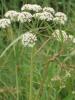
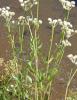
Mature flowering plants commonly reach approximately eight to fifteen feet and may grow taller under favorable conditions. The main stem is hollow, strongly ridged, and often several inches thick.
Diagnostic stems are usually bright green with prominent dark reddish-purple blotches or splotches. Coarse white bristles are especially conspicuous around the purple areas and swollen bases of the leaf stalks.
The enormous compound leaves may span several feet and are sharply divided, deeply incised, and pointed. Their outline is more jagged and angular than the broader, less severely cut leaves of Cow Parsnip.
Hundreds of small white flowers form enormous compound umbels. A primary flower head may approach several feet across and is often surrounded by smaller satellite umbels.
Fruit and Seed Identification
After flowering, the umbels produce numerous flattened oval fruits. Each fruit separates into two dry one-seeded sections known botanically as mericarps.
The mature fruit is generally tan to brown with darker elongated oil ducts visible through the surface. Exact-species research found the highest comparative furocoumarin concentration in fruit.
Seed heads should not be collected barehanded, carried loose in a vehicle, mailed without proper authorization, or left where pets and livestock can contact them. Moving reproductive material can spread both sap residue and an invasive plant.
Giant Hogweed Versus Cow Parsnip
Cow Parsnip, Heracleum maximum, is native across much of North America and generally reaches approximately four to eight feet. It usually has broad three-part leaves with comparatively rounded lobes and a stem covered by finer hairs.
Giant Hogweed is generally taller and more massive. Its leaves are more sharply divided, its umbels are larger, and its stems typically show conspicuous purple blotches associated with coarse bristles.
Cow Parsnip may occasionally show purple coloration, while a young Giant Hogweed plant may not yet display every mature feature. Size or stem color alone is not sufficient identification.
Both species contain phototoxic compounds, so an unknown large hogweed should not be touched while identification is pending.
Sosnowsky’s and Persian Hogweed
Heracleum sosnowskyi and Heracleum persicum are separate large invasive hogweeds that can resemble H. mantegazzianum closely. All contain phototoxic furanocoumarins.
Visual separation can be difficult, particularly in young, damaged, hybridized, or nonflowering plants. Geographic location, fruit structure, hair patterns, leaf morphology, and sometimes specialist or genetic examination may be required.
The practical immediate response is the same: avoid sap contact, keep animals away, do not mow or handle the plant without protection, and obtain qualified identification.
Poison Hemlock and Water Hemlock
Poison Hemlock, Conium maculatum, and Water Hemlock species in the genus Cicuta can occur in moist habitats and bear white compound umbels. Their poisoning mechanisms differ radically from Giant Hogweed.
Poison Hemlock generally has finely divided fernlike leaves and smoother stems with purple spots. Its piperidine alkaloids can cause weakness, paralysis, and respiratory failure after ingestion.
Water Hemlock often grows directly in wet soil or shallow water and contains violently convulsant cicutoxins, particularly in the root system. A small ingestion can cause rapidly developing seizures and death.
Never taste, break, crush, smell closely, or dig an unknown carrot-family plant for identification. An error may cause severe sap exposure or rapidly fatal ingestion.
Habitat and Animal Exposure
Giant Hogweed commonly colonizes riverbanks, stream corridors, roadside ditches, railway margins, abandoned gardens, forest edges, vacant lots, damp fields, trail margins, and other disturbed moist sites.
Dogs may encounter it while hiking, swimming, retrieving objects, following wildlife trails, or running through tall vegetation. Long leashes can wrap around stems and pull sap-bearing foliage against the animal or handler.
Cats are less commonly exposed but may contact young plants in gardens, brush against cut material, or encounter sap carried home on clothing, footwear, tools, or another animal.
Horses and livestock may be exposed along wet fence lines, riparian pastures, field margins, drainage areas, or through contaminated landscaping and removal debris.
Mowing and Mechanical Removal
String trimmers, brush cutters, mowers, chains, and high-speed blades can aerosolize sap and throw plant fragments over a wide area. Animals, operators, vehicles, nearby vegetation, clothing, and buildings may all become contaminated.
Cutting the stem once does not necessarily kill the root crown. Repeated or poorly timed cutting may expose people and animals while allowing regrowth or later seed production.
Removal should follow local invasive-species guidance and use protective equipment, containment, and follow-up monitoring. Large stands, flowering plants, and sites near animal areas are appropriate for professional or agency-assisted control.
Contaminated Equipment and Secondary Transfer
Sap may remain on collars, harnesses, leashes, tack, blankets, clippers, mower decks, hand tools, footwear, clothing, vehicle upholstery, crates, grooming equipment, and towels.
An animal can be recontaminated when apparently clean equipment is placed back against the skin. People can also transfer sap from gloves or clothing to an animal’s face and eyes.
Wash nonporous items thoroughly while wearing protection. Porous objects that cannot be decontaminated safely may need to be sealed and discarded according to local guidance.
Direct Contact Versus Systemic Photosensitivity
Direct phytophotodermatitis often follows a known episode of brushing, cutting, retrieving, trampling, or lying in fresh plant material. Lesions may have streaked, splashed, sharply irregular, or contact-shaped patterns.
Systemic primary photosensitization would require absorption and circulation of a plant phototoxin. This remains plausible but inadequately documented for authenticated Giant Hogweed in animals.
Hepatogenous photosensitization results from failure to eliminate phylloerythrin because of liver or biliary disease. It commonly affects exposed nonpigmented skin and may be accompanied by jaundice, weight loss, or abnormal liver testing.
Diagnosis
No routine blood assay confirms Giant Hogweed sap exposure. Diagnosis depends on plant identification, exposure timing, ultraviolet history, lesion distribution, progression, and exclusion of other burns, allergies, infections, autoimmune disease, and photosensitization causes.
Photograph the complete standing plant from a safe distance, including the stem, blotches, bristles, leaves, flower heads, fruit, overall height, habitat, and surrounding stand. Photograph lesion progression and every contaminated object.
Do not carry an unsealed plant into a clinic. Contact the clinic before transporting any specimen and follow local invasive-plant reporting instructions.
Localized companion-animal lesions may require little laboratory testing. Extensive burns, gastrointestinal illness, dehydration, fever, weakness, or unexpected signs may justify blood counts, electrolytes, proteins, kidney and liver values, urinalysis, and imaging or testing for another exposure.
Livestock with generalized disease may require liver enzymes, bilirubin, bile acids, forage analysis, and evaluation for liver flukes, biliary obstruction, hepatotoxic plants, mycotoxins, or medications.
Prognosis
The prognosis is generally good when contamination is recognized early, sap is washed away, and ultraviolet exposure is prevented before extensive cellular injury develops.
Superficial redness and swelling may improve over several days. Large bullae, ulceration, corneal injury, secondary infection, necrosis, or extensive skin loss can require weeks of treatment.
Permanent hyperpigmentation, depigmentation, altered hair growth, scarring, or visual impairment may follow severe injury. Extensive burns, uncontrolled infection, fly strike, protein loss, dehydration, or underlying liver disease make the prognosis more guarded.
Prevention
Keep animals away from suspected Giant Hogweed stands and report the location to the appropriate landowner or plant-control authority. Do not allow dogs to retrieve hollow stalks or investigate fallen seed heads.
Inspect stream access points, hiking routes, wet pasture margins, fence lines, vacant lots, and trail edges before allowing animals into tall vegetation.
Remove animals before mowing, cutting, digging, spraying, or professional control work begins. Keep them away until plant debris and contaminated equipment have been secured and the site is safe.
Never discard Giant Hogweed into a paddock, livestock pen, dog yard, poultry run, open compost pile, manure pile, or ordinary landscaping-waste heap.
Immediate Steps After Giant Hogweed Contact
- Move the animal out of ultraviolet light: Take the animal indoors or into a genuinely dark enclosed building immediately. Open-sided shelters, ordinary tree shade, clouds, windows, and vehicle glass may still permit ultraviolet-A exposure.
- Prevent further contact: Keep the animal away from the standing plant, broken stems, cut foliage, fruit, seeds, roots, contaminated water, tools, clothing, vehicles, bedding, collars, harnesses, and tack.
- Protect yourself: Wear waterproof gloves, long sleeves, long pants, closed footwear, and eye protection before touching the animal or contaminated material.
- Prevent licking and rubbing: Do not allow the animal to groom contaminated fur or paws or rub sap into its eyes. Use direct supervision or an appropriately fitted protective collar when safe.
- Remove loose plant material: Lift away visible leaves, fruit, seeds, or stem pieces without crushing them against the skin. Place debris directly into a sealed container.
- Wash promptly: Gently wash the exposed coat and skin with a mild pet-safe cleanser and abundant cool or lukewarm water. Rinse thoroughly without vigorous scrubbing.
- Clean every contacted item: Decontaminate collars, harnesses, leashes, tack, blankets, footwear, gloves, tools, crates, grooming equipment, and vehicle surfaces before reuse.
- Record the ultraviolet timeline: Note when contact occurred, how long the animal remained outdoors, which body areas were exposed, when washing began, and when signs first appeared.
Ultraviolet Restriction
Ultraviolet avoidance is a central treatment, not merely a comfort measure. Furanocoumarins that remain on or within the skin can continue producing injury when exposed to ultraviolet-A radiation.
After significant or uncertain contamination, maintain strict indoor or darkened housing through the highest-risk early period. At least the first 48 hours deserves particular caution, but established lesions, delayed washing, extensive contamination, or suspected systemic photosensitivity may require longer restriction directed by the veterinarian.
Keep the animal away from direct windows, skylights, open barn doors, sunrooms, bright porches, and vehicle interiors exposed to sunlight. Reflected light can reach surfaces that are not in a direct sunbeam.
Livestock may require darkened daytime housing. Night turnout should end well before dawn, and affected animals should not be forced into daylight merely because wounds appear dry.
Skin and Coat Decontamination
Use cool or lukewarm water and a mild pet-safe cleanser. Work gently through the coat to reach the underlying skin without spreading residue onto unaffected areas.
Rinse contaminated water away from the face, eyes, mouth, and clean portions of the body. Replace gloves when they become heavily contaminated.
Repeat gentle washing when sap remains sticky or when a large amount of plant material contacted the coat. Avoid aggressive scrubbing, which may abrade the skin, rupture early blisters, and distribute sap more widely.
Do not shave large areas at home. Clipping may be necessary professionally to remove contamination, but it also eliminates natural ultraviolet protection and can traumatize injured skin.
Eye Exposure
Begin irrigation immediately with sterile saline or clean room-temperature water. Direct a gentle stream across the ocular surface and eyelids rather than using high pressure.
Continue irrigation while veterinary care is arranged. Prevent rubbing or pawing, and keep the animal in a dim environment.
Any suspected ocular exposure warrants prompt examination even when the eye initially appears normal. The veterinarian may evert the eyelids, remove retained debris, use fluorescein stain, assess tear production and intraocular pressure, and examine the cornea and deeper structures.
Treatment may include additional irrigation, lubrication, pain control, ultraviolet protection, and topical antimicrobial medication when epithelial injury is present.
Ophthalmic corticosteroids must not be used until corneal ulceration and infection have been excluded. Continued squinting, cloudiness, discharge, pupil abnormality, or apparent loss of vision requires urgent reassessment.
Mouth and Ingestion Exposure
- Remove only loose visible fragments: When the animal is calm, alert, breathing normally, and swallowing normally, remove material resting at the lips or front of the mouth. Do not reach blindly into the throat.
- Wipe external sap gently: Use a damp cloth on the lips and muzzle while wearing gloves. Do not scrub painful tissue.
- Do not force water: An alert animal with normal swallowing may have voluntary access to fresh water. Never pour, spray, syringe, or drench liquid toward the throat.
- Preserve identification evidence: Save photographs rather than carrying loose plant material. Report possible exposure to other Apiaceae plants, pesticides, or contaminated forage.
- Contact a veterinarian: Obtain prompt guidance after a meaningful ingestion, continuing gastrointestinal signs, oral pain, or uncertain identification.
Do Not Attempt Unsupervised Home Treatment
- Do not expose the animal to sunlight as a test: Additional ultraviolet exposure may convert limited contamination into a severe burn.
- Do not induce vomiting: Hydrogen peroxide, salt, mustard, ipecac, detergent, and manual gagging can cause gastric injury, aspiration, and delayed skin decontamination.
- Do not administer activated charcoal at home: Charcoal does not remove sap from the skin, and its value for Giant Hogweed ingestion has not been established. It can be aspirated by a vomiting or poorly swallowing animal.
- Do not force food, milk, oil, or water: These substances do not neutralize furanocoumarins and may enter the lungs when swallowing is impaired.
- Do not apply improvised burn remedies: Bleach, alcohol, peroxide, vinegar, essential oils, butter, grease, petroleum products, and human burn creams may worsen injury or poison an animal that licks them.
- Do not rupture blisters: The intact roof protects underlying tissue. Uncontrolled opening increases pain, contamination, fluid loss, infection, and fly-strike risk.
- Do not rely on antihistamines: The principal reaction is phototoxic rather than a conventional allergy. Antihistamines do not deactivate the plant compounds.
- Do not administer corticosteroids or pain medication without direction: Lesion timing, infection, corneal ulceration, hydration, kidney function, pregnancy, and species affect medication safety.
When Emergency Examination Is Especially Important
- Any eye exposure: Sap near the eye, squinting, tearing, swollen eyelids, cloudiness, photophobia, discharge, or apparent visual impairment requires prompt care.
- Large-area contamination: Exposure involving the face, ears, abdomen, groin, udder, vulva, recently clipped skin, or a substantial body surface may progress severely.
- Bullae or skin loss: Large blisters, open erosions, weeping wounds, necrotic tissue, or rapid progression requires burn-style treatment.
- Difficulty eating or drinking: Severe facial or oral pain, food refusal, drooling, dehydration, or inability to graze may require fluids, analgesia, and nutritional support.
- Infection or fly strike: Fever, foul odor, pus, fly eggs, larvae, blackened tissue, spreading swelling, or increasing depression is urgent.
- Unexpected systemic signs: Seizures, sudden paralysis, chocolate-brown blood, jaundice, respiratory collapse, or several sudden deaths suggests another or additional poison.
Veterinary Examination and Diagnosis
The veterinarian will map the lesion distribution, evaluate wound depth, assess pain and hydration, examine the mouth and eyes, and determine whether the pattern supports direct contamination or more generalized photosensitivity.
Small localized lesions may not require extensive blood testing. Large burns, gastrointestinal illness, weakness, dehydration, fever, or unusual findings may justify a complete blood count, serum chemistry, electrolytes, protein values, kidney and liver testing, urinalysis, and additional diagnostics.
Generalized livestock photosensitivity warrants assessment of bilirubin, liver enzymes, bile acids, biliary function, and possible exposure to liver-toxic plants, mycotoxins, medications, or liver flukes.
Skin cytology, bacterial culture, biopsy, or wound sampling may be needed when lesions are infected, atypical, deeply necrotic, or failing to heal.
Professional Decontamination
Professional treatment may include repeated gentle washing, removal of retained plant debris, and cautious clipping of contaminated hair when the benefit outweighs the loss of ultraviolet protection.
Large, painful, or difficult areas may require sedation and analgesia for safe cleaning. Sedation must be selected according to the species, hydration, respiratory function, age, pregnancy status, and concurrent disease.
Veterinary emesis is not routine because direct skin contamination is the best-established hazard and no oral toxic threshold exists. Any decision must consider timing, amount, species, current symptoms, airway protection, and possible ingestion of a more dangerous look-alike.
Activated charcoal remains case-specific rather than standard therapy. It does not affect sap already present on the skin or compounds already activated within tissue.
Pain and Inflammation Control
Giant Hogweed burns can be intensely painful. Veterinarian-selected opioid analgesia or another appropriate pain-control plan may be necessary during cleaning, examination, dressing changes, and recovery.
Anti-inflammatory treatment must be individualized. Corticosteroids are not an antidote and do not reverse photochemical DNA damage. Infection, wound depth, delayed healing, corneal ulceration, pregnancy, and metabolic disease may limit their use.
Human topical anesthetics and burn products should not be applied without veterinary approval because some ingredients are toxic when absorbed or licked.
Blister and Wound Management
Small intact blisters may be protected while surrounding skin is kept clean. Large tense bullae may require controlled drainage or debridement under veterinary care.
Open wounds may need gentle cleansing, nonadherent dressings, moisture-balancing wound products, protective bandaging, and prevention of licking, rubbing, and environmental contamination.
The full depth of necrosis may not be visible initially. Staged debridement allows viable and nonviable tissue to become distinguishable and avoids removing recoverable skin prematurely.
Topical antimicrobials may be selected for contaminated superficial wounds. Systemic antibiotics are reserved for established or strongly suspected bacterial infection rather than administered automatically.
Full-thickness or extensive wounds may require surgical debridement, advanced dressings, reconstructive procedures, or skin grafting.
Fluid, Protein, and Nutritional Support
Most small localized exposures do not require intravenous fluids. Extensive exudative burns, vomiting, diarrhea, reduced drinking, heat stress, or severe oral pain can cause clinically important dehydration.
Fluid therapy should be based on hydration, perfusion, body weight, electrolytes, kidney function, urine production, protein status, cardiopulmonary condition, and ongoing wound losses.
Animals unable to eat because of muzzle, oral, or ocular pain may require softened food, assisted feeding, or temporary nutritional support after swallowing has been assessed as safe.
Fly Strike and Secondary Infection
Outdoor animals with moist, ulcerated, or necrotic wounds are at high risk for myiasis. House affected animals in a clean insect-controlled environment and inspect every wound repeatedly.
Confirmed fly strike requires prompt removal of larvae, wound cleaning, analgesia, debridement when necessary, and veterinarian-selected antiparasitic treatment.
Fever, foul odor, purulent discharge, expanding redness, tissue death, or systemic depression may require bacterial culture and systemic antimicrobial therapy.
Horse and Livestock Management
Remove the entire group from the affected pasture, stream margin, cut area, contaminated hay, or removal debris. Provide clean forage and water under complete ultraviolet protection.
Examine animals with white faces, pink muzzles, unpigmented eyelids, exposed udders, teats, vulvas, recently clipped wool, or large sparsely haired areas even when lesions are not yet visible.
Do not drench a weak, painful, coughing, salivating, recumbent, or poorly swallowing animal. Horses cannot vomit and should never receive a home emetic.
Persistent or generalized photosensitivity requires liver evaluation and examination of the entire pasture, feed, water, medications, mycotoxins, and other plants.
Do not return animals to daylight grazing until the veterinarian determines that photosensitivity has resolved. Continuing ultraviolet exposure may deepen apparently stable lesions.
Recovery and Prognosis
The prognosis is usually good when contamination is recognized quickly, the animal is washed, and ultraviolet exposure is prevented before extensive tissue injury develops.
Superficial redness and swelling may resolve over several days. Bullae, ulceration, corneal injury, infection, and necrosis can extend recovery over several weeks.
Post-inflammatory pigmentation, hair loss, depigmentation, scars, or altered hair growth may remain after deeper injury. Severe ocular damage can leave lasting visual impairment.
The outlook becomes more guarded with extensive full-thickness burns, uncontrolled infection, fly strike, protein loss, dehydration, large areas of necrosis, or underlying liver disease causing continued photosensitivity.
Frequently Asked Questions About Giant Hogweed and Animal Exposure
Is Giant Hogweed the same plant as Cow Parsnip?
No. Giant Hogweed is Heracleum mantegazzianum, a very large Caucasus-native species that has become invasive in parts of Europe and North America. Cow Parsnip is Heracleum maximum, a separate species native across much of North America. Both contain phototoxic sap, but they differ in typical size, leaf shape, stem markings, geographic status, and exact chemical profiles.
How can I document a suspected Giant Hogweed plant without handling it?
Photograph the entire plant from a safe distance, including its overall height, leaves, main stem, purple blotches, coarse bristles, flower heads, fruit, surrounding habitat, and nearby plants. Include an object of known size in a photograph when this can be done without approaching or touching the plant. Record the location and date. Do not break off a leaf, dig up a root, or carry an unsealed specimen into a vehicle, home, or veterinary clinic.
Why are Giant Hogweed fruit and seed heads a special concern?
Exact-species research found higher measured furocoumarin concentrations in fruit than in leaves or stems. Mature plants may also produce thousands of seeds, so disturbing or transporting a seed head can create both a sap-exposure hazard and a plant-spread problem. Fallen umbels, immature green fruit, mature dry fruit, and apparently dead reproductive stalks should be kept away from animals and handled only through an appropriate control program.
Can an animal be exposed again from a collar, leash, blanket, or vehicle?
Yes. Sap transferred to collars, harnesses, tack, blankets, grooming tools, footwear, mower surfaces, crates, upholstery, and other objects can later be placed back against the animal’s skin. Equipment should be handled with protective gloves and cleaned before reuse. Porous items that cannot be decontaminated completely may need to be sealed and discarded according to local guidance.
Does widespread skin injury prove that the animal swallowed Giant Hogweed?
No. An animal can distribute sap across several body regions by trampling plants, lying in cut vegetation, rubbing its face with contaminated paws, grooming its coat, or wearing contaminated tack. Widespread lesions may therefore result from extensive direct contact rather than gastrointestinal absorption. Veterinarians may also investigate liver-associated photosensitization when lesions are generalized or continue developing after plant access ends.
Why might a veterinarian test the liver after a suspected Giant Hogweed exposure?
Liver and bile-duct disease can cause hepatogenous photosensitization, which may resemble plant-induced phototoxic injury on white, pink, sparsely haired, or exposed skin. Bilirubin, liver enzymes, bile acids, medication history, forage, mycotoxins, liver flukes, and other plants may be evaluated when the lesion pattern is generalized, jaundice is present, or photosensitivity persists longer than expected.
Can a dark-coated or dark-skinned animal still be injured?
Yes. Pigment and dense hair provide partial ultraviolet protection but do not protect the eyes, eyelids, nose, lips, ear margins, paw pads, damaged skin, clipped areas, or places where sap penetrates a wet or thin coat. Dark animals may also develop sharply localized lesions where plant juice reaches exposed tissue.
Can old, wilted, or apparently dead Giant Hogweed still create a hazard?
Fresh growing tissue presents the greatest sap hazard, but wilted plants, recently cut stems, attached fruit, seed heads, incompletely dried material, and contaminated debris should not be assumed safe. Free liquid may decrease as tissue dries, yet active residue can remain on plant fragments, clothing, tools, fur, and equipment. Dead stalks may also retain and disperse viable seeds.
When is washing alone no longer sufficient?
Washing is most effective before substantial ultraviolet activation and tissue injury have occurred. Once redness, marked swelling, blistering, ocular pain, ulceration, or skin separation develops, the animal may require prescription pain control, ophthalmic examination, professional wound management, fluid support, infection monitoring, or surgical treatment. Continued washing cannot reverse cells that have already sustained photochemical injury.
Can an animal return outdoors as soon as the skin still looks normal?
Not automatically. Visible injury may be delayed, and contaminated tissue can remain photosensitive after the original contact. The duration of ultraviolet restriction depends on how much sap was involved, how quickly the animal was washed, how long it remained outdoors, whether lesions have appeared, and whether ingestion or widespread contamination is suspected. Significant exposures should be cleared by the treating veterinarian before normal daylight activity resumes.
Should a suspected Giant Hogweed stand be removed immediately?
Animals should be excluded immediately, but unplanned cutting, mowing, digging, or weed trimming can spread sap and seeds while exposing people and animals. Giant Hogweed control may be regulated or coordinated by local invasive-plant authorities. Photograph and report the stand, restrict access, and follow location-specific removal and disposal guidance rather than attempting casual mechanical removal.
What information is most useful when calling a veterinarian?
Provide the time and location of exposure, whether the animal touched, chewed, or lay in the plant, the body areas involved, the length of daylight exposure afterward, when washing began, any eye contact, current skin changes, and whether contaminated equipment was reused. Clear plant and lesion photographs are more useful and safer than transporting loose plant material.