Poison Daisy Sesquiterpene Lactones, Contact Dermatitis, Mucosal Irritation, and Contaminated Forage Risk
Is Poison Daisy Poisonous to Dogs, Cats, Horses, and Livestock?
Yes—Poison Daisy, Anthemis cotula L., is poisonous and irritating to dogs, cats, horses, cattle, poultry, and other animals. The most important hazards are contact and mucous-membrane irritation, allergic sensitization from sesquiterpene lactones such as anthecotulide- or anthecotuloide-type compounds, and gastrointestinal upset after chewing or grazing the plant. Fresh foliage, flower heads, stems, seeds, plant juices, dried fragments in hay or chaff, and concentrated chamomile-like preparations all deserve attention, but the plant is better understood as an irritant and allergen than as a predictable fatal systemic poison.
Most uncomplicated exposures cause no visible illness or produce drooling, mouth irritation, nausea, vomiting in animals capable of vomiting, diarrhea, appetite loss, itching, redness, swelling, or localized dermatitis. Severe collapse, seizures, major organ failure, or spontaneous hemorrhage is not the expected result of a small raw-plant taste and should trigger investigation for pesticide contamination, another poisonous plant, contaminated feed, anticoagulant rodenticide, infectious disease, obstruction, shock, or another diagnosis. Risk rises when an animal eats a large amount, repeatedly grazes infested forage, consumes contaminated hay, contacts dense crushed plants, drinks or receives a concentrated herbal preparation, or has already become sensitized.
About this guide: This page provides general pet-poisoning information and cannot diagnose or treat an individual animal. For any suspected exposure, contact a veterinarian or animal poison-control service immediately. Do not induce vomiting, give medication, or attempt home decontamination unless directed by a veterinary professional.
Poison Daisy
Anthemis cotula L.
Anthemis cotula L. is the accepted scientific name for the plant treated on this page. The species belongs to the chamomile-like group within Asteraceae, but it should not be treated as German chamomile, Roman chamomile, scentless chamomile, pineapple weed, or the tall southeastern U.S. plant commonly called dogfennel.
- Chamaemelum cotula (L.) All. — historical combination
- Maruta cotula (L.) DC. — historical combination
- Matricaria cotula (L.) Baill. — historical combination
- Anthemis psorosperma Ten. — taxonomic synonym
- Anthemis ramosa Spreng. — taxonomic synonym
- Cotula foetida S.G.Gmel. — historical synonym used in older literature
- Maruta foetida (S.G.Gmel.) Cass. — historical synonym used in older literature
- Anthemis foetida Lam. — historical name encountered in literature and databases, often treated as illegitimate or synonymized rather than as the accepted name
Asteraceae — Aster, Daisy, or Sunflower Family
Mayweed; Mayweed Chamomile; Mayweed Camomile; Stinking Mayweed; Stinking Chamomile; Stinking Camomile; Poison Daisy; Stinking Daisy; Dog Fennel; Dog-fennel; Dogfennel; Mayweed Dogfennel; Dog Daisy; Dog-daisy; Dog’s Daisy; Dog’s Chamomile; Dog’s Camomile; Dog’s Fennel; Foetid Chamomile; Foetid Camomile; Fetid Chamomile; Fetid Camomile; Wild Chamomile; Wild Camomile; Stinkweed; Dillweed; Hog’s Fennel; Chigger-weed; Pig-sty Daisy; Mather; Morgan; Maise; Balders; Dog-finkle.
Historical and taxonomic search variations include Chamaemelum cotula (L.) All., Maruta cotula (L.) DC., Matricaria cotula (L.) Baill., Anthemis psorosperma Ten., Anthemis ramosa Spreng., Cotula foetida S.G.Gmel., Maruta foetida (S.G.Gmel.) Cass., and Anthemis foetida Lam.
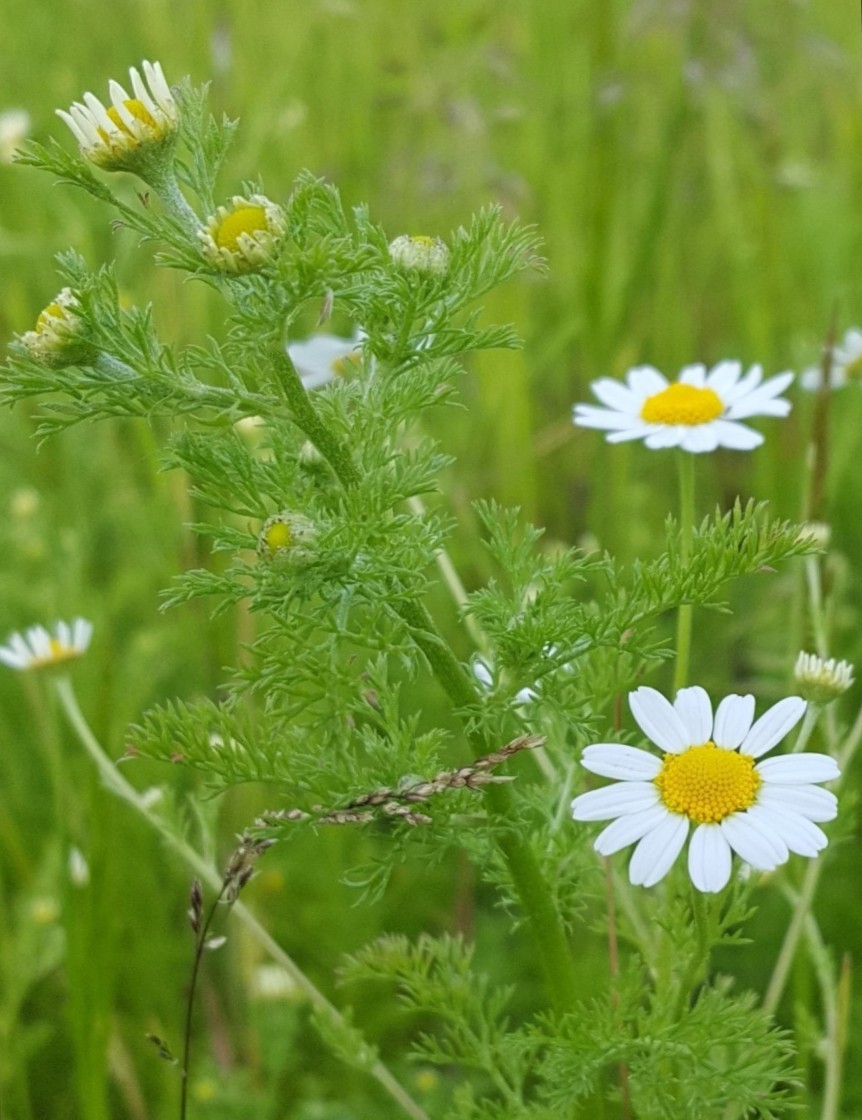
Several common names are unsafe when used alone. “Dogfennel” commonly means Eupatorium capillifolium in much of the eastern and southeastern United States, not Anthemis cotula. “Wild chamomile,” “mayweed,” “stinkweed,” and “dog daisy” are also applied to other chamomile-like or daisy-like plants. For poison evaluation, confirm Anthemis cotula by the annual, strongly branched habit, finely divided alternate leaves, foul odor when crushed, white ray florets around raised yellow disk florets, and chaffy receptacle inside the flower head.
Principal Toxic Concern: Irritant and Allergenic Sesquiterpene Lactones
Poison Daisy contains a chemically varied mixture of secondary plant compounds, but the most clinically important veterinary concern is not every flavonoid, phenolic acid, volatile, or pigment that can be detected in a laboratory extract. The strongest plant-specific toxicology boundary involves irritant and allergenic sesquiterpene lactones in aboveground plant tissue, especially anthecotulide- and anthecotuloide-type linear lactones. These compounds help explain the plant’s long history as a skin irritant, its association with contact dermatitis, and the greater concern created by repeated contact with crushed foliage, flower heads, pollen, chaff, or plant juices.
Sesquiterpene lactones are small lipid-soluble plant defense compounds common in Asteraceae. Many contain reactive lactone structures capable of binding to proteins in skin or mucosal tissue. That binding can convert an ordinary plant exposure into an immune-recognized allergen and can produce delayed allergic contact dermatitis after sensitization. Direct chemical irritation may occur without prior sensitization, while an animal that has already become sensitized may react more intensely after a later contact. This distinction is important because a mild first exposure does not guarantee that repeated exposures will remain mild.
The expected veterinary syndrome is dominated by local irritation, gastrointestinal upset, and allergic or inflammatory skin disease. Severe whole-body poisoning is not the ordinary presentation after a small taste of the raw weed. A page should therefore avoid describing Poison Daisy as though it reliably causes a predictable fatal dose, primary kidney failure, liver failure, seizure syndrome, or anticoagulant poisoning from one incidental mouthful.
Anthecotulide, Anthecotuloide, and Chemical Name Precision
The literature surrounding Anthemis cotula uses closely related terms such as anthecotulide and anthecotuloide for unusual linear sesquiterpene lactone chemistry. Those names should not be used loosely as a synonym for every irritant in the plant. Exact studies have isolated and characterized anthecotuloide-type compounds from aerial parts, and separate work prepared purified anthecotulide as an analytical standard and examined its stability, reactivity, absence from tested chamomile preparations, and anti-infective activity. This is stronger evidence than simply borrowing Asteraceae allergy language from unrelated weeds.
These exact-species chemical studies still do not establish a validated dog, cat, horse, cattle, poultry, rabbit, or reptile toxic dose. They also do not prove that one compound explains every case of vomiting, diarrhea, rash, eye irritation, or appetite loss. Plant population, tissue type, maturity, growing conditions, extraction method, drying, and preparation can change what is detected and how concentrated the exposure becomes. Natural grazing of an intact weed and ingestion of a concentrated extract are therefore different toxicologic events.
Anthecotulide-type lactones are most relevant to contact dermatitis, oral irritation, and tissue inflammation. They are not equivalent to cardiac glycosides, soluble oxalates, cyanide-generating glycosides, or anticoagulant rodenticides. When an animal develops signs that do not match an irritant or allergic exposure, the plant’s presence should not be allowed to stop the diagnostic search.
Roots, Aerial Parts, Polyacetylenes, Acetophenones, and Flavones
Phytochemical investigations of Anthemis cotula have identified different compounds in different plant parts. Root investigations have reported polyacetylenes, sulfur-containing polyacetylenic compounds, and prenylated acetophenones. Aerial-part investigations have reported linear sesquiterpene lactones and flavones such as apigenin and hispidulin. These findings support the plant’s strong odor, acrid taste, biological activity, and irritant reputation, but they do not mean every detected compound is a proven veterinary toxin at natural exposure levels.
Polyacetylenes and related compounds can be biologically active and may contribute to the harsh character of plant tissues. Their presence in roots is relevant when animals dig up plants, receive uprooted weeds, or encounter soil-contaminated garden waste. Root ingestion is less common than contact with foliage and flower heads, but it should be reported because the chemical profile of root tissue is not identical to the aboveground plant.
Apigenin, hispidulin, luteolin, quercetin derivatives, phenolic acids, and related flavonoid or phenolic constituents should be handled with restraint in a pet-poison page. Many are widespread plant constituents with pharmacologic activity in laboratory systems. The presence of those compounds does not make Poison Daisy a predictable flavonoid poisoning, liver poison, kidney poison, or neurologic poison. Their value in this article is mainly to show that the plant is chemically complex and that extract studies cannot be reduced to one simplistic “toxin list.”
Volatile Oil, Odor, Taste, and Concentrated Preparations
Poison Daisy is well known for its unpleasant odor and bitter, acrid taste. Volatile constituents vary by population, tissue, maturity, climate, and analytical method. Traditional poison-plant references also mention volatile oil constituents, bisabolol, chamazulene, anthemic acid, and tannin-related compounds. Those older names should be treated as part of the historical and chemical picture, not as a complete modern explanation of veterinary toxicity.
The strong odor and bitter taste reduce the likelihood that many animals will voluntarily eat a large amount of fresh material. That avoidance can fail when animals are young, confined, hungry, indiscriminate, offered contaminated hay, or unable to sort fragments out of feed. Dried material can be especially deceptive because the fresh odor and bitter warning may fade while irritating debris, sesquiterpene lactones, pollen, seeds, and chaff remain available.
Concentrated products create a different risk boundary. A tea, rinse, poultice, essential oil, tincture, dried herbal preparation, or homemade “chamomile” remedy can deliver plant constituents in a form that bypasses natural avoidance. Poison Daisy should not be substituted for German chamomile or Roman chamomile in pet remedies, skin rinses, supplements, or calming teas. A concentrated preparation may produce a substantially different exposure from an animal brushing against a weed during a walk.
Coumarin and Bleeding Claims
Coumarin language is sometimes repeated in discussions of Poison Daisy and chamomile adulteration, and some poison-plant listings state that prolonged use may lead to bleeding tendencies. This claim needs careful calibration. Simple plant coumarins are not the same as anticoagulant rodenticides, and the presence of a coumarin-type compound does not automatically mean the plant predictably causes warfarin-like coagulopathy after a one-time ingestion.
A spontaneous hemorrhagic syndrome is not the expected uncomplicated presentation after a small raw-plant exposure. Bruising, blood in vomit or manure, black stool, nosebleeds, pale gums, prolonged bleeding, weakness with collapse, or abnormal clotting tests should be taken seriously, but those signs require investigation for anticoagulant rodenticide, liver disease, thrombocytopenia, trauma, severe gastrointestinal disease, another toxic plant, contaminated feed, medication exposure, or a mixed poisoning event. Poison Daisy should not be used as a convenient explanation for bleeding without diagnostic support.
Fresh, Dried, Hay, Chaff, Bedding, and Feed-Screening Risk
The foliage, stems, flower heads, seeds, chaff, pollen, and plant juices should all be treated as potentially irritating. Aboveground tissue is the most practical hazard for dogs, cats, horses, cattle, sheep, goats, poultry, rabbits, guinea pigs, and other animals because it is the material most likely to be brushed, chewed, mowed, dried, baled, or mixed into forage. Flower heads and seed-bearing material are particularly important because they increase both irritant contact and future spread.
Drying is not a reliable detoxification method. Haymaking may reduce the odor that helps animals avoid the fresh plant, while leaving dried plant fragments and allergenic debris in feed. Chaff, bedding, grain screenings, and dusty hay can also create skin, eye, and respiratory irritation in addition to ingestion risk. Repeated low-level intake through contaminated forage may matter more than a single taste of a fresh plant.
No dependable toxic dose or fatal dose has been established for domestic animals. Risk depends on the amount eaten, body size, species, prior sensitization, forage availability, concentration of plant material, fresh versus dried form, whether eye or skin exposure occurred, and whether another plant, pesticide, mold, medication, or contaminated feed was involved. The safest practical rule is to remove the plant from animal areas and isolate suspect forage rather than asking animals to sort around it.
Expected Onset and the Usual Mild Irritant Pattern
Signs after Poison Daisy exposure depend on whether the animal brushed against the plant, chewed a small amount, consumed contaminated forage, groomed plant residue from the coat, or encountered a concentrated preparation. Oral irritation and gastrointestinal upset are more typical than severe systemic poisoning. Signs may begin during chewing or within several hours of ingestion, while allergic contact dermatitis can be delayed and may become more obvious after repeated exposure.
The most common early signs are drooling, lip licking, repeated swallowing, pawing at the mouth, reluctance to eat, nausea, vomiting in animals capable of vomiting, soft stool, diarrhea, abdominal discomfort, temporary quietness, and reduced appetite. The strong odor and acrid taste often limit fresh ingestion, but that protective effect is unreliable in puppies, indiscriminate dogs, curious cats, confined poultry, hungry livestock, and animals offered contaminated hay or chaff.
Gastrointestinal signs are nonspecific. Poison Daisy may be present in the exposure scene without being the only cause of illness. Spoiled food, intestinal parasites, pancreatitis, infectious enteritis, foreign material, pesticide exposure, mycotoxins, toxic weeds in the same pasture, medications, or another disease can produce the same signs. Clinical interpretation should match the plant exposure, the amount, the timing, and the animal’s full condition.
Oral, Gastrointestinal, and Secondary Dehydration Signs
Animals that chew fresh foliage or flower heads may show redness of the lips, gums, or tongue; salivation; repeated swallowing; mouth rubbing; chewing motions; appetite loss; and discomfort when eating. Vomit or stool may contain finely divided leaf segments, flower-head fragments, chaff, or stems. A single brief episode of vomiting or loose stool may resolve after access ends, but repeated vomiting or diarrhea should not be dismissed as automatically mild.
Fluid loss can become more important than the original plant irritation. Dehydration may appear as tacky gums, sunken eyes, reduced urination, weakness, dullness, poor perfusion, or worsening lethargy. Puppies, kittens, toy-breed dogs, geriatric animals, birds, rabbits, guinea pigs, dehydrated livestock, and animals with kidney, heart, endocrine, or gastrointestinal disease have less reserve. Persistent vomiting or diarrhea requires veterinary assessment even when the plant itself is not expected to be a major systemic poison.
Food refusal deserves special attention in cats, rabbits, guinea pigs, and birds. Cats that stop eating can develop serious metabolic complications, while rabbits and guinea pigs can develop gastrointestinal stasis after reduced intake. Birds may deteriorate rapidly because of small body size and high metabolic demands. A mild plant exposure can become clinically significant when appetite does not return.
Skin, Coat, Muzzle, and Eye Reactions
Contact with crushed foliage, flowers, sap, pollen, seed chaff, or dried plant debris may cause redness, itching, swelling, rash-like lesions, hair disturbance, tenderness, or blistering. Common contact sites include the muzzle, lips, paws, lower legs, thinly haired abdomen, ears, and skin under a collar, harness, blanket, bandage, or matted coat. Grooming contaminated fur can turn a skin exposure into an oral exposure.
Allergic sensitization changes the clinical picture. An animal may show little reaction after one contact but react more strongly after later exposure. Localized dermatitis may become more extensive, more pruritic, or more persistent. Secondary bacterial or yeast infection may develop when the animal scratches, licks, or chews the irritated skin.
Eye exposure may cause tearing, blinking, squinting, conjunctival redness, discharge, eyelid swelling, rubbing at the face, or light sensitivity. Poison Daisy is not an insoluble-oxalate plant that produces needle-like raphide injury, but dried chaff, pollen, plant sap, dust, and plant fragments can still irritate or abrade the eye. Persistent squinting, cloudiness, corneal haze, discharge, swelling, or inability to open the eye requires veterinary examination.
Allergic Reactions and Airway Emergencies
Allergic reactions can range from localized itching and swelling to hives, facial swelling, muzzle enlargement, throat swelling, vomiting with weakness, collapse, or respiratory distress. Severe systemic allergic reactions are not expected after every exposure, but they are emergencies when they occur. Rapid swelling of the face, lips, tongue, or throat can interfere with breathing and swallowing.
Difficulty breathing, noisy breathing, wheezing, blue or pale gums, collapse, profound weakness, or rapidly spreading hives requires immediate emergency care. These signs should not be managed with owner-selected antihistamines or leftover medication. A veterinarian may use injectable medications, oxygen, airway support, monitoring, and treatment for shock depending on the animal’s condition.
Not every rash is an allergic emergency. Local plant irritation, insect bites, bacterial skin disease, mange, fungal infection, photosensitization, chemical exposure, and other Asteraceae plants can resemble Poison Daisy dermatitis. Persistent or spreading lesions need diagnosis rather than repeated home treatment.
Dogs and Cats
Dogs may chew Poison Daisy while walking through weedy ground, digging, playing in cut weeds, raiding garden waste, or eating contaminated hay bedding. A small taste may cause no signs or brief drooling, nausea, vomiting, loose stool, or reduced appetite. Larger or repeated exposure may cause more persistent gastrointestinal signs, dehydration, or skin irritation where the muzzle, paws, or abdomen contacted the plant.
Cats are less likely to eat large amounts of the foul-tasting weed, but they can bite foliage, walk through cut plants, groom residue from the coat, or encounter dried plant material in bedding. Reduced appetite after exposure is more significant in cats than many owners realize. Continued food refusal, repeated vomiting, lethargy, dehydration, or eye discomfort warrants veterinary contact.
Neither dogs nor cats have a validated species-specific toxic dose for Anthemis cotula. The amount missing, body weight, prior sensitization, plant form, and co-exposures matter. Essential oils, concentrated rinses, teas, or poultices should be treated more seriously than incidental contact with one fresh weed because they change the dose and route of exposure.
Horses, Cattle, Sheep, Goats, and Other Grazing Animals
Horses cannot vomit, so ingestion is more likely to appear as salivation, reduced appetite, oral irritation, loose manure, diarrhea, abdominal discomfort, pawing, flank watching, repeated lying down, rolling, reduced manure, or colic-like behavior. A horse with colic in an infested pasture should be evaluated for impaction, sand, enterocolitis, moldy feed, other toxic weeds, pesticide contamination, and obstruction as well as Poison Daisy irritation.
Cattle, sheep, goats, and other ruminants may show muzzle irritation, drooling, reduced intake, diarrhea, lower production, or reluctance to graze. The plant’s bitter taste and unpleasant odor usually reduce voluntary fresh intake, but heavy stands become more hazardous during overgrazing, drought, confinement, poor forage availability, or hay contamination. Tainted milk, butter, or meat can indicate forage exposure, but off-flavor does not by itself define the severity of poisoning.
Several animals becoming ill at once suggests a shared feed, pasture, pesticide, mycotoxin, infectious, or environmental problem. In that setting, the veterinarian needs representative forage samples, photographs of the pasture, hay or chaff samples, feed labels, pesticide history, water-source information, and a count of affected animals. The presence of Poison Daisy should not stop a herd-level investigation.
Poultry, Birds, Rabbits, Guinea Pigs, and Reptiles
Poultry may peck flower heads, seeds, pulled weeds, contaminated bedding, hay, straw, or feed screenings. Birds can ingest a meaningful amount relative to body size by shredding plant material quickly. Depression, reduced feed intake, diarrhea, abnormal droppings, weakness, breathing difficulty, neurologic signs, or illness affecting several birds requires prompt investigation because infectious disease, mold toxins, pesticides, feed spoilage, and other weeds may look similar.
Rabbits and guinea pigs should not be offered Poison Daisy as forage or as a substitute for safe herbs. Reduced appetite, fewer droppings, soft stool, diarrhea, abdominal discomfort, tooth grinding, hunched posture, or lethargy can become serious because gastrointestinal stasis may follow. These species should not be treated as though they can safely vomit or tolerate household decontamination methods.
Herbivorous reptiles and outdoor tortoises may encounter the plant in weedy pens, garden edges, or freshly cut piles. Exact reptile toxicity data are not available. Reduced appetite, abnormal stool, regurgitation, weakness, altered posture, eye irritation, or reduced responsiveness should trigger review of enclosure temperature, hydration, pesticides, fertilizers, substrate, and every plant present.
Bleeding, Organ Failure, Neurologic Signs, and Other Atypical Findings
A bleeding tendency has been listed in connection with prolonged use or repeated exposure, but spontaneous hemorrhage is not the characteristic acute presentation after a single accidental ingestion. Bruising, blood in vomit or manure, black stool, nosebleeds, pale gums, weakness, or prolonged bleeding should prompt clotting tests and investigation for anticoagulant rodenticide, liver disease, thrombocytopenia, trauma, another plant, medication, or contaminated feed.
Kidney failure, liver failure, seizures, coma, profound cardiac abnormalities, severe respiratory failure, and sudden death are not the expected uncomplicated syndrome of ordinary Poison Daisy ingestion. These signs require broader emergency evaluation. Possible explanations include another poisonous plant, pesticide contamination, mycotoxins, medication exposure, aspiration, gastrointestinal obstruction, heat illness, shock, hypoxia, infectious disease, metabolic disease, or unrelated trauma.
A mild Poison Daisy exposure should improve after access ends and appropriate care is provided. Worsening illness, symptoms lasting beyond the expected mild course, persistent food refusal, continuing eye pain, spreading dermatitis, colic, respiratory signs, weakness, abnormal bleeding, or repeated vomiting or diarrhea means the case should be reassessed rather than defended as “just Poison Daisy.”
Duration and Prognosis
Most limited exposures have a favorable prognosis when signs are confined to mild mouth irritation, temporary gastrointestinal upset, or localized dermatitis. Improvement should be progressive: vomiting should stop, stool should normalize, hydration should stabilize, appetite should return, itching should lessen, and the animal’s activity should move toward normal. Continued access to contaminated fur, pasture, hay, bedding, or garden debris can prolong signs.
There is no guaranteed one-hour or 24-hour recovery rule for every species. Recovery may be slower after repeated contact, extensive dermatitis, eye exposure, dehydration, contaminated forage, concentrated preparations, or prolonged food refusal. Animals that have become sensitized may react more strongly during future contact, so prevention matters even after an apparently mild first episode.
Exact Botanical Identity and Why the Common Name Is Risky
Poison Daisy on this page refers specifically to Anthemis cotula L., an annual chamomile-like weed in Asteraceae. It is also widely called Mayweed Chamomile or Stinking Chamomile. The plant has a long record of being confused with medicinal chamomile, scentless chamomile, corn chamomile, pineapple weed, and unrelated plants called dogfennel, so the scientific name and visible identification features matter in any animal exposure.
“Poison Daisy” is a useful warning name but not a precise botanical diagnosis by itself. “Mayweed,” “wild chamomile,” “stinkweed,” and “dog daisy” are applied inconsistently across regions. In the southeastern United States, “dogfennel” commonly points to Eupatorium capillifolium, a tall perennial with very different flowers and growth form. If the exposure report contains only a common name, photographs or a specimen should be used to confirm the plant.
Correct identification also prevents the opposite mistake: assuming a chamomile-like plant is a harmless tea herb. German chamomile and Roman chamomile have different accepted names, different intended-use histories, and different identification features. Poison Daisy is not an appropriate substitute for those plants in pet teas, rinses, poultices, supplements, bedding, or homemade remedies.
Native Range, Introduced Distribution, and Habitat
Anthemis cotula is native across parts of Europe, the Mediterranean region, western Asia, and North Africa, and it has become widely introduced in North America and other temperate regions. It behaves as a weed of disturbed ground and can establish where soil has been opened, compacted, overused, or repeatedly moved. It is therefore common near people, animals, equipment, and feed handling areas rather than being only a remote wildland plant.
Typical exposure settings include roadsides, field margins, barn lots, waste areas, gardens, landscaped beds, cultivated fields, irrigated ground, overgrazed pasture, crop edges, kennel yards, fence lines, poultry runs, and piles of pulled or mowed weeds. It can contaminate hay, chaff, bedding, grain screenings, and transported soil. Freshly cut or uprooted plants may become more accessible to dogs, goats, poultry, rabbits, or confined livestock than standing weeds were before removal.
The plant reproduces by seed. Seed-bearing flower heads and dried plant fragments can be moved by equipment, tires, footwear, animal coats, manure, hay, soil, and bedding. Control is therefore not only a weed-management issue; it is also a poisoning-prevention issue when animals live, graze, exercise, or forage in infested areas.
Field Recognition: Leaves, Odor, Stems, Flower Heads, and Seeds
Poison Daisy is usually an upright, strongly branched annual herb, although some plants may behave as winter annuals or occasionally persist into a second season under favorable conditions. Mature plants are commonly about 12 to 24 inches tall, but height varies with moisture, competition, soil fertility, and disturbance. Stems are green, ridged, often nearly hairless, and may become reddish with age.
The leaves are alternate and divided two or three times into narrow, threadlike segments. This fine, feathery foliage is one reason the plant is confused with chamomile, fennel-like weeds, and other finely divided Asteraceae. Crushing or brushing the foliage releases a strong unpleasant odor, one of the best field clues. The odor is harsh and foul rather than sweet, apple-like, or pleasantly aromatic.
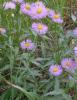
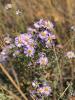
Flower heads appear at branch tips and have white ray florets surrounding numerous yellow disk florets. The yellow center becomes raised, conical, or elongated as the head matures. Narrow chaff-like bracts are present among the disk florets, and the small dry fruits are ribbed and glandular. A complete plant specimen with roots, stems, leaves, flower heads, and the growing location is far more useful than a close-up of one flower.
Chamomile Look-Alikes and Dogfennel Confusion
German chamomile, Matricaria chamomilla, also has finely divided leaves and white rays around a yellow center, but its receptacle is hollow and lacks the chaff found in a Poison Daisy head. Its odor is the familiar aromatic chamomile scent rather than the foul odor of Anthemis cotula. This distinction matters because accidental contamination of medicinal chamomile material with Poison Daisy can create a much more allergenic or irritating preparation.
Scentless chamomile, generally placed in Tripleurospermum, lacks the strong odor when crushed. Corn chamomile, Anthemis arvensis, is a close relative with less offensive-smelling foliage. Pineapple weed has finely divided leaves and a pineapple-like odor but normally lacks showy white ray florets. These plants are close enough in appearance that owners should not rely on memory or a common name when an animal becomes ill.
The dogfennel problem is especially important in the United States. Poison Daisy may be called dogfennel in older or regional lists, but Eupatorium capillifolium is the plant most people in the southeastern U.S. mean by that name. Eupatorium capillifolium is a taller perennial with narrow leaves and clusters of small, inconspicuous flower heads rather than individual white-and-yellow daisy heads. Mixing these names can lead to the wrong toxicology discussion.
Poisonous Parts and Exposure Forms
The foliage, stems, flower heads, seeds, plant juices, pollen, chaff, and dried fragments should all be handled as potentially irritating. Aboveground tissues are the main concern because they are most accessible to grazing animals, dogs, cats, poultry, rabbits, birds, and animals moving through dense weeds. Roots contain additional secondary compounds, but root ingestion is less common unless an animal digs up plants or receives uprooted garden waste.
Fresh plant material is often avoided because of its foul odor and bitter taste. Avoidance is helpful but unreliable. Hungry livestock, animals confined without clean forage, curious juveniles, indiscriminate pets, poultry in a contaminated run, and animals offered hay or chaff cannot always sort around it. Dried fragments may be more dangerous in practice because the warning smell can fade while the irritant material remains mixed into feed.
Concentrated products deserve a separate warning. Teas, rinses, essential oils, dried-herb blends, poultices, extracts, and homemade “chamomile” preparations can deliver plant constituents in a form an animal would not voluntarily graze. They should not be used on or in pets, livestock, poultry, or exotics unless a veterinarian has identified the plant and specifically selected the product.
Dogs and Cats
Dogs are most likely to encounter Poison Daisy by chewing plants during walks, digging in weedy soil, rolling in dense stands, playing in cut weeds, or investigating garden-waste piles. Contact dermatitis may appear on the muzzle, lips, paws, abdomen, or thinly haired areas. A small taste may cause brief drooling, nausea, vomiting, loose stool, or appetite loss, but repeated vomiting or diarrhea should be evaluated.
Cats may chew foliage, walk through cut plants, groom plant residue from the coat, or contact dried debris in bedding. Because cats groom thoroughly, a skin exposure can become an oral exposure. Any continued food refusal after suspected exposure deserves attention. A cat that does not eat for more than a brief period may develop serious secondary problems even if the original plant reaction was not expected to be life-threatening.
No reliable dog or cat toxic dose has been established. The practical risk assessment depends on the amount missing, body weight, form of the material, evidence of chewing, skin or eye contact, vomiting or diarrhea frequency, appetite, hydration, and whether the exposure involved an extract or another plant.
Horses, Cattle, Livestock, Poultry, and Small Herbivores
Grazing animals usually avoid fresh Poison Daisy when desirable forage is available, but that changes in thin pasture, drought, overstocking, confinement, neglected lots, and contaminated hay. Horses may show salivation, oral irritation, reduced appetite, diarrhea, abdominal discomfort, or colic-like behavior. Because horses cannot vomit, repeated swallowing, feed refusal, pawing, rolling, flank watching, reduced manure, or persistent diarrhea should not be minimized.
Cattle, sheep, goats, and other ruminants may develop muzzle irritation, drooling, reduced intake, diarrhea, decreased production, or off-flavored milk, butter, or meat after forage contamination. Off-flavor shows exposure but does not by itself prove severe poisoning. Heavy pasture infestation, hay contamination, and several animals becoming ill together require a feed and pasture investigation rather than simple individual pet-style advice.
Poultry can peck flower heads, seeds, feed screenings, chaff, and pulled weeds rapidly relative to body size. Rabbits and guinea pigs should not be offered Poison Daisy as forage, because reduced appetite and stool changes can progress into gastrointestinal stasis. Herbivorous reptiles and tortoises may encounter the plant in outdoor pens or garden edges; exact reptile dose data are not available, so abnormal appetite, stool, behavior, or eye signs require veterinary review of the entire enclosure and plant list.
Diagnosis, Veterinary Evaluation, and Differential Diagnosis
Diagnosis begins with plant confirmation and exposure reconstruction. Useful evidence includes a complete plant specimen with roots, leaves, stems, and flower heads; photographs of the entire stand; hay or feed samples; bedding samples; the animal’s weight; earliest possible exposure time; estimated amount; route of exposure; first signs; and whether other animals had access. A veterinarian cannot reliably distinguish Poison Daisy irritation from many other disorders by symptoms alone.
There is no routine blood or urine test that specifically confirms Poison Daisy exposure. Testing is chosen according to the animal’s condition and may include hydration assessment, electrolyte measurement, serum chemistry, blood count, urinalysis, fecal evaluation, abdominal imaging, ocular examination, dermatologic examination, clotting tests when bleeding is present, and toxicology testing when feed contamination or pesticide exposure is possible.
Differential diagnoses include insect stings, allergic skin disease, bacterial or fungal dermatitis, mange, photosensitization, chemical burns, spoiled feed, mycotoxins, pesticides, anticoagulant rodenticide, gastrointestinal foreign material, infectious enteritis, pancreatitis, colic from another cause, toxic weeds in the same pasture, medication exposure, and unrelated organ disease. Plant identification supports diagnosis; it does not replace a full clinical assessment when signs are persistent, severe, or atypical.
Prognosis and Prevention
Prognosis is generally good when exposure is limited and signs are confined to mild oral irritation, temporary gastrointestinal upset, or localized dermatitis. Recovery may be slower when exposure is repeated, the animal is dehydrated, the eyes are involved, dermatitis is extensive, a small herbivore or cat stops eating, or contaminated forage continues to be consumed. Animals that become sensitized may react more strongly during future contact.
Prevention focuses on removing the plant before it flowers and sets seed, restoring desirable forage, keeping animals away from pulled or mowed piles, and isolating suspect hay or chaff. Gloves, long sleeves, and eye protection are sensible during removal because the plant can irritate human skin and eyes. Closed disposal is safer than leaving wilted piles where dogs, goats, poultry, rabbits, or horses can reach them.
Inspect hay, bedding, feed screenings, and poultry runs when Poison Daisy is present on the property. Do not blend suspect bales into clean forage. Clean equipment, boots, animal coats, and vehicle tires when moving between infested and clean areas. Do not use Poison Daisy in pet remedies, herbal calming mixtures, skin rinses, bird foraging material, tortoise forage, rabbit greens, or livestock feed.
Immediate Response
Remove the animal from the plant, pasture, hay, chaff, feed, bedding, kennel yard, poultry run, garden-waste pile, or herbal product immediately. Poison Daisy is usually an irritant and allergen rather than a predictable fatal systemic poison, but early control of exposure prevents continued chewing, grooming, eye contact, and repeat skin contamination. Prevent other animals from entering the same area until the source has been identified and removed.
- Stop access: Move the animal away from fresh plants, cut weeds, dried fragments, contaminated forage, bedding, tea, rinse, poultice, extract, or essential oil.
- Preserve identification evidence: Save a complete plant with leaves, stems, flowers, and roots when possible, or photograph the whole plant, close-up flower heads, leaves, stems, and growing area.
- Save feed and bedding samples: Isolate suspect hay, chaff, grain screenings, bedding, and pulled weeds instead of blending or discarding them before the veterinarian can review the case.
- Record exposure details: Note the animal’s species, weight, amount missing, earliest possible access, first symptom, whether material was fresh or dried, and whether multiple animals were exposed.
- Separate exposed animals: Prevent herd mates, poultry, dogs, cats, rabbits, or goats from eating vomit, contaminated feed, cut weeds, or the remaining plant material.
Remove Loose Material Without Creating a Second Injury
An alert animal that is breathing normally and swallowing normally may have loose plant material removed from the front of the mouth. Do not reach deeply into the throat, scrape irritated tissue, pull on material that appears stuck, or continue if the animal is panicking, biting, coughing, gagging, weak, or unable to swallow. Mouth irritation from Poison Daisy usually does not justify aggressive owner decontamination.
- Remove only visible loose fragments: Take away leaves, stems, flower heads, or chaff sitting at the front of the mouth when this can be done safely.
- Do not force rinsing: Forced water can be aspirated by a nauseated, drooling, weak, or poorly swallowing animal.
- Offer voluntary water only when safe: An alert animal that is not vomiting repeatedly and swallows normally may have access to fresh water.
- Do not pull string-like material: If hay twine, plant fiber, ribbon, wire, or a long stem appears lodged, stop and seek veterinary help.
Skin, Coat, and Eye Exposure
Wear gloves when handling a contaminated animal because Poison Daisy can irritate people as well. Plant juice, pollen, chaff, and dried fragments trapped in fur can prolong exposure and may be swallowed during grooming. Remove collars, harnesses, blankets, bandages, bedding, and clothing that may hold plant residue against the skin.
- Rinse the coat and skin: Use lukewarm water and a mild animal-safe cleanser, then rinse thoroughly.
- Protect against grooming: Prevent licking until the plant residue has been removed.
- Clean equipment: Wash collars, harnesses, blankets, bedding, carriers, and grooming tools before reuse.
- Flush exposed eyes: Use sterile saline or clean lukewarm water for gentle irrigation if plant material, pollen, dust, or sap contacted the eye.
- Seek eye care promptly: Persistent squinting, redness, discharge, cloudiness, swelling, rubbing, or inability to open the eye requires veterinary examination.
Do Not Induce Vomiting at Home
Do not induce vomiting unless a veterinarian or animal poison-control professional specifically directs it after reviewing the species, timing, amount, plant form, symptoms, and airway risk. Poison Daisy usually causes irritation rather than a toxin that must be urgently forced out at home. Hydrogen peroxide and other improvised emetics can cause prolonged vomiting, stomach injury, esophageal irritation, aspiration, dehydration, and delay of appropriate care.
- Do not give hydrogen peroxide: It can worsen gastrointestinal injury and create aspiration risk.
- Do not use salt, mustard, ipecac, dish soap, detergent, oil, or syrup: These products can create new poisonings or chemical injury.
- Do not gag the animal: Fingers, tools, or manual throat stimulation can injure the mouth, throat, or airway.
- Never try to make horses, ruminants, rabbits, guinea pigs, rodents, or birds vomit: These species should not be handled as vomiting-capable household patients.
- Do not induce vomiting in a sick animal: Weakness, collapse, tremors, seizures, abnormal breathing, repeated vomiting, inability to swallow, coughing, gagging, or neurologic signs make aspiration more likely.
Do Not Give Charcoal, Medication, or Household Remedies Without Direction
Activated charcoal is not a universal antidote and may be of limited value for a primarily irritant and contact-allergen exposure. It can be aspirated if the animal is vomiting, sedated, weak, drooling heavily, or swallowing poorly. A veterinarian may consider decontamination only when the timing, material, amount, species, airway status, and possible co-exposures justify it.
- Do not force activated charcoal: Charcoal in the lungs can cause serious complications.
- Do not give diphenhydramine automatically: It does not treat vomiting or diarrhea and does not replace emergency care for airway swelling or collapse.
- Do not give owner-selected corticosteroids: Steroids are not plant-poison antidotes and may be inappropriate with infection, corneal injury, gastrointestinal disease, or another diagnosis.
- Do not give antidiarrheal drugs, sucralfate, antacids, pain medication, or leftover veterinary medication: Treatment depends on the animal’s species, signs, and differential diagnosis.
- Do not use milk, oil, bread, yogurt, supplements, calcium, potassium, magnesium, or herbal products as antidotes: They do not neutralize Poison Daisy and may worsen vomiting, aspiration, obstruction, or species-specific illness.
When Veterinary Examination Is Important
Many small exposures can be managed with veterinary guidance and observation, but the threshold for examination should be low when signs persist, the animal is high-risk, or the exposure involved contaminated forage, dried material, eyes, skin, or multiple animals. The goal is to detect dehydration, allergic reaction, eye injury, gastrointestinal complications, or a different poison before the case worsens.
- Persistent digestive signs: Repeated vomiting, frequent diarrhea, blood, severe abdominal pain, inability to retain water, or marked lethargy requires examination.
- Food refusal: Continued anorexia is especially important in cats, rabbits, guinea pigs, birds, juveniles, seniors, and medically fragile animals.
- Allergic or airway signs: Facial swelling, throat swelling, widespread hives, noisy breathing, wheezing, pale or blue gums, weakness, or collapse is an emergency.
- Eye signs: Persistent squinting, rubbing, redness, cloudiness, discharge, or swelling after rinsing needs veterinary care.
- Horse or livestock signs: Colic, abdominal distension, repeated lying down, reduced manure, persistent diarrhea, weakness, herd-level illness, or contaminated forage access should be addressed promptly.
- Abnormal bleeding: Bruising, nosebleeds, bloody urine, black stool, pale gums, or prolonged bleeding is not a routine mild irritant sign and requires urgent investigation.
- Atypical systemic signs: Seizures, coma, severe weakness, major respiratory distress, organ failure, or sudden collapse suggests another toxin, contaminant, or disease until proved otherwise.
Safe Transport and Evidence to Bring
Transport the animal calmly and prevent further licking, chewing, or grooming during the trip. For dogs and cats, bring the plant sample in a sealed container or bag that the animal cannot access. For horses, cattle, goats, sheep, and poultry, preserve representative hay, chaff, feed, bedding, and pasture samples rather than cleaning up the whole scene before the veterinarian has a chance to evaluate it.
- Bring a complete specimen: Leaves, stems, flower heads, roots, seeds, and the growing location help confirm Anthemis cotula.
- Bring photographs: Include the whole plant, close-up flowers, leaves, stems, pasture pattern, hay, and any piles of pulled weeds.
- Bring product labels: Save labels for herbal products, essential oils, sprays, fertilizers, herbicides, pesticides, and feed.
- Do not let animals eat samples: Keep specimens and contaminated feed sealed and out of reach.
Veterinary Examination and Treatment
There is no specific antidote for Poison Daisy exposure. Veterinary treatment is directed at the route of exposure and the animal’s actual signs. A veterinarian may examine the mouth, skin, eyes, hydration, abdomen, respiratory status, cardiovascular status, and neurologic condition. Testing may include bloodwork, electrolytes, urinalysis, fecal evaluation, clotting tests, abdominal imaging, eye staining, skin examination, or feed and plant analysis when signs are severe or several animals are involved.
Uncomplicated gastrointestinal irritation may be treated with clinician-selected anti-nausea medication, fluids when needed, electrolyte correction, gastrointestinal support, and temporary dietary management after vomiting is controlled. Dermatitis may require bathing, topical therapy, anti-itch treatment, infection control, and prevention of self-trauma. A veterinarian may choose antihistamines or corticosteroids for a specific allergic or inflammatory component, but those drugs do not neutralize sesquiterpene lactones and are not universal plant-poison antidotes.
Severe allergic reactions may require injectable medication, oxygen, airway support, blood-pressure monitoring, and treatment for shock. Eye exposure may require irrigation, fluorescein staining, pain control selected by the veterinarian, corneal treatment, and rechecks. Abnormal bleeding requires clotting evaluation and investigation for rodenticide, liver disease, platelet disorders, trauma, or another poison rather than assuming Poison Daisy is the sole cause.
Horses, Livestock, Poultry, and Exotics
Large-animal management begins by removing all animals from suspect pasture, hay, chaff, bedding, and feed. A veterinarian may assess oral irritation, hydration, manure output, rumen or intestinal function, colic signs, production change, and the number of affected animals. Treatment may include clean forage replacement, fluid and electrolyte support, colic management, diarrhea management, skin or eye care, and targeted testing when feed contamination or another toxic weed is possible.
Poultry and companion birds need rapid attention to feeding, droppings, hydration, breathing, strength, and flock pattern. Several sick birds suggest infectious, mycotoxin, pesticide, or feed problems as well as plant exposure. Rabbits and guinea pigs need monitoring of appetite, fecal output, hydration, abdominal comfort, and activity because gastrointestinal stasis can become the primary emergency. Reptile cases require species-appropriate temperature, hydration, enclosure review, and investigation of pesticides, fertilizers, substrate, and all plants present.
Recovery, Monitoring, and Prevention
Most animals with limited exposure and mild irritation recover well once access ends and symptoms are controlled. Improvement should be steady. Vomiting and diarrhea should decrease, appetite should return, skin irritation should calm, eye comfort should improve, and hydration should normalize. Continued access to contaminated fur, bedding, pasture, hay, or feed can prolong illness.
- Monitor appetite: Continued food refusal is important in cats, rabbits, guinea pigs, birds, young animals, and weak livestock.
- Monitor hydration: Gum moisture, energy, urination, manure, droppings, and drinking behavior should move toward normal.
- Monitor skin and eyes: Spreading redness, swelling, discharge, cloudiness, or intense itching requires reassessment.
- Monitor breathing: Coughing, wheezing, noisy breathing, fever, or increased effort after vomiting or allergy signs requires care.
- Monitor for recurrence: Sensitized animals may react more strongly during later contact.
Prevent repeat exposure by removing Poison Daisy before seed set, keeping animals away from pulled or mowed piles, restoring desirable forage, inspecting hay and bedding, cleaning equipment that moved through infested areas, and never using the plant as chamomile in animal remedies. Suspect hay, chaff, bedding, and feed screenings should be isolated rather than diluted into clean feed.
Frequently Asked Questions About Poison Daisy and Animal Poisoning
Is Poison Daisy toxic to dogs?
Yes. Dogs that chew Poison Daisy, Anthemis cotula, may develop drooling, mouth irritation, nausea, vomiting, diarrhea, abdominal discomfort, reduced appetite, or temporary lethargy. Dogs can also develop contact dermatitis where the muzzle, paws, abdomen, or thinly haired skin brushed against crushed foliage, flowers, pollen, or dried plant debris. A small taste is usually not expected to cause fatal systemic poisoning, but repeated vomiting, diarrhea, weakness, facial swelling, breathing difficulty, eye pain, or ingestion of contaminated hay, garden waste, or an herbal product should be treated more seriously.
Is Poison Daisy toxic to cats?
Yes. Cats may develop oral irritation, vomiting, diarrhea, reduced appetite, or skin inflammation after chewing the plant or grooming contaminated fur. Cats often convert a contact exposure into an ingestion exposure by licking plant residue from the coat. Continued food refusal is especially important in cats because prolonged anorexia can create serious secondary metabolic complications even when the original plant exposure was not expected to be fatal.
Can Poison Daisy harm horses and grazing livestock?
Yes. Horses, cattle, sheep, goats, and other grazing animals usually avoid the fresh plant because of its bitter taste and foul odor, but they may consume it when pasture is overgrazed, forage is scarce, animals are confined, or the plant is mixed into hay, chaff, or bedding. Possible signs include salivation, mouth irritation, reduced feed intake, diarrhea, muzzle irritation, decreased production, and colic-like behavior in horses. Several animals becoming ill together should trigger a broader feed, pasture, pesticide, mycotoxin, and infectious-disease investigation.
Is Poison Daisy dangerous to poultry or pet birds?
Agricultural weed references describe Anthemis cotula as poisonous to poultry, and birds may be exposed by pecking flower heads, seeds, dried fragments, bedding, pulled weeds, or contaminated feed screenings. Because birds are small and can shred plant material quickly, even a modest amount can matter. Depression, poor appetite, diarrhea, abnormal droppings, weakness, breathing difficulty, neurologic signs, or illness affecting several birds should be investigated promptly because infectious disease, mold toxins, pesticides, and other poisonous weeds can look similar.
What is the principal toxin in Poison Daisy?
The clearest plant-specific toxicologic concern involves irritant and allergenic sesquiterpene lactones, especially anthecotulide- and anthecotuloide-type compounds from aboveground tissue. These compounds can irritate tissue and can contribute to delayed allergic contact dermatitis after sensitization. The plant also contains variable volatile constituents, root polyacetylenes, prenylated acetophenones, flavones, phenolic compounds, and other metabolites, but they should not all be presented as equally important veterinary poisons.
Are anthecotulide and anthecotuloide the same thing?
The names are closely related in the Anthemis cotula literature but should not be used carelessly. Anthecotulide and anthecotuloide-type compounds refer to unusual linear sesquiterpene lactone chemistry associated with this species and related Anthemis research. For a pet owner, the practical point is that these compounds support the plant’s irritant and allergenic reputation. For a veterinarian or researcher, the important boundary is that compound identification does not establish a validated natural-ingestion toxic dose or prove that one molecule explains every clinical sign in every species.
Which parts of Poison Daisy are poisonous or irritating?
The foliage, stems, flower heads, seeds, pollen, chaff, plant juices, and dried fragments should all be considered potentially irritating. Aboveground tissues are the most common source of skin contact, eye irritation, oral irritation, and grazing exposure. Roots contain additional secondary compounds, but root ingestion is less common unless an animal digs up plants or receives uprooted weeds. No plant part should be deliberately fed to pets, livestock, poultry, rabbits, guinea pigs, birds, or reptiles.
Can an animal react without eating Poison Daisy?
Yes. Brushing against dense plants, lying in cut weeds, walking through crushed foliage, or contacting pollen, sap, chaff, or dried plant dust can irritate the skin and eyes. Redness, itching, swelling, rash-like lesions, blistering, squinting, tearing, or face rubbing may occur after contact alone. Grooming contaminated fur can then turn the contact exposure into an ingestion exposure, especially in cats and small animals.
How quickly do Poison Daisy symptoms begin?
Mouth irritation, drooling, nausea, and gastrointestinal signs may begin during chewing or within several hours. Contact irritation may appear the same day, while allergic contact dermatitis can be delayed and may become more obvious after repeated exposure. A sensitized animal may react more quickly or more severely during later contact than during the first exposure. Persistent, worsening, bloody, respiratory, neurologic, or systemic illness should not be managed by waiting for a fixed time window.
Does Poison Daisy cause internal bleeding?
A bleeding tendency is repeated in some poison-plant lists in connection with prolonged use or repeated exposure, but spontaneous hemorrhage is not the expected outcome after a single small raw-plant ingestion. Simple plant coumarin language should not be treated as equivalent to anticoagulant rodenticide exposure. Bruising, blood in vomit or manure, black stool, nosebleeds, pale gums, weakness, or prolonged bleeding requires urgent veterinary evaluation and investigation for rodenticide, liver disease, clotting disorders, trauma, another poisonous plant, contaminated feed, or medication exposure.
Does Poison Daisy cause kidney failure, liver failure, seizures, or coma?
Those are not the expected uncomplicated signs of ordinary Poison Daisy exposure. Mild to moderate cases are dominated by oral irritation, vomiting, diarrhea, appetite loss, dermatitis, allergic swelling, and eye irritation. Severe organ failure, seizures, coma, major heart abnormalities, sudden collapse, or respiratory failure should trigger a broader emergency workup for another plant, pesticide, mycotoxin, medication, foreign body, dehydration, shock, aspiration, infectious disease, or unrelated illness.
Is dried Poison Daisy safe in hay?
No. Drying should not be assumed to neutralize the plant. Hay and chaff can contain dried foliage, flower heads, seed-bearing material, chaff, pollen, and abrasive or allergenic debris. Drying may reduce the fresh odor that helps animals avoid the plant, making selective feeding more difficult. Suspect bales should be isolated and replaced with clean forage rather than blended into safe hay.
Can Poison Daisy contaminate chamomile tea or herbal products?
Yes, Poison Daisy is important partly because it can be confused with chamomile-like plants. It should not be substituted for German chamomile or Roman chamomile in pet teas, rinses, supplements, poultices, skin washes, calming products, or bedding. A concentrated preparation can deliver plant constituents in a dose and route very different from a brief accidental brush with a weed. If an animal received a tea, extract, essential oil, or herbal blend, save the product label and contact a veterinarian.
Should I make my dog or cat vomit after eating Poison Daisy?
No home emetic should be given unless a veterinarian or animal poison-control professional specifically directs it after reviewing the case. Hydrogen peroxide can cause prolonged vomiting, stomach and esophageal injury, dehydration, and aspiration. Salt, mustard, oil, detergents, fingers in the throat, and manual gagging are unsafe. Poison Daisy is usually an irritant exposure, and forced vomiting may cause more harm than the plant itself.
Should I give activated charcoal, Benadryl, milk, or food?
Do not give any of these automatically. Activated charcoal is not a universal antidote and can be aspirated by a nauseated, weak, or poorly swallowing animal. Diphenhydramine does not treat vomiting or diarrhea and does not replace emergency treatment for airway swelling or collapse. Milk, oil, bread, yogurt, food, supplements, and herbal products do not neutralize Poison Daisy and can worsen vomiting, aspiration risk, or species-specific illness.
How can Poison Daisy be distinguished from German chamomile?
Poison Daisy has finely divided leaves and white rays around a yellow center, but it releases a harsh, foul odor when crushed. Its yellow flower receptacle becomes raised or conical and contains chaff-like bracts among the disk florets. German chamomile has a hollow receptacle and a more familiar aromatic chamomile scent. Because these distinctions can be difficult from a single flower, preserve or photograph the whole plant, including leaves, stems, flower heads, roots, and habitat.
Is Poison Daisy the same plant as dogfennel?
It is one of several plants that may be called dogfennel, but the name is highly ambiguous. Poison Daisy is the annual white-and-yellow daisy Anthemis cotula. In much of the eastern and southeastern United States, dogfennel usually means Eupatorium capillifolium, a much taller perennial with clusters of small, less showy flower heads. A veterinarian or poison-control service needs the scientific name or good photographs, not just the common name.
What evidence supports Poison Daisy dermatitis?
Exact-species literature has long described Anthemis cotula as a skin irritant, and phytochemical studies have isolated allergenic sesquiterpene lactone chemistry from the plant. More general Asteraceae allergy research supports the mechanism by which sesquiterpene lactones can bind to skin proteins and cause allergic contact dermatitis. That evidence strongly supports contact and mucosal irritation, but it does not establish a precise toxic dose for natural ingestion in every domestic animal species.
Is there a diagnostic test for Poison Daisy poisoning?
There is no routine blood or urine test that specifically confirms ordinary Poison Daisy exposure. Diagnosis depends on plant identification, route of exposure, amount, timing, symptoms, and exclusion of other causes when signs are severe or persistent. A veterinarian may still run bloodwork, electrolytes, urinalysis, fecal tests, clotting tests, abdominal imaging, eye staining, skin evaluation, or feed testing to assess complications and rule out other diseases or toxins.
How do veterinarians treat Poison Daisy exposure?
There is no specific antidote. Treatment depends on whether the problem is mouth irritation, vomiting, diarrhea, dehydration, dermatitis, eye exposure, allergic swelling, colic, contaminated forage, or another diagnosis. A veterinarian may clean the mouth or skin, irrigate the eyes, control nausea, provide fluids and electrolyte support, treat skin inflammation or infection, manage allergic reactions, evaluate colic, test clotting when bleeding is present, and investigate hay, feed, pesticide, or other plant exposure when the syndrome does not fit a simple irritant case.
What is the prognosis after Poison Daisy exposure?
The prognosis is usually good when exposure is limited and signs remain mild. Most animals recover after access ends, plant residue is removed, hydration is maintained, and symptoms are controlled. Prognosis becomes more guarded when exposure is repeated, dermatitis is extensive, the eyes are injured, a cat or small herbivore stops eating, hay contamination continues, several animals are sick, abnormal bleeding appears, or signs suggest another poison or disease. Preventing repeat exposure is important because sensitized animals may react more strongly later.