Milfoil Toxicity, Yarrow Contact Sensitization, Gastrointestinal Irritation, and Essential-Oil Risk
Is Milfoil Poisonous to Dogs, Cats, Horses, and Livestock?
Yes—Milfoil, Achillea millefolium, is considered poisonous and irritating to dogs, cats, horses, livestock, rabbits, guinea pigs, birds, reptiles, and other animals, although severe systemic poisoning from a brief encounter with the living plant appears uncommon. Its leaves, stems, sap, flower heads, fresh clippings, dried herb, contaminated forage, and herbal preparations contain variable mixtures of sesquiterpene lactones, bitter constituents, polyacetylenes, and volatile compounds. Chewing may cause drooling, nausea, vomiting, diarrhea, abdominal discomfort, appetite loss, and lethargy, while direct contact can cause redness, itching, papules, crusting, moist dermatitis, and eye irritation.
Milfoil is the same plant commonly called Yarrow or Common Yarrow, but the name can conceal substantial botanical and chemical variation. *Achillea millefolium* belongs to a hybridizing polyploid species complex, and similar North American plants may be classified as *Achillea borealis*, *A. gracilis*, *A. lanulosa*, regional varieties, or intermediates depending on the botanical authority. Plant chemistry also varies, so one population, cultivated variety, dried product, or essential-oil bottle cannot define every exposure.
Direct irritation and allergic contact dermatitis are different processes. Sap, plant fragments, friction, and volatile material may inflame skin during an initial encounter. Yarrow also contains sensitizing sesquiterpene lactones—most notably α-peroxyachifolid and related compounds—that can provoke delayed T-cell-mediated dermatitis after sensitization. An animal may therefore develop a rash hours or days after leaving the field and may react more quickly or intensely during a later exposure.
Concentrated essential oil, tincture, extract, salve, capsule, or mixed herbal product presents a substantially different risk from chewing a few leaves. Yarrow oils have no single fixed composition: some contain thujone, camphor, or other neurologically active monoterpenes, while others contain little or none. Product solvents, alcohol, carrier oils, menthol, camphor, salicylates, local anesthetics, fragrances, preservatives, and additional essential oils may become the principal hazard.
About this guide: This page provides general pet-poisoning information and cannot diagnose or treat an individual animal. For any suspected exposure, contact a veterinarian or animal poison-control service immediately. Do not induce vomiting, give medication, or attempt home decontamination unless directed by a veterinary professional.
Milfoil
Achillea millefolium L.
Carl Linnaeus published Achillea millefolium in 1753. It remains the accepted name for Eurasian Common Yarrow or Milfoil in the strict modern botanical sense.
Accepted species-level synonyms include:
- Achillea dentifera DC., an illegitimate superfluous name
- Achillea tanacetifolia var. dentifera W.D.J.Koch, an illegitimate name
- Achillea tenuifolia Salisb., an illegitimate superfluous name
- Alitubus millefolium (L.) Dulac
- Chamaemelum millefolium (L.) E.H.L.Krause
- Santolina millefolium (L.) Baill.
Accepted infraspecific taxa include Achillea millefolium subsp. millefolium, subsp. alpestris, subsp. chitralensis, and subsp. elbursensis. Older floras and regional references recognize many additional varieties, forms, and ecological races that are not treated consistently by modern global checklists.
The broader Achillea millefolium aggregate is a genetically and morphologically difficult polyploid complex shaped by hybridization, repeated chromosome duplication, geographic divergence, and human movement of cultivated plants. North American native yarrows formerly placed broadly under A. millefolium may now be treated as Achillea borealis, Achillea gracilis, Achillea lanulosa, or other regional taxa. These names should not be inserted as unconditional synonyms of A. millefolium sensu stricto.
Plant identification may therefore require more than a photograph of finely divided leaves and a white flower cluster. Geographic origin, chromosome level, involucral bracts, leaf proportions, pubescence, reproductive structures, cultivation history, and specialist botanical examination may all matter.
Asteraceae — Aster, Daisy, or Sunflower Family; formerly called Compositae
Milfoil; Yarrow; Common Yarrow; Common Milfoil; Western Yarrow; Noble Yarrow; Thousand-Leaf; Thousand Leaf; Thousandleaf; Thousand Seal; Thousand-Seal; Nosebleed Plant; Nosebleed; Bloodwort; Bloodwort Yarrow; Sanguinary; Staunchweed; Woundwort; Wound Wort; Soldier’s Woundwort; Soldier’s Wound Wort; Soldier’s Herb; Military Herb; Knight’s Milfoil; Carpenter’s Weed; Carpenter’s Herb; Old Man’s Pepper; Devil’s Nettle; Devil’s Plaything; Bad Man’s Plaything; Dog Daisy; Dog Fennel; Green Arrow; Little Feather; Gordaldo; Plumajillo; Milenrama; Milefolio; Milhojas; Achillée; Achillée Millefeuille; Millefeuille; Herbe aux Charpentiers; Herbe Militaire; Herbe à la Coupure; Sourcil de Vénus; Gemeine Schafgarbe; Schafgarbe; Tausendblatt; Millefoglio; Erba dei Falegnami; Civanperçemi; Rajmari; Rojmari; Millefolii Herba; Millefolii Flos; Yarrow Herb; Yarrow Flower; Yarrow Extract; Yarrow Essential Oil; Milfoil Extract
Historical species-level scientific names include Achillea dentifera, Achillea tenuifolia, Alitubus millefolium, Chamaemelum millefolium, and Santolina millefolium.
“Western Yarrow,” “Native Yarrow,” and “Common Yarrow” may also be applied to closely related North American plants within the Achillea millefolium complex. Names encountered in that context include Achillea borealis, Achillea gracilis, Achillea lanulosa, and older combinations or varieties placed beneath A. millefolium. These taxa are closely related but should not be represented as universally accepted exact synonyms.
“Milfoil” also refers to unrelated aquatic plants in the genus Myriophyllum, including Eurasian Watermilfoil and Parrot Feather. “Dog Fennel” commonly means Eupatorium capillifolium, while “Nosebleed” and “Woundwort” have been used for additional medicinal plants. The complete scientific name is necessary before applying this page to a plant, herbal product, hay contaminant, or essential oil.
A Variable Mixture Rather Than One Universal Yarrow Toxin
Milfoil contains a chemically diverse mixture whose composition changes with taxonomic lineage, chromosome number, plant organ, growth stage, soil, climate, harvest timing, drying, extraction, and storage. No single compound explains every reported episode of vomiting, dermatitis, or concentrated-product toxicity.
The best-supported veterinary concerns are sensitizing sesquiterpene lactones, direct irritants in the sap and plant tissues, bitter gastrointestinally active constituents, polyacetylenes, and volatile-oil compounds. These categories should not be treated as though each plant contains a fixed amount or as though every detected molecule is independently toxic at natural exposure levels.
Exact veterinary case evidence is limited. Most statements about natural-plant poisoning are extrapolated from botanical chemistry, documented human contact allergy, experimental sensitization, traditional pharmacology, concentrated-product research, and the broader toxicology of essential-oil constituents. No validated dose-response study establishes how many leaves or flower heads will make a dog, cat, horse, or livestock animal ill.
α-Peroxyachifolid and the Sensitizing Guaianolide Peroxides
Direct investigation of *Achillea millefolium* identified α-peroxyachifolid as a strong contact sensitizer. Several related unsaturated guaianolide peroxides were isolated from short ether extracts, and guinea-pig sensitization experiments demonstrated particularly strong activity from the principal compound.
These compounds belong to the broader sesquiterpene-lactone chemistry characteristic of many members of Asteraceae. Their reactive structures can bind covalently to proteins in exposed skin. The plant chemical alone is small, but after it attaches to a host protein, the combined structure can be recognized as an antigen by the immune system.
Sensitization may occur without a dramatic first reaction. Antigen-presenting cells process the altered proteins and activate specific T lymphocytes. On later contact, those primed immune cells produce a delayed type IV hypersensitivity response with itching, redness, papules, vesicles, crusting, scaling, and self-trauma.
This mechanism explains why a dog may appear normal immediately after running through Yarrow and develop an abdominal or foot rash later that day or the next. It also explains why subsequent exposures can cause a faster or broader reaction even when less plant material touches the animal.
Direct Irritation Is Not the Same as Allergy
Milfoil can irritate skin and mucous membranes without prior sensitization. Crushed stems, sap, flower fragments, dust, plant hairs, volatile compounds, and repeated friction may inflame the first-contact site directly.
Moist, abraded, sparsely haired, or pressure-bearing skin is especially vulnerable. Plant fragments trapped beneath a collar, harness, saddle, blanket, boot, bandage, diaper, or dense coat may remain in contact for hours. Sweat and moisture can spread plant material and weaken the skin barrier.
Direct irritation and allergic dermatitis may occur together. Initial barrier damage can facilitate sensitization, while later contact produces both immediate irritation and a delayed immune response. A visibly inflamed animal cannot be classified reliably as “allergic” or “irritated” from appearance alone.
Cross-Reactivity Within Asteraceae
Sesquiterpene-lactone contact allergy can cross-react among chemically related members of Asteraceae. Plants of concern may include Mayweed, Feverfew, Tansy, Chamomile-related species, Chrysanthemum, Arnica, Ragweed, and additional composites.
Cross-reactivity is possible rather than automatic. An animal reacting to Yarrow is not proven allergic to every daisy-family plant, and seasonal pollen allergy does not establish contact allergy to α-peroxyachifolid. A history of recurrent dermatitis after exposure to several related weeds, herbal products, or cosmetics remains clinically useful.
Products create another route of exposure. A pet can react to Yarrow extract in a shampoo, salve, wound spray, cosmetic, or botanical cleaner without ever contacting a living plant.
Achillin, Achilleine, and Similar-Sounding Names
Achillin is a sesquiterpene lactone reported from Yarrow and related plants. It is chemically distinct from the historically described constituent called achilleine.
Achilleine has been classified inconsistently in older literature as an alkaloid, glycoside, bitter principle, or glycoalkaloid. Historical analytical methods and naming conventions were not always able to establish one stable, purified molecular identity. Achilleine should therefore not be presented as a precisely defined master toxin responsible for vomiting, bleeding, dermatitis, uterine effects, and every other property attributed to Yarrow.
Older reports that a small amount of “achilleine” shortened clotting time are relevant to the history of Yarrow pharmacology but cannot be converted into a pet-toxic dose or a home treatment for wounds.
Essential Oil and Chemotype Variability
The volatile oil is produced and stored in specialized secretory structures in the leaves and flower heads. Oil yield generally changes across development and often increases around flowering, but the direction and magnitude vary with genotype and growing conditions.
Analyses have identified β-pinene, α-pinene, sabinene, 1,8-cineole, camphor, borneol, bornyl acetate, β-caryophyllene, germacrene D, nerolidol, caryophyllene oxide, guaiol, eudesmol, chamazulene, α-thujone, β-thujone, and many additional constituents. No sample contains all compounds at the same proportions.
Some populations produce oils dominated by β-pinene or 1,8-cineole. Others are rich in nerolidol, sabinene, chamazulene, or thujone. Leaves and inflorescences from the same plant may differ, and steam-distilled oil is not chemically identical to headspace volatiles, alcohol extract, tea, or dried powder.
Chamazulene is partly generated during distillation from azulene precursors such as proazulenes. The blue color of some Yarrow oils therefore reflects precursor chemistry and processing; a green living leaf does not literally contain the final distilled oil in the same form or concentration.
Thujone and Neurologic Risk
α-Thujone and β-thujone can produce central nervous system excitation at sufficient exposure, principally through interference with inhibitory GABA-mediated signaling. High exposure may cause agitation, tremors, abnormal coordination, seizures, and respiratory complications.
Thujone is not a dependable defining constituent of every Yarrow plant or oil. Some analyzed oils contain appreciable concentrations, while others contain very little or none. It is inaccurate to claim that a dog chewing a few leaves has received a wormwood-like or Tansy-like thujone dose.
A bottle of Yarrow essential oil presents a different problem. Distillation concentrates volatile chemicals from a much larger mass of plant material, and the label may not disclose chemotype, batch analysis, purity, adulteration, or the relative amounts of α- and β-thujone. Neurologic signs after oil ingestion warrant immediate care regardless of whether thujone is eventually identified.
Camphor, Cineole, Pinenes, and Other Volatile Constituents
Camphor-rich, cineole-rich, or mixed oils may irritate the mouth, stomach, respiratory tract, skin, and eyes. Concentrated volatile compounds can be absorbed through ingestion, inhalation, damaged skin, or grooming of a dermal spill.
Possible concentrated-oil effects include drooling, vomiting, depression, agitation, coughing, weakness, tremors, ataxia, temperature disturbance, and seizures. The syndrome depends on the complete oil profile, amount, dilution, route, species, and other ingredients.
Natural foliage contains these chemicals dispersed through wet tissue at far lower concentration than distilled oil. That difference is central to risk communication: the living plant is irritating and potentially sensitizing, while an essential-oil spill can become a systemic toxicology emergency.
Polyacetylenes, Phenolics, Flavonoids, and Coumarin-Related Compounds
Yarrow contains polyacetylenes, phenolic acids, flavonoids, tannins, sterols, and coumarin-related constituents in addition to lactones and volatile oils. These compounds contribute to the plant’s ecology and account for many pharmacologic research interests.
Detection does not prove equal toxicologic importance. Apigenin, luteolin, rutin, caffeic-acid derivatives, chlorogenic-acid derivatives, quercetin-related compounds, and plant sterols should not be converted automatically into separate veterinary toxins.
The word coumarin also requires care. Simple plant coumarins are not equivalent to the anticoagulant rodenticide warfarin, and ordinary Yarrow ingestion has not been shown to cause predictable vitamin-K antagonism.
Gastrointestinal Irritation and Bitter Plant Material
Chewing fresh leaves and flower heads may expose the lips, mouth, esophagus, stomach, and intestines to bitter and irritating material. Nausea, drooling, vomiting, cramping, soft stool, and diarrhea are plausible and repeatedly listed after animal exposure.
The mechanism is likely multifactorial rather than the action of one isolated toxin. Volatile compounds, bitter principles, plant fiber, lactones, a large plant mass, and co-contaminants may all contribute.
A small exploratory bite may produce no visible sign. Larger intake, repeated grazing, dense contamination of hay, or concentrated preparations may cause more substantial gastrointestinal illness. Severe or persistent vomiting and diarrhea should not be attributed automatically to Yarrow without checking for pesticides, mold, another weed, foreign material, infection, or underlying disease.
Fresh Plant, Dried Herb, Hay, and Dust Are Different Exposures
Fresh tissue releases sap and volatile compounds when crushed. Dried material may lose some volatile content but can retain sesquiterpene lactones, polyacetylenes, bitter material, and allergenic plant fragments.
Hay and bedding create prolonged contact. Muzzle, eyelids, lower legs, chest, abdomen, udder, and skin beneath tack may repeatedly encounter the same fragments. Dry flower heads and leaves also produce dust that can contact the eyes and respiratory tract.
A contaminated bale rarely contains one plant alone. Mold, mycotoxins, storage mites, pesticides, soil, bacteria, other poisonous weeds, and poor nutritional quality may contribute to clinical illness. A whole representative forage sample is more informative than one selected Yarrow stem.
Extracts, Teas, Tinctures, Salves, Capsules, and Mixed Products
Water tea, alcohol tincture, glycerite, powder, standardized extract, essential oil, infused oil, salve, cosmetic, wound spray, and capsule deliver different chemical profiles. Extraction solvent and processing determine which compounds become concentrated.
Alcohol tinctures introduce ethanol. Topical products may contain camphor, menthol, salicylates, tea-tree oil, citrus oils, local anesthetics, zinc compounds, fragrances, preservatives, surfactants, adhesives, or additional herbs. Capsules and gummies may contain sweeteners, including xylitol in some products.
The name Yarrow on the front label is not enough. The complete ingredient panel, strength, carrier, serving size, container volume, amount missing, lot information, and packaging damage must be preserved.
Bleeding and Coagulation Evidence
Yarrow has a long history as a topical wound herb. Modern experimental work has demonstrated localized hemostatic activity from certain hydroalcoholic preparations, and older laboratory studies reported shortened clotting under some extraction conditions.
Results are preparation-dependent. Hot-water extract residues have shortened recalcification time in vitro, while mechanically expressed plant juice has produced different or opposing findings. These variable effects do not establish that eating the plant causes either reliable clotting or reliable anticoagulation.
Ordinary plant contact is not a warfarin-like poisoning. There is no evidence-based requirement to delay every surgery for two weeks after one incidental bite. Repeated oral use of concentrated extracts, tinctures, supplements, or multi-herb products should still be disclosed before anesthesia or surgery because dose, interactions, platelet effects, liver function, and added ingredients may be uncertain.
Pregnancy and Reproductive Evidence
Yarrow has traditional associations with menstruation and uterine activity, but traditional use is not proof of a predictable abortifacient effect in domestic animals. Controlled reproductive evidence is limited and extract-specific.
In one rat study, a high multiple of the customary human exposure during gestation was associated with reduced fetal weight and increased placental weight, without an increase in external or internal malformations. The study did not establish that one grazing exposure causes pregnancy loss.
Another chronic rat study evaluated male reproductive effects from aqueous leaf extract and found changes at high experimental exposure that cannot be converted directly into a safe or toxic dose for a dog, stallion, bull, ram, buck, or other domestic animal.
Concentrated Yarrow preparations should not be deliberately administered during pregnancy or breeding without veterinary authorization. A meaningful accidental exposure should be reported, especially when the animal develops vomiting, diarrhea, dehydration, weakness, or systemic illness.
No Validated Veterinary Toxic Dose or Specific Antidote
No validated toxic dose exists for any domestic species. Severity depends on the exact taxon, plant part, amount, preparation, essential-oil chemotype, product additives, prior sensitization, skin condition, animal size, health, pregnancy, and concurrent exposures.
There is no specific antidote. Treatment removes further exposure, washes contaminated tissue, controls vomiting and diarrhea, restores hydration, manages dermatitis and secondary infection, treats ocular injury, stabilizes hypersensitivity, and provides neurologic or respiratory support after concentrated-product exposure.
Clinical Timing Depends on the Exposure Route
Mouth and gastrointestinal signs after chewing the plant may begin within minutes to several hours. Direct skin or eye irritation may occur during contact or shortly afterward. Allergic contact dermatitis can be delayed until later the same day or several days after the animal has left the exposure site.
Essential-oil and concentrated-product exposure follows a different timeline. Oral irritation and vomiting may be rapid, while neurologic depression, agitation, ataxia, tremors, seizures, or respiratory effects may develop as volatile constituents are absorbed.
A normal first hour does not rule out a meaningful oil, tincture, capsule, or mixed-product exposure. Conversely, a rash appearing the following day is not too delayed to be related to earlier plant contact.
Oral and Gastrointestinal Signs
Early findings may include lip licking, repeated swallowing, drooling, gagging, nausea, refusal of food, and vomiting. Animals that swallowed more plant material may develop abdominal cramping, soft stool, diarrhea, mucus, tenesmus, depression, and lethargy.
Vomiting or diarrhea may be mild and self-limited after a small natural-plant exposure. Repetition can produce dehydration, tacky gums, sunken eyes, weakness, reduced urination, poor circulation, and electrolyte abnormalities. Puppies, kittens, small mammals, birds, geriatric animals, and patients with kidney or heart disease have less reserve.
Blood in vomit or stool is not a defining Yarrow effect. It may follow severe irritation or forceful vomiting, but it also raises concern for a foreign body, infection, ulceration, rodenticide, medication, another toxic plant, or a mixed herbal product.
Direct Irritant Dermatitis
Contact may cause localized redness, warmth, itching, tenderness, small bumps, swelling, or burning. More substantial exposure and continued self-trauma can produce vesicles, crusting, scaling, hair loss, moist dermatitis, erosions, and open lesions.
Distribution often reveals the route. Muzzle lesions suggest sniffing or grazing. Abdominal, groin, and inner-thigh lesions suggest walking or lying in a patch. Foot and pastern inflammation suggests travel through dense plants. Sharply outlined lesions beneath equipment suggest trapped sap or fragments.
Mechanical licking, chewing, rubbing, and scratching can become more destructive than the original plant reaction. Damaged moist skin is vulnerable to secondary bacterial and yeast infection.
Delayed Allergic Contact Dermatitis
A sensitized animal may develop intense itching, papules, vesicles, scaling, crusts, thickened skin, and spreading inflammation after a smaller later exposure. The reaction can extend beyond the precise line of physical contact.
Recurrence after returning to the same lawn, field, trail, hay batch, bedding, cosmetic, or wound product is diagnostically important. Yarrow may be responsible, but pollen, mites, mold, pesticides, other weeds, shampoos, and environmental allergens in the same setting must also be considered.
Allergic contact dermatitis resembles flea allergy, atopic dermatitis, food allergy, ringworm, mites, bacterial folliculitis, yeast overgrowth, photosensitization, and chemical burns. Appearance alone cannot prove the plant.
Facial Swelling, Hives, and Anaphylaxis
Localized slow facial inflammation may accompany direct contact dermatitis. Rapid muzzle, eyelid, lip, tongue, or throat swelling with widespread raised wheals suggests immediate hypersensitivity or another acute allergen.
Severe exact-species veterinary reports are sparse, so anaphylaxis should not be portrayed as the expected result of touching Yarrow. It must nevertheless be treated as an emergency whenever it occurs.
Wheezing, noisy breathing, open-mouth breathing, neck extension, repeated vomiting with weakness, pale or blue-gray gums, weak pulses, collapse, or reduced responsiveness requires immediate veterinary stabilization. The trigger may be Yarrow, another plant, an insect sting, pesticide, medication, or product ingredient.
Essential-Oil and Concentrated-Product Signs
Concentrated Yarrow oil may cause intense oral irritation, drooling, vomiting, coughing, depression, agitation, weakness, abnormal gait, tremors, or seizures. Oil aspirated during swallowing or vomiting can injure the lungs.
The exact pattern depends on chemotype and formulation. A thujone-rich oil may carry greater central nervous system excitation risk. Camphor, cineole, alcohol, menthol, salicylates, or additional essential oils may alter the syndrome substantially.
Cats and birds deserve particular caution because of their small body size, grooming behavior, respiratory sensitivity, and limited ability to metabolize some concentrated volatile compounds. Dermal oil on feathers, fur, or paws creates continued oral exposure until it is removed.
Respiratory and Diffuser Exposure
Plant dust, pollen, and dried fragments may cause sneezing, watery eyes, nasal irritation, or coughing. Diffusers create a different exposure by releasing volatile compounds and small droplets into the air and onto fur, feathers, furniture, water bowls, and cage surfaces.
Coughing, wheezing, rapid shallow breathing, open-mouth breathing, abnormal vocalization, weakness, or marked behavior change after diffuser exposure requires clean air and prompt professional guidance.
Respiratory disease in a hay-fed animal requires evaluation for mold, fungal spores, storage mites, ammonia, endotoxin, and other dusts. Mayweed or Yarrow fragments may be only one part of poor-quality forage.
Dogs and Cats
Dogs may graze Yarrow during walks, roll through a flowering patch, dig rhizomes, chew dried arrangements, or access tinctures, salves, and oils. Natural-plant signs are most likely to involve vomiting, diarrhea, appetite loss, lethargy, face rubbing, foot licking, or an itchy rash.
Severe weakness, tremors, seizures, paralysis, or respiratory failure after eating a finely divided plant is not routine Yarrow poisoning. Poison Hemlock, Water Hemlock, Tansy, pesticide contamination, mushrooms, medications, and essential oils must be considered immediately.
Cats may chew fresh or dried foliage and then ingest residue while grooming. They may hide, drool, vomit, stop eating, overgroom, develop facial or skin redness, or become lethargic. Essential-oil exposure warrants prompt assessment even when the label describes the product as natural or diluted.
Horses and Livestock
Horses may develop salivation, feed refusal, mild colic, loose manure, diarrhea, depression, or contact dermatitis of the muzzle, eyelids, lower limbs, chest, and skin beneath tack. Yarrow in hay creates prolonged exposure through feeding, inhalation, and skin contact.
Cattle, sheep, goats, and pigs may show reduced intake, drooling, abdominal discomfort, diarrhea, lethargy, or localized irritation when dense growth contaminates pasture, green chop, hay, or bedding. Unpalatability often limits fresh intake, but hunger, drought, overgrazing, confinement, and harvested forage reduce selective avoidance.
Changes in milk flavor after aromatic weeds are a feed-quality concern rather than proof that Yarrow has produced systemic poisoning or toxic milk. Affected dairy animals still require evaluation when appetite, hydration, manure, or production declines.
Rabbits, Guinea Pigs, Birds, and Reptiles
Small herbivores may develop mouth discomfort, drooling, food refusal, diarrhea, abdominal pain, lethargy, reduced fecal output, or gastrointestinal stasis. Rabbits and guinea pigs cannot vomit. A plant-identification mistake involving Poison Hemlock can be rapidly fatal, making casual collection of lacy wild foliage particularly unsafe.
Birds may shred fresh or dried plants and develop regurgitation, altered droppings, appetite loss, weakness, skin irritation, eye inflammation, or poor balance. Concentrated oil or diffuser exposure may produce more serious neurologic and respiratory effects.
Species-specific reptile evidence is minimal. Herbivorous reptiles and tortoises may show food refusal, regurgitation, diarrhea, weakness, skin irritation, or reduced activity. Yarrow should not be offered as browse or planted in a grazing enclosure without species-specific veterinary guidance.
Urination, Bleeding, and Other Commonly Repeated Claims
Increased urination is not a consistent defining sign of natural-plant poisoning. Traditional diuretic use and pharmacologic extract studies do not establish that a dog or cat will urinate more after one bite. Excessive thirst, urinary accidents, straining, painful urination, or reduced output requires evaluation for another cause.
Ordinary Yarrow contact is not expected to produce a warfarin-like bleeding disorder. Unexplained bruising, pinpoint hemorrhages, nosebleeds, blood in urine, black stool, pallor, or prolonged bleeding requires investigation for rodenticide, platelet disease, liver dysfunction, medication effects, trauma, or another toxin.
Atypical Neurologic or Organ-System Findings
Paralysis, coma, profound respiratory depression, acute kidney failure, liver failure, major cardiac dysrhythmia, or continuous seizures is not characteristic of an uncomplicated natural Yarrow nibble.
Such findings raise concern for a concentrated oil, thujone-rich preparation, camphor, alcohol, salicylates, pesticide contamination, a dangerous look-alike, metabolic disease, hypoxia, or unrelated neurologic illness.
Duration and Prognosis
Mild natural-plant gastrointestinal signs may improve within one or two days once access stops and hydration remains adequate. Direct irritation may settle after bathing and removal of all fragments.
Delayed dermatitis can persist longer and may worsen if the animal licks, scratches, becomes infected, or returns to the source. A sensitized patient may experience recurrence after future exposure.
The prognosis is good to excellent for most limited plant encounters. It becomes guarded with anaphylaxis, aspiration, severe dehydration, extensive infected dermatitis, serious ocular injury, concentrated essential oil, uncontrolled seizures, another toxic ingredient, or plant misidentification.
What Is Milfoil?
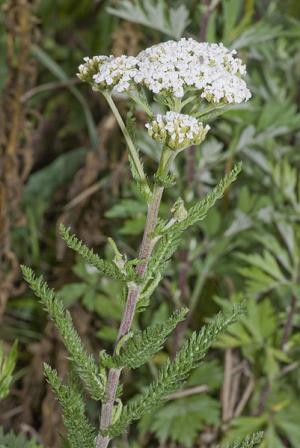
Milfoil is a traditional name for the aromatic perennial commonly called Yarrow. The name refers to its highly divided foliage: the Latin epithet millefolium means “thousand-leaved,” describing one blade cut into many narrow feather-like segments rather than literally bearing a thousand separate leaves.
This page uses Milfoil because the word appears on poison lists, older veterinary references, herbal products, floral materials, seed packets, and regional plant guides. Owners may not realize that Milfoil and Yarrow can refer to the same labelled plant.
The Taxonomic Problem Behind “Common Yarrow”
Achillea millefolium belongs to one of the Northern Hemisphere’s most complicated polyploid plant groups. Closely related lineages have repeatedly hybridized and undergone chromosome duplication, producing diploid, tetraploid, hexaploid, and octoploid plants with overlapping appearances.
Modern global treatment restricts *A. millefolium* sensu stricto primarily to Greenland and Eurasia. North American native yarrows previously classified as varieties or subspecies of *A. millefolium* may be separated as *A. borealis*, *A. gracilis*, or other taxa. Introduced Eurasian Yarrow also occurs in North America, and cultivated strains can escape and hybridize.
This creates real-world uncertainty. A plant sold under the horticultural name *Achillea millefolium* may be a selected cultivar or hybrid. A roadside plant called Common Yarrow may belong to a native lineage within the broader aggregate. A dried product may contain material sourced from several populations.
The toxicology does not become harmless when the exact taxon is uncertain. Related yarrows can share sesquiterpene-lactone and volatile-oil chemistry, but the species name and chemotype should not be overstated when they have not been verified.
Growth Form and Rhizomes
Milfoil is an upright to spreading perennial that commonly reaches approximately one to three feet in flowering height. Lower leafy shoots may form mats or patches, while more rigid stems carry the flower clusters above surrounding vegetation.
The plant spreads through seed and creeping underground rhizomes. A visible patch can expand beyond the area occupied by flowering stems, and mowing the tops does not necessarily remove the colony. Rhizome fragments may survive soil disturbance and establish new shoots.
Dogs may uncover rhizomes while digging, pigs may expose them through rooting, and gardeners may leave pulled plants in accessible piles. Underground parts are not the main reported poisoning source, but no part should be used as chew material or forage.
Leaves and Aromatic Secretory Tissues
Leaves are alternate on the flowering stems and divided two or three times into narrow segments. Basal and lower leaves are often longer, while upper leaves become progressively smaller. Fine dissection gives the blade a fern-like, feathery, or lace-like outline.
Microscopic studies show glandular and nonglandular trichomes and internal secretory tissues associated with lipophilic compounds. Crushing the foliage releases an aromatic odor described as medicinal, bitter, resinous, spicy, or camphoraceous.
Leaf shape varies across the species complex, environment, and ploidy level. Pubescence, width, color, segment spacing, and overall size may differ markedly. One detached leaf is not enough to exclude Poison Hemlock, Dogfennel, Chamomile-related plants, or another fine-leaved species.
Flower Heads and the Flat-Topped Cluster
Milfoil does not produce one large flower. Each visible tiny unit is a composite head containing short ray florets around central disk florets. Many heads gather into a broad corymb-like cluster that appears nearly flat from above.
Wild-type flowers are commonly white or pale pink. Cultivated selections and hybrids may produce deeper pink, red, peach, orange, cream, yellow, or multicolored displays. Flower color does not establish that a cultivar lacks sensitizing lactones or volatile oil.
Flowering tops are often harvested for medicine, tea, dried arrangements, potpourri, and essential-oil production. They may contain a higher or different volatile fraction than vegetative stems, and dry flower fragments readily become airborne.
Range, Habitat, and Human Movement
*Achillea millefolium* sensu stricto is native across much of temperate and subarctic Eurasia and Greenland and has been introduced into many additional regions. Related native yarrows occupy broad areas of North America, making field identification and native-status claims unusually complex.
Yarrows thrive in meadows, grasslands, roadsides, lawns, pastures, field margins, trails, open woodland, dunes, disturbed soil, waste ground, and mountain habitats. They tolerate mowing, grazing, nutrient-poor soil, and moderate drought and can increase where more palatable vegetation has been depleted.
The plant is also intentionally placed in pollinator gardens, cottage gardens, herb gardens, low-mow lawns, medicinal plots, erosion-control plantings, and naturalized landscapes. Animal exposure is therefore common even when the plant is not viewed as a weed.
Dogs and Cats
Dogs encounter Milfoil while grazing grass, following scents through meadow vegetation, rolling in flower patches, retrieving uprooted plants, or walking through mowed clippings. The muzzle, eyelids, feet, lower legs, abdomen, groin, and inner thighs may contact sap and fragments simultaneously.
Long-coated dogs can carry dried flower heads and leaf pieces home, creating hours of continued exposure. Short-coated dogs have less protection over the abdomen. Working and hunting dogs may travel through extensive stands before anyone recognizes the plant.
Cats encounter garden plants, dried arrangements, herbal materials, cosmetics, and spilled oils. Outdoor cats may collect residue on the paws and coat and then ingest it through grooming. Indoor cats may chew bouquet foliage or investigate an essential-oil diffuser placed beyond the owner’s apparent reach.
Horses, Pastures, and Hay
Yarrow may be present in pasture without causing obvious illness because many horses avoid large quantities when preferred forage is plentiful. Drought, overgrazing, weed-dominated paddocks, curiosity, and limited feed choices can increase intake.
Harvested forage changes the exposure. Cutting and drying reduce an animal’s ability to select around the weed, while fragmented stems and flowers become distributed throughout the bale. The muzzle repeatedly contacts the material, dust is inhaled, and fragments may accumulate under blankets or around the lower legs.
Mild colic, diarrhea, salivation, feed refusal, skin inflammation, or respiratory signs in a horse should trigger inspection of the entire forage supply. Mold, mycotoxins, blister beetles, pesticides, nitrate-accumulating plants, Poison Hemlock, Tansy, and additional contaminants may be more dangerous than Yarrow itself.
Aromatic weeds may alter forage smell and milk flavor. Feed taint is an agricultural-quality issue and does not establish that the milk contains a dangerously toxic concentration.
Cattle, Sheep, Goats, and Pigs
Ruminants may consume scattered Yarrow without visible illness, and the plant has even been included in some diverse forage systems. That does not establish that dense growth, unusual chemotypes, contaminated hay, or concentrated extract is harmless.
Exposure risk rises when drought or overstocking reduces preferred forage, when cut weeds are thrown into an enclosure, or when hay contains a substantial amount of flowering material. Muzzle irritation, reduced intake, diarrhea, lethargy, and contact dermatitis should be assessed together with the entire ration.
Pigs may pull up rhizomes and consume roots, soil, stems, and flowers together. Their rooting also exposes pesticides, fertilizer granules, wire, plastic, stones, and other material beneath a landscaped patch.
Small Herbivores, Birds, and Reptiles
Milfoil should not be casually collected as rabbit or guinea-pig forage. Even where a yarrow species has a history of human herbal use, plant identification errors involving Poison Hemlock or another fine-leaved species can be catastrophic. Food refusal and reduced fecal output can become emergencies independent of the original toxin’s lethality.
Birds may shred fresh stems or dry flower heads into small fragments, spreading plant material over the beak, tongue, eyes, feet, feathers, cage, food, and water. Essential oils and diffuser aerosols present a far more concentrated respiratory and grooming exposure.
Reptiles and tortoises should not be offered unidentified Yarrow or have essential oils diffused into an enclosed habitat. Species-specific data are inadequate to establish a safe forage amount or inhaled concentration.
Fresh Plants, Dried Arrangements, and Herbal Raw Material
Drying does not reliably eliminate contact allergens. Dried flowers and leaves may retain sesquiterpene lactones while becoming more brittle and dusty. Potpourri may also contain fragrance oils, preservatives, dyes, fixatives, and other plant species.
Commercial herb quality varies. Material labelled Millefolii Herba or Millefolii Flos may be cut, powdered, blended, old, contaminated, adulterated, or drawn from more than one taxonomic lineage. Powder is easier for an animal to inhale or swallow in quantity than intact outdoor foliage.
A pet that tears open an herbal package may also swallow paper, foil, desiccant, plastic, string, staples, or other ingredients. Preserve the complete package rather than bringing the veterinarian only a sample of the herb.
Essential Oils and Diffusers
Steam distillation concentrates a volatile fraction from a large mass of plant tissue. A small bottle may therefore represent kilograms of harvested material. Natural, organic, therapeutic-grade, and pure are marketing terms rather than guarantees of animal safety.
Yarrow oil may be blue, green, yellow, or another shade depending on composition and processing. Color cannot reveal thujone content, dilution, adulteration, oxidation, or contamination.
Active diffusers release volatile molecules and droplets. Passive reed diffusers and spilled reservoirs can expose animals through direct licking and dermal contact. Aerosol can settle on feathers, fur, paws, bedding, water dishes, and surfaces later groomed by the animal.
Cats, birds, small mammals, neonates, and animals with asthma, bronchitis, liver disease, or neurologic disorders warrant particular caution. A pleasant human odor does not establish a safe inhaled dose for another species.
Topical Wound Products and the Achilles Tradition
Yarrow’s genus name is traditionally linked to Achilles and battlefield wound treatment, reflected in names such as Soldier’s Woundwort and Staunchweed. Modern experimental research supports hemostatic or wound-related activity from certain prepared extracts.
That history does not make a crushed roadside plant sterile, standardized, or safe for an open animal wound. Soil, manure, pesticide residue, bacteria, fungi, foreign material, and allergenic lactones may be pressed directly into damaged tissue.
Commercial salves and sprays may contain alcohol, waxes, petroleum products, camphor, menthol, salicylates, anesthetics, essential oils, and adhesives. A licking animal receives an oral dose that was never intended by the product’s topical directions.
Pregnant, Breeding, and Nursing Animals
Yarrow extracts, teas, tinctures, capsules, and essential oils should not be deliberately administered during pregnancy without veterinary authorization. Experimental findings are not sufficient to define a safe domestic-animal dose, and maternal vomiting, diarrhea, dehydration, or neurologic illness can threaten pregnancy regardless of a direct uterine mechanism.
One accidental bite does not prove abortion will occur. The plant part, amount, preparation, gestational stage, symptoms, and maternal health determine whether examination or monitoring is appropriate.
No reliable evidence shows that an incidental nibble automatically makes milk poisonous to nursing offspring. Significant maternal illness, concentrated-product exposure, or medications used during treatment require an individual nursing-safety decision.
Surgery, Bleeding, and Medication Disclosure
Traditional wound use and modern hemostatic studies do not support labelling Yarrow as a routine anticoagulant. Ordinary plant contact does not mimic anticoagulant rodenticide poisoning.
Repeated supplement, tincture, extract, or essential-oil use should still be disclosed before surgery. The veterinarian may need to consider the product’s other herbs, alcohol, salicylates, platelet effects, liver metabolism, drug interactions, and unreliable labelling.
Actual bruising, petechiae, bleeding, pallor, black stool, or bloody urine requires diagnostic testing. It must not be explained away as an expected Yarrow response.
Milfoil Versus Aquatic Watermilfoil
Aquatic Watermilfoils belong to Myriophyllum and grow submerged or floating in lakes, ponds, wetlands, aquariums, and waterways. Their finely divided leaves are arranged along aquatic stems and do not produce Yarrow’s flat clusters of small daisy-family flower heads.
This page should not be applied automatically to Eurasian Watermilfoil, Parrot Feather, or another aquatic species merely because a product or weed notice uses the word Milfoil.
Dangerous and Clinically Important Look-Alikes
Poison Hemlock, Conium maculatum, commonly grows much taller than Yarrow and bears compound umbels rather than clusters of tiny daisy heads. Its stems are usually hollow, smooth, and purple-blotched. It contains neurotoxic piperidine alkaloids capable of causing weakness, tremors, paralysis, respiratory failure, and death.
Water Hemlocks in Cicuta produce compound umbels and contain violently convulsant cicutoxin-related compounds. Seizures after ingestion of an unidentified white-flowering wetland or ditch plant require immediate emergency treatment.
Queen Anne’s Lace, Daucus carota, has a true compound umbel, triangular lacy foliage, and usually hairy stems. Common Tansy, Tanacetum vulgare, has divided leaves but yellow button-like flower heads without white rays and may present a more important thujone exposure.
Mayweed, Anthemis cotula, produces individually conspicuous white daisies and a strong unpleasant odor. Dogfennel, Eupatorium capillifolium, becomes much taller and has threadlike foliage with many small dull flower heads. Chamomile species produce individual daisy-like heads rather than Yarrow’s flat mass of tiny heads.
Photographs should include the whole plant, stem, leaf attachment, flower-cluster architecture, and habitat. One shredded leaf or a handful of white flowers is not enough for safe identification.
Diagnosis
Diagnosis combines botanical or product identification with route, preparation, estimated amount, timing, gastrointestinal signs, lesion distribution, respiratory findings, and neurologic examination.
Preserve complete flowering stems with lower and upper leaves, roots or rhizomes when available, photographs of the patch, representative hay from several bale locations, oil bottles, diffuser liquid, salves, supplements, ingredient panels, and fragments recovered from vomit or stool.
No routine laboratory test confirms Yarrow exposure. Testing is directed toward dehydration, electrolyte abnormalities, hepatic or renal complications, hypoglycemia, aspiration, bleeding, product additives, or another suspected poison.
Differential Diagnosis and Prognosis
Vomiting and diarrhea may result from dietary indiscretion, infection, parasites, pancreatitis, foreign bodies, pesticides, mushrooms, medication, another plant, or spoiled forage. Dermatitis may result from Ragweed, Mayweed, Chrysanthemum, Poison Ivy, insects, mites, fungal disease, bacterial infection, herbicide, fertilizer, bedding, or grooming products.
Severe neurologic signs demand urgent consideration of Poison Hemlock, Water Hemlock, Tansy, tremorgenic fungi, metaldehyde, pesticides, essential oils, medications, or metabolic disease.
The prognosis is good to excellent after most limited living-plant exposures. Anaphylaxis, aspiration, major dehydration, infected dermatitis, serious eye injury, concentrated oil, seizures, toxic co-ingredients, or plant misidentification creates a more guarded outlook.
Prevention
Prevent pets from grazing unidentified lacy-leaved plants. Remove flowering Yarrow from high-contact kennel areas before seed production, and dispose of clippings where animals cannot investigate them.
Maintain adequate pasture and safe forage so livestock are not forced to consume dense stands. Inspect hay and bedding, particularly when animals develop repeated muzzle, skin, respiratory, or gastrointestinal signs after a new batch.
Lock away essential oils, diffusers, dried herbs, tinctures, capsules, salves, teas, and herbal wound products. Clean spills promptly and prevent animals from licking treated human or animal skin.
Immediate Response
- Stop further exposure: Move the animal away from living Milfoil, clippings, dried flowers, contaminated forage, supplements, tinctures, salves, diffuser liquid, and essential oil.
- Preserve the complete plant: Save flowering stems with lower and upper leaves, roots or rhizomes when available, and photographs showing the full patch and habitat.
- Preserve every product: Retain oil bottles, diffuser reservoirs, supplement facts, ingredient panels, lot numbers, packaging, applicators, and remaining contents.
- Identify the route: Determine whether the animal chewed foliage, grazed repeatedly, contacted sap, ate dried herb, inhaled diffuser vapor, or swallowed a concentrated product.
- Estimate the maximum amount: Use the greatest quantity that could be missing, not only what was directly observed.
- Record the timeline: Note when exposure occurred and when vomiting, diarrhea, rash, swelling, coughing, weakness, tremors, or abnormal behavior began.
- Contact a professional: Obtain veterinary or animal poison-control guidance for more than a minor bite, persistent signs, essential-oil exposure, pregnancy, a small exotic species, or uncertain identification.
Confirm That the Plant Is Not a Hemlock
- Do not rely on lacy leaves: Yarrow, Poison Hemlock, Water Hemlock, Queen Anne’s Lace, Dogfennel, and other plants can appear superficially similar.
- Photograph the stems: Smooth hollow stems with purple blotches increase concern for Poison Hemlock.
- Photograph the flower structure: Yarrow produces a flat cluster of tiny composite heads; hemlocks produce true compound umbels.
- Treat neurologic signs as an emergency: Rapid weakness, tremors, seizures, paralysis, or breathing failure is not an ordinary Yarrow-bite pattern.
- Do not wait for botanical certainty: Stabilization must begin while identification is being resolved.
Check Immediately for an Allergic or Respiratory Emergency
- Watch the face: Rapid swelling of the muzzle, lips, eyelids, tongue, or tissues beneath the jaw can indicate angioedema.
- Watch the skin: Widespread raised hives may accompany systemic hypersensitivity.
- Watch breathing: Wheezing, noisy inspiration, rapid shallow breaths, open-mouth breathing, neck extension, gasping, or abnormal vocalization requires immediate transport.
- Check gum color: Pale, gray, or blue-gray gums may indicate shock or inadequate oxygenation.
- Check circulation: Weak pulses, cold limbs, collapse, or inability to stand is an emergency.
- Do not delay for home medication: An owner-given antihistamine cannot be relied upon to stop anaphylaxis or airway swelling.
Remove Loose Oral Material
- Wear gloves: Yarrow can sensitize human skin, and a nauseated or distressed animal may bite.
- Remove visible pieces carefully: Take loose leaves, stems, and flower fragments from the lips and front of the mouth only when handling is safe.
- Avoid blind sweeps: Do not reach deeply into the throat or push material toward the airway.
- Wipe accessible residue: Use a damp cloth on the lips and front of the mouth in a fully alert animal.
- Rinse only when safe: A gentle low-pressure rinse may be considered only when breathing and swallowing are normal.
- Stop if coughing or gagging occurs: Further oral cleaning is unsafe when the airway cannot be protected reliably.
Do Not Induce Vomiting at Home
- Do not give hydrogen peroxide automatically: Natural-plant exposure often causes gastrointestinal irritation and spontaneous vomiting, while concentrated oils can increase aspiration risk.
- Never give peroxide to a cat: Hydrogen peroxide can cause serious feline gastric and esophageal injury.
- Never induce vomiting after signs begin: Do not attempt emesis in an animal that is vomiting, coughing, swollen, weak, trembling, ataxic, collapsed, sedated, seizing, or swallowing poorly.
- Do not use salt or household emetics: Salt, mustard, ipecac, dish soap, oil, syrup, fingers in the throat, and manual gagging are unsafe.
- Do not induce vomiting in horses, rabbits, guinea pigs, birds, reptiles, or symptomatic livestock: These animals either cannot vomit normally or face unacceptable procedural risks.
- Reserve controlled emesis for professional direction: A veterinarian may consider it after a recent significant non-oily ingestion in an appropriate, fully alert, stable, asymptomatic dog with a protected airway.
Activated Charcoal
- Do not give charcoal routinely: It does not treat contact dermatitis, eye exposure, anaphylaxis, or respiratory irritation.
- Use only under professional direction: A veterinarian may consider charcoal after a substantial extract, capsule, or mixed-product ingestion when the expected benefit exceeds the risks.
- Use extreme caution with oils: Essential oils increase aspiration concern, and charcoal must not be forced into a vomiting or neurologically abnormal patient.
- Never give charcoal to a poorly protected airway: Weakness, ataxia, seizures, sedation, coughing, or impaired swallowing makes administration dangerous.
- Do not use household charcoal: Briquettes, fireplace ash, burned food, and homemade carbon are not medical activated charcoal.
- Do not repeat doses yourself: Repeated charcoal can cause dehydration, electrolyte abnormalities, constipation, high blood sodium, aspiration, or obstruction.
Wash Skin, Coat, Feathers, and Equipment
- Prevent grooming: Stop the animal from licking sap, oil, dust, salve, or plant fragments from its body.
- Wear protective gloves: Avoid sensitizing your own skin while handling contaminated material.
- Remove contaminated equipment: Take off collars, harnesses, boots, blankets, saddles, bandages, diapers, and bedding holding material against the skin.
- Pick out plant fragments: Remove leaves and flower heads without grinding them farther into the coat.
- Wash thoroughly: Bathe affected fur or skin with lukewarm water and mild pet-safe shampoo, then rinse completely.
- Wash essential-oil contamination promptly: Repeated shampooing may be required for an oily spill, but avoid prolonged chilling and excessive restraint.
- Clean nearby surfaces: Wash carriers, bedding, cage furnishings, floors, brushes, and equipment that can recontaminate the animal.
- Seek care for persistent lesions: Spreading redness, blisters, ulcers, marked swelling, discharge, intense itching, or open wounds requires examination.
Do not apply bleach, alcohol, vinegar, solvents, concentrated detergent, another essential oil, human poison-ivy treatment, calamine, topical anesthetic, or steroid cream without veterinary direction.
Diffuser and Inhalation Exposure
- Move the animal to clean air: Leave the room containing diffuser mist, concentrated vapor, hay dust, or spilled oil.
- Ventilate safely: Open doors or windows without allowing a frightened, weak, or disoriented animal to escape.
- Turn off and secure the source: Prevent access to the diffuser reservoir, reeds, cords, bottle, and contaminated water.
- Do not create more aerosol: Do not spray cleaners, fragrance, or additional oils into the area.
- Watch breathing and behavior: Coughing, wheezing, open-mouth breathing, weakness, tremors, or abnormal behavior requires prompt veterinary care.
- Clean settled residue: Wipe contaminated surfaces and replace exposed food, water, bedding, and cage material.
Eye Exposure
- Begin irrigation immediately: Flush the affected eye with sterile saline or clean lukewarm water for at least fifteen to twenty minutes.
- Use a gentle continuous flow: Allow fluid to pass across the eye without scraping the surface or forcing debris beneath the eyelids.
- Prevent rubbing: Stop the animal from pawing at the eye or rubbing against furniture, carpet, fencing, or the ground.
- Do not use tools: Tweezers, cotton swabs, cloth, and fingernails can worsen corneal injury.
- Do not apply human eye medication: Redness drops, anesthetic drops, ointments, and leftover prescriptions may worsen or conceal injury.
- Obtain prompt examination: Continued squinting, cloudiness, discharge, swelling, light sensitivity, or inability to open the eye requires veterinary care.
Do Not Give Owner-Selected Medication
- Do not give antihistamines automatically: Drug selection depends on species, weight, medical history, symptoms, and product ingredients.
- Do not rely on antihistamines for anaphylaxis: They do not replace epinephrine, oxygen, airway support, or shock treatment.
- Avoid combination allergy products: They may contain decongestants, acetaminophen, alcohol, caffeine, or xylitol.
- Do not give anti-diarrheal medication: Loperamide, bismuth products, kaolin mixtures, and other owner-selected remedies may be inappropriate or harmful.
- Do not give sucralfate without direction: Its indication and administration must be determined by a veterinarian.
- Do not give human pain medication: Ibuprofen, naproxen, acetaminophen, aspirin, and similar drugs can create an additional poisoning.
- Do not apply another herbal product: Chamomile, Tea Tree, Arnica, Feverfew, essential oils, and mixed salves may add allergens or toxins.
Food, Water, Vomiting, and Diarrhea
- Do not force food: A nauseated, weak, swollen, or poorly swallowing animal may choke or aspirate.
- Offer water cautiously: Small amounts may remain available only when the animal is fully alert, swallowing normally, and not vomiting repeatedly.
- Do not force fluids: Syringed, poured, or drenched liquid can enter the lungs.
- Avoid human electrolyte drinks: They may contain excessive sugar, sodium, caffeine, artificial sweeteners, or xylitol.
- Track every episode: Record the frequency and appearance of vomit and stool and whether oil, blood, mucus, plant fragments, or packaging is present.
- Watch for dehydration: Tacky gums, sunken eyes, weakness, reduced urination, or inability to retain water requires veterinary care.
- Watch for aspiration: Coughing, fever, nasal discharge, rapid breathing, or renewed lethargy after vomiting may indicate lung injury.
- Do not muzzle a vomiting animal: A muzzle can trap vomit and interfere with breathing.
Tremors, Seizures, Paralysis, or Collapse
- Treat these signs as emergencies: They may indicate concentrated oil, thujone, camphor, another product ingredient, a pesticide, or a hemlock look-alike.
- Clear the area: Move furniture, tools, fencing, water containers, cords, and sharp objects away.
- Do not put anything in the mouth: Keep hands, food, water, spoons, cloth, and medication away during a seizure.
- Do not restrain the limbs: Protect the animal from impact without pinning it down.
- Reduce stimulation: Lower light and noise while arranging immediate transportation.
- Time the event: Record when tremors or seizures begin and end and whether awareness returns.
- Bring the plant and product: A lacy-leaved plant producing paralysis may not be Yarrow.
Pregnant, Nursing, and Surgical Patients
- Report pregnancy or breeding status: Provide the species, gestational stage, amount, preparation, and symptoms.
- Do not assume miscarriage: One incidental nibble does not establish pregnancy loss.
- Avoid deliberate administration: Do not give Yarrow tea, tincture, extract, supplement, salve, or essential oil during pregnancy without authorization.
- Assess nursing individually: Significant maternal illness, concentrated products, and treatment medication may alter nursing recommendations.
- Disclose repeated herbal use before surgery: Include every ingredient, dose history, and product label.
- Do not assume anticoagulant poisoning: Ordinary plant contact does not create a predictable warfarin-like syndrome.
- Seek care for actual bleeding: Bruising, petechiae, nosebleeds, black stool, bloody urine, or pallor requires diagnostic testing.
Safe Transportation
- Call ahead: Tell the clinic that Milfoil, Yarrow, essential oil, diffuser liquid, or an uncertain lacy-leaved plant is involved.
- Keep the airway clear: Position a vomiting or weak animal so saliva and stomach contents can drain from the mouth.
- Do not muzzle: A muzzle can interfere with vomiting, open-mouth breathing, and heat loss.
- Prevent falls: Use a padded carrier, stretcher, rigid board, sling, or blanket for a weak or uncoordinated animal.
- Avoid oil-contaminated bedding: Use clean absorbent material during transport.
- Bring all evidence: Take the complete plant, forage sample, oil or product container, labels, photographs, and recovered fragments.
Veterinary Evaluation
- Confirm plant identity: Distinguishing Yarrow from Poison Hemlock, Water Hemlock, Tansy, Mayweed, and other plants may change treatment and prognosis completely.
- Assess airway and circulation: Facial swelling, respiratory effort, gum color, pulse quality, oxygenation, and blood pressure determine emergency priorities.
- Assess hydration and electrolytes: Persistent vomiting and diarrhea may require laboratory testing and fluid replacement.
- Perform a neurologic examination: Tremors, weakness, ataxia, seizures, paralysis, and altered awareness suggest concentrated products or another toxin.
- Examine skin and eyes: Cytology, corneal staining, eyelid examination, fungal testing, or culture may be needed.
- Evaluate every product ingredient: Alcohol, camphor, menthol, salicylates, local anesthetics, xylitol, and blended oils require separate treatment decisions.
- Investigate bleeding rather than assuming it: A complete blood count, platelet assessment, coagulation testing, liver evaluation, and rodenticide history may be appropriate.
Veterinary Treatment
Veterinarian-selected anti-nausea medication may reduce vomiting, discomfort, fluid loss, and aspiration risk. Subcutaneous or intravenous fluids may be required according to dehydration, circulation, species, cardiovascular status, kidney function, and ongoing losses.
Dermatitis may require bathing, itch control, anti-inflammatory treatment, wound care, protective barriers, and prevention of licking or scratching. Cytology or culture can guide treatment when bacterial or yeast infection complicates the original reaction.
True anaphylaxis may require veterinarian-administered epinephrine, oxygen, airway support, intravenous access, fluids, cardiovascular monitoring, antihistamines, corticosteroids, bronchodilator therapy, and additional stabilization according to the patient’s condition. Antihistamines alone are not sufficient.
Tremors and seizures after concentrated-product exposure may require appropriate anticonvulsant or muscle-relaxant treatment, temperature management, glucose and electrolyte assessment, respiratory support, and intensive monitoring. Oil aspiration may require oxygen, chest imaging, and hospitalization.
Horses and Livestock
- Remove contaminated feed and bedding: Prevent further access to infested pasture, hay, green chop, herbal products, and mown material.
- Provide safe forage: Hunger and overgrazing increase intake of bitter weeds.
- Examine the entire group: Animals sharing the same feed may develop signs at different times.
- Do not induce vomiting: Household emesis is inappropriate in horses and ruminants.
- Do not drench weak animals: Salivating, trembling, depressed, regurgitating, or poorly swallowing livestock can aspirate oral fluids and medication.
- Inspect for more dangerous weeds: Neurologic signs make identification of Poison Hemlock, Water Hemlock, Tansy, and other contaminants urgent.
- Retain representative samples: Collect material from several parts of the bale, feed batch, or pasture.
Rabbits, Guinea Pigs, Birds, and Reptiles
- Do not attempt vomiting: Household emesis is inappropriate and dangerous in these species.
- Monitor appetite immediately: Food refusal can become a serious secondary gastrointestinal or metabolic emergency.
- Monitor feces or droppings: Diarrhea, reduced output, abnormal color, blood, or cessation requires species-specific advice.
- Remove contaminated habitat materials: Replace food, water, bedding, substrate, perches, dishes, and furnishings exposed to plant dust or oil.
- Do not force feed before assessment: Regurgitation, poor swallowing, obstruction, respiratory disease, and neurologic dysfunction must be excluded.
- Use a species-experienced veterinarian: Fluids, temperature support, nutrition, respiratory care, and medication differ substantially among species.
Monitoring, Recovery, and Prevention
- Monitor gastrointestinal signs: Vomiting, diarrhea, abdominal discomfort, and appetite should improve progressively.
- Monitor hydration: Gum moisture, activity, circulation, drinking, and urine production should return toward normal.
- Monitor the skin: Redness, itching, swelling, crusts, and moist lesions should contract rather than spread or become infected.
- Monitor breathing and coordination: Coughing, wheezing, weakness, tremors, or abnormal behavior should not appear or worsen.
- Prevent re-exposure: A sensitized animal may react more strongly when returned to the same field, trail, bedding, hay, or product.
- Secure concentrated products: Store oils, diffusers, tinctures, capsules, teas, salves, and dried herb in closed animal-resistant cabinets.
- Typical prognosis: Mild natural-plant gastrointestinal or contact exposures generally carry a good-to-excellent prognosis.
- Guarded circumstances: Anaphylaxis, aspiration, severe dehydration, infected dermatitis, concentrated oil, seizures, another toxic ingredient, or plant misidentification creates a more serious outlook.
Frequently Asked Questions About Milfoil, Yarrow, and Animal Poisoning
Is Milfoil the same plant as Yarrow?
Milfoil is a traditional common name for Yarrow. On this page it refers to Achillea millefolium, the aromatic perennial with finely divided leaves and flat clusters of tiny flower heads. The common name is not unique: aquatic Watermilfoils belong to Myriophyllum and require different identification. A label or photograph should therefore include the scientific name whenever possible.
Is every North American Common Yarrow really Achillea millefolium?
Not under every modern taxonomic treatment. North American yarrows belong to a complex containing native polyploid lineages, introduced Eurasian plants, cultivated strains, hybrids, and intermediates. Some native forms formerly placed beneath A. millefolium are now treated as species such as Achillea borealis or Achillea gracilis. Similarity does not make those names exact universal synonyms, although related plants may share irritant and sensitizing chemistry.
What are the principal toxic concerns in Milfoil?
The strongest concerns are sensitizing sesquiterpene lactones, direct irritants in the sap and plant tissue, bitter gastrointestinally active constituents, and volatile-oil compounds. α-Peroxyachifolid and related guaianolide peroxides have been identified as strong contact sensitizers. Essential oils may contain cineole, camphor, pinenes, sabinene, nerolidol, chamazulene, thujone, and other compounds in highly variable proportions.
What is α-peroxyachifolid?
α-Peroxyachifolid is a sesquiterpene-lactone peroxide isolated from Yarrow and demonstrated to be a strong sensitizer in experimental testing. It can bind to proteins in exposed skin and help initiate delayed T-cell-mediated allergic contact dermatitis. The first exposure may cause little visible reaction, while a later encounter can produce a stronger rash. Its presence supports dermatitis risk but does not establish a lethal oral dose for pets.
Are achillin and achilleine the same compound?
No. Achillin is a sesquiterpene lactone. Achilleine is an older and inconsistently defined name described in different sources as an alkaloid, glycoside, glycoalkaloid, or bitter principle. Achilleine should not be treated as a single fully characterized toxin responsible for every medicinal or adverse effect attributed to Yarrow. Historical clotting claims involving achilleine cannot be converted into a pet-treatment dose.
Does all Yarrow contain thujone?
No. Some essential-oil samples contain α-thujone or β-thujone, occasionally in important concentrations, while other chemotypes contain little or none. Genetics, ploidy, location, plant part, growth stage, and distillation affect the profile. A dog chewing a few leaves should not be assumed to have swallowed a concentrated thujone dose. A bottle of essential oil is more concerning because its chemotype and concentration may be unknown.
Is Yarrow essential oil more dangerous than the plant?
It can be substantially more dangerous. Distillation concentrates volatile chemicals from a large amount of plant material into a small volume. Ingestion, dermal spills, grooming exposure, and aspiration may cause vomiting, depression, agitation, abnormal gait, tremors, seizures, coughing, or respiratory injury. Product additives and blended oils may create additional hazards. Preserve the entire bottle and ingredient list after exposure.
Can Milfoil cause a delayed rash?
Yes. Direct irritation may begin promptly, but allergic contact dermatitis may not appear until hours or days after contact. An animal sensitized during an earlier exposure may react more rapidly or severely the next time. Redness, itching, bumps, vesicles, crusts, scaling, hair loss, and moist self-traumatized lesions are possible. Recurrent reactions after visiting the same area warrant evaluation for Yarrow and other allergens present there.
Can Milfoil cause anaphylaxis?
Severe immediate hypersensitivity is not established as a common exact-species outcome, but any rapidly increasing facial or tongue swelling, widespread hives, wheezing, difficult breathing, pale or blue-gray gums, weakness, or collapse must be treated as anaphylaxis until proven otherwise. The actual trigger may be Yarrow, another plant, an insect sting, pesticide, medication, or product ingredient. Emergency stabilization should not wait for perfect identification.
Does Milfoil thin the blood or cause bleeding?
Ordinary plant contact has not been shown to create a predictable warfarin-like anticoagulant syndrome. Certain prepared Yarrow extracts have demonstrated local hemostatic or clot-promoting activity, while laboratory effects vary with extraction method. One incidental bite does not automatically require a two-week surgery delay. Repeated supplement or tincture use should still be disclosed, and actual bruising, black stool, bloody urine, or prolonged bleeding requires diagnostic evaluation.
Can Milfoil cause miscarriage?
One accidental plant bite does not establish that miscarriage will occur. A high-dose rat pregnancy study found reduced fetal weight and increased placental weight but did not find increased external or internal malformations. Domestic-animal reproductive doses have not been established. Yarrow extracts, teas, tinctures, supplements, and essential oils should not be deliberately administered during pregnancy, and meaningful exposure with maternal illness should be reported to the veterinarian.
Can Milfoil in hay make horses or livestock sick?
Dense contamination may contribute to feed refusal, salivation, mild colic, diarrhea, dermatitis, or respiratory irritation. Harvested forage prevents selective grazing and creates prolonged muzzle and dust exposure. Severe illness should not be attributed automatically to Yarrow because contaminated hay may also contain mold, mycotoxins, pesticides, blister beetles, Poison Hemlock, Tansy, or other weeds. Preserve representative samples from several parts of the bale or batch.
How can Milfoil be distinguished from Poison Hemlock?
Milfoil usually has aromatic, feather-like leaves and a flat cluster made of many tiny daisy-family heads. Poison Hemlock commonly grows much taller, produces true compound umbels, and has smooth hollow stems marked with purple blotches. Identification can be difficult from damaged material. Rapid weakness, tremors, paralysis, respiratory failure, or collapse after eating a lacy-leaved plant requires emergency care for possible hemlock poisoning.
Is Milfoil the same as aquatic Watermilfoil?
No. Aquatic Watermilfoils belong to the genus Myriophyllum and grow submerged or floating in ponds, lakes, wetlands, and aquariums. Terrestrial Milfoil or Yarrow is an upright aromatic member of Asteraceae with flat clusters of tiny flower heads. This page should not be applied to an aquatic weed solely because both share the word Milfoil.
Should I make my dog vomit after eating Milfoil?
Do not induce vomiting unless a veterinarian or animal poison-control professional specifically directs it. Natural Yarrow can already cause vomiting, and concentrated oils increase aspiration risk. Hydrogen peroxide must never be used in cats. Salt, mustard, ipecac, dish soap, oil, syrup, fingers in the throat, and manual gagging are unsafe. Neurologic, respiratory, or swallowing abnormalities make emesis especially dangerous.
Does activated charcoal help?
Activated charcoal is not routinely required after a minor living-plant exposure and does not treat dermatitis, eye injury, inhalation, or an allergic reaction. A veterinarian may consider it after selected extract, capsule, or mixed-product ingestions when the patient can protect its airway. It must never be forced into a vomiting, coughing, weak, ataxic, trembling, seizing, sedated, or poorly swallowing animal.
Can Yarrow oil be diffused around pets?
Diffusers can expose animals to concentrated volatile chemicals and droplets through inhalation, skin deposition, grooming, contaminated water, and direct access to the reservoir. Cats, birds, small mammals, neonates, and animals with respiratory, liver, or neurologic disease may be particularly vulnerable. Coughing, wheezing, open-mouth breathing, vomiting, weakness, tremors, poor coordination, or altered behavior requires clean air and veterinary guidance.
What findings require immediate emergency care?
Rapid facial, tongue, or throat swelling; widespread hives; difficult or noisy breathing; repeated vomiting or diarrhea with weakness; marked tremors; seizures; paralysis; inability to stand; collapse; pale or blue-gray gums; or reduced responsiveness requires emergency treatment. These signs may indicate anaphylaxis, concentrated essential oil, another product ingredient, pesticide exposure, aspiration, or a dangerous hemlock look-alike rather than an ordinary Yarrow nibble.