Jimsonweed Toxicity and Antimuscarinic Tropane Alkaloid Poisoning
Is Jimsonweed Poisonous to Dogs, Cats, Horses, and Livestock?
Yes—Jimsonweed, Datura stramonium, is highly poisonous to dogs, cats, horses, livestock, poultry, pet birds, rabbits, and people. Every part contains antimuscarinic tropane alkaloids, principally naturally occurring hyoscyamine and scopolamine, together with apoatropine, norhyoscyamine, meteloidine, tropine, and numerous additional related compounds. These alkaloids competitively block acetylcholine at muscarinic receptors throughout the brain, eyes, heart, salivary glands, gastrointestinal tract, urinary bladder, airways, and other organs.
Poisoning may cause dry mouth, excessive thirst, widely dilated pupils, impaired vision, rapid heart rate, reduced intestinal movement, constipation, abdominal distention, urinary retention, agitation, delirium, abnormal aggression, poor coordination, tremors, seizures, hyperthermia, profound depression, coma, circulatory failure, respiratory failure, and death. The seed-filled spiny capsules are especially hazardous because one capsule can release many concentrated seeds, but roots, stems, leaves, flowers, buds, sap, green capsules, dried stalks, contaminated hay, silage, grain, and homemade preparations are also poisonous.
About this guide: This page provides general pet-poisoning information and cannot diagnose or treat an individual animal. For any suspected exposure, contact a veterinarian or animal poison-control service immediately. Do not induce vomiting, give medication, or attempt home decontamination unless directed by a veterinary professional.
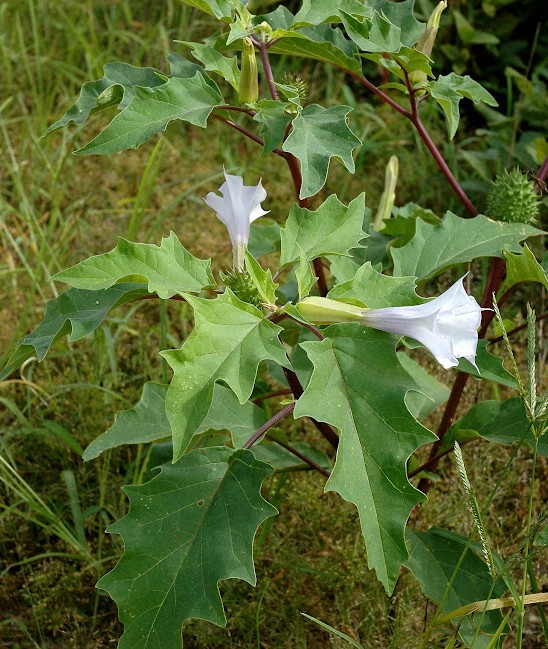
Jimson weed
Datura stramonium L.
Important botanical synonyms, former combinations, and historical names include:
- Datura tatula L.
- Datura inermis Juss. ex Jacq.
- Datura stramonium var. tatula (L.) Torr.
- Datura stramonium var. inermis (Juss. ex Jacq.) Fernald
- Datura laevis L.f.
- Datura lurida Salisb.
- Datura parviflora Salisb.
- Datura pseudostramonium Sieber ex Bernh.
- Stramonium foetidum Scop.
- Stramonium laeve Moench
- Stramonium spinosum Lam.
- Stramonium tatula Moench
- Stramonium vulgare Moench
- Stramonium vulgatum Gaertn.
Important botanical distinctions:
- The purple-stemmed or violet-flowered form historically called Datura tatula or Datura stramonium var. tatula is included within Datura stramonium and carries the same tropane-alkaloid hazard.
- The relatively spineless form historically called Datura inermis or var. inermis is not a toxin-free plant.
- Sacred Datura, Datura wrightii; Downy Thorn Apple, Datura innoxia; and Long-Spined Thorn Apple, Datura ferox, are separate but similarly antimuscarinic species.
- Angel’s Trumpets belong to Brugmansia. They are woody shrubs or small trees with pendulous flowers and contain related tropane alkaloids.
- White Moonflower Vine is Ipomoea alba, an unrelated twining plant without Jimsonweed’s spiny capsules.
Solanaceae — Nightshade Family
Jimsonweed; Jimson Weed; Jimson-Weed; Jamestown Weed; James-Town Weed; Common Thorn Apple; Common Thornapple; Thorn Apple; Thornapple; Devil’s Trumpet; Devil’s Weed; Devil’s Snare; Devil’s Cucumber; Hell’s Bells; Mad Apple; Mad-Apple; Stinkweed; Stinkwort; Pricklyburr; Prickly Burr; Loco Weed; Loco Seed; Apple of Peru; False Castor-Oil Plant; Stramonium; Purple Thorn Apple; Purple Jimsonweed; Datura stramonium; Datura tatula; Datura inermis; Stramonium foetidum; Stramonium vulgare
Jimsonweed developed from Jamestown Weed or James-Town Weed, the name associated with the well-known 1676 poisoning of soldiers in colonial Virginia during Bacon’s Rebellion.
Purple Thorn Apple and Purple Jimsonweed commonly refer to plants historically classified as Datura tatula or Datura stramonium var. tatula. Purple stems or flowers do not identify a safer plant.
Thorn Apple refers to the spiny egg-shaped seed capsule. The plant is unrelated to apple trees in the genus Malus.
Devil’s Trumpet usually refers to herbaceous Datura species whose flowers face upward or outward. Angel’s Trumpet more commonly refers to woody Brugmansia species with flowers hanging downward. Both groups contain dangerous antimuscarinic tropane alkaloids.
Moonflower is ambiguous. It may refer to a night-blooming Datura or to White Moonflower Vine, Ipomoea alba. Growth form and fruit structure must be examined.
Loco Weed is also used for unrelated selenium-accumulating or swainsonine-containing plants, particularly species of Astragalus and Oxytropis. The common name alone does not identify Jimsonweed.
Hyoscyamine, Scopolamine, and the Atropine Naming Problem
The principal toxins in Jimsonweed are antimuscarinic tropane alkaloids. The plant biosynthesizes predominantly naturally occurring (−)-hyoscyamine and (−)-scopolamine. Scopolamine was historically called hyoscine and continues to appear under that name in older veterinary, agricultural, and pharmacological literature.
Atropine is the racemic mixture of the pharmacologically active (−)-hyoscyamine enantiomer and the much less active (+)-hyoscyamine enantiomer. Racemization can occur during isolation, processing, storage, or chemical analysis, and many analytical studies therefore quantify and report “atropine” even though the living plant principally produces (−)-hyoscyamine.
This distinction matters scientifically but does not reduce the poisoning risk. Hyoscyamine and atropine produce the same recognizable antimuscarinic syndrome, although natural (−)-hyoscyamine has substantially greater muscarinic-receptor activity than its opposite enantiomer.
Scopolamine shares peripheral antimuscarinic actions but has especially important central effects. Depending on dose, species, and the balance of alkaloids absorbed, it can contribute to disorientation, abnormal behavior, amnesia, drowsiness, profound depression, delirium, or coma.
Jimsonweed Contains Dozens of Tropane Alkaloids
Jimsonweed poisoning should not be described as exposure to only atropine, hyoscyamine, and scopolamine. Those are the clinically dominant compounds, but exact-species gas-chromatographic and mass-spectrometric investigations have identified a much broader alkaloid mixture.
Reported minor or variable constituents include apoatropine, norhyoscyamine, meteloidine, tropine, pseudotropine, scopoline, aposcopolamine, hydroxyhyoscyamines, tigloyloxytropanes, propionyloxytropanes, isobutyryloxytropanes, isovaleroyloxytropanes, epoxytropanes, methoxytropoyloxytropanes, and related structures.
One exact-species study identified twenty-five tropane alkaloids across roots, leaves, and seeds of plants historically classified as vars. stramonium, tatula, and godronii. Another identified sixty-seven tropane alkaloids in Jimsonweed organs and tentatively characterized nine compounds not previously reported from the plant.
The clinical syndrome results from the combined burden and pharmacokinetics of the mixture. Minor compounds may add, modify, or prolong effects, but their individual contribution to a natural dog, cat, horse, or livestock poisoning has not been quantified.
Competitive Muscarinic-Receptor Blockade
Acetylcholine activates muscarinic receptors that help regulate salivation, tear production, pupil constriction, visual focusing, slowing of the heart, gastrointestinal motility, secretions, bladder contraction, airway smooth muscle, temperature control, and numerous central nervous system functions.
Jimsonweed alkaloids competitively occupy muscarinic receptors without activating them. Normal acetylcholine signaling is blocked until the alkaloids redistribute, are metabolized, are eliminated, or are displaced indirectly by a carefully selected cholinesterase inhibitor.
Peripheral blockade reduces saliva and tears, dilates the pupils, prevents normal near focusing, increases heart rate, decreases gastrointestinal contractions and secretions, and interferes with bladder emptying. Bronchial secretions may become reduced and thick even while bronchodilation occurs.
Central muscarinic blockade can cause agitation, fear, delirium, inappropriate vocalization, hallucination-like behavior, failure to recognize familiar people or surroundings, abnormal aggression, repetitive movement, poor coordination, seizures, stupor, coma, and respiratory depression.
The alkaloids do not simply paralyze every nerve or every skeletal muscle. Respiratory failure generally develops through central depression, seizures, aspiration, severe hyperthermia, exhaustion, circulatory failure, or combined complications.
Alkaloid Production Changes with Organ and Development
Atropine or hyoscyamine and scopolamine occur throughout the plant, but their concentrations and proportions vary substantially. Exact-species research has measured alkaloids in roots, stems, leaves, flowers, capsules, and seeds and has demonstrated changes as the plant develops.
One developmental study found detectable production beginning during early seedling growth, increasing through approximately the first ten weeks, and then declining in several organs. Leaves contained the greatest measured alkaloid burden during the vegetative phase, while capsules became especially important during reproductive development.
Other controlled studies found significant differences among species, organs, and sampling periods. Jimsonweed often contained more analytically measured atropine than scopolamine, but the ratio changed with plant age and tissue.
No single study establishes that one leaf, flower, root, or seed from every plant will contain a predictable amount. Geographic origin, soil, water availability, temperature, plant stress, genetic population, developmental stage, and analytical method all affect the result.
Roots Synthesize and Aerial Tissues Accumulate Alkaloids
Tropane-alkaloid biosynthesis begins substantially in root tissues. Enzymes involved in the pathway occur in specialized cells associated with the root pericycle, after which alkaloids or their intermediates can be transported to stems, leaves, flowers, capsules, and seeds.
This root-based biosynthesis does not make roots the only poisonous organ. The aerial plant can accumulate clinically important concentrations, and animal poisoning most often involves leaves, seeds, capsules, or contaminated feed.
Pulling the plant and leaving the root mass accessible is therefore unsafe, but removing only the roots while leaving dry capsules and seeds is equally incomplete.
Seeds and Spiny Capsules
The upright fruit is an egg-shaped capsule covered with numerous sharp spines. As it matures, it dries, splits into four sections, and releases many flattened dark-brown to black seeds.
Seeds are a major poisoning hazard because a single capsule can provide a concentrated and easily swallowed dose. Chewing, grinding, milling, or feed processing damages the seed coat and increases access to the alkaloid-containing tissues.
Whole seeds may sometimes pass through the gastrointestinal tract with incomplete release, particularly in species that do not chew them thoroughly. That variability is not a reliable protective mechanism and helps explain why published livestock dose-response estimates differ.
The capsule also creates mechanical hazards. Sharp spines can injure the lips, tongue, gums, paws, eyes, esophagus, or gastrointestinal tract. A dog carrying or crushing a dry capsule can scatter seeds throughout a kennel, garage, barn, vehicle, or home.
Every Plant Part and Every Physical Form Remains Poisonous
Roots, seedlings, stems, leaves, flowers, buds, sap, green capsules, mature capsules, seeds, wilted material, dried stalks, harvested weeds, hay contamination, silage contamination, grain contamination, teas, powders, smoke, tinctures, extracts, and discarded recreational material should all be treated as poisonous.
Drying does not reliably remove hyoscyamine or scopolamine. Dried leaves and seeds can remain toxic in hay, crop residue, garden debris, feed bins, bird seed, decorative material, or old capsules long after the green plant dies.
Chopping makes plant fragments more difficult for animals to recognize and avoid. Grinding or crushing seeds can increase alkaloid availability. Steeping the plant in hot or cold water can produce a concentrated and unpredictable extract.
Smoking does not create a controlled medicinal dose. Alkaloids can be inhaled, swallowed in smoke condensate, or delivered unevenly as plant material burns.
Reduced Gastrointestinal Motility Prolongs Exposure
Antimuscarinic blockade slows gastric emptying and intestinal movement. Seeds and plant fragments can remain within the stomach or bowel and continue releasing alkaloids after the initial ingestion.
This delayed movement helps explain why signs can appear after an apparently normal interval, fluctuate, or continue longer than expected. It also complicates decontamination because plant material may remain accessible later than with a rapidly emptied meal while the patient simultaneously becomes less able to protect its airway.
An animal that becomes quieter after agitation or stops vomiting has not necessarily eliminated the toxin. Sudden quietness may represent central depression, exhaustion, hyperthermia, circulatory failure, or progression toward coma.
Hay, Grain, and Silage Are Not Reliably Detoxified
Jimsonweed is often unpalatable when fresh because of its strong odor and bitter taste. Feed contamination removes that natural avoidance by chopping leaves, stems, capsules, and seeds among desirable forage or grain.
A documented equine outbreak involved impaction colic in eighteen of eighty-three horses receiving dried tef hay contaminated with young Datura stramonium and Datura ferox plants. Withdrawal of the contaminated hay stopped the outbreak.
Modern exact-species research tested whole-plant maize contaminated with Jimsonweed before and after ensiling. After ninety days, atropine concentrations had declined only partially while scopolamine did not decline and appeared modestly higher. The combined tropane-alkaloid burden remained toxicologically important.
Fermentation, ensiling, drying, weathering, and storage must therefore not be assumed to detoxify contaminated feed. Every suspect lot should be removed and tested rather than diluted or returned gradually.
No Dependable Safe or Lethal Dose for an Individual Pet
Controlled livestock and poultry studies provide useful evidence about relative susceptibility, but their numerical results should not be used as a home calculator for a dog or cat. Species differ in chewing, rumen metabolism, intestinal transit, receptor sensitivity, and the ability to reject contaminated feed.
No dependable pet-safe seed count, leaf area, capsule fraction, flower amount, plant weight, atropine-equivalent dose, or lethal dose has been established for an individual dog or cat.
Risk depends on the animal’s size, species, age, health, plant population, organ, developmental stage, amount, chewing, stomach contents, gastrointestinal transit, co-ingested substances, and time before treatment.
A credible ingestion should be treated as potentially serious because alkaloid concentration is unpredictable and early decontamination becomes more difficult once agitation, delirium, drowsiness, vomiting, seizures, or impaired swallowing begins.
Onset and the Early Antimuscarinic Pattern
Signs may begin within approximately thirty minutes to several hours after ingestion. A full stomach, intact seeds, reduced chewing, plant-part differences, and the progressive slowing of gastrointestinal motility can delay or prolong onset.
Early findings may include restlessness, nervousness, unusual alertness, repeated pacing, increased thirst, rapid breathing, rapid heart rate, widely dilated pupils, impaired vision, light sensitivity, and an exaggerated response to sound, touch, or movement.
A dog or cat may stare into space, bark or vocalize without an obvious stimulus, startle violently, fail to recognize familiar people, walk into objects, become unusually fearful, or react to objects that are not present.
Not every patient develops the complete textbook syndrome. Dry mouth, tachycardia, mydriasis, agitation, urinary retention, and reduced bowel movement may appear in different combinations and at different times.
Dry Mouth, Thirst, and Altered Secretions
Salivary and tear production commonly decline. The lips and gums may become dry or tacky, saliva may become thick and stringy, and the animal may drink repeatedly or search urgently for water.
Dryness is characteristic but not universal. Nausea, oral irritation, anxiety, vomiting, or difficulty swallowing can produce drooling or repeated swallowing despite muscarinic blockade.
Reduced tear production can increase ocular discomfort while the dilated pupils make bright light painful. The combination may cause squinting, blinking, pawing at the face, or avoidance of illuminated areas.
Respiratory secretions may also thicken. A severely depressed or dehydrated patient may have difficulty clearing mucus, particularly after aspiration.
Dilated Pupils and Temporary Visual Dysfunction
Muscarinic blockade prevents normal contraction of the iris sphincter and relaxation of the ciliary muscle required for near focusing. Pupils may become extremely wide and respond sluggishly or incompletely to light.
The animal may misjudge distance, hesitate at stairs, collide with furniture, appear unable to locate food or water, or act temporarily blind. Retinal injury is not required for this profound functional visual impairment.
Bright light can intensify disorientation and agitation. A quiet dim environment reduces stimulation while the animal is transported and treated.
Unequal pupils, focal neurologic deficits, persistent eye pain, corneal cloudiness, or visual impairment that continues after the systemic syndrome resolves requires investigation for direct sap exposure, trauma, glaucoma, stroke, or another neurologic disorder.
Agitation, Delirium, and Hallucination-Like Behavior
Central muscarinic blockade can produce a severe delirium rather than a simple state of intoxication. Affected animals may pace continuously, circle, stare, snap at the air, vocalize, dig, chew barriers, react to nonexistent stimuli, become defensive, or fail to recognize their surroundings.
A normally gentle dog or cat may bite or scratch because it is frightened, disoriented, visually impaired, and unable to interpret restraint. Aggression in this setting does not reflect a permanent behavioral change.
Repetitive purposeless movements, inappropriate interaction with objects, inability to settle, and profound short-term memory disruption parallel the bizarre behavior documented in human Jimsonweed poisoning.
Constant movement increases heat production, cardiovascular demand, dehydration, and risk of traumatic injury. Struggling against forceful restraint can worsen all of those complications.
Excitement Followed by Depression
The clinical course may shift from hyperactivity and delirium to weakness, drowsiness, stupor, or coma. Scopolamine, exhaustion, hyperthermia, hypoxia, seizures, aspiration, and circulatory compromise can contribute to the transition.
An owner may interpret sudden quietness as improvement. A poisoned animal that becomes less responsive, weak, unable to stand, or difficult to awaken may be deteriorating rather than recovering.
Respiratory rate and effort, mucous-membrane color, pulse, temperature, awareness, and protective airway reflexes must be reassessed whenever behavior changes abruptly.
Rapid Heart Rate and Cardiovascular Disturbance
Loss of normal parasympathetic slowing commonly produces tachycardia. The pulse may become forceful early and weak later as dehydration, hyperthermia, arrhythmia, or circulatory failure progresses.
Blood pressure may rise during severe agitation and later fall with dehydration, vasomotor instability, myocardial stress, acidosis, or shock. Cardiac rhythm disturbances can occur, particularly after a large exposure or significant electrolyte and temperature abnormalities.
Pale, gray, or blue mucous membranes, cold limbs, delayed capillary refill, weak pulses, fainting, or collapse indicates inadequate circulation or oxygen delivery.
A predictable bright-red skin rash or jaundice is not a defining Jimsonweed finding. Those abnormalities require investigation for another toxin, liver disease, hemolysis, infection, or dermatologic condition.
Vomiting, Diarrhea, Ileus, and Abdominal Distention
Vomiting, abdominal discomfort, and diarrhea may occur early because of direct plant irritation, nausea, or partial gastrointestinal response before muscarinic blockade becomes dominant.
As motility falls, intestinal sounds may become quiet or absent. Constipation, gas accumulation, abdominal enlargement, repeated unproductive retching, reflux, and functional ileus can develop.
Plant material may remain in the stomach longer than expected. Continued retention can prolong absorption and increase the risk of gastric distention, aspiration, and delayed recurrence.
In horses, severe impaction colic, gastric dilatation, intestinal stasis, and gastric rupture have been associated with contaminated feed. Horses cannot vomit and may deteriorate without the warning sign commonly seen in dogs.
Urinary Retention
Muscarinic blockade prevents normal contraction of the urinary bladder. An animal may repeatedly posture or enter the litter box, strain, pass only drops, lick the genital area, pace, or develop a firm painful lower abdomen.
Early increased urination does not rule out later retention. Excitement, increased drinking, incomplete emptying, or pre-existing urinary disease can complicate the pattern.
Complete inability to pass urine requires prompt treatment. Prolonged overdistention can damage bladder muscle and create secondary kidney or electrolyte problems.
Urinary obstruction must also be excluded, particularly in male cats. Antimuscarinic retention and physical urethral obstruction can look similar from home but require different management.
Hyperthermia and Temperature Dysregulation
Reduced evaporative and glandular heat loss, persistent agitation, muscle activity, tremors, warm environmental conditions, and dehydration can produce dangerous hyperthermia.
Dogs may pant intensely, while cats may develop rapid breathing or open-mouth breathing. The skin, ears, and paw pads may feel unusually hot, although touch cannot replace an accurate temperature measurement.
Severe hyperthermia can cause coagulation abnormalities, gastrointestinal injury, brain dysfunction, muscle breakdown, kidney injury, shock, and death.
Hypothermia may occur later with profound central depression, prolonged seizures, environmental exposure, shock, or excessive cooling. Temperature must be measured repeatedly rather than inferred from one stage of the syndrome.
Tremors, Seizures, and Coma
Muscle twitching may progress to tremors, spasms, rigid posturing, uncontrolled paddling, or generalized seizures. Poor coordination and visual impairment can precede the first seizure.
Seizures increase oxygen demand, heat production, acidosis, aspiration risk, and the potential for traumatic injury. Repeated seizures or failure to regain awareness between episodes is immediately life-threatening.
Profound central depression can progress to stupor, coma, weak respiratory effort, loss of swallowing and cough reflexes, aspiration, and respiratory arrest.
Seizures or coma are severe manifestations and should also prompt evaluation for pesticides, stimulants, antihistamines, antidepressants, cannabis products, toxic mushrooms, metabolic disease, or another plant.
Exact Canine Case Evidence
An exact-species report described a one-year-old Toy Poodle with access to newly planted Jimsonweed. Clinical signs began approximately two to three hours after ingestion.
The dog developed hyperesthesia, extreme agitation, tachycardia, tachypnea, and mydriasis, followed by coma and circulatory and respiratory failure. The progression was too rapid for successful therapeutic intervention.
Necropsy identified partially digested Jimsonweed leaves and seeds in the stomach. Findings included severe congestion, pulmonary edema, acute cardiac dilatation, hemorrhagic lesions, centrilobular hepatic necrosis, and renal tubular degeneration.
This case confirms that dogs can develop fatal classical antimuscarinic poisoning and that the initial excitement phase can progress rapidly to multiorgan and cardiorespiratory failure.
Cats
Cats may nibble seedlings, leaves, or flowers; play with dry capsules; or ingest sap and fragments while grooming contaminated fur. Their exposure may be unwitnessed.
Early clues may include unusually dilated pupils, abnormal vocalization, agitation, hiding, dry mouth, rapid heart rate, difficulty navigating, failure to recognize familiar surroundings, urinary retention, or sudden profound depression.
A confused cat may become difficult to handle and is at high risk of aspiration if water, charcoal, food, or medication is forced orally.
Hydrogen peroxide is not a safe feline emetic and can cause severe gastric and esophageal injury without reliably removing the plant.
Horses and Other Livestock
Horses may develop thirst, anorexia, reduced intestinal sounds, colic, abdominal distention, rapid pulse, rapid breathing, mydriasis, weakness, incoordination, depression, urinary retention, and paralytic ileus.
Cattle may show dry mucous membranes, anorexia, rumen atony, bloat, constipation, altered pupils, weakness, and reduced production. Rumen metabolism and feed refusal can limit continued intake, but that does not make contaminated feed safe.
Experimental sheep and goat research documented locomotor disturbance, fasciculation, hyperesthesia, rapid respiration, and reduced water intake. Sheep were more susceptible than goats under the study conditions.
Pigs can reject intact seeds effectively and may tolerate lower contamination better than some species, but ground seeds and heavily contaminated feed can overcome that protection.
Poultry and Feed-Related Signs
Jimsonweed seeds can contaminate corn, soybean products, millet, sorghum, poultry feed, and other harvested grains. Their size and dark color may allow them to pass unnoticed during ordinary visual inspection.
Controlled broiler studies documented reduced feed intake, impaired weight gain, depression, and dose-related biochemical and pathologic abnormalities. Liver, kidney, and pulmonary lesions have been reported after sustained dietary exposure.
Reduced production, abnormal behavior, weakness, incoordination, poor growth, unexplained mortality, or refusal of one feed batch requires immediate inspection and preservation of the grain.
Expected Duration and Emergency Findings
Many patients improve over approximately one to two days as alkaloids are eliminated and normal muscarinic function returns. Substantial seed ingestion, retained plant material, ileus, severe hyperthermia, aspiration, or organ complications can prolong hospitalization and recovery.
Recovery should be judged by normal awareness, pupil response, vision, heart rate, blood pressure, body temperature, intestinal movement, urination, hydration, breathing, and coordination rather than by a fixed number of hours.
Emergency findings include any credible substantial ingestion, severe agitation, extreme mydriasis, rapidly rising temperature, abnormal pulse, urinary retention, abdominal distention, absent intestinal sounds, tremors, seizures, labored breathing, collapse, coma, or reduced responsiveness.
Accepted Identity, Origin, and Worldwide Distribution
Jimsonweed is Datura stramonium, a coarse annual herb in Solanaceae. Current botanical treatment accepts Mexico as its native range, although the plant’s ancient movement, long cultivation history, and early naturalization created substantial historical debate about its geographic origin.
Human transport carried the species through temperate, subtropical, and tropical regions around the world. It is now naturalized across much of North America, South America, Europe, Africa, Asia, Australia, New Zealand, and numerous islands.
The plant is particularly successful in disturbed, nutrient-rich soil. Its seeds can persist in the soil seed bank and germinate after plowing, construction, grading, flooding, manure application, gardening, or other disturbance exposes them to favorable conditions.
Where Animals Encounter Jimsonweed
Jimsonweed commonly grows in crop fields, barnyards, livestock lots, feedlots, manure piles, roadsides, ditches, railroad corridors, vacant lots, demolition sites, construction areas, compost piles, waste ground, neglected gardens, disturbed pasture, and around feed storage.
Dogs may chew foliage, dig around the root, carry dried stalks, crush seed capsules, or scavenge plant material from compost and garden debris. Puppies and habitual plant or object chewers are at particular risk.
Cats may nibble young growth, investigate cut flowers, play with capsules, or groom sap and seeds from the coat. Dried decorative arrangements and uprooted weeds can move the plant indoors.
Horses, livestock, and poultry are most often exposed through hay, silage, grain, crop residue, green chop, or mixed feed rather than intentional grazing of the foul-smelling fresh plant.
Growth Form, Stems, and Leaves
Jimsonweed develops as an upright, coarse, freely branching annual, commonly reaching approximately two to five feet tall and occasionally becoming larger under favorable conditions.
The stems are stout, smooth or lightly hairy, green to purple-tinged, and repeatedly forked. Individual leaves and flowers commonly arise near the branch divisions.
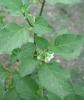
Leaves are alternate, broad, ovate, and pointed, with coarse irregular teeth or lobes. The upper surface is generally dark green, while the underside is paler.
Crushed leaves and stems produce a heavy unpleasant odor and bitter taste. This discourages many grazing animals from eating the fresh plant but does not protect animals from chopped, dried, ensiled, milled, or otherwise disguised contamination.
Flowers and Pollination
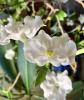
The flowers are large, funnel- or trumpet-shaped, and generally face upward or outward. They are usually white or cream but may be flushed or suffused with violet, particularly in plants historically called var. tatula.
Five folded lobes form the pointed rim of the corolla. Flowers commonly open during evening or night and attract nocturnal moths.
Flowers and unopened buds contain tropane alkaloids and remain poisonous. A decorative cutting brought indoors can expose pets even when no seed capsule has formed.
Spiny Capsules and Persistent Seeds
The fruit is an upright egg-shaped capsule generally covered with numerous rigid spines. A spineless or sparsely armed form exists and historically received the name Datura inermis.
The green capsule becomes brown and dry at maturity before splitting into four valves. Numerous flattened dark seeds are released onto soil, floors, equipment, feed, bedding, or nearby containers.
Seeds can remain dormant in soil for years. Removing only the visible annual plant does not eliminate the future exposure if capsules have already opened.
Dry stalks and capsules can remain after frost and may be carried into barns, garages, kennels, homes, hay, and seasonal arrangements.
Purple Jimsonweed Is Not a Separate Safety Category
Plants with purple stems or violet-flushed flowers were historically called *Datura tatula*, *Datura stramonium* var. *tatula*, or Purple Thorn Apple.
Comparative exact-species research found broadly similar alkaloid patterns among several historical varieties grown under the same conditions. Environmental origin produced at least as much chemical variation as the named horticultural forms.
Purple color, white flowers, reduced capsule spines, small size, or ornamental selection does not establish a lower alkaloid concentration or safer plant.
Jimsonweed and Angel’s Trumpet
Jimsonweed belongs to Datura and is usually an annual herb. Its flowers face upward or outward, and its capsules are generally rounded or egg-shaped and spiny.
Angel’s Trumpets belong to Brugmansia and grow as woody shrubs or small trees. Their large flowers hang downward, and their fruits are generally smooth and elongated rather than spiny.
Both groups contain hyoscyamine and scopolamine and can cause severe antimuscarinic poisoning. Distinguishing them improves documentation but does not reduce the urgency of treatment.
Sacred Datura, Downy Thorn Apple, and Long-Spined Thorn Apple
Sacred Datura, Datura wrightii, is often a larger spreading plant with broad leaves, long white-to-violet trumpets, and rounded spiny capsules. It may be perennial in warm climates.
Downy Thorn Apple, Datura innoxia, generally has conspicuously soft or velvety foliage and stems. Its capsules are spiny and often nod rather than remaining fully upright.
Long-Spined Thorn Apple, Datura ferox, produces capsules with fewer but longer and stronger spines. Scopolamine may dominate its alkaloid profile more strongly than in ordinary Jimsonweed.
Every genuine Datura should be treated as highly poisonous. Exact species identification must not delay emergency care.
Moonflower Vine and Other Trumpet-Flowered Look-Alikes
White Moonflower Vine, Ipomoea alba, is a twining member of Convolvulaceae with heart-shaped leaves and large white night-opening flowers. It produces smooth capsules rather than Jimsonweed’s upright spiny fruit.
Morning Glories, tobacco plants, petunias, and several other ornamentals can produce tubular flowers but differ in leaf arrangement, growth form, fruit, and toxic chemistry.
A complete sample containing stem, leaves, flower, capsule, and seeds is far more useful than one detached trumpet-shaped flower.
Exact-Species Alkaloid Diversity
Researchers have identified far more than the three familiar belladonna alkaloids in Jimsonweed. One investigation found twenty-five tropane alkaloids among the plant’s roots, leaves, and seeds.
A later gas-chromatography and mass-spectrometry study identified sixty-seven tropane alkaloids and tentatively characterized nine compounds not previously reported from the plant.
The profiles included tropoyl, tigloyl, propionyl, isobutyryl, isovaleryl, hydroxy, epoxide, and unsaturated tropane derivatives. Chemical diversity helps explain why whole-plant poisoning may not behave exactly like a measured pharmaceutical atropine dose.
Most minor alkaloids have not been studied individually in poisoned dogs, cats, horses, or livestock. Hyoscyamine and scopolamine remain the principal clinically relevant compounds.
Developmental and Environmental Variation
Alkaloid production changes as the plant grows. Young vegetative leaves may contain substantial hyoscyamine and scopolamine, while reproductive capsules and seeds become increasingly important later.
Roots participate in biosynthesis and transport, but aboveground tissues accumulate clinically relevant alkaloids. The relative amount in stems, leaves, flowers, and seeds can change over a period of weeks.
Population genetics, herbivory, climate, moisture, nutrients, temperature, plant stress, and developmental stage influence alkaloid concentration. Research on native and introduced populations has documented substantial geographic variation.
These differences make visual dose estimates unreliable. Two apparently identical capsules can contain different alkaloid burdens.
Fatal Exact-Species Dog Case
The published Toy Poodle case remains one of the most important direct veterinary reports because it documents natural exact-species exposure rather than experimental dosing or a generic Datura diagnosis.
The one-year-old dog had access to newly planted Jimsonweed and developed signs within approximately two to three hours. Hyperesthesia, severe agitation, tachycardia, tachypnea, and mydriasis progressed to coma and fatal circulatory and respiratory failure.
Partially digested leaves and seeds were identified in the stomach. Pulmonary edema, acute cardiac dilatation, congestion, hemorrhage, centrilobular liver necrosis, and renal tubular degeneration reflected severe terminal circulatory and multiorgan injury.
The report confirms both the classical early toxidrome and the possibility of rapid fatal progression in a young dog.
Horse Hay-Contamination Outbreak
A major equine outbreak affected eighteen of eighty-three horses fed dried tef hay contaminated with young *Datura stramonium* and *Datura ferox* plants.
The central problem was intractable impaction colic associated with antimuscarinic suppression of gastrointestinal motility. Removing the contaminated hay stopped additional cases.
Chemical analysis demonstrated hyoscyamine and scopolamine in the identified plants. The study shows that young plants without mature seed capsules can contaminate hay sufficiently to cause disease.
It also shows why drying does not provide dependable detoxification and why a horse outbreak may present primarily as severe gastrointestinal stasis rather than delirium.
Modern Silage Evidence
A 2026 study deliberately contaminated whole-plant maize with *Datura stramonium* and measured analytically reported atropine and scopolamine before ensiling and after thirty and ninety days.
Atropine declined modestly, but a large amount remained. Scopolamine did not decline and appeared to increase slightly. The combined alkaloid burden remained substantial after normal acidification and otherwise successful fermentation.
The researchers concluded that ensiling failed to provide meaningful detoxification. Entire young plants—not only mature seeds—can contaminate maize silage.
Visible Jimsonweed areas in a field, wagon, bunker, bag, or silo must be removed rather than blended into the surrounding crop.
Cattle, Sheep, Goats, and Pigs
Cattle feeding studies describe anorexia, dry mucous membranes, rumen stasis, bloat, constipation, and other atropine-like findings after contaminated seed exposure. Reduced intake may limit further consumption but also produces production losses and does not guarantee survival.
Experimental daily administration to Desert sheep and Nubian goats caused locomotor disturbance, fasciculation, hyperesthesia, rapid respiration, reduced water intake, and biochemical abnormalities. Sheep appeared more susceptible under the study conditions.
Pig studies found that intact seeds may be rejected or pass through the gastrointestinal tract without complete disruption, making pigs appear relatively resistant under some feeding conditions. Ground, crushed, or sufficiently concentrated seed contamination can still produce illness.
Species-specific experimental thresholds should not be transferred to pets, horses, or another livestock species.
Poultry and Grain Contamination
Jimsonweed seeds are common agricultural contaminants because they can be harvested with corn, soybeans, millet, sorghum, buckwheat, and other grain crops.
Controlled broiler research documented reduced feed intake and impaired growth as dietary seed contamination increased. Longer exposures produced biochemical changes and lesions involving the liver, kidneys, and lungs.
Whole seed appearance should be included in feed-quality training. Milling can make contamination harder to identify while increasing alkaloid availability.
One symptomatic flock should trigger preservation of unopened feed bags, feeder material, mill samples, and suspected weed seeds before the lot is discarded.
The Jamestown Poisoning and the Name Jimsonweed
The name derives from “Jamestown Weed.” A historical account published by Robert Beverley described soldiers sent to suppress Bacon’s Rebellion in 1676 who gathered the young plant as a boiled vegetable.
The affected soldiers developed prolonged delirium, bizarre purposeless behavior, disinhibition, poor hygiene, and amnesia. They reportedly required confinement to prevent injury and recovered after many days.
The account illustrates central antimuscarinic delirium and the danger of mistaking young Jimsonweed for edible greens. It does not establish that untreated poisoning is predictably benign.
Historical Medicine, Smoke, and Deliberate Use
Jimsonweed and related plants have long histories in respiratory medicine, pain treatment, ritual practice, anesthesia, intoxication, robbery, suicide, and recreational experimentation.
Antiasthmatic cigarettes and smoked preparations relied on the bronchodilating action of antimuscarinic alkaloids. Dose delivery was inconsistent, and systemic poisoning could occur through inhalation or swallowing condensed material.
Modern medicine uses purified and accurately measured atropine, hyoscyamine, and scopolamine for specific indications. Pharmaceutical use does not validate raw leaves, seeds, smoke, tea, tincture, or homemade extracts.
Deliberate administration to an animal is especially dangerous because alkaloid content cannot be estimated from plant size, seed count, flower color, or preparation method.
Diagnosis
No household test confirms Jimsonweed poisoning. Diagnosis relies on exposure history, botanical identification, compatible antimuscarinic signs, heart rate and rhythm, pupil size, body temperature, intestinal sounds, bladder size, mental status, and exclusion of other causes.
Leaves, seed fragments, capsule pieces, or dark flattened seeds may be found in the mouth, vomit, stomach contents, feed, feces, or bedding.
Blood count, electrolytes, glucose, kidney and liver values, creatine kinase, acid-base status, lactate, and urinalysis may identify dehydration, hyperthermia, seizures, muscle injury, aspiration, shock, and organ complications.
Electrocardiography, blood-pressure monitoring, temperature measurement, oxygen assessment, abdominal imaging, and bladder ultrasound may guide treatment.
Specialized laboratories can detect hyoscyamine, atropine, scopolamine, and related alkaloids in plant material, feed, urine, blood, gastric contents, or tissues. Results are confirmatory rather than a reason to postpone stabilization.
Differential Diagnoses
Deadly Nightshade, Henbane, Mandrake, Angel’s Trumpet, other Datura species, and pharmaceutical atropine or scopolamine can produce a similar antimuscarinic syndrome.
Antihistamines, tricyclic antidepressants, antispasmodics, motion-sickness medication, sleep aids, bladder medication, some muscle relaxants, and several psychiatric drugs may also cause anticholinergic findings.
Stimulants, cannabis products, serotonin toxicity, metaldehyde, organophosphates, carbamates, toxic mushrooms, heatstroke, rabies, seizures, encephalitis, hypoglycemia, and urinary obstruction may overlap with portions of the presentation.
Organophosphate and carbamate insecticides commonly produce excessive secretions, pinpoint pupils, diarrhea, urination, bronchial fluid, muscle weakness, and seizures—the opposite peripheral pattern from classic Jimsonweed poisoning. Incorrect antidote selection can be dangerous.
Prognosis and Prevention
The prognosis is often good when exposure is recognized early and treatment controls agitation, temperature, cardiovascular function, hydration, gastrointestinal retention, urinary retention, seizures, and respiratory complications.
The outlook becomes guarded with severe hyperthermia, prolonged seizures, aspiration pneumonia, ileus, gastric rupture, arrhythmia, circulatory collapse, coma, or respiratory failure.
Remove plants before capsules mature. Wear gloves, collect every capsule and seed, and secure the debris where animals cannot access it.
Inspect hay, silage, grain, bird feed, harvested crops, and feed-storage areas. Do not assume drying, grinding, fermenting, or dilution makes a contaminated lot safe.
Never use Jimsonweed leaves, seeds, smoke, powder, tea, tincture, or extracts as an animal remedy, sedative, bronchodilator, pain treatment, or intoxicant.
Immediate Emergency Response
- Stop further exposure: Remove the animal from the plant, seedlings, leaves, flowers, sap, roots, spiny capsules, loose seeds, dried stalks, garden debris, contaminated hay, silage, grain, bird feed, and homemade preparations.
- Contact emergency veterinary care: Report the suspected Jimsonweed exposure immediately because severe antimuscarinic signs may develop quickly or after an initially quiet interval.
- Keep the animal quiet: Reduce noise, bright light, running, struggling, and unnecessary handling while preparing for transportation.
- Do not wait for symptoms: Dangerous absorption may occur before mydriasis, tachycardia, delirium, urinary retention, seizures, or collapse is obvious.
- Protect other animals: Block access to the site and remove the suspect feed lot before additional pets, horses, livestock, or poultry are exposed.
- Call while leaving: Tell the clinic that an antimuscarinic plant may be involved so monitoring, sedation, cooling, airway support, and decontamination equipment can be prepared.
Preserve Identification and Exposure Evidence
- Collect a complete specimen: Save roots, stems, leaves, flowers, green capsules, mature capsules, and seeds whenever available.
- Use gloves: Wear gloves while handling sap, crushed plant tissue, vomit, contaminated feed, and seed debris.
- Take clear photographs: Photograph the entire plant, branching pattern, upper and lower leaf surfaces, flower direction, capsule spines, seeds, and growing location.
- Save vomited material: Place recognizable leaves, seeds, and capsule fragments in a sealed disposable container.
- Preserve feed samples: Save unopened and already-fed portions of suspect hay, silage, grain, crop residue, or poultry feed.
- Record the timeline: Note the earliest and latest possible exposure, amount missing, animal’s weight, when behavior changed, and whether plant material was chewed, ground, steeped, smoked, or mixed into feed.
Remove Only Loose Material from the Mouth
When the animal is fully alert, breathing normally, swallowing normally, and unlikely to bite, remove loose leaves, seeds, or capsule pieces resting at the lips or front of the mouth.
Do not perform a blind finger sweep or reach toward the back of the throat. A frightened or delirious animal may bite, and plant material can be pushed deeper.
A damp disposable cloth may be used to wipe visible residue from the lips and accessible front of the mouth.
Do not force a rinse. Pouring or syringing water into an animal with changing mental status creates an aspiration hazard and does not neutralize tropane alkaloids.
Do Not Induce Vomiting Automatically
Hydrogen peroxide must never be used as a feline emetic. It can cause severe gastric and esophageal injury and is not a safe method for cats.
Do not give hydrogen peroxide automatically to a dog. Jimsonweed can cause agitation, delirium, tachycardia, seizures, delayed gastric emptying, drowsiness, and loss of airway protection. Vomiting may precipitate aspiration or collapse.
A veterinarian or animal poison-control specialist may consider emesis only after a recent meaningful ingestion in a completely alert, stable, asymptomatic dog that is breathing and swallowing normally and can protect its airway.
Never induce vomiting after agitation, confusion, drowsiness, vomiting, tremors, poor coordination, hyperthermia, collapse, seizures, abnormal breathing, or impaired swallowing begins.
Do not use salt, mustard, ipecac, dish soap, detergent, syrup, oil, fingers, tools, or physical gagging.
Activated Charcoal and Gastrointestinal Decontamination
Veterinary-administered activated charcoal may reduce absorption of alkaloids remaining in the gastrointestinal tract. Reduced intestinal motility can leave seeds and plant material available for continued absorption.
Do not force charcoal into an agitated, vomiting, weak, sedated, seizuring, delirious, or poorly swallowing animal. Charcoal aspiration can cause severe and sometimes fatal lung injury.
Barbecue charcoal, fireplace ash, burned food, and homemade carbon are not medical activated charcoal.
Repeated charcoal administration is not an owner treatment. Slowed motility, dehydration, ileus, aspiration risk, electrolyte status, and bowel function must be considered professionally.
Gastric lavage is a veterinary critical-care procedure requiring anesthesia, endotracheal airway protection, cardiovascular monitoring, and a judgment that remaining plant material justifies the risk.
Endoscopic removal may be considered when a large capsule, plant wad, string, plastic, or another foreign object was swallowed.
Do Not Give Mineral Oil, Laxatives, or Motility Medication
Mineral oil can be aspirated into the lungs and cause severe lipid pneumonia. It must not be forced into an agitated, neurologically abnormal, vomiting, weak, or poorly swallowing animal.
Do not give human laxatives, enemas, stool softeners, magnesium products, stimulant cathartics, or pro-motility medication without diagnosis and direct veterinary instruction.
An abdomen enlarged by ileus, gastric distention, urinary retention, obstruction, or bloat requires examination before anything is given orally.
Agitation, Delirium, and Abnormal Aggression
Place the animal in a quiet, dim, cool environment away from stairs, pools, traffic, glass, sharp objects, children, and other animals.
A confused pet may bite or scratch even when normally gentle. Avoid face-to-face restraint and unnecessary manipulation.
Do not wrestle, chase, or pin the animal for prolonged periods. Physical struggle increases body temperature, oxygen demand, cardiovascular stress, and risk of injury.
Use a secure carrier, crate, barrier, blanket, or transport method only when this can be done safely. Veterinary staff may need injectable sedation to control severe delirium.
Do not give antihistamines, sleep aids, cannabis products, alcohol, tranquilizers, sedatives, stimulants, decongestants, or leftover prescriptions.
Dilated Pupils and Visual Impairment
Dim bright light and prevent access to stairs, balconies, pools, roads, and elevated furniture. Affected animals can misjudge distances or appear temporarily blind.
Do not apply urine, plant extracts, or another substance to the eye as a historical diagnostic test. Such practices are unsafe, unhygienic, and unnecessary.
Do not give pupil-constricting or other eye drops unless prescribed after examination. Topical medications can be absorbed systemically or worsen another ocular condition.
Hyperthermia
Intense panting, continuous agitation, hot skin, tremors, weakness, collapse, or marked temperature elevation requires urgent controlled cooling and treatment of the underlying muscular and neurologic activity.
Move the animal to a comfortably cool, ventilated location while transportation is underway.
Cool or lukewarm water may be applied gently to the paws, abdomen, groin, and coat when the animal is dangerously hot. Air movement can improve evaporative cooling.
Do not use ice water, alcohol baths, or prolonged ice packs. Extreme cold causes vasoconstriction, discomfort, and shivering and can lead to overshoot hypothermia.
Cooling must not delay transportation. Temperature should be measured repeatedly and active cooling stopped before the patient becomes too cold.
Tremors and Seizures
- Clear the area: Move hard furniture and dangerous objects away.
- Prevent falls: Keep the animal away from stairs, water, traffic, and elevated surfaces.
- Do not restrain the jaw: Animals do not swallow their tongues, and hands near the mouth can be severely bitten.
- Time the episode: Record seizure duration and whether awareness returns between events.
- Reduce stimulation: Dim light and limit noise while emergency transport is arranged.
- Seek immediate critical care: Repeated seizures, prolonged seizure activity, or failure to regain awareness requires airway protection, temperature control, and injectable anticonvulsant treatment.
Urinary Retention and Ileus
Watch for repeated attempts to urinate, straining, passing only drops, genital licking, pacing, abdominal discomfort, or a firm lower abdomen.
Do not squeeze or press the bladder. Manual pressure can cause pain, injury, or rupture and cannot distinguish retention from urethral obstruction.
Abdominal swelling, absent bowel sounds, repeated unproductive retching, constipation, reflux, or continued vomiting may indicate ileus, gastric retention, bloat, or obstruction.
Do not give food, laxatives, enemas, mineral oil, or motility medication until the cause of distention is determined.
Breathing and Circulatory Emergencies
Rapid breathing, shallow respiration, gasping, open-mouth breathing, weak respiratory movement, coughing after vomiting, or blue-gray gums requires immediate airway and oxygen support.
An extremely rapid, weak, slow, or irregular pulse can indicate severe antimuscarinic effects, dehydration, hyperthermia, electrolyte disturbance, arrhythmia, or shock.
Pale gums, cold limbs, profound weakness, fainting, collapse, or reduced responsiveness indicates inadequate circulation.
Do not give anything by mouth to a weak, collapsed, seizuring, delirious, or poorly swallowing animal.
When the animal is unresponsive and not breathing normally, begin pet cardiopulmonary resuscitation if trained and able to do so safely while emergency veterinary help is obtained.
Veterinary Examination and Monitoring
The veterinary team may monitor heart rate and rhythm, blood pressure, body temperature, respiratory status, oxygenation, hydration, mental state, pupil response, intestinal sounds, abdominal distention, and urinary-bladder size.
Blood testing may include a complete blood count, electrolytes, glucose, kidney and liver values, creatine kinase, acid-base status, lactate, and other tests based on temperature, seizures, shock, or aspiration.
Urinalysis and urine-output monitoring can identify dehydration, retention, kidney complications, or another urinary disorder.
Abdominal radiographs or ultrasound may evaluate gastric retention, ileus, obstruction, bloat, bladder enlargement, or swallowed capsule fragments.
Signs can fluctuate as retained plant material continues releasing alkaloids. Hospitalization may remain necessary after an apparently improved period.
Veterinary Supportive Treatment
There is no treatment that removes all absorbed alkaloids instantly. Supportive care maintains ventilation, circulation, temperature, hydration, gastrointestinal function, urination, and safety while normal muscarinic signaling returns.
Intravenous crystalloids may correct dehydration, support perfusion, and replace gastrointestinal losses. Fluid selection and volume should account for cardiovascular function, temperature, urine production, and electrolyte status.
Veterinarian-selected sedatives or anticonvulsants may be required to control dangerous agitation, tremors, or seizures. Medication choice matters because some drugs have additional anticholinergic, cardiovascular, or respiratory effects.
Oxygen, endotracheal intubation, mechanical ventilation, airway suction, and aspiration management may be required in severe cases.
Active cooling may continue while agitation and seizures are controlled. Hyperthermia-related coagulation, kidney, liver, muscle, and gastrointestinal complications may require repeated testing.
Urinary catheterization may be needed until bladder contraction returns. Ileus and gastric retention require individualized fluid, decompression, nutritional, and motility management.
Arrhythmias, severe hypertension, hypotension, and shock require treatment directed at the actual monitored abnormality rather than a fixed Jimsonweed drug formula.
Physostigmine
Physostigmine is a reversible acetylcholinesterase inhibitor that enters the central nervous system. By slowing acetylcholine breakdown, it can temporarily overcome both central and peripheral muscarinic blockade.
It may produce dramatic improvement in selected patients with severe, clearly established antimuscarinic delirium, dangerous agitation, profound central depression, or other findings that remain poorly controlled despite supportive care.
Physostigmine is not required in every case. Many Jimsonweed patients recover with environmental control, decontamination, fluids, temperature management, sedation, seizure control, urinary care, and observation.
Administration requires continuous electrocardiographic monitoring, resuscitation capability, airway readiness, and careful exclusion of contraindications or mixed poisoning. It may be inappropriate when cardiac conduction abnormalities, significant QRS widening, bradyarrhythmia, seizure susceptibility, or an uncertain toxin is present.
Excessive cholinergic activity can cause salivation, vomiting, diarrhea, sweating, bronchial secretions, bronchospasm, bradycardia, arrhythmia, seizures, and respiratory complications.
Neostigmine, pilocarpine, arecoline, and similar agents must not be used at home as substitutes. They differ in central penetration and clinical effects.
Veterinary Toxicology Testing
Specialized laboratories may identify hyoscyamine, atropine, scopolamine, and related tropane alkaloids in urine, blood, gastric contents, feed, plant samples, or tissues.
Analytical confirmation can support diagnosis, identify feed contamination, and document an outbreak, but results are not usually fast enough to guide initial stabilization.
Bring the complete plant and contaminated feed rather than relying only on an owner-supplied common name.
Horse and Livestock Exposure
- Remove the source immediately: Stop access to suspect hay, silage, grain, green chop, crop residue, pasture, feed bins, and garden waste.
- Move animals calmly: Minimize excitement and strenuous movement in animals with rapid pulse, weakness, colic, hyperthermia, or breathing abnormalities.
- Inspect the entire group: Multiple animals may have consumed the same contaminated lot before the first patient becomes obvious.
- Preserve representative samples: Save unopened feed, feeder material, complete weeds, capsules, seeds, and gastrointestinal contents.
- Do not drench: Never force water, mineral oil, charcoal, feed, or medication into an agitated, colicky, weak, seizuring, recumbent, or poorly swallowing animal.
- Do not refeed the lot: Contaminated hay or silage should remain withdrawn until plant identification and tropane-alkaloid assessment are complete.
Equine Gastrointestinal Management
Horses may develop severe impaction, gastric retention, reflux, ileus, and abdominal distention. Nasogastric evaluation and decompression require a veterinarian because handling and tubing an unstable or neurologically abnormal horse carries risk.
Fluids, analgesia, intestinal monitoring, decompression, and other colic treatment must be individualized. Mineral oil or cathartics should not be owner-administered before obstruction, reflux, swallowing ability, and hydration are assessed.
Persistent tachycardia may reflect antimuscarinic action, pain, dehydration, gastric distention, shock, or intestinal compromise rather than one isolated mechanism.
Poultry and Feed-Lot Response
Remove the suspect grain or feed from every feeder and preserve unopened bags and mill samples. Prevent transfer of the same lot to another flock or species.
Monitor feed intake, water intake, behavior, coordination, body weight, production, and mortality. Smaller or younger birds may deteriorate more quickly.
Feed analysis should evaluate intact Jimsonweed seeds and measured tropane alkaloids rather than relying only on a visual estimate of contamination.
Recovery and Prognosis
The prognosis is often good when treatment begins before severe hyperthermia, prolonged seizures, aspiration, circulatory collapse, respiratory failure, or major gastrointestinal complications develop.
Recovery should include normal awareness, ordinary behavior, improving pupil response and vision, stable heart rate and blood pressure, normal body temperature, return of bowel sounds, successful urination, adequate hydration, and normal coordination.
Signs commonly improve over one to two days but may continue longer after a substantial seed exposure, delayed gastric emptying, ileus, aspiration, organ injury, or severe hyperthermia.
Renewed agitation, vomiting, abdominal swelling, urinary difficulty, tremors, temperature change, weakness, or abnormal breathing after apparent improvement requires immediate reassessment.
Prevention
Remove Jimsonweed before seed capsules mature and split. Collect every capsule and visible seed rather than leaving them on disturbed soil.
Wear gloves during removal and secure uprooted plants and capsules in a closed disposal container inaccessible to animals.
Inspect hay, silage, grain, poultry feed, crop harvests, compost, manure-rich areas, and equipment before feeding or storage.
Do not use Jimsonweed tea, tincture, smoke, powder, leaves, flowers, seeds, capsules, or extracts as an animal remedy, sedative, bronchodilator, pain treatment, dewormer, or intoxicant.
Frequently Asked Questions About Jimsonweed and Animal Poisoning
Does Jimsonweed naturally contain atropine or hyoscyamine?
The living plant biosynthesizes predominantly naturally occurring (−)-hyoscyamine. Atropine is the racemic mixture created when some hyoscyamine converts to its opposite enantiomer during isolation, processing, or analysis. Toxicology reports commonly use “atropine” as the analytical and clinical label.
Is scopolamine the same as hyoscine?
Yes. Hyoscine is the older name for scopolamine. Both names appear frequently in veterinary feed-contamination and poisoning literature.
Are atropine, hyoscyamine, and scopolamine the plant’s only alkaloids?
No. Exact-species studies have identified dozens of tropane alkaloids, including apoatropine, norhyoscyamine, meteloidine, tropine, scopoline, hydroxyhyoscyamines, epoxytropanes, and several tigloyl, propionyl, isobutyryl, and isovaleryl derivatives. Hyoscyamine and scopolamine remain the principal clinically important toxins.
Which Jimsonweed part contains the most alkaloid?
No one organ is always highest. Leaves can be especially alkaloid-rich during vegetative growth, while capsules and seeds become important during reproductive development. Concentrations vary with organ, plant age, population, environment, and analytical method.
Are the seeds more dangerous than one leaf?
Seeds create a particularly concentrated practical exposure because one capsule contains many of them and chewing or grinding increases alkaloid release. A leaf can still contain a clinically important amount, and no safe comparison can be made without chemical analysis.
Is Purple Jimsonweed a different species?
The purple form was historically called Datura tatula or Datura stramonium var. tatula. It is now included within Datura stramonium and carries the same antimuscarinic hazard.
Is a spineless Jimsonweed capsule safe?
No. Plants historically called Datura inermis or var. inermis may have fewer or no capsule spines, but their leaves, flowers, capsules, and seeds still contain tropane alkaloids.
Why can the animal be agitated and later become extremely sleepy?
Central muscarinic blockade can begin with delirium, fear, repetitive movement, and hyperactivity and then progress to exhaustion, scopolamine-associated depression, stupor, or coma. Sudden quietness after extreme agitation can signal deterioration rather than recovery.
Why does Jimsonweed make the pupils so large?
The alkaloids block muscarinic control of the iris sphincter and ciliary muscle. The pupils cannot constrict normally, and the eyes cannot focus well at close range. The animal may become light-sensitive, disoriented, or temporarily appear blind.
Can Jimsonweed cause drooling even though dry mouth is expected?
Yes. Dry mouth is characteristic, but nausea, vomiting, oral irritation, anxiety, thick saliva, or difficulty swallowing can produce drooling or repeated swallowing in some patients.
Can Jimsonweed stop a dog or cat from urinating?
Yes. Muscarinic blockade can prevent effective bladder contraction and cause retention, straining, abdominal discomfort, and bladder enlargement. Physical urinary obstruction must also be ruled out, particularly in male cats.
Why can symptoms continue after the plant should have left the stomach?
The alkaloids themselves reduce gastric and intestinal movement. Seeds and fragments may remain in the digestive tract and continue releasing toxin, allowing delayed, fluctuating, or prolonged signs.
Does drying Jimsonweed make hay safe?
No. Drying does not reliably eliminate hyoscyamine or scopolamine. Documented horse poisoning has occurred from dried contaminated hay, and dried capsules and seeds remain dangerous.
Does ensiling detoxify Jimsonweed?
No dependable detoxification occurs. A 2026 exact-species study found that substantial tropane alkaloids remained after ninety days of ensiling. Atropine declined only partially, while scopolamine did not decline and appeared to increase slightly.
Can one capsule kill a dog?
A capsule can contain many seeds, but no dependable capsule or seed count predicts the outcome in an individual dog. Alkaloid concentration, chewing, body size, stomach contents, and treatment timing vary too greatly. Any credible capsule or seed ingestion requires emergency guidance.
Has fatal Jimsonweed poisoning been documented in a dog?
Yes. A one-year-old Toy Poodle developed hyperesthesia, severe agitation, tachycardia, tachypnea, and mydriasis within approximately two to three hours and progressed to coma and fatal circulatory and respiratory failure. Leaves and seeds were found in the stomach.
Should my dog be made to vomit immediately?
Not automatically. A veterinarian may consider emesis only after a recent ingestion in a completely alert, stable, symptom-free dog with normal breathing and swallowing. Agitation, delirium, seizures, drowsiness, or delayed gastric emptying can make home vomiting dangerous.
Can hydrogen peroxide be given to a cat?
No. Hydrogen peroxide is not a safe feline emetic and can cause serious gastric and esophageal injury.
Does activated charcoal cure Jimsonweed poisoning?
No. Professionally administered charcoal may reduce absorption of alkaloids remaining in the gastrointestinal tract, but it does not reverse absorbed toxin and can cause severe aspiration when forced into a symptomatic animal.
Is physostigmine a guaranteed antidote?
No. It can temporarily reverse severe central and peripheral antimuscarinic effects in carefully selected patients, but many cases recover with supportive care alone. It can cause serious cholinergic effects, bradyarrhythmia, secretions, seizures, or respiratory complications and requires continuous monitoring and resuscitation capability.
Why should bright light and forceful restraint be avoided?
Widely dilated pupils make light painful and disorienting. A delirious animal may panic, bite, struggle, overheat, or injure itself during restraint. A quiet, dim, secure environment reduces stimulation while professional treatment is arranged.
Can contaminated poultry feed cause poisoning?
Yes. Jimsonweed seeds can enter corn, soybean, millet, sorghum, and other grain products. Controlled broiler studies documented reduced feed intake, poor growth, biochemical abnormalities, and organ lesions after dietary exposure.
Is Jimsonweed the same as Angel’s Trumpet?
No. Jimsonweed is an herbaceous Datura with upright or outward-facing flowers and usually spiny capsules. Angel’s Trumpets are woody Brugmansia plants with hanging flowers. Both contain dangerous antimuscarinic alkaloids.
Is every plant called Moonflower Jimsonweed?
No. Moonflower may refer to a Datura species or the unrelated twining vine Ipomoea alba. Stem habit, leaves, flower direction, and capsule structure are needed for identification.
Why is the plant called Jimsonweed?
The name developed from Jamestown Weed after soldiers in colonial Virginia reportedly ate the young plant during Bacon’s Rebellion in 1676 and experienced prolonged delirium, bizarre behavior, and amnesia.
What is the expected prognosis?
The prognosis is often good with prompt treatment before severe hyperthermia, prolonged seizures, aspiration, ileus, arrhythmia, circulatory collapse, coma, or respiratory failure develops. Large seed exposures and major complications may require several days of intensive care.