Russian Thistle Nitrate Accumulation, Soluble Oxalates, Methemoglobinemia, Hypocalcemia, and Livestock Feed Risk
Is Russian Thistle Poisonous to Dogs, Cats, Horses, and Livestock?
Yes—Russian Thistle, Salsola tragus L., can become dangerously poisonous, especially to cattle, sheep, goats, camelids, and other ruminants when the plant, hay, water, or ration contains excessive nitrate or soluble oxalate. The plant is also known as tumbleweed, but “tumbleweed” is not a precise species name. Young, properly identified, laboratory-tested Russian Thistle can sometimes have forage value, but an untested stand, bale, brush pile, drought-emergency feed, or mixed weedy hay should never be assumed safe.
Russian Thistle’s main veterinary hazards are accumulated nitrate and soluble sodium or potassium oxalates. Nitrate can be converted in the rumen to nitrite, which oxidizes oxygen-carrying hemoglobin into methemoglobin. Affected animals may breathe rapidly while still being unable to deliver enough oxygen to their tissues, and severe cases can produce gray-brown mucous membranes, chocolate-brown blood, trembling, staggering, collapse, seizures, fetal loss, and sudden death. Soluble oxalates can bind calcium, cause hypocalcemia, disrupt muscle and nerve function, produce bloat, tremors, recumbency, seizures, and damage the kidneys through calcium-oxalate crystal deposition.
Risk varies sharply with drought, rain after drought, heavy nitrogen fertilization, manure exposure, cloudy weather, frost, herbicide injury, soil conditions, growth stage, plant part, water nitrate, ration dilution, animal hunger, pregnancy, rumen adaptation, and the speed of intake. Horses are generally less susceptible to forage nitrate than ruminants but can still be poisoned by highly contaminated forage, water, or fertilizer. Dogs and cats are less likely to eat a livestock-sized forage dose, but mature prickly plants, fertilizer, contaminated water, mixed weeds, and abnormal breathing or urination still require veterinary attention.
About this guide: This page provides general pet-poisoning information and cannot diagnose or treat an individual animal. For any suspected exposure, contact a veterinarian or animal poison-control service immediately. Do not induce vomiting, give medication, or attempt home decontamination unless directed by a veterinary professional.
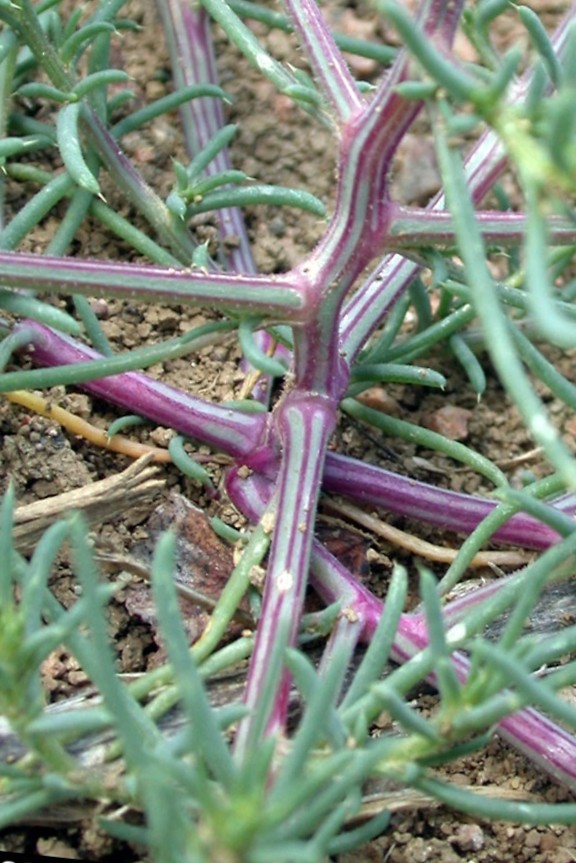
Russian Thistle
Salsola tragus L.
- Important botanical synonyms include Kali tragus (L.) Scop., Salsola iberica (Sennen & Pau) Botsch. ex Czerep., Salsola kali subsp. tragus (L.) Čelak., Salsola kali var. tragus (L.) Moq., Salsola kali subsp. ruthenica (Iljin) Soó, Salsola ruthenica Iljin, and Salsola pestifer A.Nelson.
- Older North American agricultural, weed-management, and veterinary literature often used Salsola kali broadly for Russian Thistle. Under current taxonomic treatment, Salsola tragus and Salsola kali are not presented as one uncomplicated accepted species, so older names should be retained for search and literature interpretation but explained carefully.
- Western North America also contains related Salsola species and hybrids. Exact separation may require mature reproductive structures, regional floras, extension expertise, herbarium comparison, or genetic analysis.
Amaranthaceae — Amaranth Family
Chenopodiaceae — the Goosefoot Family — is the older family placement still found in many veterinary, agricultural, and weed-management references.
Russian Thistle; Prickly Russian Thistle; Common Russian Thistle; Tumbleweed; Tumble Weed; Russian Tumbleweed; Tumbling Weed; Windwitch; Witchweed; Common Saltwort; Prickly Saltwort; Glasswort; Prickly Glasswort; Salsola tragus; Kali tragus; Salsola iberica; Salsola pestifer; Salsola ruthenica; Salsola kali subsp. tragus; Salsola kali var. tragus
“Tumbleweed” is a growth and dispersal description, not a precise species name. Mature Russian Thistle can detach at the base and roll across open land, but kochia, other Salsola species, and several unrelated plants can also form tumbleweeds. Identification should rely on the living plant, branches, leaves, bracts, flowers, fruits, collection site, and current botanical name rather than rolling behavior alone.
Russian Thistle is not a true thistle in Asteraceae and is not a Chenopodium goosefoot. Older references placed Salsola, Chenopodium, kochia, lambsquarters, and related plants in Chenopodiaceae, but current classification places Russian Thistle in Amaranthaceae. This history explains why older veterinary and agricultural sources may group Russian Thistle with goosefoots, saltbushes, and other nitrate- or oxalate-accumulating plants even though they are not all the same genus.
Nitrate and Soluble Oxalates Are the Principal Veterinary Hazards
Russian Thistle does not contain one fixed quantity of poison in every plant. Its two principal veterinary hazards are accumulated nitrate and soluble oxalates, especially soluble sodium and potassium oxalates. The concentrations can differ by many times among plants growing in different soils, seasons, weather patterns, growth stages, moisture conditions, fertility levels, and areas of the same field. A stand used as forage without incident one year can become hazardous under a different combination of drought, nitrogen, temperature, sunlight, water contamination, and grazing pressure.
Nitrate and oxalate risks can coexist. An animal may show signs dominated by methemoglobinemia, signs dominated by hypocalcemia and renal injury, or a mixed clinical picture. This is one reason the page should not oversimplify Russian Thistle as only a nitrate plant or only an oxalate plant. Representative laboratory testing and veterinary interpretation matter because the plant name alone cannot tell an owner whether a specific bale or pasture is safe.
Cyanogenic glycosides should not be listed as a confirmed primary Russian-Thistle toxin. Cyanide poisoning can resemble nitrate toxicosis because both cause severe tissue hypoxia, but their mechanisms differ. Nitrate produces methemoglobin that cannot carry oxygen normally. Cyanide prevents cells from using oxygen delivered to them. Cyanogenic grasses, sorghums, cherries, arrowgrass, flax, and other plants mixed into the same pasture or hay must be investigated separately.
How Russian Thistle Accumulates Nitrate
Nitrate is not an abnormal contaminant in itself. Plants normally absorb nitrogen from the soil as nitrate or ammonium and use it to build amino acids, proteins, nucleic acids, chlorophyll, and other essential compounds. When nitrate is absorbed, it must be reduced first to nitrite and then to ammonium before incorporation into plant tissue. Under healthy growing conditions, uptake and conversion remain reasonably balanced and tissue concentrations stay relatively low.
Toxic accumulation occurs when roots continue taking up nitrate faster than leaves and stems can convert it into protein. Drought can restrict growth while nitrate absorption continues. Rain after drought can briefly increase risk by stimulating root uptake before enough leaf growth and sunlight return to process the nitrate. Reduced sunlight, prolonged cloud cover, shading, low temperature, frost injury, hail, plant disease, herbicide-related growth disruption, acidic soil, excessive manure or fertilizer, and deficiencies of phosphorus, sulfur, or molybdenum can also disturb nitrate metabolism.
Nitrate often concentrates in stems and lower plant tissues, but the distribution is not uniform enough to replace laboratory testing. Leaves, stems, regrowth, hay, silage, windrowed material, and different areas of the same field may not match. Plants near manure, fertilizer bands, drainage channels, water trough overflow, shaded edges, or drought-stressed soil may differ sharply from the field average.
The Rumen Nitrate-to-Nitrite Problem
Ruminants are particularly susceptible because bacteria in the rumen reduce nitrate to nitrite rapidly. Conversion of nitrite to ammonia is slower. When a hungry cow, sheep, goat, alpaca, llama, or other ruminant consumes a large nitrate dose before the rumen microorganisms can complete the second step, nitrite accumulates, crosses the rumen wall, and enters the bloodstream.
Nitrate absorbed into the circulation may also be secreted back into saliva and gastrointestinal fluids, returning to the rumen for additional conversion to nitrite. This recycling can prolong the exposure after the first forage meal ends. Continued absorption is one reason clinical signs may recur and why veterinary treatment may require monitoring beyond the first visible improvement.
Gradual adaptation can increase the rumen’s ability to handle modest nitrate loads, but adaptation is incomplete and can be overwhelmed. It can also be lost after the feed is withdrawn. A sudden large meal, hungry animals turned into a dense stand, or high-nitrate hay offered as the only feed can defeat whatever adaptation existed.
Methemoglobin and Tissue Hypoxia
Nitrite oxidizes the iron in hemoglobin from the ferrous state to the ferric state, forming methemoglobin. Ordinary hemoglobin binds oxygen in the lungs and carries it to the tissues. Methemoglobin cannot perform that job effectively. The animal can therefore appear to suffocate even while the airway is open and the lungs continue moving air.
Nitrite also contributes to vasodilation and low blood pressure. The combination of impaired oxygen transport and poor circulation produces rapid breathing, weakness, trembling, staggering, anxiety, collapse, seizures, organ dysfunction, fetal injury, and death. Blood containing substantial methemoglobin commonly appears dark brown or chocolate-colored rather than bright red.
At approximately 30%–40% methemoglobin, livestock commonly show rapid weak heartbeat, reduced temperature, muscle tremors, weakness, and ataxia. Above approximately 50%, brown or cyanotic mucous membranes, rapid breathing, anxiety, frequent urination, collapse risk, and severe weakness become prominent. Acute lethal poisoning is generally associated with very high methemoglobin concentrations, often approaching or exceeding 80%, because too little functional hemoglobin remains to deliver oxygen to the brain, heart, muscles, uterus, and other oxygen-sensitive tissues.
Soluble Oxalates, Hypocalcemia, and Kidney Damage
Russian Thistle also contains soluble sodium and potassium oxalates. Rumen microorganisms can degrade modest quantities of oxalate, particularly after gradual adaptation. A sudden heavy ingestion can overwhelm this capacity and allow soluble oxalate to enter the bloodstream.
Absorbed oxalate binds ionized calcium, producing acute hypocalcemia capable of disrupting nerve transmission, skeletal-muscle contraction, gastrointestinal motility, and cardiac function. The newly formed calcium oxalate is insoluble and may precipitate within renal tubules, damaging the kidneys and obstructing urine flow. This creates a second mechanism of serious illness that methylene blue does not treat.
Acute hypocalcemia may cause salivation, reduced rumen motility, bloat, depression, weakness, weak pulse, muscle twitching, tremors, stiffness, tetany, ataxia, recumbency, seizures, coma, and death. Animals that survive the initial calcium disturbance may later develop appetite loss, depression, dehydration, diarrhea, increased thirst, azotemia, straining to urinate, reduced urine output, or complete absence of urine from calcium-oxalate renal injury.
Nitrate Nutrition May Influence Oxalate Accumulation
Experimental work in several plant species has shown that increased nitrate nutrition can stimulate oxalate accumulation. Historical toxicology discussions have therefore linked severe nitrate accumulation with increased oxalate risk. That relationship is biologically plausible, but an extreme oxalate value reported for another forage should not be assigned automatically to every Russian-Thistle plant.
The exact response depends on species, growth stage, salinity, potassium and sodium availability, photosynthesis, maturity, water status, and other environmental factors. Fowler and colleagues’ Russian-Thistle salinity study is especially useful because it shows environmental effects are not always simple: under their tested conditions, nitrate and oxalate did not reach toxic ruminant concentrations and salinity altered forage chemistry in specific measured ways. That does not clear an unrelated drought-stressed or heavily fertilized field.
The scientifically defensible conclusion is that nitrate and oxalate may coexist, their concentrations are environmentally responsive, and both should be considered when compatible clinical signs occur. The practical management conclusion is stronger: test the actual forage and water before feeding, and do not assume safety from plant identity or last year’s experience.
Forage Reporting Units Can Create Dangerous Errors
No universal toxic dose can be calculated from the plant name alone. Forage laboratories may report nitrate as nitrate, nitrate-nitrogen, potassium-nitrate equivalent, percentage, parts per million, dry matter, or as-fed concentration. A result can be misinterpreted by more than fourfold when nitrate and nitrate-nitrogen units are confused.
One thousand ppm nitrate-nitrogen equals approximately 4,400 ppm nitrate. A report of 4,400 ppm nitrate and a report of 4,400 ppm nitrate-nitrogen do not describe the same hazard. A percentage value also must be interpreted according to the reporting basis. Three percent nitrate in hay is not the same as 3,000 ppm nitrate.
Total intake, speed of consumption, water nitrate, adaptation, hunger, pregnancy, animal health, rumen function, forage moisture, as-fed intake, ration dilution, and the proportion of suspect forage in the complete diet all affect outcome. Unit conversion is not an academic detail; it can be the difference between safe dilution and a fatal feeding decision.
Hay, Silage, and Processed Forage Do Not Guarantee Safety
Haymaking does not reliably remove nitrate. The concentration present when the plant is cut generally remains in the finished hay, and damp storage may permit some nitrate to convert to the more toxic nitrite. Large round bales can also be uneven because rain or snow can leach nitrate downward and concentrate it in lower portions.
Ensiling can reduce nitrate under favorable fermentation conditions, often by a meaningful percentage, but the amount lost is variable and cannot be assumed. High-nitrate plants can generate dangerous nitrogen-dioxide silo gas during fermentation. That gas is heavier than air, may accumulate in enclosed low areas, and can kill people or animals.
Russian-Thistle hay, silage, chopped feed, or mixed drought forage should be sampled after processing and interpreted using the units supplied by the laboratory. A safe-looking bale can still contain dangerous nitrate or oxalate. A single grab sample from one location may not represent the full lot.
Companion-Animal and Mechanical Hazards
Dogs and cats are less likely than cattle or sheep to consume enough Russian Thistle to produce classic forage nitrate poisoning, but they can still be harmed. A small exploratory bite may cause mouth irritation, vomiting, diarrhea, or abdominal discomfort. Mature plants are rigid and spine-tipped, and can injure the mouth, lips, tongue, eyes, paws, skin, or gastrointestinal tract.
Companion animals may also encounter spilled fertilizer, nitrate-contaminated water, herbicides, pesticides, decorative tumbleweeds, sharp dried stems, or another toxic weed growing with Russian Thistle. Severe signs should not be attributed automatically to the plant alone. Rapid breathing, gray, blue, or brown gums, tremors, weakness, collapse, persistent gastrointestinal signs, or abnormal urination requires emergency examination.
Onset and Early Progression
Acute nitrate poisoning often begins suddenly. An animal may first appear restless, unusually quiet, sleepy, weak, reluctant to move, anxious, or separated from the group. In severe exposures, the first recognized sign may be the discovery of one or more dead animals near a new bale, weedy pasture, spilled fertilizer, or contaminated water source.
Clinical timing depends on nitrate concentration, total intake, speed of consumption, rumen adaptation, water nitrate, animal hunger, pregnancy, species, body size, ration composition, and whether soluble oxalates are also involved. Hungry ruminants consuming a large meal of high-nitrate forage can deteriorate rapidly because nitrite is produced faster than the rumen can convert it to ammonia. A group exposure may produce animals that are dead, recumbent, weak, and apparently normal at the same time because individuals ate different amounts.
Russian-Thistle poisoning should therefore be handled as a feed, water, and herd emergency, not merely as an individual plant nibble. The same field, bale, trough, water source, fertilizer spill, or windrow may threaten every animal with access.
Nitrate Poisoning and Methemoglobinemia Signs
When methemoglobin reaches approximately 30%–40% of total hemoglobin, affected livestock may develop a rapid weak heartbeat, decreased body temperature, muscle tremors, weakness, and ataxia. Breathing becomes faster as the body attempts to compensate for reduced oxygen delivery. The animal may lag behind the group, stumble, stand with the head extended, breathe with obvious effort, or collapse when forced to move.
As methemoglobinemia worsens, the gums, conjunctiva, vulva, and other visible mucous membranes may become gray, muddy brown, slate-colored, blue, or cyanotic. Freshly collected blood often has a dark chocolate-brown color. Blood color is a valuable clinical clue but is not independently diagnostic because other oxidizing agents can also produce methemoglobinemia, and blood color may change with time, oxygen exposure, decomposition, or mixed poisoning.
Severe tissue hypoxia produces marked dyspnea, tachypnea, anxiety, frequent urination, profound weakness, cardiac irregularities, recumbency, terminal anoxic seizures, coma, and death. Acute lethal cases may die within an hour of the first recognized signs or after a clinical course lasting 12–24 hours or longer. Chasing, crowding, trailering, or forcing a weak animal to walk can worsen oxygen demand when the blood cannot carry oxygen normally.
Subacute Nitrate Exposure and Reproductive Loss
Subacute exposure is less dramatic. Animals may eat high-nitrate forage for days before developing poor appetite, reduced growth, reduced milk production, weakness, poor exercise tolerance, reduced performance, or reproductive problems. Chronic nitrate toxicity by itself is difficult to prove because parasitism, low dietary energy, mineral deficiencies, disease, poor forage quality, and environmental stress can produce similar losses.
Pregnant cattle can abort or deliver stillborn calves several days after surviving severe nitrate poisoning. Veterinary reports place these reproductive losses approximately 5–14 days after exposure, especially in cows that experienced severe and sustained maternal hypoxia. The dam may appear to have recovered before the fetal consequences become visible.
Pregnant animals exposed to suspect Russian Thistle, high-nitrate hay, contaminated water, or fertilizer should be identified for the veterinarian. Follow-up after apparent recovery matters because fetal injury may not be visible during the immediate methemoglobin crisis.
Delayed Pulmonary Injury After Severe Nitrate Poisoning
Some cattle that survive marked respiratory distress later develop interstitial pulmonary emphysema or persistent respiratory compromise. They may remain short of breath after the blood color and mucous membranes improve. Recovery from this delayed pulmonary complication may take 10–14 days.
Continuing respiratory distress should not be dismissed as fear, heat stress, or leftover anxiety. Aspiration, pulmonary emphysema, pneumonia, heart strain, severe hypoxia, bloat, and recumbency complications may overlap. Animals with ongoing abnormal breathing require veterinary reassessment even after methylene-blue treatment or removal from the suspect feed.
Soluble-Oxalate Hypocalcemia Signs
Soluble-oxalate poisoning may appear within several hours and can overlap with nitrate signs. Acute hypocalcemia may cause salivation, reduced rumen motility, bloat, depression, weakness, a weak pulse, muscle twitching, tremors, stiffness, ataxia, tetany, recumbency, seizures, coma, and death. The animal may appear similar to a milk-fever or grass-tetany case, but the forage history and renal risk change the interpretation.
Oxalate signs may be more obvious in sheep and goats browsing large amounts of oxalate-accumulating plants, but cattle, camelids, and other ruminants can also be affected. Gradual adaptation can improve microbial oxalate degradation, but sudden heavy consumption by naïve animals remains dangerous. Young, hungry, newly introduced, or ration-stressed animals may not have adequate adaptation.
Bloat, rumen stasis, recumbency, tremors, seizures, and collapse can result from hypocalcemia, nitrate-associated hypoxia, or both. Field signs alone may not separate the mechanisms reliably. Ionized calcium, kidney values, electrolytes, methemoglobin testing, forage analysis, and water testing help define the problem.
Calcium-Oxalate Kidney Injury Signs
Animals that survive the initial calcium disturbance may later develop calcium-oxalate kidney injury. Depression, appetite loss, diarrhea, dehydration, increased thirst, straining to urinate, reduced urine output, or complete absence of urine can indicate renal tubular damage. Kidney values and electrolyte abnormalities may worsen after the early muscular signs begin to improve.
Oliguria or anuria substantially worsens the prognosis because the animal cannot eliminate fluid, potassium, acids, and waste products normally. Fluid therapy may be needed for circulation and renal perfusion, but it must be adjusted to hydration, heart function, electrolytes, and urine output. More fluid does not automatically solve a kidney blocked or damaged by calcium-oxalate deposition.
Affected animals may need repeated kidney testing for several days. Apparent improvement after tremors stop or the animal stands again does not guarantee that renal injury has resolved.
Cattle
Cattle are among the animals at greatest nitrate risk because they consume large forage meals and have an active nitrate-reducing rumen. Hungry cattle introduced abruptly to weedy hay, drought-stressed pasture, or a new bale are especially vulnerable. The first sign may be sudden death in several animals.
Clinical signs may include rapid or labored breathing, weakness, trembling, staggering, reluctance to move, gray-brown mucous membranes, chocolate-brown blood, frequent urination, collapse, seizures, and death. High-nitrate drinking water adds to the nitrate supplied by feed, so a forage that appears manageable by itself may become excessive when combined with contaminated water, manure runoff, or another high-nitrate ration component.
Cattle are also susceptible to acute oxalate hypocalcemia and delayed renal injury. Animals gradually accustomed to modest oxalate exposure may develop some microbial adaptation, but abrupt heavy consumption remains dangerous. Pregnant cattle require special follow-up because abortion or stillbirth can occur after the immediate crisis.
Sheep and Goats
Sheep and goats are vulnerable to both nitrate and soluble oxalate. Their browsing behavior may lead them to consume Russian Thistle before cattle show interest in the same stand. Goats may investigate windblown tumbleweeds, fence-line accumulations, brush piles, or drought-stressed weeds, while sheep may consume risky material when other forage is scarce.
Signs can include rapid breathing, weakness, ataxia, trembling, brown or blue mucous membranes, bloat, reduced rumination, salivation, stiffness, recumbency, seizures, and sudden death. Sheep are frequently represented in reports of oxalate-accumulating plant poisoning, and differences in grazing selection, amount eaten, prior adaptation, and plant distribution may explain why one group becomes ill while nearby animals remain unaffected.
Russian-Thistle hay should not be offered as the only feed to hungry or unadapted small ruminants. Intentional use requires representative analysis, ration balancing, gradual introduction, water testing, and professional interpretation. A safe lamb-feeding study does not clear an unknown bale.
Horses, Ponies, and Donkeys
Horses are generally more tolerant of high-nitrate forage than ruminants because less nitrate is reduced to nitrite in the hindgut. Poisoning is nevertheless possible after sufficiently high forage intake, drinking contaminated water, consuming fertilizer, or eating heavily contaminated hay. Horses cannot vomit and should not be drenched when weak, colicky, or poorly coordinated.
Horses may develop weakness, rapid breathing, reduced exercise tolerance, tremors, ataxia, diarrhea, colic, dark or cyanotic mucous membranes, collapse, reproductive loss, or death. Mature Russian Thistle can also cause mechanical injury to the lips, tongue, eyes, skin, and lower limbs independent of nitrate or oxalate concentration.
Severe colic, profuse diarrhea, neurologic signs, collapse, nasal reflux, or persistent respiratory distress should trigger investigation beyond a simple plant bite. Contaminated water, fertilizer, moldy hay, pesticides, blister beetles, other toxic weeds, infectious disease, choke, and grain overload may need to be ruled out.
Dogs and Cats
A small exploratory bite is more likely to cause oral irritation, vomiting, diarrhea, or abdominal discomfort than a classic livestock nitrate crisis. Dogs are more likely than cats to carry, shred, or chew dried tumbleweed branches, and mature spine-tipped foliage can injure the mouth, eyes, paws, or skin. Cats may be exposed through dried decorative material, contaminated water, or another toxic weed mixed into the same area.
Companion animals may also encounter fertilizer, nitrate-contaminated standing water, herbicides, rodenticides, pesticides, spoiled water, or another toxic plant growing with the Russian Thistle. Severe signs should not be attributed automatically to a small plant nibble. Rapid breathing, gray, blue, or brown gums, tremors, weakness, collapse, persistent vomiting, bloody diarrhea, severe pain, or abnormal urination requires emergency examination.
Dogs and cats can vomit, but owner-induced vomiting is not appropriate. Hydrogen peroxide can cause additional injury and does not reverse methemoglobinemia, hypocalcemia, or oxalate-induced renal damage. Veterinary care should be based on the full exposure, not the common name tumbleweed.
Rabbits, Guinea Pigs, and Other Small Herbivores
Reliable species-specific toxic-dose data are limited. Small herbivores should not be deliberately fed untested Russian Thistle because a concentration or identification error represents a greater dose relative to body weight. Rabbits and guinea pigs cannot vomit, and reduced intake can quickly become medically significant.
Possible signs include reduced appetite, decreased fecal production, diarrhea, abdominal discomfort, weakness, trembling, abnormal breathing, salivation, bloat, or reduced urination. Any sustained appetite loss, reduced fecal output, labored breathing, tremors, or abnormal urination requires prompt veterinary attention.
Russian Thistle should not be used casually as cage browse, hay substitute, enrichment, nesting material, or tortoise/rabbit forage unless it has been correctly identified, tested, and approved by a knowledgeable veterinarian or nutrition specialist. Mature spiny material also creates physical injury risk.
Signs That Suggest Another or Additional Diagnosis
Russian Thistle is primarily a nitrate and soluble-oxalate concern. When cyanide is suspected, the pasture or hay should be examined for sorghum, sudangrass, Johnsongrass, chokecherry, arrowgrass, flax, or another cyanogenic plant. Nitrate and cyanide can both cause rapid breathing, anxiety, weakness, seizures, collapse, and sudden death because both disrupt tissue oxygenation, but their mechanisms and antidotes are not the same.
Other differentials include urea toxicity, grain overload, bloat, hypocalcemia, hypomagnesemia, toxic gases, chlorates, aniline dyes, aminophenols, acetaminophen, sulfonamides, pesticides, ionophores, water contamination, infectious disease, botulism, blue-green algae, mycotoxins, poisonous weeds, and sudden-death syndromes unrelated to plants. Chocolate-brown blood supports methemoglobinemia but does not identify Russian Thistle as the source by itself.
The safest diagnostic approach is to collect appropriate blood, ocular fluid, forage, water, feed, fertilizer, stomach or rumen contents, and representative plant samples rather than relying on one visible clue. A delayed sample may underestimate earlier methemoglobinemia because some methemoglobin reverts toward hemoglobin after exposure stops.
Russian Thistle Is a Salsola, Not a Chenopodium
Russian Thistle belongs to the genus Salsola. It is not a member of Chenopodium, the goosefoot genus containing lambsquarters and several edible or historically medicinal plants. Discussions of quinoa-like seeds, goosefoot-shaped leaves, lambsquarters hay, or traditional use of Chenopodium species describe other plants and should not be used to identify Russian Thistle.
The earlier confusion arose partly because Salsola and Chenopodium were historically placed in Chenopodiaceae. Current classification includes them in the larger Amaranthaceae. Sharing a family or old family placement does not make the genera botanically or toxicologically interchangeable.
This distinction matters on a pet-poisoning page because a case report involving nitrate poisoning from Chenopodium album hay is useful for understanding nitrate toxicosis but is not a Russian-Thistle case. It should be used as nitrate-mechanism support, not as proof that the specific Russian-Thistle stand in front of a producer contains the same concentration.
Why the Scientific Name Has Changed
Russian-Thistle taxonomy has been revised repeatedly. The plant has appeared in North American literature as Salsola tragus, Salsola iberica, Salsola pestifer, Salsola ruthenica, Kali tragus, and various subspecies or varieties of Salsola kali. Those older names remain important for searching agricultural studies, herbarium records, weed-management papers, and veterinary reports.
The accepted name is currently Salsola tragus. Historical names remain useful, but modern records should not imply that every plant formerly called Salsola kali is taxonomically identical in the current sense. The older literature often used names broadly because the Russian-thistle complex was difficult and because North American introductions included closely related material.
Western North America also contains related species, forms, and hybrids. Exact separation may require mature flowers and fruits, detailed morphology, regional flora keys, extension help, herbarium comparison, or genetic analysis. A producer should not assume that every tumbleweed in a field has the same nitrate, oxalate, palatability, or growth characteristics.
How to Recognize Russian Thistle
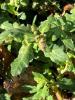
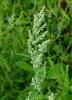
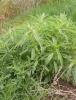
Russian Thistle is a summer annual. Young seedlings may resemble narrow-leaved grass seedlings and are relatively soft. As the plant develops, it forms many spreading branches and becomes a rounded, oval, or irregular bush that may reach several feet in height and width depending on moisture, soil, competition, and growth conditions.
The stems are commonly green with red or purple striping. Leaves are alternate, narrow, and increasingly rigid as the plant matures. Later leaves and floral bracts terminate in sharp points, making mature plants prickly and much less palatable. The flowers are small, greenish or pinkish, and inconspicuous, occurring in the leaf axils with stiff bracts.
Young plants can look harmless and may be palatable. Mature plants can become woody, spiny, and mechanically injurious. Toxicity testing and growth stage both matter because a useful young forage plant and a dry spiny tumbleweed are not the same practical exposure.
How the Tumbleweed Forms
At maturity, the plant dries and weakens near the stem base. Wind can then break the plant from its root, and the rounded branch structure rolls across open land while releasing seeds along its path. This detached rolling plant is what most people picture when they hear the word tumbleweed.
Tumbleweed is not a species-specific name. Kochia, other Salsola species, and several unrelated plants can also detach and roll. Identification should be based on the living plant, leaves, branches, flowers, fruits, collection site, and local weed flora rather than movement alone.
Dry tumbleweeds can accumulate against fences, barns, feed bunks, roads, irrigation structures, and animal enclosures. In addition to toxicologic concerns, large masses can injure eyes and skin, obstruct gates, trap animals, damage fences, contaminate feed, and create a major wildfire hazard.
Where Animals Encounter Russian Thistle
Russian Thistle thrives in disturbed, open, often dry ground. It is common in fallow fields, crop margins, overgrazed range, feedlots, roadsides, railroad corridors, ditch banks, construction sites, vacant land, burn areas, fence lines, abandoned lots, dryland farming systems, and wheat-fallow production systems. The same traits that make it a weed also make it common during forage shortage.
Livestock may encounter it as green pasture growth, baled weedy hay, crop contamination, chopped forage, windrowed feed, silage, windblown material, or drought-emergency feed. Companion animals are more likely to contact mature prickly plants, decorative tumbleweeds, fertilizer, herbicides, or contaminated water than to consume a livestock-sized quantity of forage.
Risk often increases during drought and feed shortage because animals are hungry, ordinary forage is limited, and Russian Thistle may be one of the few plants still present. A plant that would normally be ignored can become attractive when placed in a bale, chopped into feed, blown against a fence, or offered as the only available roughage.
Young Russian Thistle Can Have Genuine Forage Value
Young Russian Thistle can contain useful protein and digestible nutrients before the branches become woody and spine-tipped. During historic droughts, Russian Thistle was cut extensively for emergency hay because it remained abundant when ordinary forage failed. Its forage value is real and should not be erased from the page.
Forage value and toxic concentration are separate questions. A plant can contain useful crude protein, digestible fiber, and minerals while also accumulating too much nitrate or soluble oxalate for unrestricted feeding. Palatability and nutritional value do not prove safety.
The correct message is conditional, not dismissive: Russian Thistle can be a usable emergency or arid-region forage when it is correctly identified, harvested at an appropriate stage, analyzed, diluted or rationed correctly, introduced gradually, and interpreted by someone who understands nitrate, oxalate, water, and total-ration risk. It should not be fed free choice to hungry or unadapted animals simply because it is green.
Fowler and Colleagues’ 1992 Russian-Thistle Study
Fowler, Hageman, Moore, Suzukida, Assadian, and Valenzuela studied the effects of salinity on Russian-Thistle forage quality. Salinity increased total nitrogen and altered fiber and mineral composition, while nitrate at full flower and oxalate at the tested growth stages decreased as salinity increased. This is important because it shows that environmental effects can be more complicated than the simple assumption that every form of stress raises every toxic component.
Neither nitrate nor oxalate reached concentrations considered toxic to ruminants in the tested plants. That finding demonstrates that Russian Thistle is not inherently poisonous at one fixed level. It also supports the plant’s possible forage value under known growing conditions and measured chemistry.
The findings do not clear an unrelated field, hay lot, drought-stressed stand, heavily fertilized pasture, manure-exposed area, or mixed bale for feeding. The plants in that experiment had known growing conditions and measured chemistry. A producer’s own forage must be sampled and tested.
A 2025 Controlled Lamb-Feeding Study
A 2025 study evaluated 21 Rambouillet lambs divided among three finishing diets. One group received no Russian Thistle, one received Salsola tragus at 15% of dietary dry matter, and one received it at 30% of dietary dry matter as a forage replacement in the tested diet. The study measured growth, rumen fermentation modeling, carcass traits, cellular damage from oxidative stress, and metabolomic meat interactions.
The tested Russian Thistle contained approximately 13.11% crude protein, 51.20% neutral-detergent fiber, and 32.81% acid-detergent fiber on a dry-matter basis. Inclusion did not significantly reduce dry-matter intake, total weight gain, average daily gain, or overall growth performance under those conditions. The authors considered the 15% inclusion promising.
The 30% diet altered fermentation measurements, including longer lag time and reduced gas production in the laboratory rumen model, while the study did not find adverse blood-cell DNA damage in the experimental animals. These details support the plant’s possible use as analyzed forage in arid regions.
The study does not support feeding unknown Russian-Thistle hay free choice. Its results apply to the specific harvested material, processed form, lambs, diet formulation, inclusion levels, study duration, and management conditions used in the experiment. It does not erase nitrate or oxalate risk in untested forage.
How Environmental Stress Produces Nitrate Accumulation
Plants obtain nitrogen from the soil primarily as nitrate or ammonium. Nitrate must be converted first to nitrite and then to ammonium before it can be incorporated into amino acids and plant protein. This conversion depends on adequate water, energy from sunlight, suitable temperature, and functioning plant enzymes.
If growth slows while root uptake continues, unused nitrate accumulates in stems and leaves. Drought is a classic risk because photosynthesis and growth decline while roots may continue absorbing available nitrate. Rain after drought can temporarily increase risk by stimulating rapid root uptake before enough leaf growth and sunlight return to process the nitrate.
Cloudy weather, shading, cool temperature, frost, hail, disease, and certain herbicide injuries can also restrict normal growth. Excessive manure or nitrogen fertilizer supplies more nitrate than the plant may be able to use. Acidic soils and deficiencies of phosphorus, sulfur, or molybdenum may further interfere with nitrate metabolism.
Historical extension discussions have reported that severely stressed nitrate-accumulating plants can reach concentrations in the tens of thousands of parts per million. Such figures demonstrate the possible magnitude of plant accumulation but should not be treated as measured universal values for Russian Thistle.
The Rumen Nitrate Cycle
Rumen microorganisms normally reduce nitrate to nitrite, nitrite to ammonia, and ammonia into microbial protein. This allows ruminants to use modest quantities of nitrate as a nitrogen source. The first conversion is faster than the second, which creates the toxic bottleneck.
When nitrate enters rapidly, nitrite is created faster than the rumen microbes can convert it to ammonia. Nitrite then accumulates and is absorbed through the rumen wall. Once in the bloodstream, nitrite oxidizes hemoglobin to methemoglobin and interferes with oxygen delivery.
Nitrate absorbed into the circulation may also be secreted back into saliva and gastrointestinal fluids, return to the rumen, and undergo additional conversion to nitrite. The exposure can therefore continue after the first forage meal ends, especially when high-nitrate material remains in the digestive tract.
Why Methemoglobin Is Dangerous
Nitrite oxidizes hemoglobin’s iron from the ferrous state to the ferric state. The resulting methemoglobin cannot bind and transport oxygen normally. The animal may breathe faster and harder because the body senses oxygen deprivation, but the blood cannot deliver enough usable oxygen to tissues.
At approximately 30%–40% methemoglobin, livestock commonly show rapid weak heartbeat, reduced temperature, muscle tremors, weakness, and ataxia. Above approximately 50%, brown or cyanotic mucous membranes, rapid breathing, anxiety, and frequent urination become prominent. Acute lethal poisoning is generally associated with methemoglobin concentrations of 80% or greater.
The body continually reduces some methemoglobin back to hemoglobin. Approximately half may be converted within about two hours after exposure ends. This means a delayed blood sample may underestimate how severe the earlier methemoglobinemia was, especially if animals are found hours after the peak crisis.
The Ozmen, Mor, and Ayhan Cattle Case
“Three cows fed Chenopodium album hay died 30 min after showing ataxia...”
Ozmen, Mor, and Ayhan published this nitrate-poisoning case in Veterinary and Human Toxicology in 2003. The affected cattle developed bluish-brown mucous membranes, rapid and difficult breathing, increased heart rates, tremors, ataxia, and coma before death. Necropsy revealed brown, poorly coagulated blood, slight pulmonary edema, and congestion of internal organs.
The hay contained 2,500 ppm nitrate-nitrogen and 11 ppm nitrite-nitrogen. Because nitrate-nitrogen is converted to nitrate by multiplying by approximately 4.4, the reported nitrate-nitrogen concentration was equivalent to approximately 11,000 ppm nitrate. This is a useful teaching example because it shows how quickly nitrate-poisoned cattle can die and how easily units can mislead.
The case involved lambsquarters, Chenopodium album, not Russian Thistle. It remains relevant because it documents the speed and severity of nitrate poisoning from weed-contaminated hay, but it should not be misrepresented as a Russian-Thistle case.
A 2024 Texas Hay-Poisoning Case
In a Texas A&M Veterinary Medical Diagnostic Laboratory case published in 2024, 17 cows died within 24 hours after consuming newly introduced hay. All were found within approximately 100 yards of the hay source. Nitrate and nitrite were detected in ocular fluid, and the hay contained 3.18% nitrate.
The laboratory noted that hay should generally contain less than 1% nitrate and that poisoning can occur in ruminants once forage exceeds that concentration. This modern case reinforces a point contained in older nitrate-toxicology literature: the first sign of a high-nitrate feed problem may be multiple dead cattle rather than a long period of obvious warning signs.
The case also reinforces the importance of testing the actual hay and postmortem samples. Ocular fluid, blood, forage, feed, and water can all contribute to the diagnostic picture. A producer should not rely on smell, color, bale appearance, or the fact that hay came from a familiar supplier.
Forage Concentrations and Reporting Units
Nitrate-test numbers are dangerous when their units are not stated. A report may list nitrate, nitrate-nitrogen, or potassium-nitrate equivalent. It may use percent or parts per million and may be reported on an as-fed or dry-matter basis. Those categories are not interchangeable.
One thousand ppm nitrate-nitrogen equals approximately 4,400 ppm nitrate. Therefore, a report of 4,400 ppm nitrate and a report of 4,400 ppm nitrate-nitrogen describe very different concentrations. The same forage can also look safer or more dangerous depending on whether the number is reported as-fed or on a dry-matter basis.
Some conservative guides treat up to approximately 4,400 ppm nitrate on a dry-matter basis as generally suitable as the sole forage for healthy cattle under ordinary conditions. Concentrations from approximately 4,400–8,800 ppm are commonly restricted to about half the ration, depending on animal class and other nitrate sources. Concentrations from approximately 9,300–14,999 ppm require substantial restriction and are generally inappropriate for pregnant animals unless professionally diluted. Forage at or above approximately 15,000 ppm is potentially dangerous and should not be fed free choice.
These categories are not absolute biologic boundaries. Merck notes that forage above 10,000 ppm nitrate on a dry-weight basis can cause acute toxicosis in unadapted animals, while even lower concentrations have reportedly killed hungry cows that consumed a large amount very quickly. Total dose, water nitrate, speed of ingestion, pregnancy, health, and ration composition can override a simple chart.
Why One Large Dose Is Worse Than the Same Amount Spread Out
Rumen capacity to detoxify nitrate depends on time. Smaller divided exposures allow more nitrite to be converted to ammonia before the next dose arrives. A large meal can overwhelm the pathway before adaptation or detoxification can occur.
This explains why a hungry group turned into a dense stand or offered a new high-nitrate bale may be at greater risk than animals consuming a professionally diluted ration throughout the day. It also explains why feeding management matters even when a forage test falls into an intermediate risk category.
This does not mean high-nitrate feed becomes safe merely by dividing it. Water nitrate, total ration, nonprotein nitrogen, ionophores, animal class, pregnancy, adaptation, mineral balance, and the possibility of uneven mixing must still be considered by a veterinarian or qualified livestock nutritionist.
Delayed Abortion and Pulmonary Injury
Cattle that survive the immediate methemoglobin crisis can abort or deliver stillborn calves 5–14 days later. These reproductive losses are most strongly associated with severe and sustained maternal hypoxia rather than a mild, symptom-free nitrate exposure. Pregnant survivors should remain under observation after the immediate respiratory signs resolve.
Some survivors of marked dyspnea develop interstitial pulmonary emphysema and continue to breathe abnormally after the acute blood changes improve. Many recover over 10–14 days, but the delayed respiratory disease requires veterinary monitoring. Continuing respiratory distress after mucous membranes normalize is not proof that the animal is simply tired.
Soluble Oxalates and Acute Hypocalcemia
Russian Thistle may contain soluble sodium and potassium oxalates. Rumen organisms can adapt to degrading moderate quantities, but sudden consumption by naïve animals can overwhelm this protection. Absorbed oxalate binds circulating calcium, lowering ionized calcium.
The decrease in ionized calcium interferes with muscle contraction, nerve signaling, cardiac activity, and normal gastrointestinal motility. Clinical effects can begin within several hours and may include depression, salivation, rumen stasis, bloat, weakness, tremors, stiffness, tetany, recumbency, seizures, coma, and death.
Oxalate poisoning can be mistaken for hypocalcemia from other causes, grass tetany, bloat, neurologic disease, or nitrate poisoning. Laboratory evaluation of calcium, kidney values, electrolytes, urine, and the forage helps separate these possibilities.
Calcium-Oxalate Kidney Damage
Calcium and oxalate combine to form insoluble crystals. These crystals can precipitate in renal tubules, damage tubular cells, obstruct urine flow, and produce acute nephrosis. The animal may survive the immediate hypocalcemic phase and still develop delayed renal disease.
Depression, appetite loss, dehydration, diarrhea, increased thirst, azotemia, reduced urine output, or absent urine can indicate kidney involvement. The delayed renal phase is one reason a seemingly improved animal may still require laboratory monitoring.
Fluid therapy supports circulation and renal perfusion, but it must be adjusted to hydration, cardiovascular status, electrolytes, and urine output. An animal producing little or no urine can develop fluid overload if treated without monitoring.
Nitrate Poisoning Versus Cyanide Poisoning
Nitrate and cyanide can both cause rapid breathing, anxiety, weakness, seizures, collapse, and sudden death because both disrupt tissue oxygenation. Their mechanisms and antidotes are not the same. Nitrate poisoning produces methemoglobin and often chocolate-brown blood. Cyanide inhibits cytochrome oxidase so that cells cannot use the oxygen delivered to them; venous blood may remain unusually bright red because tissues cannot extract its oxygen.
Blood color is not a perfect field test. Decomposition, oxygen exposure, mixed poisoning, and other oxidizing chemicals can alter appearance. A veterinarian should collect appropriate blood, ocular fluid, forage, water, tissue, and plant samples rather than relying on color alone.
Russian Thistle is primarily a nitrate and soluble-oxalate concern. When cyanide is suspected, the pasture or hay should be examined for sorghum, sudangrass, Johnsongrass, chokecherry, arrowgrass, flax, or another cyanogenic plant. Mixed forage is common enough that one plant identification should not end the investigation.
Cattle
Cattle are among the animals at greatest nitrate risk because they consume large forage meals and have an active nitrate-reducing rumen. Hungry cattle introduced abruptly to weedy hay, drought-stressed pasture, fertilizer-contaminated areas, or high-nitrate water are particularly vulnerable. A new bale or new water source can become the common exposure for the whole group.
High-nitrate drinking water adds to the nitrate supplied by feed. A forage that appears manageable by itself may create an excessive total dose when combined with contaminated water, manure runoff, fertilizer runoff, or another high-nitrate ration component. Water should be tested along with forage when nitrate risk is being assessed.
Cattle are also susceptible to acute oxalate hypocalcemia and delayed renal injury. Animals gradually accustomed to modest oxalate exposure may develop some microbial adaptation, but abrupt heavy consumption remains dangerous. Pregnant cattle need special follow-up after severe nitrate episodes because fetal loss may be delayed.
Sheep and Goats
Sheep and goats are vulnerable to both nitrate and soluble oxalate. Their browsing behavior may lead them to consume Russian Thistle before cattle show interest in the same stand. Goats, in particular, may investigate freshly cut weeds, windblown tumbleweeds, brush piles, fence-line accumulations, and drought-stressed plants.
Sheep are frequently represented in reports of oxalate-accumulating plant poisoning. Differences in grazing selection, quantity eaten, prior adaptation, and plant distribution may explain why one group becomes ill while nearby animals remain unaffected. A safe outcome in one pen does not prove the forage is safe for another group.
Russian-Thistle hay should not be offered as the only feed to hungry or unadapted small ruminants. Intentional use requires representative analysis, ration balancing, gradual introduction, safe water, and professional interpretation.
Horses, Ponies, and Donkeys
Horses are generally more tolerant of high-nitrate forage than ruminants because nitrate-to-nitrite conversion occurs less extensively in the hindgut than in the rumen. Poisoning remains possible with sufficiently high forage, fertilizer, or water exposure. Horses cannot vomit.
Horses may develop rapid breathing, weakness, poor exercise tolerance, tremors, ataxia, diarrhea, colic, dark mucous membranes, reproductive loss, collapse, or death. A weak, poorly coordinated, colicky, or respiratory-distressed horse should not be drenched. Forced oral treatment can cause aspiration.
Mature Russian Thistle can also cause mechanical injury to the lips, tongue, eyes, skin, and lower limbs independent of its nitrate or oxalate concentration. Eye irritation, corneal scratches, oral punctures, and skin wounds may follow contact with dry spine-tipped plants.
Dogs and Cats
A small exploratory bite is more likely to cause oral irritation, vomiting, diarrhea, or abdominal discomfort than a classic livestock nitrate crisis. Dogs are more likely than cats to carry, shred, or chew dried tumbleweed branches. Cats are more likely to investigate dry decorative material, contaminated water, or plant debris brought indoors.
Companion animals may also be exposed to fertilizer, nitrate-contaminated standing water, herbicides, pesticides, rodenticides, or another toxic weed growing with the Russian Thistle. Severe signs should not be attributed automatically to the plant alone.
Rapid breathing, gray, blue, or brown gums, tremors, weakness, collapse, persistent gastrointestinal signs, severe oral injury, eye injury, or abnormal urination requires emergency examination. Owner-induced vomiting is not appropriate and does not treat methemoglobinemia or oxalate-associated kidney injury.
Rabbits, Guinea Pigs, and Other Small Herbivores
Reliable species-specific toxic-dose data are limited. Small herbivores should not be deliberately fed untested Russian Thistle because a concentration or identification error represents a greater dose relative to body weight. Rabbits and guinea pigs cannot vomit and can deteriorate from reduced intake even when the original plant exposure seems mild.
Reduced appetite, decreased fecal production, diarrhea, abdominal discomfort, weakness, trembling, abnormal breathing, salivation, bloat, or reduced urination requires prompt veterinary attention. Mature spiny material can also injure the mouth and eyes.
Russian Thistle should not be used casually as rabbit hay, guinea-pig forage, tortoise browse, bedding, cage enrichment, or dried decoration in animal enclosures unless the plant has been correctly identified, tested, and professionally approved for that species and context.
Haymaking Does Not Remove Nitrate
Drying forage into hay does not reliably reduce nitrate. The concentration present when the plant is cut generally remains in the finished hay, and damp storage can permit some nitrate to convert to the more toxic nitrite. Hay can therefore remain dangerous long after the field is cut.
Large round bales may also become uneven. Rain or snow can leach nitrate downward and concentrate it in lower portions, so one core sample from one location may not represent the entire bale. Multiple cores from multiple bales or feeding locations are more reliable.
Hay should be tested before feeding when Russian Thistle, drought-stressed weeds, heavy nitrogen fertility, manure exposure, or suspicious deaths are involved. The laboratory report must be interpreted with its exact units and reporting basis.
Ensiling Can Reduce—but Not Eliminate—Nitrate
Proper fermentation can reduce forage nitrate, but the amount lost is variable. The reduction may be substantial under favorable conditions, yet it cannot be assumed. A suspect silage must be tested after fermentation before feeding.
High-nitrate plants can generate dangerous nitrogen-dioxide silo gas during fermentation. The gas is heavier than air, may accumulate in enclosed low areas, and can kill people or animals. Orange-brown gas or bleach-like odor around fresh silage is a serious safety warning, but absence of obvious gas does not prove the feed is safe.
Silage management belongs under veterinary, nutrition, and agricultural guidance. It is not a home detoxification method for a known poisonous lot.
Collecting Representative Samples
A reliable result requires samples from multiple plants, bales, windrows, loads, feeding locations, or areas of the field. Plants near manure, fertilizer bands, drainage areas, shaded edges, low spots, water runoff, or severely drought-stressed soil may differ sharply from the field average. A single handful from the edge of a field can miss the problem.
Fresh samples may continue metabolizing nitrate after collection. A laboratory may recommend immediate delivery, drying, or freezing in an airtight container. The reporting basis and units must be recorded before interpreting the number.
Water should be tested along with feed because total nitrate intake is what matters. Shallow wells, feedlot runoff, fertilizer contamination, stagnant ponds, low areas collecting surface water, and troughs receiving runoff are common concerns.
Diagnosis
Diagnosis begins with the sudden compatible syndrome and a history of access to Russian Thistle, weedy hay, fertilizer, manure runoff, or high-nitrate water. The veterinarian evaluates breathing, heart rate, pulse strength, temperature, mucous-membrane color, neurologic status, rumen activity, bloat, hydration, pregnancy status, and urine production.
Whole blood may be analyzed for methemoglobin. Plasma is preferred for antemortem nitrate testing, while ocular fluid is useful after death. Forage, hay, water, fertilizer, rumen contents, stomach contents, and representative plant material should be submitted for laboratory analysis.
Methemoglobin declines after exposure ends, with approximately half potentially reverting toward hemoglobin within a few hours. A low delayed value therefore does not exclude an earlier severe episode. This is why samples, timing, clinical history, and necropsy findings should be interpreted together.
Ionized calcium, total calcium, magnesium, kidney values, electrolytes, acid-base status, urinalysis, and urine output help determine whether soluble oxalate contributed to the illness. Calcium-oxalate crystals may be found in urine or kidney tissue but are not present in every sample.
Veterinary Methylene-Blue Treatment Data
Intravenous methylene blue is the principal antidotal treatment for clinically important nitrate-induced methemoglobinemia. It accelerates reduction of ferric methemoglobin back toward functional ferrous hemoglobin and can produce rapid visible improvement when treatment begins before irreversible hypoxic injury has occurred.
Current veterinary guidance describes slow intravenous administration of a 1%–2% methylene-blue solution at approximately 4–15 mg/kg, depending on species and severity. Lower doses may be repeated after approximately 20–30 minutes when the initial response is inadequate, and further treatment may be required if nitrate continues to be absorbed.
These figures are retained as veterinary scientific data, not as instructions for an owner. Only ruminants tolerate the upper end of some reported dose ranges reliably. Excess methylene blue can itself cause oxidative injury or methemoglobinemia, and food-producing animals raise regulatory and tissue-residue concerns.
Low-stress handling is part of treatment. Chasing, crowding, prolonged restraint, forced walking, and unnecessary transport increase oxygen demand at the exact time the blood cannot deliver oxygen normally.
Veterinary Treatment of Oxalate Poisoning
Methylene blue does not correct oxalate-induced hypocalcemia or calcium-oxalate kidney damage. Veterinarians may administer calcium when ionized calcium is dangerously low, with cardiac monitoring because intravenous calcium can produce arrhythmias if delivered incorrectly.
Fluid therapy supports circulation and renal perfusion but must be adjusted to hydration, heart function, electrolytes, and urine output. An animal producing little or no urine can develop fluid overload if fluids are administered without monitoring.
Tremors, seizures, bloat, pain, electrolyte abnormalities, acid-base disturbances, and renal complications require separate treatment. Surviving animals may need repeated kidney testing for several days because renal injury can become more obvious after early muscular signs improve.
Historical Use of Mineral Oil
Older toxicology references suggested oral mineral oil as a cathartic intended to shorten the time nitrate-containing material remained in the gastrointestinal tract. That historical recommendation should not be converted into routine owner treatment.
A weak, trembling, recumbent, rapidly breathing, bloated, or regurgitating animal can aspirate mineral oil or another oral drench into the lungs. Modern treatment decisions should be made by the attending veterinarian according to species, swallowing ability, rumen contents, aspiration risk, bloat, methemoglobinemia severity, and the suspected toxin.
Prognosis
The prognosis for nitrate poisoning can be good when treatment begins promptly and severe oxygen-deprivation injury has not occurred. Animals may improve rapidly after appropriately administered methylene blue. Continued monitoring remains necessary because nitrate-containing material can remain in the digestive tract and signs can recur.
The outlook becomes guarded after prolonged recumbency, repeated seizures, coma, aspiration, severe pulmonary injury, fetal compromise, or evidence of damage to the brain, heart, lungs, uterus, and other oxygen-sensitive tissues. Pregnant survivors may still abort days after apparent recovery.
Oxalate cases have a better prognosis when hypocalcemia is corrected before extensive renal crystal deposition occurs. Severe azotemia, oliguria, anuria, persistent recumbency, or repeated seizures substantially worsens the outlook.
Prevention
Test Russian Thistle before grazing, haying, chopping, ensiling, or feeding it whenever drought, heavy nitrogen fertilization, frost, cloudy weather, unusual regrowth, manure exposure, herbicide injury, or other stress has occurred. Include drinking water in the evaluation because total nitrate intake is what determines risk.
Never turn hungry livestock directly onto a dense stand or offer suspect hay as the sole ration. Adequate safe forage, gradual introduction, balanced energy, proper mineral status, ration dilution, and professional review reduce—but do not eliminate—the risk.
Remove mature tumbleweeds from fences, feed areas, barns, roads, and animal enclosures. Preventing seed production also reduces future forage contamination, physical injury, fire risk, and the need to manage unknown plants during later droughts.
Immediate Steps After Suspected Exposure
Remove the source immediately. Take animals away from Russian Thistle, suspect hay, spilled fertilizer, contaminated water, windrowed weeds, brush piles, or mixed pasture material. Prevent unaffected animals from entering the same area. Treat a sudden group problem as a feed-and-water emergency until proven otherwise.
- Keep every animal calm: Do not chase, exercise, crowd, rope, drag, or force a weak animal to walk. Exertion increases oxygen demand during nitrate-induced methemoglobinemia.
- Contact a veterinarian urgently: Rapid breathing, gray-brown mucous membranes, weakness, trembling, staggering, recumbency, seizures, bloat, reduced urination, or sudden deaths justify emergency treatment.
- Preserve representative samples: Save whole plants, hay from multiple bales or feeding locations, complete feed, water, fertilizer labels, and information about rain, drought, frost, manure, fertilizer, herbicide treatment, and recent ration changes.
- Move apparently normal animals carefully: Individuals may have eaten different quantities and can become ill at different times. Remove the group without running or exciting them.
- Identify pregnant animals: Tell the veterinarian which animals are pregnant because delayed abortion or stillbirth can follow severe maternal hypoxia.
- Separate suspect feed and water: Do not continue offering the bale, pasture, trough, supplement, or ration while waiting for results.
Do Not Attempt Unsupervised Home Treatment
Owner treatment can worsen aspiration, hypoxia, arrhythmia, fluid overload, or diagnostic delay. Nitrate and oxalate poisoning are not problems that can be corrected by drenching, exercising, or guessing at internet doses.
- Do not administer methylene blue yourself: It requires intravenous administration, species-specific veterinary judgment, diagnostic support, dose control, and consideration of overdose and food-animal residue risks.
- Do not give mineral oil or another oral drench automatically: Weak, rapidly breathing, trembling, recumbent, bloated, or regurgitating animals can inhale liquid and develop fatal aspiration pneumonia.
- Do not administer calcium without veterinary direction: Intravenous calcium can cause dangerous cardiac arrhythmias if the concentration, rate, diagnosis, or dose is wrong.
- Do not induce vomiting in dogs or cats: Hydrogen peroxide can cause gastric and esophageal injury and does not reverse methemoglobinemia, hypocalcemia, or oxalate-induced kidney injury.
- Do not force food or water: Animals with bloat, respiratory distress, weakness, poor coordination, abnormal swallowing, or collapse may aspirate.
- Do not diagnose the poison from blood color alone: Nitrate, cyanide, chlorates, medications, toxic gases, and other oxidizing agents require different treatment.
- Do not return animals to the source: The suspected field, bale, trough, or feed lot should remain off limits until testing and professional review are complete.
Emergency Findings Requiring Immediate Examination
- Rapid or labored breathing: Gasping, open-mouth breathing, neck extension, flared nostrils, or marked respiratory effort may indicate severe tissue hypoxia.
- Brown, gray, or blue mucous membranes: Discolored gums, conjunctiva, vulvar tissue, or tongue indicates impaired oxygen transport or circulation.
- Weakness or neurologic signs: Trembling, staggering, anxiety, head extension, reluctance to move, recumbency, seizures, or coma requires immediate treatment.
- Bloat or rumen shutdown: Abdominal distention, absent rumination, salivation, reduced gut sounds, or severe discomfort may accompany oxalate poisoning, hypoxia, or prolonged recumbency.
- Reduced or absent urination: Increased thirst followed by little or no urine may indicate calcium-oxalate kidney damage.
- Sudden group illness: Several animals becoming ill or dying together strongly indicates a shared feed, water, fertilizer, or pasture exposure.
- Pregnancy exposure: Surviving animals may remain at risk of abortion or stillbirth for days after the immediate crisis.
- Companion-animal collapse: Dogs or cats with rapid breathing, abnormal gum color, tremors, collapse, severe vomiting, or abnormal urination need emergency care even though classic forage nitrate poisoning is less common in them.
Sample Collection and Exposure Information
Useful samples include whole Russian-Thistle plants from several areas, hay cores from multiple bales, loose hay from feed bunks, water from every suspect source, complete feed, supplements, fertilizer labels, and photographs of the field or feeding area. Do not collect only the greenest or driest plant. The goal is to represent what the animals actually ate.
- Record timing: Note when animals were introduced to the field, bale, water source, or ration and when signs or deaths were first noticed.
- Record weather: Include drought, recent rain, frost, cloudy weather, hail, heat, or sudden regrowth.
- Record fertility: Include manure, nitrogen fertilizer, runoff, feedlot drainage, and recent field treatment.
- Record units: Ask the laboratory whether results are nitrate, nitrate-nitrogen, potassium-nitrate equivalent, dry matter, or as-fed.
- Do not delay treatment: Sample collection should not postpone emergency veterinary care for affected animals.
Veterinary Treatment for Nitrate Poisoning
A veterinarian may begin treatment based on the clinical syndrome while blood, ocular-fluid, forage, water, and feed samples are collected. Waiting for final laboratory results can be fatal when severe methemoglobinemia is suspected. Methemoglobin testing, plasma nitrate, ocular-fluid nitrate, and forage analysis help confirm the diagnosis, but emergency decisions often start with the animal in front of the clinician.
Slow intravenous methylene blue is the principal treatment. It helps convert methemoglobin back toward oxygen-carrying hemoglobin. The concentration, dose, repetition interval, food-animal regulatory issues, and need for retreatment are determined by the veterinarian. Overdosing can cause additional oxidative injury.
Oxygen, low-stress handling, cardiovascular support, correction of acid-base abnormalities, temperature support, and carefully selected fluid therapy may also be required. Continued absorption from the gastrointestinal tract may necessitate additional veterinarian-directed treatment. Handling should be calm because stress increases oxygen demand during the period when oxygen delivery is impaired.
Veterinary Treatment for Oxalate Poisoning
Ionized calcium, total calcium, magnesium, kidney values, electrolytes, acid-base status, urinalysis, and urine output help determine whether soluble oxalate contributed to the syndrome. Treatment may include carefully administered calcium, fluids, seizure control, bloat management, pain control, renal support, and repeated laboratory monitoring.
Electrocardiographic monitoring may be necessary because hypocalcemia, hyperkalemia, acid-base disturbances, and intravenous calcium can all alter cardiac conduction. Fluid therapy must be adjusted when urine production is reduced. An animal with oliguria or anuria can develop fluid overload if treated aggressively without measurement.
Methylene blue does not treat hypocalcemia or calcium-oxalate kidney injury. Calcium does not correct methemoglobinemia. When both nitrate and oxalate are possible, the veterinarian must address both mechanisms rather than assuming one treatment covers the entire poisoning.
Species-Specific Handling
Cattle should be moved calmly to safe feed and water without running the group. Down animals should not be dragged or forced to stand. Pregnant cows should be identified and monitored for delayed fetal loss after severe exposure. The rest of the herd should be watched because animals may deteriorate at different times.
Sheep and goats should not be drenched by an inexperienced person when weak, bloated, trembling, or poorly coordinated. Small ruminants may be at substantial oxalate risk as well as nitrate risk, so calcium and kidney monitoring may matter. Goats may continue investigating brush piles if the source is not physically removed.
Horses should not be forced to walk, worked, or drenched while weak, colicky, or ataxic. Horses cannot vomit and may aspirate forced liquids. Dogs and cats should not be made to vomit at home; emergency care is based on signs, product exposure, fertilizer or water access, and whether another toxin is involved.
Recovery and Prognosis
Animals treated early for nitrate poisoning may improve rapidly after appropriate methylene-blue therapy. Continued monitoring remains necessary because signs can recur while nitrate-containing material remains in the digestive tract. A temporary improvement does not mean the feed source is safe.
- Monitor breathing and color: Respiratory effort, mucous membranes, pulse quality, mentation, and temperature should continue improving.
- Monitor recurrence: Signs may return if nitrate continues to be absorbed.
- Monitor pregnancy: Abortion or stillbirth can occur days after severe maternal hypoxia.
- Monitor lungs: Respiratory signs can persist or worsen from pulmonary injury or aspiration.
- Monitor kidneys: Oxalate-associated kidney injury may worsen after the initial hypocalcemic signs improve.
- Monitor the group: Apparently normal animals exposed to the same source can become ill later.
Prolonged hypoxia can cause irreversible brain, heart, pulmonary, fetal, and other organ injury even after methemoglobin is corrected. Oxalate poisoning carries a more guarded prognosis once substantial renal injury has developed. Oliguria, anuria, severe azotemia, persistent seizures, aspiration, or inability to stand substantially worsens the outlook.
No animal should return to the suspected feed, water, or pasture until representative samples have been tested and the complete exposure has been reviewed by a veterinarian, diagnostic laboratory, extension specialist, or qualified livestock nutritionist.
Frequently Asked Questions About Russian Thistle and Animal Poisoning
What is the currently accepted scientific name for Russian Thistle?
The accepted name is Salsola tragus L. Older agricultural and veterinary literature may call the same plant Salsola iberica, Salsola pestifer, Salsola ruthenica, Kali tragus, or Salsola kali subsp. tragus. The shorter name Salsola kali was also applied broadly in North America, but modern taxonomy treats S. kali and S. tragus as separate accepted species, so the older name should be explained rather than copied as a simple synonym.
Is Russian Thistle a Chenopodium or a true thistle?
No. Russian Thistle belongs to the genus Salsola and the family Amaranthaceae. It is not a goosefoot in the genus Chenopodium, and it is not a true composite thistle in Asteraceae. Its common name refers to the rigid, prickly mature foliage rather than a close botanical relationship with bull thistle, musk thistle, Canada thistle, or globe thistle.
Are every Russian-Thistle plant and tumbleweed equally poisonous?
No. Toxicity depends heavily on the nitrate and oxalate concentrations in the specific plants consumed. Soil nitrogen, drought, rainfall after drought, cool cloudy weather, frost, plant injury, growth stage, salinity, and field location can all change those concentrations. “Tumbleweed” also describes several species, so identifying the plant and testing the actual forage are more useful than relying on the common name.
What are the confirmed toxins in Russian Thistle?
The principal documented hazards are accumulated nitrate and soluble oxalates. Nitrate is converted to nitrite in the rumen and then produces methemoglobin that cannot carry oxygen normally. Soluble oxalates bind calcium and can form damaging calcium-oxalate crystals in the kidneys. Cyanogenic glycosides are not sufficiently established as a primary Salsola tragus hazard and should not be listed alongside nitrate and oxalate without species-specific evidence.
Why does drought-stressed Russian Thistle sometimes become dangerous?
Plant growth and photosynthesis slow during drought, but roots may continue taking nitrate from the soil. The unused nitrate accumulates because it cannot be incorporated into protein at the normal rate. A rain after drought can briefly increase uptake before full growth resumes, and cool cloudy weather can continue limiting nitrate use. Heavy nitrogen fertilizer or manure makes the potential accumulation greater.
Which animals are most likely to develop nitrate poisoning?
Cattle, sheep, goats, camelids, and other ruminants are at greatest risk because rumen microorganisms convert nitrate rapidly to the more toxic nitrite. Horses are less susceptible but can still be affected by highly contaminated forage or water. Dogs and cats rarely consume the same quantity of forage, although a large ingestion, fertilizer exposure, or drinking heavily contaminated water can still cause serious illness.
How can nitrate poisoning be distinguished from oxalate poisoning?
Nitrate poisoning is dominated by oxygen-deprivation signs such as rapid breathing, weakness, gray-brown mucous membranes, chocolate-colored blood, trembling, collapse, and sudden death. Oxalate poisoning more often produces hypocalcemia, muscle twitching, tetany, rumen stasis, bloat, seizures, and delayed kidney failure. The syndromes can overlap, and the same forage may contain both hazards, so laboratory and veterinary evaluation are necessary.
Is chocolate-brown blood proof of Russian-Thistle poisoning?
Chocolate-brown blood strongly supports methemoglobinemia but does not identify Russian Thistle as the source by itself. Other plants, chemicals, medications, and toxic gases can also oxidize hemoglobin. Diagnosis combines blood findings with the clinical pattern, forage and water history, plant identification, methemoglobin measurement, and laboratory analysis of the suspected source. Owners should not cut an animal to inspect its blood.
Can Russian Thistle be safely used as livestock forage?
Properly identified, analyzed, and rationed young Russian Thistle can have forage value. Controlled lamb research has used Salsola tragus successfully as part of a balanced diet under tested conditions. That does not establish safety for an untested field stand or bale. The forage should be analyzed for nitrate and, when relevant, oxalate; the water and rest of the ration should also be considered; and introduction should occur under professional guidance rather than to hungry animals as their only feed.
Does drying Russian Thistle into hay remove the toxins?
No. Drying does not reliably remove accumulated nitrate, and soluble oxalates may also remain. Damp storage can permit some nitrate to convert to nitrite. Ensiling can reduce nitrate under favorable fermentation conditions, but the reduction is variable and cannot be assumed. Hay or silage should be sampled after processing and interpreted using the reporting units supplied by the laboratory.
Can animals gradually adapt to Russian Thistle?
Rumen microorganisms can adapt to modest amounts of oxalate and, to a degree, nitrate when exposure increases gradually. Adaptation is incomplete, can be lost after the feed is withdrawn, and does not protect against a sudden high concentration. It also cannot compensate reliably for high-nitrate water, severe drought accumulation, heavy nitrogen fertilization, or forced consumption by hungry livestock.
Can dogs and cats be poisoned by Russian Thistle?
A small nibble is more likely to cause mouth irritation, vomiting, or diarrhea than the classic livestock syndrome. Mature spine-tipped foliage can also injure the mouth, eyes, or paws. Rapid breathing, brown or blue gums, weakness, tremors, collapse, persistent vomiting, severe oral injury, eye injury, or abnormal urination requires emergency care and investigation for a substantial plant exposure, fertilizer, nitrate-contaminated water, or another toxin.
How can Russian Thistle be distinguished from halogeton?
Russian Thistle develops narrow leaves that taper to rigid sharp points and later forms a large branched tumbleweed. Halogeton generally has more succulent, club-shaped leaves with a delicate terminal spine and may develop reddish stems. Halogeton is a particularly dangerous soluble-oxalate plant, so uncertain identification in western range should be treated seriously and confirmed by a knowledgeable botanist, extension specialist, or diagnostic laboratory.
Why should nitrate and cyanide poisoning not be treated as the same condition?
Both can cause rapid tissue hypoxia, weakness, convulsions, and sudden death, but nitrate converts hemoglobin into methemoglobin, whereas cyanide prevents cells from using delivered oxygen. Nitrate is treated principally with veterinarian-administered methylene blue; cyanide requires different antidotal therapy. Russian Thistle is primarily a nitrate and oxalate concern, while cyanogenic plants mixed into the same forage must be investigated separately.
What should be done when several animals may have eaten suspect Russian Thistle?
Remove the entire group from the forage or water source without running or stressing them, call a veterinarian, and preserve representative feed, plant, fertilizer, and water samples. Watch every animal because individuals may have consumed different amounts and can deteriorate at different times. Do not drench the group or administer methylene blue from a calculated internet dose; diagnosis, intravenous treatment, food-animal restrictions, and aspiration risk require veterinary control.
What is the prognosis after Russian-Thistle poisoning?
The prognosis can be good when nitrate methemoglobinemia is recognized early and treated promptly with appropriate intravenous methylene blue and supportive care. It becomes guarded after prolonged collapse, seizures, aspiration, severe pulmonary injury, or other oxygen-deprivation damage. Oxalate cases have a worse outlook when substantial renal crystal deposition has caused oliguria, anuria, or severe azotemia. Pregnant survivors may still abort after the acute episode.
Which laboratory units cause the most nitrate-test mistakes?
The biggest mistakes occur when nitrate, nitrate-nitrogen, potassium-nitrate equivalent, percent, ppm, dry matter, and as-fed values are mixed together. One thousand ppm nitrate-nitrogen equals about 4,400 ppm nitrate, so a report can be misread by more than fourfold. The laboratory’s exact units and reporting basis must be known before deciding whether forage can be fed, diluted, restricted, or discarded.
Why should water be tested along with Russian-Thistle forage?
Total nitrate intake is what matters. A forage that looks marginally manageable by itself can become dangerous when the animal also drinks high-nitrate water. Shallow wells, surface runoff, fertilizer contamination, manure runoff, feedlot drainage, stagnant low areas, and water sources near fertilized fields can add a meaningful nitrate load. Feed and water should be interpreted together.
What samples are most useful after a suspected nitrate or oxalate outbreak?
Useful samples include whole plants from multiple locations, hay cores from several bales, loose feed from bunks, water from every suspect source, fertilizer labels, complete ration samples, rumen or stomach contents when available, blood for methemoglobin, plasma for nitrate, ocular fluid after death, urine, and kidney tissue when oxalate injury is suspected. Timing matters because methemoglobin can decline after exposure ends, and fresh plant samples may continue to change after collection.
When is methylene blue appropriate?
Methylene blue is the principal veterinary treatment for clinically important nitrate-induced methemoglobinemia. It must be given intravenously at a veterinarian-selected dose, concentration, and repetition interval. It does not treat oxalate-induced hypocalcemia or calcium-oxalate kidney damage. Excess methylene blue can cause harm, and food-producing animals require regulatory and residue considerations.
Why is low-stress handling part of treatment?
Nitrate poisoning reduces oxygen delivery because hemoglobin has been converted to methemoglobin. Chasing, crowding, trailering, forcing movement, or rough handling increases oxygen demand when the blood cannot meet that demand. A weak animal may collapse simply from being pushed too hard. Calm removal from the source and veterinary-directed stabilization are safer than forcing exercise.
What does oxalate kidney injury look like after the initial crisis?
An animal may first show hypocalcemia signs such as tremors, stiffness, weakness, bloat, or recumbency and later develop kidney signs. Depression, dehydration, increased thirst, reduced appetite, diarrhea, straining to urinate, reduced urine output, absent urine, azotemia, and electrolyte abnormalities can indicate calcium-oxalate renal damage. A standing animal is not automatically recovered if urine production and kidney values are worsening.
Why can one bale be dangerous when other bales from the same field are not?
Nitrate and oxalate concentrations can vary within a field and within a bale lot. Soil fertility, manure bands, drainage, shade, regrowth, drought severity, plant maturity, weed density, and weather exposure can all vary by location. Rain or snow can also redistribute nitrate in large bales. Multiple samples from multiple bales or feeding locations are more reliable than one handful from one spot.
Does a safe feeding study mean Russian Thistle is safe for all sheep?
No. A controlled study using identified, harvested, analyzed, and rationed Salsola tragus in Rambouillet lamb diets supports possible forage value under those specific conditions. It does not clear untested hay, drought-stressed plants, heavily fertilized stands, high-nitrate water, mixed weeds, or free-choice feeding to hungry animals. The study supports testing and rationing, not casual feeding.
What are the biggest evidence gaps in Russian-Thistle poisoning?
The major gaps are field-level prediction of nitrate and oxalate concentration, species-specific toxic-dose data outside cattle and sheep, reliable thresholds for mixed nitrate-and-oxalate exposure, effects of different Salsola species and hybrids, bale-to-bale variability, safe use in small herbivores and companion animals, and practical outcome data from modern outbreaks. Current management must remain conservative because the plant can be nutritious in one tested context and dangerous in another.