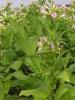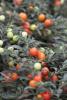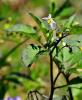
Mandrake Tropane Alkaloids, Antimuscarinic Delirium, Hyperthermia, Ileus, and Cardiac Toxicity
Is Mandrake Poisonous to Dogs, Cats, Horses, and Livestock?
Yes—true Mandrake plants in the genus Mandragora are highly poisonous to dogs, cats, horses, livestock, rabbits, guinea pigs, birds, reptiles, and other animals. Their roots, leaves, flowers, yellow or orange fruit, seeds, sap, and concentrated preparations may contain potent tropane alkaloids that block muscarinic acetylcholine receptors. Poisoning can cause dry mouth, widely dilated pupils, temporary loss of normal visual focusing, rapid or irregular heartbeat, hyperthermia, reduced intestinal movement, urinary retention, agitation, disorientation, delirium, tremors, seizures, stupor, coma, respiratory failure, and death.
The genus is chemically variable rather than uniformly composed. Direct comparative research found that tested *Mandragora officinarum* and *Mandragora turcomanica* accessions accumulated high concentrations of hyoscyamine but lacked detectable scopolamine and anisodamine, while tested *Mandragora autumnalis* accessions contained hyoscyamine, anisodamine, and scopolamine. These differences may change whether a patient appears intensely agitated and delirious, sedated and amnestic, or displays a mixture of central and peripheral antimuscarinic effects, but none of the accepted species should be treated as safe.
Roots frequently contain greater hyoscyamine concentrations than leaves, although plant part, maturity, genetics, geography, season, growing conditions, drying, extraction, and storage all influence the final exposure. A dried ceremonial root, powder, tincture, extract, infused liquid, herbal capsule, or unidentified occult product may deliver a less predictable and potentially more concentrated dose than one exploratory bite of a living plant. Alcohol, essential oils, other herbs, medications, incense materials, and swallowed packaging may add separate toxic hazards.
Published clinical evidence comes primarily from human poisonings involving *Mandragora autumnalis* or plants reported as *M. officinarum*. Exact veterinary case series and animal toxic doses are lacking, but the underlying receptor pharmacology is sufficiently established to make every credible animal ingestion urgent. Antimuscarinic slowing of the stomach and intestines may retain plant material and prolong absorption, so an apparently normal animal can worsen after the original exposure has ended.
About this guide: This page provides general pet-poisoning information and cannot diagnose or treat an individual animal. For any suspected exposure, contact a veterinarian or animal poison-control service immediately. Do not induce vomiting, give medication, or attempt home decontamination unless directed by a veterinary professional.
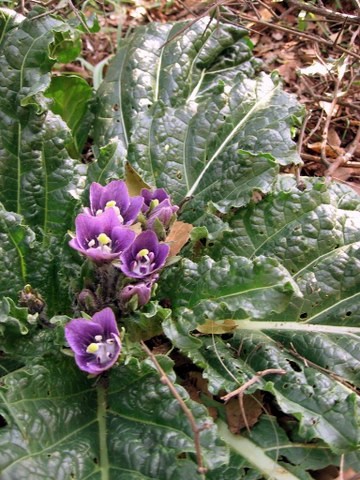
Mandrake
Mandragora spp.
The four currently accepted species are:
- Mandragora autumnalis Bertol.
- Mandragora caulescens C.B.Clarke
- Mandragora officinarum L.
- Mandragora turcomanica Mizgir.
Mandragora officinarum is the type species of the genus. Important historical, illegitimate, orthographic, and literature-search names associated with it include:
- Atropa mandragora L.
- Atropa acaulis Stokes
- Atropa humilis Salisb.
- Mandragora acaulis Gaertn.
- Mandragora mas Garsault
- Mandragora neglecta G.Don
- Mandragora officinalis Mill. ex DC.
- Mandragora officinalis L., an orthographic variant
- Mandragora praecox Sweet
- Mandragora vernalis Bertol.
Important synonyms and former names associated with Mandragora autumnalis include:
- Atropa acaulis var. angustifolia Stokes
- Mandragora autumnalis subsp. microcarpa (Bertol.) Nyman
- Mandragora foemina Garsault
- Mandragora haussknechtii Heldr.
- Mandragora hispanica Vierh.
- Mandragora hybrida Hausskn. & Heldr.
- Mandragora microcarpa Bertol.
- Mandragora officinarum subsp. haussknechtii (Heldr.) Vierh.
- Mandragora officinarum f. hispanica Vierh.
Important former names associated with the Sino-Himalayan species Mandragora caulescens include Anisodus caulescens, Anisodus humilis, Anisodus mariae, Mairella yunnanensis, Mandragora chinghaiensis, Mandragora tibetica, and Scopolia mariae. Several former subspecies of M. caulescens are also now included within the accepted species.
The scientific designation should remain at genus level when the exact species is unknown. Older publications frequently combine, separate, or geographically reverse the names M. officinarum and M. autumnalis, so the botanical identity and collection location must be considered before transferring alkaloid findings from one paper to another.
Solanaceae — Nightshade Family
Mandrake; True Mandrake; European Mandrake; Mediterranean Mandrake; Common Mandrake; Medicinal Mandrake; Mandragora; Mandrake Root; Autumn Mandrake; Spring Mandrake; Turkmenian Mandrake; Himalayan Mandrake; Chinese Mandrake; Love Plant; Love Apple; Apple of Love; Devil’s Apple; Satan’s Apple; Devil’s Food; Devil’s Candle; Witches’ Mandrake; Witch’s Herb; Devil’s Herb; Herb of Circe
Historical scientific names and useful literature-search terms include Atropa mandragora, Atropa acaulis, Atropa humilis, Mandragora acaulis, Mandragora autumnalis subsp. microcarpa, Mandragora foemina, Mandragora haussknechtii, Mandragora hispanica, Mandragora hybrida, Mandragora microcarpa, Mandragora neglecta, Mandragora officinalis, Mandragora praecox, Mandragora vernalis, Mandragora chinghaiensis, and Mandragora tibetica.
“American Mandrake” and “Mayapple” usually refer to Podophyllum peltatum, a poisonous woodland plant in Berberidaceae whose podophyllotoxin-related chemistry is entirely different from the tropane-alkaloid toxicology of true Mandrake. “English Mandrake” may refer to White Bryony, Bryonia alba, an unrelated poisonous climbing plant in Cucurbitaceae. Those common-name plants require their own identification, clinical expectations, and treatment priorities.
Mandrake is also confused with Deadly Nightshade, Atropa belladonna; Jimsonweed and Angel’s Trumpets in Datura and Brugmansia; and Henbane, usually Hyoscyamus niger. These are separate plants, but each can contain antimuscarinic tropane alkaloids and produce an overlapping toxidrome.
Tropane Alkaloids and the Antimuscarinic Toxidrome
True Mandrakes produce biologically powerful alkaloids built around tropane or related nitrogen-containing ring systems. The principal acute veterinary concern is competitive blockade of muscarinic acetylcholine receptors by hyoscyamine and, in some species and populations, scopolamine and anisodamine. Atropine terminology is also common in clinical literature because the syndrome resembles atropine poisoning and because plant-derived hyoscyamine may racemize during extraction or processing.
These compounds are not merely generic hallucinogens. They interfere with acetylcholine signaling in exocrine glands, the eye, heart, gastrointestinal tract, urinary bladder, thermoregulatory pathways, and the central nervous system. The resulting syndrome combines decreased secretions, pupil dilation, impaired visual accommodation, tachycardia, slowed intestinal and rumen movement, urinary retention, hyperthermia, agitation, delirium, abnormal perception, ataxia, seizures, and central depression.
The term anticholinergic is widely understood, but antimuscarinic is more precise. Acetylcholine also activates nicotinic receptors at autonomic ganglia and skeletal neuromuscular junctions. Mandrake’s principal alkaloids act predominantly as muscarinic antagonists and do not cause the classic toxidrome by directly blocking skeletal-muscle nicotinic receptors.
Hyoscyamine, Atropine, and Racemization
Hyoscyamine is the naturally occurring levorotatory form of the molecule and is pharmacologically more active than its mirror-image isomer. Living Solanaceae synthesize primarily the active levo form. Atropine is the racemic mixture containing both levo- and dextro-hyoscyamine and may form when natural hyoscyamine undergoes racemization during isolation, heating, drying, alkaline exposure, storage, or laboratory processing.
Older literature may therefore report atropine in material that originally contained predominantly hyoscyamine. The language “atropine-like poisoning” remains clinically appropriate, but it does not mean every fresh Mandrake tissue naturally contains the same atropine-to-hyoscyamine ratio as a pharmaceutical product.
Hyoscyamine readily enters the central nervous system and can produce marked excitement, disorientation, delirium, apparent hallucinations, abnormal vocalization, and defensive aggression. Peripheral effects include reduced saliva and tears, mydriasis, cycloplegia, tachycardia, decreased gastrointestinal motility, reduced bladder contraction, and impaired heat dissipation.
Scopolamine and Species-Specific Chemical Differences
Scopolamine, also called hyoscine, contains an epoxide bridge absent from hyoscyamine. It crosses the blood-brain barrier and can produce amnesia, disorientation, confusion, sedation, stupor, and respiratory depression, although excitement and delirium may also occur. A patient exposed to a mixed alkaloid profile can alternate between frantic activity and profound central depression.
Modern comparative research demonstrated major chemical differences within the genus. Tested *Mandragora officinarum* and *Mandragora turcomanica* accessions accumulated high levels of hyoscyamine but lacked detectable scopolamine and anisodamine. Tested *Mandragora autumnalis* accessions accumulated all three compounds, with functional hyoscyamine 6β-hydroxylase activity allowing conversion along the biosynthetic pathway toward anisodamine and scopolamine.
This evidence corrects the common assumption that every Mandrake contains the same mixture of atropine, hyoscyamine, and scopolamine. It does not make *M. officinarum* or *M. turcomanica* safer: their higher hyoscyamine concentrations remain capable of causing severe peripheral and central antimuscarinic poisoning. Chemistry for *Mandragora caulescens* is less completely characterized, so it should not be assigned the exact profile measured in another species.
Anisodamine
Anisodamine is 6β-hydroxyhyoscyamine, an intermediate in the plant pathway leading from hyoscyamine toward scopolamine. It possesses antimuscarinic activity but differs in potency, receptor behavior, and central nervous system penetration from scopolamine and hyoscyamine. Direct comparative Mandrake research found anisodamine prominently in tested *M. autumnalis* accessions but not in the tested *M. officinarum* or *M. turcomanica* material.
Its presence reinforces why the exact plant identity matters. An unidentified “Mandrake” powder or root cannot be assumed to reproduce the alkaloid mixture described in one regional study, and the expected toxidrome should be guided by the patient rather than by an oversimplified three-compound list.
Apoatropine, Belladonnines, Tigloyloxytropanes, and Cuscohygrine
Mandragora research has reported apoatropine, norhyoscyamine, belladonnine-related compounds, 3α-tigloyloxytropane, hydroxytropane tiglates, ditigloyloxytropanes, apohyoscine, and other minor alkaloids. Some may be native metabolites, biosynthetic intermediates, degradation products, or compounds that become more apparent during extraction. Their occurrence and concentration vary among species and specimens.
Cuscohygrine is commonly included in Mandrake chemical lists but is structurally a pyrrolidine alkaloid rather than a classic tropane ester such as hyoscyamine. Its individual contribution to naturally occurring animal poisoning has not been defined sufficiently to predict a separate clinical syndrome.
The long chemical inventory is botanically and pharmacognostically important, but it should not obscure the main clinical mechanism. Acute poisoning remains best understood as antimuscarinic toxicity dominated by hyoscyamine and species-variable scopolamine and anisodamine, with other constituents potentially modifying gastrointestinal, neurologic, or cardiovascular effects.
Calystegines and Other Polyhydroxylated Alkaloids
Calystegines are nortropane alkaloids reported from several Solanaceae, including Mandragora material. Unlike hyoscyamine and scopolamine, they are highly polar glycosidase inhibitors and do not readily cross cell membranes in the same manner. Their presence contributes to Mandrake’s chemical diversity but has not been established as the principal cause of the rapid delirious antimuscarinic toxidrome.
No owner-facing diagnosis or treatment decision should be made from the mere presence of one minor alkaloid in a phytochemical survey. The clinical syndrome, amount, exact preparation, concurrent ingredients, and organ-system findings remain more important than reproducing every compound name.
Muscarinic Receptor Blockade
Muscarinic receptors respond to acetylcholine released by parasympathetic nerves and by selected central pathways. M2 receptors are important in slowing the heart and regulating cardiac conduction, while M3 receptors contribute to glandular secretion, pupil constriction, visual accommodation, gastrointestinal smooth-muscle contraction, bladder emptying, and other functions. Central muscarinic receptors influence attention, memory, perception, behavior, arousal, and temperature regulation.
Competitive blockade removes normal parasympathetic influence. Salivary and lacrimal secretion declines, pupils dilate, accommodation is impaired, vagal restraint of the heart falls, the bowel and bladder contract poorly, and heat dissipation becomes less effective. In the brain, disruption can cause confusion, delirium, apparent hallucinations, repetitive picking or snapping behavior, fear, aggression, seizures, or coma.
The syndrome is dose-dependent but not perfectly linear because plant chemistry, absorption, stomach contents, species, age, health, coexposures, and individual receptor sensitivity differ. A patient may show intense central delirium with only moderate peripheral signs, or severe ileus and urinary retention without dramatic agitation.
Dryness and Reduced Secretions
Dry mouth, tacky gums, reduced tears, dry nasal and bronchial secretions, and dry warm skin are central diagnostic clues. In people, reduced sweating contributes strongly to the familiar hot and dry appearance. Dogs and cats do not sweat over most of the body as humans do, so panting, mucous-membrane dryness, body temperature, behavior, and hydration are more useful than checking for generalized skin sweating.
Visible drooling does not rule out Mandrake poisoning. Nausea, vomiting, impaired swallowing, oral plant irritation, seizures, or a mixed product may produce saliva around the mouth even while true glandular secretion is reduced. An animal that begins with vomiting or drooling may later become conspicuously dry as the antimuscarinic syndrome develops.
The Eye: Mydriasis and Cycloplegia
Muscarinic blockade relaxes the iris sphincter and ciliary muscle, producing widely dilated pupils and loss of normal near focusing. The pupils may respond sluggishly or minimally to changing light. Bright environments can become uncomfortable, and the animal may misjudge distance, bump into objects, hesitate at stairs, fail to track movement, or react fearfully to familiar surroundings.
This is generally a temporary pharmacologic vision disturbance rather than structural blindness. Persistent asymmetry, ocular pain, cloudiness, retinal abnormalities, or vision loss after the toxidrome resolves requires investigation for trauma, glaucoma, another toxin, or unrelated eye disease.
Heart Rate and Rhythm
Blocking cardiac muscarinic receptors removes vagal restraint and usually causes tachycardia. The heartbeat may become rapid, pounding, weak, or irregular. Human Mandrake reports include marked and persistent supraventricular tachycardia, and severe hyperthermia, agitation, dehydration, hypoxia, and electrolyte abnormalities can further increase cardiac stress.
A slow heart rate is not the classic early pattern. Bradycardia may occur late with severe hypoxia, central depression, pre-existing conduction disease, another toxin, or excessive treatment with a cholinesterase inhibitor. Any slow, rapid, weak, or irregular pulse must be interpreted with ECG findings and the entire clinical picture.
Gastrointestinal Stasis and Prolonged Absorption
Muscarinic receptors normally support salivation, gastric secretion, stomach emptying, intestinal contraction, and coordinated motility. Blockade can produce diminished bowel sounds, delayed gastric emptying, constipation, abdominal distension, ileus, reduced fecal output, ruminal stasis, colic, and bloat. These effects are especially consequential in horses, rabbits, guinea pigs, and ruminants.
Vomiting and nausea still occur in humans and vomiting-capable animals because the plant matrix, central nausea pathways, early gastrointestinal responses, and other constituents may act before or alongside severe motility reduction. Vomiting therefore does not exclude antimuscarinic poisoning.
Delayed gastric emptying can retain roots, berries, seeds, tablets, or plant fragments for longer than expected and prolong absorption. This creates the possibility of a patient worsening after several apparently stable hours and influences professional decisions about imaging, endoscopy, charcoal, gastric decompression, and observation.
Urinary Retention
Normal bladder emptying requires coordinated detrusor-muscle contraction and relaxation of the outlet. Antimuscarinic blockade impairs detrusor contraction, allowing the bladder to become progressively enlarged and painful. The animal may posture repeatedly, strain without producing urine, pass only drops, vocalize, lick the genital area, or develop a firm distended abdomen.
Urinary retention can worsen agitation and may be mistaken for constipation or urinary obstruction. Veterinary palpation, ultrasound, catheterization, urine-output measurement, and evaluation for a mechanical blockage may be required. Pressing or squeezing a distended bladder at home can cause pain or injury and must not be attempted.
Hyperthermia
Hyperthermia develops through impaired heat dissipation, central thermoregulatory disruption, persistent muscular activity, panic, tremors, seizures, environmental heat, and dehydration. Dogs may pant continuously, while cats may begin open-mouth breathing when dangerously hot or severely distressed. Skin and ears may feel hot, but measured core temperature is required to determine severity.
Extreme temperature can cause rhabdomyolysis, intestinal injury, kidney and liver abnormalities, brain injury, clotting disturbance, shock, and death. These complications are secondary to hyperthermia and critical illness rather than proof that Mandrake is primarily a liver or kidney poison.
Central Excitement, Delirium, and Depression
Central antimuscarinic toxicity can produce restlessness, pacing, repetitive movements, frantic escape attempts, apparent hallucination-like behavior, staring, snapping at empty space, abnormal vocalization, failure to recognize familiar people, disorientation, fear, and aggression. A poisoned animal may injure itself or its handler because perception, vision, judgment, and memory are impaired.
Hyoscyamine-dominant exposure may produce pronounced cortical stimulation. Scopolamine-containing material may add amnesia, sedation, stupor, or respiratory depression, although scopolamine does not invariably cause quiet behavior. Mixed alkaloids can create abrupt transitions between agitation and exhaustion.
Severe poisoning may progress to tremors, seizures, central nervous system depression, loss of protective airway reflexes, coma, and respiratory failure. The toxins do not need to paralyze the skeletal neuromuscular junction directly to create life-threatening respiratory compromise.
Poisonous Plant Parts
Roots, root branches, crowns, leaves, flowers, fruit, seeds, sap, and dormant tissue should all be treated as poisonous. The fleshy yellow or orange berries can appear attractive and may have a noticeable fruity odor, but color, ripeness, sweetness, or historical food claims do not establish pet safety.
Direct studies and clinical reports indicate that roots frequently contain the greatest total alkaloid concentration. Leaves have nevertheless caused substantial family poisonings when mistaken for edible Borage, and a few berries, seeds, or root pieces have been associated with serious human illness. Concentration varies too much to create a dependable hierarchy for household exposure decisions.
Fresh Plants, Dormant Roots, and Dried Material
Mandrake is a perennial that may lose visible foliage and later regenerate from its thick root. A dormant pot or apparently empty garden location may therefore contain accessible toxic tissue. Dogs that dig can expose or consume the root even when no leaves or flowers are present.
Drying does not reliably destroy tropane alkaloids. Dried roots, pressed specimens, decorative objects, powders, herbal capsules, and ritual materials may remain toxic for extended periods. Dry material may also be easier to grind, swallow, measure inaccurately, or mix into food.
Tinctures, Extracts, Oils, and Mixed Products
Tinctures and extracts concentrate uncertain plant material into small volumes. The label may not identify the exact species, plant part, extraction ratio, solvent, alkaloid concentration, or presence of other nightshades. Alcohol-containing tinctures introduce a second intoxicant, while oil-based or topical preparations can contaminate fur and be ingested during grooming.
Products marketed as Mandrake may contain another botanical species, synthetic fragrance, incense materials, resins, essential oils, cannabis, antihistamine-like compounds, or no authentic Mandragora at all. Preserve the original bottle, seller information, lot number, ingredient list, remaining product, and transaction record whenever possible.
Topical, ocular, rectal, or mucosal exposure may permit absorption even when the animal did not chew the plant. Contaminated skin and fur should be washed promptly, and nonsterile plant products must never be placed in the eye as a diagnostic test or remedy.
Toxic-Dose and Veterinary-Evidence Limitations
No validated toxic dose exists for dogs, cats, horses, cattle, sheep, goats, rabbits, guinea pigs, birds, reptiles, or other domestic animals. Human reports confirm that relatively limited plant quantities can produce clinically important poisoning, but those amounts cannot be converted safely into a dog- or cat-specific threshold.
Alkaloid concentrations vary with species, genetic accession, root versus leaf, maturity, flowering stage, geography, soil, climate, drying, storage, and preparation. The 2019 comparative study also demonstrated that plants assigned different Mandragora species may possess fundamentally different alkaloid profiles.
The absence of a veterinary Mandrake case series is not evidence of safety. Animal management must rely on the credible exposure, established receptor pharmacology, known human syndrome, related veterinary antimuscarinic poisoning experience, and the patient’s actual cardiovascular, neurologic, thermoregulatory, gastrointestinal, and urinary findings.
Onset and Clinical Progression
Signs may begin within approximately thirty minutes to several hours after ingestion, although no single onset period applies to every species, root, berry, powder, or extract. Liquid tinctures and finely ground products may be absorbed more rapidly than intact root pieces, while food in the stomach and antimuscarinic slowing of gastric emptying may delay or extend the course.
Early abnormalities may be subtle: tacky gums, increased thirst, pupil dilation, staring, light sensitivity, restlessness, a rapid pulse, reduced bowel sounds, or unusual urinary posturing. Central behavioral changes and hyperthermia may then intensify, or the animal may progress toward sedation and reduced responsiveness. A complete syndrome does not need to be present before treatment begins.
Published Mandrake cases demonstrate substantial individual variation even among people who ate the same prepared plant meal. Differences in amount, plant chemistry, food intake, absorption, and patient susceptibility produced presentations ranging from mydriasis and dry mouth to severe agitation, urinary retention, ataxia, and persistent tachycardia.
Dry Mouth, Reduced Tears, and Thirst
Dry or tacky gums, thick saliva, reduced tears, dry nasal tissue, and increased thirst are characteristic peripheral findings. The tongue may appear dry, and swallowing dry food can become difficult. Bronchial secretions can also decrease, although aspiration or respiratory disease may later create coughing and abnormal lung sounds.
Drooling is less characteristic than dryness but may occur with nausea, vomiting, oral irritation, impaired swallowing, seizures, or a mixed plant product. Visible saliva should not cause Mandrake to be ruled out when mydriasis, tachycardia, delirium, ileus, or urinary retention is present.
Dilated Pupils and Visual Dysfunction
The pupils may become symmetrically wide and react poorly to light. Paralysis of normal accommodation can make nearby objects difficult to focus on and impair depth perception. Dogs and cats may bump into furniture, misjudge stairs, hesitate at thresholds, fail to track a toy, startle when approached, or appear unable to recognize familiar surroundings.
Light sensitivity may cause squinting or avoidance of bright rooms despite the large pupil size. Affected horses and livestock may become reluctant to move through gates, trailers, shadows, or changing terrain. These effects usually resolve as receptor blockade subsides, but trauma can occur while vision and judgment are impaired.
Tachycardia and Cardiac Dysrhythmias
A rapid heart rate is one of the most characteristic cardiovascular findings. The pulse may feel pounding, weak, irregular, or difficult to assess in an agitated patient. Published human Mandrake cases include persistent supraventricular tachycardia requiring several days of monitoring and treatment.
Hyperthermia, dehydration, anxiety, muscular activity, hypoxia, electrolyte abnormalities, and another ingredient can intensify tachycardia. Severe or prolonged rhythm disturbance may reduce effective circulation and cause weakness, pale or gray gums, fainting, collapse, or altered responsiveness.
Bradycardia is not the expected early Mandrake pattern. A slow pulse may signal late decompensation, hypoxia, treatment effects, pre-existing disease, or another toxin and requires immediate ECG assessment.
Agitation, Disorientation, and Delirium
Central antimuscarinic poisoning can transform normal behavior dramatically. An animal may pace, circle, bark, whine, howl, yowl, kick, rear, stare at empty space, snap at invisible objects, dig frantically, become unable to settle, or attempt to escape through doors and windows. Familiar people may not be recognized.
Apparent hallucination-like behavior in animals is an observational description rather than proof of the subjective experiences reported by people. The more defensible terms are delirium, abnormal perception, disorientation, purposeless behavior, altered response to stimuli, and failure to interact normally with the environment.
Fear, impaired vision, confusion, and loss of normal inhibition can produce defensive aggression. A normally gentle pet or horse may bite, scratch, kick, or bolt. Punishment and forceful restraint increase danger and do not correct the underlying neurologic disorder.
Ataxia, Tremors, and Seizures
Animals may develop a wide-based gait, swaying, stumbling, crossing of the feet, circling, falling, abnormal head movement, fine tremors, generalized trembling, or inability to stand. Impaired vision and delirium may contribute to the apparent incoordination in addition to direct central nervous system effects.
Seizures indicate severe poisoning or a mixed exposure. Hyperthermia, low oxygen, hypoglycemia, electrolyte disturbance, trauma, and prolonged muscular activity may lower the seizure threshold further. Repeated seizures can rapidly worsen temperature, oxygen consumption, acid-base status, and brain injury.
Central Nervous System Depression
Mandrake poisoning does not always produce excitement. Scopolamine-containing material, a large dose, exhaustion after prolonged delirium, hypoxia, sedative coexposure, or advanced toxicity may produce drowsiness, stupor, weak responses, coma, and loss of airway-protective reflexes.
An animal alternating between agitation and sleepiness is not necessarily recovering. Sudden quietness after frantic behavior may represent exhaustion or central depression. Reduced responsiveness, weak breathing, inability to swallow, or failure to maintain posture requires immediate airway and respiratory support.
Hyperthermia and Dehydration
Body temperature may rise as glandular secretion and heat dissipation decline and as agitation, panting, tremors, seizures, and environmental heat increase heat production. Dogs may pant intensely and become bright red or dark pink in the gums. Cats may develop open-mouth breathing, which is always a serious sign.
Hot dry skin is more readily recognized in people than in furred animals, but the ears, sparsely haired areas, mouth, and body may feel unusually warm. Touch is not an adequate substitute for an actual temperature measurement.
Severe hyperthermia can cause muscle breakdown, gastrointestinal injury, clotting abnormalities, shock, kidney and liver dysfunction, brain injury, and death. Dehydration from panting, vomiting, poor intake, and increased metabolic demand compounds the problem.
Gastrointestinal Signs
Nausea and vomiting are well documented in Mandrake poisoning despite the later reduction in gastrointestinal motility. Vomit may contain leaves, yellow or orange fruit, seeds, root fragments, powder, capsules, food, foam, or liquid product. Repeated vomiting creates dehydration, aspiration risk, and esophageal irritation.
As muscarinic blockade intensifies, intestinal sounds may diminish and stool production may decrease. Abdominal discomfort, progressive enlargement, constipation, delayed gastric emptying, ileus, and failure to pass gas or feces can follow. Diarrhea is possible from early plant irritation or another ingredient but is less mechanistically characteristic than gastrointestinal slowing.
A retained root piece, seed mass, product package, or another foreign body can complicate the toxidrome. Persistent vomiting, severe abdominal pain, progressive distension, repeated unproductive retching, or complete cessation of feces requires imaging and assessment for obstruction as well as ileus.
Urinary Retention
An affected animal may posture repeatedly, strain, vocalize, pass only drops, lick the urinary opening, or fail to urinate for an abnormal period. The lower abdomen may become enlarged, firm, and painful as the bladder fills.
Urinary retention can be difficult to distinguish from mechanical urethral obstruction, particularly in a male cat. Both are emergencies. No owner should assume that straining is merely a temporary drug effect or attempt to empty the bladder manually.
Dogs
Dogs may chew low rosette leaves, dig up the fleshy root, eat fallen fruit, raid dried-root collections, or swallow powders, capsules, and tinctures. Likely findings include dry gums, intense thirst, widely dilated pupils, staring, panting, tachycardia, abdominal distension, failure to urinate, frantic behavior, abnormal barking, apparent hallucination-like responses, ataxia, tremors, seizures, or collapse.
A delirious dog may not recognize its owner and may bite while being handled. Use barriers, a secure room, a crate when safely possible, and calm low-stimulation transport rather than wrestling, punishment, or an obstructive muzzle.
Cats
Cats may chew leaves, bat at fruit, climb into containers, contact powders, or groom tincture and sap from the coat. They may hide, stare, yowl, become unusually aggressive, race or jump without normal control, stumble, develop very large pupils, stop eating, strain to urinate, become hyperthermic, or progress into profound depression.
Open-mouth breathing, inability to navigate, generalized tremors, seizures, collapse, or inability to urinate requires emergency treatment. Food refusal remains important during recovery because prolonged inadequate intake can produce serious secondary metabolic disease.
Horses
Horses may develop dry mucous membranes, marked pupil dilation, tachycardia, reduced intestinal sounds, colic, ileus, abdominal distension, reduced manure, urinary retention, sweating abnormalities, hyperthermia, agitation, tremors, ataxia, or manure, urinary retention, sweating abnormalities, hyperthermia, agitation, tremors, ataxia, or recumbency. Historical claims that horses can consume large amounts safely are not a basis for modern risk assessment.
Visual dysfunction and delirium can make loading and transport dangerous. Affected horses may misjudge trailer ramps, react violently to shadows, or fail to recognize handlers. Sedation, cardiovascular monitoring, gastrointestinal management, and transport planning require veterinary direction.
Cattle, Sheep, and Goats
Ruminants may show dry oral tissue, dilated pupils, tachycardia, reduced appetite, decreased rumen contractions, abdominal enlargement, bloat, reduced fecal output, abnormal behavior, weakness, tremors, ataxia, or recumbency. Exposure may involve uprooted plants, contaminated cut forage, garden waste, dried herbs, or lack of preferred feed.
The entire exposed group must be checked because consumption and onset differ among individuals. A weak, bloated, agitated, or poorly swallowing ruminant should not be drenched because oral fluids, charcoal, oil, and medication may be aspirated.
Rabbits and Guinea Pigs
Small herbivores may develop dry mucous membranes, dilated pupils, reduced appetite, abdominal enlargement, reduced or absent fecal production, gastrointestinal stasis, urinary difficulty, agitation, weakness, tremors, or reduced responsiveness. These animals cannot vomit, so emesis is never appropriate.
Appetite and fecal interruption can become self-perpetuating emergencies even after the direct toxin begins to decline. Early pain control, fluid support, temperature management, nutritional planning, and gastrointestinal assessment require an experienced veterinarian.
Birds
Birds may develop abnormal pupil size, dry oral tissue, regurgitation, altered droppings, agitation, repetitive behavior, loss of balance, tremors, tachycardia, seizures, or reduced responsiveness. A small amount of concentrated powder or tincture may represent a major dose relative to body size.
Mandrake branches, fruit, seeds, and roots should never be used as cage decorations, perches, or chewing material. Inability to perch, open-mouth breathing, recumbency, or seizures requires emergency avian treatment.
Reptiles and Tortoises
Information from confirmed reptile Mandrake poisoning is extremely limited. Potential signs include pupil changes, dry oral tissue, food refusal, regurgitation, abnormal movement, tremors, weakness, reduced responsiveness, or respiratory difficulty. Onset and duration may be influenced by environmental temperature and metabolic rate.
True Mandrake and unidentified nightshades should not be planted in grazing enclosures or offered to herbivorous reptiles. Forced oral decontamination is particularly dangerous in weak or regurgitating reptiles.
Aspiration and Respiratory Complications
Respiratory failure can develop through seizures, severe central depression, exhaustion, hyperthermia, aspiration, or loss of airway reflexes. Decreased bronchial secretions do not protect against inhalation of vomit or oral material.
Coughing, nasal discharge, fever, rapid breathing, increased respiratory effort, abnormal lung sounds, or renewed lethargy after the initial neurologic signs improve may indicate aspiration pneumonia. Oxygen, airway protection, chest imaging, suctioning, or ventilation may be needed.
Atypical Findings and Differential Concerns
Marked salivation, severe diarrhea, pinpoint pupils, bronchial secretions, slow heart rate, or generalized muscle fasciculations suggest a cholinergic toxin or another process rather than a pure antimuscarinic syndrome. However, mixed products and changing stages of illness can blur the presentation.
Jaundice, progressive kidney failure, a persistent skin rash, major bleeding, and primary flaccid paralysis are not defining direct effects of Mandrake. Liver, kidney, muscle, or clotting abnormalities can occur secondarily after extreme hyperthermia, shock, hypoxia, seizures, dehydration, or another toxin.
Similar signs can result from Deadly Nightshade, Jimsonweed, Angel’s Trumpet, Henbane, antihistamines, motion-sickness medication, tricyclic antidepressants, antipsychotics, bladder medication, atropine, scopolamine patches, muscle relaxants, stimulant poisoning, serotonin syndrome, heatstroke, urinary obstruction, gastrointestinal obstruction, seizures, and central nervous system disease.
Duration and Prognosis
Limited cases may improve substantially within a day, while significant delirium, pupil dilation, tachycardia, hyperthermia, urinary retention, ileus, or central depression may persist for twenty-four to forty-eight hours or longer. Antimuscarinic gastric slowing can prolong absorption and create recurrent signs after an initial response to treatment.
Recovery should include normalization of temperature, heart rate, rhythm, pupil response, navigation, behavior, intestinal sounds, fecal production, voluntary urination, hydration, appetite, and awareness. Persistent coughing, fever, abdominal enlargement, inability to urinate, poor vision, tachycardia, agitation, or depression requires continued evaluation.
The prognosis can be good when exposure is recognized early and secondary complications are prevented. Extreme hyperthermia, persistent dysrhythmia, severe delirium, seizures, aspiration, coma, respiratory failure, prolonged ileus, urinary injury, or delayed treatment creates a guarded or potentially grave situation.
What True Mandrake Means
True Mandrake refers to perennial plants in the genus Mandragora, a small Eurasian and North African lineage in Solanaceae. The genus belongs to its own tribe, Mandragoreae, and is not simply a low-growing form of Deadly Nightshade, Jimsonweed, or Henbane.
The four currently accepted species are Mandragora autumnalis, Mandragora caulescens, Mandragora officinarum, and Mandragora turcomanica. Older treatments have recognized as few as three species or have accepted additional names, and the boundary between Mediterranean plants called M. officinarum and M. autumnalis has been particularly unstable.
This taxonomic history matters clinically. A paper using the name M. officinarum for eastern Mediterranean plants may not correspond exactly to the narrower species concept used by another author. Collection location, voucher identification, flowering behavior, fruit and seed characters, and modern genetic evidence all help determine which chemistry was actually tested.
Evolution and Geographic Structure
Molecular research places Mandragora in two broad geographic lineages: a Mediterranean–Turanian group and a Sino-Himalayan group. The genus appears to have an ancient Eurasian history, followed by separation associated with major geographic and climatic changes across the Mediterranean region, central Asia, and the Tibetan Plateau.
The Mediterranean–Turanian lineage includes *M. autumnalis*, *M. officinarum*, and *M. turcomanica*. Genetic studies found western Mediterranean material distinct from Near Eastern material and placed the Turkmenian species close to part of the Near Eastern lineage. This structure is consistent with the chemical finding that species and regional accessions cannot be treated as interchangeable.
*Mandragora caulescens* occupies the Himalayan and Tibetan portion of the genus range, extending through Nepal, parts of northern India and Myanmar, Tibet, Qinghai, and southwestern China. The former *M. chinghaiensis* is currently included within *M. caulescens*, although genetic research has documented internal geographic differentiation.
Native Ranges of the Accepted Species
*Mandragora autumnalis* has the broadest currently accepted Mediterranean range, extending from Portugal, Spain, Morocco, Algeria, Tunisia, Italy, Sardinia, Sicily, Greece, Crete, the Aegean, Cyprus, Türkiye, the Levant, and parts of western Iran. It is the species most often involved in published poisonings caused by the accidental collection of wild leaves or intentional use of fruit and herbal preparations.
*Mandragora officinarum* is accepted in a much narrower area centered on northern Italy and the northwestern Balkan region, with some records and historical treatments extending into the eastern Mediterranean. Its exact distribution has been interpreted differently depending on whether broad or narrow species concepts were used.
*Mandragora turcomanica* is associated with the Kopet Dag region of Turkmenistan and neighboring Iran. It is a large, geographically restricted plant with conservation concerns and should not be removed from wild habitat. Tested accessions shared a strongly hyoscyamine-dominant profile with *M. officinarum*.
*Mandragora caulescens* grows from the eastern Himalayas and Nepal through Tibet and parts of south-central China and northern Myanmar. It can differ visibly from Mediterranean Mandrakes by possessing a more evident stem or elevated leaves and flowers in some populations. Exact toxicological data remain limited, so it should receive the same strict precautions as the better-studied species.
Growth Form and Seasonal Dormancy
Mediterranean Mandrakes usually form a broad basal rosette with little visible stem. The leaves arise close to the soil around a central crown connected to a thick vertical root. This ground-level growth makes the plant accessible to dogs, cats, rabbits, tortoises, and grazing animals.
The plant may enter dormancy during an unfavorable hot or dry period and regenerate when conditions improve. A pot that appears empty may still contain a viable poisonous root. Gardeners may also lift and store roots, creating exposure in sheds, garages, basements, boxes, and plant-trading packages.
The Sino-Himalayan *M. caulescens* can possess a more obvious stem and grow in alpine or montane habitat, demonstrating that not every true Mandrake matches the familiar stemless Mediterranean image. Genus-level identification should consider geographic origin and the complete plant rather than one folklore illustration.
Leaves
Mandrake leaves are generally broad, oval, elliptical, or obovate and may be wrinkled, prominently veined, wavy, lobed, or slightly toothed. They form a dense rosette that can spread widely over the soil. Texture and hairiness vary among species, populations, age, and growing conditions.
Young Mandrake leaves have been mistaken for edible wild greens. Published poisonings occurred when *M. autumnalis* was gathered with or instead of Borage, *Borago officinalis*. Both may occupy Mediterranean countryside and display coarse broad leaves and blue-violet flowers to an inexperienced collector, but Borage does not produce the classic Mandrake rosette, yellow-orange berry, or thick branched root.
Dogs may seize a leaf while exploring, while livestock can receive multiple plants when vegetation is cut and mixed. Washing, wilting, boiling, or cooking the leaves should not be assumed to produce pet-safe material.
Flowers
The flowers arise from the center of the rosette on individual stalks. Five fused petals form a bell-shaped or cup-shaped corolla, and five sepals form a second lobed cup beneath it. Flower color ranges from greenish-white and pale yellow-green to blue-violet, violet, or purple.
Flowering time was historically used to separate spring and autumn Mandrakes, but climate and geography make phenology unreliable as the only taxonomic feature. Some populations flower from autumn through winter, and others may bloom in spring.
Flowers should not be placed in pet-accessible arrangements, rabbit forage, bird cages, tortoise enclosures, or livestock browse. Their alkaloid concentration has not been established as uniformly lower than that of leaves or roots.
Fruit and Seeds
After pollination, Mandrake produces a fleshy berry that becomes yellow, golden, or orange at maturity. The fruit may be round or oval, possess a noticeable fruity odor, and resemble a small apple, plum, or tomato. Its appearance contributed to names such as Love Apple and Devil’s Apple.
The attractive fruit creates a different exposure pattern from the bitter or unappealing root. Fruit can fall to the ground where dogs, birds, tortoises, grazing animals, or children encounter it without touching the rest of the plant. Published human poisonings have followed the intentional ingestion of berries promoted as aphrodisiacs.
Fruit chemistry changes with maturity and species, but no safe ripe stage has been demonstrated for animals. The seeds and fruit pulp should both be treated as poisonous. Counting berries is not a dependable substitute for professional risk assessment because fruit size and alkaloid content vary.
The Thick Branched Root
Mandrake’s fleshy taproot may grow deeply, branch into two or more divisions, and occasionally resemble a simplified human body. This variable natural form created much of the plant’s mythology, ritual use, and commercial value.
The root is also the plant part most consistently associated with high alkaloid concentrations. Comparative research found roots generally accumulated more hyoscyamine than mature leaves, and historical analyses have reported numerous tropane and related alkaloids from fresh and dried roots.
Dogs can uncover roots while digging or may chew stored specimens. Dried roots are sold as collector objects, charms, ritual materials, herbal ingredients, incense components, and decorative pieces. Authenticity does not reduce the danger, and an unidentified carved or dried “Mandrake root” may contain true Mandragora, another toxic root, mixed plant material, preservatives, or surface chemicals.
Mandrake Chemistry Is Not Uniform
One of the most important modern findings is the clear chemical division among tested species. *M. officinarum* and *M. turcomanica* possessed high hyoscyamine and functionally inactive versions of the enzyme responsible for moving the pathway toward scopolamine. *M. autumnalis* retained an active enzyme and accumulated scopolamine and anisodamine in addition to hyoscyamine.
The study examined identified accessions and particular tissues, not every wild plant in the genus. It should not be interpreted as proof that no specimen outside the study can ever contain a trace compound or that all plants within one species have identical concentrations.
Nevertheless, the result is clinically important. A page that describes scopolamine as universally abundant in every Mandrake is inaccurate, while a page that labels scopolamine-free *M. officinarum* harmless is equally wrong. Hyoscyamine alone can produce severe delirium, hyperthermia, tachycardia, ileus, urinary retention, seizures, and coma.
Historical “Mandragorin”
Nineteenth-century researchers used the name mandragorin or mandragorine for material isolated from Mandrake. Later work showed that this was not a single unique Mandrake alkaloid but a mixture dominated by known tropane alkaloids, particularly hyoscyamine and scopolamine in the material examined.
The historical name may still appear in books, herbals, and older toxicology references. It should not be added to a modern toxin list as though it were an independent receptor-specific poison alongside atropine, hyoscyamine, and scopolamine.
Where Pets Encounter Mandrake
Outside the plant’s native range, ordinary accidental garden exposure is less common than with Azaleas, Lilies, or Philodendrons. Risk is concentrated in specialist botanical collections, historical gardens, medicinal-herb plots, private greenhouses, rare-plant trades, occult or ritual collections, and imported herbal products.
Dogs may chew a rosette, dig up a root, eat fallen fruit, open a package of dried material, or swallow capsules and tinctures. Cats may bite leaves, bat at fruit, walk through powder, climb into a plant container, or ingest residue while grooming. The small volume of a concentrated extract can make the exposure easy to overlook.
Pets may also encounter Mandrake through social-media remedies, homemade aphrodisiacs, sedative preparations, “witchcraft” kits, incense blends, mislabeled supplements, and antique herbal collections. A product does not become nontoxic because it is sold for spiritual, historical, homeopathic, or decorative use.
Horses and Livestock Exposure
In the native range, Mandrake can occur in open woodland, olive groves, field margins, rocky ground, roadsides, ruins, fallow land, and disturbed sites. Grazing exposure is more likely when preferred forage is limited, plants are uprooted during land clearing, or cut vegetation is fed without botanical inspection.
Because the plant grows close to the ground, it may be concealed among other vegetation. Roots and crowns can be included when soil is disturbed or plants are pulled. Historical anecdotes describing apparent livestock tolerance lack the identification, dose, chemistry, and clinical monitoring needed for modern safety decisions.
One exposed animal does not predict the entire group’s outcome. Cattle, sheep, goats, and horses may consume different tissues and amounts, and antimuscarinic slowing can produce delayed signs. Remove the source, retain representative forage and whole plants, and monitor all animals.
Dried Roots, Powders, and Ritual Products
Drying removes water but does not reliably destroy hyoscyamine or related alkaloids. A dried root may remain toxic while becoming lighter, more brittle, and easier to chew. Powder can contaminate hands, floors, fur, food, and containers and may be inhaled or swallowed during grooming.
Ritual products may be mislabeled or intentionally formulated with several psychoactive nightshades. A package marked Mandrake could contain Deadly Nightshade, Henbane, Datura, White Bryony, Mayapple, synthetic fragrance, or nonbotanical filler. Clinical management must consider both the claimed ingredient and plausible substitutes.
Save all packaging, invoices, online listings, photographs, batch information, and remaining material. Do not discard a suspicious product after cleaning the area because analytical or botanical identification may become important.
Tinctures and Extracts
A tincture may contain alcohol plus extracted tropane alkaloids. The risk depends on botanical identity, plant part, extraction solvent, concentration, ratio, dose, and additional ingredients. Homemade preparations are particularly unpredictable because no validated quality control establishes alkaloid content.
Concentrated extracts can cause serious poisoning without visible plant fragments in vomit. Alcohol may add depression, vomiting, hypoglycemia, impaired coordination, or respiratory effects. Oil-based preparations can remain on the coat and produce repeated ingestion during grooming.
Do not attempt to calculate the dose from drop counts unless the exact concentration is verified. Bring the original container to the veterinary facility and report the greatest possible missing volume.
Mistaken Identity With Borage
Several published Mandrake poisonings occurred after people collected the leaves as edible Borage. In one six-patient family cluster, all people who consumed the plant developed mydriasis, dry mouth, nausea, and tachycardia; the most severely affected patient also developed agitation, hallucinations, ataxia, abdominal pain, and a distended bladder from urinary retention. The leaves had been gathered as *Borago officinalis*.
A separate Greek family poisoning also followed a vegetable meal prepared from Mandrake mistaken for Borage and produced severe persistent supraventricular tachycardia. These cases demonstrate that ordinary washing and cooking did not provide dependable protection from the alkaloids in the consumed material.
Plant-foraging mistakes can also expose pets through discarded leaves, cooked leftovers, compost, or vomited plant material. Every collected wild green should retain a verified identity from harvest through disposal.
Mandrake and Deadly Nightshade
Deadly Nightshade is *Atropa belladonna*, a separate Solanaceae species that generally grows as an upright branching herb or subshrub and produces glossy dark purple-black berries. True Mediterranean Mandrake remains close to the ground in a basal rosette and normally produces yellow or orange fruit.
Both contain antimuscarinic tropane alkaloids and can produce dry mucous membranes, pupil dilation, tachycardia, hyperthermia, ileus, urinary retention, delirium, seizures, and coma. Uncertainty between them does not reduce the emergency risk.
The historical combination *Atropa mandragora* reflects earlier taxonomy and should not be used to imply that accepted Mandrake remains in the genus *Atropa*.
Mandrake, Jimsonweed, Angel’s Trumpet, and Henbane
Jimsonweed, *Datura stramonium*, is an upright branching plant with large trumpet-shaped flowers and spiny seed capsules. Angel’s Trumpets in *Brugmansia* are woody plants with large hanging flowers. Henbane, usually *Hyoscyamus niger*, is an upright sticky or hairy herb with veined yellowish flowers and capsule-like fruit.
These plants share hyoscyamine, atropine-like compounds, and species-variable scopolamine. The clinical syndrome and initial veterinary priorities overlap substantially, but seed-pod obstruction, plant-part concentration, alkaloid ratios, and exposure setting may differ.
American Mandrake or Mayapple
American Mandrake is *Podophyllum peltatum*, an unrelated woodland plant in Berberidaceae. It produces umbrella-like divided leaves, a single white flower, and a fleshy fruit beneath the leaves rather than a Mandragora rosette and bell-shaped flowers.
Mayapple contains podophyllotoxin-related lignans that inhibit cellular division and can cause severe gastrointestinal, neurologic, hematologic, and systemic toxicity. The ripe Mayapple fruit has a complicated history of limited human use, but the plant should not be treated as a safe pet food.
A search for “Mandrake poisoning” must therefore confirm whether the intended plant is *Mandragora* or *Podophyllum*. Their toxin mechanisms and expected complications are not interchangeable.
English Mandrake or White Bryony
English Mandrake may refer to White Bryony, *Bryonia alba*, a climbing plant in Cucurbitaceae. It has tendrils, lobed leaves, small flowers, berry-like fruit, and a large root but does not belong to Solanaceae.
White Bryony causes a different syndrome dominated by severe gastrointestinal irritation and systemic effects from cucurbitacin-related constituents. The human-shaped-root association helped create the shared name, but it does not establish Mandragora chemistry.
Diagnosis
Diagnosis combines plant or product identification with the characteristic peripheral and central findings. Particularly useful clues include dry mucous membranes, symmetrical mydriasis, impaired focusing, tachycardia, hyperthermia, reduced bowel sounds, urinary retention, agitation, delirium, abnormal perception, and changing mental status.
Preserve complete leaves, flowers, fruit, seeds, roots, containers, tincture bottles, powders, capsules, labels, receipts, online product listings, vomited material, and photographs. The geographic source of the plant may help distinguish among accepted Mandragora species.
No routine rapid veterinary blood test confirms Mandrake poisoning. Specialized chromatography and mass spectrometry can identify selected tropane alkaloids in plant material or biological samples, but emergency treatment should not wait for analytical confirmation.
Clinical testing may include ECG, blood pressure, temperature, pulse oximetry, blood gases, glucose, electrolytes, complete blood count, serum chemistry, kidney and liver values, muscle enzymes, urinalysis, clotting studies, chest imaging, abdominal imaging, bladder ultrasound, and repeated neurologic examination. The testing plan should follow the actual complications rather than a fixed Mandrake panel.
Differential Diagnosis
Other antimuscarinic plants and medications are the closest differentials. Diphenhydramine and other first-generation antihistamines, motion-sickness drugs, antidepressants, antipsychotics, antiparkinsonian drugs, bladder medication, atropine, scopolamine patches, muscle relaxants, and several cold or sleep products may reproduce much of the same syndrome.
Stimulant poisoning and serotonin syndrome can also cause agitation, tachycardia, hyperthermia, and seizures, but sweating, bowel activity, muscle tone, reflexes, secretions, and medication history may differ. Heatstroke can coexist with or mimic antimuscarinic hyperthermia.
Urinary obstruction, gastrointestinal foreign body, bloat, primary epilepsy, brain disease, vestibular disease, glaucoma, trauma, rabies exposure, and metabolic illness must be considered when only part of the toxidrome is visible. Aggression or abnormal vocalization should never be assumed to be purely behavioral before medical causes are excluded.
Prognosis
The prognosis can be good when exposure is identified early and temperature, circulation, rhythm, seizures, agitation, airway protection, bladder emptying, hydration, and gastrointestinal motility are controlled. Published human clusters included complete recovery within approximately a day after limited-to-moderate poisoning, but other cases had persistent tachycardia and required substantially longer hospitalization.
Extreme hyperthermia, severe dysrhythmia, prolonged delirium, repeated seizures, aspiration, coma, respiratory failure, major ileus, bladder injury, rhabdomyolysis, shock, or delayed treatment worsens the outlook. Concentrated extracts and mixed products may be harder to predict than an identified fresh plant.
Prevention
Do not place true Mandrake in pet-accessible gardens, grazing areas, rabbit runs, bird rooms, tortoise enclosures, dog yards, or homes where animals investigate plants. Protect the dormant root as carefully as the visible foliage and fruit.
Store dried roots, powders, tinctures, extracts, capsules, ceremonial products, and botanical specimens in locked containers. Use the exact scientific name on every label, retain original product information, and never store a toxic root beside edible herbs or food ingredients.
Do not feed unidentified wild greens or throw uprooted plants, herbal waste, preparation scraps, or ritual materials into compost or livestock areas. Anyone collecting Borage or other Mediterranean greens should be able to distinguish the complete plant rather than relying on one leaf.
Immediate Response
- Stop further exposure: Remove the animal from the living plant, root, fruit, seeds, powder, tincture, extract, capsule, decorative specimen, herbal preparation, or contaminated area.
- Preserve the evidence: Save complete leaves, flowers, fruit, roots, seeds, bottles, powders, capsules, packaging, labels, receipts, online listings, and representative material recovered from vomit.
- Estimate the maximum amount: Report the greatest number of leaves, fruits, seeds, root pieces, tablets, spoonfuls, or volume of liquid that could be missing.
- Record the exposure window: Note the earliest and latest possible access and when pupil changes, abnormal behavior, vomiting, rapid heartbeat, heat, abdominal enlargement, or urinary difficulty began.
- Identify coexposures: Record alcohol, other herbs, cannabis, incense, essential oils, medications, pesticides, fertilizers, packaging, and any additional ingredients.
- Contact a professional immediately: Call a veterinarian or animal poison-control service after any credible ingestion because signs may be delayed and gastrointestinal slowing can prolong absorption.
Do not wait for every classic antimuscarinic sign. An animal may begin with only pupil dilation, thirst, vomiting, restlessness, or a rapid pulse and later develop severe delirium, hyperthermia, ileus, urinary retention, seizures, or central depression.
Protect People and Other Animals
- Expect unpredictable behavior: A delirious animal may fail to recognize its owner and may bite, scratch, kick, bolt, or crash through barriers.
- Reduce the number of handlers: Keep children, visitors, and other animals away from the patient.
- Block escape routes: Close gates, windows, balconies, stairs, pools, road access, and other hazards before attempting transport.
- Use barriers rather than force: A door, carrier, panel, blanket, or partition may be safer than direct wrestling.
- Do not punish the behavior: Aggression, vocalization, snapping, and frantic movement result from poisoning, impaired vision, and delirium.
- Tell the clinic about handling risk: The receiving team may need a quiet entrance, additional staff, sedation planning, and protective equipment.
Handler safety is part of medical care. A serious bite, kick, fall, or escape into traffic can create additional emergencies without improving the poisoned animal.
Assess the Animal Before Attempting Mouth Cleaning
- Check responsiveness: Confusion, frantic behavior, stupor, collapse, or failure to recognize familiar people requires emergency transportation.
- Check breathing: Rapid, shallow, labored, irregular, gasping, or weak breathing is an emergency.
- Check coordination: Stumbling, circling, falling, tremors, inability to stand, or seizures indicates neurologic involvement.
- Check body heat: Intense panting, hot skin, bright-red or dark gums, weakness, or collapse may indicate dangerous hyperthermia.
- Check the abdomen: Progressive enlargement, pain, repeated unsuccessful retching, reduced stool, or a firm lower abdomen requires urgent evaluation.
- Check urination: Repeated straining, only small drops, or failure to urinate may indicate urinary retention or mechanical obstruction.
Remove Loose Plant Material and External Contamination
- Wear gloves: Prevent powder, sap, tincture, vomit, and contaminated material from reaching your mouth, eyes, nose, or broken skin.
- Remove visible pieces cautiously: Take loose leaves, fruit, seeds, or root fragments from the lips and front of the mouth only when the animal is calm and handling is safe.
- Avoid blind sweeps: Do not reach deeply into the throat or push material toward the airway.
- Do not force rinsing: Poured or syringed water can be aspirated by an agitated, vomiting, sedated, seizing, or poorly swallowing animal.
- Wash contaminated skin and fur: Use lukewarm water and mild pet-safe shampoo to remove powders, tinctures, sap, and crushed material.
- Prevent grooming: Stop the animal from licking contaminated fur until decontamination is complete.
- Clean the environment: Secure residue, broken bottles, capsules, plant debris, bedding, and contaminated tools without discarding identification evidence.
External washing prevents repeated ingestion but does not remove alkaloids already absorbed. Do not use alcohol, bleach, solvents, essential oils, or harsh cleaners on the animal.
Do Not Induce Vomiting at Home
- Do not give hydrogen peroxide automatically: Mandrake can cause delirium, seizures, tachycardia, hyperthermia, vomiting, and impaired airway protection.
- Never give peroxide to a cat: Hydrogen peroxide can cause serious feline gastric and esophageal injury.
- Never induce vomiting after signs begin: Agitation, disorientation, pupil dilation, hyperthermia, tachycardia, vomiting, weakness, ataxia, tremors, seizures, sedation, or poor swallowing makes emesis dangerous.
- Do not use salt or household emetics: Salt, mustard, ipecac, dish soap, oil, syrup, manual gagging, and fingers in the throat can cause additional poisoning or aspiration.
- Do not attempt vomiting in horses, rabbits, guinea pigs, ruminants, birds, or reptiles: These species either cannot vomit normally or face unacceptable procedural risks.
- Reserve controlled emesis for professional direction: A veterinarian or poison-control specialist may consider it only in an appropriate asymptomatic dog soon after ingestion while the patient remains fully alert, stable, breathing normally, swallowing normally, and able to protect the airway.
Antimuscarinic slowing may retain plant material in the stomach, but that does not make delayed home vomiting safe. Once neurologic or cardiovascular effects are possible, examination, airway planning, and controlled decontamination are more important.
Activated Charcoal
- Do not give charcoal at home: Agitation, vomiting, delayed gastric emptying, seizures, sedation, and impaired swallowing create substantial aspiration risk.
- Allow veterinary administration: Activated charcoal may be useful after a significant exposure when the airway and cardiovascular status can be protected.
- Never force charcoal: Do not administer it to an agitated, vomiting, hyperthermic, sedated, recumbent, seizing, or poorly swallowing animal.
- Do not repeat doses yourself: Antimuscarinic ileus, constipation, dehydration, sodium abnormalities, and reduced bowel sounds can make repeated charcoal dangerous.
- Do not add cathartics: Sorbitol, magnesium products, mineral oil, and other laxatives can worsen dehydration and gastrointestinal dysfunction.
- Do not use household charcoal: Barbecue briquettes, fireplace ash, burned food, and homemade carbon are not medical activated charcoal.
Delayed gastric emptying can extend the potential decontamination window, but it also increases the risk that charcoal will remain in an immobile gastrointestinal tract. The decision requires examination and ongoing bowel assessment.
Do Not Give Household Remedies or Owner-Selected Medication
- Do not give milk or dairy: Milk, yogurt, cream, cheese, and ice cream do not neutralize tropane alkaloids.
- Do not give oil: Cooking oil, coconut oil, and mineral oil do not bind the toxins reliably and can be aspirated.
- Do not give laxatives or enemas: Owner-administered bowel treatment can worsen dehydration, cause rectal injury, or be dangerous during obstruction or ileus.
- Do not give caffeine or stimulants: Coffee, tea, energy products, nicotine, and stimulant medication can worsen tachycardia, agitation, and hyperthermia.
- Do not give sedatives: Human sleep medication, alcohol, cannabis products, tranquilizers, and leftover sedatives can worsen respiratory depression or obscure deterioration.
- Do not give heart or blood-pressure medication: Beta blockers, calcium-channel blockers, antiarrhythmics, atropine, and decongestants may worsen the wrong rhythm or circulatory problem.
- Do not give bladder or gastrointestinal medication: Drugs affecting urinary or bowel movement require diagnosis and monitoring.
- Do not give human pain or fever medication: Ibuprofen, naproxen, acetaminophen, aspirin, and similar products can cause an additional poisoning.
- Do not give herbal counter-remedies: Another nightshade, cholinergic herb, essential oil, or unidentified preparation can create a mixed toxidrome.
Do Not Give Antihistamines
- Avoid diphenhydramine: It has antimuscarinic activity and can worsen dry mouth, pupil dilation, tachycardia, urinary retention, ileus, hyperthermia, agitation, and delirium.
- Avoid combination products: Human allergy, cold, sleep, and sinus products may contain several antimuscarinic, stimulant, cough-suppressing, or pain-relieving ingredients.
- Do not treat pupil dilation as allergy: Widely dilated pupils are part of the toxidrome and are not an indication for an owner-selected antihistamine.
- Do not treat agitation as itching: Face rubbing, pawing, and abnormal movement may reflect impaired vision and delirium rather than an allergic reaction.
Food and Water
- Do not force food: An agitated, vomiting, sedated, seizing, or poorly swallowing animal may aspirate.
- Offer water cautiously: Small amounts may remain available only when the animal is fully alert, coordinated, swallowing normally, and not vomiting.
- Do not force fluids: Syringed, poured, or drenched water can enter the lungs and cannot correct significant dehydration.
- Watch for stomach distension: Delayed gastric emptying may cause abdominal enlargement and poor tolerance of food or water.
- Remove unattended feed from livestock: Prevent further ingestion until the contaminated material has been identified and removed.
- Follow veterinary feeding instructions: Food should be reintroduced according to intestinal motility, abdominal findings, mental status, swallowing ability, and species.
Hyperthermia
- Move to a cooler environment: Remove the animal from direct sun, a hot vehicle, heavy bedding, and poorly ventilated rooms.
- Use gentle cooling during transport when directed: Apply cool rather than ice-cold water and use airflow while avoiding shivering.
- Do not use an ice bath: Extreme cold can constrict surface blood vessels, cause shivering, and interfere with controlled cooling.
- Do not wrap the animal in wet towels: Heavy coverings can trap heat after they warm against the body.
- Do not rely on touch: A thermometer and repeated clinical measurements are required to determine severity and prevent overcooling.
- Seek emergency care: Hyperthermia can damage multiple organs and requires treatment of the agitation, tremors, or seizures generating heat.
Cooling without controlling severe muscular activity may be ineffective. Veterinary treatment may require sedation, anticonvulsants, intravenous fluids, oxygen, laboratory monitoring, and active management of secondary organ injury.
Agitation and Delirium
- Reduce stimulation: Dim lights, lower noise, limit handling, and keep unfamiliar people and animals away.
- Prevent escape: Secure doors, windows, gates, balconies, pools, roads, and stairways.
- Do not corner the animal: Fear and delirium can provoke defensive aggression or frantic escape attempts.
- Use a padded carrier when safe: Place a small animal in a secure carrier without prolonged struggling when this can be done safely.
- Protect vision-impaired animals: Block falls and sharp obstacles because pupil dilation and cycloplegia impair navigation.
- Do not attempt behavioral correction: Commands and punishment cannot restore acetylcholine signaling.
Veterinarian-selected sedation may be necessary to prevent injury, lower heat production, permit diagnostics, and protect staff. Drug selection matters because some medications possess additional antimuscarinic effects or can worsen cardiac conduction.
Tremors and Seizures
- Clear the area: Move furniture, tools, buckets, fencing, and sharp objects away from the patient.
- Do not put anything in the mouth: Keep fingers, food, water, cloth, spoons, and medication away during a seizure.
- Do not restrain the limbs: Protect against impact without pinning the animal down.
- Reduce light and noise: Minimize stimulation while arranging immediate transport.
- Time the episode: Record when tremors or seizures begin and end and whether normal awareness returns.
- Watch body temperature: Seizures and sustained tremors can cause rapid dangerous heating.
Pupil and Vision Changes
- Reduce bright light: Dilated pupils can cause photophobia and impaired navigation.
- Prevent falls: Block stairs, balconies, pools, open windows, and uneven terrain.
- Approach slowly: Announce your presence and avoid sudden contact with an animal that cannot focus normally.
- Do not apply eye medication: Atropine drops, human redness relievers, leftover prescriptions, and herbal products may worsen the condition.
- Do not use urine or plant extract as a test: Nonsterile material can injure or infect the eye and provides no dependable diagnosis.
- Report persistent abnormalities: Unequal pupils, ocular pain, cloudiness, or continuing vision loss requires ophthalmic assessment.
Urinary Retention
- Watch for repeated straining: Posturing without urine, vocalization, or only small drops may indicate retention or obstruction.
- Record the last normal urination: This helps assess the duration and severity of bladder dysfunction.
- Do not press the abdomen: Manual bladder expression can cause pain, reflux, or rupture and may be impossible during obstruction.
- Do not give diuretics or bladder medication: Increasing urine production does not solve an outlet or contraction problem and can worsen discomfort.
- Seek immediate care for a male cat: Mechanical urethral obstruction can resemble antimuscarinic retention and is rapidly life-threatening.
Veterinary ultrasound and catheterization may be required until normal detrusor function returns. Kidney values, electrolytes, urine output, bladder pressure, and evidence of obstruction must be monitored according to the patient.
Reduced Gastrointestinal Motility
- Watch abdominal size and comfort: Increasing distension, pain, reduced stool, repeated stretching, or absent bowel sounds may indicate ileus or obstruction.
- Do not give laxatives or enemas: Owner-administered products can worsen dehydration or cause injury when motility is severely impaired.
- Do not massage a painful abdomen: Manipulation is unsafe when major distension, obstruction, or organ enlargement is possible.
- Report reduced fecal output promptly: This is particularly urgent in horses, rabbits, guinea pigs, and ruminants.
- Watch for bloat: Progressive left-sided enlargement and breathing difficulty in ruminants requires immediate large-animal care.
Safe Transportation
- Call ahead: Tell the clinic that a Mandrake or tropane-alkaloid antimuscarinic poisoning is suspected.
- Prevent overheating: Ventilate the vehicle and avoid direct sun, hot compartments, and heavy coverings.
- Prevent falls: Use a padded carrier, crate, stretcher, rigid board, sling, or blanket when coordination is impaired.
- Do not muzzle a vomiting or panting animal: A muzzle may interfere with heat dissipation, breathing, and drainage of vomit.
- Protect the handler: Use barriers and calm handling because a delirious animal may bite or kick unpredictably.
- Bring the evidence: Transport the plant or product securely so staff are not exposed.
Veterinary Examination and Diagnostics
- Assess mental status: Agitation, delirium, disorientation, sedation, seizures, and coma help determine severity and airway risk.
- Measure body temperature repeatedly: Hyperthermia requires controlled treatment and monitoring for secondary injury.
- Monitor the ECG: Tachycardia, supraventricular rhythms, conduction abnormalities, and treatment effects may require continuous observation.
- Measure blood pressure and perfusion: Pulse quality, gum color, capillary refill, awareness, temperature, and urine output help assess circulation.
- Assess gastrointestinal motility: Reduced stomach, intestinal, or rumen movement may prolong absorption and produce ileus or bloat.
- Assess the bladder: Palpation and ultrasound may identify urinary retention, and catheterization may be required.
- Assess respiratory function: Oxygen saturation, lung sounds, blood gases, and chest imaging may identify aspiration or respiratory depression.
- Check laboratory values: Glucose, electrolytes, serum chemistry, kidney and liver values, muscle enzymes, acid-base status, urinalysis, and clotting tests may identify complications.
- Consider abdominal imaging: Root pieces, fruit, seeds, capsules, packaging, gastric retention, obstruction, or severe distension may require radiography, ultrasound, or endoscopy.
Veterinary Decontamination
A veterinarian may induce vomiting after a recent significant ingestion in a fully conscious, clinically normal dog with an intact airway and no contraindication. Once agitation, mydriasis, tachycardia, hyperthermia, vomiting, ataxia, tremors, seizures, sedation, or impaired swallowing appears, stabilization and airway protection take priority.
Activated charcoal may reduce absorption when administered appropriately. Antimuscarinic slowing can retain material in the stomach longer than expected, but ileus also increases the risk of constipation, prolonged charcoal retention, dehydration, and aspiration. Additional charcoal treatment must be individualized rather than scheduled automatically.
Gastric lavage is not routine and requires anesthesia and a secured airway in a carefully selected severe exposure. Endoscopic removal may be preferable when a discrete root piece, packet, or foreign material remains in the stomach. Cathartics and mineral oil should not be applied mechanically to every Mandrake ingestion.
Veterinary Supportive Treatment
Intravenous fluids support hydration, circulation, kidney perfusion, and temperature management. Fluid selection and volume must account for vomiting, heat injury, heart rhythm, kidney function, pulmonary status, species, and the degree of dehydration. Fluids do not directly reverse receptor blockade.
Veterinarian-selected benzodiazepines or other sedatives may control dangerous agitation and seizures while reducing muscular heat production. Excessive sedation can worsen respiratory protection, so airway readiness and repeated neurologic assessment remain important.
Active cooling, oxygen, suctioning, intubation, mechanical ventilation, and aspiration treatment may be necessary in severe cases. Persistent tachyarrhythmia requires ECG-guided management and correction of hyperthermia, dehydration, hypoxia, and electrolyte abnormalities before additional cardiac drugs are selected.
Urinary catheterization may be required until bladder contraction recovers. Gastrointestinal decompression, imaging, electrolyte correction, and species-appropriate motility support may be considered after obstruction has been excluded. Severe bloat in ruminants requires emergency decompression by trained personnel.
Physostigmine
Physostigmine is a tertiary acetylcholinesterase inhibitor capable of crossing the blood-brain barrier. By slowing acetylcholine breakdown, it can overcome competitive muscarinic blockade and rapidly improve both central delirium and peripheral antimuscarinic signs in selected patients. Human Mandrake reports describe dramatic reversal after monitored administration.
- Use only for a compatible severe toxidrome: It is not required after every Mandrake nibble and should not be used merely because the pupils are dilated.
- Require continuous monitoring: ECG, heart rate, blood pressure, respiration, oxygenation, temperature, and neurologic status must be observed.
- Review coexposures: Certain antidepressants, sodium-channel blockers, conduction abnormalities, and seizure-prone exposures may change the risk substantially.
- Prepare for excessive cholinergic effects: Bradycardia, salivation, tearing, vomiting, diarrhea, bronchial secretions, bronchospasm, and seizures can occur if reversal is excessive.
- Expect possible recurrence: Physostigmine may wear off before the absorbed plant alkaloids, particularly when gastrointestinal emptying is delayed.
- Do not substitute owner-administered cholinergic drugs: Pilocarpine, arecoline, neostigmine, pyridostigmine, and herbal products are not casual home antidotes.
The strongest physostigmine evidence comes from human medical toxicology rather than controlled Mandrake treatment trials in pets. Veterinary use must therefore be patient-specific and directed by clinicians experienced in toxicology, anesthesia, emergency care, and cardiovascular monitoring.
Horses and Livestock
- Remove contaminated feed: Prevent access to plants, roots, cut vegetation, hay, browse, stored herbs, and discarded products.
- Examine the entire group: Animals may consume different amounts and develop delayed signs at different times.
- Do not induce vomiting: Household emesis is inappropriate in horses and ruminants.
- Do not drench affected animals: Agitation, ileus, weakness, bloat, recumbency, and impaired swallowing increase aspiration risk.
- Monitor gut function: Reduced intestinal or rumen sounds, colic, bloat, reduced manure, and abdominal distension require immediate care.
- Monitor urination: Straining or failure to pass urine may require catheterization.
- Retain samples: Preserve whole plants, roots, cut forage, hay, feed, products, and photographs of the exposure location.
- Obtain large-animal veterinary care: ECG monitoring, fluids, controlled cooling, seizure treatment, gastrointestinal support, bladder management, sedation, and respiratory care may be required.
Rabbits, Guinea Pigs, Birds, and Reptiles
- Do not attempt vomiting: These species must not receive hydrogen peroxide or other household emetics.
- Monitor appetite immediately: Food refusal can cause dangerous secondary gastrointestinal or metabolic complications.
- Monitor feces or droppings: Reduced output, abnormal droppings, diarrhea, or complete cessation requires species-specific advice.
- Watch balance and strength: Inability to perch, abnormal gait, tremors, weakness, or recumbency requires prompt treatment.
- Watch body temperature: Birds and small mammals can overheat rapidly, while reptiles require species-appropriate environmental control.
- Remove contaminated habitat material: Replace browse, bedding, perches, nesting material, dishes, and substrate carrying powder or plant residue.
- Use a species-experienced veterinarian: Restraint, fluids, thermal management, oxygen, nutrition, and drug selection differ substantially among these animals.
Monitoring and Recovery
- Monitor temperature: Body temperature should return toward normal without rebound hyperthermia or excessive cooling.
- Monitor heart rate and rhythm: Tachycardia and dysrhythmias should resolve progressively.
- Monitor behavior: Agitation, disorientation, abnormal vocalization, fear, aggression, and apparent hallucination-like responses should diminish.
- Monitor the pupils and navigation: Pupil response, focusing, and safe movement should return.
- Monitor gastrointestinal function: Appetite, bowel or rumen sounds, fecal production, and abdominal comfort should normalize.
- Monitor urination: Normal voluntary bladder emptying must resume after catheter removal or observation.
- Watch for aspiration: Coughing, fever, nasal discharge, rapid breathing, or renewed lethargy may appear after vomiting or altered awareness.
- Watch for secondary organ injury: Continued weakness, dark urine, bleeding, jaundice, reduced urine, or recurrent collapse may follow extreme heat, seizures, or shock.
Recovery is not complete merely because the animal becomes quiet. Temperature, awareness, heart rhythm, vision, voluntary urination, gastrointestinal movement, hydration, appetite, and safe coordination must all return toward normal.
Prevention and Prognosis
- Secure every form: Keep living plants, dormant roots, fruit, seeds, dried specimens, powders, tinctures, extracts, capsules, and ritual products locked away.
- Label botanical material accurately: Use the exact scientific name and retain the original ingredient and seller information.
- Prevent garden and forage exposure: Do not plant Mandrake in animal areas or discard uprooted material into compost, paddocks, pens, or enclosures.
- Typical prognosis: Early-recognized cases without extreme hyperthermia, persistent dysrhythmia, seizures, aspiration, coma, major ileus, or urinary injury may recover completely.
- Guarded prognosis: Severe heat injury, prolonged delirium, refractory dysrhythmia, repeated seizures, aspiration, respiratory failure, coma, or delayed treatment creates a guarded or grave outlook.
Frequently Asked Questions About Mandrake and Animal Poisoning
Is true Mandrake poisonous to dogs and cats?
Yes. True Mandrake contains tropane alkaloids capable of causing dry mouth, widely dilated pupils, rapid or irregular heartbeat, hyperthermia, gastrointestinal stasis, urinary retention, disorientation, delirium, tremors, seizures, coma, and death. Dogs may dig up the root or eat fruit and products, while cats may chew leaves or groom powders and tinctures from their coat. Every credible ingestion warrants immediate professional guidance because an initially normal animal can worsen as absorption continues.
Which plants are true Mandrakes?
True Mandrakes belong to the genus Mandragora. The four currently accepted species are M. autumnalis, M. caulescens, M. officinarum, and M. turcomanica. Older books may use additional names or combine the Mediterranean species differently, so geographic origin and complete botanical identification matter. American Mandrake and English Mandrake are unrelated poisonous plants with different toxin mechanisms.
Do all Mandrake species contain the same toxins?
No. Direct comparative research found high hyoscyamine but no detectable anisodamine or scopolamine in the tested *M. officinarum* and *M. turcomanica* accessions, while tested *M. autumnalis* contained hyoscyamine, anisodamine, and scopolamine. Chemistry also varies by plant part, genetics, geography, maturity, and preparation. These differences can influence the balance between agitation, delirium, sedation, and peripheral effects, but they do not make any accepted species safe.
What is the difference between hyoscyamine and atropine?
Hyoscyamine is the naturally occurring levorotatory form and accounts for most of the muscarinic-blocking activity. Atropine is the racemic mixture containing both mirror-image forms and may arise when natural hyoscyamine racemizes during processing, extraction, or storage. Clinical references often describe Mandrake illness as atropine-like poisoning even when fresh plant tissue contained predominantly hyoscyamine. Both terms point toward the same core antimuscarinic toxidrome.
Which parts of Mandrake are poisonous?
The thick root, root branches, crown, leaves, flowers, fruit, seeds, sap, and dormant tissue should all be treated as poisonous. Roots frequently contain the greatest hyoscyamine concentrations, but leaves have caused substantial family poisonings and berries have caused serious illness after intentional consumption. Drying, cooking, ripeness, or attractive fruit color does not establish safety. No raw plant part should be offered to an animal.
Are Mandrake berries edible for dogs, birds, or livestock?
No. The rounded yellow or orange fruit may smell fruity and resemble a small apple, tomato, or plum, but it contains seeds and potentially dangerous alkaloids. Published human poisoning has followed the ingestion of berries promoted as aphrodisiacs. Fallen fruit should be collected before animals can reach it. No safe number of berries has been established for any domestic species.
How quickly do Mandrake-poisoning symptoms begin?
Signs may begin within approximately thirty minutes to several hours, depending on the species, plant part, preparation, dose, stomach contents, and patient. Tinctures and powders may act rapidly, while root pieces and food in the stomach may delay absorption. Antimuscarinic slowing of gastric emptying can retain plant material and allow symptoms to intensify or recur later. Do not use a symptom-free first hour as proof that the exposure was harmless.
What are the most characteristic signs of Mandrake poisoning?
The most useful pattern is dry mucous membranes, widely dilated pupils, impaired focusing, tachycardia, hyperthermia, reduced gastrointestinal motility, urinary retention, and altered mental status. The animal may appear frightened, intoxicated, delirious, unusually aggressive, unable to navigate, or focused on objects that are not apparent to the observer. Severe cases can progress to tremors, seizures, stupor, coma, aspiration, and respiratory failure. Not every patient displays every feature at the same time.
Can Mandrake make a pet hallucinate or become aggressive?
Mandrake causes hallucinations and delirium in people, while animals may stare, snap at empty space, vocalize abnormally, fail to recognize familiar people, react to nonexistent threats, or attempt frantic escape. These observations are best described as delirium and abnormal perception because an animal cannot report a subjective hallucination. Impaired vision, fear, confusion, and loss of normal inhibition can produce defensive aggression. Reduce stimulation and protect handlers rather than punishing or cornering the animal.
Does Mandrake cause drooling or a dry mouth?
Dry or tacky mucous membranes are more characteristic because muscarinic blockade reduces glandular secretion. Drooling can still occur with nausea, vomiting, oral irritation, seizures, or impaired swallowing, especially early in the exposure or with a mixed product. Visible saliva therefore does not exclude Mandrake poisoning. The complete combination of pupils, heart rate, temperature, behavior, bowel activity, and urination is more informative than one sign.
Can Mandrake cause urinary retention and gastrointestinal stasis?
Yes. Muscarinic blockade weakens normal bladder contraction and can leave the animal straining, passing only drops, or unable to urinate despite a large painful bladder. The same mechanism slows the stomach, intestines, and rumen, producing reduced sounds, constipation, abdominal enlargement, ileus, bloat, and reduced fecal output. These effects can prolong toxin absorption and become independent emergencies. A distended bladder or painful enlarged abdomen must not be treated with home pressure, laxatives, enemas, or drenching.
Does Mandrake cause fever or heatstroke?
Mandrake can cause severe hyperthermia rather than an infectious fever. Reduced heat dissipation, central temperature dysregulation, agitation, tremors, seizures, dehydration, and environmental heat may all contribute. Extreme temperature can injure the brain, muscles, gastrointestinal tract, kidneys, liver, and clotting system. Gentle cooling during transport may be appropriate when professionally directed, but ice baths and heavy wet towels can interfere with controlled treatment.
Can one Mandrake fruit, leaf, or root piece poison an animal?
The outcome cannot be predicted from a universal bite or fruit count. Alkaloid concentrations differ among species, individual plants, roots and leaves, seasons, growing conditions, maturity, and preparations. Roots often contain more hyoscyamine than leaves, but serious human poisoning has followed ordinary leaf meals and berry ingestion. Report the greatest amount that could be missing and allow the patient’s size, clinical condition, product form, and exact plant identity to guide risk assessment.
Are dried Mandrake roots, powders, tinctures, and ritual products dangerous?
Yes. Drying does not reliably destroy tropane alkaloids, and powders or extracts may deliver an uncertain dose rapidly. Products marketed as Mandrake may also contain alcohol, other poisonous nightshades, essential oils, incense material, medications, or an unrelated toxic root. Save the original container, label, seller information, remaining material, and online listing. Do not assume that a decorative, homeopathic, spiritual, or historical product is pharmacologically inactive.
Is true Mandrake the same as Deadly Nightshade, Jimsonweed, or Henbane?
No. Deadly Nightshade is *Atropa belladonna*, Jimsonweed is usually *Datura stramonium*, and Henbane is generally *Hyoscyamus niger*. They are separate Solanaceae plants but contain related tropane alkaloids and can produce a very similar antimuscarinic syndrome. Mandrake typically forms a basal rosette with yellow or orange fruit, while the others have different growth forms, flowers, and fruit. Uncertainty among these plants does not make an ingestion safe.
Is American Mandrake or English Mandrake the same plant?
No. American Mandrake or Mayapple is *Podophyllum peltatum*, which contains podophyllotoxin-related compounds and has different gastrointestinal, neurologic, and cellular toxicity. English Mandrake may refer to White Bryony, *Bryonia alba*, a poisonous climbing plant with cucurbitacin-related toxicology. Neither belongs to *Mandragora*. The scientific name must be established before applying the correct poisoning information.
How is Mandrake poisoning diagnosed?
Diagnosis combines plant or product identification with mydriasis, dryness, tachycardia, hyperthermia, gastrointestinal slowing, urinary retention, and central behavioral changes. No routine rapid veterinary blood test confirms Mandrake ingestion. ECG, temperature, blood pressure, laboratory testing, bladder assessment, abdominal imaging, and respiratory monitoring are selected according to the patient’s complications. Complete plant samples, product containers, labels, and photographs can be as important as the initial laboratory results.
Is physostigmine an antidote for Mandrake poisoning?
Physostigmine can reverse severe central and peripheral antimuscarinic effects by increasing acetylcholine at affected receptors. It is not required for every exposure and is inappropriate in some patients with uncertain mixed poisoning, particular conduction abnormalities, or increased seizure risk. Administration requires continuous ECG, cardiovascular, respiratory, and neurologic monitoring because excessive reversal can cause bradycardia, bronchial secretions, bronchospasm, vomiting, diarrhea, or seizures. It must never be attempted outside professional medical or veterinary care.
Should I make my dog vomit or give charcoal or Benadryl?
Do not induce vomiting or administer charcoal unless a veterinarian or animal poison-control professional specifically directs it. Delirium, seizures, tachycardia, hyperthermia, vomiting, sedation, and impaired swallowing create serious aspiration and handling risks; hydrogen peroxide must never be used in cats. Diphenhydramine and many other antihistamines possess antimuscarinic activity and can worsen the same toxidrome. Once any signs begin, stabilization and airway protection take priority over home decontamination.
What findings require immediate emergency care?
Frantic disorientation, failure to recognize familiar people, extreme aggression, very large pupils with impaired navigation, rapid or irregular heartbeat, hot dry skin, intense panting, inability to urinate, progressive abdominal enlargement, tremors, seizures, collapse, weak breathing, or reduced responsiveness requires emergency treatment. Keep the animal in a quiet secure area, prevent overheating and falls, and avoid an obstructive muzzle. Give nothing by mouth when swallowing or awareness is abnormal. Call ahead and bring the complete plant or product evidence.
How long does Mandrake poisoning last, and can animals recover?
Limited poisoning may improve substantially within a day, while significant delirium, tachycardia, pupil dilation, hyperthermia, ileus, urinary retention, or central depression may persist for twenty-four to forty-eight hours or longer. Delayed gastric emptying can prolong absorption and cause signs to recur after temporary improvement. Animals can recover completely when complications are recognized and treated early. Extreme heat injury, persistent dysrhythmia, seizures, aspiration, coma, respiratory failure, major ileus, or delayed care creates a guarded prognosis.