Mayweed Contact Dermatitis, Sesquiterpene-Lactone Sensitization, and Gastrointestinal Irritation
Is Mayweed Poisonous to Dogs, Cats, Horses, and Livestock?
Yes—Mayweed, Anthemis cotula, is considered poisonous and strongly irritating to dogs, cats, horses, livestock, rabbits, guinea pigs, birds, reptiles, and other animals. Its leaves, branching stems, flower heads, sap, fresh clippings, dried plants, contaminated hay, plant dust, and concentrated extracts contain a chemically variable mixture that includes sensitizing sesquiterpene lactones. Contact can cause redness, itching, papules, crusting, blistering, moist dermatitis, facial irritation, and eye inflammation, while chewing or swallowing the plant may cause mouth discomfort, drooling, nausea, vomiting, diarrhea, abdominal pain, and appetite loss.
Mayweed is primarily a contact irritant and sensitizer rather than a plant known for predictable liver, kidney, cardiac, or neurologic failure. Exact veterinary case literature is limited, and no toxic dose has been validated for any animal species. Most uncomplicated exposures are expected to cause localized skin, eye, oral, or gastrointestinal signs, but repeated contact can produce a stronger delayed reaction after an animal becomes sensitized.
Direct irritant dermatitis and allergic contact dermatitis are not identical. Irritation may begin during or soon after contact and is usually most intense where sap and crushed plant material touched the body. Allergic contact dermatitis is a delayed immune response that may not become obvious until hours or days later and may recur more rapidly or extensively after another exposure. Mayweed’s close relationship to other daisy-family plants also creates a plausible risk of cross-reaction in animals already sensitive to related weeds or herbal products, although the frequency in veterinary patients has not been established.
Severe immediate hypersensitivity appears uncommon and is not supported by a large exact-species veterinary case series. Nevertheless, rapidly increasing facial or tongue swelling, widespread hives, wheezing, difficult breathing, pale or blue-gray gums, weakness, or collapse must be treated as a possible anaphylactic emergency regardless of whether Mayweed or another allergen triggered it.
About this guide: This page provides general pet-poisoning information and cannot diagnose or treat an individual animal. For any suspected exposure, contact a veterinarian or animal poison-control service immediately. Do not induce vomiting, give medication, or attempt home decontamination unless directed by a veterinary professional.
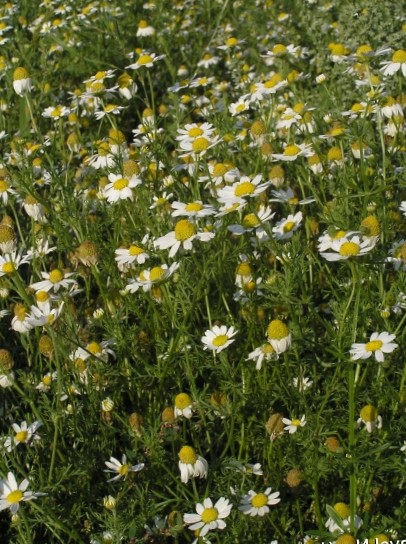
Mayweed
Anthemis cotula L.
Carl Linnaeus published Anthemis cotula in 1753. It remains the accepted scientific name for the plant commonly called Mayweed, Stinking Chamomile, or Dog-Fennel.
Important homotypic synonyms and former combinations include:
- Chamaemelum cotula (L.) All.
- Maruta cotula (L.) DC.
- Matricaria cotula (L.) Baill.
- Anthemis foetida Lam., an illegitimate superfluous name
- Maruta foetida Gray, an illegitimate superfluous name
Other historical or heterotypic names include:
- Anthemis cotula var. disciflora Lange
- Anthemis cotula subsp. psorosperma (Ten.) Arcang.
- Anthemis cotula var. vectensis (F.N.Williams) P.D.Sell
- Anthemis foetida var. vectensis F.N.Williams
- Anthemis psorosperma Ten.
- Anthemis ramosa Spreng.
- Cotula foetida S.G.Gmel.
- Maruta foetida (S.G.Gmel.) Cass.
- Maruta vulgaris Bluff & Fingerh.
The author abbreviation “L.” distinguishes the accepted Linnaean name from the later illegitimate homonym Anthemis cotula Blanco, which refers to a different plant now treated within the synonymy of Eclipta prostrata.
Asteraceae — Aster, Daisy, or Sunflower Family
Mayweed; Mayweed Chamomile; Mayweed Camomile; Stinking Mayweed; Stinking Chamomile; Stinking Camomile; Fetid Chamomile; Foetid Chamomile; Dog Chamomile; Dog’s Chamomile; Dog Camomile; Dog’s Camomile; Dog-Fennel; Dog Fennel; Dog Daisy; Dog-Daisy; Dog-Finkle; Hog’s Fennel; Hog Fennel; Pigsty Daisy; Pig-Sty Daisy; Poison Daisy; Wild Chamomile; Wild Camomile; False Chamomile; False Camomile; Mather; Mathor; Maithes; Maithen; Johnnyweed; Johnny Weed; Chiggerweed; Chigger Weed; Maroute; Manzanilla Loca; Manzanilla Hedionda; Camomille Puante; Camomille des Chiens; Stinkende Hundskamille; Camomila-de-Cachorro; Macéla-Fétida
Historical scientific and literature-search names include Chamaemelum cotula, Maruta cotula, Matricaria cotula, Anthemis foetida, Anthemis psorosperma, Anthemis ramosa, Cotula foetida, Maruta foetida, and Maruta vulgaris.
“Dog-Fennel” commonly also refers to Eupatorium capillifolium, a tall North American perennial that is unrelated to Anthemis cotula. “Mayweed” may refer to Scentless Chamomile, Pineappleweed, Corn Chamomile, or other daisy-family plants. “Chamomile” is used for medicinal German Chamomile, Roman Chamomile, and several additional species with different chemistry and allergenic potential.
The complete scientific name is therefore important. A package, hay fragment, garden label, or online product described only as Chamomile, Mayweed, or Dog-Fennel cannot be assigned the toxicology of Anthemis cotula without botanical confirmation.
Exact-Species Evidence and the Nature of the Hazard
Mayweed does not possess one clearly defined, highly lethal systemic poison comparable to the cardiac glycosides of Oleander, the colchicine-like alkaloids of Autumn Crocus, or the grayanotoxins of Rhododendron. Its best-supported hazards are direct chemical irritation and immune sensitization caused by a variable mixture of constituents in the aerial plant.
Exact-species phytochemical studies have isolated unusual linear sesquiterpene lactones from the aerial portions of Anthemis cotula. Additional studies have identified essential-oil terpenes, phenolic acids, flavonoids, polyacetylenes, and prenylated acetophenone derivatives. Detecting a compound in an extract does not prove that it independently causes clinical poisoning, and the relative importance of each constituent has not been tested in dogs, cats, horses, or livestock.
No controlled veterinary dose-response study establishes how much fresh Mayweed produces dermatitis, vomiting, diarrhea, or systemic illness. The public risk assessment must therefore remain route-specific: skin contact, eye exposure, oral ingestion, contaminated hay, inhaled dust, and concentrated herbal products do not represent identical exposures.
Anthecotuloide and Related Sesquiterpene Lactones
Anthecotuloide is an unusual linear sesquiterpene lactone produced by Anthemis cotula. The literature also contains the spellings anthecotulide and anthecotuloid, but anthecotuloide is the form used in modern biosynthetic and analytical publications. Related Mayweed compounds include dihydroanthecotuloide derivatives, oxidized forms, hydroperoxy derivatives, and other structurally related linear lactones.
Research using isotope-labelled precursors demonstrated that Mayweed forms anthecotuloide through an unusual terpene-biosynthetic route. A separate phytochemical investigation isolated six linear sesquiterpene lactones from the aerial plant, while modern extraction work found anthecotuloide to be a prominent constituent in certain prepared extracts.
These findings establish that the plant genuinely produces a distinctive sesquiterpene-lactone mixture. They do not establish a blood concentration, lethal dose, or individual-compound threshold for any animal species. Fresh plants from different locations, dried hay, water extracts, alcohol extracts, and essential oils may have substantially different profiles.
How Sesquiterpene Lactones Cause Sensitization
Many Asteraceae sesquiterpene lactones contain reactive structural groups capable of forming covalent bonds with proteins in skin. Once a small plant molecule becomes attached to a host protein, the combined structure can act as a hapten-protein antigen and be recognized by the immune system.
Initial contact may cause only direct irritation or no visible reaction. During sensitization, antigen-presenting cells process the altered proteins and activate specific T lymphocytes. A later exposure can then produce a delayed type IV hypersensitivity reaction, often with redness, itching, papules, vesicles, crusting, and self-trauma.
The reaction is delayed because it depends on cellular immune recruitment rather than the immediate release of histamine alone. Visible dermatitis may therefore appear after the animal has left the field, been bathed, or returned home from a trail. Re-exposure may cause a faster or more extensive response than the first recognized episode.
Direct Irritant Dermatitis
Direct irritation does not require prior sensitization. Acrid sap, crushed flower heads, plant fragments, volatile constituents, and repeated friction can damage or inflame skin during the first exposure. Thinly haired, moist, abraded, or pressure-bearing areas are especially vulnerable.
Irritant lesions are generally concentrated where the plant contacted the body: the muzzle, lips, eyelids, ear margins, feet, lower legs, chest, abdomen, groin, udder, or skin beneath equipment. Long exposure, sweating, moisture, and plant material trapped against the body may intensify the reaction.
Irritant and allergic dermatitis can coexist. A first exposure may damage the barrier and facilitate sensitization, while later exposures produce both direct chemical injury and a delayed immune response.
Immediate Allergy and Anaphylaxis
Daisy-family plants can provoke immediate IgE-mediated reactions in susceptible individuals, and allergic cross-reactions among Asteraceae plants and pollens are biologically credible. However, severe immediate hypersensitivity has not been quantified for Mayweed in dogs, cats, horses, or livestock, and it should not be presented as the ordinary outcome of contact.
Any animal that develops rapidly increasing facial swelling, generalized hives, wheezing, difficult breathing, vomiting with collapse, weak pulses, pale or blue-gray gums, or reduced responsiveness must still be managed as a possible anaphylactic emergency. The fact that exact-species case numbers are limited does not make those clinical signs safe to observe at home.
Essential-Oil Constituents
Mayweed’s unpleasant odor comes from a complex and geographically variable volatile fraction. Modern analysis of Jordanian leaf and flower oils found sesquiterpene hydrocarbons to be predominant. γ-Muurolene was prominent in both organs, while flowers and leaves differed in aromadendrene, trans-cadinene ether, germacrene D, cedrene-related compounds, terpene alcohols, and other volatiles.
Other populations have produced different essential-oil profiles. Plant genetics, soil, water, temperature, developmental stage, collection time, organ, storage, and distillation method can all change which compounds dominate. One regional analysis should not be used as a universal Mayweed formula.
Volatile oils may contribute to odor, mucosal irritation, nausea, and concentrated-product risk, but no individual volatile has been established as the sole cause of ordinary animal poisoning. Pure or concentrated essential oils are more concerning than casual contact with one living plant because extraction removes water and can deliver a chemically disproportionate dose.
Bisabolol, Chamazulene, and “Chamomile” Ingredient Lists
Bisabolol and chamazulene are strongly associated with medicinal chamomile oils and frequently appear in generalized Chamomile or Mayweed toxin lists. Their mere appearance in a secondary list does not establish them as the principal toxins of every Anthemis cotula population.
Exact-species oil studies demonstrate substantial chemical variability and have not consistently identified bisabolol or chamazulene as the dominant Mayweed constituents. The better-supported explanation for Mayweed dermatitis is its strong irritancy and sensitizing sesquiterpene-lactone chemistry, with volatile mixtures and other plant compounds potentially contributing.
Polyacetylenes and Root Constituents
Mayweed roots have yielded polyacetylenes and several prenylated 4-hydroxyacetophenone derivatives. Researchers proposed that some of these root compounds may function as phytoalexins or defensive metabolites within the plant.
Their contribution to natural animal poisoning has not been established. Root chemistry should not be ignored, but it would be equally inaccurate to convert every isolated root compound into a separate clinical toxin. Animals should be prevented from chewing uprooted plants because the root, attached soil, pesticide residues, and complete aboveground plant may be consumed together.
Phenolic Acids and Flavonoids
Mayweed extracts contain chlorogenic and caffeoylquinic-acid derivatives together with apigenin, hispidulin, quercetin, kaempferol, luteolin, vitexin, and other phenolic or flavonoid compounds. Their concentrations depend heavily on the extraction solvent and plant material tested.
These compounds are widespread in plants and are often studied for antioxidant, antimicrobial, or enzyme-inhibitory activity. Their detection does not establish that they cause dermatitis, vomiting, diarrhea, hemorrhage, or organ failure in an animal that brushes against living Mayweed. They belong in a complete phytochemical discussion, not in an inflated list of equally important toxins.
Tannins and Other Gastrointestinal Irritants
Tannins and additional bitter or astringent constituents may contribute to the acrid taste, salivation, nausea, feed refusal, and gastrointestinal discomfort associated with ingestion. High tannin exposure can alter protein binding and digestive function, but no Mayweed-specific tannin dose has been connected to a defined veterinary syndrome.
The strongest practical conclusion is that the whole plant is unpalatable and irritating. The unpleasant odor and taste often reduce voluntary intake, but they do not protect a puppy, curious cat, hungry horse, confined livestock group, or small herbivore offered contaminated forage.
The Unsupported Bleeding-Tendency Claim
Ordinary contact with Mayweed or one-time ingestion has not been shown to cause a predictable anticoagulant syndrome in animals. The plant should not be described as acting like warfarin or anticoagulant rodenticide, and the presence of a coumarin-related plant compound would not by itself establish clinically significant anticoagulation.
Reports of interactions between medicinal chamomile products and anticoagulant drugs involve different species, concentrated preparations, uncertain ingredients, or individual circumstances. Those reports cannot be transferred automatically to fresh Anthemis cotula.
Unexplained bruising, petechiae, nosebleeds, blood in urine, black stool, prolonged bleeding, or pallor requires investigation for anticoagulant rodenticide, platelet disease, liver dysfunction, medication effects, trauma, another toxic plant, or a mixed herbal product. It should not be attributed casually to Mayweed.
Leaves, Stems, Flowers, and Sap
Leaves, young shoots, mature stems, flower heads, sap, and plant fragments should all be treated as potentially irritating. Flowering plants may create greater skin, eye, and respiratory exposure because handling and movement release pollen, dust, dried florets, and fragments in addition to sap.
No comparative study establishes one aboveground part as consistently harmless. The risk depends on contact intensity, crushing, moisture, individual sensitization, and whether the material is fresh, wilted, or concentrated.
Dried Plants, Hay, and Bedding
Drying reduces water and may alter volatile constituents, but it does not guarantee destruction of sensitizing sesquiterpene lactones. Dried Mayweed in hay or bedding can repeatedly contact the muzzle, eyelids, legs, underside, udder, and respiratory tract.
Dusty material may also contain mold spores, bacteria, mites, pesticides, soil, and fragments from other weeds. Respiratory or systemic illness associated with contaminated forage should not be assigned to Mayweed until the whole sample has been evaluated.
Extracts, Teas, Tinctures, and Essential Oils
An herbal preparation labelled Chamomile may contain German Chamomile, Roman Chamomile, Mayweed, another daisy-family species, several plants, or an inaccurately identified ingredient. Extraction changes the concentration and relative abundance of constituents, making a tea, alcohol tincture, powdered capsule, cosmetic oil, or essential oil toxicologically different from a living weed.
Concentrated products may cause more pronounced gastrointestinal, dermal, ocular, or respiratory effects and may contain alcohol, carrier oils, preservatives, fragrances, surfactants, or additional herbs. Preserve the complete product and ingredient list after exposure.
No Validated Toxic Dose or Specific Antidote
No toxic dose has been validated for dogs, cats, horses, cattle, sheep, goats, pigs, rabbits, guinea pigs, birds, or reptiles. The severity of dermatitis cannot be predicted from body weight alone because immune sensitization, route, duration, skin condition, and previous exposure may be more important than the absolute plant mass.
There is no antidote that neutralizes Mayweed on contact or reverses established sensitization. Treatment removes exposure, washes contaminated tissue, prevents self-trauma, controls vomiting and diarrhea, supports hydration, treats eye injury, manages secondary infection, and stabilizes any immediate allergic or respiratory emergency.
Several Different Clinical Timelines Are Possible
Direct mouth, eye, and skin irritation may begin during exposure or shortly afterward. Gastrointestinal signs usually develop after chewing or swallowing the plant and may appear within minutes to several hours. Delayed allergic contact dermatitis may not become visible until later the same day or several days after the animal left the exposure site.
This timing difference can obscure the cause. A dog may run through Mayweed on a morning walk and develop abdominal redness or foot itching that evening. A horse may be exposed repeatedly through hay before muzzle or lower-limb dermatitis becomes obvious. A cat may contact the plant outdoors and then spread sap across the face during grooming.
Direct Skin Irritation
Early irritant findings include redness, warmth, tenderness, itching, small raised lesions, localized swelling, and discomfort when the area is touched. Continued exposure or self-trauma may produce vesicles, crusts, hair loss, moist dermatitis, erosions, or ulcers.
Lesion distribution frequently reveals the route. Muzzle and lip lesions suggest browsing or sniffing; abdominal and groin lesions suggest walking or lying in the plant; foot and lower-leg lesions suggest travel through dense stands; sharply defined lesions beneath a collar, harness, boot, blanket, saddle, or bandage suggest trapped plant material.
Mechanical scratching and licking can become more damaging than the original irritation. Moist self-traumatized skin is vulnerable to secondary bacterial or yeast infection, which may prolong disease after the plant itself has been removed.
Allergic Contact Dermatitis
A delayed hypersensitivity reaction may cause intense itching, papules, vesicles, scaling, crusting, thickened skin, patchy hair loss, and spreading inflammation. The eruption may extend beyond the exact contact line because activated immune cells and inflammatory mediators affect surrounding tissue.
Previously sensitized animals may react to a smaller exposure and may develop signs more rapidly than during the original sensitizing contact. Recurrence after returning to the same trail, pasture, hay lot, bedding source, or garden area is an important diagnostic clue.
Allergic contact dermatitis can resemble environmental allergy, food allergy, flea-allergy dermatitis, mites, ringworm, bacterial folliculitis, yeast dermatitis, photosensitization, and reactions to shampoos or pesticides. Appearance alone does not prove Mayweed was the cause.
Facial and Eyelid Involvement
Animals commonly investigate weeds with the nose and mouth. Redness, swelling, itching, papules, and crusting may therefore develop on the lips, muzzle, chin, eyelids, ear margins, and skin beneath the jaw.
Pawing at an irritated mouth can transfer sap and fragments around the eyes. Facial swelling that develops slowly with localized dermatitis differs from rapidly progressive angioedema, but either pattern deserves prompt assessment when the tongue, throat, or breathing may be involved.
Hives, Angioedema, and Possible Anaphylaxis
Widespread raised wheals, rapidly swelling eyelids or muzzle, sudden vomiting, restlessness, weakness, or collapse may indicate immediate hypersensitivity rather than delayed contact dermatitis. Exact Mayweed veterinary documentation is sparse, so this should be described as a possible emergency pattern rather than a routine expected syndrome.
Noisy breathing, wheezing, open-mouth breathing, neck extension, tongue swelling, pale or blue-gray gums, weak pulses, disorientation, and collapse require immediate emergency treatment. The trigger may be Mayweed, pollen, an insect sting, medication, another plant, or a combination of exposures; identifying the exact allergen must not delay stabilization.
Oral Irritation
Chewing Mayweed may cause lip licking, repeated swallowing, mouth discomfort, drooling, head shaking, face rubbing, gagging, or refusal of food. The plant does not contain insoluble calcium-oxalate raphides, so the mechanism differs from Peace Lily, Pothos, and Dieffenbachia even when some oral signs overlap.
Marked tongue injury, severe ulceration, extensive bleeding, or rapidly increasing throat swelling is not expected after every Mayweed bite and requires assessment for caustic chemicals, foxtails, electrical burns, insect stings, other plants, or a more severe hypersensitivity reaction.
Vomiting, Diarrhea, and Abdominal Discomfort
Ingestion may cause nausea, vomiting, loose stool, diarrhea, abdominal cramping, appetite loss, and lethargy. A brief nibble may cause no signs or only temporary digestive upset. Larger plant consumption, concentrated extracts, contaminated forage, and mixed herbal products are less predictable.
Repeated vomiting or diarrhea can produce dehydration, electrolyte abnormalities, weakness, tacky gums, sunken eyes, reduced urination, poor circulation, and collapse. Small animals and patients with pre-existing kidney, cardiac, endocrine, or gastrointestinal disease may deteriorate more rapidly.
Blood in vomit or stool is not a defining Mayweed effect. It may result from severe gastrointestinal irritation, repeated forceful vomiting, another toxic plant, a foreign body, infection, medication, anticoagulant exposure, or unrelated disease and requires investigation.
Eye Exposure
Sap, pollen, dust, and fine plant fragments may cause tearing, blinking, squinting, conjunctival redness, eyelid swelling, discharge, light sensitivity, and persistent rubbing. Scratching can produce secondary corneal injury even when the original material affected only the conjunctiva.
Cloudiness, severe pain, inability to open the eye, unequal pupils, visible foreign material, or continued squinting after irrigation requires veterinary examination. Microscopic scratches and material beneath an eyelid cannot be ruled out from the outside.
Dust and Respiratory Irritation
Handling dry plants, hay, bedding, or mowed stands can generate airborne fragments, pollen, soil, and dust. Animals may sneeze, cough, develop nasal discharge, rub the face, or show watery eyes after inhalation or mucosal contact.
Respiratory signs associated with hay require a broad investigation because mold, fungal spores, storage mites, ammonia, other weeds, and fine particulate matter may be more important than Mayweed itself. Wheezing, increased effort, open-mouth breathing, or reduced oxygenation is not a mild contact reaction.
Dogs
Dogs may run through, roll in, lie on, chew, or carry Mayweed. The muzzle, belly, groin, feet, lower legs, and inner thighs commonly contact vegetation directly. Long-coated dogs can retain dried flower heads and sap against the skin, while short-coated dogs have less physical protection over the abdomen.
Possible findings include an itchy red rash, face rubbing, foot licking, drooling, vomiting, diarrhea, reduced appetite, and reluctance to walk when the feet are inflamed. Repeated seasonal episodes after visiting the same field or trail may indicate sensitization or another environmental allergen at that location.
Cats
Outdoor cats may brush against the plant and later ingest residue while grooming. Facial rubbing, excessive grooming, localized hair loss, red skin, drooling, vomiting, diarrhea, appetite loss, or hiding may be the first recognized signs.
Concentrated Chamomile oils and extracts should not be applied to cats without veterinary direction. The plant species, concentration, carrier oil, preservatives, other essential oils, and feline grooming behavior all influence risk.
Horses
Horses may develop irritation around the muzzle, lips, eyelids, lower legs, pasterns, chest, and areas beneath tack or blankets. Dense plants along trails and field margins can repeatedly brush the same areas. Contaminated hay or bedding may expose the muzzle and respiratory tract for hours.
Ingestion may cause salivation, feed refusal, mild colic, loose manure, diarrhea, or reduced performance. These signs are nonspecific and should not be attributed to Mayweed without examining the full forage supply for mold, mycotoxins, pesticides, blister beetles, other weeds, and feed spoilage.
Photosensitization is not the defining Mayweed mechanism. Crusting on white or lightly pigmented areas exposed to sunlight, especially with jaundice or liver abnormalities, requires evaluation for hepatogenous photosensitization and other phototoxic plants.
Cattle, Sheep, Goats, and Pigs
Fresh Mayweed is generally unpalatable, but grazing animals may consume it when pasture is overgrazed, drought limits forage, weeds dominate a field, or the plant is mixed into hay or green chop. Possible signs include muzzle irritation, salivation, reduced grazing, loose stool, diarrhea, and dermatitis on exposed skin.
Plant material contacting the udder, teats, lower legs, or moist skin may produce localized irritation. Strongly aromatic weeds can also taint milk, but altered flavor is a feed-quality effect and not proof that the animal has developed serious systemic poisoning.
Group exposure requires assessment of the entire feed source. One visibly affected animal may have consumed more plant material, possess a damaged skin barrier, or be individually sensitized while herd mates remain normal.
Rabbits, Guinea Pigs, and Other Small Herbivores
Mayweed should not be collected as forage. Small herbivores may develop redness around the mouth, drooling, reduced appetite, abdominal discomfort, diarrhea, reduced fecal output, lethargy, or skin irritation.
Food refusal and reduced feces can become more important than the primary plant reaction. Rabbits and guinea pigs cannot vomit, and gastrointestinal stasis may continue after the original oral irritation has subsided.
Birds
Birds may shred flower heads and leaves, spreading sap, pollen, and fragments over the beak, tongue, eyes, feet, and feathers. Possible signs include beak wiping, eye irritation, regurgitation, altered droppings, food refusal, itching, feather damage from overpreening, weakness, or respiratory irritation from dust.
Small body size and efficient grooming make concentrated oils and herbal extracts more concerning than one incidental brush against a living plant. Mayweed should not be used as a perch, nesting material, forage, or aviary decoration.
Reptiles and Tortoises
Direct evidence is extremely limited. Herbivorous reptiles may develop mouth irritation, food refusal, regurgitation, abnormal feces, face rubbing, skin inflammation, eye irritation, or reduced activity after contact or ingestion.
Mayweed should not be planted in grazing enclosures. A weak or regurgitating reptile should not receive forced water, food, charcoal, or home medication because aspiration and temperature-related complications may follow.
Bleeding Is Not an Expected Routine Sign
Bruising, pinpoint hemorrhages, prolonged bleeding, nosebleeds, bloody urine, black stool, or severe pallor is not characteristic of uncomplicated Mayweed contact. Those findings require investigation for anticoagulant rodenticide, platelet disorders, liver disease, medication interactions, trauma, another poisonous plant, or a concentrated mixed herbal preparation.
Neurologic and Organ-Failure Signs Are Atypical
Seizures, coma, profound depression, acute kidney failure, liver failure, major cardiac dysrhythmia, or paralysis is not a recognized uncomplicated Mayweed syndrome. Such findings should immediately broaden the differential diagnosis to pesticides, mushrooms, medications, metabolic disease, contaminated feed, trauma, another plant, or a mixed exposure.
Duration and Prognosis
Mild direct irritation may improve after the plant is removed and the skin is washed. Short-lived gastrointestinal signs may settle within a day or two when hydration and appetite remain adequate.
Delayed allergic dermatitis may persist longer and can worsen through licking, scratching, infection, and renewed exposure. Recurrent dermatitis after returning to the same environment suggests that the plant, another weed, pollen, mites, mold, or chemicals in that location remain present.
The prognosis is generally good to excellent for limited contact and gastrointestinal irritation. It becomes more serious with airway swelling, anaphylaxis, severe dehydration, aspiration, extensive ulcerative dermatitis, secondary infection, significant ocular injury, or an unidentified mixed toxin.
Accepted Identity and Taxonomy
Mayweed is Anthemis cotula, an annual or occasional biennial in Asteraceae. Linnaeus published the name in 1753, and the species remains within the genus Anthemis despite historical transfers to Chamaemelum, Maruta, and Matricaria.
The common name Chamomile is not taxonomically precise. Medicinal German Chamomile, Roman Chamomile, Mayweed, Corn Chamomile, Scentless Chamomile, and Pineappleweed belong to different species or genera and do not have identical chemical profiles.
Native and Introduced Range
The native range extends from Madeira and much of Europe through the Mediterranean region, northern Africa, the Middle East, and western Asia to Iran. The species has been introduced widely across North America and many other temperate regions.
In its introduced range, Mayweed is principally a weed of agriculture, roadsides, disturbed soil, and animal facilities rather than a native woodland wildflower. Its abundance and legal weed status vary by jurisdiction.
Why It Thrives Around Animals and Farms
Mayweed favors disturbed, compacted, cultivated, or nutrient-enriched ground. Common sites include grain fields, pulse crops, irrigated farmland, feedlots, barnyards, gateways, fence lines, roadsides, trails, gardens, construction sites, vacant lots, waste areas, and overgrazed pasture.
These habitats overlap closely with dog-walking routes, horse facilities, livestock movement lanes, hay fields, kennel edges, and areas repeatedly disturbed by machinery. Animals may encounter the plant even when it was never intentionally planted.
Mayweed reproduces by seed and can build persistent infestations when plants are allowed to flower and seed repeatedly. Mowing after flower-head formation may scatter contaminated clippings and does not necessarily prevent viable seed production.
Growth Form
The plant commonly grows from several inches to approximately two feet tall, although favorable conditions may produce larger and more widely branched specimens. It develops from a taproot with smaller lateral roots.
Stems are upright to spreading, ridged, and highly branched. They are often nearly hairless or only sparsely hairy. Numerous flower heads may be carried individually at the ends of the branches.
Finely Divided Leaves
The leaves are alternate and divided two or three times into narrow, threadlike or linear segments. This fern-like foliage accounts for confusion with true chamomiles, yarrow, Pineappleweed, young Dogfennel, and occasionally unrelated plants with finely divided leaves.
The leaves usually attach directly or nearly directly to the stem. Crushing them releases the plant’s characteristic acrid odor and exposes sap and surface compounds to the skin.
Flower Heads
Each flower head resembles a small white daisy. White ray florets surround a yellow center composed of numerous tubular disk florets. The ray florets may extend horizontally when fresh and bend downward as the head ages.
What appears to be one flower is therefore a composite head containing many individual florets. Animals brushing through flowering plants contact the rays, disk florets, pollen, involucral bracts, and leaves at the same time.
The Solid Chaffy Receptacle
The receptacle beneath the yellow disk becomes conical as the flower head matures. In Mayweed it is solid and bears narrow pointed scales or paleae among the disk florets.
This structure is one of the most useful distinctions from German Chamomile, whose mature receptacle is characteristically hollow and lacks the same arrangement of chaff. Cutting a mature flower head lengthwise may reveal the difference, but gloves should be used when Mayweed is suspected.
The Strong Unpleasant Odor
Crushed Mayweed is commonly described as fetid, acrid, rancid, or resembling rotten apples. The odor is one reason grazing animals often avoid the fresh plant and why names such as Stinking Chamomile and Fetid Chamomile developed.
Odor alone is not a dependable identification test. Plant moisture, age, environmental conditions, and individual perception affect scent. The leaves, receptacle, growth habit, and intact flower heads should also be examined.
Seeds and Persistence
The mature fruits are small ribbed achenes rather than fleshy fruit. Seeds may contaminate soil, harvested crops, hay, bedding, equipment, and transported fill.
The seed itself is not established as the principal cause of acute animal poisoning. Its importance is ecological: contaminated material can introduce Mayweed into animal facilities, creating repeated future contact with whole plants.
Where Dogs Encounter Mayweed
Dogs encounter Mayweed along trails, field paths, rural roads, barnyards, construction sites, neglected gardens, vacant lots, and kennel boundaries. Running, rolling, lying down, retrieving an uprooted plant, or pushing the muzzle into flowering growth can spread sap and plant material over large areas of skin.
After exposure, a dog may carry fragments home in the coat and continue contacting them for hours. The owner may recognize itching only after the animal begins licking its feet or abdomen indoors.
Where Cats Encounter It
Outdoor cats may move through Mayweed while hunting or resting in disturbed fields. They can transfer residue from the coat and paws to the mouth and eyes through grooming.
Indoor exposure may involve wildflower arrangements, dried herbal material, contaminated gardening clothing, plant samples, or products labelled only as Chamomile. Cats should not be treated topically with unidentified Chamomile oils or homemade plant preparations.
Horse Exposure
Horses may brush against Mayweed along trails, fence lines, gateways, field edges, and overgrazed turnout. Muzzle, eyelid, pastern, lower-leg, chest, and abdominal exposure may occur depending on plant height and density.
Hay and bedding create prolonged exposure that differs from a brief trail encounter. The horse repeatedly places its muzzle into the material, breathes the dust, lies on the bedding, and may consume plant fragments because selective grazing is no longer possible.
Persistent dermatitis should not be assumed to be Mayweed merely because the weed is present. Pastern dermatitis, photosensitization, mites, bacterial infection, dermatophytosis, contact with chemicals, and other plant allergens require consideration.
Livestock, Pasture, and Feed
Cattle, sheep, goats, and pigs often avoid fresh Mayweed when adequate forage is available. Risk rises in drought, overgrazed pasture, heavily infested fields, confinement, or hay in which animals cannot sort effectively around the weed.
Direct contact may irritate the muzzle, mouth, lower limbs, udder, teats, and underside. Dairy animals consuming strongly aromatic weeds may produce milk with an objectionable flavor. This is relevant to feed management but does not establish systemic toxin transfer at a dangerous concentration.
A contaminated field may contain many other hazards. Representative forage samples should be checked for toxic weeds, nitrate-accumulating plants, mold, mycotoxins, pesticide residues, foreign material, and nutritional imbalance.
Rabbits and Guinea Pigs
Mayweed should not be collected as wild forage. Finely divided leaves and daisy-like flowers can be mistaken for medicinal chamomile or another supposedly edible plant.
Even mild oral irritation, diarrhea, or appetite loss can become clinically important in a small herbivore. Owners should monitor eating, water intake, fecal size and quantity, abdominal comfort, body weight, and activity rather than relying only on whether vomiting occurred.
Bird and Reptile Exposure
Mayweed should not be used as cage foliage, nesting material, a natural perch, tortoise forage, or reptile-enclosure planting. Dried flower heads can shed fragments and dust into food and water dishes.
Species-specific evidence is limited. Any resulting oral, ocular, respiratory, gastrointestinal, or dermatologic signs require an avian or exotic-animal veterinarian rather than direct application of dog treatment assumptions.
Fresh Plants Versus Dried Hay
Fresh plants release sap and volatile material when crushed. Dried plants may lose some moisture and volatile intensity but can retain sensitizing lactones and produce more airborne dust and brittle fragments.
Repeated low-level exposure through hay or bedding may be more important for dermatitis than one brief fresh-plant contact. The animal cannot avoid individual fragments, and pressure, sweat, and friction may hold them against the skin.
Respiratory Exposure to Hay and Plant Dust
Dusty Mayweed-containing material may irritate the eyes, nose, and airways. Pollen and related Asteraceae allergens may add an immunologic component in a sensitized animal.
Mayweed should not be assumed to be the only airborne hazard. Mold spores, endotoxin, storage mites, fine soil, ammonia, and fragments from other plants are common in poor-quality hay and bedding. Respiratory evaluation should include the full environment.
Repeated Sensitization and Cross-Reactivity
Sensitization means that prior exposure has trained the immune system to recognize a plant chemical attached to host proteins. Later contact may trigger inflammation even when the dose is smaller than the original exposure.
Human dermatology documents cross-reactivity among sesquiterpene-lactone-containing Asteraceae such as Feverfew, Tansy, Yarrow, Chrysanthemum, Arnica, Ragweed, and Chamomile-related plants. Veterinary prevalence is not known, but a history of dermatitis after several daisy-family weeds or herbal products is clinically relevant.
Cross-reactivity is not guaranteed. An animal reacting to Mayweed is not automatically allergic to every member of Asteraceae, and a reaction to Ragweed pollen does not prove contact allergy to anthecotuloide. Diagnosis must remain patient-specific.
Mayweed Versus German Chamomile
German Chamomile is Matricaria chamomilla, also widely called Matricaria recutita. It usually has a sweet, apple-like or pleasantly aromatic scent. Its mature conical receptacle is hollow when cut lengthwise.
Mayweed has a harsh unpleasant odor and a solid receptacle containing pointed chaff among the disk florets. Mayweed is more strongly associated with direct irritation and sensitization, although German Chamomile can also provoke allergic reactions in susceptible individuals.
Mayweed Versus Roman Chamomile
Roman Chamomile is Chamaemelum nobile, a low-growing perennial often cultivated as an aromatic herb or groundcover. It generally smells more pleasantly apple-like and has broader, less threadlike leaf divisions than Mayweed.
Commercial tea, oil, cosmetic, or herbal labels may use “Chamomile” without identifying which species supplied the ingredient. Product exposure cannot be assessed safely from the common name alone.
Mayweed Versus Scentless Chamomile
Scentless Chamomile is generally Tripleurospermum inodorum. It lacks Mayweed’s strong foul odor and may become a larger, more robust weed with larger flower heads.
Both plants have divided leaves and white-rayed flower heads, and dried fragments can be difficult to distinguish. A hay sample should not be declared safe from one damaged flower head.
Mayweed Versus Corn Chamomile
Corn Chamomile is Anthemis arvensis, a close relative with similar white-and-yellow heads and divided foliage. It is usually less strongly fetid and may have more noticeable hair on stems or leaves.
Because both are Asteraceae and may contain sensitizing constituents, uncertainty between them does not eliminate the need to remove exposure and evaluate persistent dermatitis.
Mayweed Versus Pineappleweed
Pineappleweed is Matricaria discoidea. It commonly grows in compacted paths, barnyards, and disturbed soil but produces yellow-green conical heads without white ray florets. Crushing it usually releases a pineapple-like odor.
Mayweed Versus Dogfennel
Dogfennel most commonly refers to Eupatorium capillifolium, a tall North American perennial that may grow several feet high. It has extremely fine foliage and branching clusters of small dull flower heads rather than individual white-rayed daisies.
The plants are unrelated despite sharing the Dog-Fennel name. A toxicology page, veterinarian, feed supplier, or land manager must identify which plant is actually present.
Mayweed Versus Yarrow
Yarrow, Achillea millefolium, also has finely divided leaves but produces flat-topped clusters made of numerous small flower heads. Mayweed bears individual daisy-like heads on separate branching stalks.
Yarrow itself contains sesquiterpene lactones and may cause contact sensitivity. Confusion between the two plants does not guarantee that an exposed animal will remain symptom-free.
Diagnosis
Diagnosis combines botanical identification, route, timing, lesion distribution, previous exposure, gastrointestinal signs, and the exclusion of parasites, infection, chemicals, and other plants. Preserve a complete flowering specimen with roots, stems, leaves, and several intact flower heads.
Photographs should show the whole plant, habitat, stem branching, leaves, flower heads, and the inside of a mature receptacle when safe to examine. Hay exposure requires a representative sample from multiple portions of the bale or batch rather than one selected handful.
No routine blood or urine test confirms Mayweed exposure. Laboratory testing is directed toward dehydration, blood loss, systemic allergy, infection, organ dysfunction, or another suspected toxin.
Veterinary Dermatologic Evaluation
Skin cytology may identify bacterial or yeast overgrowth caused by licking and barrier injury. Skin scrapings, fungal testing, bacterial culture, biopsy, elimination of contactants, or allergy investigation may be needed when lesions persist or recur.
Patch testing and formal allergen testing are specialized procedures and are not interpreted simply by placing raw Mayweed on an animal’s skin. Deliberate re-exposure at home can worsen sensitization and should not be attempted.
Differential Diagnosis
Similar dermatitis may follow Ragweed, Feverfew, Tansy, Chrysanthemum, Yarrow, Poison Ivy, Stinging Nettle, foxtails, caterpillar hairs, insect stings, fertilizer, pesticide, detergent, bedding chemicals, mites, fleas, bacterial infection, fungal disease, environmental allergy, or photosensitization.
Vomiting and diarrhea may result from garbage, parasites, infection, pancreatitis, mushrooms, medications, pesticides, spoiled forage, or another poisonous plant. Severe neurologic or organ-system findings require a broader search rather than forcing them into a Mayweed diagnosis.
Prognosis
The prognosis is good to excellent for mild dermatitis or short-lived gastrointestinal irritation when exposure is stopped promptly. Recovery depends on removing all remaining plant material and preventing licking, scratching, dehydration, and secondary infection.
The outlook becomes more serious with facial or airway swelling, anaphylaxis, severe dehydration, aspiration, extensive ulcerative lesions, serious eye injury, secondary infection, or an unidentified mixed exposure.
Prevention and Weed Control
Remove Mayweed from pet yards, kennel edges, paddocks, turnout lanes, forage fields, and high-contact walking areas before extensive flowering and seed production. Wear gloves, long sleeves, and eye protection because pulling, mowing, and handling can expose human skin.
Do not leave uprooted plants or mowing debris where animals can investigate them. Bag or otherwise secure plant waste according to local weed-management requirements.
Prevent overgrazing and provide adequate safe forage so livestock are not forced to eat an unpalatable weed. Inspect hay and bedding before purchase and stop using a batch that causes recurrent muzzle, skin, eye, respiratory, or gastrointestinal signs.
Immediate Response
- Stop further exposure: Move the animal away from living plants, pulled weeds, fresh clippings, contaminated hay, bedding, extracts, oils, and plant dust.
- Prevent grooming: Do not allow the animal to lick sap, pollen, dust, or plant fragments from its coat, paws, feathers, or skin.
- Preserve the plant: Save a complete flowering specimen with roots, stems, leaves, and several intact flower heads.
- Preserve contaminated material: Retain representative hay, bedding, forage, herbal products, ingredient labels, lot information, and photographs of the exposure area.
- Record the route: Note whether the animal ate the plant, rolled in it, walked through it, inhaled dust, contacted sap, received an herbal product, or was exposed repeatedly.
- Record prior reactions: Tell the veterinarian about earlier rashes or swelling after Mayweed, Chamomile, Ragweed, Yarrow, Feverfew, Chrysanthemum, or related products.
- Contact a professional: Call a veterinarian or animal poison-control service for persistent gastrointestinal signs, widespread dermatitis, facial swelling, breathing changes, a concentrated product, or uncertain plant identification.
Check Immediately for an Allergic Emergency
- Watch the face: Rapid swelling of the muzzle, lips, eyelids, tongue, or tissues beneath the jaw can indicate angioedema.
- Watch the skin: Generalized hives or rapidly spreading raised wheals may precede more severe signs.
- Watch breathing: Wheezing, high-pitched noise, rapid shallow breaths, neck extension, gasping, or open-mouth breathing requires immediate transport.
- Check gum color: Pale, gray, or blue-gray gums may indicate shock or inadequate oxygenation.
- Check circulation: Weak pulses, cold limbs, collapse, or inability to stand is an emergency.
- Check awareness: Disorientation, profound weakness, stupor, or reduced responsiveness requires immediate treatment.
Do not delay transportation while waiting to see whether an antihistamine works. Severe anaphylaxis may require veterinarian-administered epinephrine, oxygen, airway support, intravenous fluids, cardiovascular monitoring, and additional medication.
Remove Loose Plant Material from the Mouth
- Wear gloves: Protect yourself from sap, pollen, and plant fragments capable of causing irritation or sensitization.
- Remove visible pieces carefully: Take loose leaves and flower fragments from the lips and front of the mouth only when handling is safe.
- Avoid blind sweeps: Do not reach deeply into the throat or push plant material toward the airway.
- Wipe accessible residue: Use a damp cloth to remove loose material from the lips and front of the mouth in a fully alert animal.
- Rinse only when safe: A gentle low-pressure rinse may be considered only when the animal is alert, breathing normally, swallowing normally, and able to protect the airway.
- Stop if coughing or gagging occurs: Difficulty managing a rinse means further oral cleaning is unsafe without veterinary assessment.
Do Not Induce Vomiting
- Do not give hydrogen peroxide: Mayweed usually causes irritation rather than a poisoning that requires routine home emesis, and vomiting can increase aspiration risk.
- Never give peroxide to a cat: Hydrogen peroxide can cause serious feline gastric and esophageal injury.
- Never induce vomiting after signs begin: Do not attempt emesis in an animal that is drooling heavily, vomiting, swollen, weak, coughing, breathing abnormally, sedated, or swallowing poorly.
- Do not use salt or household emetics: Salt, mustard, ipecac, dish soap, oil, syrup, manual gagging, and fingers in the throat are unsafe.
- Do not induce vomiting in horses, rabbits, guinea pigs, birds, reptiles, or symptomatic livestock: These species either cannot vomit normally or face unacceptable procedural risk.
Activated Charcoal
- Do not give charcoal routinely: Activated charcoal does not remove plant material from the coat, treat contact dermatitis, or reverse an allergic reaction.
- Use only under veterinary direction: A veterinarian may consider it when a substantial mixed ingestion includes another absorbable toxin.
- Never force charcoal: Do not give it to a vomiting, swollen, weak, sedated, coughing, neurologically abnormal, or poorly swallowing animal.
- Do not use household charcoal: Barbecue briquettes, fireplace ash, burned food, and homemade carbon are not medical activated charcoal.
- Do not repeat doses yourself: Repeated charcoal can cause dehydration, electrolyte abnormalities, constipation, high blood sodium, and aspiration.
Wash the Skin and Coat
- Wear protective gloves: Avoid direct contact with sap, pollen, and crushed plant material, and wash your own exposed skin afterward.
- Remove contaminated equipment: Take off collars, harnesses, blankets, boots, saddles, bandages, diapers, and other items holding plant material against the body.
- Remove visible fragments: Pick leaves and flower heads from the coat without grinding them into the skin.
- Rinse thoroughly: Use lukewarm water to remove loose sap, pollen, dust, and plant debris.
- Use mild shampoo: Bathe with a mild pet-safe shampoo when contamination is spread through the coat, then rinse completely.
- Wash feet and skin folds: Clean between toes, around pads, beneath the abdomen, inside skin folds, and anywhere plant material may remain trapped.
- Prevent self-trauma: Stop persistent licking and scratching while arranging care for significant inflammation.
Do not apply bleach, alcohol, vinegar, solvents, essential oils, concentrated detergent, human poison-ivy products, topical anesthetics, or steroid creams without veterinary direction. These products can worsen irritation or be swallowed during grooming.
Eye Exposure
- Begin irrigation immediately: Flush the affected eye with sterile saline or clean lukewarm water for at least fifteen to twenty minutes.
- Use a gentle continuous flow: Allow fluid to pass across the eye without scraping the surface or forcing debris beneath the eyelids.
- Flush from the inner corner outward when practical: Reduce movement of contaminated fluid toward the other eye.
- Prevent rubbing: Stop the animal from pawing at the eye or rubbing against furniture, carpet, fencing, or the ground.
- Do not use tools: Tweezers, cotton swabs, cloth, and fingernails can worsen corneal injury.
- Do not apply human eye drops: Redness relievers, anesthetics, ointments, and leftover prescriptions may worsen or conceal injury.
- Seek prompt examination: Continued squinting, swelling, redness, cloudiness, discharge, light sensitivity, or inability to open the eye requires veterinary care.
Do Not Give Antihistamines Automatically
- Do not guess a dose: Drug selection depends on species, weight, age, medical history, current medication, and severity.
- Do not use combination products: Human allergy, cold, sinus, and sleep products may contain decongestants, acetaminophen, caffeine, alcohol, or xylitol.
- Do not rely on antihistamines for anaphylaxis: They do not replace epinephrine, oxygen, airway support, or shock treatment.
- Do not give a sedating drug to a breathing-compromised animal: Sedation may complicate transport and airway monitoring.
- Allow veterinary selection: A veterinarian may use an antihistamine when the clinical pattern supports it.
Corticosteroids Are Not an Emergency Antidote
A veterinarian may use corticosteroids for selected inflammatory or allergic conditions, but they do not act rapidly enough to replace epinephrine and airway management during anaphylaxis. They may also affect infection, glucose regulation, gastrointestinal disease, wound healing, and other medical conditions.
Do not give leftover prednisone, dexamethasone, topical steroid cream, or another animal’s prescription. The correct treatment differs between localized irritant dermatitis, delayed allergic dermatitis, infected skin, eye injury, and acute systemic hypersensitivity.
Do Not Give Other Household Medication
- Do not give anti-diarrheal medication: Loperamide, bismuth products, kaolin mixtures, and owner-selected remedies may be inappropriate or harmful.
- Do not give sucralfate without direction: Sucralfate is a prescription medication whose indication and administration must be determined by a veterinarian.
- Do not give human pain medication: Ibuprofen, naproxen, acetaminophen, aspirin, and similar drugs can cause an additional poisoning.
- Do not apply human rash products: Calamine, antihistamine creams, anesthetics, zinc preparations, and medicated lotions may be toxic if licked.
- Do not give milk or oil: Dairy products, cooking oil, coconut oil, and mineral oil do not neutralize Mayweed and may worsen nausea or aspiration risk.
- Do not give an unidentified Chamomile remedy: Additional plant extracts may contain the same or cross-reactive allergens.
Food and Water
- Do not force food: An animal that is nauseated, vomiting, swollen, or swallowing poorly may choke or aspirate.
- Offer water cautiously: Small amounts may remain available only when the animal is alert, breathing normally, swallowing normally, and not repeatedly vomiting.
- Do not force fluids: Syringed, poured, or drenched water can enter the lungs.
- Monitor intake: Continued refusal of food or water may indicate mouth irritation, nausea, dehydration, gastrointestinal stasis, or a more serious mixed exposure.
- Use species-specific feeding advice: Rabbits, guinea pigs, birds, reptiles, horses, and ruminants have different nutritional and aspiration risks.
Vomiting and Diarrhea
- Track every episode: Record the frequency, volume, and appearance of vomit and stool.
- Save representative material: Preserve plant fragments, product residue, blood, foreign material, or unusual feed components.
- Watch for dehydration: Tacky gums, sunken eyes, worsening lethargy, reduced urination, or inability to retain water requires veterinary care.
- Watch for blood: Red vomit, coffee-ground material, black stool, bright-red diarrhea, bruising, or prolonged bleeding is not expected from a simple contact reaction.
- Watch for aspiration: Coughing, fever, nasal discharge, rapid breathing, or renewed lethargy after vomiting may indicate aspiration pneumonia.
- Do not muzzle a vomiting animal: A muzzle can prevent drainage and interfere with breathing.
Dust and Respiratory Exposure
- Move the animal to clean air: Leave dusty hay, bedding, mowing debris, or an enclosed storage area.
- Ventilate without creating escape risk: Open the area only when a confused or distressed animal can remain secure.
- Do not shake contaminated material near animals: Disturbing hay or bedding can release more pollen, mold, and dust.
- Watch respiratory effort: Coughing, wheezing, open-mouth breathing, neck extension, or rapid shallow breathing requires assessment.
- Preserve the feed sample: Mold, mites, pesticides, and other weeds may be responsible for respiratory signs.
Safe Transportation
- Call ahead: Tell the clinic that Mayweed, Stinking Chamomile, an Asteraceae contact reaction, or an uncertain Chamomile product is suspected.
- Keep the airway clear: Do not compress the neck or position a weak animal with its face buried in bedding.
- Do not muzzle a vomiting or breathing-impaired animal: Saliva, vomit, and heat must be able to escape.
- Prevent falls: Use a carrier, stretcher, rigid board, sling, or blanket when the animal is weak or collapsing.
- Limit skin friction: Avoid rough blankets or contaminated equipment against inflamed areas.
- Bring the evidence: Take the complete plant, hay sample, product label, photographs, and recovered fragments.
Veterinary Evaluation
- Assess the airway and circulation: Facial swelling, tongue swelling, respiratory effort, gum color, pulse quality, and blood pressure determine emergency priorities.
- Examine the skin: Lesion distribution and appearance help distinguish irritation, delayed allergy, infection, parasites, and photosensitization.
- Examine the mouth and eyes: Retained plant material, ulcers, corneal injury, and mucosal swelling may require separate treatment.
- Assess hydration: Repeated vomiting and diarrhea may require electrolyte measurement and fluid replacement.
- Investigate atypical findings: Bleeding, seizures, organ failure, or severe depression requires evaluation for another toxin or disease.
- Evaluate the environment: Hay, bedding, pesticides, molds, mites, other weeds, grooming products, and equipment may be contributing.
Veterinary Treatment of Immediate Hypersensitivity
Rapidly progressive systemic allergy may require veterinarian-administered epinephrine, oxygen, intravenous access, fluid support, cardiovascular monitoring, bronchodilator or airway therapy, antihistamines, corticosteroids, and additional treatment according to the patient’s condition. Epinephrine is the critical emergency medication when true anaphylaxis is present; antihistamines alone are not sufficient.
Severe tongue or laryngeal swelling may require intubation or another advanced airway procedure. Treatment must proceed from breathing and circulation rather than waiting for the plant to be identified perfectly.
Veterinary Treatment of Dermatitis
Treatment may include thorough bathing, veterinarian-selected itch control, topical therapy, systemic anti-inflammatory medication, wound care, protective barriers, and prevention of licking or scratching. Infected lesions may require cytology, culture, and appropriately selected antimicrobial treatment.
Persistent or recurrent cases may need investigation for environmental allergy, parasites, dermatophytes, bacterial or yeast disease, photosensitization, equipment contact, and additional Asteraceae exposures. Returning the animal to the same environment before lesions heal can restart the reaction.
Veterinary Treatment of Gastrointestinal Signs
Veterinarian-selected anti-nausea medication may reduce vomiting, discomfort, fluid loss, and aspiration risk. Subcutaneous or intravenous fluids may be required when dehydration or poor intake becomes clinically important.
Gastrointestinal protectants are selected according to the actual findings and are not automatic antidotes. Blood, severe pain, persistent vomiting, abdominal enlargement, or reduced stool may justify imaging and evaluation for another plant, foreign body, infection, pancreatitis, or contaminated feed.
Horses and Livestock
- Remove contaminated feed: Prevent access to infested pasture, hay, bedding, green chop, crop residue, and mowing debris.
- Provide safe forage: Hunger and overgrazing increase the chance that animals will consume an unpalatable weed.
- Wash exposed animals: Remove sap and plant dust from the muzzle, lower legs, udder, underside, and equipment-contact areas.
- Do not drench affected animals: Facial swelling, salivation, weakness, regurgitation, or poor swallowing creates aspiration risk.
- Examine the group: Other animals sharing the same pasture, hay, or bedding may develop delayed signs.
- Retain representative forage: Sample multiple portions because weeds and mold may be unevenly distributed.
- Obtain large-animal veterinary care: Breathing difficulty, widespread swelling, colic, persistent diarrhea, dehydration, or collapse requires prompt treatment.
Rabbits, Guinea Pigs, Birds, and Reptiles
- Do not attempt vomiting: Household emesis is inappropriate and dangerous in these species.
- Monitor appetite immediately: Food refusal can become a serious secondary gastrointestinal or metabolic problem.
- Monitor feces or droppings: Reduced output, diarrhea, abnormal color, blood, or complete cessation requires species-specific advice.
- Remove contaminated habitat material: Replace bedding, substrate, perches, dishes, and furnishings carrying plant fragments or dust.
- Do not force feed before assessment: Poor swallowing, regurgitation, obstruction, or respiratory disease must be excluded.
- Use a species-experienced veterinarian: Fluids, nutrition, respiratory support, temperature management, and medication differ substantially among species.
Monitoring and Recovery
- Monitor breathing: Facial swelling and respiratory effort should improve rather than progress.
- Monitor the skin: Redness, itching, swelling, crusts, and moist lesions should contract and heal without spreading.
- Prevent self-trauma: Continued licking, chewing, scratching, and rubbing can delay recovery and cause infection.
- Monitor gastrointestinal signs: Vomiting, diarrhea, appetite, hydration, and activity should return toward normal.
- Watch the eyes: Squinting, redness, cloudiness, or discharge should not persist after irrigation and treatment.
- Prevent re-exposure: A sensitized animal may react again when returned to the same field, trail, bedding, hay, or plant product.
- Attend rechecks: Persistent dermatitis, recurrent swelling, blood, respiratory signs, or gastrointestinal illness requires further investigation.
Prevention and Prognosis
- Remove plants safely: Wear gloves and protective clothing and dispose of pulled Mayweed where animals cannot reach it.
- Control flowering plants: Prevent repeated seed production in high-contact animal areas.
- Inspect hay and bedding: Do not feed or use heavily contaminated, dusty, moldy, or poorly identified material.
- Prevent overgrazing: Maintain adequate safe forage so livestock are not forced to consume unpalatable weeds.
- Typical prognosis: Mild contact dermatitis and short-lived gastrointestinal irritation generally carry a good-to-excellent prognosis.
- Guarded circumstances: Anaphylaxis, severe airway swelling, dehydration, aspiration, extensive infected dermatitis, serious eye injury, or another unidentified toxin creates a more serious outlook.
Frequently Asked Questions About Mayweed and Animal Poisoning
Is Mayweed seriously poisonous to dogs and cats?
Mayweed is considered poisonous and irritating, but it is not known for a predictable high-fatality systemic syndrome after ordinary plant contact. Dogs and cats are more likely to develop dermatitis, itching, mouth irritation, drooling, vomiting, diarrhea, or appetite loss. Risk becomes more serious with rapidly progressive facial or airway swelling, repeated gastrointestinal losses, concentrated extracts, eye injury, or a mixed exposure. Exact veterinary case numbers and toxic doses remain limited.
What is the principal toxic substance in Mayweed?
The strongest exact-species evidence concerns an unusual group of linear sesquiterpene lactones, particularly anthecotuloide and related compounds. Mayweed also contains variable essential-oil terpenes, polyacetylenes, phenolic compounds, flavonoids, tannin-like constituents, and other metabolites. Not every detected compound is a clinically important toxin. The primary practical hazards are direct irritation and immune sensitization rather than one isolated lethal molecule.
Are anthecotuloide and anthecotulide the same thing?
The names are used for the same closely discussed Mayweed sesquiterpene-lactone chemistry, but anthecotuloide is the spelling used in modern biosynthetic and analytical publications. Older and secondary sources may use anthecotulide or anthecotuloid. The naming variation should not be mistaken for proof of three unrelated toxins. Mayweed also contains several structurally related lactones rather than only one compound.
Can Mayweed cause a rash after the animal has already left the field?
Yes. Direct irritation may begin promptly, but allergic contact dermatitis is a delayed T-cell-mediated reaction and may not become obvious until hours or days after exposure. A dog can run through Mayweed in the morning and begin licking its feet or abdomen later that evening. Lesions may continue developing after bathing because the immune response has already started. Delayed timing does not rule out plant contact.
Can repeated exposure make the reaction worse?
Yes. An animal may become sensitized during an earlier contact and react more quickly or extensively during a later exposure. Recurrence after returning to the same trail, pasture, hay batch, bedding source, or garden area is clinically important. Other allergens at that location may also be responsible, so repeated episodes still require a complete dermatologic assessment. Deliberate home re-exposure should never be used as a diagnostic test.
Can Mayweed cause anaphylaxis?
Severe immediate hypersensitivity is biologically possible with daisy-family plants, but it has not been established as a common exact-species veterinary outcome of Mayweed exposure. Rapid facial or tongue swelling, widespread hives, wheezing, difficult breathing, pale or blue-gray gums, weakness, or collapse must nevertheless be treated as anaphylaxis until proven otherwise. The trigger may be Mayweed, pollen, an insect sting, another plant, or a mixed exposure. Emergency stabilization should not wait for perfect identification.
Does Mayweed cause a bleeding disorder?
Ordinary plant contact or one-time ingestion has not been shown to cause a predictable anticoagulant syndrome. Mayweed should not be described as acting like warfarin or anticoagulant rodenticide. Bruising, pinpoint hemorrhages, nosebleeds, bloody urine, black stool, or prolonged bleeding requires investigation for rodenticide, liver disease, platelet disorders, medication effects, trauma, or another toxic exposure. A concentrated mixed herbal product may present different risks from the living plant.
Are bisabolol and chamazulene the principal Mayweed toxins?
They appear in generalized Chamomile and veterinary plant lists, but exact-species studies do not consistently identify them as the dominant compounds in Mayweed. Modern analyses have found organ- and region-specific essential-oil profiles dominated by other sesquiterpenes, while sesquiterpene-lactone chemistry provides a stronger explanation for sensitization. Mayweed should not be assigned the chemical profile of German or Roman Chamomile simply because all three are called Chamomile.
Can dried Mayweed in hay still cause problems?
Yes. Drying may reduce or alter some volatile components but does not guarantee destruction of sensitizing sesquiterpene lactones. Dried fragments can repeatedly contact the muzzle, legs, underside, and respiratory tract and may generate more dust than fresh plants. Contaminated hay must also be checked for mold, mites, pesticides, other toxic weeds, and foreign material. Repeated hay exposure may cause a different clinical pattern from one brief encounter with a living weed.
Can Mayweed dust affect an animal’s breathing?
Dust, pollen, and small plant fragments may irritate the eyes, nose, and airways, especially when contaminated hay or bedding is disturbed. Sneezing, coughing, watery eyes, and facial rubbing may occur, but mold spores, storage mites, ammonia, and other particulate matter often coexist. Wheezing, open-mouth breathing, neck extension, rapid shallow breathing, or reduced oxygenation requires immediate veterinary care. Move the animal to clean air without delaying transport.
Can Mayweed sap injure the eyes?
Yes. Sap, pollen, dust, and plant fragments may cause tearing, blinking, redness, eyelid swelling, squinting, and corneal irritation. Flush the eye immediately with sterile saline or clean lukewarm water for at least fifteen to twenty minutes. Persistent pain, cloudiness, discharge, light sensitivity, or inability to open the eye requires veterinary examination. Do not scrape the eye or use human redness drops, anesthetic drops, or leftover prescriptions.
How much Mayweed is toxic?
No validated toxic dose exists for dogs, cats, horses, livestock, or other animals. The amount eaten matters for gastrointestinal illness, but dermatitis also depends on contact duration, crushing, skin condition, previous sensitization, and individual immune response. A sensitized animal may react to less plant material than it contacted previously. Concentrated extracts and essential oils cannot be compared directly with fresh plant weight.
How can Mayweed be distinguished from German Chamomile?
Mayweed has a strong acrid or fetid odor, finely divided leaves, white-rayed flower heads, and a solid conical receptacle containing pointed chaff among the disk florets. German Chamomile generally smells sweeter or apple-like and has a hollow mature receptacle when cut lengthwise. Because damaged, dried, or immature specimens can be difficult to identify, preserve the entire flowering plant rather than only a few petals. Gloves should be worn while examining suspected Mayweed.
Is Mayweed the same plant as Dogfennel?
Not necessarily. Dogfennel most commonly refers to Eupatorium capillifolium, a tall North American perennial with very fine leaves and clusters of small dull flower heads. Mayweed is a shorter branching annual with distinct white-rayed daisy heads and a strong unpleasant odor. The plants are unrelated despite sharing the common name. Scientific identification is necessary before applying toxicology or pasture-management advice.
Should I make my dog vomit after eating Mayweed?
No household vomiting should be attempted. Mayweed exposure usually requires removal of contact material, washing, observation of swallowing and breathing, and control of gastrointestinal signs rather than routine emesis. Hydrogen peroxide can cause additional gastrointestinal injury and aspiration, and it must never be used in cats. Salt, mustard, oil, syrup, dish soap, fingers in the throat, and manual gagging are also unsafe.
Does activated charcoal help?
Activated charcoal is not routinely useful for uncomplicated Mayweed dermatitis or gastrointestinal irritation and does not treat an allergic reaction. A veterinarian may consider it only when a substantial mixed ingestion includes another absorbable toxin. It must not be forced into a vomiting, swollen, weak, coughing, sedated, or poorly swallowing animal. Household charcoal and fireplace ash are not substitutes.
Should I give Benadryl or another antihistamine?
Do not give an owner-selected dose without veterinary direction. Antihistamines may be used for selected allergic reactions, but they cannot be relied upon to stop anaphylaxis or a narrowing airway. Human combination products may contain decongestants, acetaminophen, caffeine, alcohol, or xylitol. Rapid facial swelling, breathing difficulty, weakness, or collapse requires immediate emergency treatment rather than a trial of home medication.
How long do Mayweed reactions last?
Mild direct irritation may improve after thorough washing and removal of exposure. Short-lived vomiting or diarrhea may resolve within a day or two when hydration and appetite remain normal. Delayed allergic dermatitis can last longer and may worsen through licking, scratching, infection, or re-exposure. A spreading rash, persistent food refusal, recurrent swelling, continued vomiting or diarrhea, or failure to improve requires reassessment.
What findings require immediate emergency care?
Rapid swelling of the muzzle, eyelids, tongue, or throat; widespread hives; wheezing; noisy or difficult breathing; pale or blue-gray gums; repeated vomiting or diarrhea; severe weakness; collapse; or reduced responsiveness requires emergency treatment. Blood in vomit or stool, unexplained bruising, severe eye pain, or major neurologic signs also requires prompt investigation because those findings are not expected from a simple mild contact reaction. Give nothing by mouth when breathing, awareness, or swallowing is abnormal.
What should I do after my animal eats or contacts Mayweed?
Stop exposure, prevent grooming, preserve a complete flowering plant and representative hay or product material, and wash contaminated skin and coat with lukewarm water and mild pet-safe shampoo. Remove only loose plant pieces from the front of the mouth when handling is safe. Contact a veterinarian or animal poison-control service for persistent gastrointestinal signs, widespread dermatitis, facial swelling, respiratory changes, concentrated-product exposure, or uncertain identification. Do not induce vomiting or give peroxide, charcoal, milk, oil, antihistamines, anti-diarrheal medication, sucralfate, pain medication, or other human medication unless specifically directed.