Peace Lily Toxicity, Calcium Oxalate Raphides, and Acute Oral Injury
Is Peace Lily Poisonous to Dogs, Cats, Horses, and Livestock?
Yes—Peace Lily, Spathiphyllum spp., is poisonous and intensely irritating to dogs, cats, horses, cattle, sheep, goats, pigs, rabbits, guinea pigs, birds, reptiles, and other animals that chew or crush it. Its tissues contain insoluble calcium oxalate in the form of microscopic needle-shaped crystals called raphides. These crystals are stored in specialized plant cells and are released when an animal bites, tears, crushes, or mouths the leaves, petioles, roots, flower stalks, white spathes, central spadices, or other plant material.
Raphides puncture and abrade the lips, gums, tongue, palate, mouth, pharynx, and other tissues they contact. Signs usually begin immediately or within minutes and may include sudden crying or distress, head shaking, pawing at the mouth, face rubbing, excessive drooling, repeated swallowing, gagging, coughing, oral redness, localized swelling, reluctance to eat or drink, and vomiting in animals capable of vomiting. Plant material that is swallowed may also cause nausea, abdominal discomfort, appetite loss, diarrhea, and dehydration when gastrointestinal signs persist.
Most animals stop chewing quickly because the first bite is painful, and most correctly identified uncomplicated exposures remain localized and resolve with appropriate supportive care. That self-limiting effect is not guaranteed. Puppies, persistent plant-chewing cats, parrots, rabbits, guinea pigs, and animals playing with fallen leaves or repotting waste may continue chewing, while a large stalk, root mass, plant label, wire, decorative pick, pot fragment, or other foreign material may be swallowed with the plant.
Swelling near the back of the mouth or larynx is uncommon but can threaten the airway. Rapidly increasing tongue, throat, or facial swelling, harsh or noisy inhalation, open-mouth breathing, an extended head and neck, inability to swallow saliva, blue-gray gums, panic, collapse, or diminishing responsiveness requires immediate emergency veterinary care. An animal with abnormal breathing or swallowing should receive nothing by mouth.
Peace Lily is not a true lily. True lilies belong to Lilium, and daylilies belong to Hemerocallis; both can cause fatal acute kidney injury in cats after very small exposures. Peace Lily belongs to Araceae and produces a local raphide-injury syndrome rather than the characteristic true-lily kidney-failure syndrome, but identification must be secure before that distinction is used to reduce concern.
About this guide: This page provides general pet-poisoning information and cannot diagnose or treat an individual animal. For any suspected exposure, contact a veterinarian or animal poison-control service immediately. Do not induce vomiting, give medication, or attempt home decontamination unless directed by a veterinary professional.
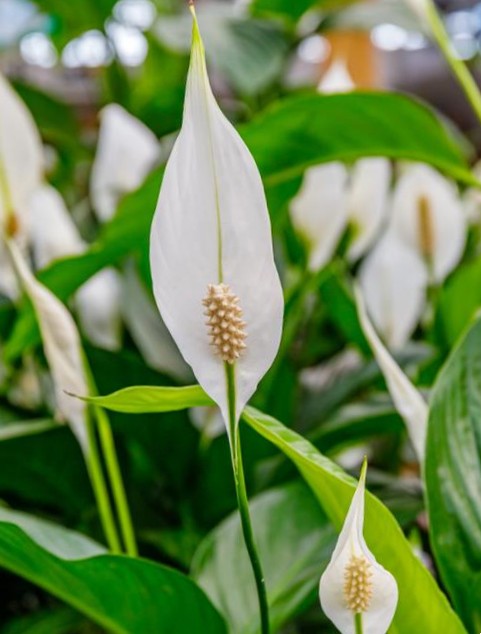
Peace Lily
Spathiphyllum Schott spp.
Peace Lily is a genus-level common name applied to numerous accepted species, cultivated selections, commercial hybrids, and mass-produced plants whose exact parentage may not appear on the nursery label. A general poison page should therefore use Spathiphyllum spp. rather than assigning every commercial Peace Lily to one species.
- Spathiphyllum wallisii Regel — accepted species native from Colombia to Venezuela and one of the best-known plants historically associated with the Peace Lily name
- Spathiphyllum cochlearispathum — accepted Central American species and a source of large ornamental Peace Lily material
- Spathiphyllum floribundum — accepted tropical American species historically involved in cultivated Peace Lily material
- Spathiphyllum cannifolium — accepted species with a broad tropical American distribution and distinctive canna-like foliage
- Spathiphyllum blandum — accepted species native from southern Mexico through Central America
- Spathiphyllum commutatum — accepted Malesian and western Pacific species demonstrating that the genus is not confined to the tropical Americas
- Spathiphyllum ‘Mauna Loa’ — cultivated selection written in cultivar format; not a separate botanical species
- Spathiphyllum ‘Mauna Loa Supreme’ — commercial cultivar name or trade usage associated with large Peace Lily plants; not an accepted species name
- Spathiphyllum ‘Sensation’ — large cultivated Peace Lily selection; not a botanical species
- Spathiphyllum wallisii ‘Domino’ — variegated cultivated material commonly sold under the Peace Lily name
Araceae — Arum or Aroid Family
Peace Lily; Peace-Lily; Peace Plant; Spathe Flower; Spath Flower; White Sails; White-Sails; Sail Plant; Closet Plant; Mauna Loa Peace Lily; Mauna Loa; Mauna Loa Supreme; Supreme Peace Lily; Giant Peace Lily; Spathiphyllum
Historical and taxonomic search variations include Spathiphyllum spp., Spathiphyllum sp., Spathiphyllum wallisii, Spathiphyllum cochlearispathum, Spathiphyllum floribundum, and cultivated names such as Spathiphyllum ‘Mauna Loa’, ‘Mauna Loa Supreme’, ‘Sensation’, ‘Domino’, ‘Petite’, and other commercial selections whose exact parentage may not be stated.
Peace Lily is not a true lily. True lilies are species and hybrids of Lilium, while daylilies belong to Hemerocallis; both create a substantially different and potentially fatal kidney hazard for cats. “Mauna Loa” is also used for unrelated cultivated plants, including daylilies, so the complete name Spathiphyllum ‘Mauna Loa’ and the entire plant should be preserved for identification.
Insoluble Calcium Oxalate Raphides
Peace Lily contains insoluble calcium oxalate in the form of microscopic needle-shaped crystals called raphides. Calcium and oxalate are combined into a mineral that does not dissolve readily in saliva or gastrointestinal fluid, and the crystals remain largely within the tissues they contact rather than behaving like a freely absorbed soluble poison. Their shape, concentration, location, and release from damaged plant cells make them capable of producing immediate physical injury.
Raphides are not one uniform group of perfectly smooth needles. Calcium oxalate crystals in plants can differ in length, cross-sectional shape, grooves, surface structure, packing, and orientation. Some are arranged tightly in bundles, while others are held more loosely, and these physical differences can influence how readily they penetrate tissue when the plant is chewed.
Peace Lily belongs to Araceae, a family in which calcium oxalate crystals are widespread. Crystal surveys across aroids demonstrate that raphide type and distribution can differ among species, organs, developmental stages, and even specialized floral tissues. A retail plant identified only as Peace Lily may represent a species, cultivar, or hybrid whose complete tissue-by-tissue crystal profile has never been measured.
For practical animal safety, leaves, petioles, underground stems, roots, sap, flower stalks, spathes, spadices, true flowers, fruit, seeds, divided clumps, fallen material, and pruning waste should all remain inaccessible. This does not mean every structure has been proven to contain an identical crystal concentration. It means the exact commercial identity and internal distribution usually are unknown, and no plant part has been established as consistently safe for chewing.
Idioblasts and Crystal Formation
Raphides develop within specialized cells called crystal idioblasts. These cells differ from neighboring tissues in size, internal organization, vacuole development, membrane systems, crystal-associated proteins, and their ability to accumulate calcium and oxalate without injuring the rest of the plant. The idioblast isolates the mineral bundle until the tissue is damaged or the cell releases its contents.
Calcium oxalate formation is a controlled plant-biological process rather than accidental mineral contamination. Plants use crystal formation in calcium regulation, storage, detoxification, structural organization, and defense against herbivory. The proportion of those functions differs among species and tissues, and a raphide-containing cell may serve more than one purpose.
In some aroids, specialized idioblasts can discharge crystals rapidly when pressure, tissue injury, moisture, sap, or saliva alters the cell. Other idioblasts simply rupture and spill their contents when the surrounding tissue is torn. Either process places sharp crystals against moist oral, ocular, dermal, esophageal, or gastrointestinal surfaces.
The popular description that every raphide is fired like a projectile from a spring-loaded cell is an oversimplification. Some crystal-bearing cells discharge actively or under pressure, while others release crystals because chewing physically destroys the tissue. The clinically important fact is that biting and crushing distribute numerous sharp crystals directly into sensitive tissue.
Mechanical Injury and the Immediate Pain Response
When an animal bites a Peace Lily leaf or stalk, raphides puncture and abrade the lips, gums, tongue, palate, and pharynx. This mechanical injury activates pain receptors immediately and stimulates inflammation, salivation, head shaking, face rubbing, pawing at the mouth, repeated swallowing, gagging, and refusal to continue chewing. Visible tissues may become red, tender, abraded, or swollen.
The rapid pain response is an effective plant defense because many animals release the tissue after the first bite. That reaction explains why most exposures involve limited amounts and remain localized. It cannot be treated as a guarantee of safety, because an animal may chew repeatedly, swallow before pain develops fully, or continue shredding the plant during play.
Parrots and other birds can crush plant tissue efficiently across a comparatively small beak and oral surface. Rabbits and guinea pigs may take repeated bites before discomfort interrupts normal feeding, while puppies and plant-chewing cats may return to the same damaged leaf. Large animals may receive a more extensive exposure when whole discarded plants or root clumps are mixed with feed or ornamental waste.
The crystals cannot be individually removed once embedded in irritated tissue. Gentle wiping or rinsing may remove loose sap, plant fragments, and surface crystals, but aggressive scrubbing can drive material more deeply into the mucosa and worsen pain. Treatment is therefore directed toward removing loose contamination, controlling inflammation and pain, protecting the airway, and allowing injured tissue to heal.
Possible Proteinaceous and Proteolytic Co-Irritants
Raphides may act as more than simple microscopic splinters. Experimental work with other raphide-containing plants shows that needle-shaped crystals can create channels through protective barriers and intensify the effects of accompanying proteins or enzymes. This has been described as a needle effect in which physical puncture allows other defensive substances to reach deeper tissue.
Some aroids contain proteinaceous or proteolytic substances capable of increasing pain, edema, inflammation, or tissue injury after raphides penetrate the mucosa. Research involving different Araceae has produced conflicting results about which substances are responsible for the full inflammatory response. In some experiments, isolated crystals or proteases did not reproduce all effects of crude plant sap, indicating that additional compounds may be involved.
No specific clinically important protease has been established as a universal second toxin across every *Spathiphyllum* species, cultivar, and commercial hybrid. It would therefore be inaccurate to state that all Peace Lilies contain one proven enzyme at a predictable concentration. Insoluble calcium oxalate raphides remain the confirmed and clinically useful primary toxic principle.
Possible co-irritants still matter when explaining why a small amount of damaged tissue may produce disproportionate pain or swelling. The safest description is that raphides create direct injury and may facilitate inflammatory plant constituents whose exact identity and concentration vary. Veterinary care should follow the animal’s airway, oral lesions, pain, swallowing ability, and clinical progression rather than an assumed single enzyme mechanism.
Oral, Pharyngeal, and Laryngeal Injury
The mouth and back of the throat are the most important exposure sites. An animal may develop intense burning, drooling, lip licking, repeated swallowing, gagging, coughing, tongue movement, food dropping, refusal to drink, or a hoarse or altered vocalization. The lips, tongue, palate, oral mucosa, pharynx, and tissues surrounding the larynx may become inflamed.
Most swelling remains localized and does not obstruct breathing. Severe edema near the larynx is uncommon, but related raphide-containing aroids have caused major human oropharyngeal swelling requiring airway protection. Because the consequence of a narrowing airway can be catastrophic, breathing and swallowing must be assessed before rinsing, feeding, or administering oral medication.
Harsh inspiratory noise, stridor-like breathing, wheezing, open-mouth breathing, an extended head and neck, rapidly increasing tongue or facial swelling, inability to swallow saliva, blue-gray mucous membranes, panic, weakness, or collapse indicates an airway emergency. An animal showing these signs should receive nothing by mouth and should be transported immediately. Oxygen, sedation, intubation, or emergency airway intervention may be required.
Persistent gagging or repeated swallowing can also indicate a retained leaf, flower stalk, root strand, plant label, decorative pick, wire, ribbon, or other object. Chemical irritation and a foreign body may occur together. A complete oral and pharyngeal examination is necessary when signs do not improve after loose visible plant material is removed.
Esophageal and Gastrointestinal Effects
Plant fragments swallowed despite the oral pain may carry raphides into the esophagus, stomach, and intestines. Nausea, retching, vomiting, abdominal discomfort, appetite loss, and diarrhea may follow. Vomit may contain thick saliva, foam, mucus, food, leaf fragments, flower-stalk tissue, roots, potting material, or decorative debris.
Gastrointestinal signs are usually brief because the exposure tends to be small and the crystals act primarily at contact surfaces. Repeated vomiting can nevertheless inflame the esophagus and stomach, produce small amounts of blood, cause dehydration, and increase aspiration risk. Diarrhea may add water and electrolyte losses, particularly in small or medically fragile animals.
Tacky gums, sunken eyes, reduced urination, progressive weakness, cold extremities, weak pulses, prolonged capillary refill, or inability to retain water indicates clinically important dehydration. Electrolyte abnormalities may develop after prolonged vomiting or diarrhea, but they are secondary complications rather than evidence that the raphides entered the bloodstream and poisoned distant organs.
A swallowed flower stalk, dense root clump, plant label, foil cover, decorative moss, wire, plastic clip, broken pottery, or stone creates a separate obstruction or trauma hazard. Persistent vomiting, recurrent retching, abdominal enlargement, severe pain, reduced stool, or symptoms returning after temporary improvement may require radiographs, ultrasound, endoscopy, or surgery. Not every plant or plastic foreign body is visible clearly on routine radiographs.
Skin and Fur Contact
Broken leaves, divided root clumps, cut flower stalks, and damaged petioles may release sap and crystal-containing tissue onto skin and fur. Contact can cause stinging, redness, itching, tenderness, or localized swelling, particularly when the material remains against damaged or sensitive skin. Residue trapped beneath a collar, harness, bandage, clothing, or matted coat can prolong exposure.
Grooming converts a skin exposure into an oral exposure. An animal licking contaminated paws, fur, feathers, or equipment may suddenly develop drooling and mouth pain even though it was never observed chewing the plant. Washing should therefore remove plant residue promptly and prevent licking until cleanup is complete.
Extensive blistering is not the routine Peace Lily presentation and should prompt evaluation for another plant, pesticide, cleaning product, fertilizer, contact allergen, infection, or caustic chemical. Continued pain, spreading redness, facial involvement, open lesions, fever, discharge, or self-trauma requires veterinary examination. The skin should not be scrubbed aggressively because friction may worsen mechanical irritation.
Eye Exposure
Sap and plant fragments may enter an eye when an animal bites a leaf, rubs its face against a damaged stalk, walks through repotting debris, or transfers material from a contaminated paw. Raphides can abrade the conjunctiva and corneal surface, causing immediate pain, tearing, squinting, redness, eyelid swelling, light sensitivity, discharge, and persistent rubbing.
Prompt irrigation may remove loose crystals and sap before they remain against the cornea. Rubbing should be prevented because it can drag mineral particles across the ocular surface and deepen abrasions. Human redness-relief drops, topical anesthetics, leftover antibiotics, and steroid eye medication should not be applied without veterinary examination.
Continued squinting, cloudiness, visible surface irregularity, marked redness, discharge, swelling, or inability to open the eye requires prompt assessment. Fluorescein staining may identify a corneal defect, while examination beneath the eyelids may reveal retained plant material. Pain control and prescribed ophthalmic medication depend on whether the cornea has been injured.
Insoluble and Soluble Oxalates Are Different Hazards
Insoluble calcium oxalate raphides must be distinguished from soluble oxalates found in plants such as certain sorrels, docks, rhubarb leaves, and halogeton. Soluble oxalates can dissolve in the gastrointestinal tract, enter the bloodstream, bind circulating calcium, and contribute to hypocalcemia and calcium-oxalate deposition within the kidneys. That systemic mechanism can cause muscular weakness, tremors, cardiac abnormalities, kidney injury, and death.
Peace Lily raphides remain primarily within the tissues they contact. They do not ordinarily dissolve in sufficient quantities to produce systemic calcium depletion or widespread renal precipitation. Routine serum calcium loss, oxalate nephrosis, or delayed calcium-oxalate kidney failure is therefore not expected after a correctly identified uncomplicated exposure.
Kidney abnormalities after a suspected Peace Lily exposure require a broader investigation. The plant may have been a true lily, daylily, soluble-oxalate plant, Autumn Crocus, antifreeze-contaminated material, medication, or another toxin. Dehydration and hypotension from prolonged vomiting can also increase kidney values secondarily without making Peace Lily a primary nephrotoxin.
Why Peace Lily Is Not a True-Lily Kidney Poison
Peace Lily belongs to Araceae, not Liliaceae. True lilies in the genus Lilium and daylilies in Hemerocallis can cause rapid, severe acute kidney injury in cats after ingestion of leaves, petals, pollen, stems, or contaminated vase water. The responsible true-lily nephrotoxin remains incompletely characterized, but the clinical syndrome is distinct from insoluble raphide injury.
Peace Lily normally causes immediate mouth pain and drooling, while true-lily poisoning may initially produce vomiting and then progress toward increased or decreased urination, dehydration, rising kidney values, and renal failure. Immediate oral burning is not required in a true-lily exposure. The absence of mouth pain does not make an unidentified lily safe.
The distinction is clinically valuable only when identification is secure. A common-name label reading lily, memorial lily, white lily, or Mauna Loa is not enough. Preserve the whole plant, leaves, flowers, reproductive structures, label, photographs, and any mixed arrangement so that a true-lily emergency is not mistakenly downgraded.
Dry, Wilted, Cut, and Discarded Material
Drying, wilting, aging, freezing, or cutting does not prove that calcium oxalate crystals have disappeared. Raphides are mineral structures and may remain physically intact after water is lost from the tissue. Fallen leaves, dried flower stalks, divided roots, discarded plants, pressed specimens, and frost-damaged material should remain inaccessible.
Dry material may become brittle and fragment into small pieces that are easy to spread across floors, bedding, counters, tools, clothing, and animal enclosures. A cat may play with a dry leaf, a bird may shred a stalk, or a dog may carry a root clump from an open trash container. Repotting and disposal often create more accessible debris than the intact potted plant.
Compost and waste containers may hold Peace Lily mixed with mold, mushrooms, fertilizer, pesticide, wire, string, plastic, food waste, or another poisonous plant. Illness after access to mixed waste should not be assigned automatically to calcium oxalate. Preserve representative material from the entire source.
Potting Products, Fertilizers, and Associated Hazards
A potted Peace Lily may contain slow-release fertilizer, liquid plant food, systemic insecticide, fungicide, leaf-shine product, water-retaining crystals, decorative moss, stones, bark, plastic tags, support stakes, clips, foil wrapping, and saucer water. These materials can produce toxic or mechanical problems unrelated to the raphides. The complete arrangement should be inventoried after an animal pulls down or digs through the plant.
Memorial and commercial plants may have been treated before delivery, and the recipient may not know the product history. Tremors, seizures, profuse secretions, abnormal pupils, major cardiovascular changes, bleeding, severe kidney or liver abnormalities, or prolonged neurologic depression requires investigation for a pesticide, fertilizer, medication, or another toxin. Those findings do not fit a routine local Peace Lily exposure.
Hydroponic or water-grown plants create an additional liquid source. The water may contain dissolved fertilizer, microbial growth, decaying roots, algae-control products, or other additives. A small incidental lick of clean water is not equivalent to chewing a leaf, but repeated drinking from a fertilized or stagnant container requires formulation-specific assessment.
Toxic-Dose Limitations
No validated safe bite, leaf count, stalk length, root weight, flower number, or body-weight threshold exists for every dog, cat, horse, livestock animal, rabbit, guinea pig, bird, reptile, or other exotic species. Most animals receive a limited dose because pain interrupts chewing, but the severity of local injury depends on the amount crushed, exact tissue, crystal density, persistence of chewing, and location of contact.
A small bite near the front of the mouth may cause dramatic drooling while remaining medically limited. A larger exposure involving the back of the throat, a strongly chewing bird, or a whole discarded root clump may create greater swelling, swallowing difficulty, or gastrointestinal irritation. Foreign material and chemical treatments can alter the risk independently of the plant dose.
Triage should focus on breathing, swallowing, tongue and facial swelling, oral pain, ability to retain water, vomiting, eye involvement, animal size, species, and every associated object or product. Statements that one leaf is harmless or a fixed number is fatal are unsupported. The animal’s clinical condition is more informative than an estimated leaf count alone.
Immediate Onset and Expected Clinical Pattern
Peace Lily signs usually begin immediately or within minutes because raphides injure tissue as soon as the plant is bitten or crushed. An animal may suddenly release the leaf, vocalize, jump away, shake its head, paw at its mouth, or rub its face against the floor or furniture. This rapid onset strongly supports a local irritant exposure when it follows witnessed chewing.
Early findings commonly include lip licking, repeated swallowing, excessive drooling, thick or stringy saliva, foaming, gagging, coughing, mouth pain, and reluctance to continue eating. The lips, gums, tongue, palate, and visible oral mucosa may become red, tender, abraded, or swollen. Small amounts of blood may appear in saliva when crystals or plant fragments injure the tissue.
Most uncomplicated exposures remain confined to oral discomfort and begin improving after loose plant residue is removed. Some animals swallow material before the pain stops them, and others return to chew the plant again. Gastrointestinal signs, progressive swelling, eye injury, or a foreign body may therefore complicate what initially appears to be a minor mouth exposure.
Drooling, Head Shaking, and Oral Pain
Excessive salivation is one of the most characteristic findings. Saliva may hang in long strings, pool around the lips, soak the chest, or appear foamy because swallowing is painful. The animal may move its tongue repeatedly, smack its lips, grind its teeth, rub its muzzle, or refuse to close its mouth fully.
Dogs may paw vigorously at the face or scrape the muzzle against the ground. Cats may crouch, hide, drool quietly, make repeated tongue movements, or resist oral examination. Horses and livestock may salivate heavily, drop feed, chew abnormally, or stand with the head extended.
Severe oral pain can make an animal appear thirsty while preventing it from drinking. The animal may approach the bowl, attempt one swallow, and pull away. Continued inability to drink increases dehydration risk and may indicate deeper pharyngeal injury rather than irritation limited to the front of the mouth.
Persistent one-sided chewing, food dropping, localized bleeding, or signs continuing after the general swelling improves may indicate a retained plant fragment, dental injury, plant label, wire, or other foreign material. A painful animal may require sedation for complete examination beneath the tongue, across the palate, behind the molars, and near the pharynx.
Tongue, Pharyngeal, and Laryngeal Swelling
Local inflammation may enlarge the lips, tongue, soft tissues of the mouth, or pharynx. Mild swelling often remains stable and resolves as the crystals are cleared and the inflammatory response subsides. Rapidly expanding swelling near the back of the mouth can interfere with swallowing and, rarely, airflow.
Repeated swallowing, gagging, coughing, neck stretching, hoarseness, an altered bark or meow, difficulty moving food or water, and inability to swallow saliva may indicate pharyngeal involvement. These findings require more caution than simple front-of-mouth pain. Nothing should be forced orally when swallowing is uncertain.
Harsh or noisy inhalation, stridor-like sounds, wheezing, open-mouth breathing, an extended head and neck, flared nostrils, blue-gray gums, panic, weakness, or collapse indicates respiratory compromise. An animal losing its airway can deteriorate quickly even though Peace Lily is usually considered a low-systemic-toxicity plant. Emergency airway treatment must take priority over mouth rinsing, feeding, or medication.
Facial swelling alone may also result from an insect sting, allergic reaction, caustic exposure, another plant, or trauma. Severe swelling should not be attributed automatically to raphides without examination. The plant may have carried ants, bees, wasps, pesticide, or another irritant.
Gagging, Choking, and Esophageal Obstruction
Gagging may result from pain and inflammation, but it can also indicate a retained leaf, petiole, flower stalk, root strand, decorative pick, wire, ribbon, or plastic label. A long stalk may become trapped across the palate or around the teeth, while a rigid fragment may lodge in the pharynx or esophagus. Persistent signs require evaluation rather than repeated blind attempts to clear the throat.
Continuous drooling, repeated swallowing, regurgitation, neck extension, coughing when water is offered, or inability to swallow saliva suggests possible esophageal obstruction. Panic, silent respiratory effort, inability to move air, blue-gray mucous membranes, or sudden collapse suggests choking. These are mechanical emergencies independent of the plant’s chemical irritancy.
A vine-like root strand, ribbon, string, or other linear object visible from the mouth or rectum must not be pulled. The material may be anchored internally and can damage the gastrointestinal tract as it is tensioned. Veterinary imaging and controlled removal are safer.
Vomiting, Diarrhea, and Abdominal Discomfort
Dogs and cats that swallow Peace Lily material may develop nausea, dry heaving, vomiting, abdominal discomfort, appetite loss, and diarrhea. Vomit may contain foamy saliva, mucus, food, leaf fragments, flower-stalk pieces, roots, soil, decorative moss, or other evidence. One brief vomiting episode may resolve without further complication, but repeated episodes require closer assessment.
Vomiting carries plant fragments and crystals back across already irritated oral and esophageal tissue. Continued retching can worsen pain and produce small streaks of blood. Coffee-ground material, repeated fresh blood, severe abdominal pain, enlargement, or recurrent unproductive retching requires urgent evaluation.
Diarrhea may be soft, watery, urgent, or accompanied by cramping and straining. Persistent gastrointestinal losses can cause dehydration even though the crystals remain localized. Tacky gums, sunken eyes, reduced urination, weak pulses, cold extremities, worsening lethargy, or inability to retain water indicates a need for veterinary fluids and laboratory assessment.
A missing stalk, root mass, plant label, stone, wire, plastic clip, foil pot cover, or container fragment may cause obstruction. Recurrent vomiting, reduced stool, abdominal enlargement, appetite loss, or signs returning after apparent improvement requires imaging. The visible Peace Lily should not distract from associated foreign material.
Food Refusal and Secondary Nutritional Complications
Mouth pain and painful swallowing can reduce food intake even when vomiting is absent. Dogs may refuse dry food while showing interest in softer food, and cats may approach a bowl repeatedly without eating. Continued anorexia indicates that pain, nausea, swelling, or retained material remains clinically important.
Prolonged food refusal is particularly concerning in cats because inadequate intake can lead to additional metabolic complications. Rabbits and guinea pigs depend on continuous food intake for normal gastrointestinal movement and may develop stasis, abdominal discomfort, reduced fecal output, and weakness after even a limited oral injury. Birds can deteriorate quickly when pain prevents normal feeding.
Force-feeding is unsafe until swallowing, airway function, neurologic condition, and obstruction risk have been assessed. Food or liquid delivered by syringe can enter the lungs. Species-experienced veterinary guidance is necessary when a small animal or bird stops eating after exposure.
Skin and Fur Findings
Sap and damaged plant tissue may cause stinging, redness, itching, localized swelling, tenderness, or dermatitis. The reaction may be most noticeable on sparsely haired skin, the muzzle, paws, abdomen, inner thighs, or areas beneath contaminated equipment. Continuous licking and scratching can turn limited irritation into open wounds or secondary infection.
Residue trapped beneath a collar, harness, bandage, clothing, blanket, feathering, or matted fur prolongs contact. A contaminated animal may later develop drooling after licking its coat. Removal of equipment and thorough washing should therefore occur even when no skin lesion is visible initially.
Extensive blistering, rapidly spreading redness, severe pain, facial involvement, fever, discharge, or tissue destruction is not a routine uncomplicated Peace Lily finding. Another plant, pesticide, fertilizer, cleaning chemical, contact allergy, burn, or infection should be investigated. Continued lesions require veterinary care.
Eye Pain and Corneal Injury
Eye exposure can cause immediate tearing, squinting, redness, eyelid swelling, light sensitivity, discharge, and face rubbing. Plant sap and crystals may remain beneath the eyelids or abrade the corneal surface. The animal may keep one eye tightly closed or resist light.
Irrigation should begin promptly, but symptoms that persist after flushing require examination. Corneal cloudiness, a visible surface defect, continued squinting, severe redness, discharge, or inability to open the eye may indicate abrasion or ulceration. Fluorescein staining and magnified examination help determine the injury.
Eye pain can become more severe as the animal rubs its face against carpets, furniture, or bedding. An Elizabethan collar or another veterinary-recommended barrier may be needed to prevent self-trauma. Human topical anesthetics and steroid eye drops can delay healing or worsen an unrecognized ulcer.
Dogs
Dogs may pull down a floor plant, chew an arching leaf, carry a flower stalk, dig through a newly repotted clump, or raid an open trash container. Puppies may chew foil wrapping, ribbon, moss, stakes, soil, and plastic labels along with the plant. Immediate drooling, head shaking, pawing at the mouth, gagging, and vomiting are typical.
A large dog may create extensive plant damage while swallowing relatively little, whereas a small dog may receive a more consequential exposure from the same bite. Persistent gagging, repeated vomiting, progressive tongue swelling, inability to drink, or missing foreign material requires examination. Breathing changes require emergency care regardless of the estimated amount.
Cats
Cats frequently bite the tips of arching leaves, climb onto furniture to reach the pot, or investigate a Peace Lily delivered as a memorial gift. They may also groom sap from their paws after knocking over or walking through the plant. Drooling, mouth movements, gagging, vomiting, hiding, and food refusal may occur.
Peace Lily does not produce the characteristic true-lily kidney-failure syndrome. That distinction should not be used until the plant has been identified securely, especially when the label says only lily or the plant arrived in a mixed funeral arrangement. True-lily pollen, petals, leaves, and vase water remain an emergency for cats.
Continued food refusal deserves prompt attention even when drooling begins to improve. Pain, nausea, pharyngeal swelling, retained material, or stress may prevent eating. Hydrogen peroxide must never be used as a feline emetic.
Horses, Cattle, Sheep, Goats, and Pigs
Horses are most likely to encounter Peace Lily through greenhouse waste, discarded houseplants, funeral arrangements, mixed floral material, or ornamental clippings dumped near a paddock. Horses cannot vomit and may show salivation, repeated swallowing, oral pain, feed refusal, coughing, pharyngeal swelling, colic, diarrhea, or respiratory noise. Long stalks and root masses may contribute to choke.
Cattle, sheep, goats, pigs, and other livestock may develop oral pain, drooling, reduced feed intake, repeated swallowing, diarrhea, or respiratory difficulty after ornamental waste is distributed through a feed pile. Group exposure requires removal of every animal from the source. Apparently normal animals may have eaten less or may not yet show signs.
Mixed ornamental waste creates a greater hazard than Peace Lily alone because it may contain yew, Oleander, azalea, rhododendron, cycads, Cherry Laurel, true lilies, pesticides, wire, or plastic. Every plant and associated material should be preserved. Severe neurologic, cardiovascular, or rapidly fatal illness does not fit routine Peace Lily irritation and requires immediate investigation for another source.
Rabbits and Guinea Pigs
Rabbits and guinea pigs may stop eating after one painful bite. They cannot vomit and depend on continued food intake for normal gastrointestinal movement. Drooling, food refusal, reduced fecal production, abdominal enlargement, painful posture, or weakness requires prompt veterinary guidance.
Peace Lily should never be offered as forage, bedding, browse, a chew branch, or enclosure enrichment. Root divisions and discarded leaves may resemble acceptable greens to an owner unfamiliar with the plant. Forced feeding should not begin until oral pain, swallowing, airway function, and obstruction risk have been assessed.
Companion Birds
Parrots and other birds can shred leaves and flower stalks efficiently with their beaks, releasing numerous crystals over a small oral surface. Sap and plant tissue may spread across the beak, tongue, face, feet, and feathers. Beak wiping, facial rubbing, regurgitation, reduced feeding, oral swelling, or reluctance to vocalize may follow.
Open-mouth breathing, tail bobbing, weakness, inability to perch, reduced responsiveness, or progressive facial swelling requires urgent avian care. Washing contaminated feathers may be necessary, but chilling and aspiration must be avoided. Wild birds interacting with other aroids do not establish safety for a captive bird.
Findings That Do Not Fit Uncomplicated Peace Lily Exposure
Seizures, coma, prolonged paralysis, systemic hypocalcemia, major arrhythmias, primary liver failure, severe anemia, uncontrolled bleeding, or progressive kidney failure is not the expected direct raphide syndrome. These findings require investigation for another toxin, oxygen deprivation, metabolic disease, medication, pesticide, foreign material, or unrelated illness. The presence of a Peace Lily in the room does not establish causation.
Delayed kidney injury in a cat raises particular concern for true lily or daylily exposure, antifreeze, soluble oxalates, medication, or primary renal disease. Tremors and profuse secretions may suggest pesticide exposure. Abrupt cardiovascular collapse may indicate yew, Oleander, another toxic ornamental, electrical injury, or a medical emergency unrelated to the plant.
Illness continuing for one or two weeks is not routine. Persistent drooling, swelling, gagging, vomiting, diarrhea, food refusal, coughing, or eye pain may reflect retained plant material, severe tissue injury, aspiration, corneal damage, foreign-body disease, infection, or another diagnosis. Reassessment is more appropriate than assuming that crystals are still producing an uncomplicated reaction.
Duration and Prognosis
Most limited exposures improve substantially within several hours and resolve within approximately one day. Drooling and oral pain should decrease steadily as loose plant material is cleared and inflammation subsides. Appetite and normal drinking should return without progressive swelling or breathing abnormalities.
Recovery may take longer when chewing was extensive, the pharynx was involved, vomiting caused dehydration, the animal refuses food, or the eye was injured. Aspiration pneumonia, corneal ulceration, severe laryngeal edema, esophageal trauma, or a foreign body follows a different clinical course. Those complications can require hospitalization, imaging, oxygen, airway management, ophthalmic treatment, endoscopy, or surgery.
The prognosis is generally good to excellent after a correctly identified uncomplicated exposure. The outlook depends on airway security, swallowing ability, hydration, eye damage, aspiration, and foreign material rather than systemic oxalate absorption. Prompt identification and recognition of breathing difficulty provide the best opportunity for an uncomplicated recovery.
Peace Lily Is a Genus-Level Commercial Plant Group
Peace Lily is the commercial and household name for cultivated members of the genus Spathiphyllum. The genus includes numerous accepted tropical species, while the nursery trade also uses named cultivars, hybrids, selected clones, and mass-produced lines whose exact parentage may not be printed on the label. A plant sold simply as Peace Lily cannot be assigned confidently to Spathiphyllum wallisii from the common name alone.
Spathiphyllum wallisii remains one of the best-known cultivated species and is frequently used as a default scientific name in books, nursery listings, poison databases, and older household-plant references. That practice is understandable but can create false precision. Large modern cultivars, variegated plants, compact tabletop selections, and commercial hybrids may involve different species or complex ancestry.
The broad designation Spathiphyllum spp. is therefore the most accurate scientific field for a general Peace Lily poison page. It covers the household hazard without pretending that every plant has been identified to species. Exact-species names remain useful when a nursery label, herbarium determination, breeding record, or botanical examination supports them.
Commercial naming is not regulated like botanical nomenclature. One producer may sell a plant as Mauna Loa, another as Mauna Loa Supreme, and another as Giant Peace Lily despite similar or different genetic material. Cultivar notation should be used when a reliable cultivated name is known, but trade names do not establish reduced toxicity.
Accepted Taxonomy and Geographic Diversity
The genus Spathiphyllum was established by Heinrich Wilhelm Schott in the nineteenth century. Its accepted species occur primarily from Mexico through tropical Central and South America, with additional native representatives in Malesia and the western Pacific. This disjunct distribution demonstrates that Peace Lilies are not one single Colombian houseplant species.
Spathiphyllum wallisii is native from Colombia to Venezuela and grows as a wet-tropical perennial. Other species occupy southern Mexico, Central America, the Amazon basin, Andean foothills, river valleys, periodically inundated forest, Malesian forest, and Pacific-island habitats. Individual species have much narrower natural ranges than the genus as a whole.
Wild Peace Lilies usually inhabit humid, shaded environments with moist organic soils, filtered light, forest-floor protection, stream margins, river valleys, or other areas where water remains available. Their tolerance of low indoor light reflects adaptation to shaded forest conditions, although surviving in a dim room is not the same as thriving without adequate light. Moisture, warmth, and protection from direct sun contribute to the plant’s success as an indoor ornamental.
Cultivation has moved Peace Lilies far beyond their native ranges. They are now common in homes, offices, hospitals, hotels, restaurants, churches, schools, funeral homes, shopping centers, medical waiting rooms, and commercial interiors. This broad placement creates exposure opportunities for pets that may never encounter the genus outdoors.
Growth Form, Underground Stems, and Root Clumps
Peace Lilies are evergreen or semi-evergreen herbaceous perennials rather than woody shrubs or true bulb plants. Leaves arise individually on long petioles from short underground or creeping stems, and established plants form dense clumps by producing basal offsets. The apparent rosette may contain many connected shoots sharing a compact root system.
Cultivars range from small tabletop plants to specimens several feet tall and wide. Large leaves and flower stalks may arch well beyond the rim of the pot, placing plant tissue within reach even when the container sits on a stand or table. A cat can climb to an elevated plant, while a dog may pull down a trailing leaf or foil wrapper.
Repotting and division expose roots, underground stems, fresh cut surfaces, and concentrated piles of plant material. These activities place sap-covered tissue directly on floors, counters, tools, gloves, newspapers, plastic sheets, and waste containers. Dogs may carry root clumps, rabbits may investigate discarded divisions, and birds may reach cut pieces left near a cage or work area.
Root masses and compact stem bases also create physical hazards. A large swallowed piece may lodge in the pharynx, esophagus, stomach, or intestine, while attached potting mix, stones, bark, wire, and plastic add separate concerns. Discarded divisions should go directly into a closed animal-inaccessible container.
Leaves and Cultivar Variation
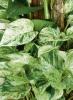
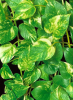
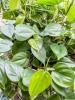
Peace Lily leaves are usually glossy, dark green, oblong, elliptic, or lance-shaped with a pronounced midrib and numerous curved lateral veins. Individual cultivars may have narrow, broad, heavily ribbed, smooth, dwarf, giant, or variegated foliage. Leaf texture and size depend on genetics, maturity, hydration, nutrition, light, and growing conditions.
Leaves are the most common exposure source because they remain present year-round and often extend beyond the pot. Cats may bite moving leaf tips, dogs may chew a fallen leaf, and a bird may reach foliage positioned near a cage. Damaged leaves can drip sap or leave crystal-bearing tissue on surrounding surfaces.
Variegated cultivars such as ‘Domino’ do not become safer because portions of the leaf contain less chlorophyll. Giant cultivars do not automatically contain a greater concentration per gram, but they provide more plant tissue and longer reachable leaves. A compact cultivar may be equally capable of causing severe local pain when chewed.
Leaf browning, wilting, cold damage, sun scorch, or age does not eliminate the raphides. Owners often remove damaged leaves and place them temporarily on a counter, floor, or open trash container. These discarded leaves may be more accessible than the intact plant.
The Spathe, Spadix, True Flowers, Fruit, and Seeds
The prominent white structure usually called the Peace Lily flower is a spathe. It is a modified leaf associated with the reproductive structure and may begin bright white before becoming cream, pale green, or fully green as it ages. The spathe is plant tissue and should not be treated as a harmless petal.
The upright cream, ivory, yellowish, or greenish central structure is the spadix. Numerous tiny true flowers are arranged densely across its surface. The spadix may shed pollen, release moisture, or attract an animal interested in texture or scent.
Calcium oxalate distribution in aroid floral structures varies by species and tissue. Research has identified crystals in anthers, pollen-associated tissues, ovaries, spathes, spadices, and other structures in different members of Araceae, while sampled *Spathiphyllum* material has not shown identical crystal placement in every floral region. This variability is one reason not to claim that every tissue contains precisely the same crystal concentration.
Indoor fruit production is uncommon but possible after successful pollination. Developing fruit and seeds remain part of the same incompletely characterized commercial plant and should not be offered to animals. Fallen reproductive material should be collected promptly.
Cut or aging flower stalks remain hazardous after the spathe has turned green or brown. A dog may carry a stalk as a toy, a cat may bat it from a table, and a bird may shred it. The rigid stalk may also become a foreign body independently of the raphide exposure.
Mauna Loa and Other Commercial Cultivars
Mauna Loa Peace Lily is properly written Spathiphyllum ‘Mauna Loa’. It is associated with large, glossy leaves and prominent white spathes and has been sold widely as an indoor foliage and flowering plant. “Mauna Loa Supreme” is another common commercial designation, but nursery usage and cultivar labeling are not always consistent.
The words Mauna Loa alone do not identify the genus. The name has been used for unrelated cultivated plants, including daylilies, and a daylily presents a far more serious kidney risk to cats. The complete scientific or horticultural label and whole-plant morphology are therefore essential.
Other widely encountered names include ‘Sensation’, ‘Domino’, ‘Petite’, ‘Piccolino’, ‘Sweet Chico’, and numerous proprietary selections. Their differences in size, variegation, growth rate, and flowering do not create an established safety hierarchy. Every cultivated Peace Lily should be handled as a raphide-containing aroid.
Peace Lily Is Not a True Lily
The common name creates one of the most important identification problems in household toxicology. True lilies belong to Lilium, while daylilies belong to Hemerocallis. Cats can develop fatal acute kidney injury after very small true-lily or daylily exposures, including chewing leaves or petals, contacting pollen, or drinking contaminated vase water.
Peace Lily belongs to Araceae and causes an immediate local injury syndrome. Oral pain, drooling, pawing at the mouth, gagging, and localized swelling often begin within minutes. It does not ordinarily produce the delayed primary renal tubular injury characteristic of true lilies.
The difference should prevent inaccurate claims that every Peace Lily bite requires the same renal decontamination and hospitalization protocol as a true-lily exposure. It should not create complacency when the plant identity is uncertain. A cat exposed to a mixed arrangement containing both Peace Lily and a true lily must be treated according to the true-lily risk.
Preserve the complete plant, flower, leaf arrangement, reproductive structures, label, delivery card, vase water, and all plants in a memorial or floral display. Do not discard pollen-covered material or assume the large white structure proves that the plant is a Peace Lily. Calla Lily, Anthurium, Peace Lily, and true lilies may all have white structures but belong to different groups.
Calla Lily, Anthurium, Dieffenbachia, and Other Aroids
Calla Lily generally refers to Zantedeschia aethiopica or another Zantedeschia species. It has a white or colored spathe surrounding a central spadix and contains insoluble calcium oxalate raphides. Its immediate first-aid priorities overlap with Peace Lily even though the plants differ botanically.
Anthuriums often have thicker, waxier, heart-shaped or oval spathes that may be red, pink, white, orange, purple, or green. Their central spadices may be straight or curved, and many species have leathery heart-shaped leaves. Anthuriums also contain raphides and can cause painful oral injury.
Dieffenbachia has broad variegated leaves on cane-like stems and is associated with some of the most severe documented aroid airway injuries. Philodendron, Monstera, Epipremnum, Syngonium, Aglaonema, Alocasia, Caladium, and several other houseplants share the insoluble-calcium-oxalate syndrome. Exact severity differs with species, tissue, amount, and accompanying irritants.
Uncertainty among these aroids should not delay immediate mouth, eye, skin, and airway assessment because the first-aid priorities are similar. Exact identification remains important for prognosis, associated hazards, and excluding a true lily, soluble-oxalate plant, or another toxic ornamental.
Memorial, Funeral, Hospital, and Sympathy Plants
Peace Lilies frequently enter homes unexpectedly after a death, hospitalization, illness, funeral, memorial service, or other life event. The recipient may not have selected the plant, recognize it as an aroid, or realize that its large leaves extend into pet-accessible space. The plant may arrive during a period when household attention is understandably divided.
Large memorial plants are often placed on the floor, hearth, low table, entry stand, or beside furniture because no permanent location has been chosen. Dogs can reach the foliage immediately, and cats may climb onto nearby surfaces. Fallen spathes, yellow leaves, and wrapping material may remain unnoticed beneath the display.
Foil pot covers, ribbon, bows, wire, cards, plastic stakes, decorative moss, stones, and nursery sleeves create additional chewing and foreign-body hazards. Water can collect inside foil and support mold, bacteria, fertilizer residue, or stagnant liquid. The complete gift arrangement should be inspected before animals enter the room.
Memorial displays may also contain true lilies, daylilies, Calla Lilies, Anthuriums, chrysanthemums, hydrangeas, cycads, or other plants. Identifying only the Peace Lily does not identify every exposure source. Cats should be excluded from any room containing an unidentified lily arrangement until every plant is confirmed.
Homes, Offices, Schools, Hotels, and Commercial Interiors
Peace Lilies tolerate indoor conditions and are widely used in offices, hotels, waiting rooms, schools, churches, stores, restaurants, apartment lobbies, and commercial interiors. Therapy animals, service dogs, visiting pets, birds, and animals living in attached residences may encounter plants maintained by a third-party contractor. The owner may not know the pesticide, fertilizer, or leaf-shine history.
Large plants may be positioned near drinking fountains, reception desks, elevators, hallways, or seating where an animal pauses. Fallen leaves and flower stalks may be placed temporarily in an open maintenance cart or trash can. A dog may chew discarded material even when the living plant is behind a barrier.
Commercial maintenance products should be preserved when signs extend beyond immediate oral irritation. Tremors, seizures, profuse secretions, major cardiovascular abnormalities, bleeding, or organ failure suggests another exposure. Request the product name, active ingredient, concentration, and application date from the contractor.
Repotting, Division, Propagation, and Plant Waste
Repotting is a high-exposure period because roots, underground stems, cut leaves, sap, soil, fertilizer, labels, and tools are spread across a work area. Animals should be excluded until the plant is secured, every fragment is collected, and contaminated surfaces have been cleaned. Gloves protect the person handling damaged tissue.
Peace Lilies are commonly divided by separating rooted offsets. Fresh cuts expose moist internal tissue and may release more sap than an intact leaf. Root clumps left on newspaper, plastic, a patio, garage floor, or potting bench are attractive to dogs and small herbivores.
Water propagation or hydroponic culture may place roots and nutrient solution in an open glass container. The liquid may contain fertilizer, algae, bacteria, decaying roots, or additives. Animals should not be allowed to drink from the container or pull exposed roots into reach.
Plant waste should go directly into a closed container rather than an accessible compost pile. A wilted Peace Lily remains capable of causing mechanical irritation because mineral crystals persist. Mixed compost may contain more serious hazards such as mold, mushrooms, pesticides, food waste, wire, or other toxic plants.
Dogs and Cats
Dogs may pull a plant from a low stand, chew a fallen leaf, carry a flower stalk, dig through potting soil, or raid an open disposal bag. Puppies may chew almost every component of a memorial arrangement, including foil, ribbon, wire, cards, moss, stones, and plastic stakes. Exposure reconstruction should inventory the entire scene.
Cats may bite moving leaf tips, climb to elevated plants, hide beneath broad foliage, or groom sap from their paws. A shelf is not animal-proof when leaves arch downward or nearby furniture creates a route. Cats may also drink from saucers, hydroponic containers, or mixed floral water.
Immediate drooling and mouth pain support a raphide exposure, but continued anorexia, vomiting, gagging, or hiding requires follow-up. Peace Lily does not cause the true-lily renal syndrome, yet a cat that stops eating or cannot swallow still faces real medical risk. Any uncertainty about the plant’s identity requires treating the exposure more cautiously.
Horses and Livestock
Horses, cattle, sheep, goats, and pigs are unlikely to encounter Peace Lily during normal grazing because it is primarily a tropical ornamental and houseplant. Exposure becomes possible when greenhouse waste, funeral plants, office landscaping, damaged indoor specimens, or mixed ornamental clippings are dumped near an enclosure. Hungry or confined animals may consume plants they would ordinarily avoid.
Horses cannot vomit and may develop salivation, repeated swallowing, coughing, feed refusal, colic, diarrhea, or respiratory noise. A flower stalk or root clump may contribute to choke. Forced drenching is unsafe when swallowing is painful or impaired.
Group exposure requires immediate removal of the entire waste source. Mixed ornamental debris may contain yew, Oleander, rhododendron, azalea, cycads, Cherry Laurel, true lilies, boxwood, wire, or pesticide-treated material. Severe neurologic, cardiovascular, or rapidly fatal signs should prompt investigation beyond Peace Lily.
Rabbits, Guinea Pigs, Birds, Reptiles, and Other Exotics
Peace Lily should not be offered as forage, bedding, nesting material, a chew plant, perch decoration, or enclosure enrichment. Rabbits and guinea pigs may develop enough mouth pain to stop eating, allowing gastrointestinal stasis and reduced fecal production to become the dominant emergency. Their inability to vomit does not protect them from oral or intestinal injury.
Companion birds can crush foliage efficiently and spread sap over the beak, face, feet, and feathers. Oral swelling and pain can prevent feeding, while grooming contaminated feathers adds continued exposure. Open-mouth breathing, inability to perch, or progressive facial swelling requires urgent avian care.
Reptiles, amphibians, and invertebrates may encounter Peace Lily used as a decorative vivarium plant. Direct chewing, skin contact, contaminated feeder insects, fertilizer, pesticide, and decaying plant material create uncertainty. A plant ignored for weeks is not proven safe because access and feeding behavior can change.
Small exotics have limited physiologic reserve and may deteriorate quickly from dehydration or reduced intake. Dog and cat treatment assumptions cannot be transferred automatically. Species-experienced veterinary care is appropriate when eating, fecal output, breathing, balance, or responsiveness changes.
Diagnosis and Exposure Reconstruction
Diagnosis usually relies on reliable plant identification, witnessed chewing, and the immediate combination of mouth pain, head shaking, drooling, pawing at the face, gagging, and localized swelling. No routine blood test confirms that raphides contacted the mouth. Laboratory testing is used to assess dehydration, electrolyte changes, another toxin, or illness extending beyond the expected local syndrome.
Preserve photographs of the whole plant, leaves, growth habit, white spathe, central spadix, root clump, pot, nursery label, and every other plant in the room or arrangement. Save chewed fragments and representative vomit when safe. Do not discard the plant merely because Peace Lily seems obvious.
Record the exact timeline, maximum amount damaged, presence of vomiting, breathing noise, swallowing difficulty, eye exposure, skin contact, and every missing foreign object. Identify fertilizer, pesticide, leaf-shine, hydroponic nutrient, potting medium, and maintenance products. These details determine whether the case remains a simple raphide exposure.
Oral examination may require sedation when pain prevents safe visualization. Eye exposure may require fluorescein staining and eyelid eversion. Persistent vomiting or suspected foreign material may justify radiographs, ultrasound, endoscopy, or other imaging.
Differential Diagnosis and Findings That Require Another Explanation
Other raphide-containing aroids can produce a similar syndrome, including Dieffenbachia, Philodendron, Monstera, Epipremnum, Syngonium, Anthurium, Calla Lily, Caladium, Alocasia, and Aglaonema. Initial first aid may overlap, but exact plant identity remains valuable. Dieffenbachia and some other aroids have better-documented severe airway injury than Peace Lily.
Caustic cleaners, batteries, electrical burns, dental disease, oral foreign bodies, insect stings, snake or spider exposure, medication, and trauma can cause drooling and swelling. Choking, esophageal obstruction, and linear foreign material may occur with or without plant toxicity. Persistent one-sided signs or inability to swallow requires a full examination.
Kidney failure, hypocalcemia, seizures, coma, major arrhythmias, severe anemia, liver failure, and prolonged neurologic depression does not fit uncomplicated Peace Lily exposure. True lily, daylily, soluble oxalates, antifreeze, pesticide, medication, yew, Oleander, cycad, or another toxin should be considered. The diagnosis should expand rather than forcing every finding into a raphide explanation.
Coughing, fever, nasal discharge, rapid breathing, or worsening lethargy after vomiting may indicate aspiration pneumonia. Continued eye pain may indicate corneal ulceration. Recurrent vomiting or reduced stool may indicate a swallowed stalk, root mass, pot fragment, or decorative object.
Prognosis, Recovery, and Prevention
The prognosis is generally good to excellent when the exposure is limited and breathing remains normal. Most animals improve substantially within several hours as loose contamination is cleared and inflammation subsides. Drooling, pain, and reluctance to eat should decrease steadily rather than worsen.
Recovery is more complicated when the pharynx or larynx is involved, vomiting causes dehydration, the animal refuses food, the cornea is injured, or a foreign body was swallowed. Aspiration pneumonia, esophageal obstruction, and airway compromise can require hospitalization. Prognosis then depends on the complication rather than the raphides alone.
Place Peace Lilies in rooms animals cannot enter rather than relying on height. Large leaves arch beyond shelves and tables, and cats can climb. Fallen leaves, spathes, and stalks should be collected immediately.
Inspect memorial and funeral plants before bringing them into a pet household. Confirm every plant identified as a lily, particularly when cats are present. True lilies and daylilies should not remain anywhere a cat can access pollen, foliage, petals, or vase water.
Wear gloves during division and pruning, wash tools and contaminated surfaces, secure potting supplies, and discard all plant material in a closed container. Keep hydroponic water, fertilizer, pesticide, labels, wire, ribbon, moss, foil, and decorative objects inaccessible. Prevention must address the complete plant arrangement rather than the leaves alone.
Immediate Response After Exposure
- Stop further access: Move the animal away from the living plant, fallen leaves, flower stalks, root divisions, sap, potting debris, hydroponic water, propagation material, and contaminated surfaces.
- Preserve the complete plant: Save the nursery label, whole growth habit, leaves, spathe, spadix, roots, photographs, and every plant in a mixed arrangement.
- Record the exposure: Note the time, maximum amount damaged, plant parts involved, and when drooling, gagging, swelling, vomiting, or breathing changes began.
- Inventory associated objects: Identify missing wire, ribbon, plastic labels, decorative picks, stones, moss, foil, stakes, clips, and pot fragments.
- Preserve product labels: Save fertilizer, pesticide, leaf-shine, hydroponic nutrient, and potting-product information.
- Contact a professional: Call a veterinarian or animal poison-control service when identity is uncertain, symptoms are more than mild and brief, or breathing, swallowing, eyes, or food intake are affected.
Immediate oral pain often limits the amount swallowed, but the visible plant damage does not reveal whether crystals reached the back of the throat or whether a foreign object was ingested. Airway and swallowing assessment takes priority over rinsing, feeding, or medication.
Check the Airway Before Doing Anything by Mouth
- Listen for respiratory noise: Harsh inhalation, stridor-like sounds, wheezing, gasping, or unusually loud breathing may indicate upper-airway involvement.
- Watch the tongue and face: Rapidly increasing lip, tongue, facial, or throat swelling requires emergency care.
- Check gum color: Pale, gray, or blue-gray mucous membranes indicate inadequate oxygenation or circulation.
- Watch body position: Open-mouth breathing or an extended head and neck may indicate respiratory distress.
- Assess swallowing: Inability to swallow saliva, continuous gagging, or coughing whenever water is offered requires prompt examination.
- Give nothing by mouth during airway difficulty: Water, food, pills, and liquid medication may be aspirated.
Respiratory difficulty can worsen rapidly even though most Peace Lily exposures remain mild. Leave for emergency care immediately rather than attempting prolonged mouth washing at home. Call ahead so the clinic can prepare oxygen and airway equipment.
Remove Only Loose Visible Material
- Wear gloves: Protect your skin and eyes while handling damaged plant tissue, sap, saliva, or vomit.
- Clear the front of the mouth: Remove only loose leaves, stalk pieces, roots, or debris visible around the lips and front of the tongue.
- Do not perform a blind finger sweep: Reaching deeply may push material farther toward the airway or result in a bite.
- Check around the teeth: A fibrous root or stalk may wrap around teeth, lodge beneath the tongue, or become wedged across the palate.
- Do not pull resistant material: A stalk, wire, ribbon, or string may be anchored in the throat or gastrointestinal tract.
- Do not attempt to remove individual crystals: Embedded microscopic raphides cannot be picked from the tissue one by one.
Persistent gagging, one-sided chewing, localized bleeding, or continued inability to drink after loose material is removed warrants a complete oral examination. Sedation may be necessary because painful animals resist handling and hidden fragments can remain behind the molars or near the pharynx.
Gently Wipe or Rinse the Mouth Only When Safe
- Use a damp cloth: Gently remove visible sap and debris from the lips, gums, and front of the tongue.
- Use cool or lukewarm water: Allow a gentle stream to pass across the front of the mouth without directing it toward the throat.
- Position the head for drainage: Water, saliva, and debris must be able to leave the mouth freely.
- Do not scrub: Vigorous rubbing may drive crystals farther into irritated tissue.
- Do not syringe liquid: Forced water can enter the lungs.
- Stop if distress increases: Coughing, choking, panic, worsening gagging, or abnormal breathing requires immediate transportation.
Rinsing removes loose contamination but cannot extract raphides already embedded in tissue. The goal is limited decontamination, not prolonged irrigation of a struggling animal. A gentle rinse should never delay emergency airway treatment.
Do Not Induce Vomiting
- Do not give hydrogen peroxide: Vomiting carries plant crystals back across injured tissue and can worsen oral, esophageal, and gastric irritation.
- Never give hydrogen peroxide to a cat: It can cause severe feline gastric and esophageal injury.
- Do not use salt, mustard, detergent, oil, syrup, or manual gagging: These methods can create another poisoning or physical injury.
- Do not induce vomiting after gagging or swelling: Poor swallowing and pharyngeal irritation increase aspiration risk.
- Do not induce vomiting after foreign-object ingestion: Wire, picks, glass, rigid stalks, plastic, and other objects can cause additional injury while returning through the esophagus.
- Never attempt vomiting in horses, rabbits, guinea pigs, ruminants, birds, or other non-vomiting species: Household emesis is ineffective or dangerous.
Routine emesis is not useful because the primary injury begins when the plant contacts the mouth and throat. By the time signs appear, vomiting does not reverse crystal penetration. Veterinary treatment focuses on pain, swelling, hydration, airway function, and complications.
Activated Charcoal and Unsupervised Medication
- Do not force activated charcoal: It does not remove embedded raphides and can be aspirated by a drooling, gagging, vomiting, weak, or poorly swallowing animal.
- Do not use household charcoal: Barbecue briquettes, fireplace ash, burned food, and homemade carbon are not medical activated charcoal.
- Do not give diphenhydramine automatically: Antihistamines do not remove crystals or secure a narrowing airway and may cause sedation.
- Do not give anti-diarrheal medication: Loperamide, bismuth compounds, and owner-selected veterinary products do not treat the primary injury.
- Do not give sucralfate automatically: It is a prescription medication and does not remove raphides or treat airway swelling.
- Do not apply numbing gels: Benzocaine, lidocaine, and similar products may be toxic, interfere with swallowing, or obscure worsening injury.
- Do not give human pain medication: Ibuprofen, naproxen, aspirin, and acetaminophen can create a second poisoning.
A veterinarian may select an analgesic, antiemetic, anti-inflammatory medication, antihistamine, or gastrointestinal protectant according to the animal’s findings. Those drugs are supportive and indication-specific rather than Peace Lily antidotes. Owner-selected medication can delay recognition of airway deterioration.
Water and Food
- Allow small voluntary drinks only when safe: Fresh water may remain available to an alert animal that is breathing and swallowing normally.
- Prevent rapid gulping: Drinking a large amount immediately after gagging or vomiting may trigger another episode.
- Do not force water: Syringing fluid into a gagging or poorly swallowing animal can cause aspiration.
- Do not force food: Mouth pain, pharyngeal swelling, nausea, or retained material may make feeding unsafe.
- Give nothing during abnormal breathing: Food and liquid can worsen airway compromise.
- Report continued food refusal: Persistent anorexia is especially important in cats, rabbits, guinea pigs, birds, and very small animals.
A small voluntary drink is different from using milk, oil, yogurt, or food as an antidote. No household product removes raphides embedded in the mucosa. Comfort and nutrition must be balanced against swallowing safety and aspiration risk.
Skin and Fur Exposure
- Remove contaminated equipment: Take off collars, harnesses, clothing, bandages, blankets, or bedding holding sap against the skin.
- Wash promptly: Use lukewarm water and mild pet-safe shampoo.
- Rinse thoroughly: Residual sap and shampoo can continue irritating the skin.
- Prevent grooming: Stop licking until plant material has been removed from the coat.
- Do not scrub aggressively: Friction may worsen mechanical irritation.
- Clean surrounding surfaces: Wash floors, tools, carriers, counters, and other contaminated objects.
- Seek care for persistent lesions: Spreading redness, swelling, blistering, severe pain, discharge, or facial involvement requires examination.
Eye Exposure
- Begin irrigation immediately: Flush with sterile saline or clean lukewarm water for at least 15 to 20 minutes.
- Flush from the inner corner outward: Direct liquid away from the opposite eye and face.
- Do not rub the eye: Rubbing may drag crystals across the corneal surface.
- Do not apply human eye products: Redness relievers, anesthetics, antibiotics, and steroid drops may be inappropriate.
- Prevent self-trauma: Stop persistent face rubbing without pressing on the eye or airway.
- Obtain prompt examination: Continued squinting, tearing, cloudiness, swelling, discharge, or inability to open the eye requires veterinary care.
Veterinary examination may include eyelid eversion, removal of retained debris, fluorescein staining, pain control, and prescribed ophthalmic medication. Corneal injury cannot be ruled out because the eye looks better immediately after flushing.
Watch for Gastrointestinal and Foreign-Body Complications
- Track vomiting: Record frequency, blood, dark material, plant fragments, and whether water remains down.
- Track diarrhea: Note frequency, blood, black stool, mucus, and changes in activity.
- Watch hydration: Tacky gums, sunken eyes, reduced urination, weak pulses, cold extremities, or increasing lethargy requires treatment.
- Watch abdominal comfort: Severe pain, enlargement, repeated unproductive retching, or recurrent vomiting may indicate retained material.
- Inventory missing objects: Identify missing stalks, root masses, labels, wire, ribbon, picks, stones, plastic clips, foil, and pot fragments.
- Never pull visible string or root strands: Material may be anchored internally.
- Watch for aspiration: Coughing, fever, nasal discharge, rapid breathing, or renewed lethargy after vomiting requires reassessment.
Emergency Findings
- Rapidly increasing swelling: Progressive tongue, facial, pharyngeal, or throat swelling may threaten the airway.
- Breathing difficulty: Harsh inhalation, open-mouth breathing, gasping, blue-gray gums, panic, or collapse is an emergency.
- Inability to swallow: Continuous drooling, neck stretching, repeated gagging, or inability to swallow saliva requires prompt examination.
- Repeated vomiting or diarrhea: Frequent episodes, blood, severe pain, or inability to retain water requires treatment.
- Eye injury: Persistent squinting, cloudiness, discharge, or inability to open the eye requires urgent care.
- Food refusal: Continued inability to eat is especially important in cats, rabbits, guinea pigs, birds, and small exotics.
- Unexpected systemic signs: Tremors, seizures, profound weakness, coma, reduced urination, major rhythm abnormalities, or organ failure requires investigation for another cause.
Safe Transportation
- Call ahead: Tell the clinic that a raphide-containing aroid exposure and possible airway swelling are involved.
- Keep the animal calm: Struggling increases oxygen demand and may worsen respiratory distress.
- Use a carrier or stretcher: Do not force a weak or distressed animal to walk.
- Position for drainage: Keep the head so saliva and vomit can leave the mouth.
- Do not muzzle a vomiting or respiratory-compromised animal: A muzzle may trap vomit or restrict airflow.
- Bring the evidence: Transport the plant, label, photographs, product packages, foreign-object inventory, and contained vomited material.
Veterinary Examination and Airway Management
There is no specific antidote because the primary injury is mechanical damage and inflammation caused by crystals embedded in contacting tissue. Veterinary examination assesses breathing, tongue and pharyngeal swelling, swallowing ability, oral lesions, hydration, eye involvement, abdominal discomfort, and foreign material. A painful or frightened animal may require sedation for a safe oral examination.
Oxygen and close airway monitoring may be sufficient when swelling is stable and breathing remains effective. Progressive obstruction may require endotracheal intubation, suction, controlled sedation, or emergency airway intervention. Airway treatment should not be delayed while waiting for the exact retail cultivar to be identified.
Anti-inflammatory or antihistamine medication may be selected when clinically appropriate, but neither removes the crystals. Analgesia helps restore comfortable swallowing and feeding. Medication choice depends on species, airway status, hydration, other diseases, and the actual examination.
Veterinary Gastrointestinal, Fluid, and Foreign-Body Treatment
Veterinarian-selected antiemetic medication may reduce continued vomiting, fluid loss, pain, and aspiration risk. Subcutaneous or intravenous fluids may be used when drinking is inadequate or dehydration has developed. Electrolytes, glucose, kidney values, and acid-base status may be checked when gastrointestinal signs are prolonged or severe.
Retained stalks, roots, labels, wire, picks, stones, or container material may require radiographs, ultrasound, endoscopy, or surgery. Not every organic or plastic object is visible on standard radiographs, so clinical evidence remains important. Persistent signs after the oral irritation should have improved warrant further investigation.
Eye treatment may include continued irrigation, fluorescein staining, removal of trapped particles, analgesia, and prescription ophthalmic medication. Skin injury may require bathing, topical treatment, pain control, anti-inflammatory medication, and prevention of self-trauma. Aspiration pneumonia requires respiratory assessment and finding-specific treatment.
Dogs and Cats
- Check the entire arrangement: Account for foil, ribbon, wire, stones, labels, moss, stakes, fertilizer, and other plants.
- Do not assume an elevated plant was inaccessible: Cats climb and long leaves extend beyond shelves.
- Monitor food intake: Continued anorexia is particularly important in cats.
- Confirm that the plant is not a true lily: Uncertainty in a cat requires a more urgent response.
- Seek reassessment for recurrent signs: Renewed vomiting, coughing, gagging, or food refusal may indicate aspiration or retained material.
Horses and Livestock
- Remove the entire group: Prevent access to greenhouse waste, houseplants, memorial plants, and mixed ornamental debris.
- Identify every plant: Yew, Oleander, rhododendron, azalea, cycads, laurel, and true lilies may be present with Peace Lily.
- Do not attempt vomiting: Horses and ruminants must not receive household emetics.
- Do not force-drench affected animals: Salivation, coughing, swelling, and poor swallowing increase aspiration risk.
- Check for choke: Long flower stalks and root material may lodge mechanically.
- Preserve several samples: Collect plants and feed from different parts of the waste pile.
Rabbits, Guinea Pigs, Birds, and Other Exotics
- Remove all access: Collect leaves, stalks, roots, contaminated bedding, and enclosure material.
- Do not attempt vomiting: Rabbits and guinea pigs cannot vomit, and home emesis is unsafe for birds and other exotics.
- Do not force food or water: Oral pain, swelling, weakness, or abnormal breathing creates an aspiration risk.
- Monitor food and output: Reduced eating, fewer feces, regurgitation, diarrhea, or abdominal enlargement requires prompt care.
- Clean contaminated feathers or skin carefully: Prevent grooming until sap and plant tissue are removed.
- Seek emergency care for severe signs: Open-mouth breathing, inability to perch, recumbency, severe swelling, or reduced responsiveness is an emergency.
Monitoring and Recovery
- Monitor breathing: Respiratory effort and noise should remain normal.
- Monitor swallowing: The animal should progressively regain the ability to drink and eat comfortably.
- Monitor drooling: Salivation should decrease rather than continue or worsen.
- Monitor hydration: Gum moisture, drinking, urination, and activity should return to normal.
- Monitor the eyes and skin: Pain, redness, swelling, and discharge should improve after decontamination.
- Watch for delayed coughing: Coughing, fever, nasal discharge, or increasing respiratory effort may indicate aspiration.
- Return for recurrent signs: Renewed vomiting, gagging, food refusal, weakness, or swelling requires reassessment.
Most limited uncomplicated exposures have a good-to-excellent prognosis and improve substantially within several hours. Severe airway swelling, aspiration, persistent vomiting, dehydration, corneal injury, prolonged food refusal, or a swallowed foreign body changes the outlook. Recovery should be steady rather than temporary improvement followed by deterioration.
Frequently Asked Questions About Peace Lily and Animal Poisoning
Is Peace Lily poisonous to dogs and cats?
Yes. Peace Lily contains insoluble calcium oxalate raphides that puncture and irritate the mouth and throat when plant tissue is chewed. Dogs and cats may develop head shaking, pawing at the mouth, excessive drooling, gagging, vomiting, appetite loss, localized swelling, and difficulty swallowing. Severe airway involvement is uncommon but requires immediate emergency care.
What is the correct scientific name for Peace Lily?
The most accurate general scientific designation is Spathiphyllum spp. because Peace Lily is applied to numerous species, cultivars, hybrids, and commercial selections. Spathiphyllum wallisii is one familiar accepted species but should not be assigned automatically to every retail plant. The nursery label and cultivar name should be preserved when available.
Is Mauna Loa Peace Lily a separate species?
No. Mauna Loa is written as Spathiphyllum ‘Mauna Loa’ and is a cultivated selection rather than an accepted botanical species. “Mauna Loa Supreme” is another commercial name associated with large Peace Lilies. The words Mauna Loa alone are ambiguous because unrelated cultivars, including daylilies, may use the same name.
Is Peace Lily a true lily?
No. Peace Lily belongs to Araceae, while true lilies belong to Lilium and daylilies belong to Hemerocallis. True lilies and daylilies can cause fatal acute kidney injury in cats after very small exposures. Peace Lily instead causes immediate local injury from insoluble calcium oxalate raphides.
Can Peace Lily cause kidney failure in a cat?
Peace Lily does not produce the characteristic primary kidney-failure syndrome caused by true lilies and daylilies. Its insoluble raphides remain mainly within the tissues they contact and do not ordinarily cause systemic calcium depletion or renal crystal precipitation. Kidney abnormalities require investigation for a true lily, daylily, antifreeze, soluble oxalate, dehydration, medication, or another disease.
What are raphides?
Raphides are microscopic needle-shaped crystals of calcium oxalate formed within specialized plant cells called idioblasts. Chewing or crushing the plant releases the crystals against the lips, gums, tongue, palate, throat, skin, or eyes. They create immediate mechanical injury and may also help accompanying inflammatory plant substances penetrate tissue more deeply.
Which parts of Peace Lily are poisonous?
Leaves, petioles, roots, underground stems, sap, flower stalks, spathes, spadices, true flowers, fruit, seeds, divided clumps, and discarded material should all be treated as irritating. Crystal density may vary among tissues, species, and cultivars, but no plant part has been established as reliably safe for chewing. Dry or wilted material remains a hazard because the crystals are mineral structures.
Is the white Peace Lily structure poisonous?
Yes. The white sail-like structure is a modified leaf called a spathe, not a harmless flower petal. The central cream-colored spike is the spadix and bears many tiny true flowers. Both should remain inaccessible, along with the stalk and any developing fruit or seeds.
Why does an animal start drooling immediately?
Raphides injure the mouth as soon as the plant is bitten. The pain and inflammation stimulate salivation, head shaking, tongue movement, face rubbing, and pawing at the mouth. Immediate drooling after witnessed chewing fits a raphide exposure more closely than a delayed systemic poison, although retained foreign material and other irritants must still be considered.
Can Peace Lily cause throat swelling or breathing difficulty?
Yes, although severe airway obstruction is uncommon. Inflammation can affect the tongue, pharynx, or tissues surrounding the larynx. Noisy inhalation, open-mouth breathing, an extended head and neck, rapidly increasing swelling, inability to swallow saliva, blue-gray gums, panic, weakness, or collapse requires immediate emergency care.
Can a Peace Lily stalk or root cause an obstruction?
Yes. A long flower stalk, dense root mass, plant label, decorative pick, wire, ribbon, stone, plastic clip, foil, or pot fragment may be swallowed with the plant. Persistent gagging, regurgitation, recurrent vomiting, abdominal pain, reduced stool, or signs returning after temporary improvement may require imaging or endoscopy. Do not pull resistant string, root strands, or wire from the mouth or rectum.
How quickly do Peace Lily symptoms begin?
Mouth pain, drooling, head shaking, and pawing usually begin immediately or within minutes. Vomiting, appetite loss, abdominal discomfort, or diarrhea may follow if plant material was swallowed. Delayed severe systemic illness does not fit the expected uncomplicated raphide syndrome and requires investigation for another cause.
How long does Peace Lily poisoning last?
Most uncomplicated cases improve substantially within several hours and resolve within approximately one day. Continued drooling, swelling, gagging, vomiting, diarrhea, food refusal, coughing, or eye pain suggests more extensive injury or a complication. Aspiration, corneal damage, dehydration, or a foreign body may prolong recovery.
Should I make my dog vomit after chewing Peace Lily?
No home vomiting should be attempted unless a veterinarian or animal poison-control professional specifically directs it. Vomiting does not remove crystals embedded in the mouth and carries plant material back across injured tissue. Hydrogen peroxide can worsen esophageal and gastric irritation and must never be used as a feline emetic.
Should I give activated charcoal?
Activated charcoal does not remove raphides embedded in tissue and is not routinely useful for an uncomplicated Peace Lily exposure. It can be aspirated by a drooling, gagging, vomiting, weak, or poorly swallowing animal. A veterinarian may consider charcoal only when another adsorbable toxin was involved.
Should I give Benadryl?
Do not give diphenhydramine automatically. It does not remove the crystals or secure a narrowing airway, and sedation can complicate swallowing and clinical assessment. A veterinarian may select an antihistamine or anti-inflammatory medication for a specific patient after evaluating the swelling, breathing, species, and other medical conditions.
Can I rinse my animal’s mouth?
A gentle cool- or lukewarm-water rinse may help remove loose sap and plant debris when the animal is fully alert, breathing normally, and swallowing normally. The head must be positioned so water drains freely from the mouth, and liquid should never be forced toward the throat. Stop immediately if coughing, choking, panic, or worsening breathing begins.
Can Peace Lily sap irritate skin?
Yes. Sap and damaged crystal-containing tissue may cause stinging, redness, itching, tenderness, or localized swelling, particularly when residue remains beneath a collar, harness, clothing, bandage, or matted fur. Wash with lukewarm water and mild pet-safe shampoo and prevent grooming until cleanup is complete. Persistent or severe lesions require examination.
What should I do if Peace Lily sap gets in an eye?
Flush the eye with sterile saline or clean lukewarm water for at least 15 to 20 minutes and prevent rubbing. Do not use human redness-relief drops, topical anesthetics, or leftover steroid medication. Continued squinting, tearing, cloudiness, swelling, discharge, or inability to open the eye requires prompt veterinary examination.
Is Peace Lily poisonous to horses and livestock?
Yes. Horses, cattle, sheep, goats, pigs, and other livestock should not consume Peace Lily or mixed ornamental waste containing it. Horses cannot vomit and may develop salivation, repeated swallowing, oral pain, coughing, feed refusal, throat swelling, colic, or diarrhea. Severe systemic illness should prompt investigation for another plant or chemical mixed with the Peace Lily.
Is Peace Lily dangerous to rabbits and guinea pigs?
Yes. Even a small bite may cause enough mouth pain to interrupt eating. Rabbits and guinea pigs depend on continuous intake to maintain gastrointestinal movement, so food refusal, drooling, reduced fecal output, abdominal enlargement, or weakness requires prompt care. Peace Lily should never be used as forage, bedding, or enrichment.
Can companion birds chew Peace Lily?
No. Birds can crush leaves and stalks efficiently and spread sap and crystals across the beak, tongue, face, feet, and feathers. Beak wiping, regurgitation, oral swelling, reduced feeding, open-mouth breathing, weakness, or inability to perch requires avian veterinary care. The plant should not be used as cage or aviary decoration.
Can Peace Lily cause seizures, coma, or liver failure?
Those are not expected direct effects of insoluble calcium oxalate raphides. Seizures, coma, major rhythm abnormalities, systemic hypocalcemia, kidney failure, liver failure, or prolonged neurologic depression requires immediate investigation for another toxin, oxygen deprivation, metabolic disease, medication, pesticide, or unrelated illness. The presence of a Peace Lily does not explain every symptom automatically.
How do veterinarians treat Peace Lily exposure?
There is no specific antidote. Treatment may include removal of retained plant material, oral irrigation, pain control, veterinarian-selected antiemetics, fluids, airway monitoring, oxygen, anti-inflammatory treatment, emergency intubation when necessary, eye examination, and removal of a swallowed stalk, root mass, wire, label, or decorative object. Treatment follows the location and severity of the injury.
When is Peace Lily exposure an emergency?
Emergency findings include rapidly increasing tongue or throat swelling, noisy or difficult breathing, inability to swallow saliva, blue-gray gums, repeated choking, severe weakness, collapse, or reduced responsiveness. Prompt care is also required for persistent vomiting, dehydration, severe eye pain, major food refusal, or suspected foreign material. Airway problems must not be managed with home rinsing or oral medication.
What is the prognosis?
The prognosis is generally good to excellent after a limited uncomplicated exposure. Most animals improve as loose contamination is removed and inflammation subsides. Severe airway swelling, aspiration, dehydration, corneal injury, prolonged food refusal, esophageal injury, or a swallowed foreign body can prolong recovery and require hospitalization.
How can Peace Lily poisoning be prevented?
Keep the plant in a room animals cannot enter rather than relying on a shelf or table. Inspect memorial and funeral plants before bringing them into a pet household, collect fallen leaves and stalks immediately, and secure repotting and propagation material. Confirm every plant called a lily, particularly when cats are present, because true lilies and daylilies create a different and far more serious renal emergency.
What should I do if an animal eats Peace Lily?
Remove access, preserve the complete plant and label, and carefully remove only loose material visible at the front of the mouth. Gently wipe or rinse the mouth only when the animal is fully alert, breathing normally, and swallowing normally. Contact a veterinarian or animal poison-control service and seek immediate care for progressive swelling, abnormal breathing, inability to swallow, repeated vomiting, severe weakness, eye pain, collapse, or reduced responsiveness.