Red Lily True-Lily Nephrotoxicity, Feline Acute Kidney Injury, Pollen Exposure, and Vase-Water Risk
Is Red Lily Poisonous to Dogs, Cats, Horses, and Livestock?
Yes—Red Lily, Lilium philadelphicum L., is highly poisonous to cats and should be treated as an immediate veterinary emergency after any credible chewing, pollen grooming, or vase-water exposure. Red Lily is a true lily in the genus Lilium, the same medically important group responsible for acute renal tubular necrosis in cats. Leaves, stems, flowers, petals, tepals, anthers, pollen, bulbs, roots, sap, plant fragments, and water from cut-lily arrangements should all be considered dangerous to cats.
The exact feline nephrotoxin has not been identified, but experimental work with true lilies shows water-soluble toxic activity and severe injury to proximal kidney-tubule cells. A cat may look normal immediately after exposure, vomit once and appear improved, or continue acting quietly while tubular injury progresses. Increased thirst and urination can be an early sign of kidney dysfunction rather than recovery; reduced urination or no urination is a grave emergency.
Dogs may develop drooling, vomiting, diarrhea, or temporary appetite loss after eating a confirmed true lily, but they are not expected to develop the same feline acute kidney-failure syndrome. Comparable true-lily nephrotoxicity has not been established in horses, cattle, sheep, goats, pigs, rabbits, guinea pigs, or birds. That species distinction does not make the plant harmless: bulbs, fibrous material, pollen, vase water, pesticide residue, and mistaken common-name identification can still create veterinary concerns, and a plant called “red lily” may be a different toxic species altogether.
About this guide: This page provides general pet-poisoning information and cannot diagnose or treat an individual animal. For any suspected exposure, contact a veterinarian or animal poison-control service immediately. Do not induce vomiting, give medication, or attempt home decontamination unless directed by a veterinary professional.
Red Lily
Lilium philadelphicum L.
- Lilium andinum Nutt. — recognized synonym and western wood-lily search variant.
- Lilium lanceolatum T.J.Fitzp. — recognized synonym in botanical databases.
- Lilium masseyi Hyams — recognized synonym.
- Lilium montanum A.Nelson — recognized synonym and mountain-lily search variant.
- Lilium philadelphicum var. andinum Ker Gawl. — historical infraspecific name, especially relevant to western populations.
- Lilium philadelphicum var. montanum (A.Nelson) Cockerell — historical infraspecific name.
- Lilium philadelphicum subsp. umbellatum (Pursh) Á.Löve & D.Löve and Lilium umbellatum Pursh — important historical synonyms.
Liliaceae — True Lily Family
Red Lily; Wood Lily; Philadelphia Lily; Prairie Lily; Western Red Lily; Western Wood Lily; Wild Orange Lily; Orange-Cup Lily; Western Orange-Cup Lily; Red Highland Lily; Flame Lily; Wild Tiger Lily; Mountain Lily; Western Lily; Wild Red Lily; Native Red Lily; Lilium philadelphicum; Lilium andinum; Lilium umbellatum
Historical and taxonomic search variations include Lilium andinum Nutt., Lilium lanceolatum T.J.Fitzp., Lilium masseyi Hyams, Lilium montanum A.Nelson, Lilium philadelphicum var. andinum Ker Gawl., Lilium philadelphicum var. montanum (A.Nelson) Cockerell, Lilium philadelphicum subsp. umbellatum (Pursh) Á.Löve & D.Löve, and Lilium umbellatum Pursh.
“Red Lily” is a broad color-based name used for multiple unrelated red-flowered plants and is not sufficient for identification by itself. “Flame Lily” frequently refers to Gloriosa superba, an unrelated colchicine-containing plant capable of causing severe gastrointestinal, neurologic, hematologic, and multiorgan poisoning. “Tiger Lily” usually refers to Lilium lancifolium but may be used for other spotted orange Lilium species; those true lilies are also highly nephrotoxic to cats. Peace lily, calla lily, lily-of-the-valley, Peruvian lily, amaryllis, and autumn crocus are not interchangeable with Red Lily and cause different toxic syndromes.
The Unidentified True-Lily Nephrotoxin
The exact feline nephrotoxin in Red Lily and other true Lilium species has not been identified. This evidence boundary is important. The toxin should not be labeled as an oxalate, cardiac glycoside, colchicine alkaloid, pesticide, essential oil, pollen protein, or named alkaloid unless new evidence supports that claim. Current veterinary toxicology still treats the active toxic principle as unknown.
Most experimental toxicology has been performed with Easter lily, Lilium longiflorum, and clinical case evidence includes several true lilies and daylilies rather than direct controlled trials with every Lilium species. Red Lily, Lilium philadelphicum, is a true lily, so the safest and medically accepted approach is to manage feline exposure as true-lily nephrotoxicosis. The absence of a Red-Lily-specific dose study does not create a safety exception for cats.
Experimental Easter-lily research indicates that the toxic activity is water-soluble. Aqueous leaf and flower extracts were nephrotoxic, and the aqueous flower fraction produced especially severe effects in the experimental model. This supports the practical rule that the plant itself, pollen, plant sap, cut stems, petals, tepals, anthers, and contaminated vase water all matter in feline exposures.
Renal Tubular Injury in Cats
The principal target is the proximal renal tubular epithelium. These metabolically active kidney cells normally recover water, glucose, amino acids, bicarbonate, phosphorus, electrolytes, and other valuable substances from filtered fluid. True-lily exposure causes cellular swelling, mitochondrial injury, degeneration, detachment, and necrosis of tubular epithelial cells.
As damaged cells slough into the nephron, cellular debris and proteinaceous casts can obstruct the tubules, impair urine concentration, disrupt fluid and electrolyte regulation, and reduce the kidneys’ ability to remove metabolic waste. Early urinalysis may show poorly concentrated urine, glucosuria despite normal blood glucose, proteinuria, casts, or tubular sediment changes before conventional serum kidney values become dramatically abnormal.
Experimental lesions have included acute proximal tubular necrosis, swollen and structurally abnormal mitochondria, lipid accumulation within tubular cells, renal congestion, and edema surrounding the kidneys. Degeneration of pancreatic acinar cells has also been documented experimentally, indicating that the toxic process may not be absolutely limited to the kidneys. Even so, rapidly developing acute kidney injury remains the defining and most medically important syndrome in exposed cats.
Why Pollen, Anthers, and Vase Water Matter
Every part of a true lily should be treated as dangerous to cats, including leaves, stems, petals, tepals, anthers, pollen, unopened buds, seed structures, bulbs, roots, sap, and small plant fragments. Pollen is particularly easy to overlook because a cat may be exposed without deliberately chewing the plant. A cat that brushes against an anther may groom the pollen from its face, paws, chest, tail, or coat later, after the owner assumes no ingestion occurred.
Pollen spilled onto furniture, counters, windowsills, bedding, floors, clothing, grooming tools, carriers, or a person’s hands can create secondary exposure. Dry brushing can spread pollen more widely, while damp wiping helps lift it. A visibly pollen-dusted cat should be treated as potentially exposed even when no bite marks are found.
Vase water can contain pollen, sap, dissolved plant chemicals, bacteria, floral preservatives, fertilizers, and fragments released from cut stems and flowers. Because the suspected toxic material appears to be water-soluble, drinking from a lily vase is a legitimate poisoning concern. Removing only the flowers or pollen-bearing anthers does not make the remaining stems, leaves, cut ends, or vase water safe.
No Minimum Safe Feline Dose
No minimum toxic dose has been established for Red Lily or for true lilies as a group in cats. Severe disease has followed apparently small exposures, so veterinary poison authorities recommend prompt assessment after any credible chewing, pollen ingestion, or vase-water exposure. This does not mean that every cat exposed to a trace amount will inevitably develop kidney failure; many promptly treated cats remain well. The problem is that owners and veterinarians cannot determine the absorbed dose or individual susceptibility before renal injury begins.
Risk depends on plant identity, amount ingested, plant part, pollen burden, vase-water access, time since exposure, whether vomiting occurred, hydration, age, baseline kidney reserve, concurrent disease, and how quickly decontamination and renal support begin. A bite from a petal, a chewed leaf tip, a swallowed anther, a paw covered in pollen, or a drink from lily water may all justify emergency evaluation in a cat.
The phrase “even a small amount” should be used as a safety warning, not as a precise dose statement. Red Lily exposure is not automatically fatal when treated promptly, but delayed recognition can convert a manageable exposure into oliguric or anuric acute kidney injury with a much worse prognosis.
Species Specificity and Nonfeline Animals
The characteristic nephrotoxic syndrome is remarkably feline-specific. Dogs may develop drooling, vomiting, diarrhea, or temporary appetite loss after eating a true lily but do not ordinarily develop the acute renal tubular necrosis seen in cats. Comparable true-lily nephrotoxicity has not been established in horses, cattle, sheep, goats, pigs, rabbits, guinea pigs, or birds.
The reason cats are dramatically more susceptible has not been fully resolved. Species differences in metabolism, renal transport, detoxification, tubular handling, or elimination are suspected, but no single pathway has been proved to explain the syndrome. Until the mechanism is identified, species extrapolation should be conservative for cats and evidence-bound for other animals.
Nonfeline animals still deserve practical caution. Bulbs and fibrous plant material can cause gastrointestinal irritation, choking, obstruction, or dietary disruption. Pesticides, fertilizers, floral preservatives, moldy vase water, mixed bouquets, ribbons, skewers, wires, and mistaken identification can create separate hazards. A horse, dog, cow, goat, or rabbit that becomes severely ill after eating something called “red lily” should be evaluated for another plant or mixed exposure, not simply reassured that true-lily nephrotoxicity is feline-specific.
True Lilies, Daylilies, and Dangerous Common-Name Confusion
Red Lily belongs to the true-lily genus Lilium. Daylilies belong to Hemerocallis, not Lilium, but they can cause the same acute kidney-injury syndrome in cats and require the same emergency response. For cat households, both true lilies and daylilies should be excluded from bouquets, gardens, potted plants, dried arrangements, and floral deliveries.
Many unrelated plants carry “lily” in their common names. Peace lily and calla lily are aroids that contain insoluble calcium oxalate crystals and primarily cause immediate oral pain, drooling, and irritation. Lily-of-the-valley contains cardiac glycosides. Gloriosa or flame lily contains colchicine-related compounds. Autumn crocus contains colchicine-type alkaloids. Peruvian lily usually causes mild gastrointestinal irritation. None of these should be treated as interchangeable with Red Lily.
Common-name confusion matters because the correct emergency response differs. A cat exposed to a true lily needs immediate renal-risk management. A dog that ate gloriosa lily may need treatment for a colchicine-like multiorgan toxin. A pet chewing peace lily may need mouth-irritation care rather than renal diuresis. Plant photographs, labels, florist information, and remaining specimens can change the medical plan.
Onset and Early Progression
A cat may appear completely normal immediately after Red Lily exposure. This early symptom-free period is not reassuring because proximal renal tubular injury can begin before conventional kidney values rise and before any visible change in urine production occurs. Initial signs generally appear within several hours and may include drooling, lip licking, vomiting, appetite loss, depression, lethargy, hiding, and reduced interest in normal activity.
Some cats vomit only once and then appear temporarily improved, creating the dangerous impression that the exposure has resolved. Early gastrointestinal signs can be brief, intermittent, or absent, while renal injury continues silently. A cat that stops vomiting, curls up quietly, drinks a little, or urinates once is not cleared.
The interval between exposure and obvious kidney failure depends on plant part, pollen or vase-water access, amount swallowed, whether plant material was vomited, hydration, age, baseline kidney function, treatment timing, and individual susceptibility. This is why treatment is recommended after credible exposure rather than after waiting for azotemia, oliguria, or obvious uremic illness.
Early Gastrointestinal Phase
Vomiting is commonly the earliest recognized sign and may begin within a few hours. Drooling, lip licking, nausea, appetite loss, depression, lethargy, and hiding may occur at the same time. Vomited plant pieces can help confirm exposure but do not prove that all toxic material has been removed. The veterinarian should be shown recovered fragments or clear photographs rather than relying on the owner’s description of a “red flower.”
Repeated vomiting can lead to abdominal discomfort and dehydration. The cat may sit hunched, resist handling, refuse food, or become progressively quiet. Some affected cats drink less because they are nauseated, while others become noticeably thirstier as the kidneys begin losing their ability to conserve water.
Pancreatic acinar injury has been observed experimentally and may contribute to abdominal pain or abnormal pancreatic laboratory findings in some cats. Its clinical importance varies, and kidney function remains the primary treatment and monitoring concern. Persistent vomiting, abdominal pain, weakness, or dehydration after exposure is never a reason to manage the cat at home.
Polyuric Renal Phase
During the early renal phase, often within approximately 12–30 hours, the cat may produce larger quantities of dilute urine and drink more than usual. This polyuric stage reflects impaired tubular reabsorption and concentrating ability rather than healthy kidney function. Owners may mistake large urine clumps or increased drinking for improvement, but they can indicate early acute kidney injury.
Urinalysis may reveal poorly concentrated urine, glucose despite a normal blood-glucose concentration, protein, cellular debris, casts, or sediment abnormalities. Serum creatinine, urea nitrogen, phosphorus, potassium, calcium, and other values may remain normal initially and then rise as tubular injury progresses. Early normal bloodwork is useful as a baseline, not as a guarantee that the cat is safe.
Polyuria can dehydrate a cat even when it is drinking. Continued vomiting, poor intake, and renal water loss can combine quickly. Hydration, body weight, urine output, blood pressure, electrolytes, acid-base status, and serial kidney values are more informative than one early observation at home.
Oliguria, Anuria, and Uremic Deterioration
Continued tubular necrosis can lead to oliguria, meaning markedly reduced urine production, or anuria, meaning essentially no urine production. This may develop within approximately 24–48 hours in severe cases and represents a major deterioration in prognosis. A cat may produce only tiny urine clumps, make repeated unproductive litter-box visits, strain without urine, or stop urinating altogether. One earlier normal urination does not rule out evolving renal failure.
An oliguric or anuric cat cannot adequately eliminate fluid, potassium, phosphorus, acids, and metabolic waste. Uremia can then cause persistent vomiting, complete appetite loss, profound depression, weakness, dehydration, oral ulceration, abnormal breath odor, gastrointestinal bleeding, hypothermia, tremors, disorientation, seizures, coma, and death. Hyperkalemia and acidosis can become life-threatening.
Fluid management becomes more dangerous once urine output falls. Continued fluid intake or excessive intravenous fluid administration without accurate urine-output monitoring can produce fluid overload, edema, hypertension, pleural effusion, pulmonary edema, and worsening respiratory distress. This is why oliguric or anuric cats require intensive monitoring and may need referral for renal replacement therapy.
Dogs, Horses, Livestock, and Other Nonfeline Species
Dogs may develop vomiting, diarrhea, drooling, or appetite loss after eating a confirmed true lily, but they are not expected to develop the feline nephrotoxic syndrome. Kidney abnormalities in a dog should prompt investigation for dehydration, grapes or raisins, ethylene glycol, nonsteroidal anti-inflammatory medication, aminoglycoside antibiotics, infection, leptospirosis, urinary obstruction, another plant, or another nephrotoxin.
True-lily nephrotoxicity has not been established in horses, cattle, sheep, goats, pigs, rabbits, guinea pigs, or other livestock. A horse or ruminant that eats a small amount of confirmed Lilium philadelphicum is not expected to develop the feline kidney syndrome. Large ingestion of bulbs or fibrous vegetation can still cause digestive disturbance, choking, obstruction, or feed disruption.
Severe illness in a horse, livestock animal, bird, rabbit, guinea pig, reptile, dog, or cat after eating a plant called “red lily” raises concern for mistaken identification or mixed exposure. Gloriosa lily, lily-of-the-valley, autumn crocus, bog asphodel, amaryllis relatives, toxic bulbs, pesticides, floral preservatives, and numerous unrelated “lily” plants can produce very different toxic syndromes.
Findings That Suggest Another or Additional Diagnosis
Sudden seizures without preceding gastrointestinal or renal signs, severe oral pain immediately after chewing, marked heart rhythm abnormalities in a dog, profound diarrhea in livestock, acute neuromuscular paralysis, or collapse after a plant called “lily” should broaden the differential diagnosis. True-lily poisoning in cats is primarily a renal tubular disease, not a universal explanation for every lily-named plant exposure.
Peace lily and calla lily usually cause immediate oral irritation from insoluble calcium oxalates. Lily-of-the-valley causes cardiac glycoside poisoning. Gloriosa lily and autumn crocus can cause colchicine-like gastrointestinal, bone-marrow, neurologic, and multiorgan injury. Bog asphodel can cause renal disease in ruminants. Correct plant identification is therefore part of the medical workup, not a cosmetic detail.
Veterinarians should also consider common causes of feline acute kidney injury such as ethylene glycol, NSAIDs, aminoglycosides, grapes or raisins, cholecalciferol, hypotension, urinary obstruction, pyelonephritis, leptospirosis, severe dehydration, and other nephrotoxins. Lily exposure may be the leading concern while still requiring confirmation that no second insult is present.
Duration and Prognosis
Not every exposed cat develops renal failure. In published groups receiving prompt veterinary assessment and treatment, many cats remained clinically normal or experienced only brief, resolving gastrointestinal signs. Immediate treatment is recommended because the cats that will progress cannot be identified reliably during the early stage.
The prognosis is excellent for many cats that receive prompt decontamination, fluid support, and monitoring before substantial kidney injury develops. Prognosis becomes guarded once azotemia develops and poor when the cat becomes persistently oliguric or anuric. Delayed presentation, high potassium, severe fluid overload, seizures, uncontrolled uremia, and inability to access renal replacement therapy worsen the outlook.
Cats that survive the acute injury may regain substantial or apparently normal renal function because damaged tubular epithelium can regenerate when enough tissue architecture remains. Others may retain chronic kidney impairment and require follow-up bloodwork, urinalysis, blood-pressure monitoring, dietary management, hydration planning, or long-term renal care.
Red Lily Is a True Lily
Red Lily, Lilium philadelphicum, belongs to the true-lily genus Lilium. This botanical identity is medically important because true lilies are the group responsible for acute renal tubular necrosis in cats. The cat emergency response should be based on the true-lily identity, not on whether the flower is wild, native, cultivated, purchased, or cut from a garden.
Many unrelated plants carry “lily” in their common names. Peace lily and calla lily contain insoluble calcium oxalate crystals and primarily cause immediate mouth pain. Lily-of-the-valley contains cardiac glycosides. Gloriosa or flame lily contains colchicine-related compounds. Peruvian lily usually causes mild gastrointestinal irritation. Amaryllis, autumn crocus, bog asphodel, and other “lily-like” plants create different toxicology problems. None of these should be treated as interchangeable with Red Lily.
Daylilies belong to Hemerocallis rather than Lilium, but they can cause the same acute kidney-injury syndrome in cats and require the same emergency response. For feline safety, households should exclude both true lilies and daylilies rather than trying to memorize which common names belong to which genus.
How to Recognize Lilium philadelphicum
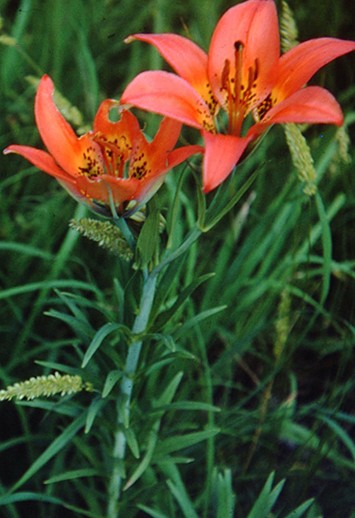
Red Lily is a native perennial that grows from an underground scaly bulb. A single erect, usually unbranched stem commonly reaches approximately 1–3 feet, although height varies with region, habitat, moisture, grazing pressure, surrounding vegetation, and local form. The plant may be encountered as a wildflower, native-garden plant, prairie or woodland restoration species, cut flower, or photographed plant brought indoors for identification.
The leaves are narrow to lance-shaped or elliptic, taper toward the tip, and occur alternately or in partial whorls along the stem. They lack the broad heart-shaped form of many ornamental plants incorrectly called lilies. One to several upward-facing flowers develop near the top of the stem.
Each flower has six orange, orange-red, or deep red tepals with darker maroon, purple, or brown spotting toward the base. The tepals spread into an open cup rather than forming the strongly recurved shape of some tiger lilies. Six prominent stamens surround a central style, and the pollen-bearing anthers may deposit powdery material on an animal, person, nearby vegetation, furniture, or fabric after a flower is cut.
The upright flowers help distinguish L. philadelphicum from several native North American lilies with nodding blossoms. Identification can still be difficult outside the flowering season, especially when only leaves, a dried stem, pollen, or an underground bulb are available. When a cat is exposed, bring the whole plant, bulb if already uprooted, flowers, leaves, bouquet label, and photographs rather than relying on the common name.
Native Range and Exposure Settings
Lilium philadelphicum is native across a broad portion of North America, from western and central Canada through parts of the northern, eastern, central, Appalachian, Great Plains, and Rocky Mountain regions of the United States. It grows in open woods, woodland margins, prairies, meadows, clearings, savannas, rocky slopes, and other sunny to partly shaded habitats with generally well-drained soils.
Western forms are particularly associated with prairies, mountain meadows, open coniferous woodland, mixed woodland, and upland openings. Native habitat exposure is possible for outdoor cats in rural properties, prairie restorations, native-plant gardens, campgrounds, and wildflower areas. However, most feline exposure risk is created when people bring the flower indoors.
Cutting a wild Red Lily and bringing it into a cat household creates the same nephrotoxic hazard as buying a commercial Easter, Asiatic, Oriental, Stargazer, Japanese show, tiger, or daylily arrangement. Pollen shedding from an indoor flower may create more feline exposure than the intact plant would have caused outdoors. A single attractive wildflower in a vase can become a household renal emergency.
Common-Name Confusion and Look-Alikes
“Red Lily” describes color rather than one unique species. It may refer to several true lilies, cultivated hybrids, amaryllis relatives, gloriosa lily, or unrelated regional plants. A photograph of the complete plant and flower is more reliable than the common name alone.
“Flame Lily” is particularly important because it often means Gloriosa superba. That plant is not a true lily and contains colchicine-like alkaloids capable of causing severe vomiting, diarrhea, bone-marrow suppression, neurologic abnormalities, organ failure, and death in several animal species. A dog or horse severely ill after “flame lily” exposure may not be dealing with a true lily at all.
“Tiger Lily” most commonly refers to Lilium lancifolium, another true lily that is also highly nephrotoxic to cats. Confusing those two true lilies does not change the immediate feline emergency response, but it still matters for accurate plant records. “Wood lily” may also be used for unrelated woodland flowers, so the combination of an upright spotted orange-red flower, true lily structure, narrow stem leaves, and underground scaly bulb should be confirmed whenever possible.
Why Cats Are Uniquely Vulnerable
The reason cats are dramatically more susceptible than dogs and other domestic animals has not been fully resolved. Species differences in metabolism, renal transport, detoxification, tubular handling, elimination, or production of a toxic metabolite are suspected, but no single pathway has been proved to explain the syndrome. This unresolved mechanism is one reason the page should avoid overconfident chemical claims.
Once absorbed, the unidentified toxin selectively damages renal tubular epithelial cells. These cells have high metabolic demands and contain many mitochondria, making disruption of cellular energy production a plausible part of the lesion. Experimental ultrastructural findings of swollen mitochondria, abnormally enlarged mitochondria, edema, and lipid accumulation support severe cellular metabolic injury.
The tubular basement membranes may remain sufficiently intact to permit regeneration when the cat survives the acute phase. This potential for regeneration explains why even seriously affected cats can sometimes recover with prolonged support or renal-replacement therapy. It does not make delayed treatment safe, because anuria, hyperkalemia, fluid overload, hypertension, pulmonary edema, and uremia can become fatal before repair occurs.
How Little Exposure Is Concerning?
No controlled study has established a minimum safe or toxic amount for Red Lily. Veterinary authorities therefore recommend treatment after any credible feline ingestion rather than waiting to calculate a dose. Chewing part of a leaf or petal is an obvious exposure. Licking pollen from the coat, drinking water from a cut-flower vase, swallowing an anther, or grooming sap and plant fragments from the paws can also deliver toxin.
Merely walking past a lily is not the same as ingesting it. The practical concern begins when pollen or plant material is on the cat’s fur or paws, bite marks are present, a flower is missing, vase water has been consumed, the cat was seen licking the plant, or the exposure cannot be ruled out reliably.
Because pollen can be groomed off before an owner notices it, a cat found with yellow, orange, or brown pollen dust on its face, chest, tail, or paws should be treated as potentially exposed even when no chewing was witnessed. The cost of early veterinary evaluation is justified by the narrow window before renal injury becomes much harder to control.
What Experimental Research Has Shown
Controlled Easter-lily studies reproduced vomiting, depression, increased thirst, increased urination, azotemia, glucosuria, proteinuria, and poorly concentrated urine in cats. Examination of the kidneys showed severe proximal tubular degeneration and necrosis. The studies also documented pancreatic acinar degeneration and creatine kinase increases, indicating that the syndrome is not limited to a simple isolated kidney-lab change.
The aqueous flower fraction contained the greatest toxic activity in the experimental model, supporting a water-soluble toxin. Flowers appeared more toxic than an equivalent amount of leaf material in that model, but every part of a true lily remains unsafe for cats because owners cannot safely identify, measure, or separate the active fraction in a real household exposure.
Bioassay-guided chemical work has identified cytotoxic steroidal glycoalkaloids and other complex constituents in Easter lily extracts, but the clinically responsible feline nephrotoxin or toxin mixture has not been definitively proven. Until the active molecule or molecules are identified and tied to in vivo feline renal disease, the public page should continue to state that the exact toxin is unknown.
What Real-World Cat Studies Show
A study involving 57 cats from 48 households examined real-world exposures to toxic lilies. Most cats received prompt veterinary care, generally including decontamination, intravenous fluids, monitoring, or a combination of these measures. Most either developed no clinical signs or had brief signs that resolved, while a smaller number developed renal insufficiency or were euthanized because of renal failure.
A separate retrospective series evaluated 25 cats treated within 48 hours of known Lilium or Hemerocallis ingestion. Nineteen underwent gastrointestinal decontamination, and 23 were hospitalized for intravenous fluids, supportive care, and monitoring. All 25 cats survived to discharge, supporting a strong prognosis when treatment begins promptly.
A more recent study reviewed cats treated after lily exposure as inpatients or outpatients. Acute kidney injury was identified in both groups, many cases were low-grade and stable or improving, and overall survival was excellent, although survival was higher in hospitalized cats. That evidence may help veterinarians and owners make realistic plans when hospitalization is not possible, but it does not support unmonitored home observation.
Dogs, Horses, Livestock, Birds, and Other Animals
Dogs eating a confirmed Red Lily may experience vomiting, diarrhea, drooling, or loss of appetite, but the characteristic feline renal tubular necrosis has not been documented as an expected canine outcome. Treatment is based on actual gastrointestinal signs, amount eaten, co-exposures, hydration, obstruction risk, and confirmation that the plant is truly a Lilium.
True-lily nephrotoxicity has not been established in horses, cattle, sheep, goats, pigs, rabbits, guinea pigs, birds, or other livestock. A horse or ruminant that eats a small amount of confirmed L. philadelphicum is not expected to develop the feline kidney syndrome. Large ingestion of bulbs, fibrous vegetation, or mixed bouquet material can still cause digestive disturbance or obstruction.
More importantly, a common-name identification may be wrong. Bog asphodel, lily-of-the-valley, gloriosa lily, autumn crocus, amaryllis relatives, and other plants carrying “lily” in their names can cause serious disease in nonfeline species. A nonfeline animal with severe signs after a “red lily” exposure should be managed by the actual plant identity and clinical syndrome, not by a generic lily label.
Diagnosis and Monitoring
Diagnosis usually begins with known or suspected exposure to a true lily. Bite marks, missing petals, pollen on the coat, tipped vase water, plant fragments in vomit, a flower delivery receipt, or a photograph of the bouquet can provide critical evidence. No routine clinical test identifies the lily toxin itself.
Baseline evaluation generally includes a complete blood count, serum chemistry profile, urinalysis, hydration assessment, body weight, blood pressure, and evaluation of urine production. Important measurements include creatinine, urea nitrogen, phosphorus, potassium, calcium, glucose, total protein, urine specific gravity, urine glucose, urine protein, casts, and sediment abnormalities. Conventional blood values may be normal early in the course.
Serial testing is therefore more informative than one immediate normal panel. Renal values and urine findings may be reassessed approximately every 24 hours during the first 48–72 hours, depending on the exposure and treatment plan. Accurate urine-output measurement becomes especially important if production appears to fall or if fluids are being administered.
Differential diagnoses for feline acute kidney injury include ethylene glycol, nonsteroidal anti-inflammatory medication, aminoglycoside antibiotics, grapes or raisins, cholecalciferol, hypotension, urinary obstruction, pyelonephritis, leptospirosis, severe dehydration, and other nephrotoxins. Lily exposure may be the leading diagnosis, but it should not prevent a full renal workup when findings are atypical.
Veterinary Decontamination
A neurologically normal cat presented soon after ingestion may undergo veterinary-induced vomiting. Feline emesis requires appropriate medication and monitoring; hydrogen peroxide is unreliable and can cause severe gastric and esophageal injury in cats. Plant fragments recovered through vomiting may help confirm ingestion but do not eliminate the need for renal protection and monitoring because some toxin may already have dissolved or passed beyond the stomach.
Visible plant material may be removed from the mouth, and the coat may be washed or wiped to prevent additional pollen ingestion. Sedation may be required when extensive pollen contamination cannot be cleaned safely from an uncooperative cat. The veterinarian may administer one dose of activated charcoal after evaluating swallowing ability and aspiration risk. The degree to which charcoal binds the unknown lily toxin has not been established, but it remains part of many current early decontamination protocols.
Decontamination is most useful early and in the right patient. It should not delay stabilization of a vomiting, weak, neurologically abnormal, respiratory-compromised, or severely dehydrated cat. Home decontamination is unsafe because the owner cannot assess airway protection, drug choice, aspiration risk, renal status, or fluid needs.
Fluid Therapy, Oliguria, Anuria, and Dialysis
Traditional treatment generally includes intravenous balanced crystalloid fluids for approximately 48–72 hours, together with antiemetic treatment, electrolyte monitoring, repeated kidney testing, and observation of urine production. The goal is to correct dehydration, maintain circulating volume, support kidney perfusion, and manage ongoing losses. Fluids do not chemically neutralize the toxin and cannot guarantee prevention of renal injury.
Fluid treatment must be individualized. Once oliguria or anuria develops, continuing high fluid rates without measuring output can cause life-threatening fluid overload. Body weight, lung sounds, blood pressure, hydration, urinary volume, electrolyte values, and acid-base status guide adjustments. A cat receiving fluids but making little urine is not safely being “flushed.”
Markedly reduced or absent urine production is associated with a poor prognosis. Hyperkalemia, metabolic acidosis, uremia, hypertension, and fluid overload become difficult to control when the kidneys cannot eliminate fluid and waste. Hemodialysis, continuous renal-replacement therapy, or peritoneal dialysis may provide time for surviving tubular cells to regenerate, but availability is limited and survival is not guaranteed.
One published case documented full recovery of a cat with oligo-anuric lily-associated acute kidney injury after intensive medical care and response temporally associated with furosemide. That single case is encouraging but does not establish furosemide as a reliable substitute for renal-replacement therapy. Diuretic medication does not repair necrotic kidney tissue and should not be converted into an owner-administered protocol.
Prognosis and Prevention
The prognosis is excellent for many cats that receive prompt decontamination, fluids, and monitoring before substantial kidney injury develops. Published treatment series include very high survival in promptly treated groups. The prognosis becomes guarded once azotemia develops and poor when the cat becomes persistently oliguric or anuric.
Cats that survive the acute injury may regain substantial or apparently normal renal function because damaged tubular epithelium can regenerate. Others may retain chronic kidney impairment and require follow-up bloodwork, urinalysis, blood-pressure monitoring, dietary management, hydration planning, or long-term renal care. Follow-up should not be skipped simply because the cat looks better after discharge.
The safest policy for a household with cats is to exclude all true lilies and daylilies from bouquets, potted plants, gardens, dried arrangements, wreaths, and floral deliveries. Putting a bouquet on a high shelf does not prevent falling pollen or access by a climbing cat. Ask florists specifically for arrangements without Lilium or Hemerocallis, and confirm “pet-friendly” labels rather than assuming them.
Dispose of lilies in a sealed container inaccessible to animals. Remove fallen pollen, petals, stamens, and leaves from floors and furniture with damp disposable material rather than brushing dry pollen into the air. Outdoor cats should not have access to cultivated true lilies or daylilies. Native Red Lilies should be admired and photographed in place rather than cut and carried into a cat household.
Immediate Steps After Exposure
Contact a veterinarian immediately. Any credible feline exposure to Red Lily, another true lily, or a daylily should be treated as an emergency even when the cat is acting normally. The best treatment window can occur before vomiting, kidney-value changes, or abnormal urine production are visible.
- Prevent additional grooming: Keep the cat from licking pollen, sap, or plant fragments from the coat. An Elizabethan collar may help if one is immediately available and can be placed without delaying transport.
- Remove loose plant material carefully: Take visible leaf, petal, anther, or stem pieces from the front of the mouth only when this can be done safely. Do not reach deeply into the throat.
- Wipe visible pollen from the coat: Use a damp cloth or damp paper towel to lift loose pollen rather than spreading it with a dry brush.
- Do not delay departure for an extended home bath: Extensive cleaning, sedation, shaving, or full coat decontamination can be performed more safely at the clinic when needed.
- Secure identification evidence: Bring the complete plant, remaining bouquet, label, florist information, vase water details, or clear photographs.
- Contain plant material: Place loose petals, leaves, anthers, pollen-bearing pieces, or vomited fragments in a sealed container away from the cat.
- Report all exposure routes: Tell the veterinarian whether the cat chewed a leaf or flower, licked pollen, drank vase water, walked through spilled pollen, vomited plant pieces, or was merely found near the plant.
Do Not Attempt Unsupervised Home Treatment
Home treatment can waste the period when veterinary decontamination and renal support work best. The toxin is unidentified, and there is no household antidote. A cat can look normal or briefly improved while kidney injury is developing.
- Do not wait for symptoms: Vomiting may not begin immediately, and kidney values may remain normal during the early injury period.
- Do not give hydrogen peroxide: Hydrogen peroxide is not a safe routine feline emetic and can cause severe gastric and esophageal irritation, aspiration, and additional delay.
- Do not force food, water, milk, oil, or broth: These substances do not neutralize the toxin and may be aspirated by a nauseated or weak cat.
- Do not give activated charcoal yourself: Charcoal administration can cause aspiration and should occur only after veterinary assessment of the airway, swallowing, and exposure.
- Do not give human or leftover animal medication: Pain relievers, antacids, diuretics, supplements, anti-nausea drugs, antibiotics, kidney remedies, and electrolyte products can complicate treatment or cause additional toxicity.
- Do not rely on one normal urination: A cat may urinate during the early polyuric phase and still be developing serious tubular injury.
- Do not assume dogs and cats have the same risk: Dogs usually do not develop the feline renal syndrome, while cats require emergency care after even credible small exposure.
When Emergency Examination Is Especially Important
Every credible feline exposure warrants immediate examination. The following signs indicate that toxicity may already be developing or progressing:
- Early gastrointestinal signs: Drooling, vomiting, lip licking, appetite loss, abdominal discomfort, hiding, or unusual lethargy may begin within hours.
- Increased thirst or urination: These may indicate loss of renal concentrating ability rather than recovery.
- Dehydration: Dry gums, weakness, sunken eyes, poor skin elasticity, continued vomiting, or reduced intake requires fluid and kidney assessment.
- Reduced or absent urination: Small urine clumps, repeated unproductive litter-box visits, or no urine production is a grave emergency.
- Neurologic or uremic signs: Tremors, disorientation, oral ulcers, abnormal breath odor, seizures, collapse, or coma indicates advanced disease.
- Breathing difficulty or swelling: These may indicate aspiration, severe fluid overload, pulmonary edema, another plant, or a mixed exposure.
- Uncertain plant identity: A “red lily” may be a true lily, gloriosa lily, lily-of-the-valley, amaryllis relative, autumn crocus, or another plant with a different emergency profile.
Veterinary Decontamination
A veterinarian may induce vomiting when exposure was recent and the cat is alert, neurologically appropriate, breathing normally, and able to protect its airway. Appropriate feline emetic medication is used rather than hydrogen peroxide. Vomited plant fragments may help confirm ingestion but do not eliminate the need for renal protection and monitoring because dissolved toxin may already have moved beyond the stomach.
The mouth and coat may be cleaned to remove pollen and prevent further ingestion. A damp wipe may be enough for limited visible pollen, while extensive contamination may require sedation, bathing, clipping, or controlled cleaning to prevent grooming and stress. The veterinarian may administer one dose of activated charcoal after assessing airway safety, swallowing, vomiting risk, and timing. The exact binding of the unknown lily toxin has not been established, so charcoal should be treated as adjunctive decontamination, not an antidote.
Decontamination decisions are different for dogs, horses, livestock, rabbits, birds, and other animals. These species are not managed as feline renal emergencies after confirmed true-lily exposure, but plant identity, bulb ingestion, gastrointestinal signs, obstruction risk, floral preservatives, pesticides, and mistaken “lily” common names may still require care.
Veterinary Treatment
Baseline bloodwork and urinalysis are obtained to document the cat’s condition before kidney values rise. Testing commonly includes creatinine, urea nitrogen, phosphorus, potassium, calcium, glucose, total protein, urine concentration, urine glucose, urine protein, sediment, blood pressure, hydration, body weight, and urine production. Early normal values do not rule out evolving lily nephrotoxicosis.
Hospitalized cats are commonly treated with intravenous balanced crystalloids for approximately 48–72 hours. The fluid plan is adjusted according to dehydration, vomiting, urine output, body weight, cardiovascular condition, blood pressure, lung sounds, and serial laboratory findings. Fluids support perfusion and hydration but do not chemically neutralize the toxin.
Antiemetic medication can control vomiting and improve comfort. Electrolyte abnormalities, acid-base changes, high blood pressure, low body temperature, gastrointestinal ulceration, oral discomfort, and nutritional needs are addressed according to the individual cat. Renal values and urinalysis may be repeated at approximately 24-hour intervals during the risk period.
Accurate urine-output measurement becomes particularly important when production appears to fall. Oliguric or anuric acute kidney injury requires intensive care. Treatment may include correction of hyperkalemia and acidosis, control of fluid balance and blood pressure, urinary-catheter monitoring, carefully selected diuretic trials, and referral for hemodialysis, continuous renal-replacement therapy, or peritoneal dialysis.
Veterinarian-managed outpatient treatment with subcutaneous fluids and scheduled reassessment may be considered in carefully selected cases when hospitalization is impossible. Published evidence shows that some outpatient-treated cats recover, but inpatient survival has been higher and outpatient management still requires examination, decontamination decisions, repeated testing, owner reliability, and strict follow-up. It is not the same as unmonitored home observation.
Recovery and Prognosis
Promptly treated cats that remain nonazotemic and maintain adequate urine production generally have an excellent prognosis. Early vomiting or brief lethargy does not mean that kidney failure is inevitable. The purpose of aggressive early care is to keep the cat in the group that never progresses or progresses only mildly.
The prognosis becomes guarded after creatinine and phosphorus rise and significantly worse when urine output declines. Persistent anuria is associated with high mortality unless renal-replacement therapy can support the cat while tubular tissue attempts to regenerate. Severe hyperkalemia, fluid overload, pulmonary edema, seizures, uncontrolled uremia, and delayed presentation worsen the outlook.
- Monitor urine production: Increasing urine, decreasing urine, or absent urine changes the entire treatment plan.
- Monitor kidney values: Creatinine, urea nitrogen, phosphorus, potassium, and acid-base status may change after early normal results.
- Monitor hydration and fluid balance: Body weight, lung sounds, blood pressure, edema, and urine output guide safe fluid therapy.
- Monitor appetite and vomiting: Persistent nausea, anorexia, or vomiting can worsen dehydration and delay recovery.
- Plan follow-up: Surviving cats may need repeat bloodwork, urinalysis, blood-pressure checks, and assessment for chronic kidney impairment.
Surviving cats may regain normal or near-normal kidney function, but follow-up bloodwork, urinalysis, blood-pressure measurement, and assessment for chronic kidney disease may be recommended after discharge. Prevention remains the safest strategy: no true lilies or daylilies in cat households, gardens, floral deliveries, wreaths, or dried arrangements.
Frequently Asked Questions About Red Lily and Animal Poisoning
Is Red Lily a true lily?
Yes. Lilium philadelphicum belongs to the true-lily genus Lilium. This is medically important because true lilies can cause acute renal tubular necrosis and kidney failure in cats. Daylilies are in a different genus, Hemerocallis, but they are managed the same way for feline kidney-risk purposes.
Is Red Lily poisonous to cats?
Yes. Red Lily is considered highly nephrotoxic to cats. Leaves, flowers, pollen, stems, bulbs, roots, sap, and water contaminated by cut lilies should all be treated as hazardous. Any credible feline exposure warrants immediate veterinary assessment, even when the cat still appears normal.
Is Red Lily poisonous to dogs?
Dogs may develop drooling, vomiting, diarrhea, or appetite loss after eating a confirmed true lily, but they are not known to develop the characteristic feline kidney-failure syndrome. A dog with kidney abnormalities after a “red lily” exposure requires evaluation for dehydration, another toxin, medication exposure, grapes or raisins, ethylene glycol, infection, or mistaken plant identification.
Is Red Lily poisonous to horses or livestock?
The feline nephrotoxic syndrome has not been established in horses, cattle, sheep, goats, pigs, or other livestock. Large ingestion can still cause digestive problems, choking, or obstruction, and a plant identified only by the common name “red lily” may be another species with very different toxicity. Plant confirmation matters before risk is dismissed.
What is the toxin in Red Lily?
The exact toxin remains unidentified. Experimental work indicates that the toxic activity is water-soluble and directly damages proximal renal tubular cells in cats. It should not be labeled as an oxalate, glycoside, alkaloid, pollen protein, or pesticide without evidence.
Which parts of Red Lily are toxic to cats?
All parts should be considered toxic, including leaves, stems, flowers, petals, tepals, pollen, anthers, buds, bulbs, roots, sap, and small fragments. Water from a vase containing cut lilies can also become contaminated. Removing the anthers does not make the rest of the plant safe.
Can lily pollen poison a cat?
Yes. A cat may swallow pollen while grooming it from the paws, face, chest, tail, or coat. Visible pollen contamination is considered a credible exposure even when no chewing was witnessed. Damp wiping can reduce further grooming exposure, but veterinary care should not be delayed for prolonged home cleaning.
Can drinking lily vase water poison a cat?
Yes. Vase water can contain dissolved plant material, pollen, sap, small fragments, and floral additives. Because the suspected nephrotoxin is water-soluble, drinking from a lily vase should be reported immediately to a veterinarian. The vase water detail can help establish that exposure occurred even if the flower looks untouched.
Can merely smelling a lily poison a cat?
Simply smelling a flower without ingesting pollen or plant material is not the recognized poisoning route. The concern is that pollen may settle on the cat’s nose, whiskers, paws, or coat and later be swallowed during grooming. A cat visibly dusted with pollen should be treated as exposed.
How much Red Lily does it take to poison a cat?
No safe or toxic dose has been established. Severe illness has followed small true-lily exposures, so veterinary authorities do not recommend waiting to calculate a dose. A bite from a leaf or petal, pollen ingestion, swallowing an anther, or vase-water exposure is enough to justify immediate assessment.
Does every cat exposed to a lily develop kidney failure?
No. Many promptly treated cats remain normal or develop only brief gastrointestinal signs. The emergency response is justified because veterinarians cannot predict in advance which cat will absorb a nephrotoxic dose and progress to acute kidney injury. Early care is what keeps many exposures from becoming fatal cases.
How soon do symptoms begin?
Drooling, vomiting, appetite loss, and lethargy can begin within several hours. Increased thirst and urination may develop around 12–30 hours, while severe cases may become oliguric or anuric within approximately 24–48 hours. Waiting for those later signs greatly worsens the situation.
Can a cat seem better before kidney failure appears?
Yes. Early vomiting may stop temporarily, and the cat may seem quieter but improved. Kidney injury can continue during that apparent recovery period, which is why treatment and serial testing should not be canceled because the cat stops vomiting or urinates once.
What are the early signs of kidney injury?
Increased thirst, increased urine volume, dehydration, poorly concentrated urine, glucose or protein in urine, casts, and rising creatinine or phosphorus may indicate developing tubular injury. Early blood values can still be normal, so baseline testing must be paired with repeat monitoring during the risk window.
Why is reduced urination so serious?
Oliguria and anuria mean the kidneys cannot adequately eliminate water, potassium, phosphorus, acids, and metabolic waste. This creates risks of hyperkalemia, fluid overload, pulmonary edema, severe uremia, neurologic disease, and death. A cat that stops producing urine after lily exposure needs intensive care.
Should I make my cat vomit after lily exposure?
Do not induce vomiting at home. Hydrogen peroxide is unsafe and unreliable in cats and can cause gastric injury, esophageal irritation, aspiration, and delay. A veterinarian may induce vomiting with appropriate feline medication when exposure is recent and the cat can protect its airway.
Will activated charcoal neutralize lily toxin?
Activated charcoal is not an antidote. A veterinarian may give one dose as part of early decontamination, but the degree to which it binds the unidentified toxin is uncertain. It should not be administered at home because aspiration can be fatal.
Why are intravenous fluids given for 48–72 hours?
Fluids correct dehydration, support circulating volume and kidney perfusion, and allow close monitoring during the period when renal injury may develop. They do not directly neutralize the toxin. The amount and rate must be adjusted to urine output, body weight, lung sounds, blood pressure, electrolytes, and cardiovascular status.
Does every exposed cat require hospitalization?
Hospitalization with intravenous fluids and monitoring remains the safest conventional approach for meaningful exposure. Recent evidence suggests veterinarian-managed outpatient treatment can produce favorable outcomes in selected cats when hospitalization is impossible, but outpatient care still requires examination, decontamination decisions, scheduled testing, and strict follow-up. It is not the same as watching the cat at home.
Can early normal bloodwork rule out lily poisoning?
No. Conventional kidney values can remain normal before enough tubular injury has occurred to raise them. Baseline testing is useful, but repeat bloodwork and urinalysis during the next 48–72 hours may be necessary. Urine concentration, glucosuria, proteinuria, casts, hydration, and urine output can be important early clues.
Can a cat recover after kidney injury develops?
Yes. Cats with nonoliguric acute kidney injury can recover, and damaged tubular cells may regenerate when the basement membrane remains intact. Prognosis becomes substantially worse after persistent oliguria or anuria develops because potassium, fluid, acids, and uremic waste become difficult to control.
Can dialysis save a cat with lily poisoning?
Hemodialysis, continuous renal-replacement therapy, or peritoneal dialysis can control fluid, potassium, acid-base balance, and uremic waste while the kidneys attempt to recover. Availability is limited, treatment is intensive, and survival is not guaranteed, particularly after established anuria or severe fluid overload.
Is Red Lily the same as Flame Lily?
Red Lily is sometimes called Flame Lily, but that name more commonly refers to Gloriosa superba. Gloriosa is an unrelated colchicine-containing plant that can poison cats, dogs, horses, livestock, and people through a different and potentially severe multiorgan mechanism. Do not rely on the common name alone.
Is Red Lily the same as Tiger Lily?
Not botanically. Tiger Lily usually refers to Lilium lancifolium, while Red Lily or Wood Lily is Lilium philadelphicum. Both are true lilies, and both must be treated as potentially nephrotoxic to cats. The emergency response for a cat does not wait for species-level certainty.
Is Red Lily the same as Peace Lily or Calla Lily?
No. Peace lilies and calla lilies are aroids containing insoluble calcium oxalate crystals. They cause immediate mouth pain, drooling, and irritation but do not cause the characteristic true-lily kidney-failure syndrome in cats. That difference matters for prognosis and treatment priorities.
What should I do if pollen is on my cat?
Prevent grooming, contact a veterinarian immediately, and wipe visible loose pollen away with a damp cloth if this can be done without delaying transport. Do not dry brush pollen through the coat. Extensive cleaning may need to be performed at the clinic, particularly when the cat is uncooperative or heavily contaminated.
What should I bring to the veterinary hospital?
Bring the plant, bouquet label, florist information, photographs, remaining flowers, vase water details, or safely contained vomited fragments. Report whether the cat chewed the plant, licked pollen, drank vase water, walked through spilled pollen, or was found with pollen on its coat. Those details help distinguish real ingestion from low-risk proximity.
What is the prognosis after prompt treatment?
The prognosis is generally excellent when treatment begins before substantial kidney injury and urine production remains adequate. Published hospitalized groups treated promptly have reported very high survival, including series in which every cat survived to discharge. The outlook becomes much worse after persistent oliguria or anuria develops.
How can Red-Lily poisoning be prevented?
Do not bring true lilies or daylilies into a household with cats. Ask florists for lily-free arrangements, remove outdoor lilies from cat-accessible gardens, clean fallen pollen with damp disposable material, and dispose of plants in sealed containers inaccessible to animals. High shelves and closed doors are less reliable than excluding the plant entirely.
Which early tests are most useful after true-lily exposure?
Baseline chemistry and urinalysis are essential, but early normal creatinine and urea nitrogen do not rule out evolving injury. Urine specific gravity, glucosuria with normal blood glucose, proteinuria, casts, sediment changes, phosphorus, potassium, hydration, body weight, blood pressure, and documented urine production help establish risk and guide monitoring. Serial testing over the first 48–72 hours is usually more informative than one early panel.
When does urine-output monitoring become critical?
Urine-output monitoring becomes critical whenever creatinine rises, hydration status is changing, fluid therapy is underway, the cat is producing smaller urine clumps, or oliguria is suspected. A urinary catheter and closed collection system may be needed for accurate measurement. Continuing aggressive fluids in an oliguric or anuric cat without output monitoring can cause dangerous fluid overload.
What are the key differentials for lily-associated AKI?
Differentials include ethylene glycol, NSAIDs, aminoglycosides, grapes or raisins, cholecalciferol, urinary obstruction, pyelonephritis, leptospirosis, hypotension, severe dehydration, sepsis, and other nephrotoxins. Plant-name confusion also matters: gloriosa lily, autumn crocus, lily-of-the-valley, peace lily, calla lily, and bog asphodel do not produce the same syndrome and may require different treatment priorities.
How should inpatient versus outpatient care be framed?
Hospitalization with IV fluids and monitoring remains the conventional safest recommendation for meaningful exposure. Recent retrospective evidence suggests selected outpatient cases may still do well when inpatient care is impossible, but outpatient care should mean veterinarian-directed decontamination decisions, subcutaneous fluid planning when appropriate, scheduled reassessment, repeat renal testing, and clear escalation criteria—not passive owner observation.
Has Lilium philadelphicum itself been proven nephrotoxic in controlled cat studies?
Most controlled toxicology has used Easter lily, Lilium longiflorum, and many clinical reports involve other true lilies or daylilies. Lilium philadelphicum is a true Lilium, so it is managed as part of the feline true-lily nephrotoxicity group. The evidence is genus-level and risk-based rather than a species-specific feline dose trial for Red Lily itself.
What evidence supports a water-soluble toxin?
Experimental Easter-lily work found nephrotoxic and pancreotoxic activity in aqueous leaf and flower extracts, with the aqueous flower fraction producing especially severe effects. That supports the clinical concern for vase water, sap, pollen-contaminated moisture, and cut-flower exposures. It does not yet identify the exact molecule responsible for in vivo feline nephrotoxicity.
Why is the feline species specificity still unresolved?
Cats show a dramatic renal syndrome that is not expected in dogs or most other domestic animals after confirmed true-lily exposure. Proposed explanations include feline-specific metabolism, renal transport, detoxification limits, or formation of a toxic metabolite, but no single pathway has been proven. This unresolved mechanism is one of the major remaining research gaps in lily toxicosis.
What are the biggest evidence gaps in lily toxicosis?
The largest gaps are identification of the proximate nephrotoxin, confirmation of whether one molecule or a mixture causes disease, explanation of feline specificity, species-level comparison across Lilium and Hemerocallis, validated dose-response data, pollen and vase-water quantification, and prospective treatment comparisons. Current clinical practice remains intentionally conservative because the early-risk window is narrow and the toxin is still unidentified.