Wood Lily True-Lily Nephrotoxicity, Cat Kidney Failure, Pollen and Vase-Water Exposure, and Lily Look-Alike Separation
Is Wood Lily Poisonous to Dogs, Cats, Horses, and Livestock?
Yes—Wood Lily, Lilium philadelphicum, is a true lily and should be treated as potentially lethal to cats. Any credible cat exposure to a Wood Lily is an emergency, including biting a leaf or flower, chewing a stem, licking pollen from the coat, drinking water associated with cut lilies, mouthing a bulb, or contacting plant material in a bouquet, garden, meadow, or wildflower arrangement. The exact feline nephrotoxin has not been identified, but true lilies in Lilium are firmly associated with acute renal tubular injury and fatal acute kidney failure in cats.
The dangerous exposure can be small. A cat does not need to eat an entire plant. A few bites of a leaf or tepal, pollen groomed from the fur, or lily-contaminated vase water may be enough to cause serious poisoning. Early vomiting, drooling, appetite loss, and lethargy may begin within a few hours, then temporarily improve while kidney injury continues. During the next 12 to 30 hours, the cat may drink and urinate more as damaged tubules lose concentrating ability; later, urine production may fall or stop. Once oliguria or anuria develops, prognosis becomes much worse.
Dogs may develop vomiting, drooling, diarrhea, or gastrointestinal irritation after eating Wood Lily, but they are not known to develop the same predictable true-lily acute kidney failure seen in cats. Comparable nephrotoxicity has not been established in horses, cattle, sheep, goats, pigs, or other livestock. That species boundary should not make Wood Lily “safe forage.” Large or unusual ingestion, treated bulbs, contaminated soil, pesticides, fertilizer, mixed bouquets, or plant misidentification can still create a veterinary problem.
About this guide: This page provides general pet-poisoning information and cannot diagnose or treat an individual animal. For any suspected exposure, contact a veterinarian or animal poison-control service immediately. Do not induce vomiting, give medication, or attempt home decontamination unless directed by a veterinary professional.
Wood Lily
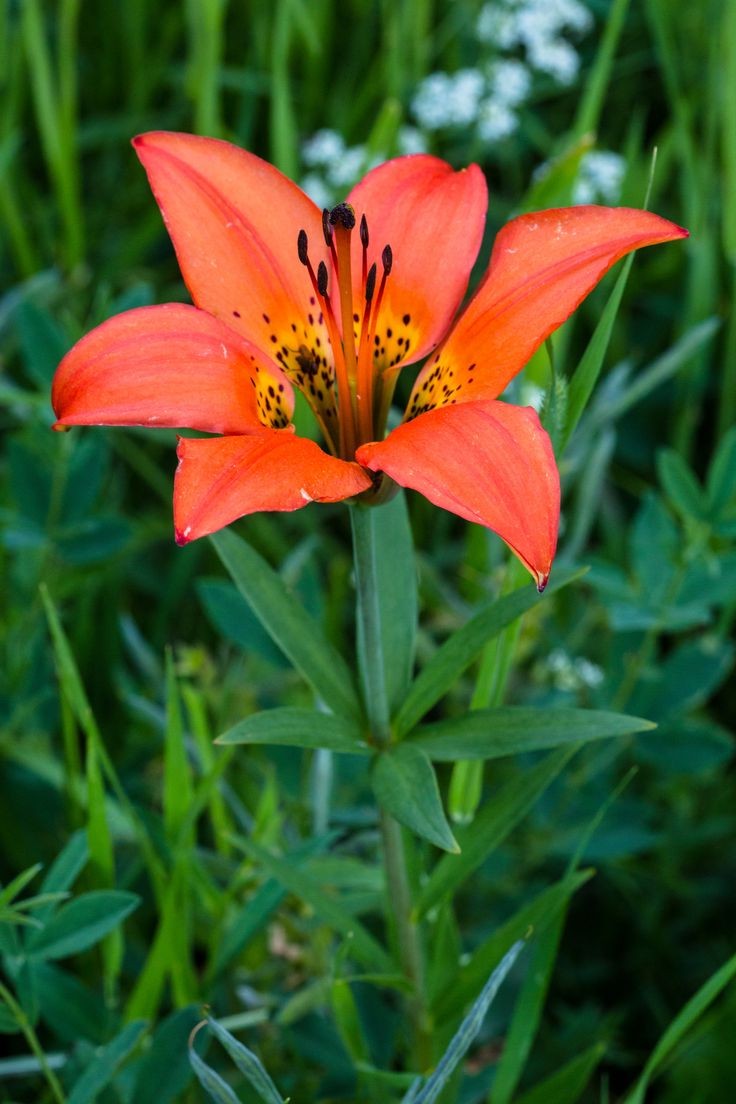
Lilium philadelphicum L.
Important botanical synonyms and historical names include:
- Lilium andinum Nutt.
- Lilium lanceolatum T.J.Fitzp.
- Lilium masseyi Hyams
- Lilium montanum A.Nelson
- Lilium philadelphicum var. andinum Ker Gawl.
- Lilium philadelphicum f. andinum (Ker Gawl.) Voss
- Lilium philadelphicum var. angustifolium Duch.
- Lilium philadelphicum f. flaviflorum E.F.Williams
- Lilium philadelphicum f. immaculatum Raup
- Lilium philadelphicum f. lanceolatum (T.J.Fitzp.) Wherry
- Lilium philadelphicum f. masseyi (Hyams) Wherry
- Lilium philadelphicum f. montanum (A.Nelson) Wherry
- Lilium philadelphicum var. montanum (A.Nelson) Cockerell
- Lilium philadelphicum var. pulchrum Aldrich
- Lilium philadelphicum f. pulchrum (Aldrich) Wherry
- Lilium philadelphicum subsp. umbellatum (Pursh) Á.Löve & D.Löve
- Lilium philadelphicum f. wausharaicum (Leichtlin ex Duch.) Wherry
- Lilium philadelphicum var. wausharaicum Leichtlin ex Duch.
- Lilium umbellatum Pursh
- Lilium wansharicum Duch.
Taxonomic note:
- The former western or prairie names, including Lilium philadelphicum var. andinum, Lilium andinum, and Lilium montanum, are currently treated within the accepted species Lilium philadelphicum rather than as separate accepted species.
- For cat safety, eastern woodland forms, western prairie forms, yellow-flowered forms, spotted orange-red forms, and regional Wood Lily plants should all be treated as true lilies.
Important non-synonym confusion names:
- Lilium lancifolium Thunb. — Tiger Lily; separate Asian true lily, also dangerously nephrotoxic to cats
- Lilium canadense L. — Canada Lily; separate North American true lily, also treated as a cat emergency
- Lilium michiganense Farw. — Michigan Lily; separate North American true lily
- Lilium superbum L. — Turk’s-Cap Lily or Swamp Lily; separate North American true lily
- Hemerocallis spp. — daylilies; not botanical true lilies but capable of the same fatal cat kidney syndrome
- Gloriosa superba L. — Flame Lily or Glory Lily; unrelated colchicine-type poisoning, not true-lily renal toxicosis
- Spathiphyllum spp. — Peace Lily; aroid with insoluble calcium oxalate irritation, not true-lily nephrotoxicity
- Zantedeschia spp. — Calla Lily; aroid with insoluble calcium oxalate irritation, not true-lily nephrotoxicity
- Convallaria majalis L. — Lily of the Valley; cardiac glycoside plant, not a true lily
- Alstroemeria spp. — Peruvian Lily; different plant with primarily mild gastrointestinal or skin irritation
- Veratrum spp. — False Hellebore or Corn Lily; steroidal alkaloid poisoning, not true-lily nephrotoxicity
- Zephyranthes spp. — Rain Lily or Prairie Lily in some regions; amaryllis-family plant, not Lilium philadelphicum
Liliaceae — True Lily Family
Wood Lily belongs to Lilium, the true-lily genus. This family and genus placement is the toxicologically controlling fact for cats. Many unrelated plants have “lily” in their common names, but only true lilies in Lilium and daylilies in Hemerocallis are treated as the classic potentially fatal acute kidney failure emergency in cats. Peace Lily, Calla Lily, Peruvian Lily, Lily of the Valley, Flame Lily, Death Camas, Rain Lily, and Corn Lily require different toxicologic explanations and should not be merged into the Wood Lily page.
Wood Lily; Wood-Lily; Philadelphia Lily; Philadelphia Red Lily; Prairie Lily; Western Prairie Lily; Western Red Lily; Western Wood Lily; Red Lily; Northern Red Lily; Red Highland Lily; Flame Lily; Wild Tiger Lily; Mountain Lily; Orange Lily; Upright Wild Lily; Lilium philadelphicum; Lilium philadelphicum var. andinum; Lilium andinum; Lilium montanum; Lilium umbellatum.
Historical and taxonomic search variations include Lilium lanceolatum, Lilium masseyi, Lilium philadelphicum f. flaviflorum, Lilium philadelphicum var. montanum, Lilium philadelphicum subsp. umbellatum, Lilium philadelphicum var. wausharaicum, and other regional forms now treated within Lilium philadelphicum.
“Tiger Lily” and “Wild Tiger Lily” are ambiguous. Tiger Lily most commonly refers to Lilium lancifolium, an Asian true lily that is also dangerously nephrotoxic to cats. “Flame Lily” is also applied to Gloriosa superba, a completely different plant containing colchicine-related alkaloids. “Prairie Lily” may refer to Wood Lily in some North American contexts but may also be used for unrelated plants. Plants called Peace Lily, Calla Lily, Lily of the Valley, Peruvian Lily, Rain Lily, Corn Lily, and Daylily are not Lilium philadelphicum. Daylilies can still cause fatal kidney injury in cats, while the other look-alikes produce different toxic syndromes.
Unknown Water-Soluble Feline Nephrotoxin
The kidney-damaging toxin in Wood Lily and other true Lilium species has not been identified conclusively. No named alkaloid, glycoside, oxalate crystal, cardiac glycoside, colchicine-like alkaloid, essential oil, or other single compound has been demonstrated to account for the feline syndrome. The scientifically accurate toxin entry remains an unidentified, highly potent feline nephrotoxin associated with true lilies.
Experimental and clinical evidence indicates that the active toxic material is water-soluble. This conclusion is consistent with poisoning after cats drink water associated with cut lilies and with rapid movement of an absorbed toxin through the bloodstream to the kidneys. “Water-soluble” describes a physical property of the unidentified toxic fraction; it does not reveal its chemical name and does not mean that ordinary rinsing makes a contaminated plant, vase, coat, or cat harmless.
The lack of a chemical name should not weaken the warning. True-lily nephrotoxicity in cats is a well-recognized clinical syndrome with documented acute renal tubular injury, severe azotemia, oliguria, anuria, dialysis cases, and fatalities. The correct public message is not “unknown toxin, uncertain danger.” It is “unknown toxin, proven emergency.”
Every Part Is Dangerous to Cats
Every part of Wood Lily must be considered dangerous to cats. Leaves, stems, flowers, tepals, anthers, pollen, developing seed capsules, bulbs, roots, plant sap, fallen petals, dried flower fragments, and water associated with cut lilies can create exposure. Removing visible anthers may reduce loose pollen, but it does not make the flower safe because the remaining plant tissue is still toxic.
Pollen is particularly treacherous because a cat does not have to chew the plant directly. A cat can brush beneath an open flower, collect pollen on its face, whiskers, paws, back, or tail, and swallow the toxin later while grooming. The absence of tooth marks on the leaves does not rule out exposure.
Vase water from cut true lilies is also treated as potentially dangerous. Sap, pollen, and dissolved plant material can enter the water from cut stems, fallen anthers, leaves, tepals, or decaying floral tissue. A cat may drink from the vase, leave no bite marks, and still have a credible true-lily exposure.
No Safe Dose Exists for Cats
No validated safe dose exists for Wood Lily. Veterinary sources warn that even small exposures to true lilies can be fatal to cats. A bite of leaf or flower, pollen groomed from fur, or contaminated water may be enough to trigger acute kidney injury. The exact dose required likely depends on the individual cat, plant part, amount swallowed, timing, toxin concentration, hydration, and how quickly veterinary care begins.
Normal behavior immediately after exposure does not establish safety. A cat may vomit early, appear more comfortable, and then continue developing renal tubular injury. Early blood urea nitrogen and creatinine may also remain normal because measurable azotemia develops only after enough kidney function has declined. Normal early values are a reason for prevention and monitoring, not a reason to dismiss the exposure.
Species-Specific Cat Kidney Injury
The toxin has an extraordinary species-specific effect in cats. Dogs may develop salivation, vomiting, appetite loss, or gastrointestinal discomfort after eating true lilies, but they do not ordinarily develop the characteristic acute renal tubular necrosis. The same predictable nephrotoxic syndrome has not been established in horses, cattle, sheep, goats, pigs, rabbits, poultry, or other common domestic animals.
That species difference remains incompletely explained. Cats may activate the toxin differently, fail to detoxify it, transport it into renal tubular cells more efficiently, or have renal tubular cells that are uniquely susceptible. Until the toxic molecule is identified, those explanations remain hypotheses rather than settled mechanisms.
The species boundary should be used carefully. It prevents the page from falsely claiming that dogs, horses, or livestock develop the same cat-specific renal failure. It does not make Wood Lily appropriate browse, forage, enrichment, bouquet material, or compost exposure for other animals, especially when bulbs, pesticides, fertilizers, fungal contamination, foreign material, or another plant may be involved.
Renal Tubular Degeneration and Necrosis
After absorption, the toxin damages renal tubular epithelial cells, especially cells responsible for filtering and processing the fluid that becomes urine. These cells normally reabsorb water and solutes, regulate electrolytes, excrete metabolic waste, and contribute to acid-base balance. When they degenerate and die, urine concentration, waste excretion, potassium control, phosphorus balance, and fluid regulation can fail rapidly.
Early in the syndrome, damaged tubules may lose their ability to concentrate urine. The cat can produce a large volume of dilute urine, become dehydrated, and drink excessively. As more tubular cells die and kidney filtration deteriorates, urine production may fall. Oliguria means abnormally low urine output; anuria means that essentially no urine is being produced.
Once anuria develops, metabolic wastes, potassium, acids, phosphorus, and excess fluid accumulate in the body. Uremia causes nausea, vomiting, oral ulceration, profound weakness, abnormal neurologic behavior, tremors, seizures, and death. Dangerous potassium elevation may disrupt the heart rhythm, while uncontrolled fluids may overload a cat that can no longer produce urine.
Why Treatment Must Begin Before Kidney Failure Is Obvious
The toxin’s rapid absorption and severe renal effects explain why treatment must begin before laboratory evidence of kidney failure appears. A cat presented immediately after exposure may have normal blood urea nitrogen and creatinine values because enough renal function remains at that moment. Urinalysis, urine specific gravity, glucose, casts, renal tubular epithelial cells, serial kidney values, and measured urine output may reveal change earlier or clarify the risk over time.
One normal chemistry panel shortly after exposure does not clear the cat. The dangerous period extends across the first several days, and serial monitoring is needed. A cat that becomes azotemic, oliguric, or anuric has moved from prevention into active kidney-failure management.
Not an Oxalate, Cardiac Glycoside, or Colchicine Syndrome
Wood Lily is often confused with plants that have “lily” in their names but belong to unrelated groups. Peace lilies and calla lilies are aroids that contain insoluble calcium oxalate crystals and cause immediate oral pain, drooling, and swelling. Lily of the valley contains cardiac glycosides and causes gastrointestinal and heart-rhythm problems. Gloriosa Flame Lily contains colchicine-related toxins and can cause severe gastrointestinal, neurologic, bone-marrow, and multi-organ poisoning.
Those syndromes should not be copied onto Wood Lily. Wood Lily is a true Lilium, and the primary cat emergency is acute renal tubular injury from an unidentified nephrotoxin. Accurate identification determines treatment, but a suspected true-lily exposure in a cat should be treated immediately while identification is being completed.
Early Cat Signs: Vomiting, Drooling, and Lethargy
The first signs of Wood Lily poisoning in cats may begin within approximately one to three hours of ingestion. Vomiting, drooling, lip licking, loss of appetite, depression, and lethargy are typical early findings. The cat may hide, become unusually quiet, refuse a favorite food, or appear briefly nauseated even though it seemed normal immediately after the exposure.
These early gastrointestinal signs may improve temporarily. That apparent improvement can create a dangerous false sense of security while renal tubular injury continues. A cat that stops vomiting after a few hours has not necessarily escaped poisoning and should not be kept home simply because it appears more comfortable.
Some cats may show few or no obvious early signs. Lack of vomiting does not prove safety. Pollen exposure, vase-water exposure, chewing that was not witnessed, or ingestion followed by hidden vomiting can all make the history incomplete. Any credible access to Wood Lily is enough to justify immediate veterinary contact.
The Polyuric Phase: Drinking and Urinating More
During the next 12 to 30 hours, kidney damage may become clinically apparent. The cat may drink excessively and urinate more than normal because the injured tubules can no longer concentrate urine. Continued vomiting, dehydration, weakness, worsening depression, and appetite loss may accompany this polyuric phase.
Owners may notice a larger amount of dilute urine in the litter box, repeated trips to water bowls, tacky gums, sunken eyes, or profound fatigue. Cats allowed outdoors may hide or urinate where the change is not observed. Failure to notice increased urination does not exclude early kidney injury.
Oliguria, Anuria, and Advanced Kidney Failure
As the disease progresses, urine production may decrease sharply. The litter box may contain only tiny clumps or no urine at all. Oliguria and anuria are severe signs indicating that kidney filtration has deteriorated and that routine fluid therapy alone may no longer be sufficient.
Within approximately 36 to 72 hours, untreated cats may develop severe acute kidney failure. Vomiting can become persistent, dehydration and weakness intensify, and the cat may become recumbent or poorly responsive. The breath may develop a chemical or urine-like odor as uremic waste products accumulate.
Advanced uremia can cause painful oral ulcers, drooling, gastrointestinal bleeding, low body temperature, abnormal heart rhythm, tremors, disorientation, seizures, coma, and death. Seizures are not usually an early direct effect of the lily toxin; they occur in severe cases as a consequence of profound uremia, electrolyte abnormalities, hypertension, acid-base disturbance, or other complications of renal failure.
Timeline and Prognostic Warning Signs
Death may occur within several days from kidney failure, electrolyte derangement, severe dehydration, cardiac complications, or complications of uremia. Cats that become anuric have a poor prognosis unless advanced renal-replacement treatment such as hemodialysis or peritoneal dialysis is available.
The most important red flags are not just vomiting or lethargy. Increased thirst, large amounts of dilute urine, dehydration, reduced urination, no urine, weakness, recumbency, oral ulcers, tremors, seizures, or collapse indicate that the case may already be moving into established kidney failure. Waiting for those signs sacrifices the treatment window in which the prognosis is best.
Dogs
Dogs may vomit, drool, develop diarrhea, lose their appetite, or appear mildly depressed after eating Wood Lily. They are not expected to develop the cat-specific renal tubular necrosis. A dog that chews a few leaves is therefore managed differently from a cat with the same exposure.
A seriously ill dog should still be examined. Severe vomiting, persistent diarrhea, weakness, collapse, tremors, seizures, abdominal distention, or abnormal urination suggests another problem such as plant misidentification, pesticide exposure, bulb treatment, fertilizer, foreign body, gastrointestinal obstruction, or a mixed bouquet containing another toxic plant.
Horses and Livestock
Comparable acute kidney failure from true lilies has not been established in horses, cattle, sheep, goats, pigs, or other common livestock. These animals may experience gastrointestinal irritation after unusual consumption, but direct species-specific case information is limited. Wood Lily should not be offered as forage, and meaningful ingestion should still be discussed with a veterinarian.
Horses cannot vomit. If a horse consumes Wood Lily or plant debris, possible concerns include salivation, feed refusal, diarrhea, abdominal discomfort, and colic-like behavior. Cattle, sheep, goats, pigs, poultry, rabbits, and other animals may be exposed through garden waste, discarded wildflowers, bulbs, trimmings, or contaminated compost rather than ordinary grazing. A large or unusual exposure deserves professional evaluation even though the feline renal syndrome should not be assigned automatically to every species.
Wildlife and Outdoor Exposure
Deer, rodents, pollinators, and hummingbirds may interact with Wood Lily in natural habitats. Wildlife contact does not establish safety for cats. The feline kidney response is unusually species-specific, and a wild animal browsing the plant without obvious illness cannot predict what will happen when a cat licks pollen from its coat or drinks lily-contaminated water.
Outdoor cats create the hardest exposure histories. A cat roaming through open woods, prairies, roadsides, meadows, or gardens may contact pollen or chew plant material without anyone seeing it. Unexplained vomiting and lethargy in a cat with access to true lilies should trigger urgent veterinary discussion.
Wood Lily Is a True Lily
Lilium philadelphicum belongs to the true-lily genus Lilium. This botanical identity is the single most important toxicologic fact on the page. All members of Lilium must be treated as capable of causing acute kidney failure in cats, even when the exact species has not been represented in a large controlled poisoning study.
Wood Lily is specifically included in true-lily cat-toxicity warnings and is named in veterinary poison-control materials. Its placement in Lilium, together with the established genus-wide feline syndrome, provides a sufficient safety basis for treating exposure as a true-lily emergency.
Accepted Name and Synonymy
The accepted scientific name is Lilium philadelphicum L. The species includes eastern woodland and western prairie or mountain forms, most notably the typical eastern form and the formerly recognized western or prairie form often called var. andinum.
Names such as Lilium philadelphicum var. andinum, Lilium montanum, Lilium andinum, and Lilium umbellatum are now treated within the accepted species. Regional floras, seed catalogs, conservation literature, herbarium records, and older wildflower guides may use any of these names.
Native Range
Wood Lily is native to North America. Its range extends across southern and central Canada and through portions of the western, central, Great Lakes, northeastern, Appalachian, and southeastern United States. It is a temperate bulbous geophyte rather than a tropical houseplant species.
Current botanical range treatments document the species from Alberta and British Columbia east through Saskatchewan, Manitoba, Ontario, and Quebec and south through many U.S. states including the Rocky Mountain, Great Plains, Great Lakes, northeastern, Appalachian, and southeastern regions. Local abundance varies widely, and some populations are uncommon or protected.
Habitat and Exposure
Wood Lily occurs in open woods, woodland edges, meadows, prairies, dry to moderately moist grassland, rocky slopes, open pine forest, deciduous woodland, bluffs, roadsides, sandy openings, and fire-maintained habitat. Its exact habitat varies across its large range.
The plant often grows where outdoor cats, working dogs, trail horses, campers, landowners, and wildflower collectors encounter it naturally. Unlike florist lilies, it may not be present in a labeled pot or bouquet. A cat roaming through a meadow, open woodland, prairie edge, or roadside can contact pollen without an owner realizing that a lily grows nearby.
Cut wildflowers create another exposure. A Wood Lily picked from a field and placed in a household vase becomes every bit as dangerous to a cat as an ornamental florist lily. Pollen can fall onto tables and floors, and the water may become accessible even after the flower itself is removed.
How to Identify Wood Lily
Wood Lily is an upright bulb-forming perennial that generally grows approximately one to three feet tall, sometimes taller under favorable conditions. A single unbranched stem rises from an underground bulb composed of fleshy scales rather than the papery layered structure of an onion.
The leaves are narrow, lance-shaped to linear, and attached directly to the stem without long leaf stalks. They commonly occur in one or more conspicuous whorls around the middle of the stem, with additional alternate leaves above or below. The whorled leaves are one of the best vegetative clues when flowers are not fully open.
One to several flowers appear at the top of the stem. Unlike many lilies with nodding flowers and strongly recurved tepals, Wood Lily flowers usually face upward. Each flower has six red, orange-red, scarlet, or occasionally yellowish tepals that spread into a broad cup. The inner portions of the tepals are commonly yellow-orange or lighter near the center and marked with dark purple, brown, or nearly black spots.
Six stamens surround a central pistil. Pollen may be yellow, orange, tan, or brownish depending on maturity and lighting. After pollination, the plant develops an upright three-chambered seed capsule. The seed capsule should still be treated as part of a true lily when cats are present.
Western and Eastern Forms
Western prairie populations historically identified as var. andinum often have narrower leaves, denser leaf whorls, and flower or habitat differences from eastern woodland populations. Botanists have disagreed over whether those variations deserve formal taxonomic recognition.
For animal safety, that distinction does not matter. Both forms belong to the same accepted true-lily species and should be treated as equally unacceptable around cats. A western prairie Wood Lily, an eastern woodland Wood Lily, and a yellow-flowered historical form all remain Lilium philadelphicum.
Do Not Confuse It with Tiger Lily
The name Wild Tiger Lily is sometimes applied to Wood Lily because of its orange-red, dark-spotted flowers. Tiger Lily more commonly refers to Lilium lancifolium, an Asian species with nodding flowers, strongly recurved tepals, alternate leaves, and dark bulbils in the upper leaf axils.
Both are true lilies and both are dangerous to cats. Confusing them does not reduce the emergency response. Correct identification still matters for botanical records, prevention, conservation, and determining whether the exposure came from a wild plant, a cultivated garden lily, or a bouquet.
Do Not Confuse It with Gloriosa Flame Lily
Flame Lily is also a common name for Gloriosa superba, an African and Asian climbing plant with wavy, strongly reflexed red-and-yellow tepals. Gloriosa contains colchicine-related alkaloids and can poison dogs, cats, livestock, and people.
Gloriosa poisoning may cause severe vomiting and diarrhea, multi-organ failure, bone-marrow suppression, neurologic abnormalities, and death. That syndrome differs from the feline-specific renal tubular necrosis produced by true lilies. If “flame lily” is the only name available, photographs and the scientific name are essential.
Important Lily Look-Alikes
Daylilies, Hemerocallis species, have grass-like basal leaves and flowers that arise on separate leafless stalks. They are not botanical true lilies, but they cause the same potentially fatal acute kidney failure in cats and should be treated with the same urgency.
Peace lilies and calla lilies contain insoluble calcium oxalate crystals that cause immediate oral pain, drooling, and swelling but not the characteristic true-lily renal failure. Peruvian lilies may cause gastrointestinal or skin irritation without the same feline nephrotoxicity.
Lily of the Valley contains cardiac glycosides and can cause vomiting, slow or irregular heart rhythms, weakness, collapse, seizures, and death. Gloriosa Flame Lily contains colchicine-related toxins. Death Camas contains steroidal alkaloids. Rain lilies and amaryllis relatives may contain alkaloids. Correct identification determines treatment, but suspected true-lily exposure in a cat should be treated immediately while identification is being completed.
All Parts Are Dangerous to Cats
The flowers are not the only toxic portion. Leaves, stems, pollen, bulbs, roots, seed structures, sap, and water associated with cut flowers all require the same urgent response. Cutting off the anthers may reduce loose pollen but does not make the flower safe because the remaining plant tissue is still toxic.
Dried flowers and fallen leaves should also be considered dangerous. Drying may change texture and moisture but has not been shown to neutralize the nephrotoxin. A cat may chew a brittle fallen tepal, dry leaf, or discarded floral fragment that has been overlooked behind furniture.
Pollen Exposure Does Not Require Plant Chewing
Lily pollen adheres easily to fur. A cat can brush beneath a flower, emerge with yellow, orange, tan, or brown pollen on its head, whiskers, back, tail, paws, or shoulder, and ingest the material through routine grooming.
The absence of bite marks therefore does not exclude exposure. Pollen found on the coat, face, whiskers, paws, furniture, bedding, or floor in a home containing lilies is a legitimate veterinary concern.
Removing visible pollen is helpful, but home bathing must not delay transport. The cat may already have swallowed some pollen while grooming, and the entire exposed plant must be removed from the environment.
Water Associated with Cut Lilies
Water from a vase holding a true lily is considered potentially dangerous to cats. Plant sap, pollen, and dissolved material can enter the water from cut stems, fallen anthers, tepals, and leaves.
A cat that drinks from a vase may leave no chewed plant and no fragments in vomit. The exposure history may consist only of a lowered water level, wet paw prints, pollen near the vase, or access to the arrangement. That history is enough to justify emergency veterinary guidance.
The Toxin Remains Unidentified
Despite the severity and recognizability of the syndrome, the nephrotoxic molecule has not been identified conclusively. Research indicates that the active fraction is water-soluble, but its exact molecular structure, metabolism, transport, and selective toxicity to cats remain unresolved.
“Unknown toxin” does not mean that the poisoning itself is speculative. The clinical syndrome has been reproduced and documented, renal lesions are well described, and the association with true lilies and daylilies is firmly established.
Renal Tubular Injury
The kidney contains millions of nephrons that filter blood and adjust the water, electrolytes, acids, and waste products excreted in urine. Renal tubular epithelial cells perform much of that work and are metabolically active tissues with substantial energy requirements.
The lily toxin causes degeneration and necrosis of these tubular cells. Sloughed cells and debris may obstruct tubular flow, while the damaged epithelium loses the ability to reabsorb water and solutes. The kidneys initially produce dilute urine and then may lose filtration and urine production altogether.
As kidney function fails, blood urea nitrogen, creatinine, phosphorus, potassium, acids, and other waste products rise. Potassium may become dangerously high in an oliguric or anuric patient, while dehydration, vomiting, and fluid therapy can create complicated and changing electrolyte abnormalities.
Why the Cat May Appear Better Before Becoming Worse
Early vomiting may stop after the stomach empties. The cat may rest quietly and seem less distressed for several hours. Meanwhile, absorbed toxin continues damaging the renal tubules.
This temporary quiet period is one reason owners delay treatment. By the time increased thirst, large volumes of dilute urine, dehydration, azotemia, or lack of urination becomes obvious, the most effective preventive treatment window may already be closing.
Diagnosis
The strongest evidence is direct exposure: seeing a cat chew Wood Lily, finding pollen on the coat, finding recognizable lily fragments in vomit, or observing the cat drink water associated with cut lilies. Direct observation is not required. A cat may swallow pollen, drink contaminated water, vomit where the material is never found, or be exposed while no one is watching.
Veterinarians combine exposure history, plant identification, physical examination, blood chemistry, urinalysis, urine output, hydration status, and the pattern of acute kidney injury. Other causes—including ethylene glycol, medications, urinary obstruction, severe dehydration, infection, ischemia, leptospirosis where relevant, and other nephrotoxins—must also be evaluated.
Blood and Urine Testing
Initial testing commonly includes a complete blood count, serum chemistry profile, electrolytes, phosphorus, glucose, and urinalysis. Blood urea nitrogen and creatinine may still be normal shortly after exposure because measurable azotemia develops only after kidney function has declined substantially.
Urine specific gravity can reveal an early loss of concentrating ability. Protein, glucose, casts, or renal tubular epithelial cells may provide additional evidence of tubular injury. Newer renal biomarkers may detect injury earlier than creatinine in some facilities, but they do not replace exposure history, serial bloodwork, urinalysis, and urine-output monitoring.
Renal values and urine output should be followed repeatedly. One normal chemistry panel taken shortly after ingestion does not clear the cat of risk.
Early Clinical Timeline
Vomiting, drooling, lethargy, and appetite loss may begin within one to three hours. Increased urination and dehydration commonly become apparent during the next 12 to 30 hours as tubular injury progresses.
Severe kidney failure can develop within approximately 36 to 72 hours. Without timely treatment, the cat may become oliguric or anuric and die within several days.
The timeline varies among cats and exposures. Waiting for the “expected” hour before seeking treatment wastes the period when decontamination and renal protection are most effective.
Veterinary Decontamination
A veterinarian may induce vomiting when ingestion was recent and the cat is alert, stable, and able to protect its airway. Lily plant material can remain in the stomach for hours, so professional emesis may still recover fragments after the immediate exposure period.
An antiemetic may be administered after decontamination to control continued vomiting. A veterinarian may also administer activated charcoal, generally as a professionally selected single treatment rather than as an owner-forced household remedy.
The exact value of charcoal against the unidentified lily toxin remains uncertain. Its use is based on the seriousness of the exposure and the possibility that toxin remains within the gastrointestinal tract, balanced against the risks of aspiration and worsening dehydration.
Why Hydrogen Peroxide Is Not Safe Owner First Aid
Hydrogen peroxide can cause severe irritation and ulceration of the esophagus and stomach, prolonged vomiting, bleeding, and aspiration into the lungs. Cats are also less predictably responsive to peroxide than dogs. An owner can lose valuable treatment time while repeatedly attempting to produce vomiting.
The correct immediate action is transportation to a veterinary facility capable of controlled decontamination, intravenous catheterization, laboratory monitoring, urine-output assessment, and renal support.
Intravenous Fluid Therapy
Intravenous fluid therapy supports circulating volume, renal perfusion, and urine production while the toxin is being eliminated. Veterinary guidance commonly recommends intravenous fluids for approximately 48 to 72 hours in appropriate cats, with the actual rate selected and continually adjusted by the veterinarian.
Fluid therapy is not simply “giving the cat plenty to drink.” Oral water cannot replace controlled intravenous treatment, especially when the cat is vomiting or nauseated. Forced oral fluids can be aspirated and provide no reliable method of maintaining renal perfusion.
Body weight, hydration, respiratory rate, blood pressure, urine output, electrolytes, and kidney values must be monitored. Fluid overload can cause pulmonary edema, especially when urine output declines.
The 25-Cat Treatment Study
Alice J. Bennett and Erica L. Reineke reviewed 25 cats evaluated after known ingestion of Lilium or Hemerocallis plant material between 2001 and 2010. Cats were included when ingestion had occurred within the preceding 48 hours.
Nineteen cats received gastrointestinal decontamination. Twenty-three were hospitalized for intravenous fluid diuresis, supportive care, and monitoring. Seventeen of those 23 cats maintained normal blood urea nitrogen and creatinine throughout hospitalization. At discharge, two of the 23 hospitalized cats had increased blood urea nitrogen, creatinine, or both. All 25 cats survived to hospital discharge.
The study does not prove that every cat treated within 48 hours will survive or define the perfect fluid protocol. It does provide strong evidence that prompt decontamination, intravenous fluids, or both can produce an excellent outcome even after genuine lily ingestion.
Newer Outcome Evidence and Public First Aid
Newer retrospective work has evaluated cats treated as inpatients and outpatients after lily exposure. That research is valuable for veterinary decision-making and may help clinicians individualize treatment when presentation timing, diagnostics, owner resources, and patient factors vary.
It should not be translated into public advice to watch a cat at home after Wood Lily exposure. Owners cannot reliably determine whether toxin was swallowed, whether renal tubular injury has begun, whether urine concentration is changing, whether early creatinine is falsely reassuring, or whether the cat is an appropriate candidate for a particular treatment plan. The public-facing instruction remains immediate veterinary care.
Oliguria, Anuria, and Dialysis
A cat producing less urine than expected despite corrected dehydration is oliguric. A cat producing essentially no urine is anuric. These findings indicate severe renal dysfunction and carry a guarded to poor prognosis.
Veterinarians may attempt carefully selected interventions to restore urine production, but diuretics cannot revive renal tissue that has been destroyed. Their use requires close assessment of hydration, blood pressure, obstruction, electrolytes, and fluid balance.
Hemodialysis or peritoneal dialysis can remove metabolic waste, correct electrolyte and acid-base abnormalities, and control fluid balance while the kidneys are given time to recover. Availability is limited, treatment is intensive, and recovery is not guaranteed.
Dogs
Dogs are not known to develop the characteristic lily-induced acute kidney failure. They may drool, vomit, develop diarrhea, lose appetite, or appear mildly depressed after eating plant material.
A dog with severe signs still requires evaluation. The plant may have been misidentified, treated with pesticide, mixed with another toxic flower, or swallowed with fertilizer, mulch, wire, ribbon, bone-like stem pieces, bulb material, or another foreign object.
Horses and Livestock
True-lily nephrotoxicity has not been reported as the same predictable syndrome in horses, cattle, sheep, goats, or pigs. That does not make Wood Lily useful or approved forage.
Large or unusual consumption may cause gastrointestinal disturbance, and bulbs or surrounding soil may carry pesticide, fertilizer, fungal, or physical hazards. Veterinary advice is appropriate after a meaningful livestock exposure, but the cat-specific renal syndrome should not be assigned to every animal species.
Wildlife Consumption Does Not Establish Cat Safety
Deer, rodents, and other wildlife may browse foliage or dig bulbs. Pollinators and hummingbirds visit the flowers. These interactions do not establish a safe dose for cats.
The feline kidney response is unusually species-specific. A vole, deer, insect, or bird interacting with part of the plant without obvious illness cannot be used to predict what will happen when a cat licks pollen from its coat.
Conservation and Collection
Wood Lily populations have declined or disappeared in portions of their range because of habitat loss, fragmentation, roadside mowing, fire suppression, browsing, and illegal collection. The plant may be protected, rare, threatened, or considered uncommon in particular states, provinces, parks, preserves, or local jurisdictions.
Do not uproot a wild plant merely to bring it to the veterinary hospital. Photographs showing the flower, leaves, stem, and habitat are usually sufficient, and a small detached fragment already involved in the exposure can be secured without destroying the remaining wild population.
Prognosis
The prognosis is excellent when a cat is treated promptly before kidney injury develops. Cats presented early may remain completely normal while receiving preventive treatment and still require hospitalization or close veterinary monitoring because the purpose is to stop a lethal syndrome before it appears.
The prognosis becomes guarded when azotemia and reduced urine production develop. It becomes poor after anuria because ordinary fluid therapy cannot remove wastes or maintain fluid balance without functioning kidneys.
Surviving cats may recover completely, retain some chronic kidney impairment, or require prolonged monitoring. Follow-up blood and urine testing helps determine whether renal function returned fully after discharge.
Prevention
No true lily should be kept in a home with cats. This includes potted lilies, bulbs awaiting planting, outdoor garden plants, cut flowers, dried arrangements, discarded leaves, pollen, and vase water.
Outdoor cats should not have access to gardens containing Wood Lily or another Lilium. Neighbors who cut flowers may unknowingly bring pollen into shared spaces, porches, garages, barns, or vehicles.
Inspect every bouquet by scientific or florist name. Removing visible anthers does not make a true lily safe. The entire flower and all contaminated water must be removed from the cat’s environment.
Immediate Steps After Cat Exposure
Go to a veterinarian immediately. Any credible cat exposure to Wood Lily is an emergency, including chewing, swallowing, drinking associated water, grooming pollen from the coat, walking through fallen pollen, or having unsupervised access to a true lily. Do not wait for symptoms.
- Prevent additional grooming: Keep the cat from licking visible pollen from its fur. An Elizabethan collar may help when one is immediately available, but applying it must not delay transportation.
- Remove the plant and contaminated materials: Secure flowers, leaves, stems, bulbs, fallen pollen, vase water, and discarded plant material so no other cat can reach them.
- Bring identification evidence: Take the plant, packaging, florist label, nursery label, or clear photographs showing the flower, leaves, stem, and arrangement. Do not allow the cat access to the sample during transport.
- Report every possible exposure route: Tell the veterinarian whether the cat chewed plant material, contacted pollen, drank water, vomited fragments, walked through pollen, or merely had unsupervised access.
- Tell the clinic when it happened: Timing affects decontamination, bloodwork, urine monitoring, fluid therapy, and prognosis.
Do Not Attempt Unsupervised Home Treatment
- Do not induce vomiting with hydrogen peroxide: Peroxide can cause severe gastritis, esophageal injury, prolonged vomiting, bleeding, and aspiration, and cats may respond unpredictably.
- Do not give salt, mustard, syrup of ipecac, oil, or another emetic: These substances can create additional life-threatening injury or poisoning without reliably removing the lily toxin.
- Do not force activated charcoal: A nauseated, vomiting, frightened, weak, or poorly swallowing cat can inhale charcoal into its lungs. Veterinary use requires assessment of the airway and current condition.
- Do not force food, milk, water, oil, or electrolyte solution: Oral fluids do not replace intravenous renal support and may be aspirated.
- Do not wait for reduced urination: Lack of urine is a late and grave sign. Treatment is most successful while the cat still appears normal and kidney values remain within reference intervals.
- Do not rely on one normal blood test: Kidney values can remain normal early after exposure. Serial bloodwork, urinalysis, and urine-output monitoring are required.
- Do not assume removing the anthers made the plant safe: Leaves, stems, flowers, bulbs, pollen, and associated water remain dangerous.
Pollen on the Coat or Skin
Prevent the cat from grooming and contact the veterinary hospital while arranging immediate transport. Visible dry pollen may be lifted carefully with a damp disposable cloth when this can be done safely and without spreading it through the coat. A veterinarian may recommend bathing to remove remaining pollen, but decontamination at home must never delay emergency treatment.
Wear gloves and clean contaminated surfaces after the cat has left for care. Dispose of cloths, gloves, flowers, pollen, plant debris, and vase water where no animal can reach them.
Vase Water, Bouquets, and Wildflower Arrangements
Discard water associated with Wood Lily or any true lily in a way that cats cannot access. Clean the vase, table, counter, floor, and nearby surfaces because pollen and plant droplets can remain after the flowers are removed.
If the plant came from a bouquet, preserve the florist sleeve, receipt, label, or photographs of the whole arrangement. Mixed bouquets can include multiple toxic plants, and the veterinarian needs to know whether the exposure was Wood Lily, another Lilium, a daylily, Lily of the Valley, Gloriosa, an aroid “lily,” or something else.
When Emergency Examination Is Especially Important
- Any credible cat exposure occurred: A cat does not need to be visibly ill before treatment begins.
- Vomiting or drooling develops: Early gastrointestinal signs may begin within one to three hours and may later improve while kidney damage progresses.
- The cat becomes quiet, hides, or refuses food: Lethargy and anorexia after lily access are warning signs.
- Thirst or urination increases: Large amounts of dilute urine may indicate early renal tubular injury.
- Urination decreases or stops: Oliguria or anuria is a grave sign and may require intensive care or dialysis.
- Weakness, oral ulcers, tremors, seizures, collapse, or abnormal breathing appear: These can occur with advanced uremia, electrolyte derangement, shock, or severe kidney failure.
- The exposure time is unknown: Unknown timing should make the case more urgent, not less urgent.
Veterinary Decontamination
A veterinarian may induce vomiting when exposure was recent and the cat is alert, stable, and able to protect its airway. An antiemetic may then be used to control continued vomiting. Activated charcoal may be considered to reduce absorption of toxin remaining in the gastrointestinal tract.
Professional decontamination can still be worthwhile several hours after ingestion because recognizable lily material may remain in the stomach. It should not be delayed while an owner attempts repeated home remedies.
Renal Monitoring and Intravenous Fluids
Baseline testing generally includes blood urea nitrogen, creatinine, electrolytes, phosphorus, complete blood count, and urinalysis. Urine concentration and urine output are monitored because early tubular injury may appear before severe azotemia develops.
Veterinary guidance commonly recommends intravenous fluids for approximately 48 to 72 hours rather than one fixed short course. Renal values are commonly reassessed at least every 24 hours during the first 72 hours. Fluid rate and duration must be adjusted to hydration, body weight, cardiovascular status, laboratory results, and urine production.
A cat producing little or no urine can be harmed by uncontrolled fluid administration and requires a different intensive-care plan. Fluid therapy is safest when the veterinarian is monitoring body weight, respiratory status, blood pressure, electrolytes, kidney values, and urine output.
When Kidney Failure Has Already Developed
Persistent vomiting, profound depression, increased or decreased urination, dehydration, rising kidney values, oral ulcers, weakness, tremors, or seizures indicates established systemic illness. The cat requires intensive monitoring and treatment of fluid, electrolyte, acid-base, blood-pressure, and gastrointestinal complications.
Oliguria or anuria carries a guarded to poor prognosis. Hemodialysis or peritoneal dialysis may be required to control uremia, potassium, acid-base balance, and body-fluid volume while the kidneys are given an opportunity to recover.
Dogs, Horses, Livestock, and Other Animals
Dogs may develop vomiting, diarrhea, salivation, or appetite loss after eating Wood Lily, but they are not known to develop the classic cat-specific acute kidney failure. A dog with severe signs, persistent vomiting, weakness, collapse, abdominal distention, or possible mixed exposure should still be examined.
Horses and livestock are not known to develop the same predictable true-lily renal syndrome as cats. They should still not be fed Wood Lily, bulbs, trimmings, or discarded bouquets. Large ingestion, treated bulbs, fertilizer, pesticide, moldy plant material, or plant misidentification can create other veterinary concerns.
Recovery and Prognosis
Cats treated promptly before azotemia and reduced urine production develop often recover completely. In a published 25-cat series, every cat survived to hospital discharge after receiving gastrointestinal decontamination, intravenous fluid therapy, or both within 48 hours of ingestion.
Delayed treatment—particularly after oliguria or anuria begins—substantially worsens the prognosis. A cat discharged after successful treatment may still require repeat kidney values and urinalysis to confirm complete recovery.
Prevention After the Incident
Remove all true lilies and daylilies from any home, barn, porch, garage, vehicle, bouquet area, garden, or shared space where cats live or roam. This includes Wood Lily, Easter Lily, Tiger Lily, Asiatic Lily, Oriental Lily, Stargazer Lily, Rubrum Lily, and daylilies.
Do not rely on cutting away anthers, placing the vase high, or assuming the cat will not chew the plant. Cats can jump, brush against pollen, drink water, and groom contamination from fur. Safer flowers should be used in any cat household.
Frequently Asked Questions About Wood Lily and Cat Poisoning
Is Wood Lily a true lily?
Yes. Wood Lily is Lilium philadelphicum, a genuine member of the true-lily genus Lilium. That botanical identity places it in the group capable of causing acute kidney injury and fatal kidney failure in cats. Any credible cat exposure should be treated as an emergency.
Which parts of Wood Lily are poisonous to cats?
Every part should be considered dangerous: leaves, stems, flowers, tepals, anthers, pollen, seed structures, bulbs, roots, sap, and water associated with cut flowers. Removing the anthers or pollen does not make the rest of the plant safe.
Can a few grains of Wood Lily pollen poison a cat?
Yes. A cat may brush against a flower, collect pollen on its fur, and ingest it while grooming. Veterinary authorities warn that even small pollen exposure can cause fatal kidney failure. Visible pollen on a cat with access to a true lily requires immediate veterinary care.
Is water from a vase containing Wood Lilies dangerous?
It should be treated as potentially dangerous. Water can contain sap, pollen, and soluble plant material released from cut stems, leaves, and flowers. A cat may drink the water without leaving bite marks on the plant, so vase-water access is a real exposure history.
What is the Wood Lily toxin?
The exact nephrotoxic compound remains unknown. Research indicates that the active material is water-soluble and that it damages renal tubular epithelial cells. The absence of a chemical name does not weaken the well-established connection between true lilies and acute kidney failure in cats.
How much Wood Lily can kill a cat?
No validated safe or lethal dose has been established. Biting a small portion of a leaf or flower, licking pollen from the coat, or drinking associated water may be sufficient. Any credible exposure is treated as an emergency regardless of the estimated quantity.
How quickly do symptoms begin?
Vomiting, drooling, lethargy, and appetite loss may begin within approximately one to three hours. Increased urination and dehydration can develop during the next 12 to 30 hours. Severe kidney failure may follow within 36 to 72 hours. Waiting for signs wastes the best treatment window.
Can a cat appear better before kidney failure develops?
Yes. Early vomiting may stop, and the cat may appear quieter or more comfortable while renal tubular injury continues. This temporary improvement is dangerous because it can persuade an owner to delay treatment until kidney failure is established.
Is observing ingestion the only way to diagnose Wood Lily poisoning?
No. Witnessed ingestion or lily fragments in vomit provides strong evidence, but diagnosis can also be supported by access to a true lily, pollen on the coat, a chewed plant, vase-water exposure, characteristic acute kidney injury, blood and urine changes, and exclusion of other causes.
Can initial kidney values be normal after exposure?
Yes. Blood urea nitrogen and creatinine may remain normal early because enough functioning kidney tissue remains. Preventive treatment should begin immediately, with serial chemistry testing, urinalysis, and urine-output monitoring during the following 48 to 72 hours.
Should hydrogen peroxide be used to make a cat vomit?
No. Hydrogen peroxide can cause severe stomach and esophageal injury, prolonged vomiting, bleeding, and aspiration, and it is unreliable in cats. Veterinary staff can select and administer safer decontamination when appropriate while also beginning renal monitoring and support.
Is activated charcoal a cure for Wood Lily poisoning?
No. Activated charcoal is not a cure, and its exact value against the unidentified lily toxin is uncertain. A veterinarian may use it when the expected benefit outweighs the aspiration risk, but owners should not force charcoal into a vomiting, weak, frightened, or poorly swallowing cat.
Is 25 hours of IV fluid therapy enough?
A fixed 25-hour course is not the current general standard for every cat. Veterinary guidance commonly calls for approximately 48 to 72 hours of intravenous fluid therapy and serial renal monitoring in appropriate cases. The actual rate and duration depend on hydration, urine output, kidney values, cardiovascular status, and response.
What happens if the cat stops producing urine?
Anuria indicates severe kidney failure and carries a poor prognosis. Continued uncontrolled fluid administration can become dangerous because the cat cannot excrete the excess. Dialysis may be required to control waste products, potassium, acid-base balance, and fluid volume while recovery is attempted.
Can dialysis save a cat after Wood Lily poisoning?
Dialysis may save some cats with severe kidney failure by controlling uremia, potassium, acid-base balance, and fluid overload while the kidneys are given time to recover. It is expensive, intensive, not widely available, and not guaranteed. Early treatment before anuria develops remains far better.
Are Wood Lilies poisonous to dogs?
Dogs may develop vomiting, diarrhea, salivation, or appetite loss, but they are not known to develop the characteristic cat-specific acute kidney failure. Severe signs in a dog require investigation for plant misidentification, pesticides, bulb treatments, another toxic flower, foreign material, or an unrelated medical problem.
Are Wood Lilies poisonous to horses and livestock?
The feline nephrotoxic syndrome has not been established in horses, cattle, sheep, goats, or pigs. Large ingestion may still irritate the digestive tract, and soil, fertilizers, pesticides, bulbs, or another plant may complicate the exposure. Wood Lily should not be offered as forage or discarded into animal areas.
Is Wood Lily the same as Tiger Lily?
Wood Lily may be called Wild Tiger Lily, but Tiger Lily most commonly refers to Lilium lancifolium. They are separate species with different growth details and native ranges. Both belong to Lilium and both must be treated as potentially lethal to cats.
Is Wood Lily the same as Flame Lily?
Flame Lily is an ambiguous name. It may refer to Wood Lily in some wildflower contexts, but it is also widely used for Gloriosa superba, a climbing plant containing colchicine-related toxins. Both are dangerous, but they cause different toxic syndromes and require accurate identification.
Is Wood Lily the same as Peace Lily, Calla Lily, or Lily of the Valley?
No. Peace Lily and Calla Lily are aroids that cause insoluble calcium oxalate mouth and throat irritation. Lily of the Valley contains cardiac glycosides. These plants are not Lilium philadelphicum and do not produce the same classic true-lily kidney syndrome, although each can still be dangerous in its own way.
Are daylilies different from Wood Lilies?
Yes. Daylilies belong to Hemerocallis, not Lilium. They usually have grass-like leaves and flowers on separate stalks rather than whorled leaves on a true-lily stem. Despite that botanical difference, daylilies can cause the same potentially fatal acute kidney failure in cats and require the same emergency response.
Can a cat survive Wood Lily poisoning?
Yes. Prognosis is excellent when treatment begins promptly before kidney injury and reduced urine production develop. In one published 25-cat series involving lily ingestion, all cats survived to discharge after decontamination, intravenous fluids, or both. Prognosis becomes guarded to poor after substantial azotemia, oliguria, or anuria appears.
Should a wild Wood Lily be dug up and taken to the veterinarian?
Usually no. Wood Lily may be uncommon or protected in some areas. Clear photographs of the flower, leaves, stem, and habitat are usually enough for identification, and any detached fragment already involved in the exposure can be secured. Do not destroy a wild population unless a veterinarian or local authority specifically requires a specimen.
How can Wood Lily poisoning be prevented?
Do not keep, plant, cut, dry, or display Wood Lilies or any other true lilies where cats live or roam. Inspect bouquets carefully, discard vase water securely, remove fallen pollen and petals, and never assume that cutting away the anthers makes a lily safe. The safest rule for cat households is no true lilies and no daylilies.